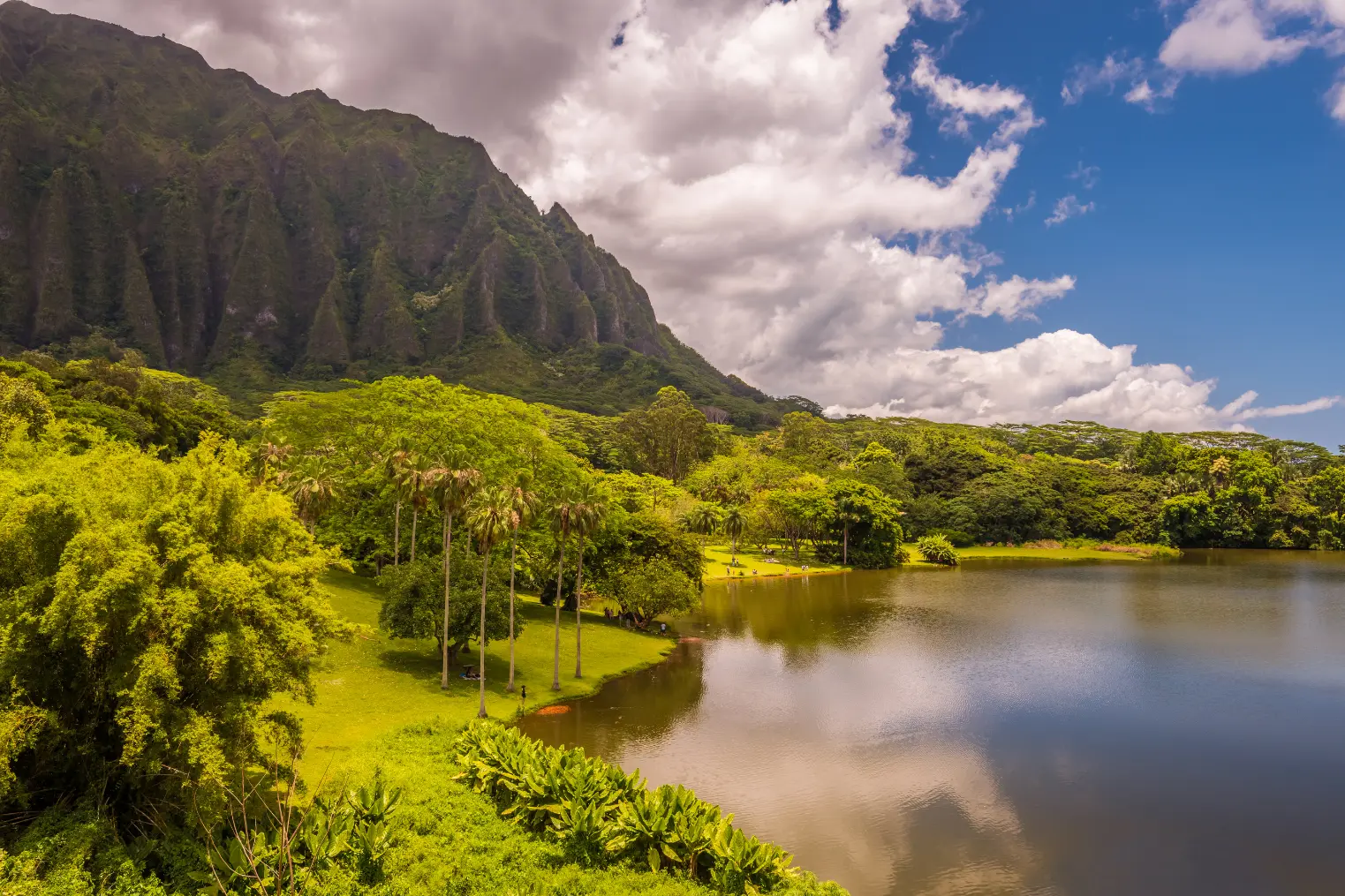
If you want big Koʻolau views without a hardcore hike, Ho‘omaluhia’s mellow trails are your sweet spot. You’ll stroll flat lakeside paths, pause at dam overlooks, and shoot those famous road photos, all in under a couple of hours. Parking is free but fills by late morning, and trails can turn slick after rain, so pack water, sun protection, and real shoes. The trick is knowing which short walks actually deliver the best pay‑off.
Key Takeaways
- Lake Waimaluhia Loop is the easiest, most rewarding walk: mostly flat, 45 minutes, with postcard Koʻolau Range and lakeshore views.
- Ho‘omaluhia Lake and Dam Trail offers a 40‑minute mostly flat dirt-and-gravel lakeside loop plus a 10‑minute paved Dam Overlook with panoramic vistas.
- Main Road Walk from the visitor center provides a gentle 15–25 minute stroll with straight-road, cliff-framed views ideal for photos.
- Arrive before 9 a.m. or after 3 p.m. for softer light, fewer crowds, and easier access to prime viewpoints and photo spots.
- Best photo locations include the palm-lined entrance road, visitor center overlook, Mamakilo Bridge lake viewpoint, and upper-road pullouts facing the Koʻolau cliffs.
Getting to Ho‘omaluhia and Parking Basics
Getting to Ho‘omaluhia is straightforward if you time it right, but a bit of planning saves you from turning around at the gate. You’ll drive about 30 minutes from Waikīkī, longer in rush hour, and the small entrance backs up quickly on weekends and holidays. Arrive before 9 am or after 3 pm for easier parking. Keep in mind that starting in 2026 the garden will be closed every Thursday, so avoid planning your visit that day.
The main lot fills first, so follow signs to overflow areas and avoid blocking residential driveways. Bicycle parking sits near the visitor center, handy if you ride in from Kailua. There’s no official Shuttle access yet, though some Viator tours include hotel pickup, tickets, and time inside, with verified reviews and free cancellation.
Bring water, sun protection, and skip leaving valuables in the car at this scenic spot.
Recommended hotels for this trip
Compare well-reviewed stays from our destination hotel guides, then check live availability for your dates.
 Featured stay
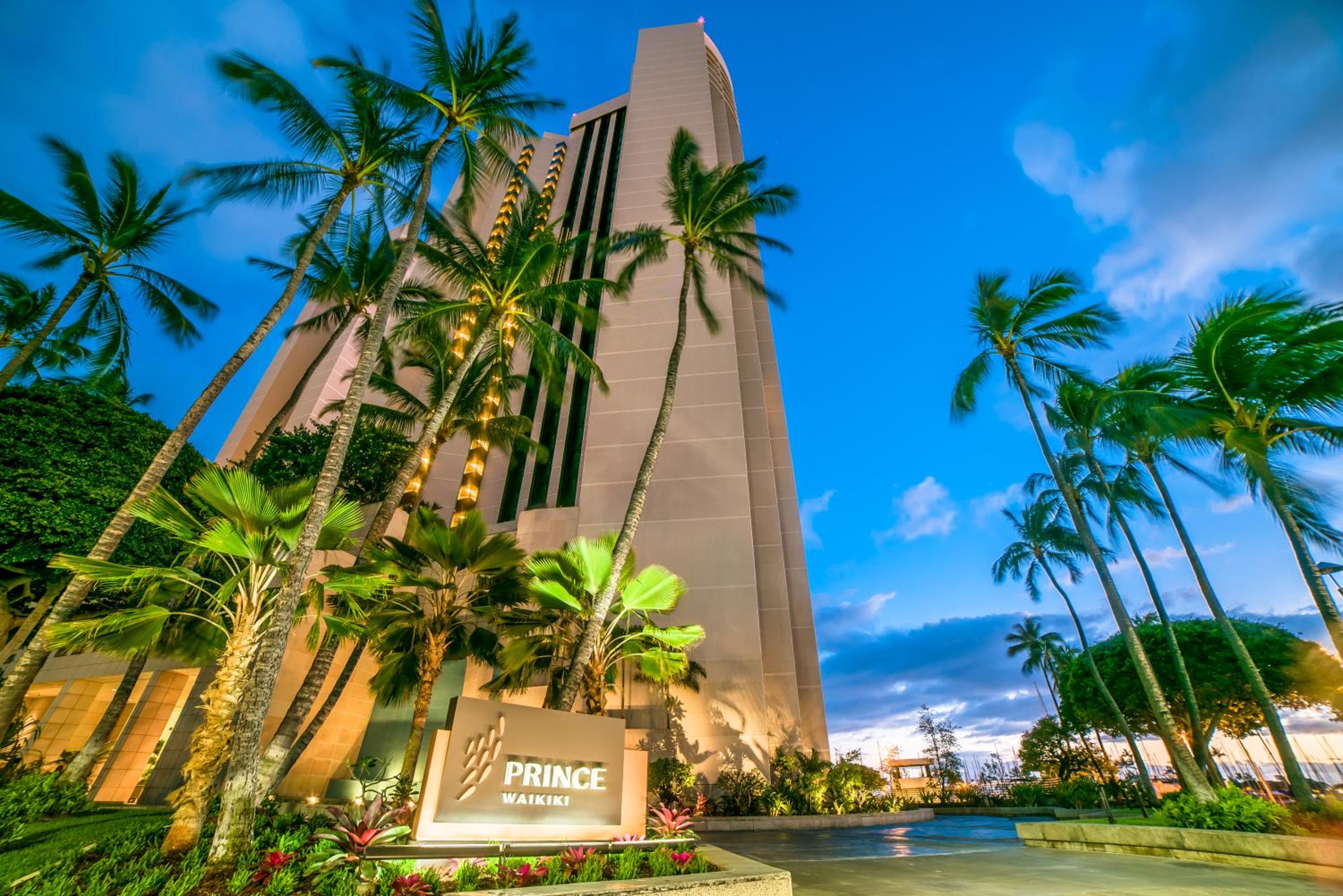
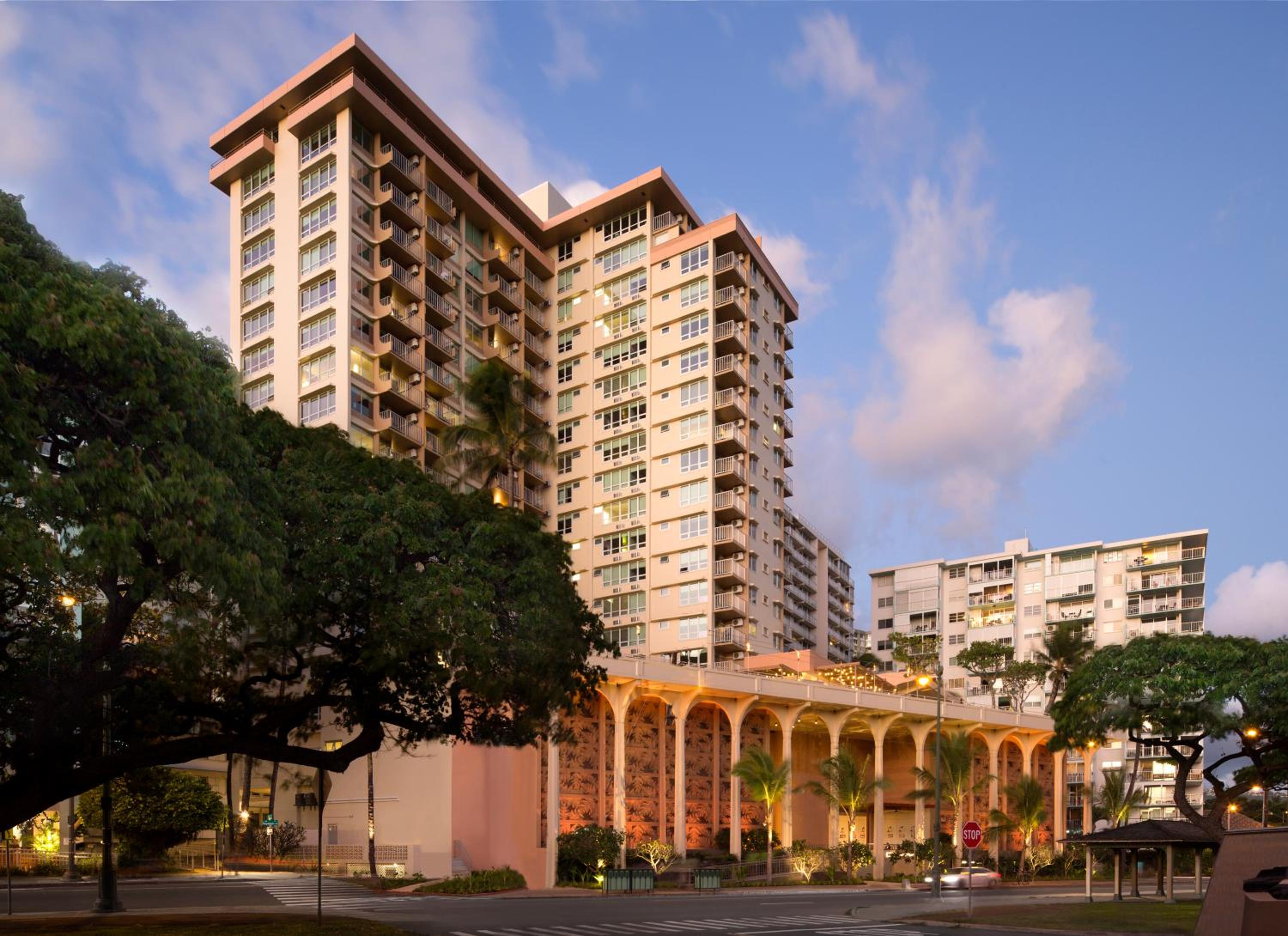
 Prince Waikiki
- Free WiFi
- Non-smoking rooms
- Air conditioning
Well suited to couples seeking ocean views, families who want two-queen rooms or multiroom suites, convention visitors, and travelers who value pools and on-site dining. It may be less appealing if you want to step directly…
- Oceanfront 2 Queens
- Room Only
- Refundable until Sep 13
 Guest favorite
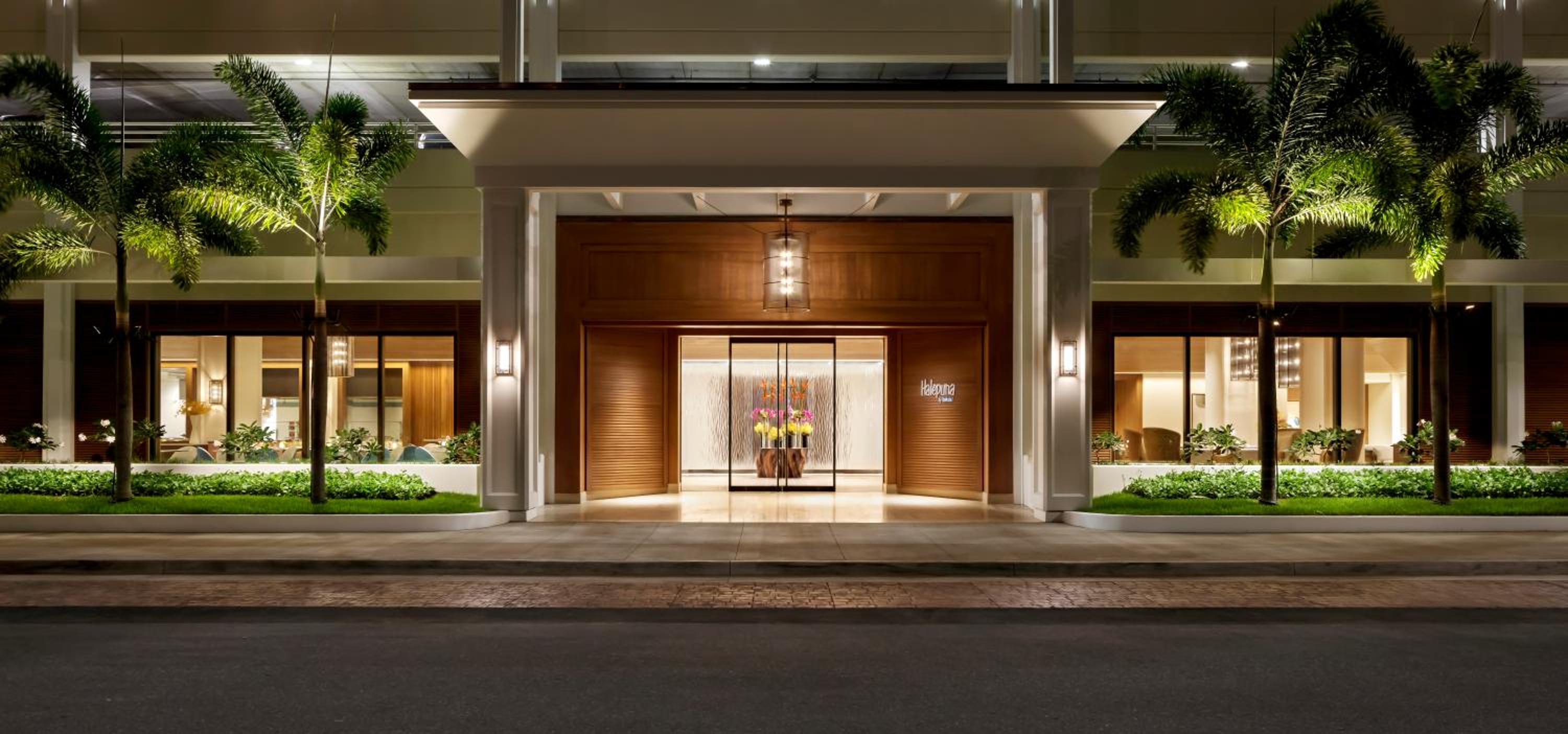
 Halepuna Waikiki by Halekulani - NO RESORT FEE
- Free WiFi
- Non-smoking rooms
- Air conditioning
You are likely to appreciate Halepuna if you want an upscale, relatively serene stay near Waikiki Beach, restaurants, and shopping, but do not need a beachfront resort campus. Couples and solo travelers can prioritize the king…
- Mountain Waikiki View Two Double Beds
- Room Only
- Non-refundable rate
 Guest favorite
 Queen Kapiolani Hotel
- Free WiFi
- Non-smoking rooms
- Air conditioning
You are likely to appreciate this hotel if location, Diamond Head scenery and easy access to the beach matter more than having a quiet resort compound. Double-queen rooms and larger suites can suit families, while studios…
- Studio with City View
- Room Only
- Non-refundable rate
Best Easy Trails at Ho‘omaluhia Botanical Garden
You’ll find the easiest and most rewarding walk at Ho‘omaluhia on the gentle Lake Waimaluhia Loop, a flat path that circles the water with constant postcard views of the Koʻolau Range. This laid-back loop pairs perfectly with the garden’s scenic drives so you can mix short walks with pullout viewpoints along the main road. Start early or late afternoon to avoid tour-bus crowds and harsh light, and bring water, a hat, and a camera rather than heavy hiking gear. Along the road and short spur paths, you can peel off to scenic garden viewpoints that frame the lake, palms, and jagged cliffs, so don’t rush this section even if you’re tight on time.
Lake Waimaluhia Loop
Soft morning light on Lake Waimaluhia makes this easy loop trail feel like a calm postcard come to life.
You follow the shoreline on a mostly flat path, with gentle hills and wide grassy sections where you can pause and breathe.
The full loop takes about 45 minutes at a relaxed pace, longer if you stop for photos of the Koʻolau Range reflecting in the water.
Check posted fishing regulations before you cast a line, and bring your own gear, as rentals aren’t available.
Kayak rentals operate occasionally through permitted vendors, so confirm ahead or join a small-group Viator tour with hotel pickup and flexible, free cancellation.
Wear shoes that handle mud, plus reef-safe sunscreen and water.
Start early to avoid heat and crowds.
For updates on hours, class offerings, and any trail-related programs, you can contact the Honolulu Botanical Gardens through the Department of Parks & Recreation.

Toa Luau at Waimea Valley, Oahu
Toa Luau invites you to immerse yourself in the beauty and excitement of Polynesia on Oahu’s historic North Shore!...
Waikiki, Hawaii: Turtle Canyon Snorkel Excursion
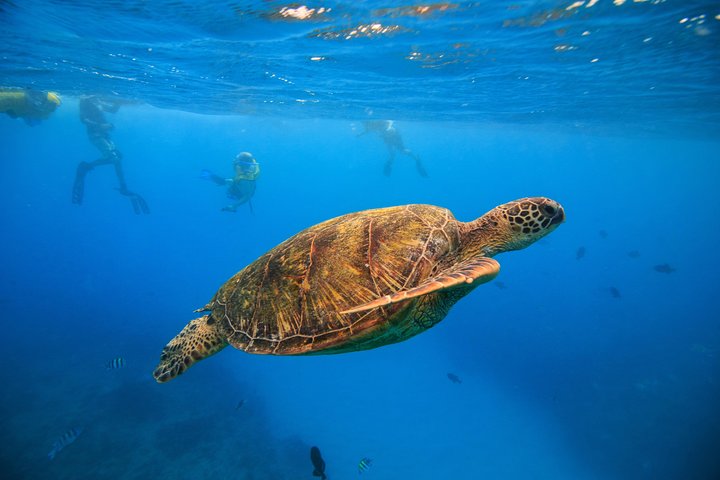
Discover the magic of snorkeling with Hawaiian Green Sea Turtles at Waikiki’s famous Turtle Canyon. On this 2-hour...

Oahu: Mauka Warriors Luau Honoring Polynesia's Forgotten History
Step into the vibrant heart of Hawai‘i and experience a luau like no other—where culture, history, and celebrati...
Scenic Garden Viewpoints
Often the easiest rewards at Ho‘omaluhia come from its roadside viewpoints and ultra-short paths that fan out from the main drive.
Start near the visitor center, where tiny pullouts reveal sweeping views of the Koʻolau cliffs and the lake far below.
You can step out for five minutes, take photos, then move on before the next car arrives.
Farther along, short paths lead into orchid alcoves and shaded lawns with picnic tables.
You’ll find a few small meditation pavilions that feel quiet even on busy weekends.
Mornings before 10 am bring softer light and fewer people; afternoons can be hot, so carry water and a hat.
Skip tripods and drones, which staff sometimes question, and focus on simple, slow wandering with kids and grandparents.
If you’re exploring more of the island, pair these mellow garden strolls with a visit to Waimea Valley to experience another lush, easily accessible side of Oʻahu’s landscapes.
Main Road Walk: Iconic Ho‘omaluhia Views
Stroll up the main road from the visitor center and the classic Ho‘omaluhia postcard scene opens up fast: a straight ribbon of asphalt framed by jagged, misty Koʻolau cliffs that look almost unreal.
The walk is gentle, about 15 to 25 minutes each way, yet views hit you immediately. Look back for a rainforest canopy of emerald trees, then ahead to peaks wrapped in shifting cloud. In spring and early summer, seasonal wildflowers brighten the shoulders.
If you’re exploring more of Oʻahu, the rugged coastal trails and conservation-focused access at Kaʻena Point State Park offer a very different but equally scenic walking experience.
Arrive before 9 a.m. or late afternoon to dodge tour buses and wedding shoots. Parking and entry are free. Bring water, sun protection, and a light rain jacket. Skip tripods in the road; rangers will move you along. Stay alert for cars while you line up that shot.
Ho‘omaluhia Lake and Dam Trail: Waterfront Stroll
You follow a gentle path along Ho‘omaluhia Lake, where calm water mirrors the Koolau cliffs and the air feels cooler than on the main road. From the small dam overlook, you get wide, open views that are great for photos, especially in the soft light before 10 a.m. or near sunset. Keep your pace slow, since you’ll spot ducks, herons, and other waterfowl along the shore, and you’ll want a camera with zoom plus lightweight rain gear rather than bulky hiking kit. If you enjoy this lakeside walk, you might also like visiting Foster Botanical Garden, where timing your visit for morning or late afternoon offers similarly beautiful light and cooler temperatures.
Scenic Lakeside Path
Mist rises off Ho‘omaluhia Lake in the morning, turning the water into a soft mirror for the Ko‘olau cliffs.
You follow the Scenic Lakeside Path, a mostly flat dirt and gravel track that hugs the shore.
Families and joggers use it, yet it rarely feels crowded on weekdays before 10 a.m.
You’ll pass small grassy pockets for picnics and a simple canoe access point that’s sometimes used for cultural programs, not casual paddling.
Read the botanical signage as you go; it quietly turns the walk into an open air plant museum.
Wear sandals or light hikers, since showers turn the track slick.
Bring water, bug spray, and a camera, and skip heavy gear.
The loop takes about forty relaxing minutes at a gentle pace.
For a deeper look at Hawaiʻi’s plant life and cultural history, you can pair this stroll with guided cultural and botanical walking tours offered in Waimea Valley.
Still comparing Oahu Botanical Gardens And Flora?
Ask for tour ideas, hotel suggestions, or a simple trip plan that combines both.
Trip Helper
Dam Overlook Views
From a low rise above the water, the Ho‘omaluhia Lake and Dam Trail gives you one of the garden’s widest, most dramatic viewpoints.
Here you look straight across the reservoir to the jagged Koʻolau cliffs, which catch every shift of light.
Come in late afternoon for a panoramic sunset that washes the valley in pink and gold.
The walk from the parking lot takes about ten easy minutes on a paved road, fine for sandals or strollers.
At the overlook, simple railings and concrete edges hint at the dam’s engineering history; signs explain only the basics, so skip deep research expectations.
Crowds stay light on weekdays.
Bring water, a light rain shell, and a camera.
Viator tours help with transport and flexible timing options.
Before you go, check the official Nā Ala Hele resources or Outerspatial app for current trail information and safety updates.
Wildlife And Waterfowl
Often the quietest part of the Ho‘omaluhia Lake and Dam Trail is right at the water’s edge, where ducks, geese, and egrets patrol the shoreline like they own it. You’ll spot Hawaiian gallinules and other native birds gliding between pockets of lotus and reflected clouds. Pause and you’ll hear their soft calls mix with traffic noise from town. As you explore Oʻahu, you can compare this peaceful freshwater habitat with the protected marine life conservation district at Hanauma Bay, where shoreline rules help safeguard fish, coral, and other aquatic species.
Walk early, before 9 a.m., for cooler air and calmer flocks. Midday sun feels harsh, and parking fills on weekends. Bring binoculars, a light rain shell, and bug spray, but skip feeding the birds. It harms them and the lake.
This mellow stretch also doubles as an outdoor classroom on wetland conservation:
- Watch quietly from viewpoints
- Photograph with zoom, not food bribes
- Ask rangers about restoration
Kahua Fields: Easy, Family-Friendly Loop Walks
Families usually start at Kahua Fields, where the garden opens into wide, grassy lawns and a cluster of short, easy loop walks that feel more like a relaxed park stroll than a hike.
You can wander the loops in 20 to 40 minutes, perfect for strollers and grandparents.
Interpretive signs hint at native plants, community gardens, and cultural practices, so kids get a quiet lesson with their exercise.
The ground stays fairly flat, though rain turns patches muddy, so wear closed shoes.
Entry to Ho‘omaluhia is free, and parking fills most on weekends by 10 am.

Oahu: Full or Half Day Grand Circle Island Tour
Choose from two exciting ways to experience Oahu's top attractions, scenic beauty, and local culture.Option 1: Dol...

Parasailing Experience in Waikiki, HI
Experience the thrill of Oahu parasailing on this unforgettable 1-hour adventure from Waikiki. Soar up to 1,000 feet...

Oahu: Grand Tour Around Island with Snorkeling
Come join on a circle island adventure led by some of Hawaii’s most knowledgeable local guides and experience brea...
Arrive early or come after 3 pm for softer light and thinner crowds.
Skip heavy packs, but bring water, sun protection, and a picnic blanket for relaxed breaks.
Before you go, you can check the Staffed City Parks information from the Department of Parks & Recreation for island-wide park services and contact details.
Best Ho‘omaluhia Viewpoints and Photo Spots
Why does Ho‘omaluhia look so familiar, even if you’ve never been? You’ve probably seen the palm-lined entrance road all over Instagram. Arrive before 9 am to beat the car queue and harsh light.
Walk up from the visitor center for classic mountain-and-lake shots without the traffic.
- Lake viewpoint near Mamakilo Bridge for wide water panoramas and sunset reflections
- Upper road pullouts facing the Koʻolau cliffs, best from 8–10 am for soft light and fewer cars
- Quiet side paths by the marsh for hidden birding and macro flower photos
Tripods stay low key; rangers dislike big setups in the road. Pack a light zoom and polarizing filter.
If you lack a car, a well reviewed Viator tour solves transport and includes flexible, free cancellation options. For updated park hours, rules, and contact details, check the official Department of Parks and Recreation resources before you go.
Weather, Safety, and Trail Etiquette at Ho‘omaluhia
Those picture-perfect views come with real-world trade-offs, so you’ll want to understand Ho‘omaluhia’s weather, safety, and basic trail manners before you lace up.
Rain builds fast along the Koʻolau Range, so practice storm preparedness and check the garden’s website or signboards for trail closures before you start. If thunder rolls, turn around early; flash floods can sweep across low paths.
Storms build quickly here, check closures before hiking and head back at the first thunder.
Humidity hits hard, so pace yourself for heat acclimation and rest in shaded shelters instead of pushing on.
Watch for slick mud, roots, and placid-looking ponds that drop off sharply. In wet conditions, other nearby valley trails like Manoa Falls Trail can turn into slippery “slip-and-slide” hikes, a good reminder to treat Ho‘omaluhia’s mud and roots with similar caution.
Stay on marked trails and respect visitor limits at viewpoints so everyone can enjoy the quiet. Keep voices low, yield to uphill walkers, and give local families space.
Pack patience; this is shared ground.
What to Pack and When to Visit Ho‘omaluhia
Once you know how quickly Ho‘omaluhia can shift from blue skies to dripping jungle, what you pack and when you show up matters as much as which trail you choose. Build a simple packing checklist so you don’t waste time repacking in the hotel lot.
- Lightweight rain jacket or poncho
- Closed toe shoes with grip
- Refillable water bottle and small snacks
Arrive at opening, usually 9 a.m., to dodge seasonal crowds and secure parking near your trail. Weekday mornings feel quiet and misty, while afternoons see more local families and Viator tour vans with hotel pickup. Visiting Ho‘omaluhia is also a great way to sample the laid‑back atmosphere of Oahu’s botanical gardens without committing to a full‑day excursion.
Mid winter and summer holidays run busiest. Skip big umbrellas and tripods, both awkward on narrow paths. A small daypack keeps your hands free for photos later.
Frequently Asked Questions
Are Drones Allowed for Photography at Ho‘Omaluhia Botanical Garden?
No, you generally can’t fly drones for photography at Ho‘omaluhia because city parks prohibit them. To comply with drone regulations, you must obtain aerial permits from Honolulu authorities, which are rarely granted for casual visitors.
Can I Host a Wedding or Special Event Inside Ho‘Omaluhia?
You can host weddings or special events, but you’ll need wedding permits and reservations. Only designated areas allow private ceremonies, with limits, parking rules, and alcohol restrictions, so you should contact Honolulu Parks when planning.
Is There Public Transportation or Shuttles Directly Into the Garden?
Yes, you can reach the area by public transit, but buses stop outside the entrance; no dedicated shuttle stops or shuttles operate, so you’ll walk in from the gate and explore the garden on foot.
Are There Any Food Vendors or Cafes Within Ho‘Omaluhia Botanical Garden?
Only about 10% of Oʻahu parks have on-site food, and this garden’s not one of them; you won’t find cafes or snack kiosks, so you should bring your own food and use the picnic spots.
Is Ho‘Omaluhia Accessible for Visitors With Limited Mobility or Wheelchairs?
Yes, you’ll find partial wheelchair access. The visitor center, parking areas, and some viewpoints use paved paths, but steeper trails, grassy sections, and uneven terrain limit accessibility, so you’ll want assistance or a manual chair.
Conclusion
You leave Ho‘omaluhia with red dirt on your shoes and your camera full. The garden spans 400 lush acres, yet most visitors only explore the first mile, so you can still find quiet corners if you walk a bit farther. Arrive before 9 a.m. or after 3 p.m. for softer light, cooler air, and fewer cars. Pack water, a light rain jacket, and closed shoes. Skip drones and loud music. Let the Koʻolau cliffs do the talking.