
More than 5,000 plants fill Waimea Valley’s gardens, yet most visitors head straight to the waterfall, snap a photo, and leave. If you walk the full paved path instead, you’ll pass thatched hale, a taro loʻi, and a quiet heiau, plus side trails where the tour groups thin out. With $25 admission, limited shade, and peak crowds from 10 am to 2 pm, it’s worth knowing exactly what to seek out beyond the swim.
Key Takeaways
- Explore reconstructed Hawaiian hale, farming terraces, and the heiau temple platform that reveal traditional life and spiritual practices in the valley.
- Stroll the botanical collections of palms, ginger, native hibiscus, orchids, and labeled native plants showing traditional cultural uses.
- Join cultural demonstrations like kapa beating, lei-making, and kalo/poi pounding, where guides explain history and kids can participate hands-on.
- Wander quieter side trails to shaded forest paths, mossy grottos, and scenic lookouts over the river, temple ruins, and steep valley walls.
- Enjoy birding along benches and side paths where varied native and introduced birdsong replaces waterfall noise, especially in the mid-morning calm.

Toa Luau at Waimea Valley, Oahu
Toa Luau invites you to immerse yourself in the beauty and excitement of Polynesia on Oahu’s historic North Shore! Book any one our 3 Luau seating o...

Private Tour Oahu featuring Waimea Waterfall & Botanical Garden
Our private North Shore tour centers around Waimea Valley and Waterfall. Enjoy a 1.6-mile paved walk through a tropi...

VIP Waimea Falls and Hiking Tour with Limousine Transport
Explore the breathtaking Waimea Falls on this exclusive VIP Tour, complete with a luxurious limousine ride along the...

Oahu Personalized Private North Shore Highlight Custom Tour
Explore the Seven Mile Miracle known as O`ahuʻs North Shore. Winter brings big waves and world-class surfing, wh...
Waimea Valley Beyond the Waterfall: Is It Worth It?
Walk past the turnoff for Waimea Falls and the valley quickly changes from swim-spot postcard to a quieter, more layered place that’s absolutely worth a bit more of your time.
Beyond the falls, Waimea shifts from crowded swim stop to tranquil, story-filled valley worth lingering in.
Here you actually feel Waimea as a living cultural site, not just a backdrop for selfies. You’ll wander through botanical collections where Indigenous stewardship shows up in careful plant labeling, taro patches, and guides who explain how Hawaiians used each species. For a different perspective on the valley, consider an evening at the Toa Luʻau, where island cuisine and performances bring Waimea’s stories to life after dark.
It’s easy to slow down, listen for birds, and notice cool shade after the humid trail near the pool.
Check the calendar for seasonal events like hula, craft demos, or evening concerts, which can turn a short visit into a half day.
If you only swim, you’re missing the valley’s best stories entirely.
Waimea Valley Hours, Admission, and How to Visit
Plan your visit right and Waimea Valley feels relaxed instead of rushed. The valley usually opens mid morning and closes by late afternoon, so arrive within the first hour to beat tour buses and heat. Check the official site for holiday changes and swimming closures. Buy tickets online to skip the line; prices sit in the moderate range for Oahu attractions. To snag Waimea Falls parking in the main lot, aim for arrival before mid-morning, since the primary stalls fill first and overflow areas follow soon after on busy days.
For parking tips, come early, avoid weekends if you can, and skip circling the lot in favor of the overflow area. Guided tours on Viator help with timing, include tickets, and often offer hotel pickup, free cancellation, and reserve now pay later.
Bring water, reef safe sunscreen, and sandals you don’t mind getting muddy. Leave bulky gear behind to keep walking easy.
Cultural Sites in Waimea Valley
Beyond the waterfall, Waimea Valley doubles as an open‑air museum of Hawaiian history and spirituality. As you follow the main path, you pass reconstructed thatched houses, farming terraces, and a impressive heiau, or temple platform, central to ongoing Heiau preservation work. Waimea Falls visitor rules also shape how you experience the valley, from staying on marked trails to understanding when swimming at the falls is allowed.
Waimea Valley unfolds as a living museum, where restored village sites quietly retell Hawaii’s sacred past
Plan 30 to 45 minutes to wander these sites slowly, reading the clear signs and listening for the occasional chant from cultural practitioners.
Stop by the traditional hale where makers demonstrate kapa revival, beating bark into soft, patterned cloth. You can ask questions, handle tools, and sometimes buy small pieces for souvenirs.
Most talks are included in admission, so arrive before midday, when demonstrations usually run. Skip rushing straight to the falls, or you’ll miss Waimea’s real heartbeat on a typical busy day.

Oahu: Germaine's Luau
Come visit us at Germaine's Luau, where you will experience a traditional Hawaiian Luau on our beachfront property o...

Oahu: Ka Moana Lūʻau at Aloha Tower – Oceanfront Luau Show
Ka Moana Lūʻau – Oceanfront Hawaiian Luau in HonoluluExperience the spirit of Hawaiʻi at Ka Moana Lūʻau, a...

Oahu: Mauka Warriors Luau Honoring Polynesia's Forgotten History
Step into the vibrant heart of Hawai‘i and experience a luau like no other—where culture, history, and celebrati...
Waimea Valley Botanical Gardens and Native Plants
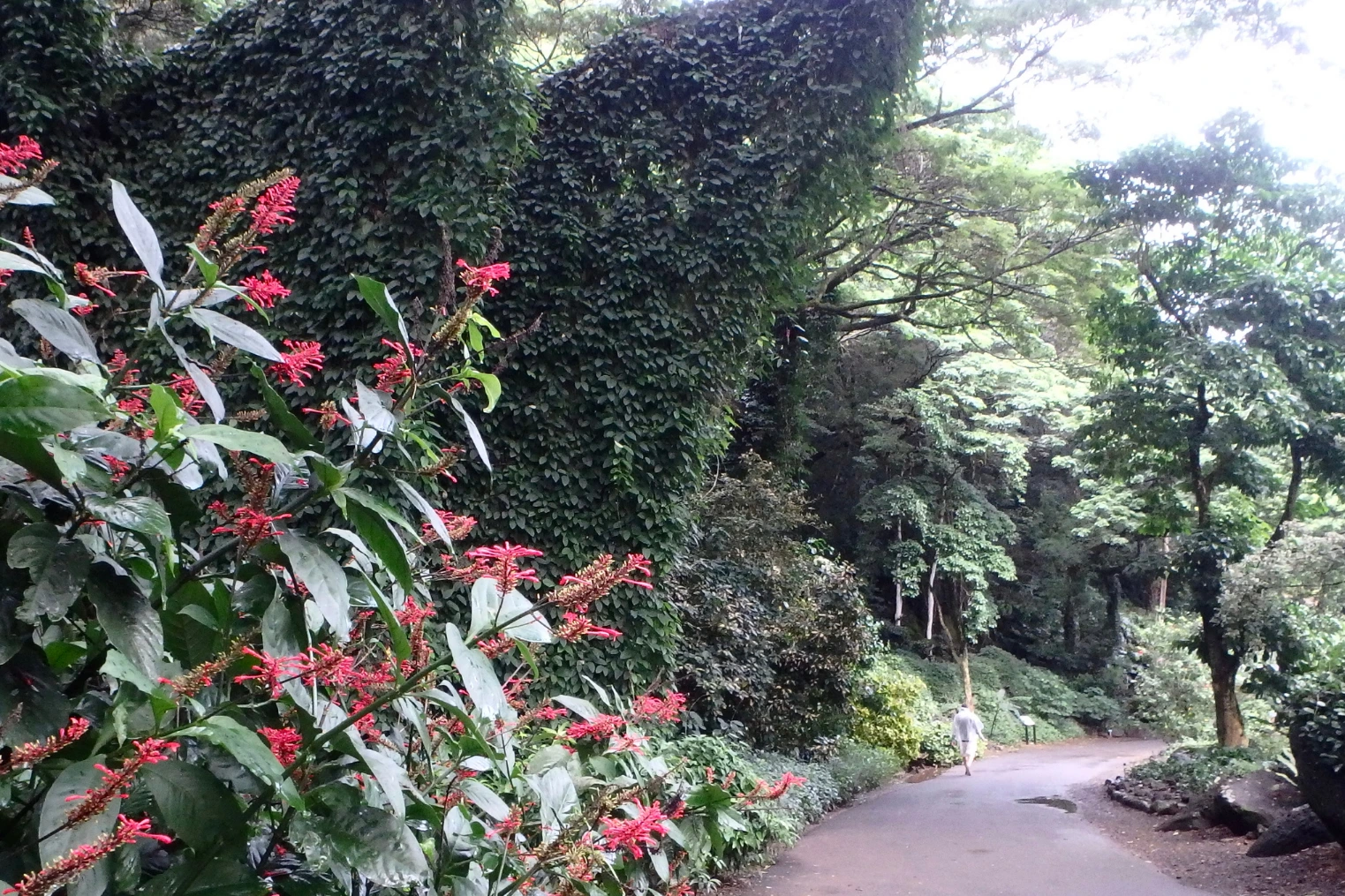
Color is the first thing that hits you in Waimea Valley’s botanical gardens, with palms, ginger, and native hibiscus crowding the path in thick, glossy greens and reds. Nearby, Alii Beach Park in Haleiwa offers surf watching, sea turtles, and relaxed picnic spots along the shore.
Give yourself 45 minutes to loop the gardens. Signs highlight Endemic orchids and rare species. Ask staff about Traditional uses of ti and kukui. Key stops worth your time include:
- Orchid conservatory
- Native forest section
- Heiau interpretive garden
Entry is about $25 for adults, less for kids, with free parking at the main lot.
Arrive before 10 a.m. to avoid buses and skip the harsh midday sun. Bring water, reef safe sunscreen, insect repellent, and a light rain shell.
Consider Viator tours with hotel pickup, verified reviews, free cancellation, and reserve now pay later flexibility online.
Quiet Waimea Valley Trails and Lookouts
Once you leave the main path, you’ll find quieter forest trails where packed dirt underfoot and filtered light make the valley feel almost private. A few short side tracks lead to small lookouts that frame the river and steep green walls, especially pretty in the softer light before 10 a.m. or near sunset closing time, so bring water, insect repellent, and skip flip-flops if you want to linger and listen to the birdsong along the edges. If you’re exploring the North Shore area more broadly, consider pairing your visit with a coastal hike at Kaʻena Point State Park, where remote shorelines, native wildlife, and rugged volcanic scenery offer a very different way to experience Oʻahu.
Secluded Forest Pathways
Although most visitors stop at the waterfall and turn back, the quiet forest pathways that branch off Waimea Valley’s main route are where the place really breathes. You leave the chatter behind within minutes, trading selfie sticks for birdsong and wet leaf smell. Paths are mostly flat, free, and open daily from morning until late afternoon, so you can wander without a guide. Compared with Manoa Falls vs Waimea Falls, these side trails in Waimea Valley feel like a slower, more flexible wander that fits easily into a relaxed day.
- Slip into mossy grottos that feel cooler than the paved trail.
- Pause on ferned bridges while you watch water thread through roots.
- Carry light rainwear, insect repellent, and a full bottle, then skip flip-flops for shoes with grip.
Early arrivals around nine find the trails empty, while tour groups hit the waterfall. Self guided walking works well; Viator tours feel unnecessary.
Scenic Valley Lookouts
From a few signed side trails near the main path, you can climb to low ridgelines where Waimea Valley suddenly opens like a green amphitheater. Go early for sunrise overlooks, when the air feels cool and the tour buses haven’t arrived. You’ll see the river curve below, temple ruins in the distance, and steep walls wrapped in jungle. Most lookouts sit 5 to 15 minutes off the main paved route, on packed dirt that gets slick after rain. Wear trail shoes, not flip flops. Skip tripods, the paths are narrow. Late afternoon brings softer light and some bugs, so pack repellent. There’s no entry fee beyond your valley ticket, and you rarely share these panoramic vistas with more than a handful of hikers here. For a different perspective on Oʻahu’s valleys and film history, you can also spend a day exploring Kualoa Ranch and its Jurassic-famous Kaʻaʻawa Valley.
Still comparing Waimea Valley Oahu?
Ask for tour ideas, hotel suggestions, or a simple trip plan that combines both.
Trip Helper
Birdsong Along Side Trails
Often the loud waterfall talk fades fast as you step onto Waimea Valley’s quieter side trails and the sound of birds takes over.
You follow narrow paths beneath kukui and hala trees, where song sparrows trade short chirps with sweeter calls from tropical warblers. Like at nearby Ho’omaluhia’s scenic drives and trails, these side paths offer hushed corners where you can listen to birds without the crowds.
Bring a light daypack, water, and a sun hat; you can skip heavy boots since trails are mostly paved or firm dirt.
- Start near the main lawn around 9 a.m. when buses thin and birds grow bolder.
- Pause at small wooden benches above the stream to record calls or just listen.
- Join a guided bird walk through Viator, with hotel pickup and free cancellation, if you want local naturalists to identify each voice without rushing your own quiet trail rhythm.
Waimea Valley With Kids: Family-Friendly Highlights
If you’re visiting Waimea Valley with kids, you’ll find the main paved path and short side trails easy for strollers and little legs, even in the midday heat.
Along the way, you can stop at hands-on cultural stations where keiki try lei making, traditional games, or pounding poi, usually included with the standard entry fee.
For a smoother day, arrive by 9 a.m., pack snacks and water, and check the daily activity board near the entrance so you don’t miss the most kid-friendly workshops.
Many families like to pair a morning in Waimea Valley with an afternoon exploring nearby Haleiwa, a historic North Shore town with shops, food trucks, and beach access.
Easy Trails For Strollers
Parents usually breathe a little easier the moment they roll a stroller past the Waimea Valley ticket booth, because the main path to the waterfall is paved, mostly flat, and surprisingly shady.
You can walk the full mile each way in under an hour, even with snack stops, since the route follows paved boardwalks and smooth garden paths.
Shaded promenades protect little ones from midday sun, though it still feels humid.
- Start before 10 a.m. to dodge tour-bus crowds and get cooler air for naps-on-the-go.
- Pack a light blanket, swim gear, and a rain cover; short showers move through fast.
- Skip bulky jogging strollers; a compact travel stroller fits better on shuttles and in tighter garden nooks.
Water shoes help at the falls pool. Nearby, the 400-acre Ho‘omaluhia Botanical Garden in Kāne‘ohe offers more stroller-friendly paved paths and peaceful lake views if you want another easy garden walk on a different day.
Interactive Cultural Activities
Although most families come for the waterfall, the cultural activities in Waimea Valley are what kids remember on the flight home.
Start at the Lei workshops near the visitor center, where kumu show you how to string plumeria and ti leaves into bright garlands. Kids handle real needles, so keep a close eye, but the result looks great in photos.
Nearby Kalo demonstrations walk you through every step from muddy loʻi fields to steaming poi. Guides invite volunteers to help pound cooked taro, and younger kids usually crowd the sample table. If your kids get hooked on plants here, consider adding one of Oahu’s other botanical gardens to your itinerary for even more hands-on exploring.
Check the day’s schedule online before you come, since activities rotate and can sell out. Bring water, wipes, and a change of clothes for curious, splash-prone children. Most sessions are included with admission.
Oahu: Chief's Luau Admission
Attend a luau on Oahu produced by the Original World Fire Knife Dance Champion, Chief Sielu. During this 3 to 3.5-...

Waikiki Starlight Luau on The Great Lawn-Hilton Hawaiian Village
Waikiki Starlight Luau has moved to the Great Lawn at Hilton Hawaiian Village. Voted Best Luau in Hawaii - 10 Best L...

Polynesian Cultural Center: Gateway Buffet Package
Located on O‘ahu’s North Shore, the Polynesian Cultural Center is a one-of-a-kind attraction showcasing the peop...
Nearby North Shore Stops to Pair With Waimea Valley
From the cool shade of Waimea Valley, you’re perfectly placed to sample some of the North Shore’s greatest hits in a single loop.
From leafy Waimea Valley, you’re perfectly placed to loop through the North Shore’s greatest hits
Walk five minutes to Waimea Bay for a late swim, cliff-jumper watching, or a simple Sunset picnic on the sand.
After dark, cross to the roadside Local food trucks for garlic shrimp, poke bowls, and shave ice; expect around $15 to $25 per person.
- Stop in Haleiwa for boutiques, surf art, and more plate lunches; parking fills by midafternoon.
- Loop to Shark’s Cove for tide pools and casual snorkeling; pack reef-safe sunscreen and water shoes.
- If you’re car free, consider a Viator shuttle tour with hotel pickup and flexible stops, then linger where it feels right for you.
From Waimea, you can easily weave in several of the North Shore Oahu must-sees, iconic beaches, casual eats, and quick viewpoint stops, without a long day in the car.
Frequently Asked Questions
Is Waimea Valley Accessible for Wheelchairs and Visitors With Limited Mobility?
Yes, you’ll find Waimea Valley accessible. You can follow paved paths, use accessible restrooms, and request shuttle assistance. Arrange wheelchair rentals at the entrance and join accessible tours to explore gardens and cultural sites easily.
Are Pets or Service Animals Allowed Inside Waimea Valley?
Like a gate with a purpose, you’ll find only trained helpers allowed: legitimate service animals may enter with you on a leash, but the pet policy prohibits pets and emotional support animals from visiting inside.
Can I Bring My Own Food, and Where Are the Picnic Areas?
Yes, you can bring your own food, but you’ll need to follow picnic rules and posted food restrictions. You’ll find picnic areas near the main lawn, by the visitor center, and along select garden clearings.
Are Professional Photography, Drones, or Tripods Permitted in Waimea Valley?
Rules wrap you like a lei here: you need permits for professional or commercial photography, drones face strict aerial restrictions and are usually banned, but you can use cameras and tripods respectfully on designated paths.
Does Waimea Valley Host Special Events or Luaus, and How Do I Attend?
You can attend Waimea Valley’s special events and luaus by booking through their website, where you’ll find a calendar of cultural performances, community celebrations, and options for private luaus; reserve early and confirm schedules directly.
Conclusion
When you leave Waimea Valley, you don’t just walk out, you practically time‑travel back to regular life. The waterfall is the headline, but the gardens, taro patches, and quiet side trails steal the story. Give it at least three unhurried hours, bring water, reef‑safe sunscreen, and a light rain jacket, and skip rushing straight to the falls. If you only chase the swim, you’ll miss the whole valley breathing around you.
Toa Luau at Waimea Valley, Oahu
Toa Luau invites you to immerse yourself in the beauty and excitement of Polynesia on Oahu’s historic North Shore! Book any one our 3 Luau seating o...
Private Tour Oahu featuring Waimea Waterfall & Botanical Garden
Our private North Shore tour centers around Waimea Valley and Waterfall. Enjoy a 1.6-mile paved walk through a tropi...
VIP Waimea Falls and Hiking Tour with Limousine Transport
Explore the breathtaking Waimea Falls on this exclusive VIP Tour, complete with a luxurious limousine ride along the...
Oahu Personalized Private North Shore Highlight Custom Tour
Explore the Seven Mile Miracle known as O`ahuʻs North Shore. Winter brings big waves and world-class surfing, wh...
Experiences to explore
 Explore experience ↗
Oahu Majestic Circle Island Tour with Waimea Falls and Byodo Inn
◷ 9 hr
Since 1974, E Noa Tours has specialized in showing visitors the real Oʻahu through immersive experiences led by passionate local guides
From $186.39 USD
View dates Explore experience ↗
North Shore / Waimea, Falls Day & Swim with Turtles
◷ 8 hr
Aloha a private or small group tour is the safest way to visit Oahu . We will start in the historic town of Haliwia and stoping at the
From $150.00 USD
View dates Explore experience ↗
VIP Waimea Falls and Hiking Tour with Limousine Transport
◷ 5 hr
Explore the breathtaking Waimea Falls on this exclusive VIP Tour, complete with a luxurious limousine ride along the stunning Kamehameh
From $899.00 USD
View dates

