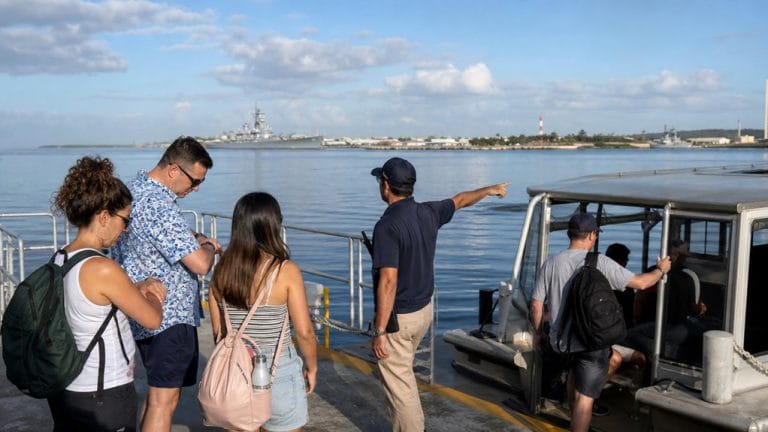
You can think of Oahu as a loop you actually want to drive, not rush through. The south shore gives you busy Waikiki and Ala Moana, the windward side turns lush around Kailua, the North Shore feels laid‑back and salty, and the west side stays hot and dry. Start early, pack reef‑safe sunscreen and snacks, and plan for photo stops. The only hard part is choosing where you’ll linger.
Key Takeaways
- Oahu divides into four main coasts: South Shore (Waikiki), Windward (Kailua/Kaneohe), North Shore (Haleiwa), and Leeward/West Side (Ko Olina/Makaha).
- A simple driving loop around Oahu takes 6–8 hours of driving, or about 12 hours with stops for photos, beaches, and meals.
- Start in Waikiki by 7–9 a.m., drive counterclockwise so the ocean stays on your right for easier scenic pull-offs and parking.
- Key beach clusters: Waikiki and Ala Moana (South), Kailua/Lanikai (Windward), Waimea/Sunset/Pipeline (North), and Ko Olina/Makaha/Yokohama (West).
- Pack water, reef-safe sunscreen, and start early to avoid traffic, secure parking at popular beaches, and safely enjoy lookouts along the loop.

Oahu: Dole Plantation & Haleiwa Town OR Grand Circle Island Tour
Choose from two exciting ways to experience Oahu's top attractions, scenic beauty, and local culture.Option 1: Dole Plantation & Haleiwa Town (6.5 H...

Oahu: Roundtrip Shuttle From Waikiki to Dole Plantation & Haleiwa
Skip Circle Island and visit two of the most popular places to visit here on the Island of Oahu. Experience a unique fusion of convenience, affordabil...
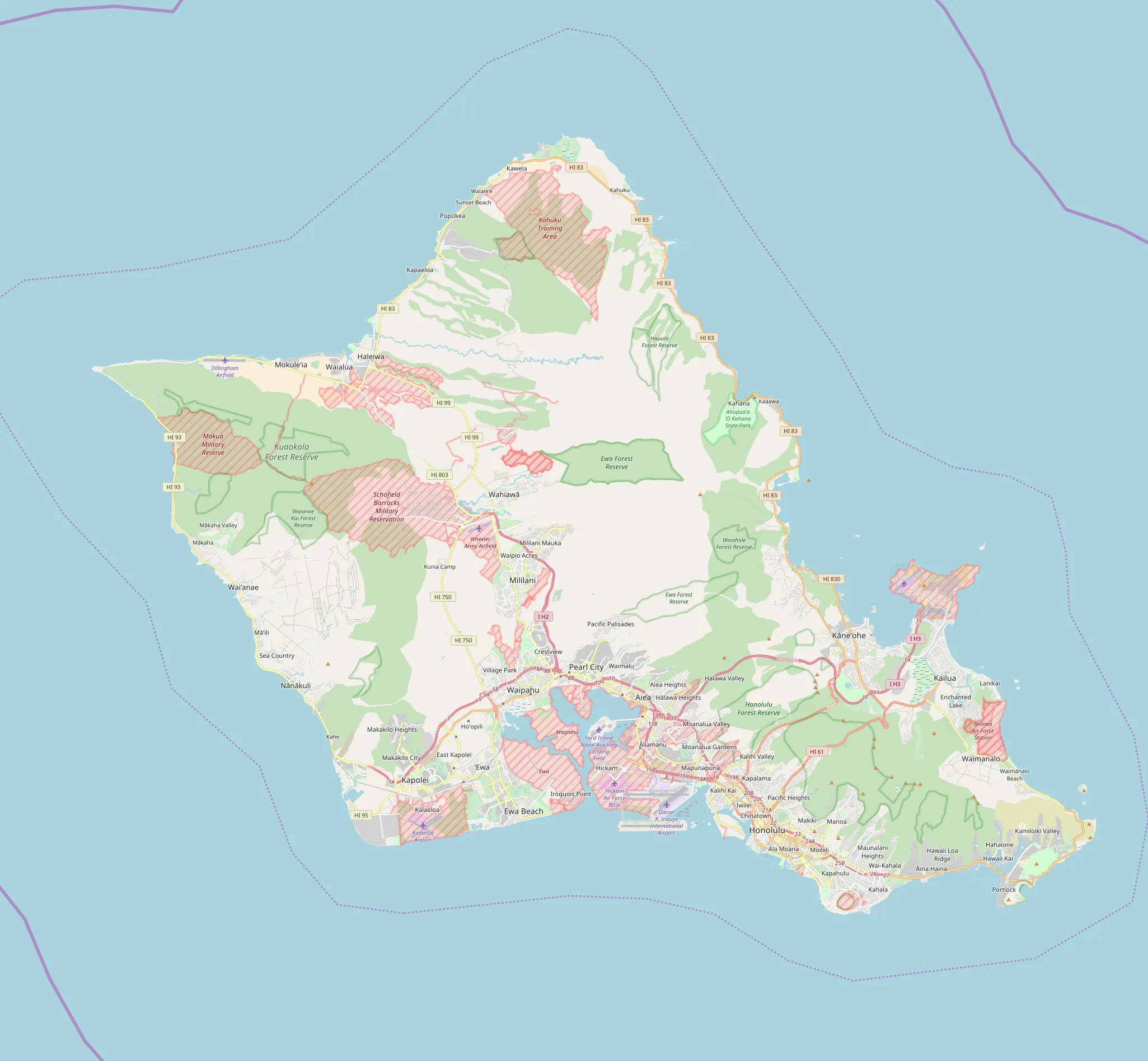
Your Simple Oahu Driving Loop at a Glance
Trace a simple loop around Oahu and you’ll quickly see how the island fits together, from busy Waikiki to the wild North Shore and the wind-swept east coast. This same route doubles as a practical Oahu circle drive that works as an easy, full-day island road trip.
Circle Oahu in a day and watch Waikiki, the North Shore, and the wind-swept east shore unfold.
You can drive the circle in about six to eight hours, but plan around twelve with photo stops. Start after rush hour, around 9 am, and keep a light cooler, swimsuit, and reef-safe sunscreen in the car.
Recommended hotels for this trip
Compare well-reviewed stays from our destination hotel guides, then check live availability for your dates.
 Featured stay
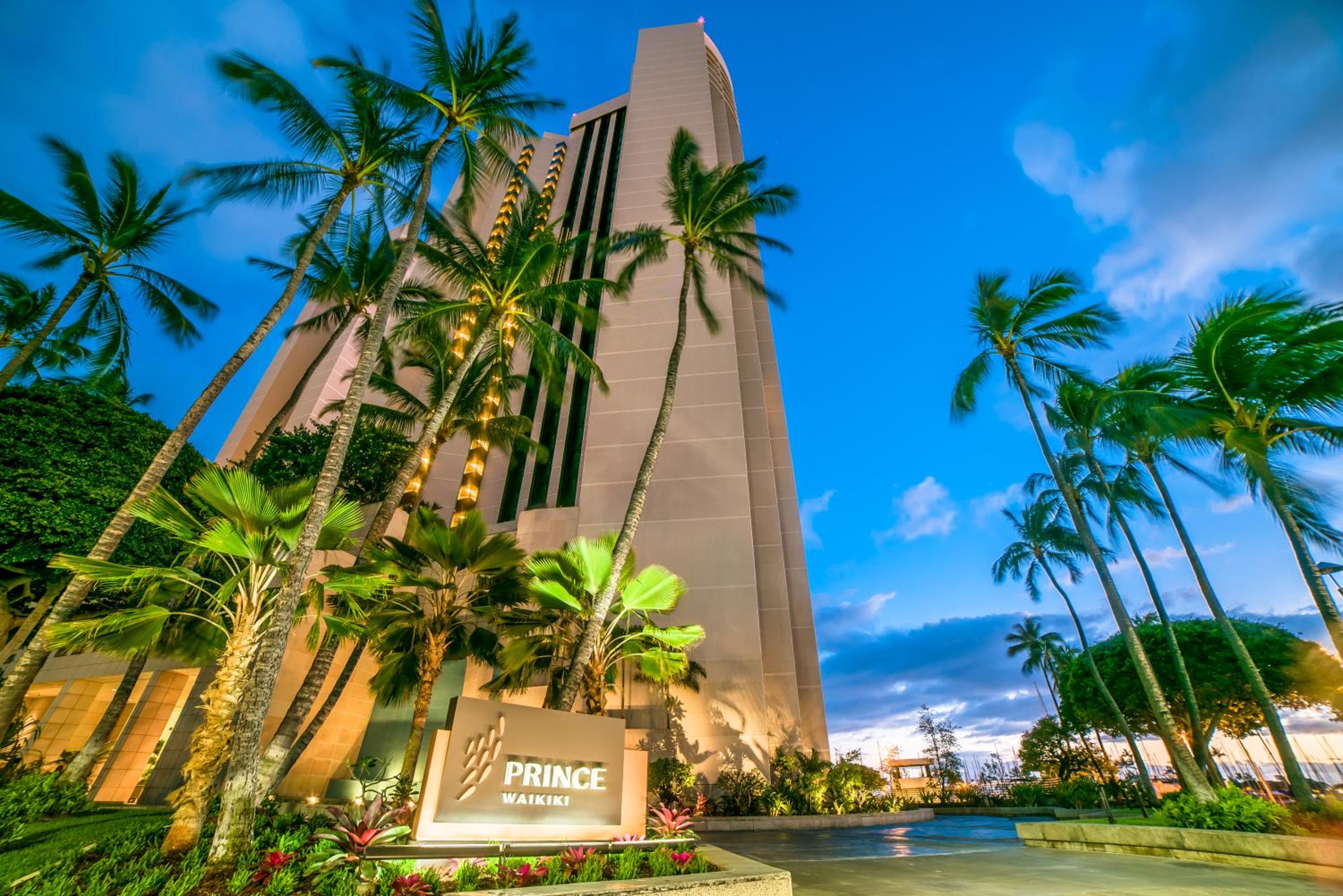
 Prince Waikiki
- Free WiFi
- Non-smoking rooms
- Air conditioning
Well suited to couples seeking ocean views, families who want two-queen rooms or multiroom suites, convention visitors, and travelers who value pools and on-site dining. It may be less appealing if you want to step directly…
- Oceanfront 2 Queens
- Room Only
- Refundable until Sep 12
 Guest favorite
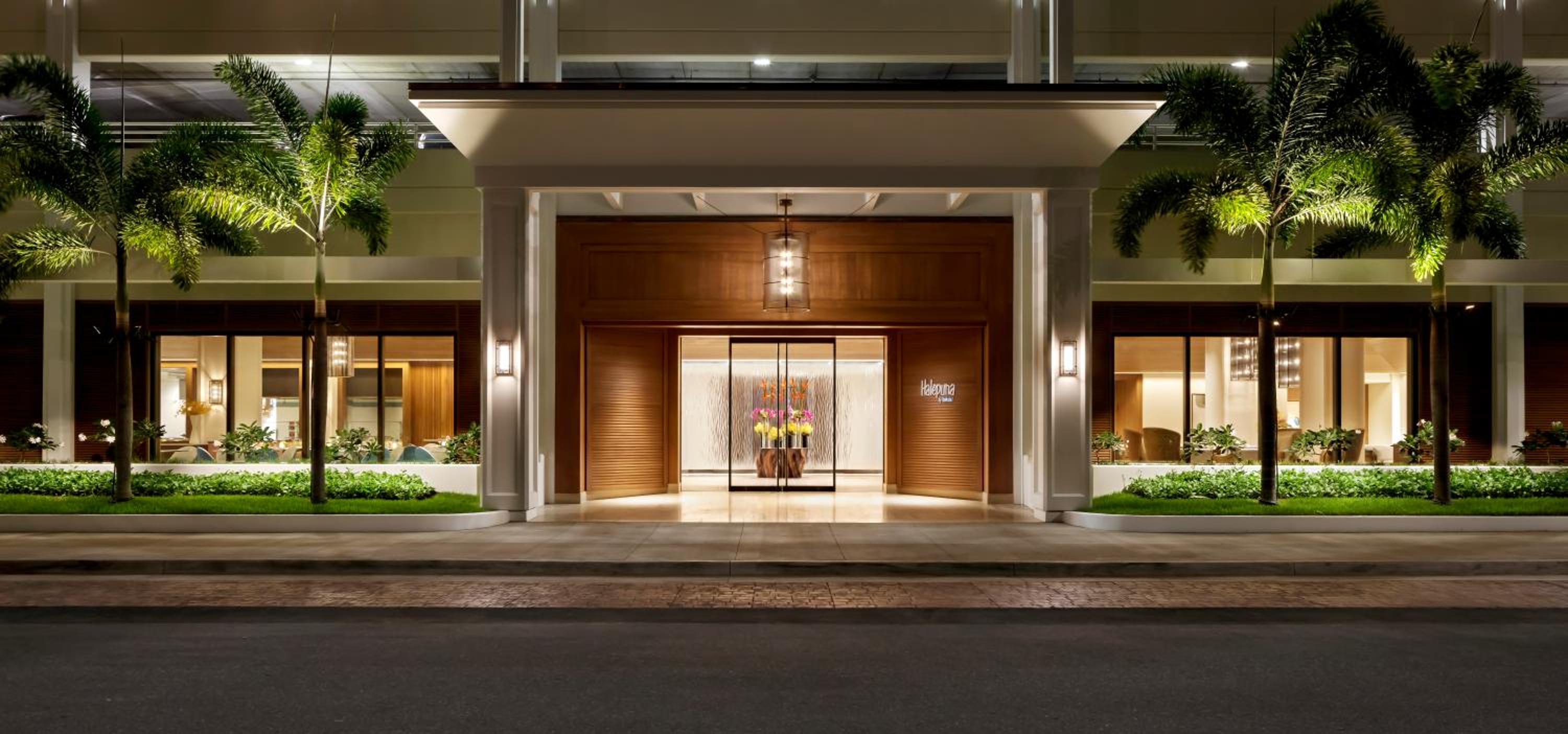
 Halepuna Waikiki by Halekulani - NO RESORT FEE
- Free WiFi
- Non-smoking rooms
- Air conditioning
You are likely to appreciate Halepuna if you want an upscale, relatively serene stay near Waikiki Beach, restaurants, and shopping, but do not need a beachfront resort campus. Couples and solo travelers can prioritize the king…
- Mountain Waikiki View Two Double Beds
- Room Only
- Non-refundable rate
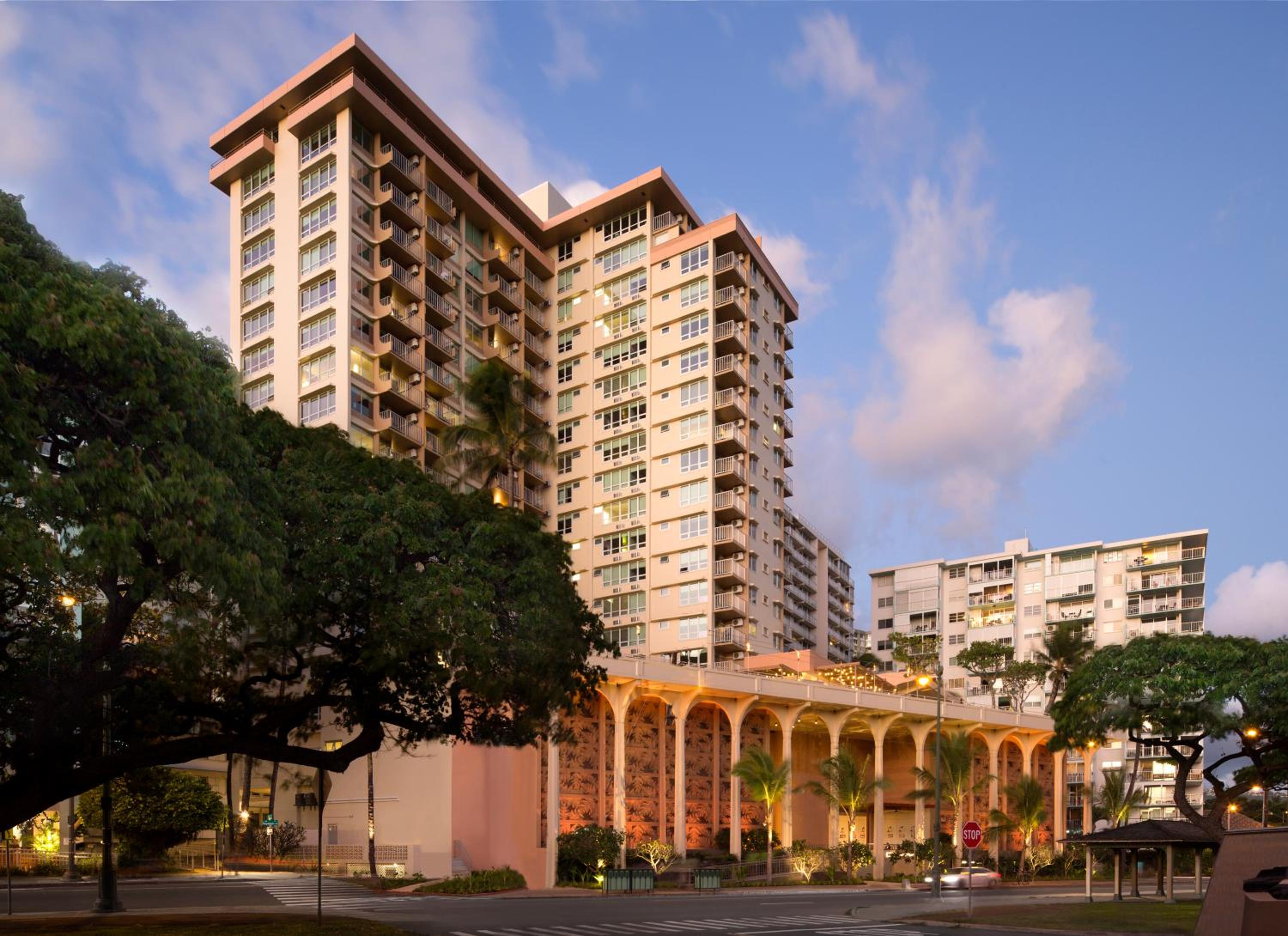 Guest favorite
 Queen Kapiolani Hotel
- Free WiFi
- Non-smoking rooms
- Air conditioning
You are likely to appreciate this hotel if location, Diamond Head scenery and easy access to the beach matter more than having a quiet resort compound. Double-queen rooms and larger suites can suit families, while studios…
- Studio, City View
- Room Only
- Non-refundable rate
Pull off at scenic coffee shops for cold brew and bathrooms you’ll want to use. Hit roadside fruit stands and local food trucks for cheap plate lunches under $15. Skip tight hotel parking; use public beach lots instead.
If you hate planning, a Viator circle-island tour handles logistics with verified reviews, hotel pickup, free cancellation, and reserve-now-pay-later options available.
Understanding Oahu’s Layout: Coasts and Regions
Even if you’ve been studying the map for days, Oahu only makes sense once you picture it as four main coasts wrapped around a rugged interior. Each coast region feels different because island microclimates shift over short distances. Trade winds keep the east side moist and green, while the west stays dry and sun soaked. The north feels cooler, with heavier surf in winter. Inland, ridges split valleys into small cultural districts and quiet suburbs, so drive times stretch longer than they look on your phone. Waikiki’s shoreline often sees seasonal rain patterns and shifting trade winds that can change ocean conditions over the course of a single day.
| Region | General vibe | Practical notes |
|---|---|---|
| East coast | Lush, breezy | Bring shell, start early |
| West coast | Hot, arid | Pack water, shade limited |
| North coast | Surfy, relaxed | Watch swell, parking fills fast |
| Interior | Steep, scenic | Expect slow roads, check weather |
South Shore Oahu: Honolulu, Waikiki, and Nearby Beaches
The south shore is Oahu’s busy front door, where Honolulu’s skyline rises over Waikiki’s long, curving beach and a string of smaller coves stretches east toward Hanauma Bay. You land here, drop your bags, and feel the city’s humidity and traffic right away. Waikiki works as your base, with easy bus routes, wide sidewalks, and beach access even between big hotels. Plan lazy mornings on the sand, active afternoons surfing or paddling, then lean into Honolulu nightlife along Kalakaua and Kuhio. For Waikiki dining, skip the expensive hotel buffets and try casual noodle shops, food courts, or sunset happy hours. Late afternoon brings heavy crowds, so swim earlier, then walk to Ala Moana Beach Park for a calmer, cheaper sunset and easier parking options. For an easy coastal stroll, follow the Waikiki Beach Walk route along the shoreline for sunrise’s soft light or sunset’s golden reflections on the water.
Windward Oahu: Kailua, Kaneohe, and Scenic Bays
On Oahu’s lush east side, you trade city towers for green cliffs, slow neighborhoods, and wide, pale-sand beaches.
Base yourself in Kailua, where the town feels residential but the shoreline looks made for postcards. You can walk or bike to Kailua Beach, then try Kailua kayaking across the turquoise bay to the Mokulua islets; start early to beat trades and parking tickets. Rentals run about $60 per half day including dry bags and soft racks. Before you go, review Mokulua kayak safety so you understand the route, wind, and landing conditions around the islets.
Lanikai’s smaller beach suits sunrise swims, though parking is tight and heavily enforced.
South in Kaneohe, explore gardens that showcase Kaneohe botany, from towering palms to ginger. Byodo In Temple and Hoomaluhia are peaceful in late afternoon.
Book a Viator shuttle if you’re skipping a rental car altogether easier.

Oahu: Grand Tour Around Island with Snorkeling
Come join on a circle island adventure led by some of Hawaii’s most knowledgeable local guides and experience brea...

Honolulu: Pacific Star Sunset Dinner Cruise and Show
Indulge in the original Pacific Rim cuisine, where each dish serves as a gateway to the rich flavors of the region...

Wai Kai Adventure Park Packages
Three ways to play! Full day and half day packages available.ULTIMATE PACKAGE: • Surf Session • AquaVenture...
North Shore Oahu: Haleiwa and Famous Surf Beaches
You reach the North Shore and feel the pace drop in Haleiwa, a historic surf town where food trucks, low-key surf shops, and old plantation buildings sit right beside the river. Haleiwa sits on the North Shore of Oahu island, making it an easy day trip from Waikiki or Honolulu.
From here you can hop between iconic beaches like Waimea Bay, Sunset Beach, and Banzai Pipeline, packing reef-safe sunscreen, a hat, and cash for shrimp plates or shave ice.
If you visit in winter, you’ll watch massive, world-class waves and pro surfers from a safe distance on shore, and you should skip swimming at exposed spots when warning flags are up and lifeguards say no.
Haleiwa Historic Surf Town
Surf-soaked Haleiwa blends laid‑back plantation town charm with world-class wave culture, making it the natural base for exploring Oahu’s North Shore. You arrive to a low skyline of weathered, colorful buildings and historic storefronts that feel a bit like a movie set after salt spray. Park once and explore on foot. Pop into galleries filled with local art; shave ice spots sit next door to shrimp trucks and surf boutiques. Expect to pay around $6 to $8 for shave ice, cash preferred. From its historic core, you’re just a short drive from famous surf beaches and scenic viewpoints that showcase the North Shore’s dramatic coastline. Afternoons get crowded with tour groups, so come before 11 a.m. or after sunset. For wider exploring, use bicycle rentals instead of hunting for parking. Figure $20 to $30 for a half day, including helmet. Bring water, sunscreen, and a light bag.
Iconic North Shore Beaches
From Haleiwa’s low-key main street, the real North Shore spectacle stretches along the coast in a string of legendary beaches like Waimea Bay, Sunset Beach, and Banzai Pipeline at Ehukai. You’ll drive Kamehameha Highway with the ocean on one side and emerald mountains on the other, pulling off wherever the water catches your eye. Mornings feel calmest and are best for swimming at Waimea or wandering quiet turtle watching coves,local food trucks near Laniakea. Park in legal spots only, and stash nothing in your car. Afternoons bring thicker crowds and slower traffic, so budget extra time. When you get hungry, roll down the windows and follow the smell of garlic shrimp to shrimp trucks scattered beside nearly every beach. Bring reef-safe sunscreen and water. Along this stretch, you’ll find many of the must-see North Shore beaches, bites, and viewpoints that define Oahu’s laid-back surf coast.
Winter Big Wave Season
Although the North Shore feels mellow in summer, winter transforms this coastline into one of the world’s great big-wave stages. You’ll feel it as soon as you drive into Haleiwa: surfboards everywhere, salt in the air. Swells usually peak from November to February, with contests at Waimea, Sunset, and the Banzai Pipeline drawing heavy, huge crowds. Pack reef-safe sunscreen, a jacket, water, and binoculars for soft sand. Parking fills fast, so use beach lots or a shuttle or Viator tour with flexibility. Respect big wave ecology and local surfing lore, and never turn your back on the ocean. Learn basic surf etiquette before paddling out or even wading near popular breaks to keep both yourself and local surfers safe.
| Time | Tip |
|---|---|
| Dawn | Easier parking |
| Late morning | Strong sun |
| Contest days | Arrive before 7am |
| Small-surf days | Safer for beginners |
| Stormy days | Watch from shore |
Still comparing Oahu Circle Island Tour?
Ask for tour ideas, hotel suggestions, or a simple trip plan that combines both.
Trip Helper
West Side Oahu: Leeward Towns and Sunny Beaches
On the Leeward Coast, you trade Oahu’s crowds for wide skies, dry heat, and local towns that feel a bit more lived‑in than curated.
You’ll follow Farrington Highway past strip malls and mountain ridges to a string of beaches like Ko Olina Lagoon, Electric Beach, and Makaha that reward you with clear water and big sunsets.
Locals generally consider the West Side Oahu region to stretch along this leeward coastline, with the best stops clustered between Ko Olina and Makaha.
Bring plenty of water, reef‑safe sunscreen, and a bit of patience for traffic, and you’ll find some of the island’s most relaxed swimming, snorkeling, and late‑afternoon picnic spots.
Leeward Coast Overview
Along Oahu’s dry and sunbaked west side, the Leeward Coast offers a very different rhythm from Waikiki’s high-rise buzz. Here you drive past scrubby hills, roadside fruit stands, and small towns where people actually know their neighbors. Compared with green windward plantations, the valleys feel parched, yet the ocean stays vivid blue and the skies usually cloudless. While it’s not on this side of the island, many visitors pair a Leeward drive with a relaxed afternoon at Haleiwa Beach, a mellow North Shore spot known for calm water in summer and easy access to town.
You’ll follow one main road north from Kapolei through Makakilo, Ko Olina, Nanakuli, Waianae, and finally Makaha. Plan extra time; traffic crawls on weekday afternoons and after work.
Bring cash for plate lunches, a light cover-up for sudden showers, and a patient mindset.
- Stop at neighborhood markets instead of malls
- Chat with fishers about sunset fishing traditions
- Turn around before dark if you’re unfamiliar with the area
Best Westside Beaches
Kick off your westside beach day where the crowds thin out and the colors turn up: bright blue water, pale sand, and sun that rarely takes a break. Start at Ko Olina Lagoons for calm swimming and kid friendly sand; parking fills by 9 a.m., so arrive early. Continue north to Makaha Beach for longer shorebreaks and big winter surf; bring fins, respect locals, and skip it if waves look heavy. Farther up, Yokohama Bay feels wild and remote, with crystal water and secluded tidepools at low tide. West Oahu sunsets are some of the island’s most dramatic, so plan to linger on the sand as the sky shifts through deep golds and purples. There’s no shade, so pack a cooler, reef safe sunscreen, and extra water. On your way back, hit local foodshacks near Waianae Boat Harbor for poke bowls and plate lunches under plastic tarps as you linger.
How to Plan Your Oahu Loop: Time, Direction, and Key Stops
Even a simple lap around Oahu turns into a full-day adventure if you plan it right.
Start in the early morning, leaving Waikiki before 7 to dodge traffic and snag parking at popular lookouts. Drive counterclockwise so the ocean stays on your side and you can pull off safely for photos and quick swims. If you don’t want to drive, a guided Oahu circle tour loops the island for you, trading flexibility for narration, set stops, and zero parking stress.
Prioritize a loose loop, not a rigid checklist:
- Hit a few key beaches, then add two or three cultural stops like Byodo-In Temple or a heiau.
- Time your lunch for low-key local eateries on the North Shore, budget about $15 to $25 per person.
- Aim to finish at sunset viewpoints near Ko Olina or Tantalus, packing a light jacket and avoiding night driving on unfamiliar roads when tired or jetlagged.
Frequently Asked Questions
Do I Need a Rental Car, or Can I Do This Loop by Bus?
You don’t need a rental car, but you’ll travel slower. You can combine public transit for main segments, tour shuttles or guided tours for highlights, and bike rentals in areas to complete the loop flexibly.
Are There Family-Friendly Restroom and Shower Facilities at Most Major Beaches?
Yes, you’ll find public restrooms and outdoor showers at most major beaches, like safe little lighthouses for families. They’re generally clean, stocked, and kid‑friendly, though rural spots can feel more rustic during less crowded hours.
What Apps or Offline Maps Work Best When Driving Around Oahu Without Service?
You’ll get the best coverage using Google Maps offline maps and Maps.me, then backing them up with printed paper charts. Pair your phone with a Bluetooth GPS and pre-load cached routes for valleys and drives.
How Early Should I Start Driving to Avoid Traffic Leaving Honolulu?
Leave Honolulu by 5–5:30 a.m., want to escape gridlock? That early departure beats typical traffic patterns, especially westbound. Aim for before 2:30 p.m. when returning, since commute times spike after 3 on most weekdays, including Fridays.
Are There Cultural Etiquette Tips for Visiting Small Towns and Beach Parks?
You should move slowly, greet locals, and ask permission before entering yards or photographing people. Wear Respectful dress over your swimsuit in town, keep music low, and follow posted Quiet hours. Pack out trash and.
Conclusion
Now you know how Oahu fits together, but the island only really clicks when you drive it. Lay out your loop, charge your phone, then set an early alarm. Will you linger in Kailua, chase shrimp trucks on the North Shore, or stay for that last Leeward sunset? Pick a direction, watch the traffic, and keep a swimsuit handy. The next stop that steals your day might be the one you never planned at all.
Oahu: Dole Plantation & Haleiwa Town OR Grand Circle Island Tour
Choose from two exciting ways to experience Oahu's top attractions, scenic beauty, and local culture.Option 1: Dole Plantation & Haleiwa Town (6.5 H...
Oahu: Roundtrip Shuttle From Waikiki to Dole Plantation & Haleiwa
Skip Circle Island and visit two of the most popular places to visit here on the Island of Oahu. Experience a unique...