Like any good island story, your time in Oahu is all about catching the right moment. Each month brings its own headline events, from winter’s booming North Shore surf contests and downtown light displays to summer’s Waikīkī parades, fireworks, and beach concerts. Some weekends send hotel prices soaring and roads crawling, others feel wide open and local. If you want the festivals without the headaches, you’ll need to know exactly when to land.
Key Takeaways
- Plan core bookings (flights, hotel, car) 3–6 months ahead, then use the Oahu events calendar to target specific festivals or surf contests.
- Winter highlights include North Shore big-wave competitions and downtown Honolulu holiday lightwalks; arrive early and use TheBus to avoid traffic and parking issues.
- Spring and fall bring cultural fairs at Kapiolani Park, lei workshops, and Aloha Festivals in September, with many free hula and music events.
- Summer centers on parades and fireworks along Waikīkī and Ala Moana; prime shoreline spots require arriving 45–60 minutes before showtime.
- May and October–November often offer cheaper lodging around major events; shift dates a few nights to dodge price spikes and heavier festival crowds.

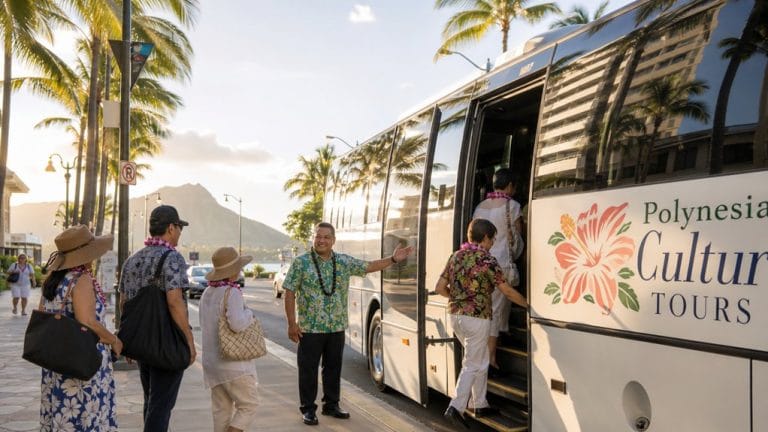
Polynesian Cultural Center: Gateway Buffet Package
Located on O‘ahu’s North Shore, the Polynesian Cultural Center is a one-of-a-kind attraction showcasing the people, culture, arts, and crafts of P...

Pearl Harbor, Dole, and Polynesian Cultural Center from Waikiki
Join us on an unforgettable day at three of Oahu’s most popular attractions: Pearl Harbor, Dole Plantation, and Po...
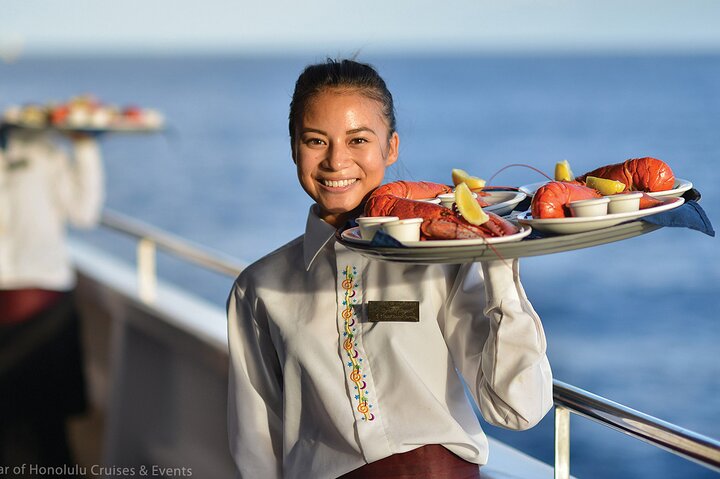
Honolulu: Three Star Deluxe Sunset Dinner Cruise and Show
As the sun sets over the Pacific, enjoy a luxurious Honolulu dinner cruise along the scenic coastline near Diamond H...

Toa Luau at Waimea Valley, Oahu
Toa Luau invites you to immerse yourself in the beauty and excitement of Polynesia on Oahu’s historic North Shore!...
How to Use This Oahu Events Calendar
Think of this Oahu events calendar as your daily game plan, not just a long list of things to do.
Start by scanning dates that match your stay, then flag any must see festivals or concerts. Use event notifications on your phone so you don’t miss ticket releases or time changes. If you’ll be here in summer, consider timing your visit around Mango Jam Honolulu, a downtown festival that showcases live music, food vendors, and all things mango.
Hotels to compare for this guide
Compare a few stay options before you choose your base.
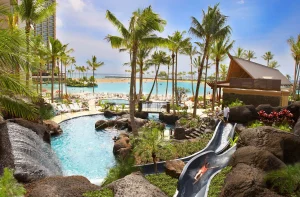
Hilton Hawaiian Village Waikiki Beach Resort
A large beachfront Waikiki resort with multiple towers, pools, dining, and a lagoon that works well for families and first-time Oahu visitors.
Check rates
Ala Moana Hotel by Mantra
A convenient Ala Moana stay connected to shopping and close to the convention center, making it useful for business and value-focused travelers.
Check rates
Moana Surfrider, A Westin Resort & Spa, Waikiki Beach
A historic beachfront Waikiki resort with classic architecture, spa amenities, and strong appeal for romantic or luxury stays.
Check rates
Queen Kapiolani Hotel
A stylish Waikiki hotel near Honolulu Zoo and Kapiolani Park with strong Diamond Head appeal.
Check ratesNext, handle itinerary syncing. Drop chosen events into your map and hotel apps so you can see drive times, parking options, and sunset. Check typical start times to decide if you’ll grab a plate lunch nearby or eat later.
Note which events are free, which need cash for vendors, and which sell out early so a Viator tour with verified reviews actually helps. It simplifies pickup, free cancellation, and reserve now pay later.
Oahu Events by Month: Quick Overview
Slide into Oahu’s year by looking at it month by month, so you can match your trip to the island’s rhythm instead of guessing. Each season brings a different feel, so you’ll want to time it with your priorities, not a random flight deal. From January through March you’ll find cooler air, vivid sunsets, and thinner crowds. Spring ramps up with outdoor cultural festivals, pop up beach concerts, and long, balmy evenings. Late April and May line up beautifully with warm, stable weather and lighter crowds before the summer rush. Summer hits hardest with family travelers, higher prices, and jammed parking near top beaches. Fall cools the pace. You get warm water, shorter lines, and plenty of local farmers markets, especially on weekends. Pack light rain gear any month, and always build in flexible days for last minute tickets or changing weather.
Winter on Oahu: Surf and Holiday Lights
Often overlooked by sun-chasers, winter on Oahu is actually when the island feels most alive, with big-wave surf hammering the North Shore and holiday lights glowing across Honolulu. You’ll chase swells by day, then wander glowing streets at night. Plan December to February if you want peak waves and festival energy. For the most dramatic swells, time a day trip around North Shore surfing viewpoints and contests, then head back to town for evening lights and food trucks.
| Experience | Practical tips |
|---|---|
| North Shore contests | Arrive by 8 a.m., bring reef-safe sunscreen, expect heavy traffic. |
| Waikiki night surfing | Book a lesson with lights on the break, pack a rash guard, skip valuables. |
| Downtown holiday lightwalks | Start at Honolulu Hale, visit Shaka Santa, use TheBus, budget for food trucks. |
Crowds spike near Christmas, so book rooms and cars early. Water stays warm, yet trade winds feel brisk, so pack layers and light rainwear.
Spring on Oahu: Flowers, Culture, Food
Quietly at first, then all at once, spring on Oahu turns the island into a mix of plumeria scent, festival drums, and farmers’ market steam. You’ll notice hillsides dotted with native blooms on hiking trails like Manoa Falls, so pack light rain gear and grippy shoes. Weekends fill with cultural fairs at Kapiolani Park, where you can watch hula competitions, try plate lunches, and browse craft tents without spending more than parking and snacks. As you wander the park, look for the Queen’s motto “Kūlia I Ka Nuʻu , Strive for the Highest,” commemorated by a sculpture along Kalākaua Avenue near the Bandstand that honors Queen Kapiʻolani. Prioritize lei workshops in Honolulu or Kailua; many cost around $40 and include fresh flowers and instruction. Reserve a spot online since small studios sell out. Skip generic souvenir shops and buy from market lei stands instead. Evenings, sample food truck poke, malasadas, and live music under soft lantern light.

Waikiki Luau Buffet with Optional Rock-A-Hula Show Ticket
Join us for a “Hawaiian night” with an upscale all you can eat buffet and Luau-themed dinner in the heart of Wai...

Oahu: Ka Moana Lūʻau at Aloha Tower – Oceanfront Luau Show
Ka Moana Lūʻau – Oceanfront Hawaiian Luau in HonoluluExperience the spirit of Hawaiʻi at Ka Moana Lūʻau, a...

Oahu: Mauka Warriors Luau Honoring Polynesia's Forgotten History
Step into the vibrant heart of Hawai‘i and experience a luau like no other—where culture, history, and celebrati...
Summer on Oahu: Parades and Fireworks
Summer on Oahu means late sunsets, packed sidewalks, and a steady rhythm of parades and fireworks you can almost plan your week around.
You’ll want to time your trip around the huge Waikiki Fourth of July show, smaller summer festival parades in neighborhood streets, and the weekly fireworks displays that light up Waikiki’s shoreline.
[travelspark_viator_block placement=”primary” include=”both” layout=”featured” count=”4″]For an easy, car-free evening, pair a fireworks night with a stroll through walkable Waikiki spots where you can grab food and watch the crowds roll by.
Bring a light jacket, some cash for food stalls, and a bit of patience for the crowds, and skip driving if you can since parking near the parade routes and beach is often a headache.
Waikiki Fourth Of July
As dusk settles over Waikiki on the Fourth of July, the shoreline turns into a long, buzzing front-row seat for one of Oahu’s biggest fireworks shows. You’ll feel the buzz build from late afternoon, when families stake out towels along Waikiki Beach and coolers roll in like small suitcases. Classic Waikiki traditions play out in front of you, from kids chasing waves to couples sharing plate lunches on the sand. If you’re up early the next morning, walking the Waikiki Beach Walk at sunrise is a calm, golden-hour counterpoint to the previous night’s festivities.
- Arrive by 6 p.m. to claim a spot near Duke Kahanamoku Beach; parking garages fill fast and rideshares surge.
- Pack a light jacket, reef-safe sunscreen, and snacks; alcohol’s banned on the beach.
- Respect fireworks etiquette: keep walkways clear, use red-filter lights, and carry out every bit of trash at the end.
Summer Festival Parades
Once the last Fourth of July sparks fade over Waikiki, Oahu’s summer parade season hits its stride with streets turning into moving block parties. You’ll see vintage floats rumble past banyan trees, community bands hammer out island standards, and halau performances bring hula right to the curb. Waikiki parades and festivals typically follow set routes along Kalākaua Avenue, so you can plan where to stand for the best views and easier post-parade exits. Most parades roll on weekend mornings, when sun is softer and families fill the sidewalks. Arrive 45 minutes early if you want shade or a front curb spot. Skip driving into Waikiki; park at Ala Moana and walk in, or use TheBus. Bring water, a hat, and cash for food stalls. If you’re short on time, join a Viator viewing-and-transport tour with verified reviews and flexible cancellation. Hotel pickup and reserve now pay later keep plans flexible.
Weekly Fireworks Shows
Nearly every Friday night, Oahu caps the week with fireworks that light up Waikiki’s skyline and reflect off the water in streaks of red and gold. You can watch free from the sand behind the Hilton Hawaiian Village or anywhere along the western stretch of Waikiki Beach. If you prefer being on the water, time a cruise so you’re boarding about 30–45 minutes before sunset to enjoy the full Waikiki sunset cruise colors before the fireworks begin.
Arrive 30 to 45 minutes early in summer. The best plan is simple:
- Claim a towel-sized spot on the sand, bring a light jacket, and skip chairs that block views.
- Pick up poke or plate lunch nearby, then enjoy pre-show beach concerts or sunset swims while you wait.
- Consider a Viator cruise with verified reviews, hotel pickup, free cancellation, and reserve now pay later to pair fireworks with skyline views and occasional drone displays.
Still comparing Oahu Events Calendar?
Ask for tour ideas, hotel suggestions, or a simple trip plan that combines both.
Trip Helper
Fall on Oahu: Aloha Festivals and Races
When fall hits Oahu, you swap summer fireworks for fragrant lei, chanting pahu drums, and race bibs pinned on at sunrise. If it’s your first trip, it’s easy to pair these events with iconic stops like must-see Oahu attractions to round out your time on the island.
You can trace the season through the big Aloha Festivals events and smaller cultural parades that roll through Waikīkī and downtown, then cap it off with popular races that pack the roads with locals and visitors.
Plan on early starts, modest entry fees, and busy sidewalks, and bring water, sun protection, and patience for crowds while skipping any event that feels like a photo op first and a cultural moment second.
Signature Aloha Festivals Events
Most years in September, Honolulu’s Aloha Festivals turn Waikiki into a rolling block party of music, parades, and fragrant lei that feels both local and polished. You’ll dip in and out of events along Kalākaua Avenue, from free hula performances to late-night concerts with lawn-chair crowds. If you’re aiming to avoid peak visitor crush, planning your trip for the broader shoulder season months of September and October keeps festival energy high while overall crowds are lighter than summer and winter holidays.
To stay oriented, focus on three reliable highlights:
- Start with the opening ho‘olaule‘a street party. Arrive by 5 pm, bring cash for food booths, and expect shoulder-to-shoulder crowds by sunset.
- Seek out community lanterns and craft workshops in hotel courtyards and shopping centers. They’re calmer, kid friendly, and usually free.
- For live Hawaiian music, pick one big evening show instead of venue-hopping. Book tickets early; Viator listings help you compare times and reviews.
Fall Cultural Parades
Fall on Oahu steps up a notch as cultural parades roll through Waikiki and downtown, filling the streets with pahu drums, floral floats, and long lines of paʻu riders on horseback. You’ll feel the pace slow as families stake out curbside spots from midmorning, coolers and beach chairs in tow. Plan to arrive at least an hour early, especially along Kalākaua Avenue, where viewing fills fast yet remains free. These aren’t quick processions; they’re historic marches, community costumes, royal pageants, and hula hālau from every island. Bring water, sunblock, and a light rain jacket. Skip driving if you can, traffic stalls for blocks. Instead, walk from Waikiki hotels or use TheBus for an easier exit. Pack snacks for kids and expect applause at the finale. If your trip spills over to the island’s opposite shore, plan extra time for North Shore Oʻahu where laid-back beach towns, food trucks, and surf spots make an easy day trip before or after the festivities.
Popular Oahu Fall Races
Trade your beach towel for a race bib as Oahu’s fall running season fills weekends with sunrise starts, ocean views, and crowds ringing cowbells along the course. You’ll find everything from flat 5Ks to brutal Trail Ultras that climb muddy ridges. If you’re extending your trip, you can pair race day with a few days of sun and culture using this Honolulu itinerary for beaches, food, and history.
Charity Runs pack Ala Moana and Waikiki in September and October, with fees around $40 to $70, plus lively post-race food tents.
- Pack light: wear breathable gear, visor, and reef-safe sunscreen, and carry a collapsible bottle for humid mornings.
- Try Night Races around Kaka‘ako or Kapolei; cooler air, city lights, and fewer families with strollers.
- Join Halloween Costume Runs; skip heavy masks, choose airy outfits, and budget for rideshare if you plan post-race drinks. Most races start early; stay nearby.

Waikiki Starlight Luau on The Great Lawn-Hilton Hawaiian Village
Waikiki Starlight Luau has moved to the Great Lawn at Hilton Hawaiian Village. Voted Best Luau in Hawaii - 10 Best L...
Oahu: Chief's Luau Admission
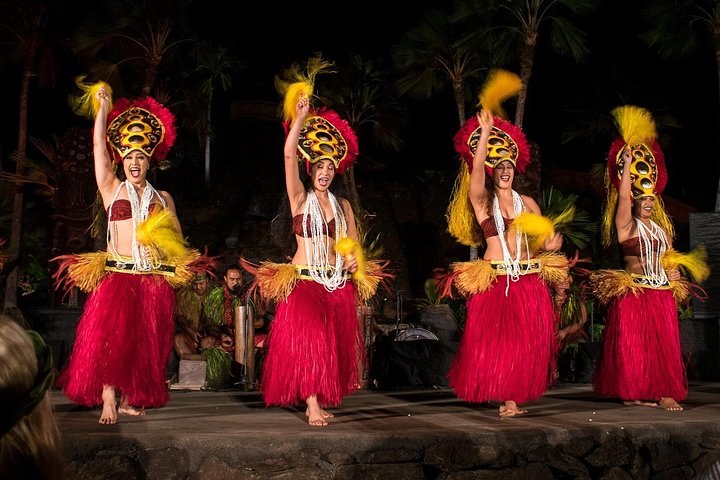
Attend a luau on Oahu produced by the Original World Fire Knife Dance Champion, Chief Sielu. During this 3 to 3.5-...

Oahu: Germaine's Luau
Come visit us at Germaine's Luau, where you will experience a traditional Hawaiian Luau on our beachfront property o...
Biggest Annual Oahu Festivals to Plan Around
Circle a few dates on your calendar before you book flights, because Oahu’s biggest annual festivals can shape your whole trip.
The Honolulu Festival fills March with parades, fireworks, and cultural performances across Waikiki and the convention center. You’ll navigate big crowds, yet free entry keeps it budget friendly.
In May, you’ll also want to factor in weather and crowds on Oahu, since late spring typically brings warm, mostly dry beach days with moderate visitor numbers that can still spike around popular events.
For food lovers, Hawaii Food & Wine Festival in October brings star chefs, oceanside tastings, and pricey tickets, so book early or pick one marquee event.
The Ukulele Festival offers casual music workshops, keiki performances, and shady lawns for picnics. Browse souvenir tents and vendor showcases, but skip bulky buys if you’re island hopping.
Pack sunscreen, a light rain jacket, and patience for traffic. Rely on TheBus or rideshares. Enjoy evening shows to wind down.
Local-Style Oahu Block Parties and Bon Dances
On many warm evenings in Honolulu, whole streets turn into local-style block parties where you shuffle past sizzling food tents, live bands, and kids racing between shave ice trucks. You join kupuna line dancing to island hits, then talk story with aunties guarding trays from Neighborhood potlucks. Drawing inspiration from the energy of Honolulu Chinatown, these gatherings often feature late-night eats, local bars, and pop-up market-style booths that feel like a mini night market.
Most block parties are free, start about sunset, and wrap by 10 or 11, so bring small cash, a light bag, and patience for parking.
For temple Bon dances, you enter gravel courtyards glowing with paper lanterns and steady taiko drums. Watch first, then step into the circle.

Pearl Harbor USS Arizona Memorial Tour from Waikiki
Turn back time as we explore WWII history at Pearl Harbor and relive the infamous Sunday morning of December 7, 1941...

Oahu: 60 Min Royal Crown Helicopter Tour - Doors Off or On
See every stunning sight on Oahu from the white sands of Waikiki to the epic big waves of Norh Shore on our incredib...

Oahu: Kualoa Ranch UTV Raptor Tour
Traveling with family and friends? You can enjoy the fantastic Multi-passenger UTV Raptor experience with your entir...
- Wear modest clothes and covered shoes.
- Follow Bon dance etiquette: move counterclockwise, no pushing.
- Skip big cameras, enjoy plate lunches and mochi under the island sky.
How Oahu Events Change Crowds and Prices
You’ll feel Oahu’s events in your wallet first, as peak holiday seasons and big surf competitions push hotel rates and car rentals sharply higher, sometimes double the shoulder-season price. During Honolulu in December, hotel prices often spike alongside winter surf events and holiday travel demand. During major festivals, crowd surges hit Waikiki, Haleiwa, and popular lookout points, so you’ll face longer lines, sold-out luau nights, and packed buses. To stay ahead, you check event dates before you book, lock in refundable rooms and tours early, and time your beach or hike for early morning or late afternoon when the air feels cooler and the crowds thin.
Peak Season Price Spikes
Although Oahu feels laid-back at first glance, big events on the island can flip hotel rates and crowds almost overnight. You feel it most in peak season, when surf contests, marathons, and holiday fireworks trigger sharp price inflation on rooms, cars, and flights. A basic Waikiki hotel that sits at $220 in May can jump to $400 or more around Christmas or Golden Week. Planning around cheapest time to visit Honolulu months like May and October–November can help you avoid the worst of these event-driven spikes.
To soften the hit, plan like a local:
- Book core stuff early: flights, hotel, and rental car 3 to 6 months out.
- Sleep slightly inland, then bus or walk to the beach to dodge resort premiums.
- Shift dates by two or three nights; even small moves can save hundreds.
Spend savings on poke, shave ice, and snorkeling.
Festival-Driven Crowd Surges
When Oahu throws a party, the whole island feels it: streets jam up, hotel lobbies buzz, and room rates jump like surf after a storm. You’ll feel it first in shifting traffic patterns, closed lanes around Waikiki, and sold out parking near Ala Moana. Prices for midrange rooms can leap 30 percent, and car rentals vanish. Plan early, or base yourself farther out and ride Honolulu public transportation in.
| Factor | What it means for you |
|---|---|
| Weekend festivals | Expect slow buses, long Uber waits, and higher fares. |
| Major parades | Streets close; walk or bike, avoid tight schedules. |
| Beachfront concerts | Book ocean taxis or tours early, shoreline fills fast. |
| Food festivals | Vendor logistics strain; arrive hungry yet patient. |
| Cultural events | Good value, but reserve tickets and parking well in advance. |
Booking Oahu Trips Around Festivals and Events
Plan your Oahu trip around a festival and the island suddenly feels more alive, but also more expensive and crowded. To avoid stress, use early booking as your rule. Airfares and central Waikiki rooms spike 30 to 50 percent in peak weeks, so lock flights and hotels three to six months out. If you’re staying in Waikiki, learn how to navigate TheBus in Waikiki so you can reach festival sites and nearby neighborhoods without relying on surge-priced rideshares or rental cars.
Festival weeks make Oahu electric, and pricier. Beat crowds and sticker shock by booking flights and Waikiki early.
Think through festival days like a project:
- Arrive at least one day before the event, so jet lag and rental car lines don’t steal showtime.
- Study the schedule, then map food stalls and vendor coordination spots where you’ll actually linger.
- Prebook a small group Viator tour for one non festival day, using verified reviews, hotel pickup, free cancellation, and reserve now pay later flexibility for budget and timing sanity.
Frequently Asked Questions
Are Major Oahu Events Accessible for Travelers With Mobility or Sensory Disabilities?
Yes, you’ll find many major Oahu events accessible, though details vary. You should check wheelchair access maps, request sensory accommodations early, confirm shuttle options, and carry seating or ear protection, adapting if arrangements fall short.
How Family-Friendly Are Oahu Festivals for Toddlers and Young Children?
They’re generally family-friendly; you’d find plenty of kid friendly activities, cultural demos, and open spaces. Think medieval selfie zones with leis, but do check stroller logistics, shade, noise levels, and restroom access before committing first.
Do Festivals on Oahu Typically Require Cash, or Is Card Widely Accepted?
You’ll find most Oahu festivals take cards, but you shouldn’t rely on them. Many food trucks and craft booths still treat cash vs.card as safer, quicker vendor payment. Bring small bills for parking and fees.
Are Pets Allowed at Outdoor Oahu Events and Beach Festivals?
Sometimes you can bring pets to outdoor Oahu events, but rules vary. Like a mixed-plate picnic, my friend’s husky joined after we checked the pet policy, confirmed service animals, leash rules, and crowd safety requirements.
What Cultural Etiquette Should Visitors Follow When Attending Hawaiian Religious or Sacred Events?
You should show respect by dressing modestly, quiet, and following organizers’ cues. Remove_leis from sacred statues, never place them and always ask_permission before joining rituals. Observe photography_limits, avoiding flashes, close‑ups, or posting images without consent.
Conclusion
You’ve seen how Oahu’s calendar runs on swells, flowers, fireworks, and food, like a playlist that never stops. Now pick your season, then lock in flights, hotel, and car 3 to 6 months ahead. Plan one big festival, leave space for beach days and sunset poke. Pack light layers, reef-safe sunscreen, and patience for traffic. Skip overbooked luaus, choose smaller events, and let the island’s rhythm set your schedule, not the other way around.

Oahu: Cage-Free Shark Swim on the North Shore
Experience the ultimate Oahu shark dive with this North Shore shark tour family. Swim cage‑free with sharks in the crystal‑clear waters off Haleiw...

Oahu Majestic Circle Island Tour with Waimea Falls and Byodo Inn
Since 1974, E Noa Tours has specialized in showing visitors the real Oʻahu through immersive experiences led by pas...

Pearl Harbor Complete Experience Passport
Visit All 4 Museums in One day on this tour, tickets and admissions are included. See how the US entered into and en...
Polynesian Cultural Center: Gateway Buffet Package
Located on O‘ahu’s North Shore, the Polynesian Cultural Center is a one-of-a-kind attraction showcasing the peop...

Hilton Hawaiian Village Waikiki Beach Resort
A large beachfront Waikiki resort with multiple towers, pools, dining, and a lagoon that works well for families and first-time Oahu visitors.
Check ratesPolynesian Cultural Center: Gateway Buffet Package
Located on O‘ahu’s North Shore, the Polynesian Cultural Center is a one-of-a-kind attraction showcasing the people, culture, arts, and crafts of P...