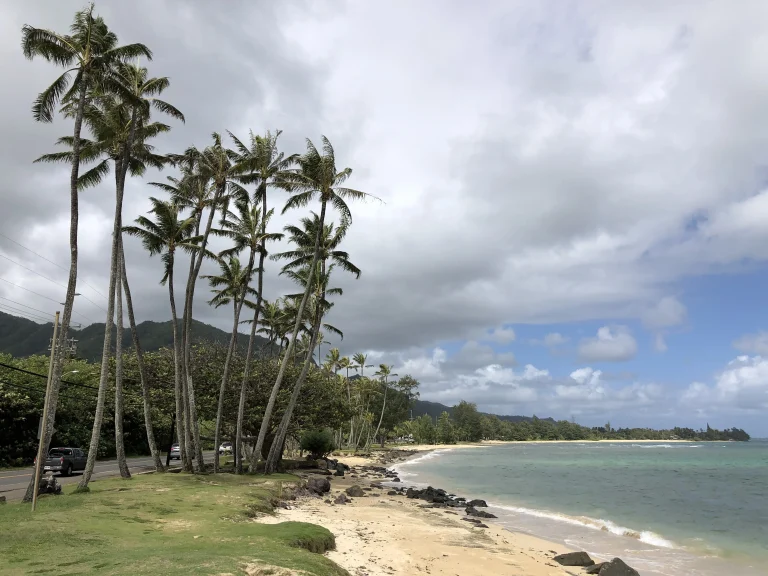
Like the last page of Oʻahu’s west coast, Keawaula Beach feels remote and unfinished, with golden sand framed by cliffs and long, glassy swells. You drive until the road simply stops, park by the lifeguard tower, and step into heat, wind, and serious surf that’s often unsafe for swimming. With scarce shade, basic restrooms, and epic sunsets, it rewards the visitor who prepares well and knows what to expect next.
Key Takeaways
- Keawaula (Yokohama Bay) is a remote, west-facing beach at the end of Farrington Highway in Kaʻena Point State Park with huge sunset views.
- Expect a long golden sand crescent, dramatic cliffs, powerful surf, and minimal development, ideal for photography and quiet walks, not casual swimming.
- Facilities are basic: parking lot, restrooms, outdoor showers, limited picnic tables, and lifeguards, but no food, rentals, or reliable shade.
- It’s about 75–90 minutes by car from Waikiki; arrive early on sunny weekends as the small lot fills quickly, especially near sunset.
- Winter surf is often dangerous; summer can be calmer, but visitors should still check with lifeguards and treat the ocean mainly as a look‑don’t‑touch backdrop.

Oahu: Swim with Dolphins on the West Coast
Set sail on an unforgettable West Oahu dolphin cruise aboard a spacious 42-passenger catamaran. This double-hulled vessel offers a smooth, stable ride...
Keawaula vs Yokohama Bay
Although locals often use the names interchangeably, Keawaula and Yokohama Bay feel like two sides of the same wild coast rather than one neat “beach stop.”
Keawaula and Yokohama Bay are twin moods of the same wild, wave‑carved coastline.
Keawaula usually refers to the long, golden crescent at the very end of Farrington Highway in Kaʻena Point State Park, with a big parking lot, restrooms, and lifeguards.
Locals tend to say Yokohama Bay for the wider area, including pull offs where you’ll stop for westward vistas and quieter sand.
Here you feel the road ending and the island’s edge starting.
Keawaula works better if you want facilities and easier parking, especially on busy winter weekends.
Yokohama suits unhurried walks, sunset photos, and watching local families fish, which highlights cultural contrasts with Waikiki resorts.
Bring water, snacks, shade.
As you explore, remember that this coastline is part of Kaʻena Point State Park, where protecting marine mammals and other native wildlife by viewing them from a respectful distance is a core park rule.
Ocean Safety at Keawaula
On this wild stretch of coast, the scenery often looks calm while the ocean does the opposite, so you need to treat Keawaula with real respect. Winter swells and steep drop-offs create heavy surf most days. You should only swim if the water looks flat and lifeguards say it’s okay. For more predictable conditions, many families opt for Oahu’s calm water spots on the south and east shores instead.
- Foamy walls of shore break collapsing just meters from your toes.
- Dark blue channels hinting at a fast rip current pulling seaward.
- Salt spray on the air as waves slam the outer reef.
Stay close to shore, never turn your back on the ocean, and skip inflatable toys. Pack reef-safe sunscreen, solid sandals, and plenty of water.
If in doubt, enjoy the sand and dramatic views from a safe distance.
Getting to Keawaula Beach
Getting to Keawaula Beach takes a bit of planning, since you’ll drive to the far end of Oahu’s west side and parking fills fast on sunny weekends and holidays.
You’ll want clear driving directions, a sense of where the lot ends and roadside parking begins, plus a reality check on how limited public transit is this far out.
Landmarks like Ko Olina, Waianae town, and Yokohama Bay itself make navigation easier, whether you’re in a rental car, on a tour, or trying to stretch TheBus to its last stop.
If you’re exploring multiple stops along this coast, it’s easy to pair Keawaula with other West Oahu beaches and sunset viewpoints on the same drive.
Driving Directions And Parking
Set out for Keawaula Beach knowing the drive is part of the reward.
From Waikiki, follow H‑1 west, merge onto Farrington Highway, then stay on it as suburbs thin into ranch land and sea cliffs.
These driving routes take about 75 to 90 minutes, longer in rush hour, so leave early.
Lot access is simple, at the very end of the road.
Arrive before 9 a.m. on weekends, since spaces fill fast with hikers and local families.
Basic parking tips: avoid valuables in the car, lock up, and park under a light if you stay for sunset.
As you drive, you’ll trace the shoreline that defines West Side Oahu, passing some of the island’s most dramatic coastal views before the pavement ends at Keawaula.
- Pale sand framed by rugged green ridges
- Whitecaps crashing just beyond the shorebreak
- The narrow asphalt road fading into blue horizon at day’s end

Oahu: Atlantis Submarine Adventure in Waikiki
Explore Waikiki’s marine mysteries while diving more than 100 feet underwater in an air-conditioned, eco-friendly...

Waikiki: 2 hours - Friday Night Fireworks Catamaran Cruise
Enjoy the spectacular FRIDAY NIGHT FIREWORKS show along the beautiful coastline of Waikiki while we get up close and...

Oahu's North Shore: 8-Line Zipline Adventure
Experience the ultimate Oahu zipline adventure on this 3-hour guided tour across the island’s famous North Shore...
Public Transit Options
Although Keawaula feels like the end of the island, you can reach it by bus if you’re patient and plan ahead.
From Waikiki or Ala Moana, ride TheBus toward Waianae, then stay on until the very last stop at Yokohama Bay.
The journey takes about two and a half hours each way and costs a few dollars, so bring water, snacks, and a light jacket for the over air conditioned ride.
As part of Honolulu public transportation, these buses generally run frequently through town before thinning out on the west side, making it important to plan your timing.
Service thins out in the evening, so check current timetables and Shuttle schedules before you go, and aim for an early start.
Bike access is possible, though the coastal highway has little shade and fast traffic, so only attempt it if you’re confident, visible, and well hydrated.
Bring cash for exact bus fare.
Nearby Landmarks For Navigation
From the moment you leave Kapolei and trace the coast north, a few key landmarks help you know you’re on the right track to Keawaula. You’ll hug Farrington Highway as it narrows and the suburbs give way to dry cliffs and open sea. Watch for the last gas stations near Nanakuli, then stock water and snacks, since nothing sells at the beach. If you’re planning to explore other North Shore spots on the same day, it helps to know Waimea Bay parking tips and overflow options in advance so you’re not circling for a space later.
Past Makaha, traffic slows and the road feels more remote, with surfers parked anywhere they can fit. Use the final restroom at Keaau Beach Park, then roll on toward the end of the road, where Keawaula sits just beyond the gate to Kaena Point’s historical trailheads.
- Cliffs glowing orange at sunset
- Trucks clustered at local fishing spots
- Wide sand framing cobalt water
Best Time to Visit Keawaula
You’ll time Keawaula best in the dry months from May to September, when the sky stays clear, the water glows electric blue, and the heat feels strong but manageable if you pack shade and plenty of water. Just like the famous North Shore Oahu stretches, this side of the island rewards clear-weather days with big views and standout coastal scenery.
Aim to arrive just after sunrise or by late afternoon for softer light, cooler sand, lighter crowds, and a safer read on the strong west-side surf.
In winter, you can watch bigger waves and spot dolphins offshore on calm mornings, but you should treat the ocean as look‑only if you’re not an expert swimmer or surfer.
Ideal Seasons And Weather
When you plan a day at Keawaula, timing the weather matters more than at many Oahu beaches, because this wild west-side bay has almost no shade and stronger surf. From May to September, the dry season usually brings clear blue skies, steady trade winds, and hot, sunburn-ready afternoons. Winter brings bigger swells, colder wind, and strong currents that make the water feel off limits. You still get warm air, but short showers roll through. Pack a light jacket from December to March. Humidity stays moderate, so you rarely feel sticky for long. On days when winter swells pulse across the North Shore, spots like Waimea Bay turn into big-wave arenas while Keawaula’s own surf and currents also ramp up, demanding extra respect and caution in the water.
- Bright, cloudless horizons that make the lava cliffs and turquoise water look almost unreal.
- Winter surf pounding against the cliffs and echoing inland.
- Trade-wind breezes cooling your sunhat and flapping beach towels.
Optimal Time Of Day
In the soft light of early morning, Keawaula feels like a private bay at the edge of the island. You slip in before the crowds, park without stress, and watch the sand slowly fill with color. Pack water, a light layer, and your own coffee since there’s nowhere to buy any. If you continue toward Kaʻena, stay alert for sun, wind, and tide pool safety tips that can shape when and how long you explore.
Late afternoon brings golden hour, when the cliffs warm to copper and the shadows stretch long. Photographers love this slot, but it still feels mellow.
Midday runs hottest, yet you might get rare midday solitude if you bring shade and strong sunscreen.
| Time | Vibe | Essentials |
|---|---|---|
| Sunrise | Calm start | Light jacket thermos coffee |
| Late morning | Short visit | Hat water bottle |
| Noon | Quiet pockets | Shade, SPF 50 umbrella |
| Afternoon | Best photos | Snacks, tripod camera strap |
Wildlife And Surf Conditions
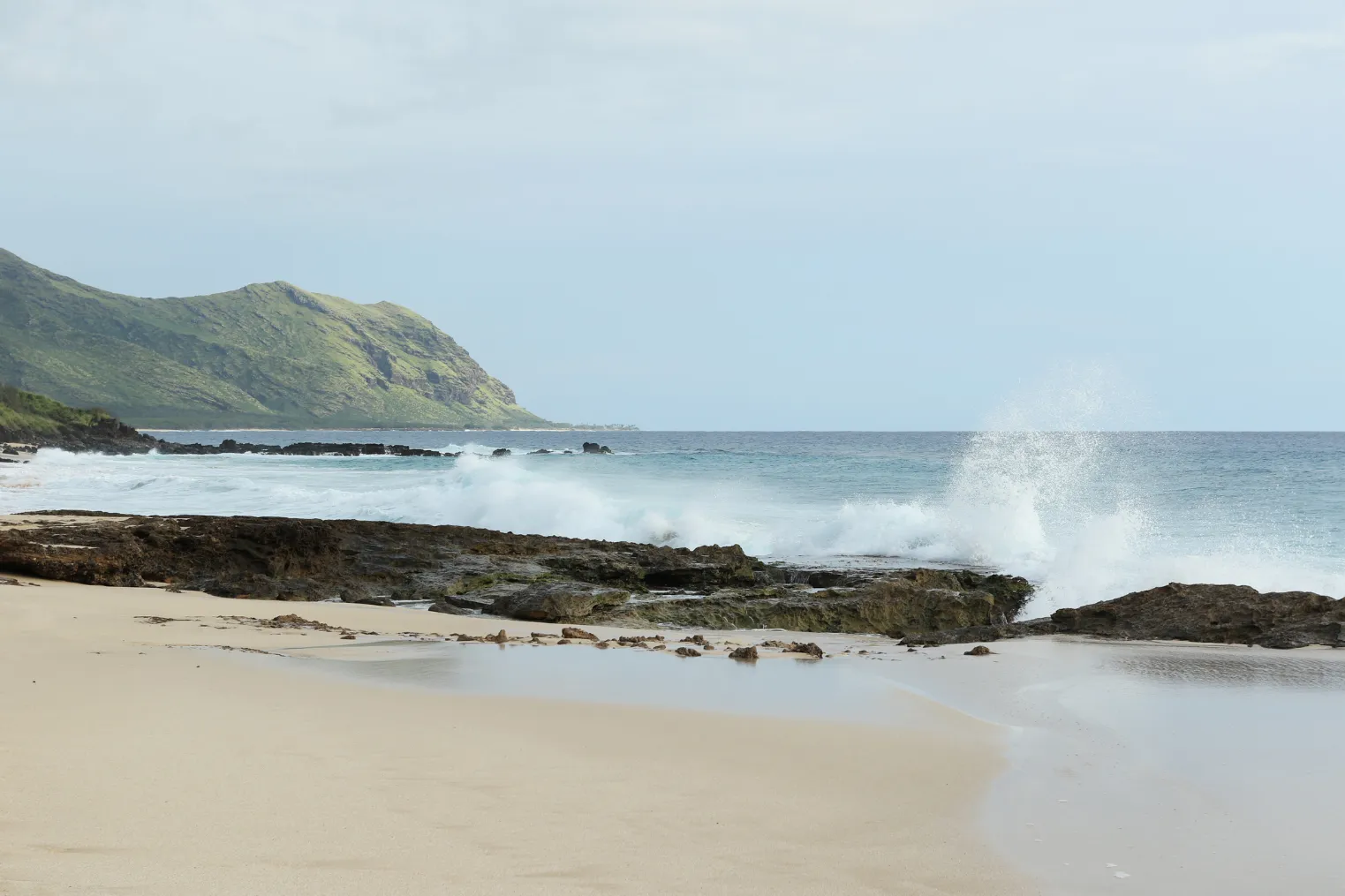
Often the first thing you notice at Keawaula is the movement in the water, not the sand. Winter swells bring heavy, beautiful surf that experts love, but you’ll probably stay on the shore and just watch. In contrast to the North Shore viewpoints where Oahu’s biggest winter waves put on a show, Keawaula’s west-facing angle delivers its own powerful but more secluded spectacle.
In summer, the ocean usually calms, so you can snorkel the reef systems on rare clear days and spot turtles cruising past.
You share the beach with wildlife. Dawn and late afternoon highlight shorebird migrations, and you might see spinner dolphins or even a distant whale spout offshore from December to March.
Picture it:
- White plumes of surf exploding against the dark cliffs
- Terns wheeling above a glassy, peach-colored sunrise
- A lone bodyboarder skimming across a steep, blue-green face as locals watch quietly from the high, dry sand
Wildlife at Keawaula Beach
Out here at Keawaula, the wild residents tend to steal the show before you even spread your towel. You’ll likely spot native birds cruising the cliffs early, so arrive by 8 a.m. if you like quieter sand and softer light.
Scan the shoreline for monk seals, which often nap in the shallows. Keep at least 50 yards away and follow any rope barriers or signs. You may also see Hawaiʻi sea turtles resting or swimming offshore; all local species are protected by state and federal law, so admire them from a distance and never touch or feed them.
In winter, watch for humpback whale blows on the horizon. Bring polarized sunglasses, a zoom lens, and plenty of water, since you won’t want to walk off just when something appears.
Skip drones and loud music; they stress wildlife and can earn you fines. Treat Keawaula like a living sanctuary, not a backdrop for rare moments you won’t forget.

Wai Kai Adventure Park Packages
Three ways to play! Full day and half day packages available.ULTIMATE PACKAGE: • Surf Session • AquaVenture...

Polynesian Cultural Center: Gateway Buffet Package
Located on O‘ahu’s North Shore, the Polynesian Cultural Center is a one-of-a-kind attraction showcasing the peop...

Oahu Shark Dive on the North Shore
Book the Oahu Shark Dive for a thrilling shark encounter off the North Shore. You’ll travel by boat from Haleiwa H...
Facilities, Shade, and Crowds
Most visitors are surprised by how bare‑bones Keawaula feels, so you should treat it as a beautiful but undeveloped beach park. You get restrooms, outdoor showers, and trash bins, but there are no snack bars or rental stands, so pack water and food. Picnic amenities are limited to a few tables near the parking lot, which fill fast on sunny weekends and family gatherings. While you’re planning your day on this side of the island, it’s worth knowing when to arrive for Waimea Falls parking if you’re pairing Keawaula with a nearby valley visit. Shade is scarce, so bring serious sun protection, like a wide hat, reef safe sunscreen, and a pop up tent if you have one. Late afternoon brings light and a few quiet corners.
- Turquoise water glittering beside a long, golden strip of sand
- Folded beach chairs clustered around a lunch
- Kids napping under a flapping beach umbrella
Hikes and Coastal Walks Nearby
Beyond the sand, Keawaula doubles as a trailhead for some of Oahu’s most dramatic coast walks.
From the parking lot, you can follow the rough dirt road along Kaena Point, a hot, dry hike that hugs the sea. Plan two to three hours round trip, longer if you stop for photos.
Late afternoon gives cooler temps and effortless Sunset viewpoints over the Waianae Range.
You’ll want sturdy shoes, at least two liters of water, and a hat; there’s almost no shade. Trade reef-safe sunscreen with friends, not flip flops.
Keep an eye out for resting monk seals on the rocks and soaring tropicbirds above.
These natural Birdwatching trails feel wild, yet they’re free and easy to navigate in clear weather for most prepared visitors.
If you’re exploring more of Oahu’s north and west coasts, the small surf town of Haleiwa makes a great base, with its location and drive times helping you plan day trips to Keawaula and beyond.
Respecting This Sacred Coastline
Although Keawaula feels like a raw beach at the end of the road, you’re stepping into a place that’s deeply sacred to many Native Hawaiians, not just a scenic backdrop for sunset photos.
Remember: this isn’t just the end of the road, it’s living, sacred shoreline, not a backdrop.
You practice cultural stewardship by staying on established paths, keeping noise low, and never touching heiau or stacked stones.
Arrive early, around 8 am, when the air is cool and fishing families set up quietly along the shore.
Skip drones, alcohol, and loud music.
If you see a group chanting or offering lei, treat it as ceremonial protocol, not a show.
Give them space, avoid photos, and keep conversations soft.
Just as with other quiet Oahu beach towns away from Waikiki, visiting Keawaula with humility and respect helps keep its cultural spirit intact for those who call this coastline home.
- Driftwood bleached silver beside red coolers
- Salt spray hanging in the sunrise
- Footprints fading where the tide reaches
Frequently Asked Questions
Are There Any Cultural or Historical Legends Associated Specifically With Keawaula Beach?
Yes, you’ll hear local kupuna recall ancient kapu linked to spirits, nighttime fishing, and burials, and you’ll encounter voyaging tales describing navigators using Keawaula’s clear horizon and star lines as training grounds and omens there.
Is Keawaula Beach Suitable for Photography and Sunset Time-Lapse Shoots?
Yes, you’ll find it perfect for photography and sunset time-lapse; as golden hour deepens, you frame cliffs with a wide angle, experiment with neutral density filters, and plan drone usage to capture sweeping Keawaula pulls.
Can I Bring My Dog to Keawaula Beach, and Are Leashes Required?
You can’t bring your dog onto Keawaula Beach; Hawaii state parks prohibit pets on the sand. Dog access only applies to adjacent parking and trails, and leash rules still apply there, with enforcement and fines.
Are There Any Local Food Trucks or Markets Near Keawaula Beach?
You won’t find vendors right on Keawaula, but you’ll drive minutes to Waianae for plate-lunch food trucks; imagine grabbing garlic shrimp, then stocking up on mango and poke at Saturday farmers markets before sunset there.
Is Keawaula Beach a Good Spot for Stargazing and Night Sky Photography?
Yes, you’ll find Keawaula Beach excellent for stargazing, thanks to its dark sky and minimal light pollution, letting you practice Milky Way astrophotography, capture silhouettes, and enjoy spectacular meteor shower viewing along the remote shoreline.
Conclusion
Keawaula rewards you if you like your beaches raw, quiet, and a bit wild. Come early for easy parking and gentle light, or stay for a sunset that feels like the island’s final curtain call. Pack water, snacks, and shade; skip booze and fragile beach gear. You might spot dolphins or monk seals, but you’re the guest here. Walk softly, watch the surf, and let this remote west-side edge reset your pace for a while.
Oahu: Swim with Dolphins on the West Coast
Set sail on an unforgettable West Oahu dolphin cruise aboard a spacious 42-passenger catamaran. This double-hulled vessel offers a smooth, stable ride...