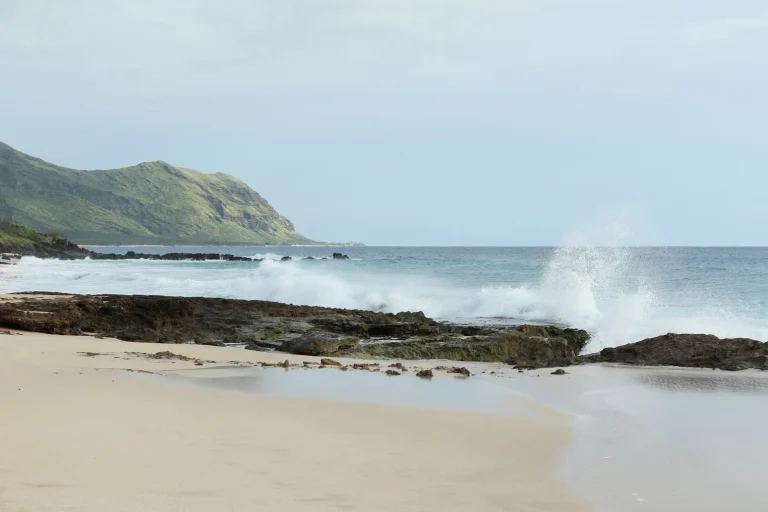
You feel Nānākuli Beach Park’s West Side vibe as soon as you pull off Farrington Highway: wide golden sand, kiawe-shaded tailgates, and deep blue water that turns turquoise near shore. It’s about a 35–45 minute drive from Waikīkī, with basic restrooms, showers, and free parking that fills by late morning. The shorebreak can be powerful, locals often gather for potlucks, and you’ll want to pack smart if you don’t plan to leave early.
Key Takeaways
- Local, low-key West Side beach with kiawe shade, family tailgates, and wide cobalt-to-turquoise water, about 35–45 minutes’ drive from Waikīkī.
- Visit early for calmer water and quieter vibes; afternoons are livelier, with stronger surf in winter and gentler, float-friendly conditions in summer.
- Free, dusty parking fills on weekends; arrive early, expect basic restrooms and showers, and plan to leave before dark due to limited lighting.
- Pack reef-safe sunscreen, plenty of water, light shade, water shoes, snacks, and simple gear; lifeguards flag changing shorebreak conditions.
- Treat it like a neighborhood gathering: keep music low, avoid drones and filming locals, clean up thoroughly, and grab plate lunches from nearby food trucks.

Wai Kai Adventure Park Packages
Three ways to play! Full day and half day packages available.ULTIMATE PACKAGE: • Surf Session • AquaVenture & AquaPeakz Access • Paddle Pass...

Polynesian Cultural Center: Gateway Buffet Package
Located on O‘ahu’s North Shore, the Polynesian Cultural Center is a one-of-a-kind attraction showcasing the peop...

Oahu 5-in-1 Deluxe Cruise: Turtle Snorkeling & Ocean Activities
In addition to the amazing turtle snorkeling in the beautiful waters of Waikiki, our 135-passenger boat offers a uni...

Oahu: Submarine Scooter Adventure
Dive into an unforgettable underwater adventure on Oahu’s beautiful Maunalua Bay. Cruise past the iconic Diamond H...
Why Nānākuli Beach Park Is Worth the Drive
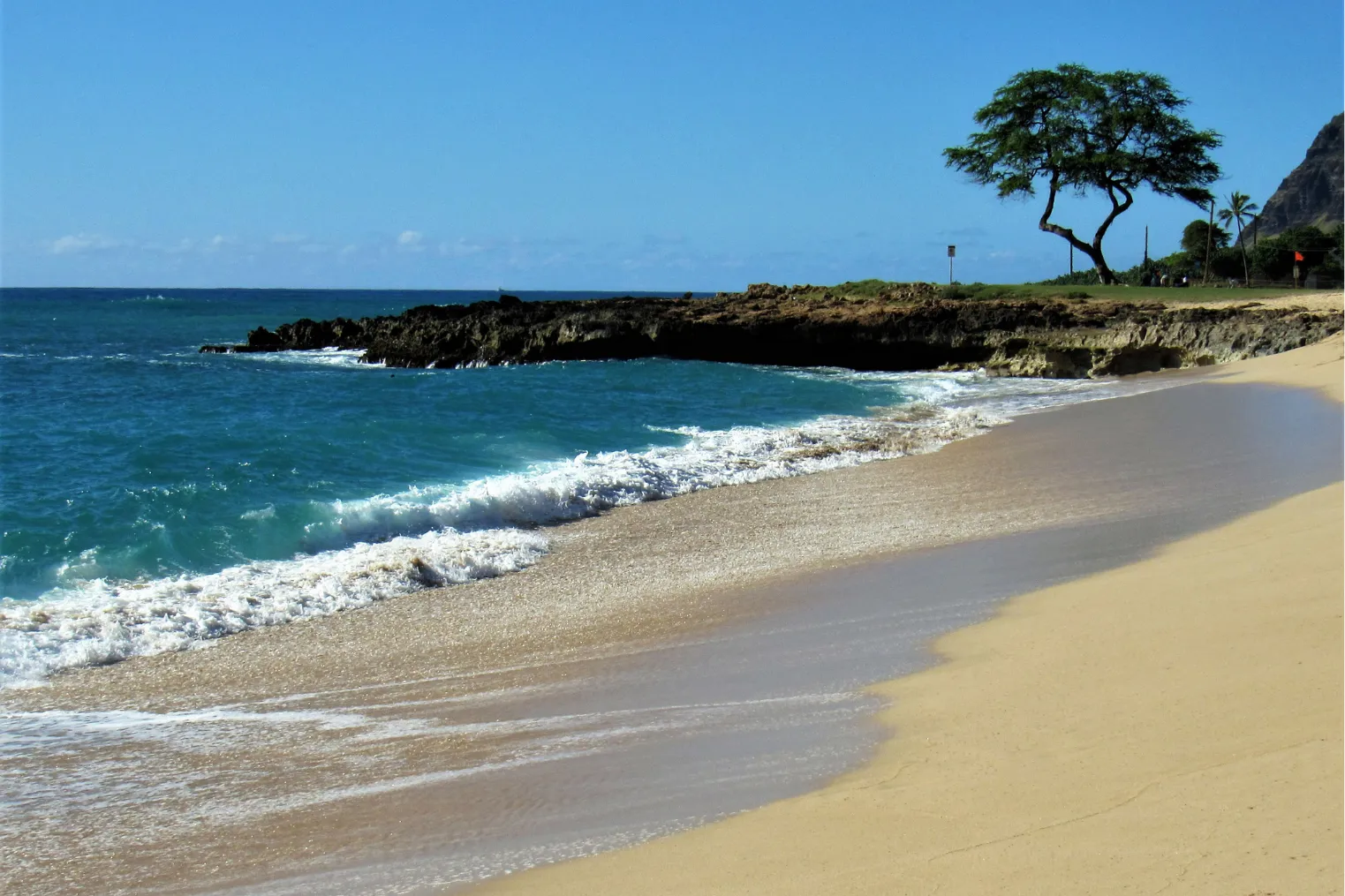
Although it sits a solid 35 to 45 minutes from Waikīkī with no real shortcuts, Nānākuli Beach Park rewards the drive with a far more local, low-key scene than the city beaches.
You pull into a dusty lot, step out, and feel how open the coast is. The water shifts from deep cobalt to clear turquoise, ideal for relaxed ocean photography if you have a zoom lens. Just up the coast, Keawaula Beach near Yokohama Bay offers similarly dramatic West Side views for those exploring farther along this shoreline.
Hotels to compare for this guide
Compare a few stay options before you choose your base.

OUTRIGGER Reef Waikiki Beach Resort
A beachfront Outrigger resort with a strong location near Waikiki Beach Walk and a classic Hawaii vacation feel.
Check rates
Moana Surfrider, A Westin Resort & Spa, Waikiki Beach
A historic beachfront Waikiki resort with classic architecture, spa amenities, and strong appeal for romantic or luxury stays.
Check rates
Park Shore Waikiki
A beach-adjacent hotel near Kapiolani Park and Diamond Head that fits travelers wanting east Waikiki convenience.
Check rates
OUTRIGGER Waikiki Beach Resort
A classic beachfront Waikiki resort in the center of the action with strong appeal for first-time visitors.
Check rates
Shoreline Hotel Waikiki
A colorful boutique-style hotel in central Waikiki for travelers who want shopping, dining, and beach access nearby.
Check rates
Polynesian Residences Waikiki Beach
A smaller Waikiki stay near Beach Walk that works well for travelers wanting a simple, central, boutique-feeling base.
Check ratesLocals fish, talk story, and grill under kiawe trees, while hardy native flora frames the sand.
Facilities are basic, so bring drinks, snacks, reef-safe sunscreen, and a shade umbrella. Skip bulky beach toys. Lifeguards watch the main stretch, yet you still need to read the surf carefully.
Families and small groups spread out, never packed with locals.
Best Time to Visit Nānākuli Beach Park
That quieter, more local feel at Nānākuli Beach Park really depends on when you show up, so timing your visit matters.
Early mornings are your best bet if you want calm water, cooler air, and mostly local families setting up for the day. You can swim, shoot photos, and scout shade before the sun gets harsh.
Early mornings mean calmer water, cooler air, and locals quietly setting up for a mellow beach day
By late morning, the vibe turns livelier, with more tailgates, music, and bodyboarders.
If you prefer space, target weekday afternoons outside school holidays.
You’ll still get plenty of sun and color, with fewer crowds than weekends.
Winter brings heavier surf and stronger currents, so you should watch the shoreline first, then decide whether to swim.
In summer, the ocean often feels gentler, better for relaxed floating and snorkeling.
If you’re chasing golden hour views, time your visit so you can stay for sunset, since this stretch of West Oahu beaches is known for especially vivid evening skies.
Parking and Facilities at Nānākuli Beach Park
Pull into Nānākuli Beach Park and you’ll feel right away that parking here is more “local hangout” than resort zone. The lot is rough around the edges, but you usually find free parking if you arrive before late morning or near sunset. Weekends fill up with family potlucks, so skip peak midday if you dislike hunting for a stall. Facilities are basic yet useful. You get restrooms, outdoor showers, and a few water spigots to rinse sandy gear. Shaded pavilions line the park, perfect for cool picnic bases and watching daily life roll by. Bring your own chairs, trash bags, and toilet paper, since supplies run out. At night, lighting is limited, so plan to pack up before full dark for an easier exit. If you’re road-tripping the west side, you can also swing further up the coast to explore Kaʻena Point State Park, a remote shoreline area with hot, dry conditions and no drinking water.
Swimming, Surfing, and Shorebreak Safety at Nānākuli Beach Park
Once you step onto the sand at Nānākuli Beach Park, the ocean looks calm and inviting, but it can turn serious fast. Lifeguards post flags for changing shorebreak, so check before you swim or paddle. Stay near locals in the water, and keep firm riptide awareness on this open coast. Just like the reefy breaks and powerful waves on the North Shore Oahu coastline, conditions here can demand extra respect and conservative judgment.
Morning usually brings friendlier conditions, while afternoons see heavier surf. If you bodyboard, start on the inside and avoid steep closeout waves.
| Activity | Local tip |
|---|---|
| Swimming | Stay within sight of lifeguard tower and enter where others go in |
| Surfing | Check wave forecasting apps and talk story with regulars before paddling out |
If conditions look rough, you’re better off enjoying the golden sand, watching sets roll through, and saving hero moves for another day anyway.

Oahu: Atlantis Submarine Adventure in Waikiki
Explore Waikiki’s marine mysteries while diving more than 100 feet underwater in an air-conditioned, eco-friendly...

Honolulu: Three Star Deluxe Sunset Dinner Cruise and Show
As the sun sets over the Pacific, enjoy a luxurious Honolulu dinner cruise along the scenic coastline near Diamond H...

Oahu Shark Dive on the North Shore
Book the Oahu Shark Dive for a thrilling shark encounter off the North Shore. You’ll travel by boat from Haleiwa H...
What to Pack for Nānākuli Beach Park
Before you toss a towel in your bag and head for Nānākuli, it pays to plan your beach day essentials so you’re not hunting for a shady store at noon.
You’ll want serious sun protection like reef-safe sunscreen, a wide-brim hat, and a compact beach umbrella, plus plenty of water since there’s little relief from the bright, dry heat.
For comfort and safety, pack sturdy reef-safe water shoes, a soft mat instead of a heavy chair, and a small first-aid kit for the odd coral scrape or shell cut.
If your plans might include checking out spots like Kailua Beach on another day, keep similar essentials handy since parking, ocean conditions, and activities can vary around the island.
Beach Day Essentials
Usually it’s the simple things you forget that you miss most at Nānākuli, so pack with this rugged, sunbaked stretch of coast in mind. Start with a roomy beach bag, a soft but tough towel, and a cooler stocked with water and easy snacks; food options nearby are limited and pricey. Bring reef-safe swim gear, a mask and fins if you plan to explore, and sturdy slippers for the hot, rocky parking areas. For tide aware planning, toss in a waterproof phone case so you can check conditions without leaving the sand. Lightweight chairs help when the shorebreak feels rough. Look at portable shade structure options, since natural shade is scarce. Skip bulky beach toys; the waves and wide sand are entertainment enough already. If your beach day includes a North Shore drive, plan ahead for Waimea Bay parking since lots can fill early and you may need overflow options.
Sun Protection Must-Haves
Afternoon sun at Nānākuli hits harder than you expect, so pack like you’re heading into a long, bright oven by the sea.
Start with reef friendly sunscreen rated SPF 30 or higher and reapply every two hours, more often after long swims. Mineral formulas cost a bit more but keep the coral and your skin happier.
Pair that with smart UPF clothing choices: a long sleeve rash guard, light surf leggings, and a wide brim hat you can secure in the wind. Polarized sunglasses help you spot reefs and turtles without squinting. If you plan to swim elsewhere on the island, look for calm water spots on Oahu where conditions are friendlier for less-experienced swimmers and families.
Toss in a soothing aloe gel for later, since even locals misjudge this west side glare. Skip heavy perfumes, they attract bugs and feel cloying in the heat by early afternoon light.
Comfort and Safety Gear
Even if you’re just planning a quick dip and a nap on the sand, Nānākuli rewards anyone who packs like they’ll stay all day. Start with sturdy reef shoes; the nearshore rocks hide wana urchins that punish bare soles. A compact first aid kit with tweezers and vinegar packets helps if you brush coral. Bring a soft cooler or hydration packs, since the sun hits hard and shade fills fast by 10 a.m. Lightweight chairs or a sand mat keep you off the hot grains. Just like at Kailua, access to showers and bathrooms can make it easier to rinse off and change after a long beach day. Toss in a mask, snorkel, and a dry bag for phones and keys. Skip bulky beach toys; the shorebreak often proves too strong, especially in winter. Lifeguards watch the main swimming area, yet you should still read conditions carefully.
Still comparing Nanakuli Beach Park West Oahu Beach Day?
Ask for tour ideas, hotel suggestions, or a simple trip plan that combines both.
Trip Helper
Respecting Local Culture at Nānākuli Beach Park
At Nānākuli Beach Park, you’re not just visiting a pretty stretch of sand, you’re stepping into a community with deep Hawaiian roots. You’ll notice locals gathering for family parties, surfing before work, and caring for the land in ways that reflect long‑held traditions, so it’s worth learning what’s appropriate and what’s not before you spread your towel. If you’re exploring more of Oʻahu, the same sense of respect applies when you visit North Shore Oahu for its beaches, local food spots, and quick scenic stops.
Understanding Local Traditions
Although the sand and surf grab your attention first at Nānākuli Beach Park, you’ll feel the place differently once you remember you’re in a tight-knit Hawaiian community, not a resort zone.
Mornings often feel quiet, with families setting up tents for the day and uncles talking story near the parking lot. You might notice people placing lei or food near the shoreline. That connects to ancestral placekeeping, a way of honoring relatives tied to this bay.
In winter, you could hear seasonal chants during community events or canoe blessings, especially on weekends. Listen from a distance and skip the drone or loudspeaker.
Bring a light pareo or towel to sit back, watch, and let daily life unfold. You’re a guest, simply enjoy the privilege.
If you’re exploring beyond the west side, the windward towns of Kailua and Kaneohe offer a different, greener coastal vibe that contrasts with Nānākuli’s drier landscape.
Showing Aloha And Respect
Sometimes the simplest way to show aloha at Nānākuli Beach Park is to act like you’ve been invited to someone’s family gathering, not dropped into a tourist playground.
You’re stepping into a tight local community, so move gently. Keep music low, skip drones, and leave the big speaker at the hotel.
Respect community etiquette and cultural protocols that locals live by every day:
- Park in legal spots, never block driveways or beach access.
- Ask before setting up near large tents, they’re often for family events.
- Pack out every bit of trash, including bottle caps and cigarette butts.
- Skip filming kids and local surfers, and keep surf spots untagged on social media.
Mālama the beach and you’ll feel truly welcome here. For official details on what’s allowed in City parks, you can also check the Department of Parks & Recreation rules and policies before your beach day.

Oahu: North Shore Shark Cage Diving
Discover the open-ocean world of sharks on this unforgettable Oahu shark cage diving tour. More than just an adventu...

Pearl Harbor USS Arizona Memorial & Battleship Missouri
Visit USS Arizona and Battleship Missouri, as they represent both the beginning and the end of World War II. The acc...

Pearl Harbor USS Arizona Memorial Tour from Waikiki
Turn back time as we explore WWII history at Pearl Harbor and relive the infamous Sunday morning of December 7, 1941...
Nearby Grindz to Pair With Your Nānākuli Beach Day
Roll straight off the sand and into some of the West Side’s most low‑key, local grindz, all within a 5 to 10 minute drive of Nānākuli Beach Park. You’ll find Food trucks parked along Farrington Highway selling plate lunches, garlic shrimp, and poke that travels well for a beach picnic. Coffee spots open by 6 or 7 a.m. work perfectly before an early snorkel. If you’re exploring more of the island, you can pair your West Side beach day with a mellow North Shore stop at Haleiwa Beach to watch surfers and turtles from the sand.
| Spot type | Why you’ll like it |
|---|---|
| Food truck plate lunch | Big portions under $15, easy parking, and relaxed, mostly local crowds around lunch. |
| Cafe or bakery | Better espresso than the chains, lighter bites, and clean restrooms before you head back to the sand. |
Bring cash, skip long noon lines by ordering early. Pack wet wipes and reuse containers for leftovers.
Frequently Asked Questions
Is NāNāKuli Beach Park Suitable for Families With Young Children and Babies?
Yes, you can visit with young kids and babies, but you’ll need caution; limited child friendly facilities, rougher surf, and patchy stroller access mean you should watch the shorebreak, pick days, and leave before dusk.
Are There Shaded Areas or Pavilions for Picnics and Group Gatherings?
You spread a blanket under rustling palms; yes, you’ll find shaded picnic sites and a few group pavilions, but they fill quickly, so arrive early, bring extra shade, and confirm permits for larger gatherings beforehand.
Can You Camp Overnight at NāNāKuli Beach Park, and How to Get Permits?
You can’t camp overnight at Nānākuli Beach Park; the city doesn’t designate it as a legal campground. Instead, you secure overnight permits and review camping rules online for nearby authorized parks through Honolulu’s permit system.
Is Fishing Allowed at NāNāKuli Beach Park, and Are There Any Restrictions?
Like reading the ocean’s diary, you can fish at Nānākuli Beach Park; shore fishing’s allowed, but you must follow size and bag limits, check seasonal closures, respect surfcasting etiquette, and avoid restricted areas near swimmers.
Are There Lifeguards on Duty Daily, and What Are Their Typical Hours?
Yes, you’ll usually have county lifeguards daily, roughly 9 a.m. to 5:30 p.m., though hours change. Always check posted lifeguard schedules and follow tower instructions and emergency procedures for rescues, injuries, or dangerous surf there.
Conclusion
You trade Waikīkī’s crowded sidewalks for Nānākuli’s kiawe shade and cobalt water, and it’s worth every mile. Come early, skip the sunset drive out, and watch the shoreline shift from glassy calm to thumping shorebreak. Pack reef‑safe sunscreen, plenty of water, and trash bags, but leave the drone and big speaker at home. Between plate lunches on Farrington and quick swims under lifeguard eyes, you get a West Side beach day that feels genuinely local.
Voted Honolulu's #1 Beginner Scuba Diving + Free Videos Tour
Try scuba diving in Honolulu with this easy, beginner-friendly ocean adventure at Magic Island, Ala Moana Beach Park. Perfect for first-timers, this g...
Wai Kai Adventure Park Packages
Three ways to play! Full day and half day packages available.ULTIMATE PACKAGE: • Surf Session • AquaVenture...

Oahu Catamaran Snorkel Tour: See Turtles 100% Guaranteed
Experience one Viator's 2025 Top 20 Best Excursions in the country. This Oahu Catamaran snorkel tour offers unbeatab...
Polynesian Cultural Center: Gateway Buffet Package
Located on O‘ahu’s North Shore, the Polynesian Cultural Center is a one-of-a-kind attraction showcasing the peop...
OUTRIGGER Reef Waikiki Beach Resort
A beachfront Outrigger resort with a strong location near Waikiki Beach Walk and a classic Hawaii vacation feel.
Check ratesWai Kai Adventure Park Packages
Three ways to play! Full day and half day packages available.ULTIMATE PACKAGE: • Surf Session • AquaVenture & AquaPeakz Access • Paddle Pass...
Polynesian Cultural Center: Gateway Buffet Package
Located on O‘ahu’s North Shore, the Polynesian Cultural Center is a one-of-a-kind attraction showcasing the people, culture, arts, and crafts of P...