
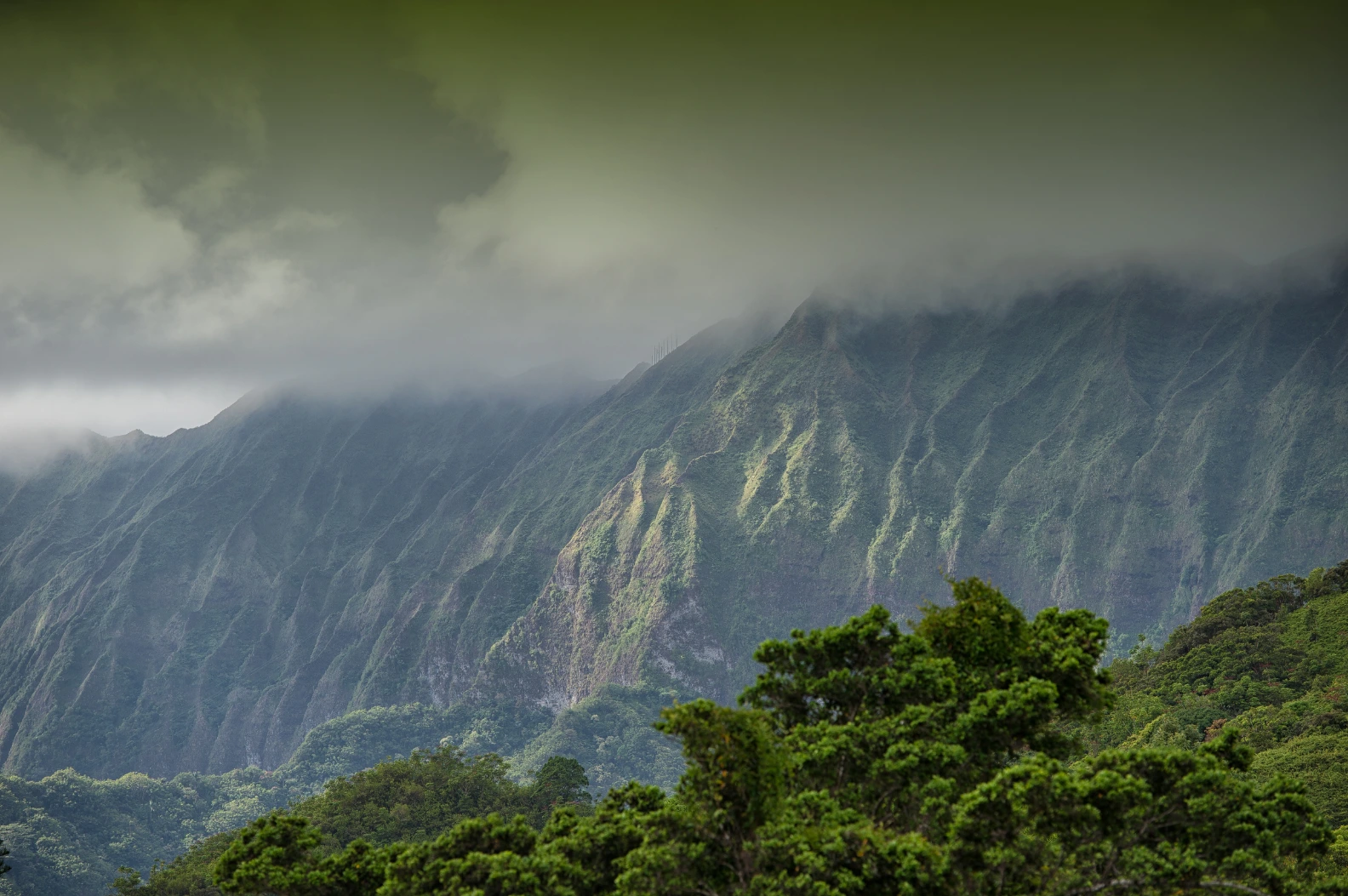
Diamond Head rises like a sunlit fortress above Waikīkī, and you can trace its story with your own feet. You’re standing on a tuff cone born 300,000 to 500,000 years ago in quick steam-blast eruptions, not a slow lava flow. Go early, gates at 6 a.m., bring water and a hat, skip flip-flops, and expect a 60 to 90 minute round trip with stair bottlenecks. If you want hotel pickup and timed entry, Viator can help, but the cliff notes aren’t the whole tale…
Key Takeaways
- Diamond Head formed about 300,000–500,000 years ago on Oʻahu’s southeast coast, after the island’s main shield-building eruptions ended.
- It is a tuff cone created by phreatomagmatic explosions when rising magma met shallow seawater near the shoreline.
- Steam-driven blasts produced ash, lapilli, and pyroclastic surges that built a broad crater with steep walls rather than a tall volcanic cone.
- The eruption likely lasted weeks to months, occurring in short explosive pulses with brief pauses, not a long multi-century volcanic phase.
- Since formation, coastal erosion and weathering have sharpened ridgelines and exposed layered tuff, while the volcano remains dormant and inactive today.
Diamond Head Volcano’s Place on Oʻahu
Part landmark, part lava-born lookout, Diamond Head sits on Oʻahu’s southeast edge like a natural compass point for Waikīkī and Honolulu.
Diamond Head, lava-born and iconic, anchors Oʻahu’s southeast edge, an unmistakable compass point for Waikīkī and Honolulu.
From the crater rim you’ll read oʻahu geology in tuff layers and the sweep of harbor and reef, best at sunrise when the city’s quiet.
Plan on 1.5 to 2 hours.
Entry is $5 per person, or $10 per car, and parking fills by 8 a.m.
Non-resident reservations are required for entry and parking, and early morning slots between 6:00 a.m. and 8:00 a.m. offer cooler temperatures and fewer crowds.
Bring water, a hat, and grippy shoes for tunnels and stairs.
Skip flip-flops and midday heat.
On the lower slopes, spot seabirds, ironwood shade, and coastal biodiversity at tide-washed edges.
Weekends crowd the trail, so go early.
If you’re car-free, a Viator shuttle with verified reviews, hotel pickup, free cancellation, and reserve now pay later can help.
When Diamond Head Volcano Erupted (Age, Duration)
Although Diamond Head looks timeless from Waikīkī, this crater is a late arrival in Oʻahu’s story, blasting into existence roughly 300,000 to 500,000 years ago in a short, violent stretch that likely lasted weeks to months, not centuries. This prominent tuff cone, known locally as Hawaii Diamond Head, has become one of the most recognizable natural landmarks in the islands and a defining backdrop to Waikīkī.
Volcanic dating of nearby deposits narrows the timing, and it hints at low eruption frequency compared with older shield-building phases. You’re seeing the results of a fast series of outbursts, with breaks that probably stretched days, not years.
For a smooth visit, reserve a time slot online, arrive early before 8am to dodge the bus rush, and budget $1 entry or $5 parking.
Pack 1 liter of water, sunscreen, and shoes with grip. Skip flip-flops and the noon climb, unless you want the full sauna effect.
The Eruption Type That Built Diamond Head (Tuff Cone)
You can picture Diamond Head forming in a quick, punchy tuff cone eruption when rising magma hit shallow seawater and flashed it to steam, blasting ash into the air in short bursts. As you hike the rim, you’ll spot those ash and tuff layers stacked like pages, so bring water, sun protection, and closed shoes, and skip flimsy sandals and peak midday heat when the trail feels crowded. For context, the 0.8‑mile summit trail climbs about 560 feet from the crater floor, so allow 1.5–2 hours and be prepared for a steep, strenuous hike. If you want smoother timing and transport, a Viator tour with verified reviews, hotel pickup, free cancellation, and reserve now pay later can help you lock in an early start without juggling logistics.
Tuff Cone Eruption Process
When hot magma punched up through shallow seawater off Oʻahu’s coast, it didn’t just spill out, it flashed the water to steam and blasted ash and rock fragments into the air, the signature move of a tuff cone eruption that built Diamond Head. You can picture phreatomagmatic dynamics piling ash into a ring, then a pyroclastic surge skimming low and fast. This kind of single, explosive event in the Diamond Head eruption sequence rapidly constructed the steep-walled tuff cone we see today.
| Moment | How it feels |
|---|---|
| Ash falls | Like gritty rain on skin |
| Surge sweeps | A quick, hot breath |
Go at sunrise, gates open 6am, pay $5 parking or $1 walk-in, and dodge buses till 8. Expect light breezes and salty air. Bring water, hat, and grippy shoes; skip flip-flops and big tripods. A Viator sunrise shuttle offers hotel pickup, verified reviews, free cancellation, reserve-now-pay-later.
Magma-Water Interaction
As sunrise light hits the crater rim, it’s easier to grasp how a little seawater turned magma into a blast factory at Diamond Head. You’re standing where hot melt met cool surf in shallow ground, and that sudden flashing to steam drove phreatomagmatic explosions. Each pulse shattered magma through wet fragmentation, sending gritty spray outward and carving a low, wide crater instead of a tall cone. These violent steam-driven blasts mark the last eruption of Diamond Head, a geologically recent event in Oʻahu’s volcanic story.
Visit early, gates open 6am, and you’ll beat the busier 9 to 11am window. Entry is about $5, parking $10, bring water and a light jacket for trade winds. Skip flip flops.
- salt air, warm rock underfoot
- hissy vent sounds in your imagination
- fine grit on railings after wind gusts
- wide views toward Waikiki
- salty mist on cheeks
Ash And Tuff Layers
Steam-blast eruptions didn’t just punch out Diamond Head’s broad crater, they also laid down the ash and tuff layers that still stripe the walls like a stacked recipe. As you hike up, look for gritty bands, pea-sized lapilli, and smoother sheets where wet ash settled fast. Those shifting ash textures tell you when blasts pulsed, paused, then restarted. Although it’s no longer active, Diamond Head volcano is a classic example of a tuff cone built by these explosive steam-driven eruptions. Up close, the rock feels surprisingly solid because time, heat, and salty spray drove diagenetic alteration, turning loose ash into firm tuff. Go early, gates open 6 a.m., for cooler air and fewer selfie sticks. Entry is $5 for nonresidents, plus $10 parking per car. Bring water and sun protection, skip flip-flops, and save the geology chat for the rim views at sunrise, it’s almost quiet.
Stages of Diamond Head Volcano’s Formation
Although Diamond Head looks like a single clean crater from Waikīkī, it formed in quick, dramatic stages that still shape what you hike today.
Diamond Head may look like one neat crater from Waikīkī, but its fast, violent birth still shapes every step you hike.
First, rising magma met seawater at submarine vents, flashing into steam and blasting grit skyward.
Next, shifting lava chemistry made eruptions pulse, stacking wet ash into tuff rings.
As the cone grew, winds draped layers unevenly, so the trail crosses ridges and pockets.
Linked to Oahu’s broader chain of volcanic vents, Diamond Head is one of several younger eruptive features that record the island’s fiery past.
Hike 0.8-mile up and back in 60 to 90 minutes.
Go before 8 a.m. to dodge bus crowds.
Expect about $5 entry and $10 parking.
- Salty spray and a sulfur tang
- Honey-colored tuff walls catch morning light
- Black cinders pepper the path
- Bring water, hat, sunblock, small snack, closed-toe shoes
- Skip flip-flops, and lingering at noon
Why Diamond Head Volcano Is Dormant Today
Because the magma supply under Oʻahu has shifted and cooled, Diamond Head (Lēʻahi) sits dormant, and you can treat it like a hike, not a hazard zone.
Volcanic dormancy here means the vents are unplugged from fresh melt, so pressure can’t build. Old fractures still leak heat, but only enough to drive minor hydrothermal alteration in buried rocks, not eruptions.
For a smoother climb, start by 7 a.m. before the sun and tour buses stack up. Expect a $5 entry and $10 parking fee, cashless. Bring water, a hat, and grippy shoes; skip flip flops and big tripods on the narrow stairs. If you want sunrise timing, a Viator tour with reviews can bundle tickets, hotel pickup, free cancellation, and reserve now pay later. For planning, most visitors find the Diamond Head hike takes about 1.5 to 2 hours round-trip at a relaxed pace, including time for photos and breaks.
Diamond Head After Eruption: Erosion and Human History
You’ll see how millennia of coastal erosion have shaved Diamond Head’s edges into sharp ridgelines and sandy pockets, best caught in the soft light of an early-morning hike when it’s cooler and the crowds are thinner. For cooler temperatures, fewer people, and better views, aim to start in the early morning, which is widely considered the best time to experience the Diamond Head hike.
Pack water, sun protection, and grippy shoes, and skip flip-flops unless you enjoy a slow shuffle on gritty trail.
As you pass old bunkers and lookouts, you’ll feel the crater’s military and cultural legacy under your feet, and if timing and parking feel tight, a Viator tour with verified reviews can streamline it with hotel pickup, free cancellation, and reserve now pay later.
Coastal Erosion Over Millennia
Over the last few hundred thousand years, the ocean has kept sanding Diamond Head down, one wave set at a time, nibbling at its seaward edge and carrying the finer ash and rubble away. You can read coastal erosion in the notches and tilted layers, especially where surf bites into sea cliffs at low tide. While you can’t freely drive to the summit today, current Diamond Head access rules channel visitors onto designated roads and trails that help limit further erosion of the crater’s fragile slopes.
Come early, before 9 a.m., to dodge crowds and heat. Entry is about $5 per car or $1 on foot, bring water, a hat, and grippy shoes, skip flip flops.
- Salt spray slicks the trail railings
- Pebbles click in pocket coves
- Winter swell booms, then retreats
- Wind scours grit into your socks
- Pale ash contrasts with dark lava
After rain, gullies deepen fast, so stick to marked paths always.
Military And Cultural Legacy
After the last ash settled and the sea kept chiseling the crater rim, people moved in and gave Diamond Head a second life as both lookout and landmark. You climb through cool tunnels, pass concrete bunkers, and picture the coastal guns that once guarded Honolulu. Start early, 7am slots dodge heat and crowds, and you’ll still share the trail with plenty of selfie sticks. Nonresidents should reserve online and budget about $10 with fees, plus sunscreen and 1 liter of water. Skip flip-flops, the stairs bite. If you want zero hassle, a Viator sunrise tour with hotel pickup can help, with verified reviews, free cancellation, and reserve now pay later. For the latest details on entry costs and opening times, it’s worth checking current Diamond Head fees and hours before you go.
| Feature | Legacy |
|---|---|
| WWII bunkers | military fortifications |
| Summit railings | safe viewpoints |
| Lei offerings | cultural ceremonies |
Frequently Asked Questions
Is Diamond Head Volcano Safe to Hike During Heavy Rain?
No, you shouldn’t hike Diamond Head during heavy rain; you risk slick stairs, rockfall, and poor visibility. For trail safety, wait for drier weather and check closures, because fast runoff can cause flash flooding quickly.
What Native Plants and Animals Live Inside Diamond Head Crater?
You’ll spot native plants like ‘ilima, koa haole, naupaka, and grasses on crater slopes, and you may see endemic birds such as the ʻamakihi and ʻapapane, plus insects and geckos thriving there after winter rains.
Are There Lava Tubes or Caves Within Diamond Head Volcano?
Like a mirage, you won’t find true lava tunnels inside Diamond Head; it’s mainly ash and tuff. You’ll see man-made passageways and small subterranean chambers from military use, not natural lava tubes along the trail.
Can Visitors See Diamond Head’s Ash Layers or Rocks up Close?
Yes, you’ll see ash layers and exposed rock strata up close along the trail’s walls and at the summit. You can pause at viewing platforms to inspect textures, colors, and embedded fragments without leaving paths.
Are There Ongoing Scientific Monitoring or Research Projects at Diamond Head?
Yes, you’ll find ongoing research at Diamond Head: agencies run seismic monitoring to track tiny quakes, and biologists conduct ecological surveys of plants, birds, and erosion. You can check park notices or university sites for updates.
Conclusion
You’re walking a crater born from a “spirited” meeting of magma and sea, now politely quiet. Start early, gates open 6am, and you’ll beat the busier 9 to 11am crush. Entry is about $5, plus parking if you drive. Bring water, a hat, and grippy shoes for the stairs and tunnels. Skip flip flops. If you want easy transport, a Viator tour with reviews, hotel pickup, free cancellation, and reserve pay later can streamline it.

