Best Time to Visit Honolulu
Honolulu is one of those rare places where “good weather” is basically the default setting. Still, the best time to visit Honolulu depends on what you’re chasing: calmer beaches, lower hotel prices, big North Shore surf, whale sightings, or just less of that Waikīkī sidewalk shuffle.
I’ll break it down by season and by vibe, so you can pick dates that match the trip you actually want.
Honolulu weather in plain English
Hawaiʻi stays pretty consistent all year, with two main seasons: summer (May to October) and winter (November to April). Average daytime temps hover around 85°F (29°C) in summer and 78°F (26°C) in winter, and evenings usually drop about 10°F.
Hotels to compare for this guide
Compare a few stay options before you choose your base.

Park Shore Waikiki
A beach-adjacent hotel near Kapiolani Park and Diamond Head that fits travelers wanting east Waikiki convenience.
Check rates
AC Hotel by Marriott Honolulu
A modern downtown Honolulu hotel that fits business trips, pre-cruise stays, and travelers who want a city base.
Check rates
Diamond Head Beach Hotel & Residences
A Gold Coast condo-style option for travelers wanting a quieter oceanfront setting near Kaimana Beach.
Check rates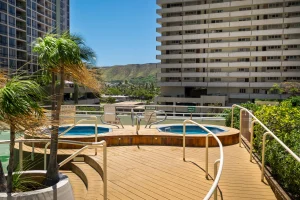
Holiday Surf Hotel
A simple Waikiki stay with kitchenette-friendly rooms that fits budget travelers and longer visits.
Check rates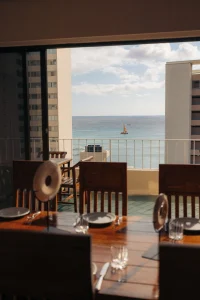
Lotus Honolulu at Diamond Head
A quieter boutique hotel near Diamond Head and Kaimana Beach for travelers who want calm surroundings near Waikiki.
Check rates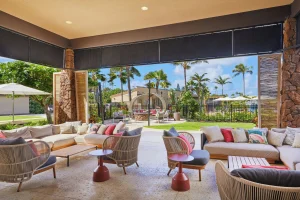
Ocean Bungalows at Turtle Bay Resort
A high-end bungalow-style Turtle Bay stay for travelers seeking a more private North Shore luxury experience.
Check ratesThat’s the headline. The real differences are rain, wind, and crowds, not temperature.
Honolulu weather in plain English
Hawaiʻi stays pretty consistent all year, with two main seasons: summer (May to October) and winter (November to April). Average daytime temps hover around 85°F (29°C) in summer and 78°F (26°C) in winter, and evenings usually drop about 10°F.
That’s the headline. The real differences are rain, wind, and crowds, not temperature.
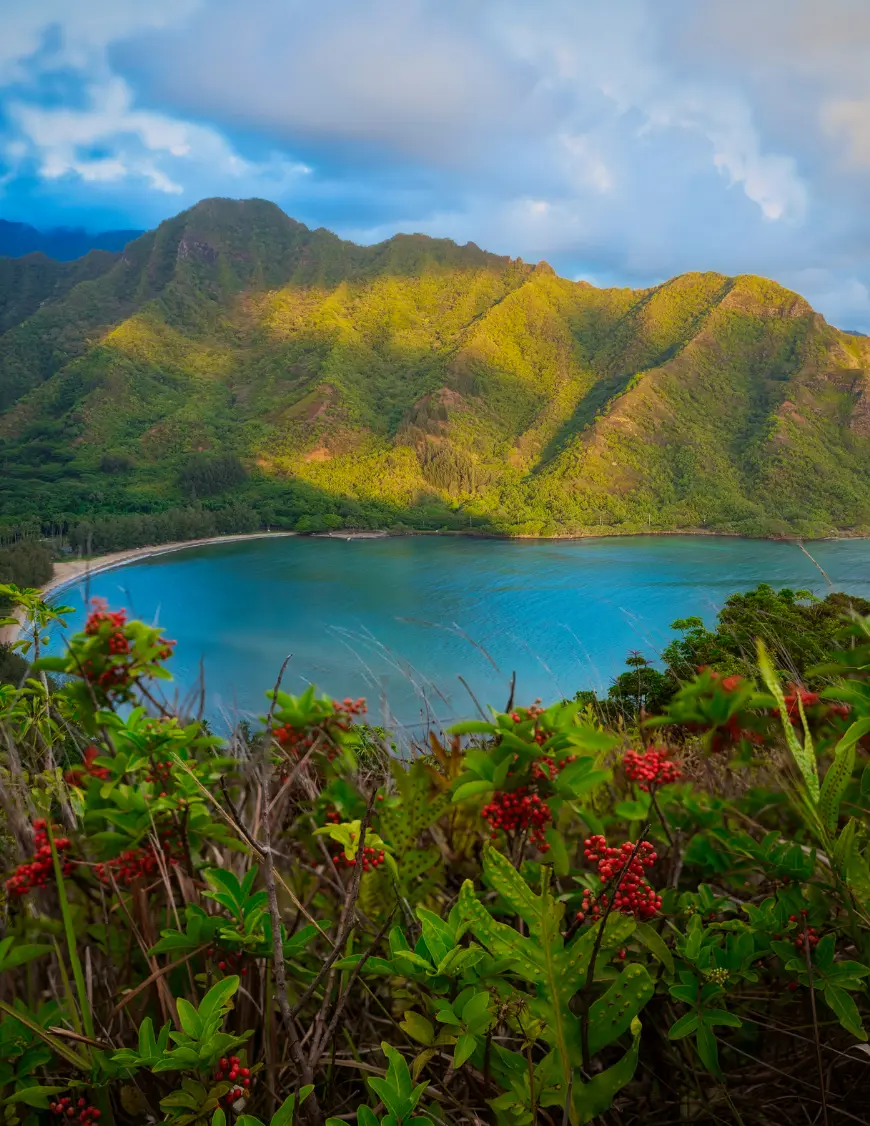
Best time to visit Honolulu for great weather and lighter crowds
If you want the sweet spot where the ocean looks like a screensaver and dinner reservations aren’t a competitive sport, aim for:
- Late April to early June: Warm days, fewer storms than mid-winter, and a calmer pace before summer family travel hits.
- September to mid-November: My favorite stretch for “normal” Honolulu. Water stays warm, the island feels less packed, and you can still do everything from snorkel mornings to rooftop cocktails at night.
These shoulder seasons also make planning easier because you’re not fighting the peak pricing spikes that come with holiday weeks.
What each season feels like
Winter: November to March
Winter in Honolulu means slightly cooler air, more passing showers, and bigger waves on the island’s north-facing shores. It’s also prime time for humpback whales, which generally show up November through May, with the usual peak January through March.
Why you’ll love winter
- Whale season is the real deal. You can even spot them from coastal lookouts on clear days.
- The air feels less sticky, especially at night.
- Surf culture goes into full stadium mode on the North Shore.
Trade-offs
- More rain overall, usually short bursts that come and go.
- Holiday weeks bring serious crowds and pricing, especially late December.
If whales are high on your list, this is when it makes sense to book a boat trip. I like going with a smaller group so you’re not shoulder-to-shoulder at the rail. You’ll find Oʻahu whale watching cruises on Viator with verified reviews and free cancellation on many options, which helps when ocean conditions shift.
Spring: April to early June
Spring is Honolulu at its easiest. The days feel bright and stable, the ocean stays inviting, and the city gets a little more breathing room.
Why spring is a winner
- Comfortable hiking weather for Diamond Head, Makapuʻu, and ridge trails.
- Less crowd pressure than winter holidays and summer.
- Great for first-timers who want a bit of everything.
Summer: Mid-June to August
Summer brings the warmest days and peak family travel. The ocean on the south shore is usually friendlier, which is why Waikīkī looks like a postcard factory this time of year.
Why summer works
- Beach days hit effortlessly, especially if you love long sunsets and warm water.
- South shore surf picks up, good energy in town.
Trade-offs
- Humidity is higher.
- Crowds are thickest around school breaks.
If you’re visiting in summer and you’d rather skip rental-car stress, a Circle Island day tour booked through Viator can be a smart move. Hotel pickup is common, and “reserve now, pay later” makes it easy to lock in a date without committing your whole budget on day one.

Oahu: Full or Half Day Grand Circle Island Tour
Choose from two exciting ways to experience Oahu's top attractions, scenic beauty, and local culture.Option 1: Dol...

Parasailing Experience in Waikiki, HI
Experience the thrill of Oahu parasailing on this unforgettable 1-hour adventure from Waikiki. Soar up to 1,000 feet...

Oahu: Grand Tour Around Island with Snorkeling
Come join on a circle island adventure led by some of Hawaii’s most knowledgeable local guides and experience brea...
Fall: September to mid-November
Fall is the underrated season. It still feels like summer, but the island calms down.
Why fall is sneaky-good
- Warm water, fewer families, and a more local rhythm.
- Excellent time to combine beach mornings with exploring Kakaʻako food spots and downtown museums.
- Usually easier to snag good rooms without paying peak rates.
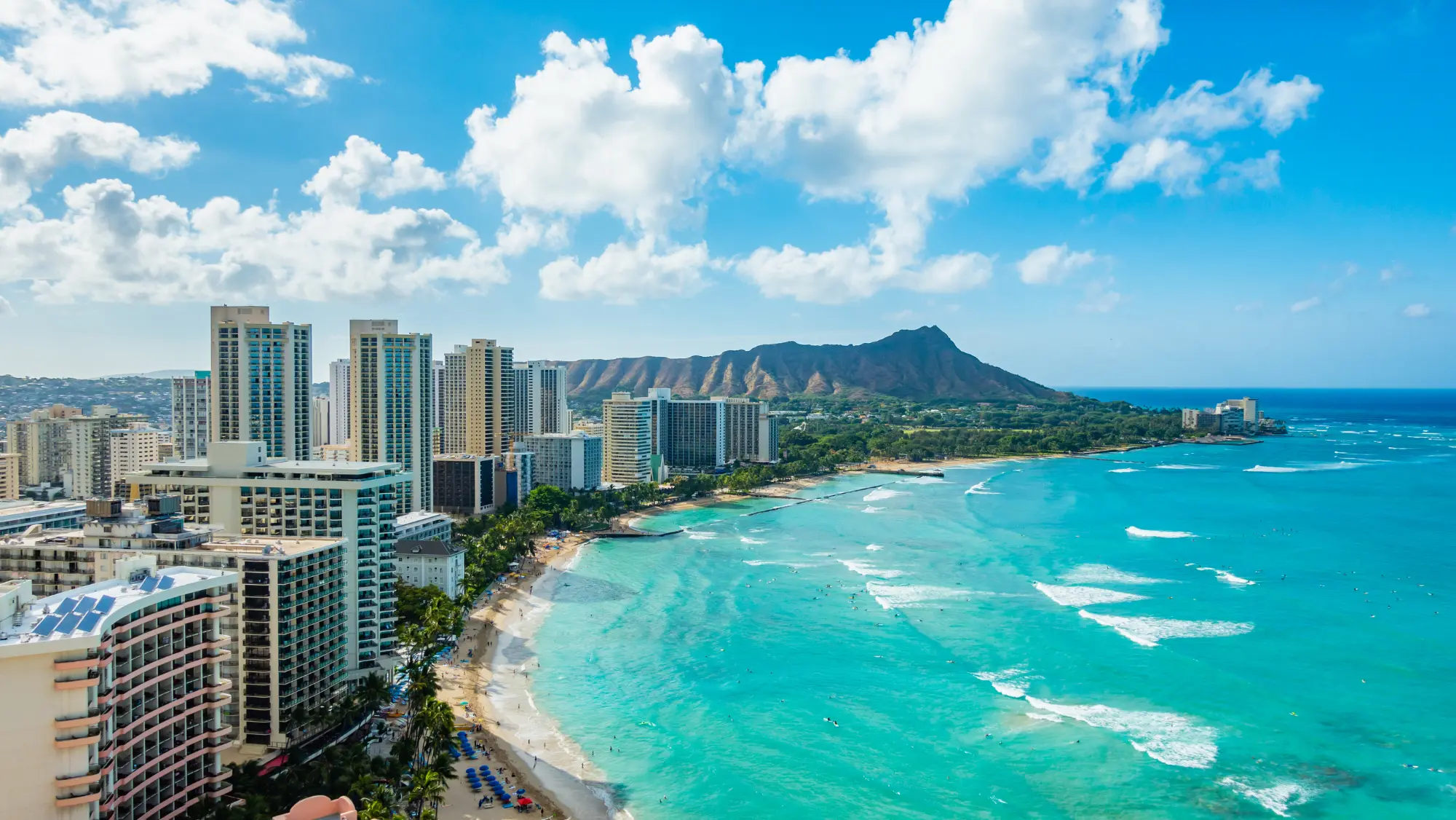
Pick your dates based on what you care about most
If you want whale season
Go January to March for the best odds.
For land-based viewing, coastal lookouts and lighthouse hikes can be surprisingly productive on a clear day. For the full experience, a boat trip gives you more range and better angles.
If you want big surf on Oʻahu
Winter is king, especially November through February, when the North Shore can get dramatic. Watching from the beach can feel like standing next to a moving building, and you’ll understand why locals treat it with respect.
If you hate humidity
Choose December through March. The temperature difference is modest, but the air often feels more comfortable at night.
If you want cheaper hotels and flights
Avoid:
- Christmas through New Year’s
- Spring break weeks
- Mid-summer school holidays
Look at:
- Late April (after spring break)
- September and October
- Early December (before holiday travel ramps up)
If you’re traveling with kids
Summer is easy for ocean time and predictable schedules, but book early. Spring also works beautifully because you can actually move around without feeling like every attraction is sold out.
Events that can be worth timing your trip around
Honolulu has plenty going on year-round, but a few dates can shape the vibe of the city:
- Honolulu Festival (March): A big cultural celebration with performances and events around Waikīkī and downtown.
- Lei Day (May 1): A classic, local-feeling celebration in Kapiʻolani Park.
- King Kamehameha Floral Parade (June): Colorful, historic, and genuinely fun to see in person.
- Honolulu Marathon (December): The city buzzes, and roads can get crowded around race weekend.
Event dates can shift year to year, so check the official calendar if you’re building a trip around one.
A quick reality check on Diamond Head timing
Diamond Head is still worth it, even if it’s popular, but it rewards early mornings. The extra bonus is cooler temps and cleaner views before the haze builds.
Also, non-residents need entry and parking reservations at Diamond Head State Monument, and the state lists $5 per non-resident entry plus $10 per non-resident vehicle parking (credit card only).
If you don’t want to deal with reservation slots, some guided options bundle the logistics so you just show up and hike.
What I’d do with one week of flexibility
If you told me you can travel anytime and you want Honolulu at its most enjoyable, I’d steer you toward late April, May, September, or October. You’ll get warm water, solid weather, and a city that feels like it has room to breathe.
And if you’re specifically trying to line up whales or North Shore surf, winter wins. Either way, the best time to visit Honolulu is the window that matches your priorities, because Honolulu delivers year-round, just with different flavors.
Park Shore Waikiki
A beach-adjacent hotel near Kapiolani Park and Diamond Head that fits travelers wanting east Waikiki convenience.
Check rates
Toa Luau at Waimea Valley, Oahu
Toa Luau invites you to immerse yourself in the beauty and excitement of Polynesia on Oahu’s historic North Shore! Book any one our 3 Luau seating o...

Oahu: Submarine Scooter Adventure
Dive into an unforgettable underwater adventure on Oahu’s beautiful Maunalua Bay. Cruise past the iconic Diamond Head Crater aboard a comfortable po...