
Even if buses confuse you back home, you can navigate Waikiki’s TheBus system without stress once you know how it works on the ground. You’ll figure out which Kuhio Avenue stop to use, how to tap a HOLO card so you never overpay, and when traffic turns a quick ride into a slow crawl. Before you queue up with sunscreen and beach bag, you’ll want a simple game plan.
Key Takeaways
- Use Google Maps or TheBus app to find nearby Kuhio Avenue stops, check route numbers, and confirm direction before boarding, since many Waikiki routes loop.
- Arrive at stops 5–10 minutes early and read the small schedule panels; evening and Sunday service is less frequent, so plan extra time.
- Get a HOLO card, tap once when boarding (no re-taps), and rely on automatic transfer windows and daily caps instead of paying multiple cash fares.
- Choose routes based on your plans: shoreline routes for beach-hopping, Waikiki–Ala Moana routes for shopping and dining, and early-morning 52/55 for scenic North Shore trips.
- Bring a small daypack with water and reef-safe sunscreen, keep bags off seats, signal your stop early, and greet the driver with “aloha.”

Pearl Harbor USS Arizona Memorial Tour from Waikiki
Turn back time as we explore WWII history at Pearl Harbor and relive the infamous Sunday morning of December 7, 1941. Enjoy a half-day tour from Honol...

Pearl Harbor: USS Arizona Memorial and Battleship Missouri Tour
Visit USS Arizona and Battleship Missouri, as they represent both the beginning and the end of World War II. The acc...

Pearl Harbor USS Arizona Memorial & Battleship Missouri
Visit USS Arizona and Battleship Missouri, as they represent both the beginning and the end of World War II. The acc...
How to Use TheBus in Waikiki (Quick Start)
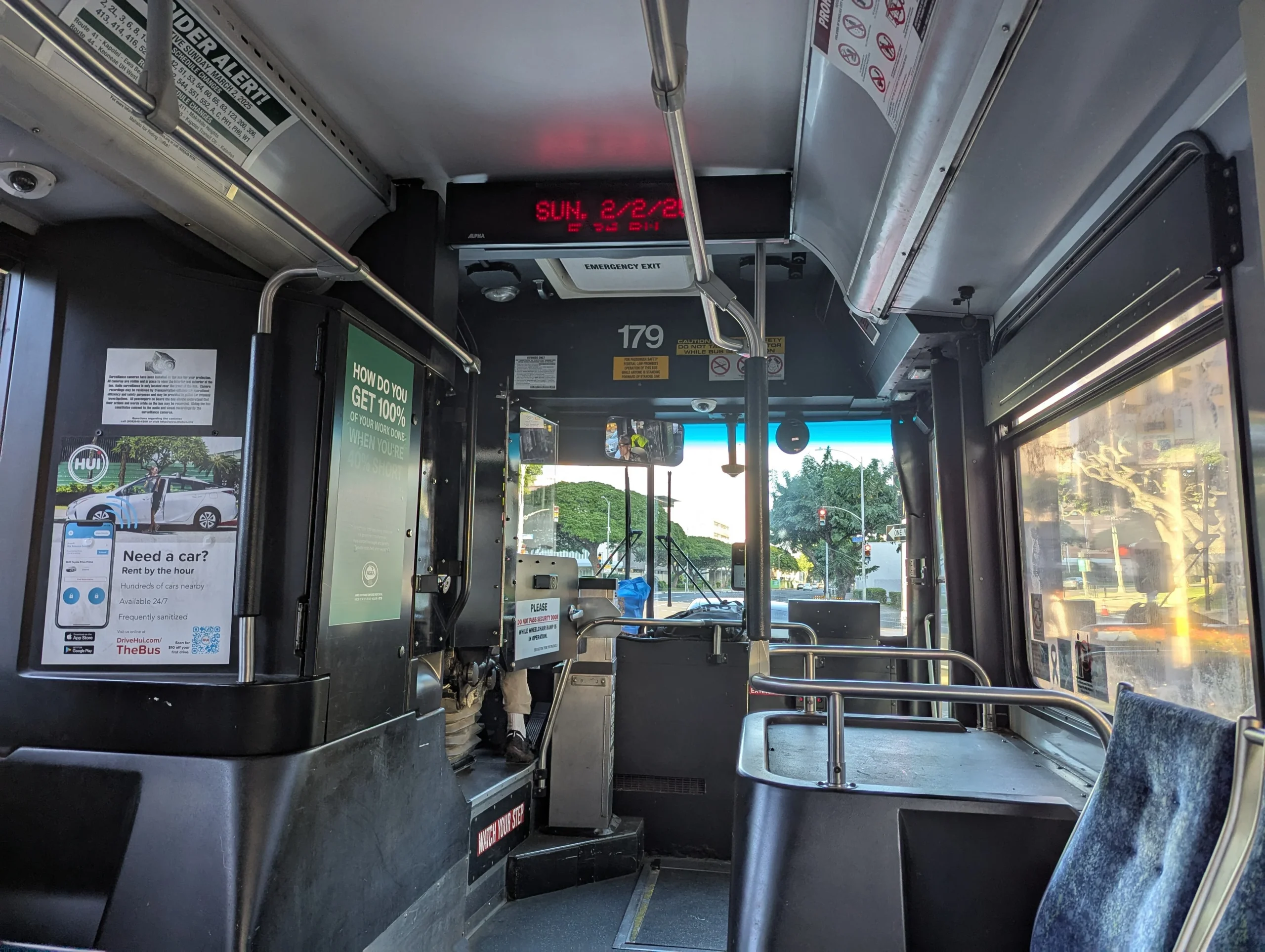
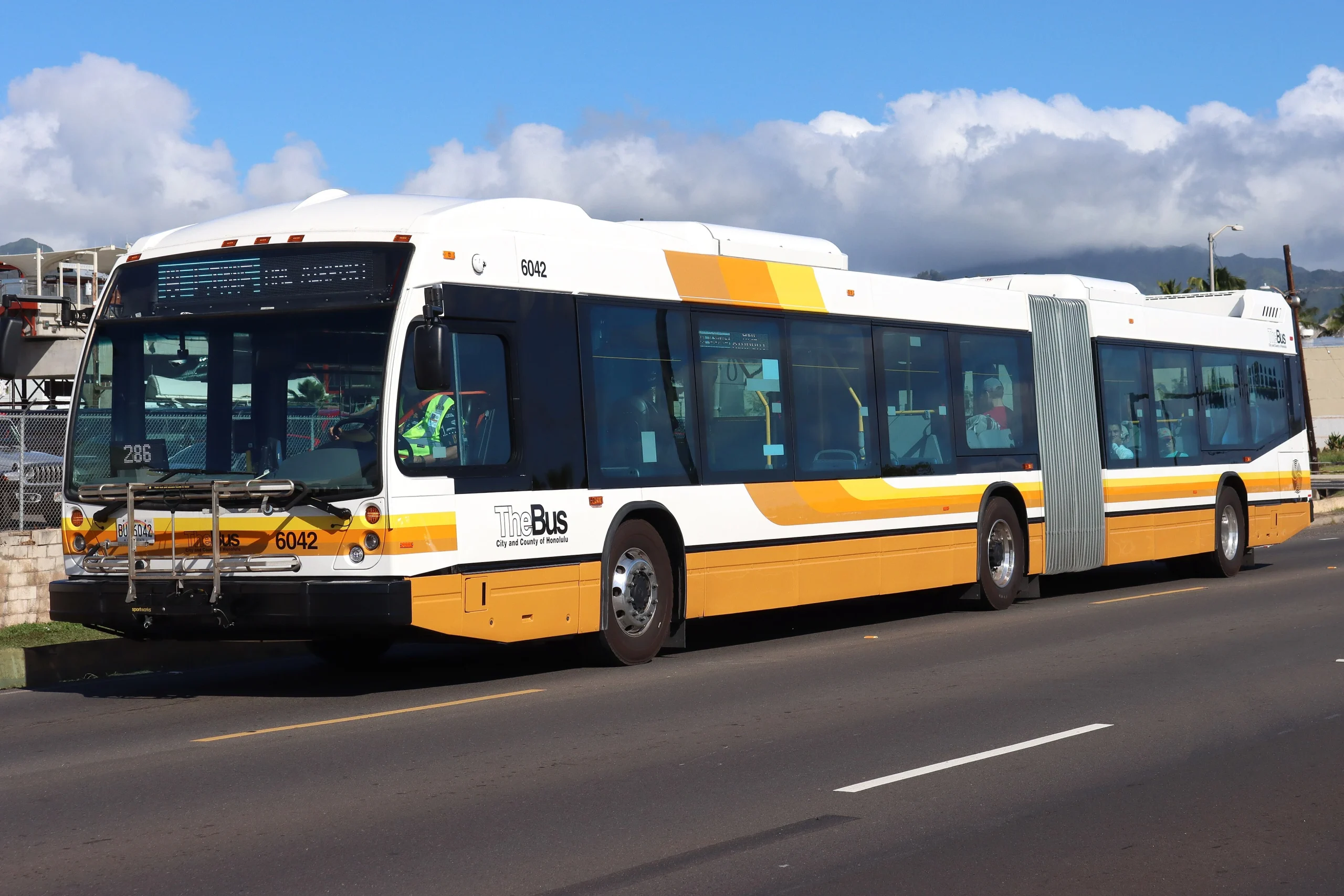
Getting the hang of TheBus in Waikiki is easier than it looks, and it quickly becomes your cheapest ticket around town. Start by pulling up Google Maps or the official app, then check nearby stops along Kuhio Avenue. Most routes run every 10 to 20 minutes, but mornings and late evenings feel calmer. Have a small daypack, water, and a light layer for strong trade winds. For Beach transfers, watch for sand, give seats to kupuna, and always signal the stop cord early. Stay aboard for relaxed Sunset rides toward Ala Moana, then walk the shoreline back at dusk. If you’d rather bike between stops, Biki’s The Trekker subscription offers unlimited 45-minute rides all year for flexible connections to and from TheBus.
Waikiki Bus Fares and HOLO Cards Explained
Now that you know how to ride TheBus, you’ll want to get a handle on what it actually costs to roll around Waikiki and beyond. You’ll see HOLO card readers at every bus door, so you should understand how the card works, how daily fare caps save you money, and when paying cash still makes sense. We’ll walk through current fare prices, where to buy a HOLO card, and how to load credit so you’re not scrambling for exact change at a busy stop. For official updates on transit policies, privacy, and accessibility, you can also review the Department of Transportation Services’ Accessibility Policy.
Current Bus Fare Prices
Few things confuse Waikiki visitors faster than bus fares, so it helps to know the numbers before you tap on.
Recommended hotels for this trip
Compare well-reviewed stays from our destination hotel guides, then check live availability for your dates.
 Featured stay
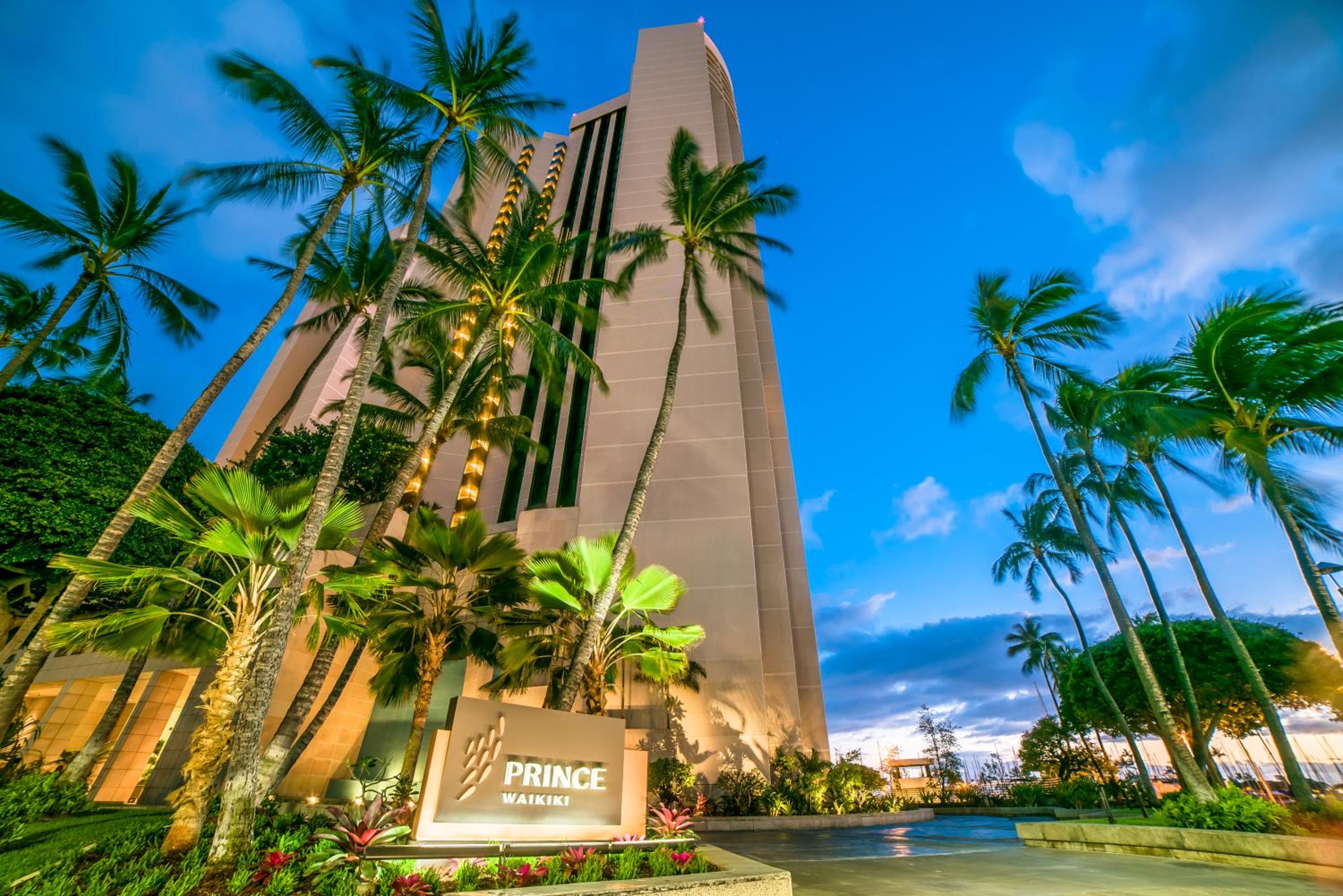
 Prince Waikiki
- Free WiFi
- Non-smoking rooms
- Air conditioning
Well suited to couples seeking ocean views, families who want two-queen rooms or multiroom suites, convention visitors, and travelers who value pools and on-site dining. It may be less appealing if you want to step directly…
- Oceanfront 2 Queens
- Room Only
- Refundable until Sep 12
 Guest favorite
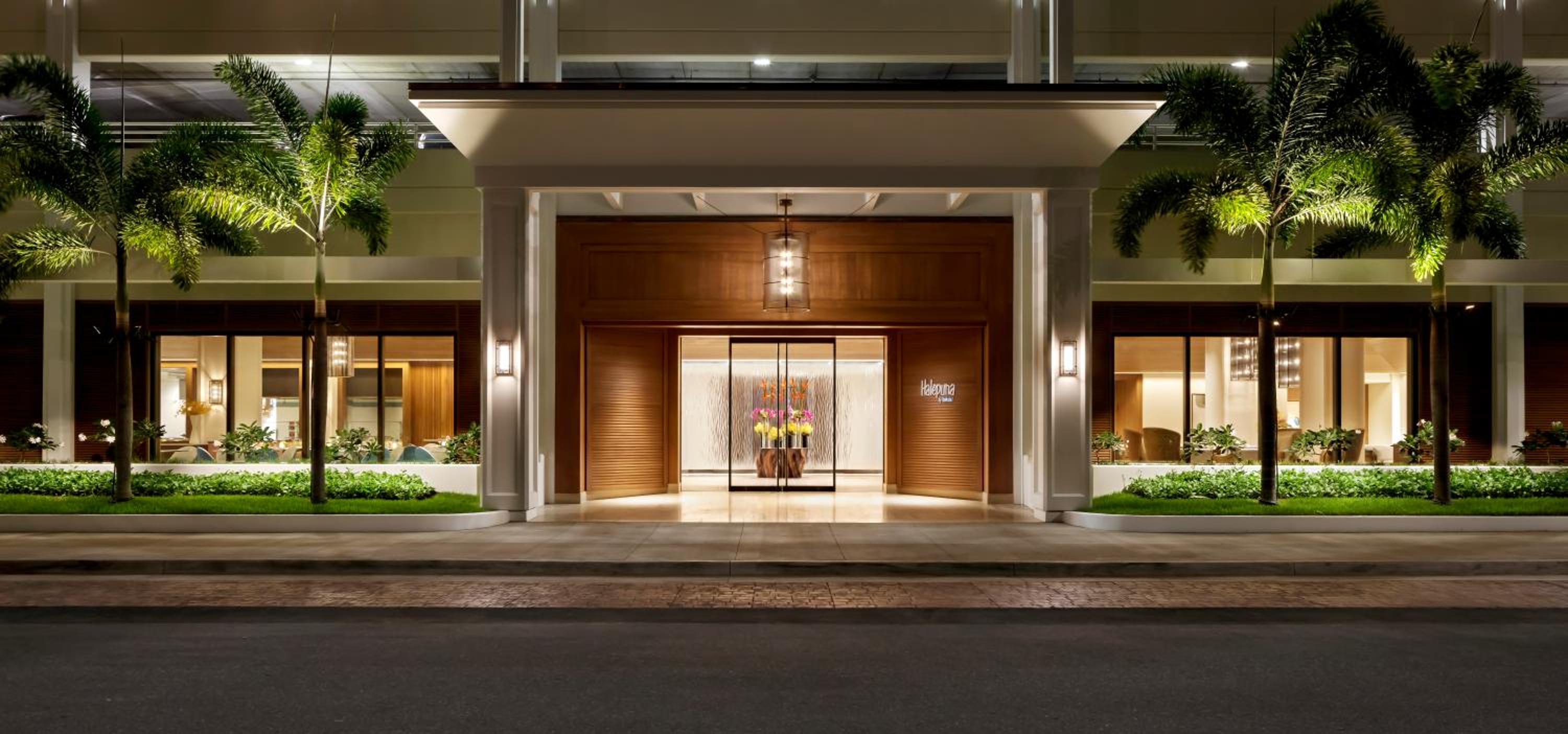
 Halepuna Waikiki by Halekulani - NO RESORT FEE
- Free WiFi
- Non-smoking rooms
- Air conditioning
You are likely to appreciate Halepuna if you want an upscale, relatively serene stay near Waikiki Beach, restaurants, and shopping, but do not need a beachfront resort campus. Couples and solo travelers can prioritize the king…
- Mountain Waikiki View Two Double Beds
- Room Only
- Non-refundable rate
 Guest favorite
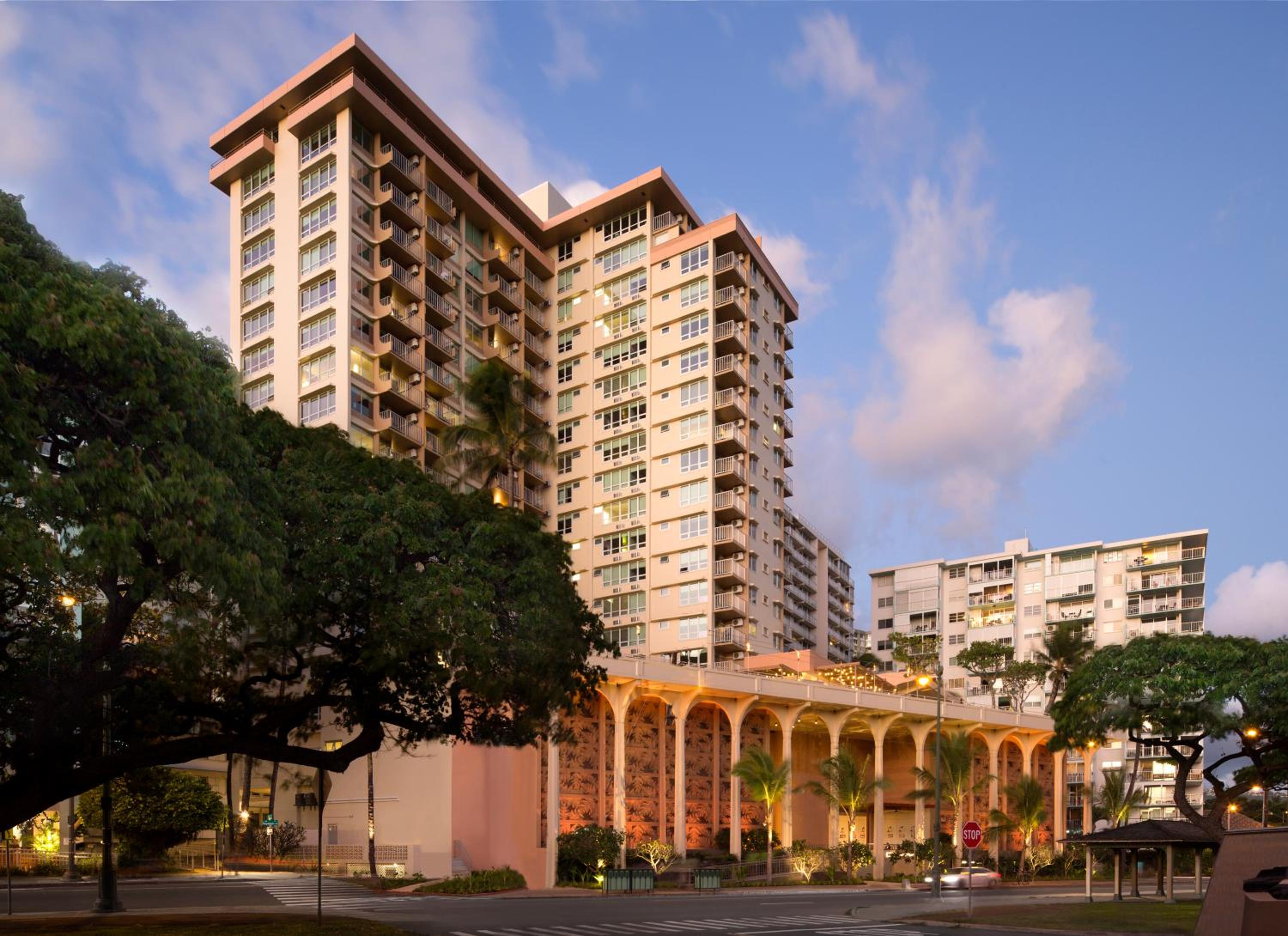
 Queen Kapiolani Hotel
- Free WiFi
- Non-smoking rooms
- Air conditioning
You are likely to appreciate this hotel if location, Diamond Head scenery and easy access to the beach matter more than having a quiet resort compound. Double-queen rooms and larger suites can suit families, while studios…
- Studio, City View
- Room Only
- Non-refundable rate
Adult riders currently pay a modest base fare for each ride, while youths and seniors get discounted prices with valid ID.
Check TheBus site for the latest fare updates, since rates can shift after budget hearings.
Cash payment policies stay strict: you’ll need exact change, no bills back.
Late evenings, buses thin out, so factor that into your plans.
For frequent trips, look at passes or HOLO balance, which cap your daily costs.
Avoid rush hour if you can.
If you’re also planning activities in city parks, note that over 80% of recreation, education, and social opportunities offered through Honolulu’s parks system are free.
How HOLO Cards Work
Think of the HOLO card as your local key to riding TheBus around Waikiki and the rest of Oahu without fumbling for coins. You tap once at the fare reader, hear a soft beep, then walk straight on.
The system tracks your trips and caps your daily and monthly costs, so frequent rides never spiral. Because of islandwide fare integration and transit partnerships, the same card can work on future rail and other services. As you explore Oʻahu, staying informed about Beach and Ocean Alerts can help you travel safely to and from the island’s shorelines during changing ocean conditions.
Strong card security protects your balance, while optional app syncing lets you check activity, freeze a lost card, or plan your next bus ride easily.
Loading And Using Credit
Once you’ve got a HOLO card in hand, the real trick is loading it so every tap feels easy and automatic. Add credit at ABC Stores, 7-Eleven, or major bus stops, using cash or card. Online loading feels smoother, especially if you’re juggling kids, beach gear, or jet lag. You can also link mobile payments to refill on the fly. If you’re planning side trips like hiking at Kaʻena Point State Park, remember that there’s no drinking water available in either section, so load enough fare (and pack enough water) before you go.
Tap your card once when you board. The system tracks daily fares and caps your costs, so you never overpay. Respect transfer limits: usually about two and a half hours. Don’t tap again, or you’ll trigger a new fare.
Pearl Harbor: USS Arizona Memorial and Battleship Missouri Tour
Visit USS Arizona and Battleship Missouri, as they represent both the beginning and the end of World War II. The acc...
Pearl Harbor USS Arizona Memorial & Battleship Missouri
Visit USS Arizona and Battleship Missouri, as they represent both the beginning and the end of World War II. The acc...
Catching Thebus: Step-By-Step From Waikiki
Before you even spot a bus, Waikiki makes it surprisingly simple to get moving on TheBus if you know the steps. Start by checking the stop sign, route number, and small schedule panel. Reach the stop five to ten minutes early, card or cash ready, packing essentials in a small daypack. Stand near the curb, signal clearly, then board through the front door and tap. At night, confirm the destination screen, and ask the driver about night transfers if you feel unsure. If you’re staying in hotels on Oahu outside Waikiki, remember that riding in from those areas can mean quieter surroundings but fewer direct routes and longer rides compared to central Waikiki.
| Scene | Snapshot |
|---|---|
| Morning stop | Cool air |
| Midday crowd | Beach bags |
| Sunset ride | Gold sky |
| Late bus | Quiet |
Choosing the Right Waikiki Bus Route
Although Waikiki’s bus map can look like a plate of spaghetti at first, choosing the right route gets easy once you match lines to the kind of day you want.
Waikiki’s buses feel chaotic until you match each route to the kind of day you’re planning
Start with your anchor: hotel, beach, or Ala Moana.
From there, check Google Maps and TheBus app for headways and waikiki transfers.
- For beach-hopping, choose buses that trace the shoreline and stop often.
- For shopping or food, favor routes linking Waikiki and Ala Moana Center.
- For late dinners, confirm evening service, especially Sunday.
When in doubt, ask drivers. They usually share quick, practical tips with locals.
If you’re visiting during Honolulu shoulder season, buses and key stops are often a bit less hectic than peak winter or summer holidays, but it’s still smart to plan for a little extra time around busy evening and weekend periods.
Top TheBus Routes to Pearl Harbor, North Shore & More
From Waikiki, you can reach Pearl Harbor on TheBus using a couple of “express” style routes that skip backtracking and save you cab money, especially if you’re comfortable with a 45–60 minute ride. You’ll also find slow, scenic routes that hug the coast toward the North Shore, where open windows, salty air, and traffic jams near Haleʻiwa all become part of the story. Before you go, check the Pearl Harbor National Memorial bag policy and current alerts, since bags aren’t allowed on the grounds and conditions or programs can change.
Pearl Harbor Express Options
Set your sights on Pearl Harbor and the North Shore and Waikiki suddenly feels very well connected, thanks to a handful of reliable TheBus routes that locals actually use.
For Pearl Harbor you’ve got three solid Express Services that beat slow, crowded transfers and keep your day simple.
- Route 20: Runs every 20 to 30 minutes, about 45 minutes from Waikiki, and stops right at the Visitor Center.
- Route 42: Slightly longer yet great when 20 is packed.
- Route PHX shuttles: Private Shuttle Options and combo Historic Tours on Viator, with timed tickets and hotel pickup and free cancellation. Visitors still need to secure USS Arizona Memorial program reservations in advance, since tickets are limited and can sell out quickly.
Still comparing Pearl Harbor USS Arizona Memorial Tours?
Ask for tour ideas, hotel suggestions, or a simple trip plan that combines both.
Trip Helper
Scenic North Shore Routes
On the road to the North Shore, TheBus gives you a front row seat to Oahu’s slow, salt‑air side of life. Take Route 52 or 55 from Ala Moana early, around 7 am, to beat traffic and score window views. You roll past coastal viewpoints, food trucks, and small surf towns that feel a world away from Waikiki. Hop off at Haleiwa for shrimp plates, then continue toward Waimea Bay. For turtle watching, exit at Laniakea Beach and cross carefully. Bring water, reef‑safe sunscreen, and small bills. To avoid overpacking your day, borrow the simple North Shore pacing from a classic day‑trip itinerary and limit yourself to just a few great stops. Skip tight schedules, since traffic and photo stops always stretch time out.
Common Waikiki TheBus Mistakes and Local Tips
Although TheBus makes it easy to explore Waikiki and the rest of Oʻahu, first-time riders often stumble over the same small mistakes that waste time and money. Locals shake their heads at visitors who believe parking myths then still avoid the bus. If you’re combining bus rides with park visits around the island, the city’s staffed city parks system can help you plan activities and hours at larger parks along your route.
New riders repeat the same pricey bus mistakes, while chasing parking myths that never quite work out
1. Board the right direction.
Check the digital sign and Google Maps; many Waikiki routes loop.
2. Have exact fare or a HOLO card.
Drivers don’t give change, so load credit at ABC Stores.
3. Respect light language etiquette.
Greet the driver with “aloha,” keep bags off seats, and lower your beach gear during rush hour on the crowded bus.
Frequently Asked Questions
Can I Bring Surfboards or Beach Gear on Thebus in Waikiki?
You can bring small beach gear, but TheBus only allows surfboards under about six feet that fit on your lap or between seats. Use covers, avoid blocking aisles, respect surfboard storage rules and beach etiquette.
Is Thebus in Waikiki Safe Late at Night for Solo Travelers?
Yes, you’ll find TheBus safe at night; over 80% of visitors report feeling secure on Oahu’s transit. Still, follow safety tips: sit near the driver, avoid stops, trust instincts, practice night etiquette, keep valuables concealed.
Are There Discounts or Accessibility Services for Seniors and Riders With Disabilities on Thebus?
Yes, you get discounts through reduced senior fares and disability bus passes, and you can request accessibility features onboard. For door-to-door rides, apply in advance for TheHandi-Van paratransit eligibility, which requires documentation and in-person assessment.
Can I Use Thebus From Waikiki to Reach Hiking Trailheads Like Diamond Head?
Yes, you can ride TheBus from Waikiki to Diamond Head; routes 2 or 23 work well for Diamond Headtrail logistics, with nearby Trailhead dropoffs, short walks to the entrance, frequent service, and standard adult fares.
Is There Wi‑Fi or Charging Ports Available on Thebus in Waikiki?
No, you won’t find Wi‑Fi or charging ports on TheBus, so you’ll feel like you’ve time‑traveled decades. Bring your own onboard entertainment and juice up beforehand; imagine a minimalist island adventure without power outlets today.
Conclusion
By now, Waikiki’s buses are less a puzzle and more a canoe you can steer. You read the tides on the app, toss in a HOLO card instead of a paddle, and glide along Kuhio’s bright shoreline. Treat each route like a reef path: know where it begins, where it turns shallow, where it ends. If you travel light, watch the signs, and ask drivers early, TheBus will carry you further than any pricey tour.
Pearl Harbor: USS Arizona Memorial and Battleship Missouri Tour
Pearl Harbor USS Arizona Memorial Tour from Waikiki
Turn back time as we explore WWII history at Pearl Harbor and relive the infamous Sunday morning of December 7, 1941...
Pearl Harbor USS Arizona Memorial & Battleship Missouri
Visit USS Arizona and Battleship Missouri, as they represent both the beginning and the end of World War II. The acc...


