You quickly learn that not all Waikiki sand feels the same under your feet. Some stretches are coarse and crowded, others are silky, cool, and almost cushiony at low tide. The softest spots tend to hide beside seawalls, piers, and park edges, where families set up early and sunset walkers linger. If you care more about texture than tikis, you’ll want to know exactly where to drop your towel next.
Key Takeaways
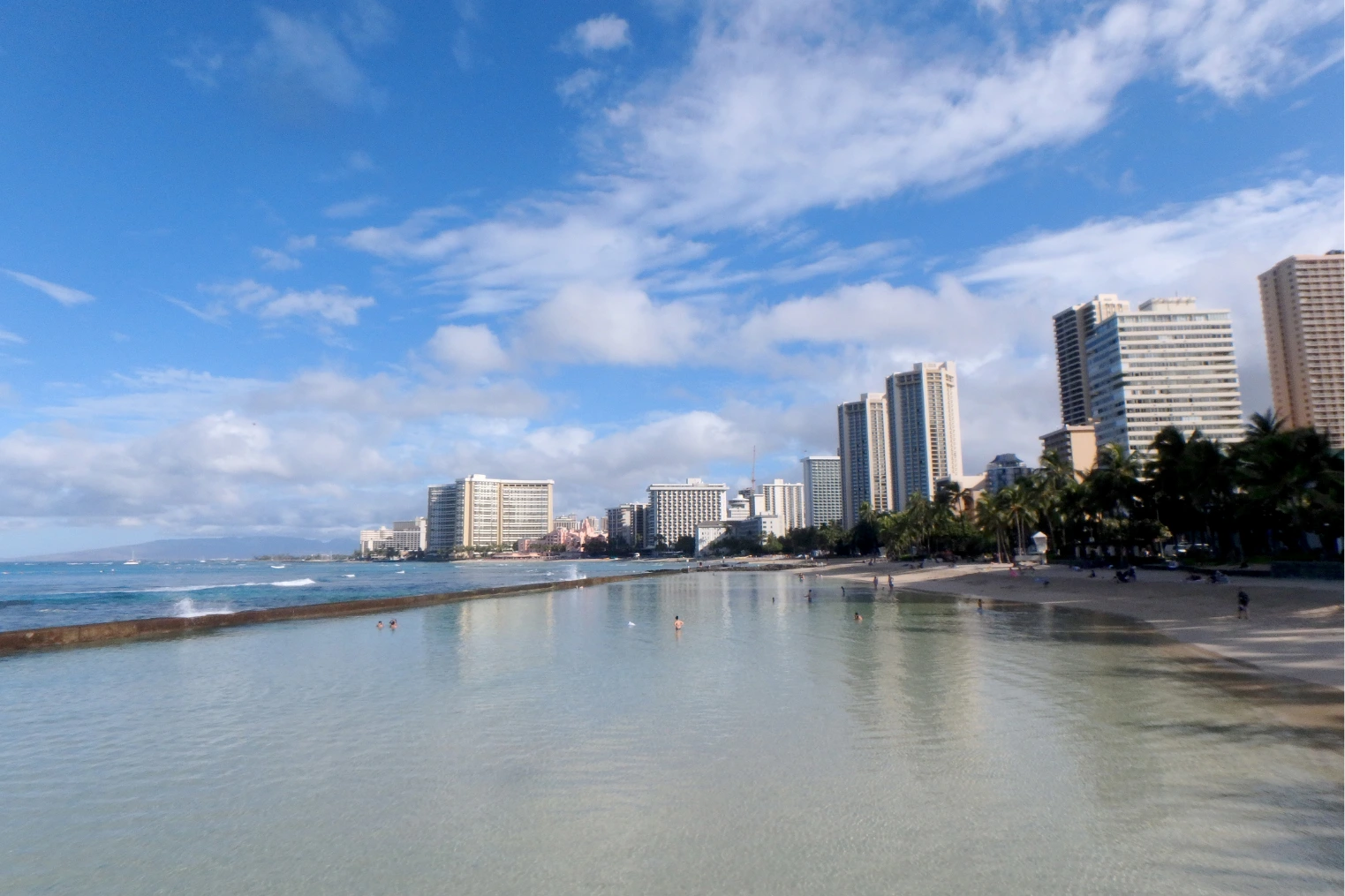
- The central stretch of Waikiki Beach has regularly groomed, fluffy sand that feels especially soft underfoot, ideal for lounging and casual swimming.
- East of the main pier, finer coral sand and a gentle slope create silky, comfortable entries into the water, especially noticeable at low tide.
- Kuhio Beach offers soft, sheltered sand and calm, protected water, making it one of the best family-friendly spots in Waikiki.
- Fort DeRussy Beach combines a soft, easy sand entry with nearby grassy areas, perfect for toddlers, picnics, and relaxed beach days.
- The Diamond Head end of Waikiki at sunrise features extra-soft, well-maintained sand and fewer crowds, great for quiet walks, reading, or napping.
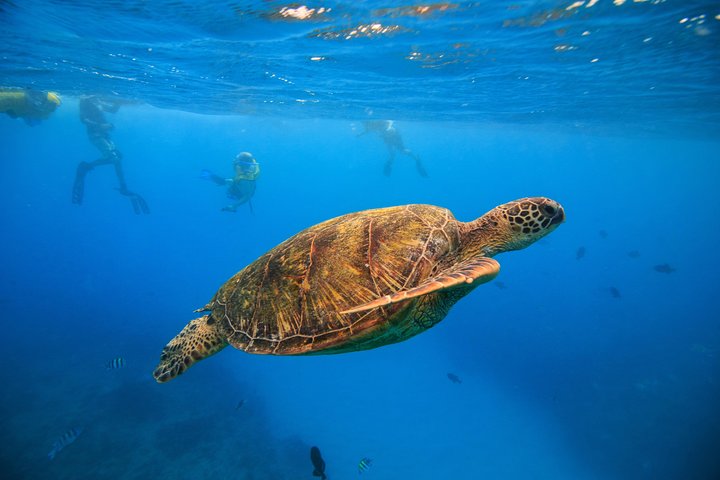
Waikiki, Hawaii: Turtle Canyon Snorkel Excursion
Discover the magic of snorkeling with Hawaiian Green Sea Turtles at Waikiki’s famous Turtle Canyon. On this 2-hour snorkeling tour, you’ll cruise...
Why Waikiki’s Beach Sand Feels So Soft
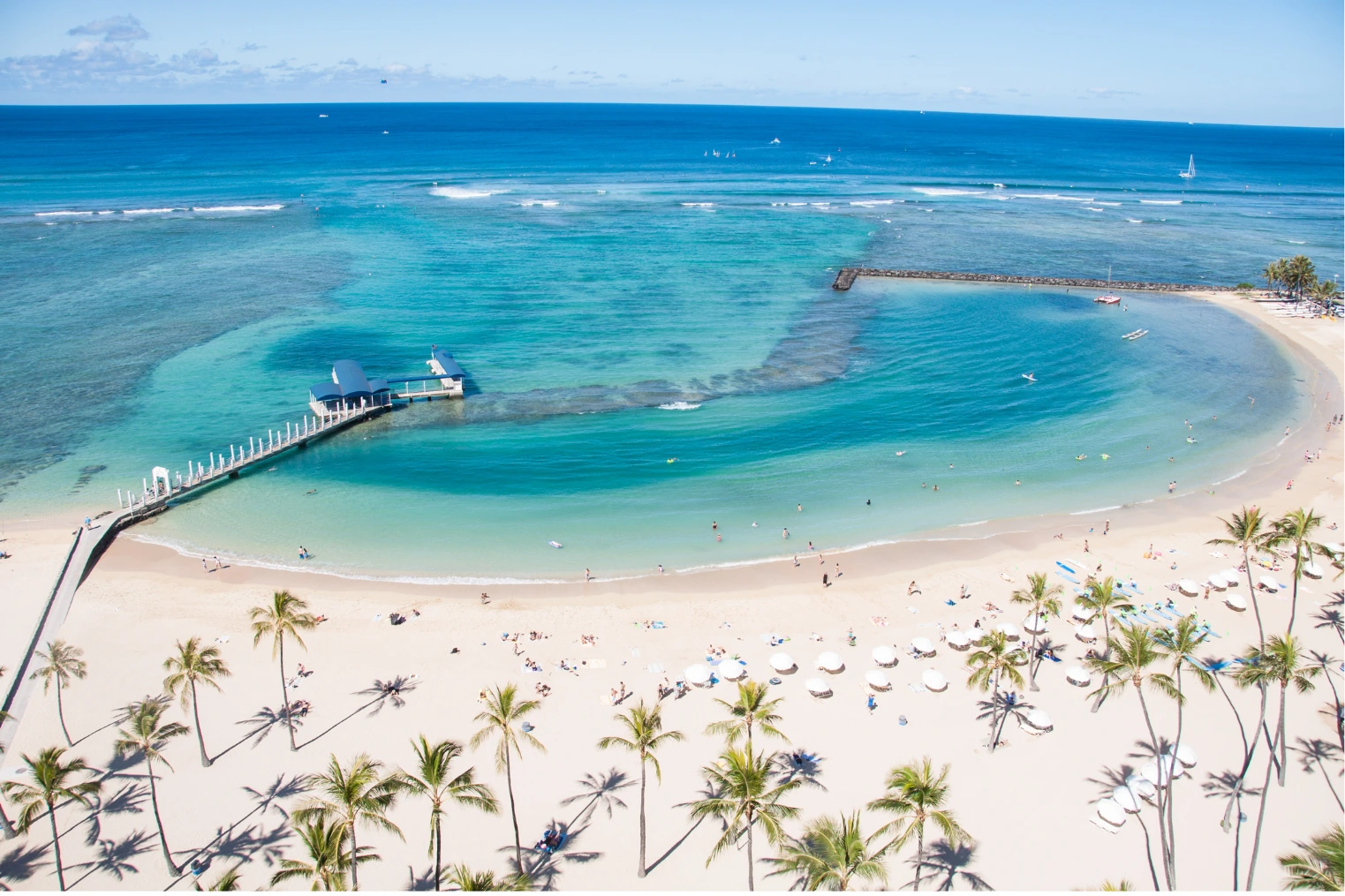
On your first walk across Waikiki’s shore, the sand feels almost creamy underfoot, and that’s not an accident. You’re feeling a specific sand composition, mostly fine coral and shell, ground down by relentless wave action. Soft grains roll instead of stabbing your feet. Visit at low tide, around early morning, and you’ll notice cooler, drier patches that feel extra silky. Afternoons bring heavier crowds and hotter sand, so pack lightweight sandals. Skip bulky beach chairs; you’ll want direct contact. A quick beach mat, reef safe sunscreen, and a rinse in nearby showers keep the experience easy for your skin. When you’re ready for a change of scenery, the soft lawns and shade trees of nearby Kapiʻolani Regional Park offer a cool counterpoint to the warm Waikiki sand.
Softest-Sand Waikiki Beaches You Should Visit
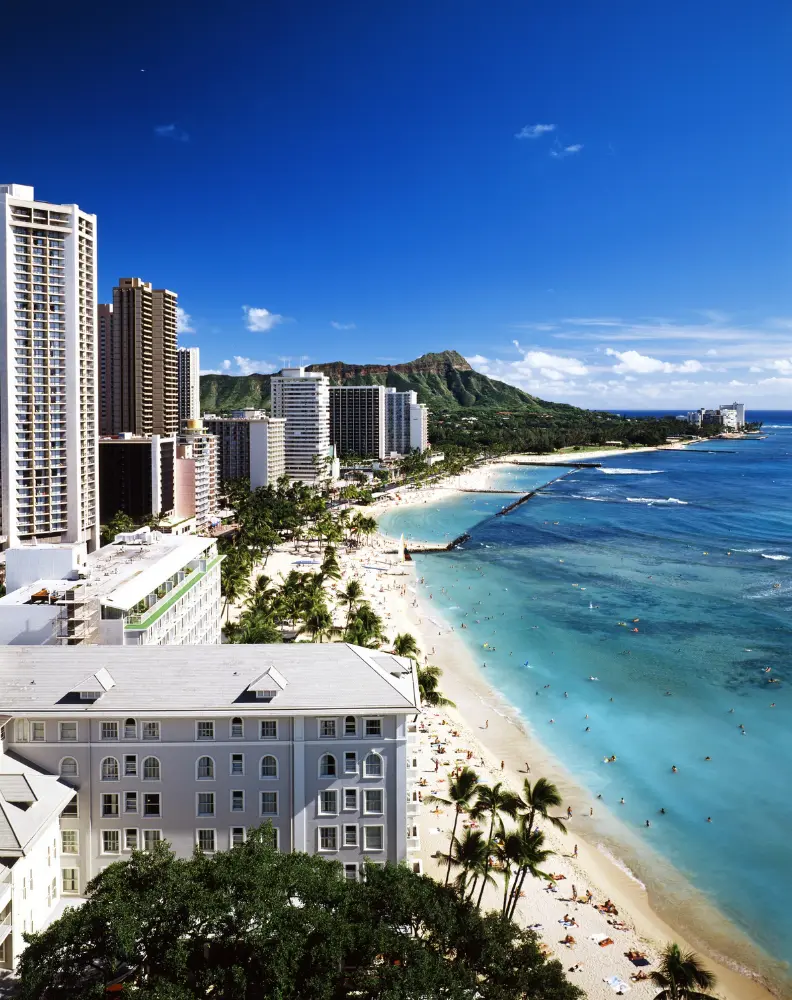
Often the softest sand in Waikiki hides in plain sight, tucked between busy hotel fronts and palm-lined paths. Start near the central stretch of Waikiki Beach, where regular beach maintenance keeps the sand texture fluffy underfoot. You’ll feel a finer grain size just east of the main pier, especially at low tide. Walk early, before 9 a.m., to dodge crowds and glare. Pack reef-safe sunscreen, light sandals, and a small towel, then skip bulky chairs. Notice how the gentle shoreline slope creates a long, shallow entry that’s easy on knees and ankles, perfect for slow wades and lazy floating. For a different feel underfoot, head to nearby Diamond Head State Monument, where the summit trail crosses exposed tuff formed by an ancient explosive eruption.
Best Soft-Sand Waikiki Beaches for Families
Families sink into Waikiki’s softest sand in a few easy-to-reach pockets where gentle waves, nearby restrooms, and shaded lawns all line up in your favor. Start at Kuhio Beach, where stone groins calm the water and lifeguards keep an eye out. You can spread towels near the seawall for family friendly picnics, then wander to Kapiolani Park for playground time. Fort DeRussy Beach suits mixed ages, with soft entry, rental umbrellas, and grassy corners that double as toddler playareas. While you’re based in Waikiki, you can also day-trip to other top neighborhoods on Oahu like Kailua, Ko Olina, or the North Shore for a different family beach vibe. Arrive by 9 a.m., bring reef-safe sunscreen and snacks, and skip bulky floats; rentals sit right behind you all day.
Recommended hotels for this trip
Compare well-reviewed stays from our destination hotel guides, then check live availability for your dates.
 Featured stay
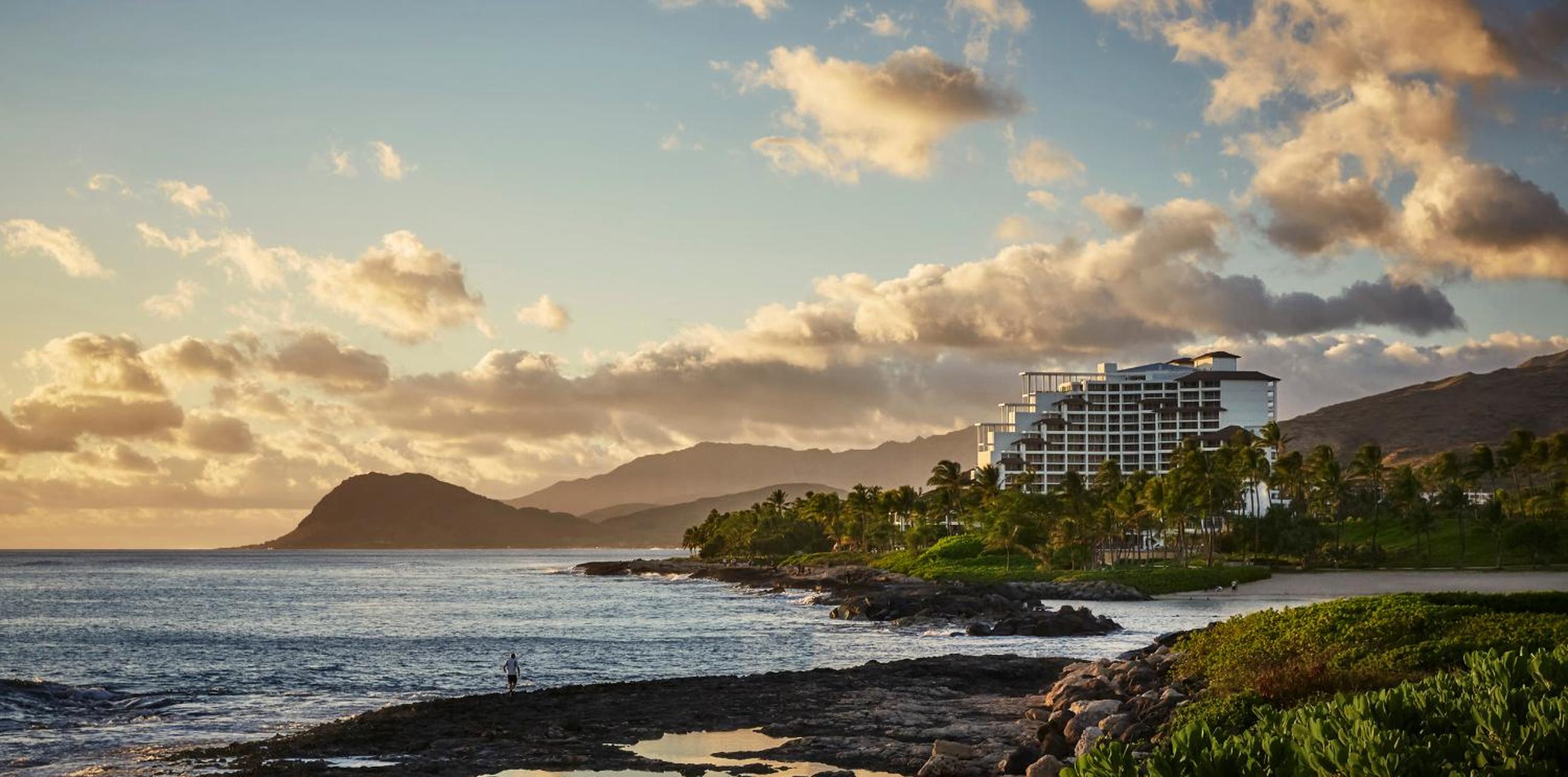
 Four Seasons Resort Oahu at Ko Olina
- Free WiFi
- Non-smoking rooms
- Air conditioning
Luxurious Hawaiian Beach Resort Exquisite Accommodations Indulge in luxury with a 65-inch HDTV, a deep soaking tub, and a walk-in glass shower in every guest room at Four Seasons Resort Oahu at Ko Olina. Enjoy the…
- Room, Garden View(1 King Bed)
- Room Only
- Non-refundable rate
 Guest favorite
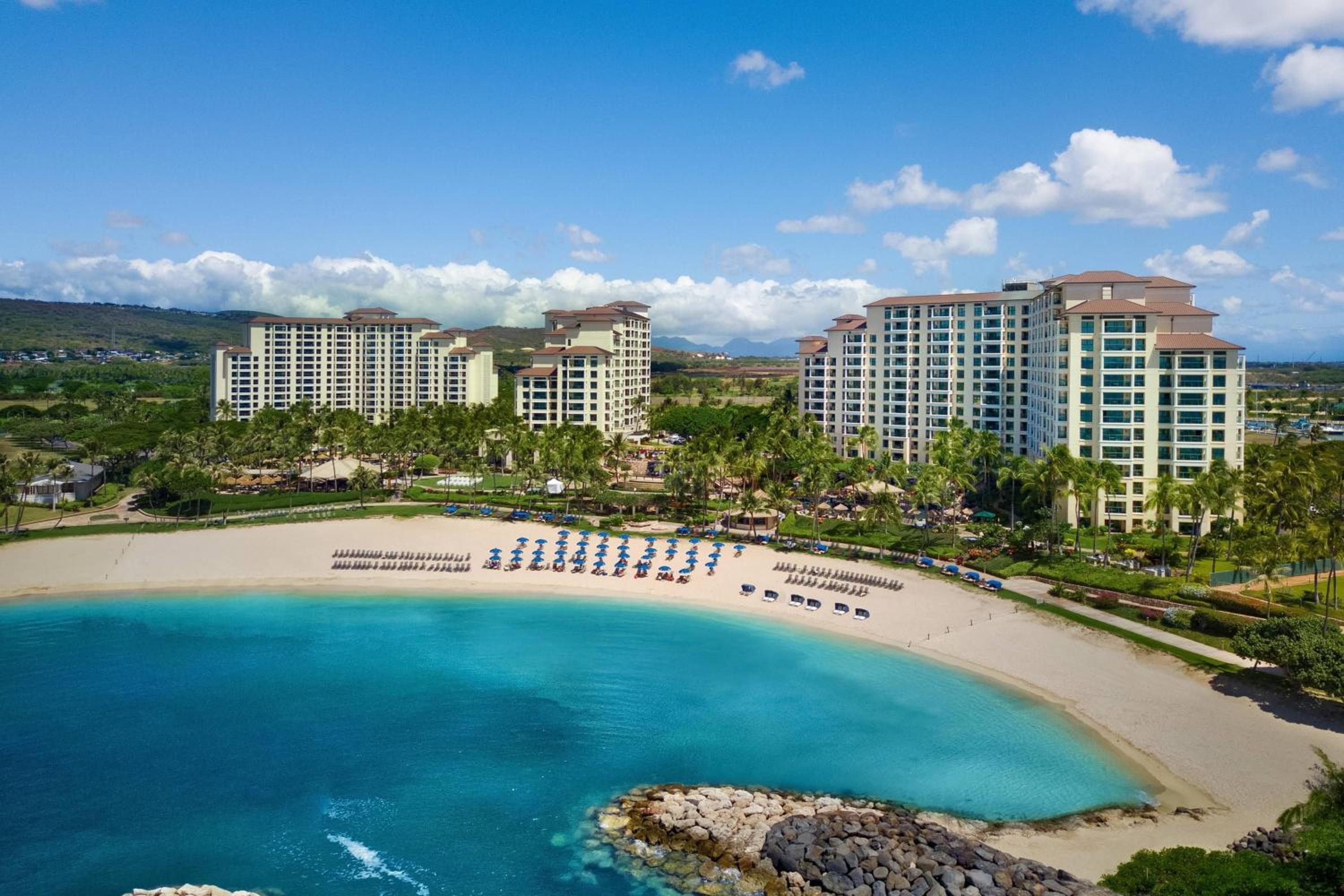
 Marriott's Ko Olina Beach Club
- Free WiFi
- Non-smoking rooms
- Air conditioning
Luxurious Accommodations The Marriott's Ko Olina Beach Club offers spacious rooms with stunning ocean or mountain views, fully equipped kitchens, and modern amenities like a washing machine and dryer. Dining and Entertainment Indulge in American cuisine…
- Room, 1 King Bed with Sofa bed,…
- Room Only
- Non-refundable rate
 Guest favorite
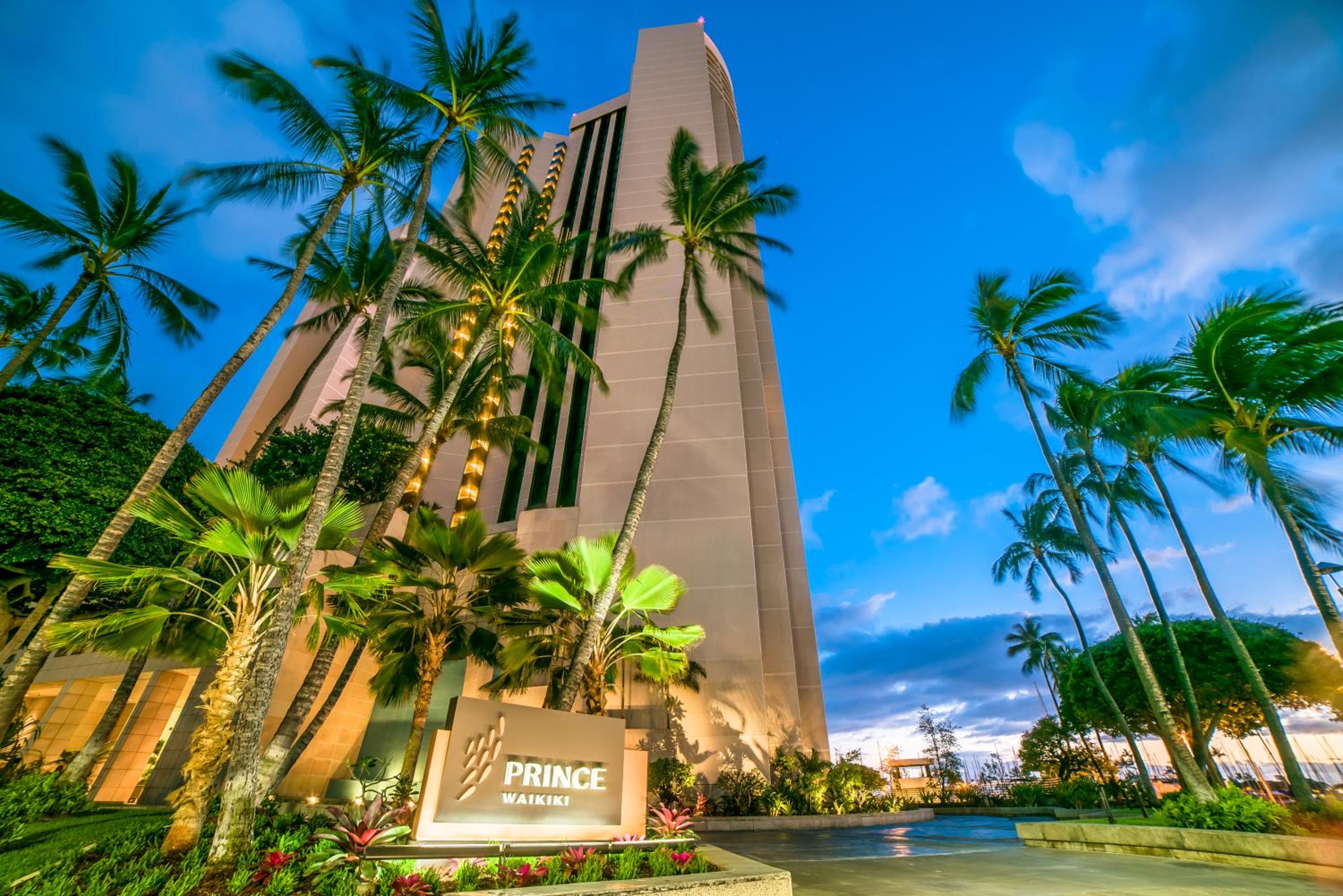
 Prince Waikiki
- Free WiFi
- Non-smoking rooms
- Air conditioning
Well suited to couples seeking ocean views, families who want two-queen rooms or multiroom suites, convention visitors, and travelers who value pools and on-site dining. It may be less appealing if you want to step directly…
- Oceanfront 2 Queens
- Room Only
- Refundable until Sep 12
Quieter Waikiki Beaches With Extra-Soft Sand
Slip away from the crowds and you’ll find a few stretches of Waikiki where the sand feels silkier, the voices softer, and the pace slows down.
[travelspark_viator_block placement=”primary” include=”both” layout=”grid” count=”3″]Find the quiet edges of Waikiki, where silkier sand and softer voices gently unspool the day.
Head toward the Diamond Head end at sunrise, when joggers outnumber selfie sticks and the water lies glassy and pale.
Here, careful sand maintenance keeps grains fine and the microbe content low, so your towel stays cleaner and your feet sink in deeper.
If you’re curious how these mellow corners compare to staying beyond Waikiki, you’ll trade quick city access for quieter nights and a different feel for Oahu’s beaches overall.
Pack reef safe sunscreen, water, and a light sarong, then skip big coolers or speakers.
You’re here to nap, read, and listen to the tide breathe against the city behind.

Oahu: Ka Moana Lūʻau at Aloha Tower – Oceanfront Luau Show
Ka Moana Lūʻau – Oceanfront Hawaiian Luau in HonoluluExperience the spirit of Hawaiʻi at Ka Moana Lūʻau, a...

Oahu: Mauka Warriors Luau Honoring Polynesia's Forgotten History
Step into the vibrant heart of Hawai‘i and experience a luau like no other—where culture, history, and celebrati...

Waikiki Luau Buffet with Optional Rock-A-Hula Show Ticket
Join us for a “Hawaiian night” with an upscale all you can eat buffet and Luau-themed dinner in the heart of Wai...
How to Pick the Right Waikiki Beach for You
Those quiet, powdery corners of Waikiki are just one flavor of the shoreline, and the trick is matching the rest of the coast to what you actually want from a beach day.
Start with your activity preferences. Crave surfing or outrigger lessons? Head for Queens Beach, budget around $60 to $120 for a class, and book a morning slot before trade winds roughen the water. If you’re learning to surf, aim your trip for beginner‑friendly months like May through October, when Waikiki’s waves are typically calmer and more forgiving.
Prefer lazy swims and quick naps? Choose a stretch with easy accommodation proximity so you can slip back for snacks, shade, or a forgotten paperback.
Pack reef-safe sunscreen, water, light sandals, and patience today.
Frequently Asked Questions
Are There Wheelchair-Accessible Walkways or Beach Wheelchairs Available in Waikiki?
Yes you’ll find wheelchair-accessible walkways in Waikiki; lifeguard stands and park facilities connect via accessible ramps, beach mats, and ADA signage, and some beaches let you borrow beach wheelchairs and adaptive strollers through nonprofits nearby.
Which Waikiki Beaches Have the Cleanest Restrooms and Freshwater Showers Nearby?
You’ll usually find the best public restroom cleanliness and freshwater shower locations at Kuhio Beach, Queen’s Surf Beach, and Fort DeRussy Beach, where city maintenance stays consistent and facilities sit close to paths and parking.
Can You Rent Umbrellas, Chairs, and Snorkel Gear Directly on Waikiki Beaches?
Yes, you can rent umbrellas, chairs, and snorkel gear directly on Waikiki beaches from Beach rentals stands and hotel concessions. You’ll also find snorkel instruction, lockers, and package deals, especially around Kuhio and central Waikiki.
What Are the Typical Parking Options and Costs Near Waikiki’s Main Beaches?
You face a galaxy of parking choices: scarce metered parking along Kalākaua, pricey hotel valet garages, and a few public lots, usually $1–$3 per hour or eye-watering $30–$60 daily near peak times and busy weekends.
Are There Lifeguards on Duty Year-Round at Waikiki Beaches?
Yes, you’ll find lifeguards year‑round on Waikiki’s beaches, but tower hours shift with seasonal staffing. You should still swim near staffed towers, follow flags, and know emergency protocols like calling 911 and identifying tower numbers.
Conclusion
You now know where Waikiki’s sand feels softest, from lively Kuhio Beach to the quiet curve by Diamond Head. Treat the shoreline like a sampler tray, and test a new stretch every morning. Arrive before 9 a.m., pack reef safe sunscreen and cheap reef shoes, skip heavy beach chairs. If you hate planning, book a Viator beach-shuttle with hotel pickup and free cancellation. Then just walk, wade, and enjoy the silk under your feet daily.
Waikiki, Hawaii: Turtle Canyon Snorkel Excursion
Discover the magic of snorkeling with Hawaiian Green Sea Turtles at Waikiki’s famous Turtle Canyon. On this 2-hour snorkeling tour, you’ll cruise...