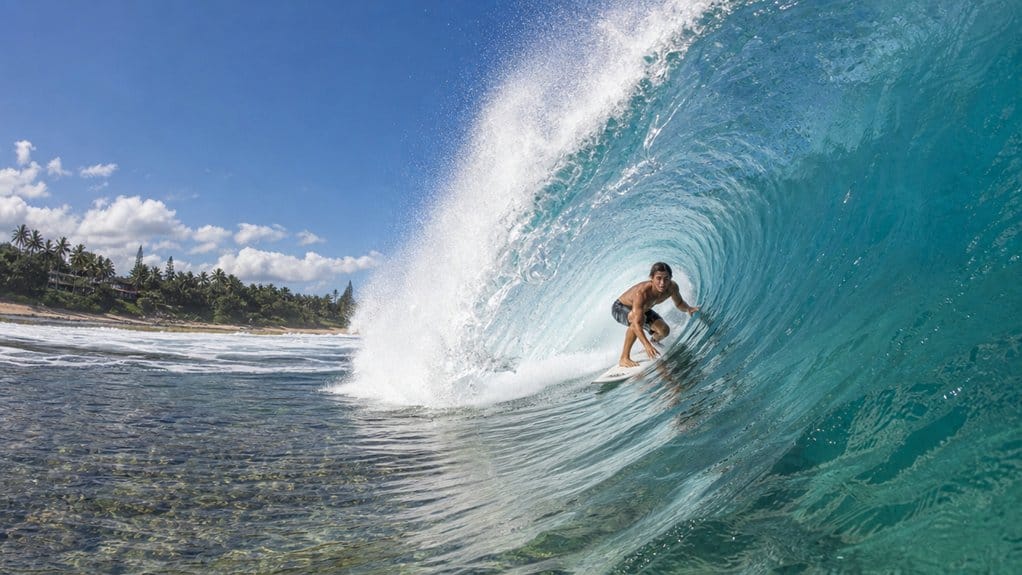
Pipeline breaks in water so shallow that some waves fold over just a few feet above sharp reef, which tells you this isn’t the place to fake confidence. You need to scout from shore, track the NW sets, watch the channels, and notice where the best surfers actually sit. Then you paddle out with a plan, not a prayer, because every detail counts once that blue wall stands up and starts to pitch.
Key Takeaways
- Only surf Pipeline if you already handle heavy reef barrels, strong hold-downs, and understand lineup etiquette and localism.
- Watch from shore first to learn peak placement, set timing, currents, channels, exits, and how conditions match each reef zone.
- Go on a long-period northwest swell with clean ENE trades and mid to mid-high tide; avoid low tide and onshore mess.
- Paddle from the deep-water Ehukai side toward the main channel, then wait for a clean steep peak and commit immediately.
- Set a steep line, fit the pocket, aim to exit through the channel, and protect your head if you get pitched.

Oahu: Grand Tour Around Island with Snorkeling
Come join on a circle island adventure led by some of Hawaii’s most knowledgeable local guides and experience breathtaking lookouts to capture mind-...

Oahu's Circle Island Tour Operated By Fil-Am Travel & Tours
Take a tour to explore the island of Oahu as you follow along the majestic coasts with the steep mountains at your s...

Oahu: Dole Plantation & Haleiwa Town OR Grand Circle Island Tour
Choose from two exciting ways to experience Oahu's top attractions, scenic beauty, and local culture.Option 1: Dol...

Oahu: Cage-Free Shark Swim on the North Shore
Experience the ultimate Oahu shark dive with this North Shore shark tour family. Swim cage‑free with sharks in the...
Decide If You’re Ready for Pipeline
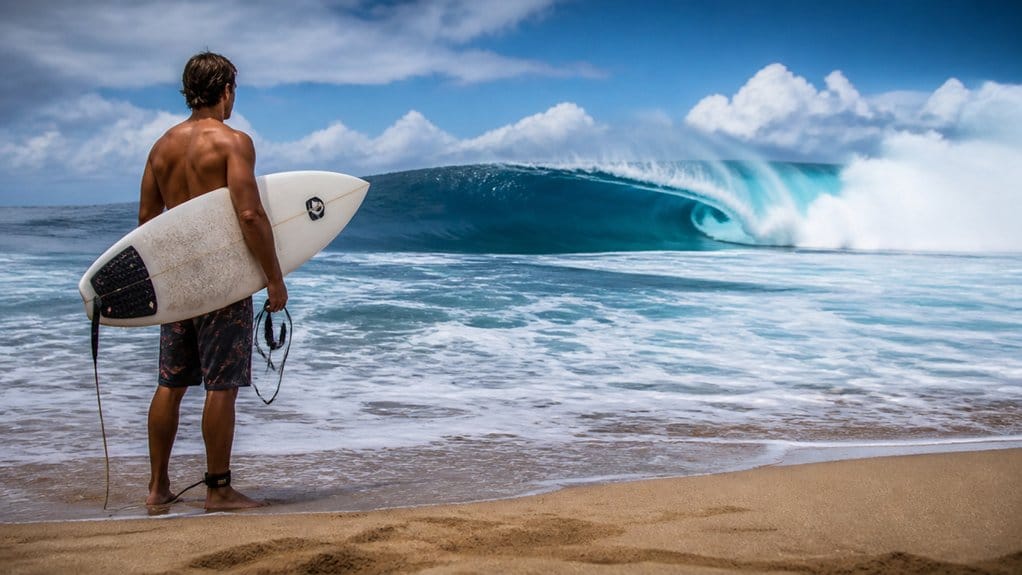
Before you even think about paddling out at Banzai Pipeline, get brutally honest about your skill level. Pipeline is expert-only, not a place to test vibes or luck. You should already thrive in heavy barrels at another reef break and stay calm when a shallow reef rushes beneath you.
Ask whether you can survive the impact zone, not just surf it. A bad fall here can mean violent hold-downs, reef scrapes, and long seconds underwater, so your breath-hold skills and conditioning must be real. You also need lineup maturity. Localism is strong, and confidence matters. Know where channels and exits sit. Before paddling out, spend time watching from shore to study best views and timing so you understand the lineup before entering it. Finally, match your equipment (guns/step-ups) to your ability and the long-period NW swell. If that checklist feels shaky, wait. Pipeline will still be there tomorrow.
Read Pipeline’s Swell, Wind, Tide, and Reef
Once you know you’re truly ready for Pipeline, the next job is reading what the wave is actually doing that day. Start with swell direction and period. Pipeline loves a northwest swell with a long period. Those lines bend off Outer Log Cabins and hit First Reef as heavy, hollow lefts.
Then check the tide and wind. Mid to mid-high tide usually smooths the face and opens the tube. Very low tide makes the reef feel paper-thin and unforgiving. Clean ENE trades keep things groomed. Onshore or strong southerlies turn perfect walls into messy closeouts fast. Match size to reef zones too. Bigger long-period surf can wake outer reef zones beyond Third Reef. Finally, study the channel, exits, and Backdoor side. Sand shifts. Yesterday’s opening can become today’s trap. Before paddling out, spend time watching from the beach because the best viewing spots help reveal where sets are focusing, where surfers are sitting, and how the current is moving.
Paddle Out and Take Off at Pipeline
Getting out to Pipeline starts with the least dramatic move on the beach: you paddle from the deep-water point east of Ehukai and look for the main channel, if it’s showing, because that lane keeps you off the shallow first reef where mistakes get expensive fast.
From Ehukai Beach Park, you angle from the deep-water paddle point and watch Pipeline stack up over the first reef or second reef. If you are visiting to watch rather than surf, follow Pipeline safety basics by staying well back from the waterline and respecting lifeguard warnings. On a steep NW swell, wait for a clean peak, then commit. Your takeoff happens fast. One stroke late and the lip wins. Set a steep line, trim speed, and fit the pocket before the barrel throws around you. The ride is brief, maybe seven seconds, but it feels like a hallway made of water. If you get pitched, protect your head and exhale hard to soften reef impact.

Oahu: Submarine Scooter Adventure
Dive into an unforgettable underwater adventure on Oahu’s beautiful Maunalua Bay. Cruise past the iconic Diamond H...

Parasailing Experience in Waikiki, HI
Experience the thrill of Oahu parasailing on this unforgettable 1-hour adventure from Waikiki. Soar up to 1,000 feet...

Hanauma Bay Snorkeling from Waikiki
Experience Hanauma Bay the easiest way with Waikiki’s most reliable Hanauma Bay shuttle. Our early 5:40 AM pickup...
Exit Safely and Avoid Common Pipeline Mistakes
Exiting cleanly at Pipeline is its own skill, and it starts the moment the barrel begins to fade. At Pipe on Oahu’s North Shore, aim for the channel whenever you can. A good tube will often spit you there. Backdoor loves to dump you onto shallow water over reef, which feels about as friendly as a cheese grater.
Most rides last around seven seconds, so start your exit as the spit thickens and the section softens. If you get pitched, cover your head, hold your breath, and protect your limbs from the jagged reef. In a wipeout or shore-break, tuck tight and point your feet toward deeper water. Avoid ledges and holes. If you’re hurt, raise a hand and stay still. Pipeline’s fatality history rewards caution, every single time. Understanding Pipeline on Oahu also means respecting its surf history, reef hazards, and the local culture that shaped this legendary wave.
Frequently Asked Questions
What Board Setup Works Best for Surfing Pipeline?
You’ll want Shortboards quiver performance shapes with increased board length, balanced board volume, pulled-in tail shape, quad fin setup, higher foam density, aggressive rocker profile, strong leash strength, and sticky wax type for Pipeline’s steep drops.
When Is the Best Season to Surf Pipeline?
You’ll score Pipeline best in winter; that theory holds because winter swells, storm tracks, swell direction, wave period, wind patterns, and tide windows align for swell consistency, despite seasonal crowding, cooler water temperature, and shorter daylight hours.
Do I Need Local Knowledge or a Guide at Pipeline?
Yes, you need local knowledge or a Local guide at Pipeline; you’ll use Wave memorization, Zone awareness, Exit strategies, Channel safety, Currents briefing, Rock hazards, Timing cues, Emergency signals, and Rescue partners to stay safer.
How Crowded Does Pipeline Get During Competitions?
Extremely crowded: imagine paddling out during Pipe Masters, you’re facing intense crowd dynamics, peak congestion, and spectator impact. Competition attendance fills viewer zones, parking strain worsens transport access, while event schedules, contest protocols, and heat rotations compress space.
What Etiquette Rules Matter Most in Pipeline’s Lineup?
You respect priority, call waves, and know line rights. You avoid drops, practice channel etiquette, use backdoor courtesy, maintain deck positioning, hold speed, keep spotting sets, and remember wave sharing matters in Pipeline.
Conclusion
Pipeline asks for nerve and rewards precision. From shore, you study dark blue lines and the hiss of reef beneath clear water. Then you paddle into a place that feels both postcard-beautiful and slightly feral. If you’ve read the sets, chosen the channel, and committed fast, the wave opens like a bright moving room. If not, the reef gives blunt feedback. Leave humble, alert, and curious. That’s the real souvenir, besides salty hair and shaky legs.

Oahu's North Shore: 8-Line Zipline Adventure
Experience the ultimate Oahu zipline adventure on this 3-hour guided tour across the island’s famous North Shore. Feel the rush of eight world-class...

Toa Luau at Waimea Valley, Oahu
Toa Luau invites you to immerse yourself in the beauty and excitement of Polynesia on Oahu’s historic North Shore!...
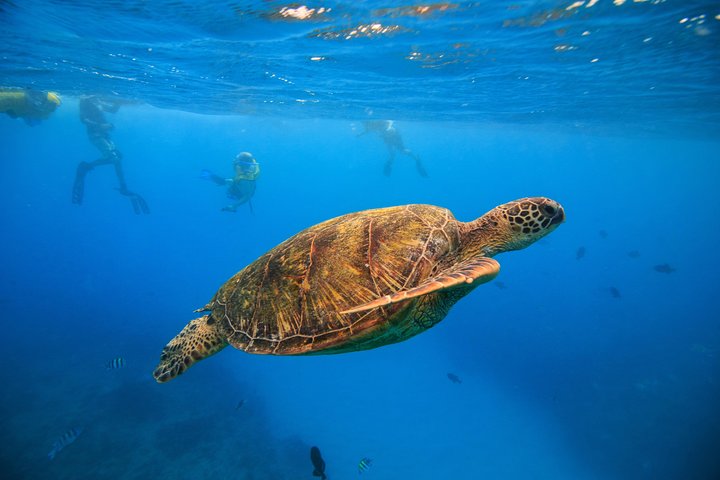
Waikiki, Hawaii: Turtle Canyon Snorkel Excursion
Discover the magic of snorkeling with Hawaiian Green Sea Turtles at Waikiki’s famous Turtle Canyon. On this 2-hour...

Oahu: Mauka Warriors Luau Honoring Polynesia's Forgotten History
Step into the vibrant heart of Hawai‘i and experience a luau like no other—where culture, history, and celebrati...