On Oʻahu, your dolphin tour choice shapes the whole morning. You can settle onto a shaded catamaran and watch fins slice through blue water, or pull on a mask and slide into the Pacific from a small fast boat off Waiʻanae. One option feels easy and family-friendly. The other asks for strong swimming legs and a taste for salt in your nose. The best pick isn’t obvious until you weigh a few key tradeoffs.
Key Takeaways
- Choose dolphin watch tours for a relaxed, family-friendly trip with larger boats, shade, restrooms, and reliable boat-side viewing.
- Choose dolphin swim tours if you want the closest legal wild encounter and accept early departures, faster boats, and repeated water entries.
- Swim tours usually leave from Waiʻanae on West Oʻahu, where offshore deep water improves chances of finding pelagic dolphin pods.
- Watch tours suit first-timers and mixed-age groups, while swim tours are best for strong swimmers comfortable in open-water swell.
- Neither option guarantees underwater interaction; sightings depend on regulations, weather, and dolphin behavior, though some operators offer return vouchers.

Oahu: Kualoa Ranch UTV Raptor Tour
Traveling with family and friends? You can enjoy the fantastic Multi-passenger UTV Raptor experience with your entire family or as a group with the ex...

Oahu: Cage-Free Shark Swim on the North Shore
Experience the ultimate Oahu shark dive with this North Shore shark tour family. Swim cage‑free with sharks in the...

Waikiki: 2-hour Turtle Canyon Snorkeling Adventure
Join us for a 2-hour snorkeling adventure at Turtle Canyon, one of Oahu’s top snorkeling spots! Cruise along the s...

Oahu Beachfront ATV Adventure and Farm Tour
Aloha, welina mai, ‘ano ‘ai. Greetings, and welcome, from Hawai’i! Located on the famous North Shore beachfron...
Dolphin Watch vs. Swim Tours on Oʻahu
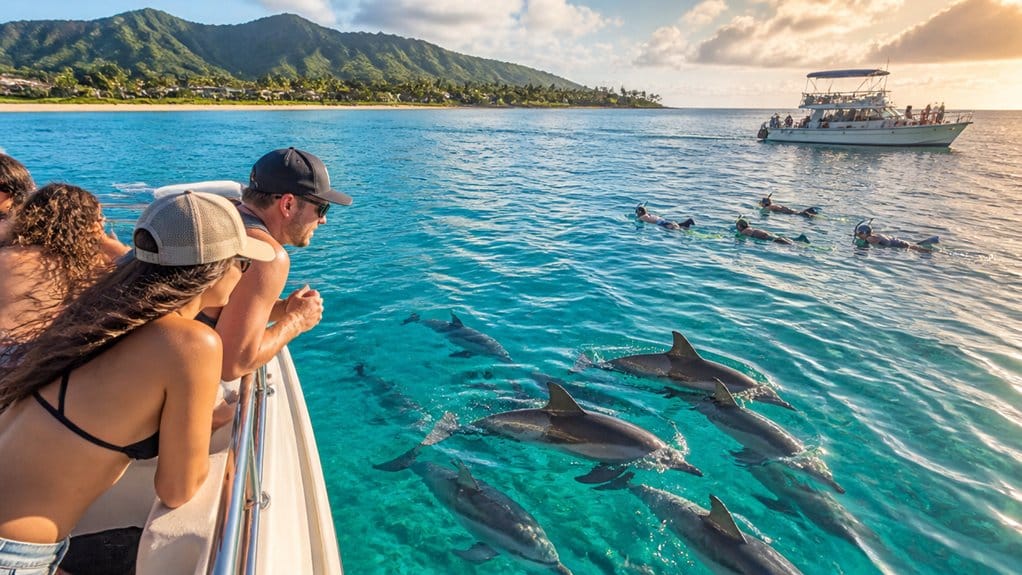
When you weigh a dolphin watch tour against a dolphin swim tour on Oʻahu, the biggest difference comes down to where you spend the experience: on the boat or in the water. You can also find whale watching options on Waiʻanae boat tours, which makes West Oʻahu a strong fit for travelers comparing multiple ocean experiences. Dolphin watch tours keep you on deck, scanning blue swells for wild pelagic dolphins. You usually ride a larger catamaran, feel a steadier glide, and watch from a respectful distance. Some options also pair the outing with a waterslide and lunch experience on board.
If you want to swim with dolphins, you’ll usually head from Waiʻanae on West Oʻahu. That coast drops into deeper water fast, so pods show up more often than they do off Waikīkī. Many operators market these outings as swim, watch, snorkel packages, so you can compare different ways to spend time on the water. Swim boats are smaller and quicker, built for fast entries and repositioning when spotted dolphins zigzag like silver sparks. You may slip into warm saltwater, hear snorkels hiss, and still find that conditions decide the final scene.
Should You Book a Watch or Swim Tour?
Which tour fits you better depends on what you want to remember most at the end of the day. If you want a relaxed ride, steady footing, and easy views from the deck, book a Dolphin watch tour. You’ll usually get a stable boat, seating, and often lunch while you scan for dolphins riding bow waves. This makes watch tours a strong fit for families and first-timers who want an easier introduction to Oahu’s dolphin trips. Some West Oahu options also include snorkel sail and lunch, giving you a little more variety without the fast pace of a swim-focused trip.
Choose a Dolphin Swim tour if you want the closest legal wild encounter and the best shot at underwater photos. These trips use smaller fast boats, leave earlier, and often move quickly from pod to pod. You’ll hop in and out of the water as crews reposition for another look. Some options also include Waikiki pickup and lunch, which can make the day easier to plan from start to finish. Keep expectations flexible, though. Wild sightings aren’t guaranteed, and seas can feel lively before breakfast. If you’d rather hedge your bets, watch tours win.
Is Swimming With Dolphins Legal on Oʻahu?
If you’re wondering whether you can legally swim with dolphins on Oʻahu, the short answer is no when they’re wild, and the rules are there to keep those sleek offshore encounters calm and safe. Morning departures often bring calmer seas and better visibility for nervous swimmers joining wildlife-viewing tours. Many Oahu wildlife cruises also focus on spotting turtles, whales, and sweeping ocean views from the boat. You can still book a licensed tour to watch pods from a boat and, on some trips, slip into the water for a careful look from a respectful distance, though nothing’s guaranteed and no one gets to play tag with a spinner dolphin. North Shore operators also offer marine life tours focused on watching dolphins, turtles, rays, and even whales from the boat. If you want an actual swim-with-dolphin experience, you’ll need a supervised captive program, because breaking wild dolphin rules can bring fines faster than you can pull on your snorkel.

Waikiki: 2 hours - Friday Night Fireworks Catamaran Cruise
Enjoy the spectacular FRIDAY NIGHT FIREWORKS show along the beautiful coastline of Waikiki while we get up close and...
Honolulu: Three Star Deluxe Sunset Dinner Cruise and Show
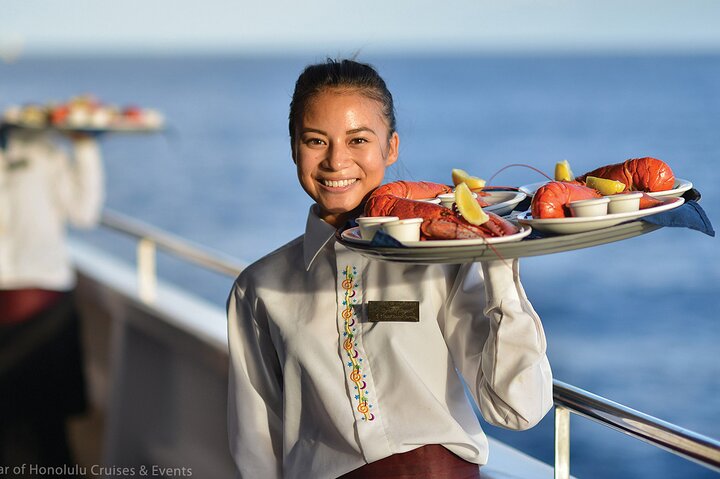
As the sun sets over the Pacific, enjoy a luxurious Honolulu dinner cruise along the scenic coastline near Diamond H...
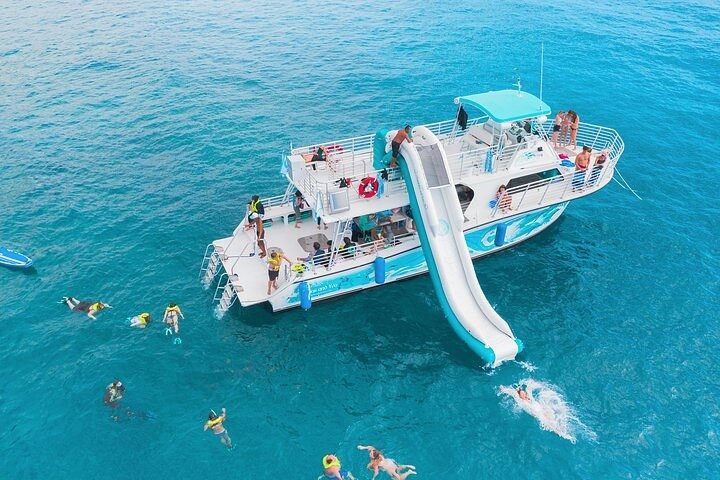
Oahu Dolphin and Snorkel Tour with Waikiki Pickup & Lunch
Join one of Oahu’s most popular ocean adventures and experience why over 300,000 guests have fallen in love with t...
Current Oʻahu Dolphin Rules
Although spotting a pod off Oʻahu can feel like an open invitation to slip into the blue, swimming with wild dolphins in Hawaiʻi is illegal. You can’t approach, touch, or intentionally enter the water with them. Those rules protect dolphins in their natural resting and social patterns, even when the ocean looks calm and tempting.
If you book a commercial tour, you’ll watch from the boat under strict state and federal guidelines. Captains scan offshore for pods, then position the vessel for a respectful view without crowding the animals. Most tours offering West Coast viewing depart from Oʻahu’s leeward shore, where dolphin sightings are especially popular with travelers. Like popular Oahu tours built around safe wildlife viewing, these trips focus on observation rather than in-water interaction. You might hear excited whispers, camera clicks, and the slap of water against the hull, but underwater encounters aren’t part of the deal. Break the rules and penalties can follow. If you’re set on swimming with dolphins, only licensed captive programs allow that. Similar wildlife-viewing care applies around sea turtles in Hawaiʻi, where NOAA recommends staying at least 10 feet away to avoid harassment or disturbance.
Watching Vs Swimming
On Oʻahu, the big difference between watching and swimming comes down to what the law allows and what the dolphins need. You can’t legally swim out on your own to meet wild dolphins, and that’s a good thing. Chasing them can disrupt rest, feeding, and travel.
If you want time in the water, licensed boat-based wild dolphin tour operators are your legal option. On the west side, dolphin and snorkel tours often combine wildlife watching with reef time while keeping the experience boat-based and regulated. Many depart from Ko Olina for west side cruises focused on dolphin watching and snorkeling. Some also include a local buffet as part of the cruise experience. Even then, the focus stays respectful and hands-off. You might enter the ocean nearby, but close underwater encounters aren’t promised. Some tours guarantee sightings, not swims, and may offer a return voucher if dolphins don’t appear. If you want a true swim-with experience, captive programs are legal, but you’re meeting trained dolphins in managed settings, not seeing natural behavior. Think wild wonder, not a dolphin meet-and-greet there.
Legal Tour Expectations
Because wild spinner dolphins need space to rest and travel, Oʻahu’s rules make one thing clear: you can’t legally swim up to, touch, or chase them in the wild. When you book licensed wild dolphin tours, expect respectful viewing in the dolphins’ natural habitat, not a splashy meet-and-greet. Crews watch behavior, idle carefully, and put animal welfare first. Many Oahu marine life tours are designed around low-impact wildlife viewing rather than direct interaction. Similar wildlife rules shape experiences on Oʻahu’s guided turtle-watching tours, where respectful observation is also the standard. On turtle-focused outings, guides also emphasize snorkel safely practices around sea turtles by giving them space and avoiding contact.
| Tour type | What you can expect | What’s not allowed |
|---|---|---|
| Watch tour | Surface sightings, quiet boat viewing | Harassing or approaching dolphins |
| Swim-style tour | Possible non-contact water entry nearby | Chasing, circling, forcing interaction |
Some operators offer best-chance sightings or return vouchers. Still, underwater moments aren’t guaranteed. They happen only when regulations and dolphin behavior line up. If a captain says no, that’s a good sign. They’re protecting wildlife and your trip.
Still comparing Oahu Dolphin Watch Vs Swim Tours?
Ask for tour ideas, hotel suggestions, or a simple trip plan that combines both.
Trip Helper
Why Watch Tours Work Best for Families
If you’re traveling with young kids, a dolphin watch tour makes the day much easier because everyone stays safe and comfortable on board while still getting a great shot at seeing dolphins race the bow waves. You’ll also appreciate an early morning departure, when the seas are often calmer, the light is clearer, and nobody has to spend the day tired, salty, and cranky by lunch. Bigger boats add real family perks like shade, bathrooms, steady seating, and even food, so your whole group can relax and enjoy the show. For larger parties, private snorkel charters on Oahu can also be a great option when you want a more personalized outing built around your family’s pace. Some boats also offer extras inspired by family-friendly cruises, like water slides and turtle snorkeling options that make the outing even more fun for kids. If you want more flexibility, some families also prefer private dolphin charters on Oahu’s West Coast for a more customized boat day.
Easier For Young Kids
Often, a dolphin watch tour simply fits family travel better, especially when you’ve got young kids in tow. You skip the long swim, the quick splash entry, and the extra safety worries that can come with swim-focused Dolphin Tours. For little ones, that matters.
You’ll usually board a larger boat near Waikīkī or with hotel pickup instead of juggling transfers to a small-boat launch at Boat Harbor. That means easier family logistics and less time bouncing around offshore. Bigger vessels also feel friendlier for toddlers. You get steadier decks, shady seats, restrooms, and often snacks or lunch. If your child won’t snorkel, they can still spot dolphins from the rail, hear the crew call out fins, and stay dry. It’s wildlife watching with fewer tears, fewer queasy faces, and more comfort overall.
If you want a shorter outing, a marine life cruise from Haleiwa can also be a good family-friendly wildlife option on Oahu’s North Shore.
Less Stressful Morning
Usually, a morning dolphin watch feels far easier on families from the moment you leave the dock. Morning departures around 7:00 a.m. usually meet calmer seas and soft first light, so you get steadier views, easier photos, and less chance of seasickness. That alone can save the day before anyone gets cranky.
You stay on board while the crew scans offshore, which keeps the pace simple and less crowded than tours built around repeated jumps into the water. From Waiʻanae, boats head toward deeper water where dolphins are often easier to spot, so you don’t feel rushed. Shaded seating, snacks, and a stable catamaran help too. Similar to Waikiki Turtle Canyon snorkel trips, early departures often line up with smoother ocean conditions and an easier overall start. Waikiki departures for Turtle Canyon also tend to favor earlier, smoother conditions, which helps explain why morning ocean tours feel easier for families. Instead of wrestling with snorkel gear at sunrise, you can settle in, watch the horizon, and let the naturalist fill in the story.

Oahu Shark Dive on the North Shore
Book the Oahu Shark Dive for a thrilling shark encounter off the North Shore. You’ll travel by boat from Haleiwa H...

Pearl Harbor USS Arizona Memorial & Battleship Missouri
Visit USS Arizona and Battleship Missouri, as they represent both the beginning and the end of World War II. The acc...

Waikiki Parasailing in Hawaii from Oahu
Experience the thrill of parasailing over Hawaii’s stunning coastline as you glide above crystal-clear waters and...
Better Group Comfort
For families, comfort can shape the whole trip, and watch tours tend to get that right from the start. You’ll usually board a larger Boat with stable decks, shaded seating, and room to spread out. That means fewer elbows, less queasiness, and no balancing act with bags, snacks, or a stroller. Many of the best private charters on Oahu are designed with extra space and comfort-focused amenities that make family outings feel easier.
A Small Boat swim tour can feel busy fast, especially when people rotate in and out of the water with fins and masks. On a watch tour, you stay dry, step on and off more easily, and avoid slippery surfaces that worry parents and grandparents. You also get longer, calmer viewing time, so kids can actually watch dolphins arc through the water. Families visiting without a rental car often prefer tours with Kaneohe Sandbar access that make logistics simpler from the start. Add a predictable three to four hours, restrooms, and lunch, and the day feels wonderfully manageable. Families comparing options often start with Oahu boat charters that prioritize comfort, space, and easy onboard amenities.
Why Swim Tours Suit Strong Swimmers
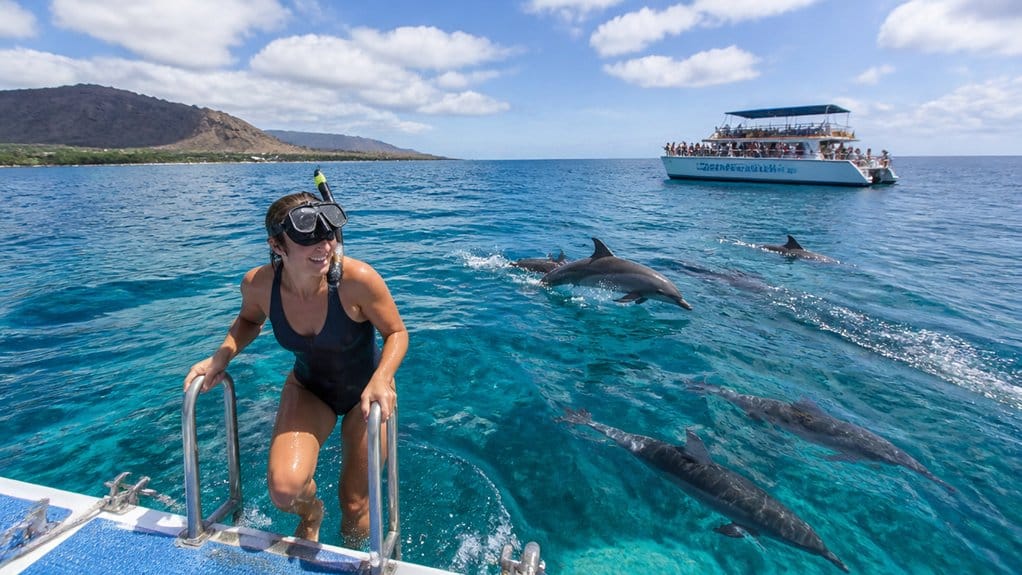
Jumping into a dolphin swim tour on Oʻahu works best when you’re a strong swimmer who can move with confidence in open water. You’ll enter fast, listen closely, and stay calm when currents or swell shift under you. That matters during snorkeling with dolphins, because pods move quickly and the boat may reposition for several short swims. Morning conditions often feel easier for capable swimmers when trade winds are lighter and the surface stays calmer. Some operators also make the day easier with free pickup from Waikiki, which helps you arrive relaxed and ready for an early start. If you want to pair your trip with another marine outing, Kaneohe Bay sandbar tours are also a popular Oʻahu boat experience to book ahead.
| What you need | Why it helps |
|---|---|
| Strong surface skills | You keep up calmly |
| Quick entries and exits | Small boats run smoother |
| Comfort in swell | You waste less energy |
| Good mask and snorkel | You see more, fog less |
| Flexibility | Wild encounters aren’t guaranteed |
For strong swimmers, lifeguard-certified crew and safety briefs set the tone, but your mobility makes the tour shine. Bring a quality mask, follow scout guidance, and enjoy reef stops with turtles and bright fish too.
Where Oʻahu Dolphin Tours Depart
Along Oʻahu’s west coast, most dolphin swim tours leave from Waiʻanae Small Boat Harbor, about 45 to 60 minutes from Waikīkī depending on traffic. If you book a swim tour in West Oahu, that harbor is usually your starting point. You’ll head to Oʻahu’s drier leeward shore, where the air feels warmer and the coastline looks rugged and wide open.
Many operators make it easier by offering Waikīkī hotel pickup, so you won’t need to drive, find Waiʻanae Small Boat Harbor, or fuss with parking before sunrise. Some Oʻahu boat tours also bundle perks like a complimentary trolley ride for getting around Waikīkī before or after your outing. At the harbor, you may board a smaller boat, often a rigid inflatable with limited seats. That setup gets you offshore fast and lets you slip in and out of the water quickly. If spots look tight, booking early helps, and reserve-now-pay-later options can add flexibility. Travelers also comparing other marine outings on the island often look at Kaneohe Sandbar boat rentals as another popular boating option on Oʻahu. If you’re planning more North Shore wildlife stops later, Laniakea Beach is one of Oʻahu’s best-known places to see sea turtles from shore.
Why Early Morning Tours Are Best
Once you know most west side tours leave from Waiʻanae, the next question is simple: why do so many boats head out around 7:00 a.m.? On the West Side of Oʻahu, early morning usually brings the calmest water. That means a smoother ride, less chance of seasickness, and better stability on small boats if you’re doing a swim tour.
Just after sunrise, the ocean often looks extra clear and almost neon blue. You get stronger visibility underwater, which makes snorkeling feel sharper and more vivid. Early hours also help captains search offshore before conditions shift later in the day. Similar to afternoon snorkeling timing at Kāneʻohe Sandbar, conditions can change as the day goes on, which is why many ocean tours prioritize the calmest window possible. Since many operators launch near Waianae beaches, an early departure also helps you enjoy Oahu’s West Side at its quietest before crowds build. For you, that means arriving about 30 minutes early at Waiʻanae Small Boat Harbor for check-in and the safety talk. Bonus: if you book ahead online, you can often snag reserve-now-pay-later flexibility too.
What Marine Life Oʻahu Dolphin Tours See
Most days, Oʻahu dolphin tours show you more than just dolphins. You’ll usually scan deep blue water for spotted dolphins, bottlenose dolphins, and rough-toothed dolphins. Spotted dolphins are the main species linked with swim tours, while bottlenose often cruise in smaller groups. On lucky outings, you might also spot pilot whales or even pygmy whales.
Because pelagic dolphins favor offshore water, west Oʻahu departures from Waiʻanae put you closer to productive routes along the shelf. In winter, humpback whales often steal the show with blows, tail slaps, and breaching. Near the reef on many routes, you may also see Green Sea Turtles and bright reef fish like yellow tangs. Sightings aren’t guaranteed, though, so good operators keep things legal, calm, and respectful out there always.
Which Tours Offer Turtle Snorkeling
If you want turtle snorkeling, you’ll usually find it on West Oʻahu dolphin swim tours that leave from Waiʻanae and finish at a clear reef stop near Mākaha. You’ll get your best shot on early morning trips, when the water looks glassier, the reef comes into view, and honu often cruise past tropical fish like they own the place. If a tour guarantees turtle sightings or lists a Turtle Safari, check that detail closely and bring a mask that fits well so you won’t spend the best part of the stop fighting fog.
Turtle Snorkeling Stops
Often, the big difference between a dolphin watch and a dolphin swim tour on Oʻahu shows up at the last stop. On the West coast, many tours leaving Waiʻanae finish near Mākaha Point or Mākaha Valley, where you’ll trade open-ocean searching for snorkeling with sea turtles over shallow reef.
If you book a dolphin-centered trip, you’ll usually snorkel after the crew finds offshore pods. That reef stop can be excellent, but quality varies. Smaller boats often give you quicker water access, calmer timing, and clearer views of the sandy bottom, yellow tangs, and passing honu. Early departures help too, since the water often looks glassier and more turquoise.
Most tours include gear, but you’ll want a mask and snorkel that fit well. Foggy rentals are nobody’s favorite vacation souvenir.

Oahu: Roundtrip Shuttle From Waikiki to Dole Plantation & Haleiwa
Skip Circle Island and visit two of the most popular places to visit here on the Island of Oahu. Experience a unique...
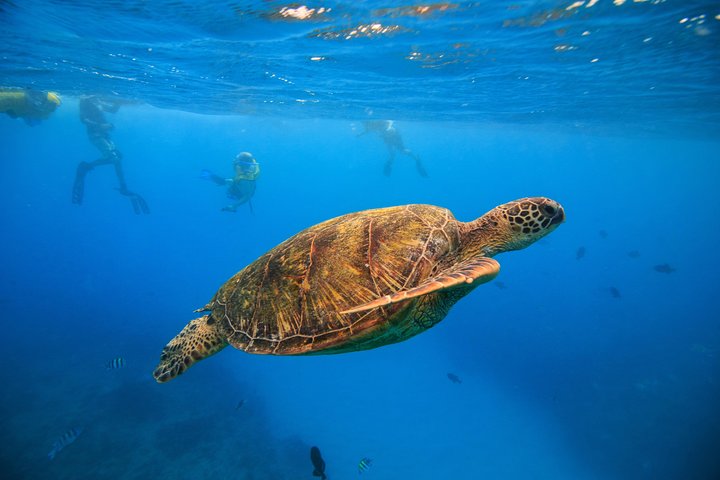
Waikiki, Hawaii: Turtle Canyon Snorkel Excursion
Discover the magic of snorkeling with Hawaiian Green Sea Turtles at Waikiki’s famous Turtle Canyon. On this 2-hour...
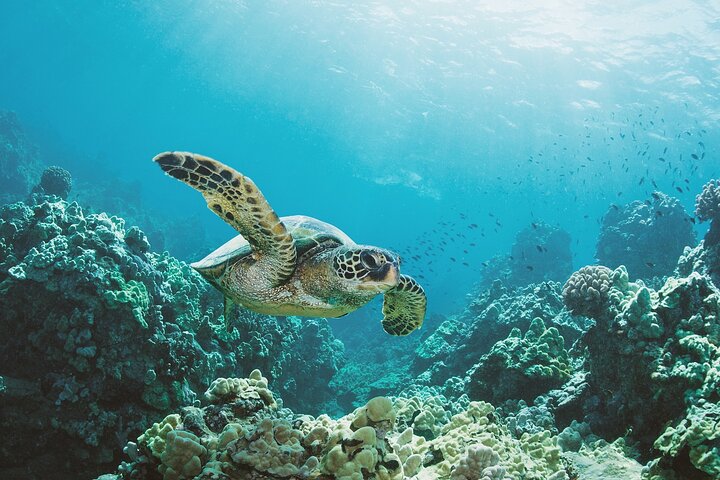
Waikiki: Turtle Canyon Snorkel Adventure on Oahu
Enjoy an exclusive snorkeling adventure in Waikiki with small group sizes for a comfortable and VIP experience. You...
Best Honu Viewing Tours
For travelers who care as much about honu as dolphins, the strongest turtle snorkeling tours usually leave from Waiʻanae and head for Mākaha Point or nearby Mākua. Here, you get clearer morning water, reef shallows, and better odds for snorkeling with turtles than near Waikīkī. First time visitors usually do best on small-boat trips with limited passengers and lifeguard-certified crew, since entry feels easier and the captain can reposition fast. Many turtle-focused tours include gear, vests, and a guided reef stop, and some even guarantee sightings when conditions cooperate.
- Choose morning departures for calmer seas and brighter visibility
- Look for Mākaha or Mākua reef stops on the itinerary
- Small boats often mean quicker water access and less crowding
- Bring your own mask if fit and fogging usually annoy you
What Snorkeling Stops Are Really Like
Usually, the snorkel stop on a West Oʻahu dolphin tour feels more like a quick, bright reef intermission than a full snorkeling expedition. You’ll usually slip in near Mākaha Point or a nearby shallow reef, where turquoise water, a sandy bottom, and clear visibility make turtles, yellow tangs, and flashes of reef color easy to spot.
Most stops give you about 20 to 30 minutes in the water, sometimes less, so every minute counts. Deeper coral often sits beyond easy snorkel depth, which means the fish scene can feel lighter than on dedicated snorkeling trips. Bring your own well-fitting mask and snorkel if you can, because foggy rental gear wastes precious time. Morning tours usually offer calmer seas and better views. Expect life vests, briefings, and careful boat moves to protect honu and reef habitat.
How Crowded Dolphin Swim Tours Get
After that quick reef stop, the next question is how many people you’ll share the dolphin moment with. On some budget Dolphin swim tours, you may board with 40 to 50-plus passengers. That can turn the entry into a noisy scramble, with crews barking directions and fins flashing past your mask. Your view gets blocked. The water feels busy, not wild.
- Look for tours that clearly say 16 guests max
- Early morning trips often help you avoid peak crowds
- Lifeguard-certified crews usually manage the swim more calmly
- Refund offers in review responses show crowding is a real issue
If you want a calmer swim, smaller operators tend to do better. Many run 34-foot rigid inflatables with about 16 guests, which gives you more space and smoother timing in the water.
Do Small-Boat Tours Feel Better?
Small-boat tours often come out ahead when what you want is a smoother, more personal dolphin experience. You’re usually riding with about 16 guests on a 34-foot rigid inflatable, not packed among 40 or 50 people. That means faster entry and exit, more direct crew help, and fewer elbows blocking your view when dolphins surface nearby.
Small-boat tours also reach offshore spots beaches can’t, then pivot quickly if spotted dolphins move. Early departures often bring calmer water, better visibility, and that fresh blue-glass feeling. With lifeguard-certified crews and smaller groups, guidance feels controlled and safety briefings stick. That can make a Best Dolphin swim feel calmer and more connected. Still, smaller boats bounce more and offer fewer onboard comforts, so if you get seasick easily, think twice first.

Waikiki Snorkeling & Ocean Waterpark Adventure from Oahu
Skip the crowded snorkel tours and experience Oahu’s ultimate ocean adventure for families, couples, and guests of...

Waikiki Turtle Canyon Snorkel: Turtles Guaranteed
Book our Turtle Canyon snorkel tour for some turtle fun today! Join us for an intimate experience that you will not...

Toa Luau at Waimea Valley, Oahu
Toa Luau invites you to immerse yourself in the beauty and excitement of Polynesia on Oahu’s historic North Shore!...
How Much Oʻahu Dolphin Tours Cost

Price is where the choice gets real. On Oʻahu, wild dolphin swim tours usually cost about $180 to $200 per person for around three hours. If you’d rather watch from the boat, you can often find cruises starting near $150, with some deals around $127.50. As dolphins travel along the coast, your price often reflects boat size, crew training, and how close the experience feels.
- Swim tours often cost more for small groups and personalized service
- Some tours include Waikīkī hotel pickup, which saves parking money
- Reserve-now-pay-later options may be available through Viator
- A photo package or video add-on usually costs extra
You might also pay a bit more for lifeguard-certified crew, snorkel time, or a sighting guarantee with a return voucher.
Are Oʻahu Dolphin Tours Worth It?
You’ll usually feel the value most on West Oʻahu tours, where clear early-morning water gives you your best legal shot at spotting wild dolphins and often sea turtles too. Still, what you get for that $180 to $200 can shift a lot, since small boats with expert crews feel personal while crowded boats can feel more like a floating bus. If you want the best odds and the smoothest plan, book an early tour with a sighting guarantee and included gear, then use reserve-now-pay-later if your schedule still has a little wobble.
Wildlife Encounter Value
If your goal is a memorable wildlife encounter, Oʻahu dolphin tours usually earn their keep. You’re paying about $180 to $200 for a strong shot at close wild sightings, and most guests think that’s money well spent. West Oʻahu trips often deliver spinner dolphins, sea turtles, and bright blue water that looks edited by nature itself.
- Early departures usually mean calmer seas and better visibility
- Catamaran watch tours often give you reliable boat-side sightings
- Swim tours offer your best legal chance to enter the water nearby
- Some crews add Turtle Canyon or turtle stops and photo packages
You’ll also find safety-minded operators with marine-biologist-led crews and sighting vouchers. That matters. You can’t count on underwater magic every time, but you can expect a real, vivid wildlife morning that often feels worth the ticket.
Tour Experience Tradeoffs
Worth it often comes down to the kind of morning you want on the water. If you want a calm ride and easy views, Dolphin Watching usually fits better. You stay aboard, scan the blue horizon, and let the crew handle the search. If you want a more active outing, Dolphin swim tours lean smaller, quicker, and more hands-on, often with better odds of close encounters.
You’ll usually pay about $180 to $200 for swim or snorkel combos, while watch-only trips can start lower. Still, no reputable crew guarantees underwater dolphin time. Rules matter, and good operators keep distance when needed. If reef snorkeling matters too, look for stops near Mākaha Point, where water runs clearer and turtles often drift by like unbothered locals nearby.
Best Booking Strategy
Start by locking in an early West Oʻahu departure, then compare what each fare actually covers. You’ll usually see prices around $150 to $200, so check for lunch, snorkel gear, and Waikīkī pickup before you call one tour a deal. From Waikīkī, Waiʻanae is a 45 to 60 minute drive, unless your operator handles the ride.
- book early-morning departures for calmer seas and clearer water
- choose small boats with lower guest caps for smoother in-water time
- use reserve-now-pay-later options on Viator when available
- check sighting guarantees, refund terms, and Whale Watching Tours combos
You’ll get the best odds with experienced wild dolphin crews, especially conservation-minded teams. Skip captive encounters. If a listing feels vague or crowded, trust your nose. Fishy usually means fishy here too.
What to Bring on an Oʻahu Dolphin Tour
A small dry bag can save your morning before you even spot a dolphin. Tuck in your phone, wallet, keys, and confirmation, then bring ID, cash for tips, a refillable water bottle, and motion-sickness meds just in case. Arrive about 30 minutes early, and toss in a small snack if your tour doesn’t include one.
For your Snorkel Adventure, Bring a well-fitting mask and snorkel. Your own set, like Mantis gear, usually seals better, fogs less, and skips rental surprises. Pack reef-safe sunscreen, a rashguard or sun shirt, and a hat for shore time because Hawaiian sun works fast. If you want turtle or dolphin footage, bring a waterproof camera or GoPro with a secure strap, plus an extra battery and memory card.
How to Compare Oʻahu Dolphin Tours
When you compare Oʻahu dolphin tours, look past the word “dolphin” and check how the day actually unfolds. Some dolphin swim tours use small boats with 12 to 16 guests, aiming for quick entries near pelagic pods off West Oʻahu. Watch cruises usually use catamarans, carry bigger groups, and focus on longer sightings from deck.
Compare the whole Oʻahu dolphin tour, not just the dolphin part: boat size, group pace, and how sightings actually happen.
- Check boat type and group size first.
- Read the sighting guarantee and swim policy.
- Favor early West departures for calmer, clearer water.
- Compare extras like photos, meals, and crew credentials.
You should also weigh value against comfort. Small rigid inflatables can feel fast, salty, and thrilling. Catamarans feel steadier and more family friendly. Bring your own mask for fit. Booking platforms may offer reserve now, pay later, which your budget might quietly applaud later.
Frequently Asked Questions
Can Pregnant Guests Join Dolphin Watch or Swim Tours?
Yes, you can usually join dolphin watch tours while pregnant, but you shouldn’t assume swim tours allow it. Check operator pregnancy restrictions, ask about prenatal safety, book calmer morning trips, and choose stable boats with shade.
Are There Age Minimums for Children on Dolphin Tours?
Yes, many tours suggest kids be at least 5–8 years old, though age limits vary by operator. You should confirm swim rules, gear sizing, pickups, and supervision requirements. You might also ask about family discounts before booking.
Do Tours Accommodate Non-Swimmers Who Still Want Snorkeling Stops?
Yes, many tours accommodate you with life vests, crew assistance, and snorkeling stops where you can float comfortably. Ask about gear rental, water-entry help, and safety policies. If needed, choose boat-only viewing or shore snorkeling instead.
What Happens if No Dolphins Are Spotted During the Tour?
If no dolphins appear, you’ll usually get a return-trip voucher under the operator’s refund policy. Crews then switch to alternative activities, like reef snorkeling for turtles and fish, while captains keep scouting until conditions warrant ending.
Can Guests With Motion Sickness Still Enjoy OʻAhu Dolphin Tours?
Yes, you can, if you treat sea sickness like a passing squall: book early, choose smaller boats, sit mid-ship, face the horizon, take meds or ginger, hydrate well, and use flexible booking travel tips.
Conclusion
Choose the tour that fits how you like to meet the ocean. If you want shade, a restroom, and easy views from a steady deck, book a watch tour. If you’re a strong swimmer chasing blue-water thrills, go swim. Think of it like choosing a window seat or the aisle. Same flight, different feel. On Oʻahu, many boats leave before 8 a.m., when the sea is calmer and the coast glows gold. Bring reef-safe sunscreen and curiosity.

Oahu Grand Circle Island Experience from Waikiki
Enjoy Grand Circle Island experience tour with breathtaking views of Amelia Earhart Lookout on Diamond Head, admire Chinaman’s Hat in front of Kualo...
Oahu: Kualoa Ranch UTV Raptor Tour
Traveling with family and friends? You can enjoy the fantastic Multi-passenger UTV Raptor experience with your entir...

Pearl Harbor, Dole, and Polynesian Cultural Center from Waikiki
Join us on an unforgettable day at three of Oahu’s most popular attractions: Pearl Harbor, Dole Plantation, and Po...

Pearl Harbor USS Arizona Memorial Tour from Waikiki
Turn back time as we explore WWII history at Pearl Harbor and relive the infamous Sunday morning of December 7, 1941...
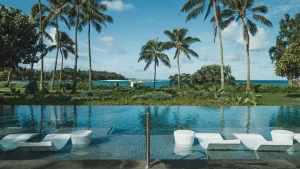
The Ritz-Carlton O‘ahu, Turtle Bay
A luxury North Shore resort with beaches, golf, and a destination-resort feel far from Waikiki.
Check ratesOahu: Kualoa Ranch UTV Raptor Tour
Traveling with family and friends? You can enjoy the fantastic Multi-passenger UTV Raptor experience with your entire family or as a group with the ex...

Oahu 5-in-1 Deluxe Cruise: Turtle Snorkeling & Ocean Activities
In addition to the amazing turtle snorkeling in the beautiful waters of Waikiki, our 135-passenger boat offers a unique selection of activities that s...

Oahu: Submarine Scooter Adventure
Dive into an unforgettable underwater adventure on Oahu’s beautiful Maunalua Bay. Cruise past the iconic Diamond H...
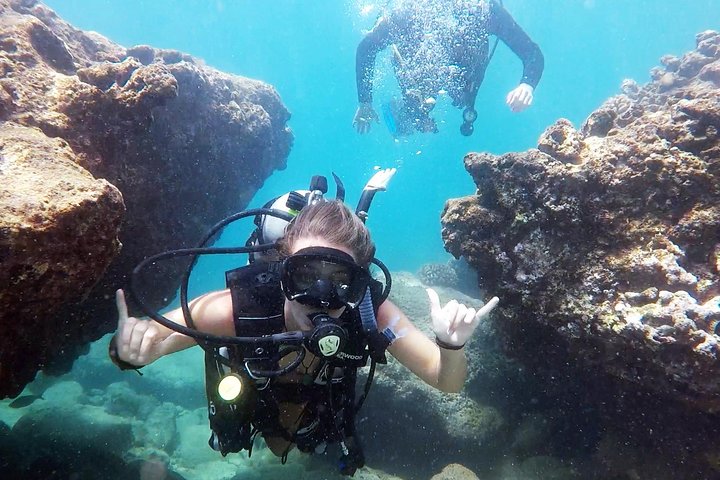
Voted Honolulu's #1 Beginner Scuba Diving + Free Videos Tour
Try scuba diving in Honolulu with this easy, beginner-friendly ocean adventure at Magic Island, Ala Moana Beach Park...

Oahu Catamaran Snorkel Tour: See Turtles 100% Guaranteed
Experience one Viator's 2025 Top 20 Best Excursions in the country. This Oahu Catamaran snorkel tour offers unbeatab...
Hotel bases to compare after this tour
Once you have the tour shortlist, compare a few stays that can make the trip logistics easier.

The Ritz-Carlton O‘ahu, Turtle Bay
A luxury North Shore resort with beaches, golf, and a destination-resort feel far from Waikiki.
Check rates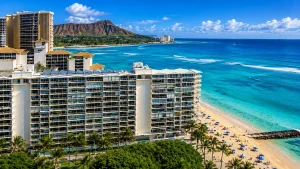
Waikiki Shore by OUTRIGGER
A beachfront condo-style Waikiki property near Fort DeRussy that fits travelers wanting kitchen access by the sand.
Check rates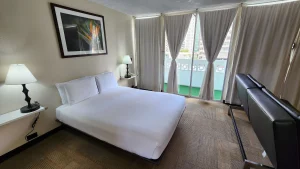
Stay Hotel Waikiki
A compact value hotel close to Waikiki Beach for travelers prioritizing location over resort amenities.
Check rates