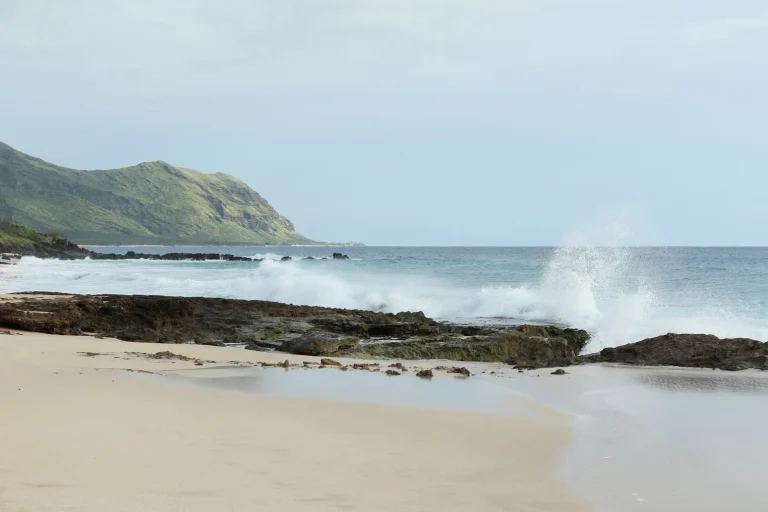
If you’re planning to snorkel Electric Beach on Oʻahu, timing and currents matter more than your mask brand. Clear mornings, light trade winds, and a mid-to-high tide can turn this power-plant outflow into a warm, fish-filled drift instead of a sideways slog. You’ll need the right entry spot, basic safety gear, and a calm sense of when to turn back. Before you wade in, it helps to know how this spot really behaves.
Key Takeaways
- Aim to snorkel early on calm mornings with light trade winds, clear forecasts, and surf reports showing wave faces under two feet.
- Expect a steady sideways current near the outflow pipes; let it carry you and angle across rather than fighting directly against it.
- Enter and exit from the sandy pocket just north of the concrete drainage channel, timing steps between small waves and avoiding rocky or boulder shorelines.
- Stay to the right of the outflow pipes, following the sandy corridor to deeper reef while keeping fins on for control in current and crowds.
- Use snug, tested gear plus a bright snorkel vest and whistle, avoid snorkeling alone, and turn back early if whitewater stacks near shore or visibility worsens.

Oahu Circle Island Snorkeling Tour: Dole, Pali Lookout & More
Looking for the BEST VALUE & MOST COMPLETE Circle Island Snorkeling Tour? Join us for the ultimate full-day, action-packed adventure that will guide y...

Hanauma Bay Snorkeling from Waikiki
Experience Hanauma Bay the easiest way with Waikiki’s most reliable Hanauma Bay shuttle. Our early 5:40 AM pickup...

Waikiki: 2-hour Turtle Canyon Snorkeling Adventure
Join us for a 2-hour snorkeling adventure at Turtle Canyon, one of Oahu’s top snorkeling spots! Cruise along the s...

Waikiki Snorkeling & Ocean Waterpark Adventure from Oahu
Skip the crowded snorkel tours and experience Oahu’s ultimate ocean adventure for families, couples, and guests of...

When Electric Beach Snorkeling Is Actually Safe
Although the name sounds a bit risky, Electric Beach snorkeling is actually safe when you time it right and respect a few clear rules. You’ll want calm days, ideally with light trade winds and clear forecasts. For an even easier option on mellow days, consider nearby snorkeling spots near Honolulu if you prefer quick-access reefs without a long drive. Aim for mornings, when visibility is sharp, parking still open, and the vibe relaxed. Check recent conditions with lifeguards, surf shops, or trusted local guidance, not just a weather app. Skip the water if you see whitewater stacking near shore or feel rushed on entry.
Bring compact fins, a low profile mask, and a bright rash guard, then leave valuables at your hotel. If you dislike logistics, a well reviewed Viator tour with hotel pickup and free cancellation keeps things smooth. Reserve now, pay later to stay flexible.
How Electric Beach Currents Affect Snorkeling
Once you slip into the water at Electric Beach, the first thing you’ll feel isn’t the fish or the warm outflow, it’s the pull of the currents shaping how and where you can snorkel. Closer to the outflow pipes, the current runs fast, pushing you sideways and back toward shore. You should let it carry you, then angle across, not fight it head on. Farther out, the pull fades, and you can drift calmly over coral and schooling fish. For days when you want mellow conditions, consider exploring other Oahu spots known for clear, calm water as a contrast to Electric Beach’s stronger currents. Local guides talk about electrical fields from the plant equipment, but you won’t feel shocks, just warmth and steady flow. Those moving streams create real swimmer attraction, so crowds cluster here. Stay aware, watch weaker swimmers, and keep fins on at times for safer control.
Safest Entry and Exit Routes at Electric Beach
You’ve felt how the currents move you around the outflow, so now it’s time to plan how you actually get in and out without drama. Enter from the sandy pocket just north of the concrete drainage channel, where the slope is gentle and lifeguards usually watch. Time your steps between small wave breaks, then float and fin out, avoiding the rocky ledges on both sides. Just like at Shark’s Cove, where rocky entry reality demands careful footing, stay mindful of submerged rocks and sea urchins as you wade out here.
For reef access, keep right of the outflow pipes and follow the sandy corridor until coral heads appear. Exit at the same sandy pocket; don’t aim for the boulder shore, even if it looks closer.
Early morning brings lighter crowds and cooler parking, so arrive by 8 a.m. Travel light, skip bulky beach chairs. Pack water and reef-safe sunscreen.
Reading Ocean Conditions for Electric Beach Snorkeling
Before you even zip up your fins at Electric Beach, train your eyes on the water and let it tell you what kind of day you’re walking into.
Start with the sky. Shifting weather patterns usually reach this coast by midmorning, so aim to snorkel early. In winter, be especially mindful of shifting kona weather patterns that can bring stickier air, sudden showers, and choppier surface conditions.
Then layer in the basics:
- Check tidal charts for mid to high tide, which keeps you clear of shallow rock and gives softer entry.
- Scan wave forecasts and local surf reports for face heights under two feet.
- Note swell direction; north or northwest lines up with the channel and can speed currents.
- Watch the surface itself: crumbly whitewater, strong wind ripples, or murky brown streaks all say stay on the sand for today’s snorkel.

Oahu Beachfront ATV Adventure and Farm Tour
Aloha, welina mai, ‘ano ‘ai. Greetings, and welcome, from Hawai’i! Located on the famous North Shore beachfron...

Honolulu: Pacific Star Sunset Dinner Cruise and Show
Indulge in the original Pacific Rim cuisine, where each dish serves as a gateway to the rich flavors of the region...

Waikiki: 2 hours - Friday Night Fireworks Catamaran Cruise
Enjoy the spectacular FRIDAY NIGHT FIREWORKS show along the beautiful coastline of Waikiki while we get up close and...
Safety Gear for Electric Beach Snorkelers
Reading the water is only half the safety story at Electric Beach; the rest rides on what you strap to your body. Start with a snug mask and a tiny bottle of mask defogger, since cloudy lenses hide surge, rocks, and turtles. A dry snorkel keeps surprise swells from filling your mouth, which matters when the outflow pulses. Add fins with solid heel straps for push through chop. Many of the same safety habits used at kayak launch spots on Oahu, like checking conditions and staying visible, also apply when you’re kicking out from shore here.
| Gear | Why you need it | Tip |
|---|---|---|
| Mask & mask defogger | Clear vision in changing light | Reapply between sessions |
| Dry snorkel | Reduces saltwater inhalation | Test valve before entry |
| Fins & reef‑safe boots | Stronger kick, safer footing | Skip heavy full‑foot fins |
Round it out with a bright snorkel vest, simple whistle, and streamlined rash guard and strong sun.
Common Electric Beach Snorkeling Mistakes to Avoid
Although Electric Beach feels like a carefree snorkel spot, most problems here start with a few very fixable mistakes. Conditions shift fast, so slow down and set up properly on shore. Snorkelers who feel unsure about open-ocean spots like Electric Beach often start instead at Kailua to Kaneohe or Waikiki, where paddling and entry points are more protected and beginner-friendly.
Electric Beach looks easy, but fast-changing conditions punish rushed entries and sloppy shore setup
- Rushing entry: You ignore the outflow pipe and walk straight in where waves slam the rocks. Instead, watch locals for five minutes, then follow their entry route.
- Forgetting weights: You float on the surface, fight every kick, and tire early. Rent a light belt for about $5 and test it in the shallows.
- Choosing wrong fins: Short rental fins struggle in surge. Pick firm, open-heel fins that match booties.
- Skipping a plan: You snorkel alone, without a turn-back time. Join a Viator tour with hotel pickup and free cancellation.
Frequently Asked Questions
Are There Any Guided Snorkel Tours or Instructors Available at Electric Beach?
Yes, you’ll find several local operators offering guided snorkel tours with certified guides at Electric Beach. You can book small-group trips or arrange private instruction, which helps you learn marine life, entry points, and techniques.
What Marine Life Am I Most Likely to See While Snorkeling Electric Beach?
You’ll likely drift beside island residents: graceful green sea turtles, swirling reef fishschools, curious butterflyfish, tangs, and Moorish idols, plus occasional eagle rays and shy eels weaving through corals, all thriving in the warm outflow.
How Crowded Does Electric Beach Get During Peak Snorkeling Hours?
It gets very crowded by mid-morning; you’ll see peak crowds from about 9–11 a.m. You’ll struggle to find shade, and parking overflow often forces you to park roadside and walk a few minutes each way.
Is Parking Available Near Electric Beach, and Does It Cost Anything?
You’ll find a small free lot right by Electric Beach, but it fills fast. Arrive early or use nearby street parking along Farrington Highway. Nearby businesses sometimes offer limited paid parking when the lot’s full.
Are There Restrooms, Showers, or Changing Facilities Close to Electric Beach?
You’ll find basic public restrooms across the street, plus outdoor showers by the parking area, but there’s no private changing rooms. Restroom accessibility’s decent, though facilities feel worn, so you’d prefer changing at your hotel.
Conclusion
You leave Electric Beach knowing when it’s safe, where to slip in, and how the quirky current works. Calm mornings, light trades, and mid-tide quickly become your must-check checklist. You pack bright vest, solid fins, reef-safe sunscreen, and skip rocky exits. If timing or transport feels tricky, you book a well reviewed Viator tour with hotel pickup. Float, follow the flow, and let the warm water frame a sharp, shimmering reef show for you today.
Oahu Circle Island Snorkeling Tour: Dole, Pali Lookout & More
Looking for the BEST VALUE & MOST COMPLETE Circle Island Snorkeling Tour? Join us for the ultimate full-day, action-packed adventure that will guide y...
Hanauma Bay Snorkeling from Waikiki
Experience Hanauma Bay the easiest way with Waikiki’s most reliable Hanauma Bay shuttle. Our early 5:40 AM pickup...
Waikiki: 2-hour Turtle Canyon Snorkeling Adventure
Join us for a 2-hour snorkeling adventure at Turtle Canyon, one of Oahu’s top snorkeling spots! Cruise along the s...

Waikiki Turtle Canyon Snorkel: Turtles Guaranteed
Book our Turtle Canyon snorkel tour for some turtle fun today! Join us for an intimate experience that you will not...