You roll into Ho‘omaluhia Botanical Garden, and the city noise drops away as the Koʻolau cliffs rise in front of you like a wall. Do you cruise the narrow scenic road for those mirror-like reservoir shots, or park near the Visitor Center and walk the easy paved loop instead? With strict parking rules, sudden showers, and a few trails that aren’t worth the mud, it pays to have a loose plan before you go.
Key Takeaways
- Drive the narrow valley road at 15–20 mph, using scenic turnouts and upper road pullouts for panoramic shots of the Koʻolau and reservoir.
- Start at the Visitor Center for free maps, current trail and weather alerts, restrooms, and parking guidance; arrive early on weekends and holidays.
- For an easy sampler, walk the mostly flat, stroller-friendly paved loop near the Visitor Center, ponds, and lawns, ideal for families and seniors.
- Choose the half-day scenic itinerary: lakeside road walk plus Kahua Kuou trail (60–90 minutes) for ridgeline views and native plant spotting.
- Pack water, sun and rain protection, and bug spray; wear grippy shoes, stay on marked paths, and avoid reservoir swimming or risky ridge detours in clouds.

Oahu: Kualoa Ranch UTV Raptor Tour
Traveling with family and friends? You can enjoy the fantastic Multi-passenger UTV Raptor experience with your entire family or as a group with the ex...
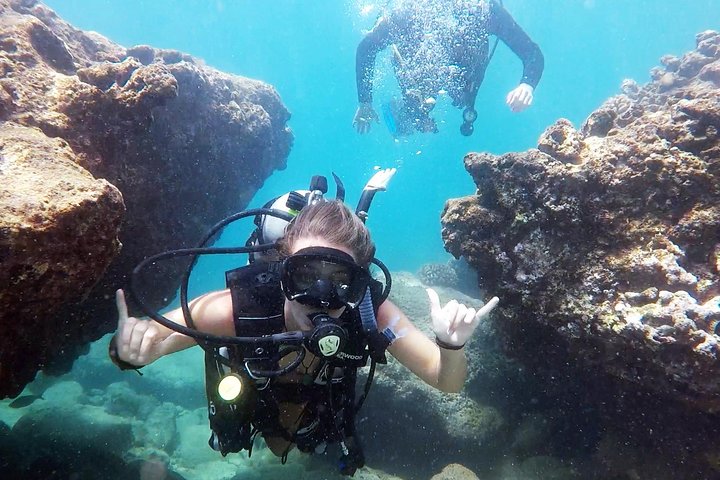
Voted Honolulu's #1 Beginner Scuba Diving + Free Videos Tour
Try scuba diving in Honolulu with this easy, beginner-friendly ocean adventure at Magic Island, Ala Moana Beach Park...
Recommended hotels for this trip
Compare well-reviewed stays from our destination hotel guides, then check live availability for your dates.
 Featured stay
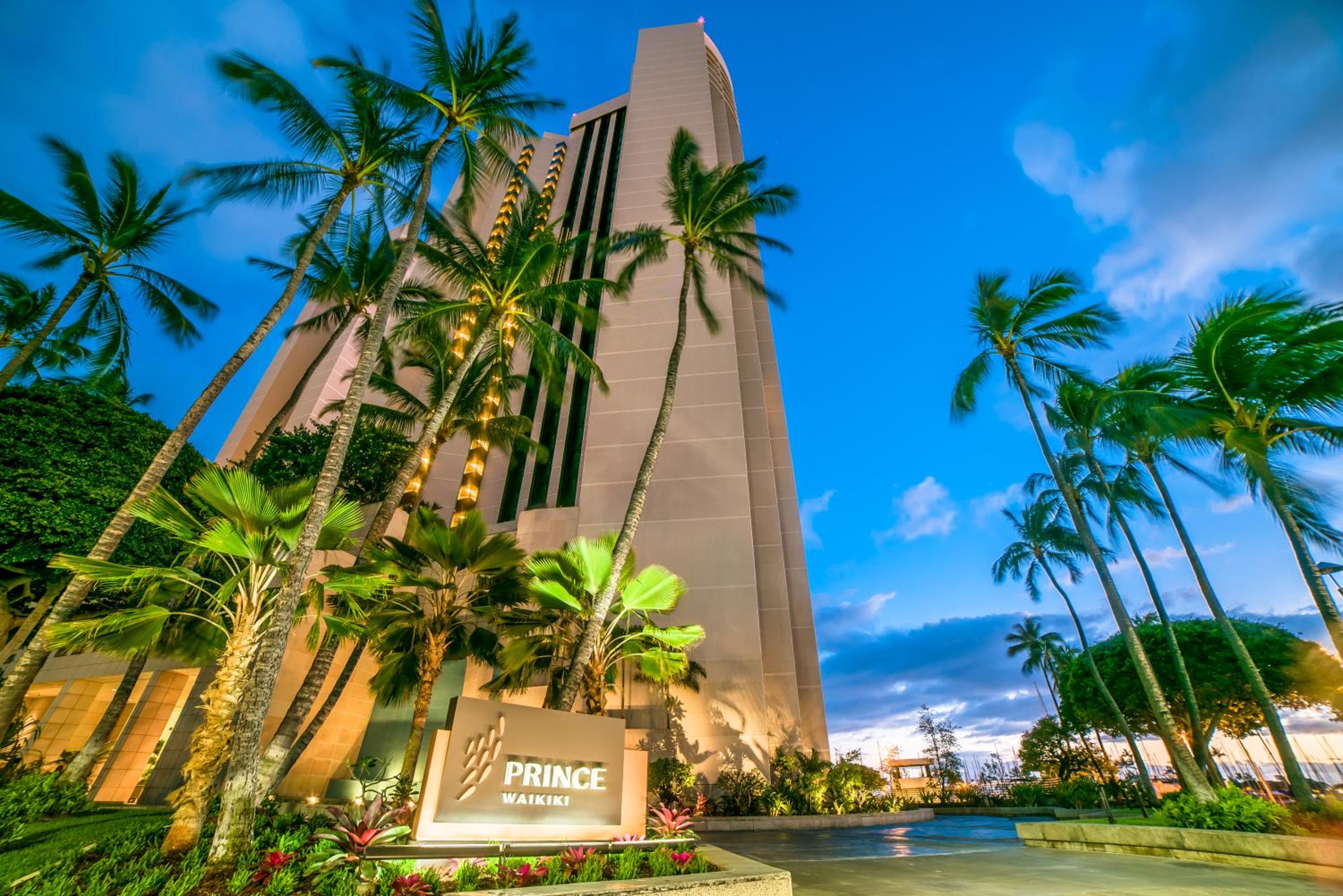
 Prince Waikiki
- Free WiFi
- Non-smoking rooms
- Air conditioning
Well suited to couples seeking ocean views, families who want two-queen rooms or multiroom suites, convention visitors, and travelers who value pools and on-site dining. It may be less appealing if you want to step directly…
- Ocean Front 2 Queen Beds
- Room Only
- Non-refundable rate
 Guest favorite
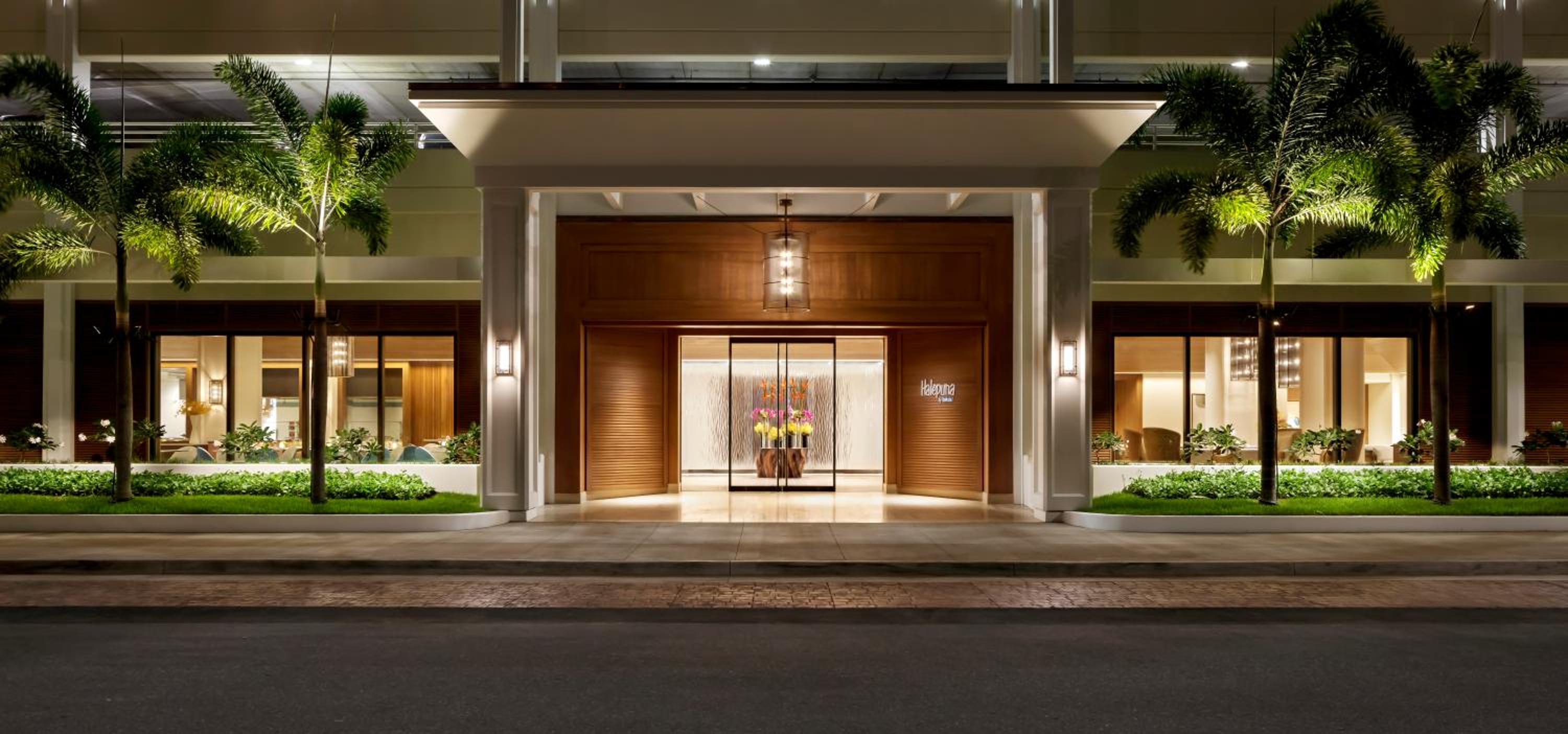
 Halepuna Waikiki by Halekulani - NO RESORT FEE
- Free WiFi
- Non-smoking rooms
- Air conditioning
You are likely to appreciate Halepuna if you want an upscale, relatively serene stay near Waikiki Beach, restaurants, and shopping, but do not need a beachfront resort campus. Couples and solo travelers can prioritize the king…
- Standard Waikiki View Two Double Beds
- Room Only
- Non-refundable rate
 Guest favorite
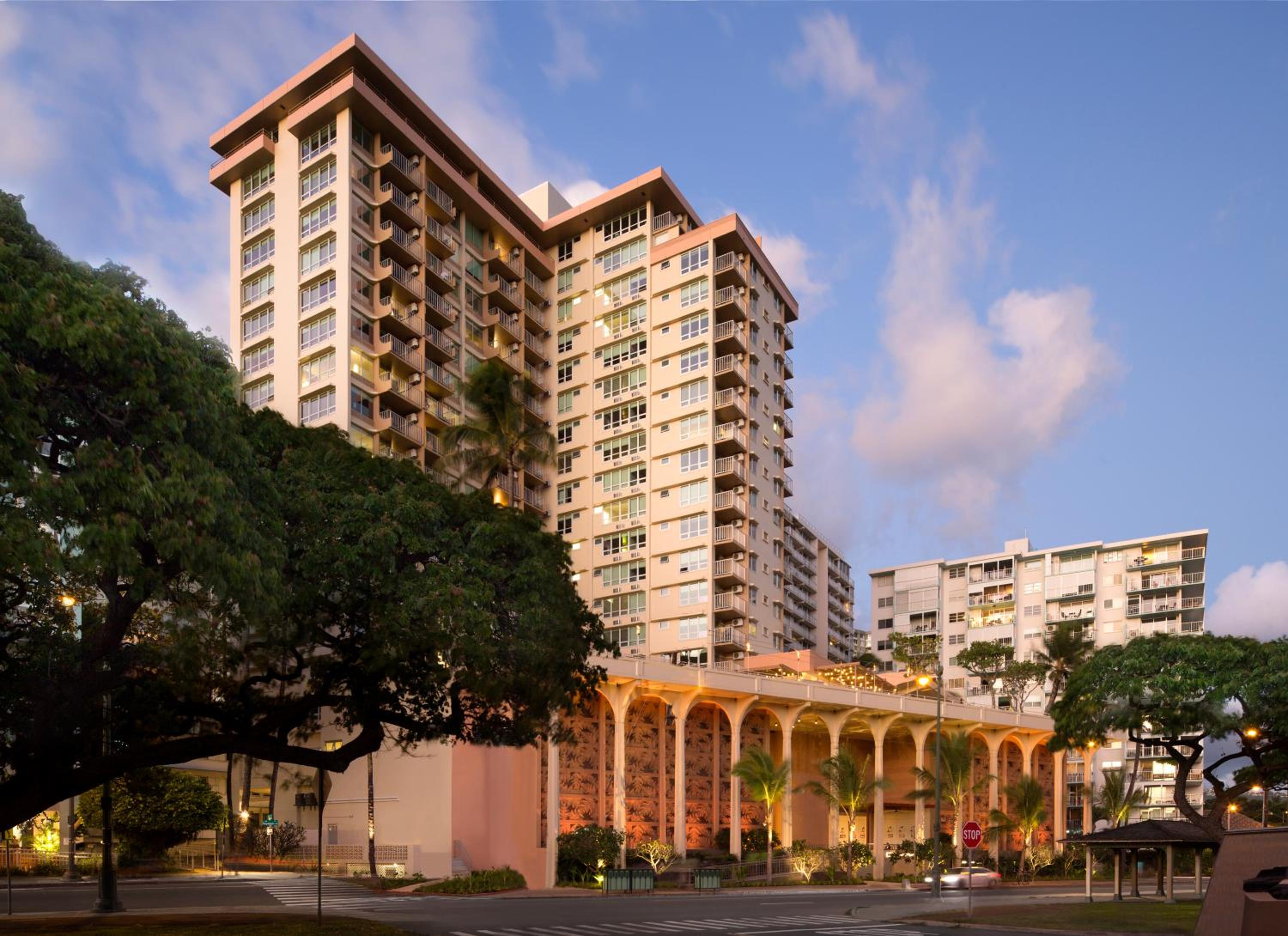
 Queen Kapiolani Hotel
- Free WiFi
- Non-smoking rooms
- Air conditioning
You are likely to appreciate this hotel if location, Diamond Head scenery and easy access to the beach matter more than having a quiet resort compound. Double-queen rooms and larger suites can suit families, while studios…
- Studio, City View, 1 Queen Bed
- Room Only
- Non-refundable rate

Oahu: Submarine Scooter Adventure
Dive into an unforgettable underwater adventure on Oahu’s beautiful Maunalua Bay. Cruise past the iconic Diamond H...

Oahu Catamaran Snorkel Tour: See Turtles 100% Guaranteed
Experience one Viator's 2025 Top 20 Best Excursions in the country. This Oahu Catamaran snorkel tour offers unbeatab...
Essential Tips Before You Visit Ho‘omaluhia
Before you lace up your hiking shoes for Ho‘omaluhia Botanical Garden, it helps to treat this visit more like a half‑day outing than a quick photo stop. Consider setting aside extra time to enjoy the Ho’omaluhia Botanical Garden Trails, which offer easy walks and peaceful viewpoints perfect for a relaxed visit.
Check the local weather the night before; showers move fast, yet trails can stay slick.
Check the forecast the night before; brief showers pass quickly, but the paths can stay slick.
Aim to arrive by 9am to beat tour buses and secure shady parking.
Bring water, snacks, reef safe sunscreen, and a light rain jacket instead of an umbrella.
Wear closed shoes you don’t mind muddy.
You’ll walk past native plants, mirror like lakes, and steep emerald cliffs, so a good camera or charged phone matters.
Skip drones and loud music.
If you prefer not to drive, consider a small group Viator tour with hotel pickup and free cancellation, reserve now.
Ho‘omaluhia Entrance and Visitor Center Guide
As you roll up to Ho‘omaluhia’s entrance, you’ll want to know exactly where to park, when the gate actually opens, and how fast the small lot fills on busy weekends. Inside the modest visitor center, you can grab a free map, chat with rangers, and check current trail or weather alerts before you wander into the lush valley. You’ll also see posted safety rules and simple etiquette guidelines that keep traffic slow, noise low, and everyone’s photos free of chaos. Since parking is limited, it’s smart to arrive early and consider carpooling, especially on weekends and holidays.
Entrance Logistics And Parking
Glide up the final curve of Luluku Road and Ho‘omaluhia’s entrance appears suddenly, framed by thick jungle and those sharp Koʻolau cliffs. You’ll meet a small gatehouse where staff check hours and remind you about speed limits and photo rules. There are no parking fees, which feels rare on Oʻahu, but spaces close to the main loop fill by midmorning on weekends and holidays. Arrive before 9 am if you want shady spots near trailheads. Larger vans and tours use the lots near the entrance, so you may need to walk a bit. Limited shuttle options run with some Viator tours that bundle transport from Waikīkī, handy if you’re car free or nervous about mountain driving. Check traffic apps; rain can slow Likelike Highway. If you’re planning to pair this visit with a coastal hike, be aware that Kaʻena Point State Park has limited facilities, hot and dry conditions, and no drinking water.
Visitor Center Highlights
Once you’ve parked and stepped out into the soft, humid air, make your first stop the Ho‘omaluhia Visitor Center, a low, open building that feels part museum, part trail hub.
Inside, staff and friendly volunteers help you pick a scenic drive route or short hike that fits your time and fitness.
Large maps show viewpoints, ponds, and picnic areas, so photograph them for offline use.
Simple educational exhibits explain the valley’s geology, native plants, and how this reservoir protects nearby communities.
Kids linger over seed displays and insect cases.
Ask about current volunteer programs if you’d like a hands on way to give back.
Restrooms, water fountains, and a small gift nook round things out.
Arrive early for quieter chats and easier parking outside.
For a broader sense of Oʻahu’s lush valleys, you can also learn how places like Waimea Valley balance botanical conservation with visitor access.

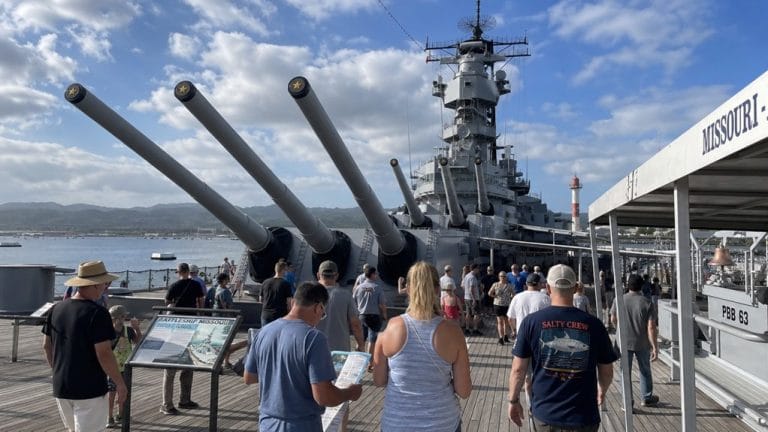
Pearl Harbor USS Arizona Memorial Tour from Waikiki
Turn back time as we explore WWII history at Pearl Harbor and relive the infamous Sunday morning of December 7, 1941...

Honolulu: Three Star Deluxe Sunset Dinner Cruise and Show
As the sun sets over the Pacific, enjoy a luxurious Honolulu dinner cruise along the scenic coastline near Diamond H...

Toa Luau at Waimea Valley, Oahu
Toa Luau invites you to immerse yourself in the beauty and excitement of Polynesia on Oahu’s historic North Shore!...
Safety Rules And Etiquette
Before you wander off toward the lake or trails, you’ll notice Ho‘omaluhia has a calm, almost sacred feel, and the rules here protect that mood as much as the landscape. Check the Visitor Center board for closures, then drive slowly and park only in marked stalls. Starting in 2026, remember that Ho‘omaluhia is closed on Thursdays to give the garden a weekly day of rest.
Trails can be slick after rain, so wear closed shoes and carry water and sunscreen. Leave valuables hidden, lock your car, and skip swimming; the reservoir is off limits.
Keep your visit low impact with:
- Stay on marked paths and respect all closure signs.
- Use respectful photography; never climb rocks, walls, or trees.
- Follow wildlife observation etiquette; watch quietly, never feed animals.
- Keep voices low; sound travels across the valley.
- Pack out all trash, even tiny snack wrappers.
Driving the Scenic Road Through Ho‘omaluhia
From the moment you pass the entrance gate, Ho‘omaluhia’s narrow scenic road pulls you straight toward the Koolau Mountains like a slow, green roller coaster. You drive at a relaxed 15 to 20 miles an hour, following basic driving etiquette: yield at blind curves, never block residential driveways, and use turnouts to let locals pass. Morning light shows off misty ridges and glossy leaves; late afternoon feels quieter and cooler. Watch the shoulder for walkers, kids on bikes, and tripods. This is also prime wildlife spotting, from roaming chickens to egrets and grazing pigs. Following the state’s Hike Pono guidance, keep noise down, stay aware of nearby official trails, and respect the area as a cultural and natural space even when you’re just driving through. Bring water, a full battery, and patience; skip honking or loud music. If you prefer not to drive, small-group Viator tours handle transport with hotel pickup and free cancellation, too.
Best Ho‘omaluhia Viewpoints for Photos and Picnics
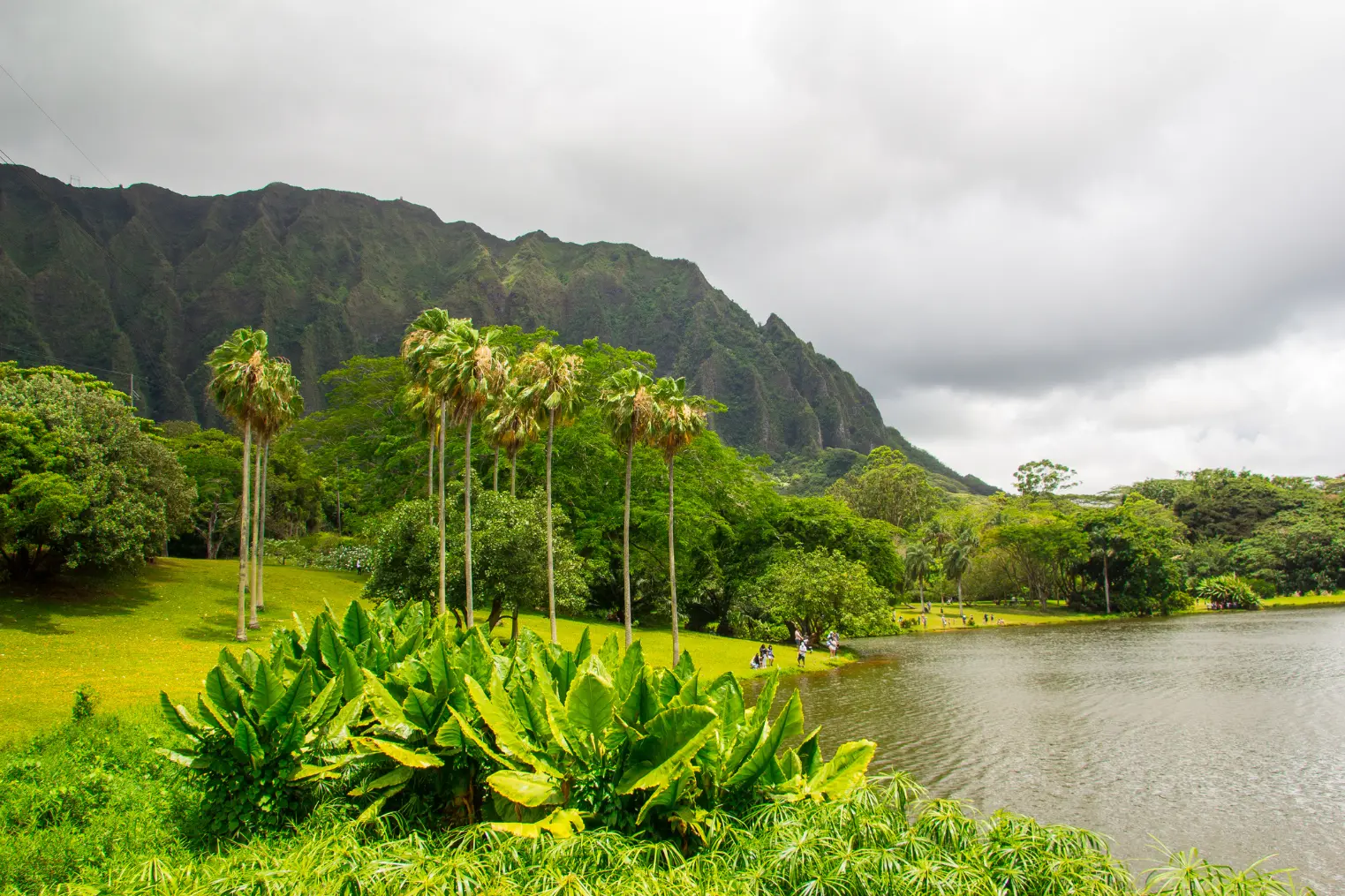
Although the entire garden feels like one huge viewpoint, a few stops along the main road give you those “is this real?” shots and easy picnic spots. Its backdrop of the Koʻolau mountains makes Ho‘omaluhia one of the most photogenic stops on the Windward Coast Oahu side of the island.
Every bend in the road feels like a postcard, with effortless photo ops and picnic-worthy pauses.
Pull over at the main reservoir first; early morning is quiet, and late afternoon brings glowing cliffs and sunset reflections in the water.
Keep food in sealed containers, since showers roll in fast. Popular pullouts fill by 10 am, so arrive earlier on weekends and holidays.
- Main reservoir edge for mirror-like photos
- Grassy knoll near the visitor center for a hidden picnic
- Small gazebo area for shady birdwatching spots
- Upper road turnouts with dramatic panoramic overlooks
- Last big parking area for wide valley shots and quick snack breaks
Pack water, a light jacket, and a small blanket.
Easy Walks and Family-Friendly Trails at Ho‘omaluhia
Casual strolls often feel best at Ho‘omaluhia, where the “trails” are really gentle roads and short paths that work well for kids, grandparents, and stroller-pushing parents.
You can follow the main garden road on wide shoulders, pausing at signed pullouts that explain native plants and introduce trees from across the Pacific.
These routes stay mostly flat and shaded, so toddlers and older relatives usually last longer.
For stroller friendly paths, start near the visitor center ponds, then loop around the lawn and shelters.
Expect light crowds on weekdays before 10 a.m., heavier traffic on weekends and holidays.
Bring water, sun protection, and bug spray, but skip heavy hiking boots.
Regular sneakers or sandals with grip feel perfect here for families wanting zero-stress nature time.
Oahu: Kualoa Ranch UTV Raptor Tour
Traveling with family and friends? You can enjoy the fantastic Multi-passenger UTV Raptor experience with your entir...

Oahu 5-in-1 Deluxe Cruise: Turtle Snorkeling & Ocean Activities
In addition to the amazing turtle snorkeling in the beautiful waters of Waikiki, our 135-passenger boat offers a uni...

Waikiki: 2-hour Turtle Canyon Snorkeling Adventure
Join us for a 2-hour snorkeling adventure at Turtle Canyon, one of Oahu’s top snorkeling spots! Cruise along the s...
If you’re exploring other city parks on Oʻahu, note that only larger locations among the island’s 403 designated parks typically have dedicated recreation staff and posted activity schedules.
Longer Ho‘omaluhia Hikes for Adventurous Visitors
If you’ve got energy to burn and don’t mind a bit of sweat, Ho‘omaluhia rewards you with longer walks that feel wilder and more remote than the garden’s calm main road. These routes aren’t official trails, so you’ll rely on rough footpaths, local advice, and your own judgment. For broader trip planning on Oʻahu, you can also check official city information such as park rules & regulations and dog park locations before or after your visit.
- Start at the visitor center and follow the full length of the main road, about 4 miles one way.
- Add short ridge scrambling detours toward the Koʻolau, but turn back if clouds drop.
- Explore side roads to quiet lakeside nooks, ideal for picnic breaks.
- Try a light waterfall bushwhack only in dry weather, and never alone.
- Join a Viator hiking tour with hotel pickup to handle navigation and timing, safely prepared.
Ho‘omaluhia Itineraries for 1–4 Hour Visits
If you’ve only got an hour, you can still walk a compact highlight loop that hits the best views without rushing.
With two to four hours, you can follow a relaxed half‑day scenic itinerary that layers in photo stops, a picnic by the lake, and a slower look at the themed garden sections.
You’ll see how to match your route to your energy, the weather, and the crowds so you don’t waste time backtracking. In case you’re also exploring other gardens on Oʻahu, you can compare your visit here with the best times and highlights at Foster Botanical Garden.
One-Hour Highlight Loop
Start your visit with a simple one-hour highlight loop that gives you the “wow” factor without rushing you through the garden.
Park near the visitor center, grab a map, and follow the paved road on foot for an easy sampler of views, trees, and water.
You’ll pass open lawns, small lakes, and thick groves where rare birdwatching can be surprisingly good.
Come in the early morning or late afternoon to avoid tour buses and savor the soft light on the Koʻolau cliffs and seasonal blooms. If you’re also planning to visit other Oʻahu attractions, you can compare your timing here with the more structured Waimea Falls tickets and swimming rules schedule on the North Shore.
- Carry water, light rain shell, and hat.
- Skip flimsy flip-flops; paths get slick after showers.
- Pause at the main lake for photos.
- Listen for mynas, cardinals, and shy white-rumped shamas.
- Turn back at 30 minutes to keep timing flexible.
Half-Day Scenic Itinerary
With three to four unrushed hours, you can see Ho‘omaluhia shift from quiet forest sanctuary to big-camera postcard territory without feeling like you’re on a death march. Start at the visitor center around 8:30 a.m., when parking is easier and light is soft on the Koʻolau cliffs. Walk the lakeside road for easy Native plantspotting, then cut onto the Kahua Kuou trail for 60 to 90 minutes of shady ridgeline views. Pack water, bug spray, and a light rain shell. Afterward, linger at the reservoir viewpoints, which double as birdwatching hides for ‘alae ‘ula and egrets. Skip hauling a full picnic; showers can roll in fast. If you dislike driving, a Viator tour handles easy timing, with hotel-pickup, verified reviews, free cancellation, and reserve-now-pay-later. If you’re planning a longer botanical-themed day, pair this visit with downtown Honolulu’s Foster Botanical Garden for historic tree collections and guided tours.
Frequently Asked Questions
Is Ho‘Omaluhia Botanical Garden Accessible by Public Transportation From WaikīKī or Honolulu?
Yes, you can reach Ho‘omaluhia from Waikīkī or Honolulu by public transit, using TheBus routes to Kāne‘ohe, then walking or rideshare; bus routes stop about a mile away, and occasional shuttle options operate via tours.
Are There Wheelchair-Accessible Paths, Restrooms, and Parking Areas Within the Garden?
Yes, you’ll find wheelchair-accessible paths, restrooms, and parking, like gentle rivers guiding a wheeled canoe. Accessible pathways link main parking to overlooks; posted restroom locations and reserved stalls guarantee you explore, lingering wherever landscape invites.
Can I Bring Pets or Service Animals Into Ho‘Omaluhia Botanical Garden?
You can’t bring pets into Ho‘omaluhia Botanical Garden, but you can bring qualified service animals under ADA rules. Respect posted pet restrictions, keep service animals leashed, and clean up promptly to protect sensitive wildlife areas.
Are There Nearby Food Options or Picnic Supply Stores Outside the Garden Entrance?
Yes, you’ll find nearby options: you can swing by local markets, you can grab plates from Bento shops, you can stock up at convenience stores in Kaneohe for snacks, drinks, and simple picnic supplies nearby.
How Can Visitors Respectfully Observe Cultural Practices or Events Held in the Garden?
You observe ceremonies quietly, follow posted guidelines, and respect protocols shared by staff or cultural practitioners. You dress modestly, ask permission before photos, silence devices, avoid interrupting rituals, and listen so you honor Hawaiian traditions.
Conclusion
Ho‘omaluhia rewards you if you slow down. Arrive early to dodge the tour buses and snag free parking near the visitor center. Drive the valley road at a lazy 15 to 20 mph, then walk a loop or two before the midday sun bites. Pack water, a light rain shell, and skip flip flops on muddy trails. Let the cliffs, clouds, and still reservoir show you that sometimes the journey trumps the destination for you.

Oahu: Full or Half Day Grand Circle Island Tour
Choose from two exciting ways to experience Oahu's top attractions, scenic beauty, and local culture.Option 1: Dole Plantation & Haleiwa Town (6.5 H...
Oahu: Kualoa Ranch UTV Raptor Tour
Traveling with family and friends? You can enjoy the fantastic Multi-passenger UTV Raptor experience with your entir...

Pearl Harbor Complete Experience Passport
Visit All 4 Museums in One day on this tour, tickets and admissions are included. See how the US entered into and en...

Oahu: Grand Tour Around Island with Snorkeling
Come join on a circle island adventure led by some of Hawaii’s most knowledgeable local guides and experience brea...