Yes, Honolulu is the capital of Hawaiʻi, but that simple fact gets more interesting once you stand downtown and look around. You’ll find the State Capitol near Beretania Street, with open-air halls, royal history close by, and city buses humming past palm trees. It’s easy to picture why power settled here instead of Lahaina. Still, the story isn’t just about government buildings, and that’s where Honolulu starts to surprise you.
Key Takeaways
- Yes, Honolulu is the capital of Hawaiʻi and remains the state’s political center today.
- Honolulu became the capital in 1845 when Kamehameha III moved the Hawaiian Kingdom’s seat of government there.
- It stayed the capital through the 1898 U.S. annexation and Hawaiʻi’s 1959 statehood.
- The Hawaiʻi State Capitol on Beretania Street is in Honolulu, near ʻIolani Palace.
- Honolulu’s sheltered harbor and growing trade made it a practical capital over Lahaina.

Honolulu Scavenger Hunt & Highlights Self-Guided Walking Tour
The Best Way to Discover Honolulu: Scavenger Hunt & Self-Guided Tour. Play, learn, and walk! Explore at your own pace with a 100% self-guided activity...

Self-Guided Walking Audio Tour in Honolulu
Download GuideAlong’s self-guided audio walking tour of Downtown Honolulu and explore the Hawaiian Kingdom’s ric...

Downtown Honolulu Self Guided Walking Audio Tour
Embark on a self-guided walking tour of Honolulu's rich history. Start at Iolani Palace, delve into royal Hawaiian h...

Charms of Honolulu Private Walking Tour for Couples
Skip the crowds this is a private tour for your group only! Join us on a 2-hour walking tour of Honolulu’s histori...
Is Honolulu the Capital of Hawaiʻi?
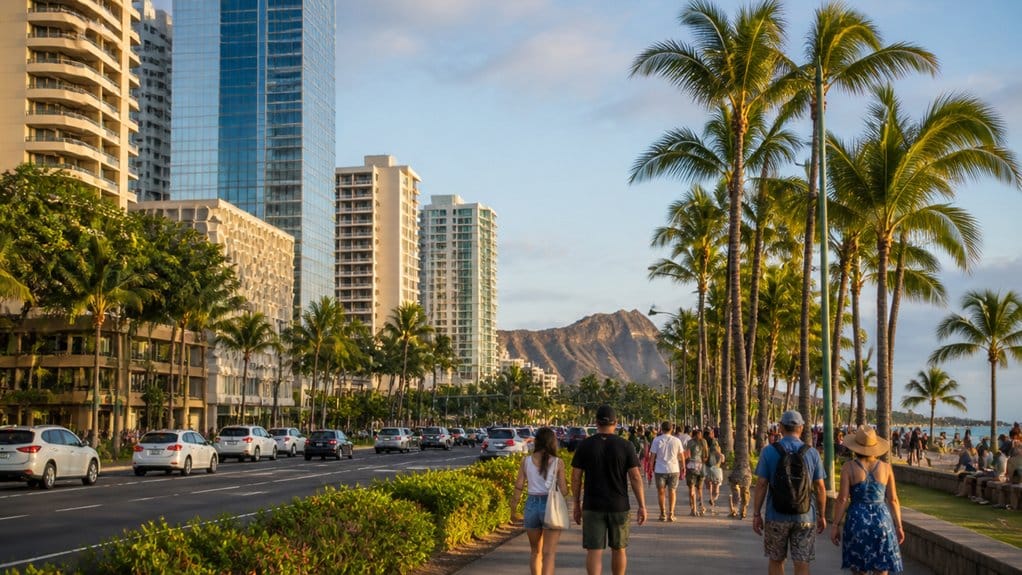
Yes, Honolulu is the capital of Hawaiʻi, and you can feel that role the moment you’re in the city. You see it in the civic buildings, the busy offices, and the steady flow around the Hawaiʻi State Capitol on Beretania Street. Visitors planning to stop by can look into parking and entry details before heading to the Capitol.
If you’re wondering whether Honolulu is the capital city of the state of Hawaii, the answer is a clear yes. Honolulu is the capital of Hawaiʻi, the U.S. state it serves as the political and administrative center. Honolulu has served as the capital of Hawaiʻi since 1845, when Kamehameha III made it the political seat of the Hawaiian Kingdom. It is located on Oʻahu, not on its own island on the map. That job didn’t change when Hawaiʻi became a U.S. territory in 1898 or when it entered the union in 1959. Even Honolulu’s name, meaning sheltered harbor, hints at why it became Hawaiʻi’s government hub. It’s history with paperwork, palm trees, and purpose.
Where Is Honolulu Located in Hawaiʻi?
You’ll find Honolulu on the southeast coast of Oʻahu, where the city faces the Pacific and stretches along the island’s sunny southern shore. As you look closer, you can trace it from the old downtown core once called Kou to busy Waikīkī, with Pearl Harbor on one side and Makapuʻu Point farther east. It’s Oʻahu’s biggest city and county seat, so when you hear planes overhead, surf along the coast, and traffic doing its usual thing, you know you’re in the island’s main hub. Many travelers heading from the airport continue on to Waikīkī, one of the area’s most visited districts, using transportation options that connect HNL with the coast. A quick look at a Honolulu map can help you connect these neighborhoods, attractions, and transit routes across the city. Visitors getting around this area often choose between driving, riding TheBus, or joining a tour depending on their plans.
Southeast Oʻahu Setting
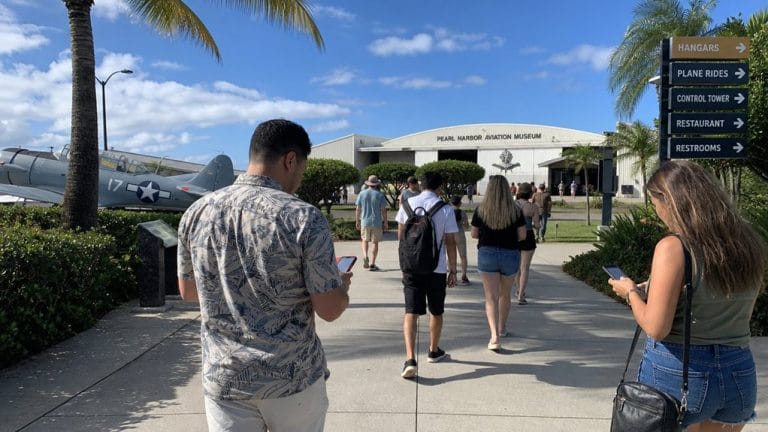
Where exactly does Honolulu sit in Hawaiʻi? If you’re picturing the capital, Honolulu is Hawaiis state capital, located in the Pacific along the southeast coast of Oʻahu. You find it stretching from Pearl Harbor toward Makapuʻu Point, wrapped around a natural harbor that shaped this shore into Oʻahu’s main gathering place. Nearby, the Pearl Harbor National Memorial preserves key sites tied to the December 7, 1941, attack and the start of U.S. involvement in World War II.
As you move through this part of the island, you’re really in Oʻahu’s urban core. Urban Honolulu covers about 68 square miles, plus nearly 8 square miles of water, so land and sea stay close company. Because the city sits on Oʻahu, you also use it as Hawaiʻi’s main travel gateway through Daniel K. Inouye International Airport, the state’s largest airport and a hub for neighbor-island flights. Visitors heading to Pearl Harbor should know the memorial’s visitor center is open daily from 7:00 am to 5:00 pm, with USS Arizona tickets released in advance through Recreation.gov. Planes descend over blue water, trade winds sweep through, and your bearings click into place pretty fast.

Amazing Oahu Adventure Bundle: 6 Self-Guided Audio Tours
Shaka Guide is an audio tour app that gives you the benefits of a guided tour with the freedom to explore on your ow...

Downtown Honolulu and Chinatown: A Self-Guided Walking Tour
Unlock the storied heart of Hawaii‘s capital, Honolulu on this self-guided walking tour through its Downtown and C...

Legends of Waikiki Self-Guided Audio Walking Tour of Honolulu
Explore the captivating history and oceanfront beauty of Waikīkī with this self-guided walking tour. Navigate past...
Downtown And Waikīkī
If you zoom in from Honolulu’s broad sweep along Oʻahu’s southeast coast, Downtown and Waikīkī give the city its clearest shape. You can picture Downtown Honolulu as the historic core, roughly from Nuʻuanu Avenue to Alakea Street and Hotel Street to Queen Street. Here, government and business cluster close together, so the city feels focused and easy to place. A Downtown walking tour often highlights ʻIolani Palace, the Kamehameha Statue, and nearby Chinatown as key landmarks in this historic core.
- Downtown Honolulu anchors the civic center.
- Waikīkī places you in the city’s main visitor district.
- Together, they mark central Honolulu on Oʻahu.
- They show why Honolulu matters across the Hawaiian Islands.
- The Diamond Head Green Line is a well-known Waikīkī trolley route that helps connect visitors with Honolulu’s main sightseeing corridor.
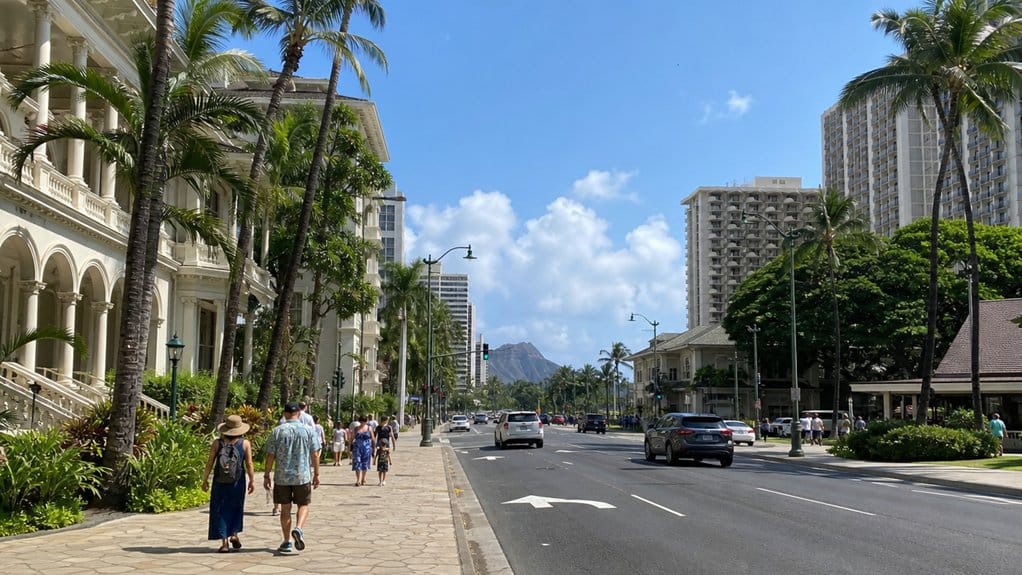
When you step toward Waikīkī, the mood shifts. You’re still in Honolulu, but you notice more palms, busier sidewalks, and a stronger visitor pulse. Many visitors use Waikīkī as a base for Diamond Head trips, which helps place the neighborhood within Honolulu’s better-known travel corridor. It’s a neat contrast, like the city changing shirts before dinner.
Harbor And Coastline
Because Honolulu sits on Oʻahu’s southeast coast, the city makes the most sense when you trace it along the water. You’re on the edge of the Pacific Ocean, looking at a capital shaped by trade, reefs, and busy shore roads. In the Hawaiian archipelago, few cities feel so tied to the sea.
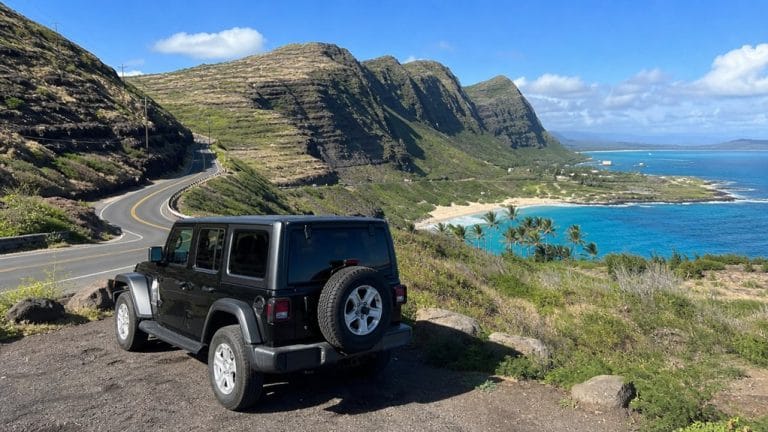
You can follow Honolulu’s coast from the Pearl Harbor area east to Makapuu Point. Along the way, neighborhoods line the south shore, and Honolulu Harbor helps explain the city’s past. A simple Oahu driving loop can also help you picture how these coastal areas connect to the island’s broader regions and beaches. Many visitors get a similar big-picture view on a circle island tour that links Honolulu with the Windward Coast and North Shore in a single day. Some travelers prefer scenic lookouts on driver-free tours to understand how Oʻahu’s coastline unfolds without navigating the roads themselves. Honolulu means sheltered harbor or calm port, which fits. Near the coast, Lē‘ahi rises from the Honolulu Volcanics and watches over Waikīkī like a giant landmark with perfect timing. Pearl Harbor still anchors major Navy activity, so you’ll notice both history and working waterfront energy in one view.
When Did Honolulu Become Hawaiʻi’s Capital?
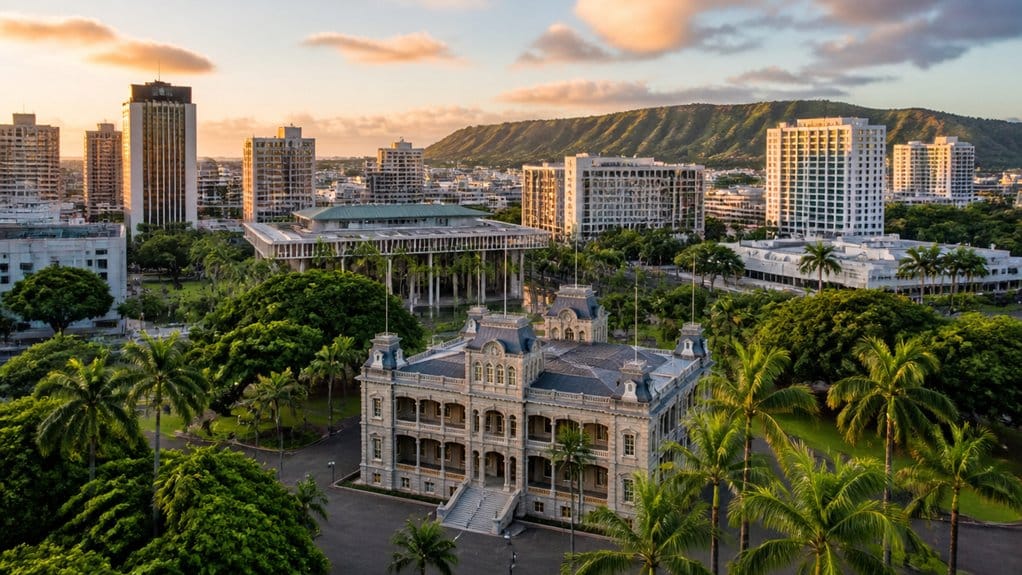
In 1845, Honolulu officially became Hawaiʻi’s capital when Kamehameha III set the seat of government there. If you’re tracing when Honolulu became the capital of the Hawaiian Kingdom, that’s your key date. The shift also reflected earlier royal moves within Oʻahu. Honolulu is a city on Oʻahu island, a distinction that helps explain why people sometimes confuse Honolulu with the island itself.
- In 1804, Kamehameha I brought the royal court to Waikīkī.
- By 1809, it had moved again to downtown Honolulu.
- In 1898, Honolulu stayed the seat of power under U.S. territorial rule.
- In 1959, it remained capital when Hawaiʻi became the 50th U.S. state.
These Honolulu facts help place the capital’s history in a broader context. You can still feel that long timeline in Honolulu today, from the busy downtown streets to the government core near the harbor. Visitors can also connect with that legacy at the King Kamehameha Statue in Honolulu. History here doesn’t whisper. It practically taps your shoulder.
Have a question about this guide?
Ask for tour ideas, hotel suggestions, or a simple trip plan that combines both.
Trip Helper
Why Did the Capital Move From Lahaina?
From Lahaina, the capital shifted to Honolulu in 1845 when Kamehameha III chose a city that worked better for a changing kingdom. If you look back, Lahaina on Maui had served well since about 1820, but the kingdom’s needs were changing fast. Unlike Honolulu, Waikiki neighborhood is not a separate city but a neighborhood within Honolulu on Oʻahu.
You can see why King Kamehameha III moved the seat of power. Honolulu was growing into a busy commercial center as foreign trade increased. Officials, merchants, and ships all clustered there, so daily business became easier. Visitors exploring Oʻahu today often pair this history with a Pearl Harbor tour to better understand the islands’ broader story. People also point to Honolulu’s deeper more protected harbor, a protected harbor or calm port that suited a rising political center. That practical choice helped Honolulu become the capital of Hawai‘i. Today, when you walk through downtown Honolulu, you’re seeing the result of that 1845 decision still shaping island life. Visitors can still connect with that history at the Honolulu Capitol Building in the city today.
Why Honolulu Harbor Mattered
Honolulu Harbor helps explain why the capital stayed here and why the city kept growing. When you look at Honolulu Harbor, you can see why ships favored it. The water stayed deep and protected, so crews could unload goods with less risk and less drama from rough seas. A visit to nearby Pearl Harbor can also add context by showing how Oahu’s sheltered waters shaped both commerce and military history.
- It boosted foreign trade and turned Honolulu into a busy commercial stop.
- In 1845, King Kamehameha III chose Honolulu in part because this harbor offered clear strategic value.
- Its position made the city a Pacific gateway you could actually use, not just admire from shore.
- Later, the Pacific Fleet added military weight, while nearby Pearl Harbor became a major base.
Even today, you can hear cranes, engines, and gulls reminding you this port still matters daily.
What Made Honolulu Hawaiʻi’s Political Center?
Why did power settle here instead of somewhere else in the islands? You can trace it to Honolulu’s deeper, sheltered Harbor on the island of Oʻahu. Trade ships could anchor more safely, goods moved faster, and leaders saw real advantage. That commercial energy helped Honolulu become the political center when Kamehameha III named it capital of the Hawaiian Kingdom in 1845.
Many travelers pair downtown civic landmarks with a historic walking guide that connects Honolulu’s political story to nearby sites such as Pearl Harbor. For a smoother visit, many people plan around the best time to visit Pearl Harbor so they can avoid heavier crowds and a more rushed experience. Today, many visitors staying in Honolulu use a Pearl Harbor shore excursion as an easy way to reach another major historic site on Oʻahu. You can still feel that pull today in the government blocks downtown. Even after the 1893 overthrow and the 1898 U.S. annexation, Honolulu kept its seat of power. It stayed central again in 1959 when Hawaiʻi became a state. Now the Hawaiʻi State Capitol and other offices anchor civic life within the consolidated City and County, where politics hums just inland from the waterfront every day.

Discover Honolulu: Self-Guided Audio Tour
Aloha and welcome to Honolulu, the capital and only city of the island paradise of Hawaii, the last state to become...

Honolulu Rainforest Self-Guided Audio Tour
See a rarely explored corner of Honolulu! Hawaii's bustling capital may be known for its beaches and high-rise build...

History & Culture Tour in Honolulu via Segway
Explore Honolulu’s history and culture for 2.5–3 hours with Segway of Hawaii! Start with a fun lesson, then glid...
Was Honolulu Always Called Honolulu?
That seat of power sits in a place with an older story, and no, it wasn’t always called Honolulu. If you trace today’s downtown streets, you find an earlier name: Kou. That older district covered the area from Nūʻuanu Avenue to Alakea Street, and from Hotel Street to Queen Street. Honolulu later became the common name, drawn from Hawaiian words for sheltered harbor. Nearby, ʻIolani Palace stands as the official royal residence of the United States and reflects how this district became central to Hawaiʻi’s political life.
Before Honolulu, this downtown stretch was Kou, its newer name rising from a sheltered harbor.
- You can picture canoes slipping into a calm port.
- You can place Kou on today’s downtown grid.
- You can note that Honolulu wasn’t always called “Honolulu.”
- You can connect the harbor’s name to the capital’s rise.
People lived in this area centuries before 1845, likely as early as the 11th century. Nearby, Iolani Palace now helps anchor that same downtown story, with tours that bring visitors into the historic seat of Hawaiʻi’s monarchy. Even today, Oʻahu’s shoreline identity is reflected by the Ocean Safety Department, which serves as the primary responder for beach and near-shore water emergencies across the island. Names shift, but the place keeps its salt air, trade winds, and shoreline pull.
How Big Is Honolulu Today?
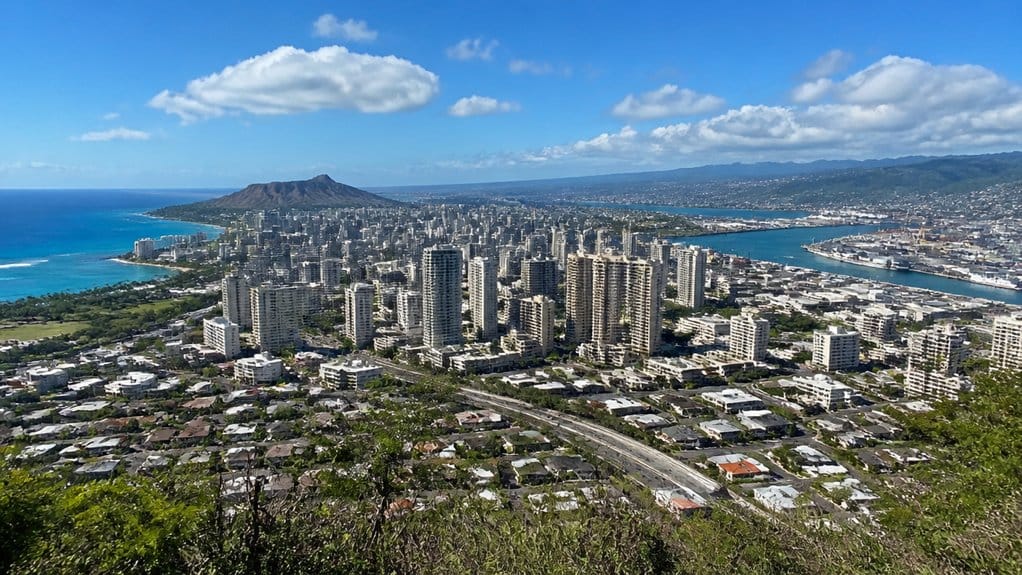
How big does Honolulu feel today? You experience Honolulu as a compact but busy city of the U.S. with real weight. About 350,964 people lived here in 2020, and a 2024 estimate still keeps it near 344,967. So when you walk its streets, you’re moving through a place in the mid-300,000s, not a tiny beach town.
The wider Urban Honolulu area stretches that feeling further. It sits just under a million residents, so the county seat connects to a much larger daily world. You notice the density too. Roughly 5,791 people share each square mile. Urban Honolulu covers about 68.4 square miles of land plus 7.9 of water. Visitors who want to see more of Oahu beyond the city often book a private island tour to explore the wider circle of coastal and cultural sights. Add the nearby United States Pacific Fleet, and the city feels even more active, with traffic, ships, and constant motion. Visitors exploring nearby historic sites often also look for food on site during long sightseeing days. On Oahu, the island setting also links city life to seasonal attractions like whale watching during the best times of year.
What Role Does Honolulu Play in Hawaiian Culture?
In Honolulu, you see Hawai‘i at its busiest and most layered, where Native Hawaiian roots meet Asian, Western, and Pacific influences in the food, festivals, and street life around you. You can trace that story from ʻIolani Palace and the Bishop Museum to art spaces like the Honolulu Museum of Art and Capitol Modern, where the city keeps its royal, historic, and creative spirit in plain sight. A visit to the Bishop Museum is one of Oʻahu’s top cultural experiences, making it a strong addition to any Honolulu itinerary. The city’s museums also rank among the best indoor activities to book for a deeper cultural experience. As you move from Waikīkī to Chinatown to Diamond Head, you don’t just visit the capital, you watch Hawaiian culture play out in real time. If you want to explore broader Pacific traditions beyond the capital, the Polynesian Cultural Center is on Oʻahu, making it an easy addition to a Honolulu-area itinerary.
Cultural Crossroads
Across Honolulu, Hawaiian culture doesn’t sit behind glass. You feel it in sidewalks, markets, and beach parks, where the city is characterized by a mix of various Asian, Pacific cultures, and Native Hawaiian traditions. As the political and economic center, Honolulu draws artists, musicians, and chefs who shape what you see and taste.
- Start at Iolani Palace, then notice living culture beyond its gates. Inside, a tour of the palace’s rooms and exhibits reveals how Iolani Palace connects royal history to the city’s cultural present.
- Step into the Honolulu Museum of Art for island stories in fresh forms.
- Wander Chinatown and Waikiki, where incense, surfboards, and noodles share space.
- Visit Bishop Museum and Capitol Modern to see preservation meet experimentation.
You don’t just observe Honolulu. You move through a gateway where history, tourism, and daily life keep Hawaiian culture active, layered, and impossible to miss today.
Royal And Historic Legacy
Because Honolulu became the capital of the Hawaiian Kingdom in 1845, the city still carries a royal gravity you can feel as you move from government blocks to palace grounds. In Honolulu (honoˈlulu), you trace how King Kamehameha III moved power here and how Honolulu became the capital and stayed the seat of authority after overthrow and annexation.
| Place | What you notice |
|---|---|
| ʻIolani Palace | The Hawaiian monarchy feels close in polished wood and grand rooms. |
| Bishop Museum | You get Hawaiʻi’s story through treasured objects and exhibits. |
| Capitol district | Power still hums through the streets and civic buildings. |
You don’t just pass landmarks. You read the city like a living timeline, where politics, memory, and royal history still meet. Even the air feels official, somehow.
Arts, Food, Traditions
Step into Honolulu and you step into Hawaiʻi’s cultural crossroads, where Hawaiian traditions mix easily with Asian, Western, and Pacific influences in the galleries, markets, and lunch spots you find day to day.
- You trace history at ʻIolani Palace and the Bishop Museum.
- You see living creativity at the Honolulu Museum of Art and downtown galleries.
- You taste the city through Chinatown dining, poke, and plate lunches.
- You meet local life at farmers markets and neighborhood tables.
As you move through Honolulu, culture feels close and practical, not staged. One morning you might study royal rooms, then spend lunch chasing garlic, shoyu, and fresh fish. By evening, art spaces link old stories with new voices. Even a casual meal can teach you plenty. Honolulu makes Hawaiian culture something you can walk, taste, and hear.
How Are Honolulu, Waikīkī, and Pearl Harbor Different?
If you’re sorting out the map, it helps to think of Honolulu, Waikīkī, and Pearl Harbor as three very different sides of O‘ahu.
Honolulu is the capital city and the island’s working center. You’ll find government offices, local business, and daily life across a city of 350,964 people. Waikīkī sits within Honolulu, but it feels different. You get surf, high-rises, hotel buzz, and the bright stretch of Waikīkī Beach near Diamond Head. Pearl Harbor is also in Honolulu, yet its identity turns toward ships, service, and World War II memory.
| Place | Main feel | What you notice |
|---|---|---|
| Honolulu | capital city | offices, neighborhoods |
| Waikīkī | visitor playground | beach, resorts, sunsets |
| Pearl Harbor | naval history | base, harbor, reflection |
Same island, three moods. Handy, right?

Private Pearl Harbor and Honolulu City Tour
Enjoy this private 4-5 hours tour to Pearl Harbor/Arizona Memorial and Honolulu Metropolitan Area. First, we will...

Self Guided Podcast Tour Honolulu Hawaiian Kingdom and the Coup
Step into historic Honolulu and discover a side of Hawaiʻi that history books often obscure. The nineteenth-century...

Pearl Harbor and Honolulu City Tour
Discover Oahu’s most popular tour! This experience provides you the complete story of Dec 7, 1941, the day that la...
Which Honolulu Landmarks Reflect State History?
You can trace Hawaiʻi’s state story between two striking landmarks on Beretania Street: ʻIolani Palace and the Hawaiʻi State Capitol. At ʻIolani Palace, you stand where the Hawaiian monarchy lived, then see how the site changed after the 1893 overthrow of Queen Liliʻuokalani, while next door the 1969 Capitol greets you with open-air columns and a central courtyard shaped like a volcano’s crater. As you walk between them, statues of Queen Liliʻuokalani and Father Damien quietly remind you that Honolulu didn’t just become the capital in 1845, it kept shaping Hawaiʻi’s path to statehood.
Iolani Palace Legacy
While downtown Honolulu looks polished and modern, the clearest link to Hawaiʻi’s state history sits in plain view at the Capitol-Iolani Palace complex. At Iolani Palace, you can trace Honolulu’s shift from monarchy to statehood where Queen Liliuokalani once lived and ruled.
- Built in 1882, Iolani Palace served as the royal residence until the 1893 overthrow.
- Today, the palace works as a museum, so you can walk through rooms that still feel formal and hushed.
- Just next door, the Hawaiʻi State Capitol on Beretania Street frames the palace and reinforces the story of political change.
- Between them, Queen Liliuokalani’s statue gives you a quiet pause and a clear reminder that Hawaiʻi’s past isn’t tucked away. It stands right where you can see it today.
Hawaii State Capitol
Just beyond ʻIolani Palace, the Hawaiʻi State Capitol shows how Honolulu carried that royal past into modern government. You’ll find the Hawaii State Capitol on Beretania Street, where state business happens in a building that looks unlike any mainland capitol.
Completed in 1969, it borrows shapes from the islands themselves. The open courtyard feels like a volcanic crater, and the conical chambers suggest cinder cones. Walk the grounds and you’ll spot history in statue form. Father Damien stands at the front entrance, while Queen Liliʻuokalani holds her place between the Capitol and ʻIolani Palace. Together, the two landmarks let you trace Hawaiʻi’s path from monarchy to statehood. Better yet, you can explore them easily in downtown Honolulu, with free weekday self guided Capitol visits and palace tours nearby.
What Should You Know About Honolulu Today?
Although Honolulu feels like a beach city at first glance, it’s also Hawaiʻi’s capital and home to about 350,000 people, which gives it a busy civic pulse beneath the palms. You’ll find Honolulu, the capital and most populous city, situated along the southeast coast in a tropical climate, where surf, government, and commerce meet daily.
Beneath Honolulu’s palms, a tropical capital hums with civic life, commerce, and the steady rhythm of the sea.
- You can explore Waikīkī, Diamond Head, ʻIolani Palace, and Bishop Museum in one trip.
- You’ll feel history at Pearl Harbor on December 7 and see links to the worlds largest naval military defense presence.
- You’ll notice Honolulu Harbor and nearby bases power Oʻahu’s economy.
- You should also watch how sea-level rise, drought, and flooding threaten beaches and hotels.
Come curious. Honolulu rewards you with beauty, memory, and motion all at once.
Frequently Asked Questions
How Expensive Is It to Live in Honolulu?
Honolulu is very expensive to live in; you’ll face a high Cost of living, steep housing expenses, elevated food prices, notable healthcare costs, and utility bills that can strain your budget if you don’t plan carefully.
What Languages Are Commonly Spoken in Honolulu?
You’ll hear a million voices in Honolulu: English usage dominates, while the Hawaiian language remains essential. You’ll also encounter Ilocano speakers, Tagalog communities, and Japanese bilingualism, plus Chinese and other Pacific languages in daily life.
Does Honolulu Have a Public Transportation System?
Yes, you can use Honolulu’s public transportation system, including Honolulu bus routes and Waikiki trolley service. You’ll find TheBus transit fares affordable, while Oahu rail planning and Bicycle commuting options expand your travel choices.
What Is the Weather Like Year-Round in Honolulu?
You’ll find Honolulu warm year-round, with sunny skies, mild winters, and ocean breezes. Trade winds keep you comfortable, while the rainy season brings more showers in winter. Summers stay hot, but temperatures don’t swing much.
Are There Major Universities Located in Honolulu?
Yes, like a beacon, you’ll find major universities in Honolulu, including UH Mānoa, Chaminade, and HPU, where Arts and culture, local cuisine, Pearl Harbor, historical landmarks, and tourism attractions enrich your studies beyond classrooms daily.
Conclusion
Yes, Honolulu is Hawaiʻi’s capital, and when you walk downtown, that fact feels alive. You can hear city buses hiss past Iolani Palace and see the open-air State Capitol framed by palm trees. More than 345,000 people live in Honolulu, making it the state’s largest city by far. You’re not just visiting a government center. You’re standing in the place where royal history, ocean trade, and everyday island life still meet, often under brilliant sun.
Charms of Honolulu Private Walking Tour for Couples
Skip the crowds this is a private tour for your group only! Join us on a 2-hour walking tour of Honolulu’s historic and cultural landmarks. We’ll...
Honolulu Scavenger Hunt & Highlights Self-Guided Walking Tour
The Best Way to Discover Honolulu: Scavenger Hunt & Self-Guided Tour. Play, learn, and walk! Explore at your own pac...
Downtown Honolulu Self Guided Walking Audio Tour
Embark on a self-guided walking tour of Honolulu's rich history. Start at Iolani Palace, delve into royal Hawaiian h...
Self-Guided Walking Audio Tour in Honolulu
Download GuideAlong’s self-guided audio walking tour of Downtown Honolulu and explore the Hawaiian Kingdom’s ric...
Experiences to explore
 Explore experience ↗
Oahu Grand Circle Island: Discover the Heart & Soul of Hawaii
◷ 9 hr
Let us show you the wonders and beauty that makes Oahu the “Heart of Hawaii”. This complete full day tour is the perfect way to experie
From $139.00 USD
View dates Explore experience ↗
Hawaii DISCOVER Beginner + Certified 2 Tank Shallow Scuba Diving
◷ 4 hr
What sets us apart: 1. Bespoke dive sites on Oahu 2. Unlike 98% of the snorkeling and diving tour operators in Hawaii, our crew are 100
See dates for Current pricing
View dates Explore experience ↗
Discover Scuba Diving in Hawaii - Non certified divers!
◷ 3 hr
Turtles! Turtles! Turtles! We visit popular turtle-cleaning stations. What is a turtle-clean station? It says exactly what it says! Tur
See dates for Current pricing
View dates