
Figuring out how to get around Oahu shapes your whole trip: rent a car and you can chase sunrise at Lanikai, hit North Shore shrimp trucks, and pull over at every lookout, but you’ll juggle $40+ hotel parking and traffic. Ride TheBus and you save money, yet trade flexibility for fixed schedules. Join tours and you skip logistics, though costs add up. Choose right, and even rush hour on H‑1 feels worth it.
Key Takeaways
- Rent a car if you’ll explore beyond Waikīkī, want sunrise stops, North Shore loops, or flexible multi-stop beach and lookout days.
- Factor real driving costs: $70–$120/day for car, gas, and hotel parking, plus park fees and possible insurance or add-on charges.
- Use TheBus for budget-friendly travel: $2.75 per ride with HOLO card caps around $7.50/day, serving Waikīkī, Pearl Harbor, and North Shore towns.
- Choose tours (often $130–$180/person) for circle-island overviews, cultural sites, snorkel/hike days, and when you prefer narration, timed tickets, and no parking stress.
- Mix modes based on trip style: walk/ride-share in Waikīkī, TheBus for city and Pearl Harbor, one rental day for North Shore, and one guided circle-island tour.
How to Choose the Best Way to Get Around Oahu
Before you pick how to get around Oahu, think first about what you actually want your days to feel like: slow and sandy, or packed with sights from sunrise to sunset. If you crave freedom to chase rainbows over the Koʻolau Range, look at cars or flexible Car alternatives like mopeds and bikes. Prefer to zone out and watch the city glide by? Focus on buses, shuttles, and small-group tours. Think about your budget, parking patience, and comfort with traffic. Read up on Local etiquette, from yielding to pedestrians to keeping noise low in residential areas after dark too. You can also match your transportation plans to the Oahu neighborhoods that fit your vacation vibe, whether that’s buzzy and walkable or laid-back and away from the crowds.
When Renting a Car on Oahu Makes Sense
Renting a car on Oahu makes the most sense when your plans stretch far beyond Waikīkī and the city bus timetable.
Reserve a car when your island days outgrow Waikīkī sidewalks and the city bus schedule
You’ll want keys in hand if you’re chasing sunrise at Lanikai, food trucks in Kahuku, and quiet bays on the west side.
A car lets you stop at random lookout pullouts, load beach chairs, and keep snorkeling gear sandy in the trunk.
It also demands you learn local etiquette, like yielding to pedestrians and not blocking beach access.
With apps it’s easy island navigation, yet you should still carry offline maps and watch for one-lane bridges and rain.
Having a rental makes it much easier to follow a relaxed Oahu escape itinerary, exploring the island over several days without feeling rushed.
What It Really Costs to Drive and Park on Oahu
Once you’ve picked up the keys, the real cost of driving Oahu starts to show up in gas, daily parking, and the odd ticket if you misread a curb sign. You’ll juggle hotel parking that can run $30–$60 a night, resort lots that fill by late afternoon, and city meters that flip to tow-away zones at exact times. On top of that, expect small but steady extras like airport parking, toll-style fees for some attractions, and surge pricing in private lots during big beach days or events. Parking costs and availability can also vary a lot between Waikiki and quieter areas like Kailua, Ko Olina, and the North Shore.
Typical Daily Driving Costs
Even if you snag a decent rental rate, the real cost of driving on Oahu hits you in daily expenses like gas, parking, and the odd toll-like fee for scenic spots. You’ll feel it most on sightseeing days. – Rental car: around $55–$85 per day before fuel savings or discounts – Gas: $6–$10 daily if you circle Waikiki and one coast – Insurance add ons: $15–$35 per day, often pushed hard at the counter – Scenic access or state park entries: $5–$25 per car – Miscellaneous: car wash, sunscreen-stained towels, and snacks, another $10–$20. If you’re staying at hotels on Oahu outside Waikiki, factor in that you may save on resort-style fees but often drive farther for attractions, which nudges these daily driving costs even higher. Track receipts nightly so tomorrow’s drives still feel worth it.
Parking Fees And Pitfalls
Those daily driving costs only tell half the story; parking is where Oahu quietly empties your wallet. In Waikiki, hotel garages often run $45 to $65 per night, sometimes more than the room. Public lots near popular beaches fill by 9 a.m., with $3 per hour typical. Many parks, like those in the Kailua Beach Park area, also have specific overnight closure hours that can limit when you’re allowed to park. You’ll weave through metered zones, many with strict two hour limits and active ticketing. Residential streets may look free, yet hidden permit requirements lead to quick towing. Always read curb signs, carry quarters or a parking app, and skip driving for peak events when prices spike hardest. Consider biking for short hops.
Hidden Expenses To Expect
Although gas and rental rates get your attention, the real sting comes from the quiet add‑ons that pile up around every drive. You’ll meet unexpected fees at the rental counter, the hotel desk, even at beach lots that looked free. Parking in Waikiki can run thirty dollars a night, eating into your shave ice budget before you even hit the Pali. Before you assume a beach lot or park is free, it’s worth checking park rules and regulations from the Department of Parks & Recreation, since some areas have specific parking or use restrictions that can affect what you pay.
- Daily resort parking charges stack up quickly
- Luggage charges appear with some shuttles
- Extra driver fees hit on multi‑person trips
- GPS and toll add‑ons inflate your bill
- Valet tips sneak into every hotel departure
Plan around them early.
Using TheBus to Get Around Oahu: Routes and Fares
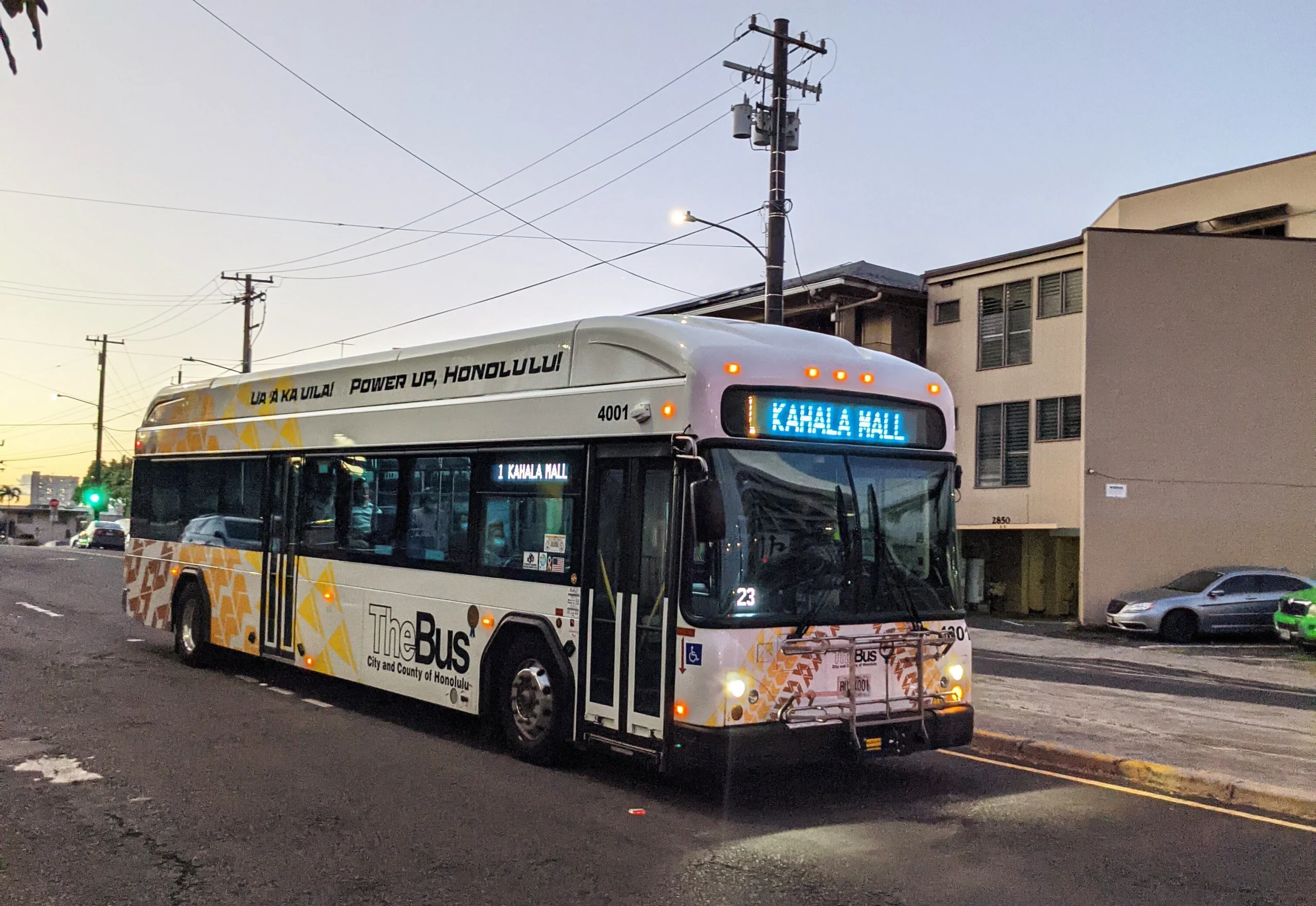
Once you get your bearings on Oahu, TheBus quickly feels like the island’s everyday backbone, shuttling workers, students, and visitors along nearly every main road. Study the official Route maps online before you land so you already know which lines hug Waikiki, reach Pearl Harbor, or climb to windier North Shore towns. Fares stay simple. You’ll pay a flat rate within most Fare zones, with a pricier ride for longer cross-island trips. Load a HOLO card at ABC Stores or 7-Eleven, then tap in and watch the meter stop automatically. Drivers help confirm your stop, so sit up front. For shorter in-town trips or when buses are less convenient, consider hopping on a Biki bike with a flexible Free Spirit pass that lets you tap into a bank of minutes over the course of a year.
TheBus vs Driving: Cost, Time, and Convenience
When you’re weighing TheBus against renting a car, you’ll feel the trade-off between lower fares and the freedom of your own wheels. You’ll want to think about how much time you’re willing to spend in traffic, how easy it’s to find parking near beaches and hikes, and how stressed you get in busy city streets or narrow coastal roads. If you plan to enjoy Oʻahu’s parks, remember that some larger city parks have dedicated staff and detailed info on hours and activities on their individual park websites. Let’s break down what you actually pay, how long trips really take, and when convenience matters more than cost.
Comparing Overall Trip Costs
How much does it really cost to get around Oahu, in money, time, and hassle?
You feel every dollar when you compare TheBus, rental cars, and tours. TheBus wins on pure cash, and it also supports sustainable transport and local etiquette by keeping fewer cars on crowded streets. If you also time your trip for the Honolulu shoulder season, you’ll likely find less congestion on the roads and at major sights, which makes any transportation choice feel easier.
A realistic daily budget might include:
- TheBus fare cap with HOLO card, about $7.50 per day.
- Rental car, $70–$120 per day, plus $5–$40 parking.
- Gas, often $4.50–$5.50 per gallon, higher near Waikiki.
- Occasional Uber or Lyft, $12–$40 each ride.
- Targeted Viator tour, $90–$150, with hotel pickup and tickets handled. Nice bonus.
Travel Time and Flexibility
Although the price gap is huge, the real tradeoff between TheBus and driving plays out in your daily schedule. With TheBus, you work around fixed timetables and peak hour delays, so a cross‑island ride can take ninety minutes. You read, nap, or watch the coastline while someone else drives. In a car, you choose departure times, stop for scenic detours, and link several sights in one loop. A North Shore day can be an hour each way. If you dislike logistics, a Viator circle‑island tour streamlines things with hotel pickup, reserve now pay later, free cancellation, and verified reviews. For an even more flexible version of a guided day out, you can follow an Oahu circle drive route that loops around the island at your own pace.
Parking, Traffic, and Stress
On Oahu, the real headache of driving often isn’t the distance, it’s parking and traffic. Morning and late afternoon rush hours can double your travel time into Waikiki or downtown. You circle for metered parking, feed coins, then still watch the clock. With TheBus, you skip the hunt, though you stand in crowds at popular stops. In quieter neighborhoods like Makiki and Punchbowl, you can often skip a rental car entirely and rely on $3 bus rides downtown instead.
Consider how each option affects your stress:
- Spend 20 minutes circling Ala Moana
- Budget $3 per hour for metered parking
- Miss sunset while trapped in H1 congestion
- Relax on TheBus with AC
- Use hotel shuttle services or small-group tours for easier island days
Oahu Tours Explained: Types, Prices, and Inclusions
Once you start planning your days on Oahu, tours quickly become a useful way to stitch the island together without stressing over parking or timing. You’ll see three main styles: whirlwind circle-island trips, focused cultural tours, and flexible private charters. Group tours often run $130 to $180 per person, including transport and entry fees. Many visitors like the way Oahu circle island tours bundle Waikiki pickup, a full-day loop of key viewpoints, and a narrated overview without the hassle of driving.
| Type | Typical price | Good for |
|---|---|---|
| Circle-island bus | $150 | First-time overview |
| Cultural sites | $140 | History-minded travelers |
| Private charter van | $600+ per group | Custom days |
Check inclusions: pickups, lunch, snorkel gear, or timed Pearl Harbor tickets. Viator tours help compare verified reviews, pickup spots, and cancellation terms.
Best Transport Options for Popular Oahu Itineraries
Think about transport on Oahu as part of your itinerary, not an afterthought, because how you get around can shape your day as much as where you go. Match transport to the feel you want.
- Waikiki beach days: walk, rideshare at night, skip parking.
- Pearl Harbor and downtown: TheBus saves cash, avoid rental hassles.
- North Shore loop: rent a car, leave 8 a.m., chase food trucks.
- Snorkel or hike days: tours align timing, gear, and island rhythms.
- Cultural itineraries around temples, markets, and neighborhoods: ride TheBus, observe local etiquette, chat with residents, and linger thoughtfully between busy photo stops.
For a North Shore loop by car, aim for a simple, realistic day with just a few key stops, like Haleiwa, one beach viewpoint, and a Kahuku lunch at the food trucks.
Sample Transport Plans for Different Travel Styles
Although every trip to Oahu looks different, a few proven transport “templates” can help you lock in smooth days instead of scrambling at bus stops or parking garages. If you’re a beach lounger, base in Waikiki, rely on public transit for Pearl Harbor and downtown, then walk or use bike rentals for sunset runs. Active explorers should rent a car three days for North Shore, hikes, and food trucks, returning it before Waikiki traffic eats your budget. Families often pair one guided circle-island Viator tour with hotel pickup, verified reviews, and free cancellation, then DIY shorter outings by bus. For a laid‑back week that still hits highlights, you can match your transport choices to a relaxed Oahu itinerary that builds in dedicated beach days between longer island outings.
Frequently Asked Questions
Is Uber or Lyft Reliable and Affordable for Getting Around Oahu?
Yes, you’ll usually find Uber and Lyft reliable and affordable on Oahu, mainly in Waikiki. Ride sharing reliability drops in remote spots, so waits increase. Surge pricing impact during events can make rides pricey suddenly.
Can You Bike Safely Between Major Attractions on Oahu?
You can bike between major Oahu attractions, but the belief it’s always safe deserves testing. You’ll enjoy scenic bikepaths in Waikiki and Kailua, yet traffic, shoulders, and helmet laws mean you must plan routes carefully.
Is Hitchhiking Legal or Common for Tourists on Oahu?
Hitchhiking isn’t common or recommended on Oahu; you’ll rarely see tourists do it. Legal status is murky; laws prohibit standing in roadways and soliciting rides. Local culture emphasizes safety, so you’re using buses or rideshares.
How Accessible Is Oahu Transportation for Travelers With Mobility Impairments?
Oahu’s transportation is fairly accessible: you’ll find buses with wheelchair access, ramps, and some accessible tours, but you should confirm vehicle features, book paratransit services early, and expect occasional gaps in sidewalks, parking, and access.
Are There Kid-Friendly Transportation Options Like Car Seats or Stroller Space?
Yes, you’ll find kid-friendly options: about 80% of major providers offer confirmed car seat availability, and buses or shuttles usually reserve front areas for stroller storage, though you should still confirm policies and possible fees.
Conclusion
In the end, you choose how far you want to wander before the light fades. Rent a car and chase sunrises, food trucks, and quiet overlooks, paying in gas, parking, and a bit of patience. Ride TheBus and trade speed for savings and stories. Book a small group tour when you want someone else to hold the map. However you move, pack curiosity, respect, and just enough plans to leave room for grace and surprise too.
