
You’re heading to Waimea Falls, so you’ll want to know how tickets work, how long the trail really takes, and when you can actually swim under the waterfall. Entry isn’t cheap, parking fills fast, and the pool doesn’t stay open all day. Add in life jacket rules, water‑quality checks, and a surprisingly easy paved path, and timing matters more than you’d think. Get those details right, and the valley feels almost private.
Key Takeaways
- Entry tickets are purchased at the Waimea Valley visitor center; prices are modest with discounts for children and sometimes Hawaii residents.
- The paved trail to Waimea Falls is about 1.9 miles round trip, taking roughly 20–30 minutes each way at a relaxed pace.
- Plan at least 2–3 hours total to walk the valley, enjoy the botanical and cultural sites, and swim at the waterfall pool.
- Swimming is only allowed when lifeguards post a green “open” sign and daily water-quality tests pass; conditions after heavy rain may close the pool.
- Life jackets are required and provided free; swimmers must stay inside the roped area, with no cliff jumping, alcohol, or drones permitted.

VIP Waimea Falls and Hiking Tour with Limousine Transport
Explore the breathtaking Waimea Falls on this exclusive VIP Tour, complete with a luxurious limousine ride along the stunning Kamehameha Highway. Expe...

Oahu Personalized Private North Shore Highlight Custom Tour
Explore the Seven Mile Miracle known as O`ahuʻs North Shore. Winter brings big waves and world-class surfing, wh...

PRIVATE TOUR-Ultimate North Shore Experience
Choose between a peaceful walk through Waimea Valley, where you’ll stroll past lush botanical gardens and swim at...

North Shore day,Waterfalls and Turtles Tour
Aloha we started off the day with a history lesson as we drive across the island to the North Shore where our day st...
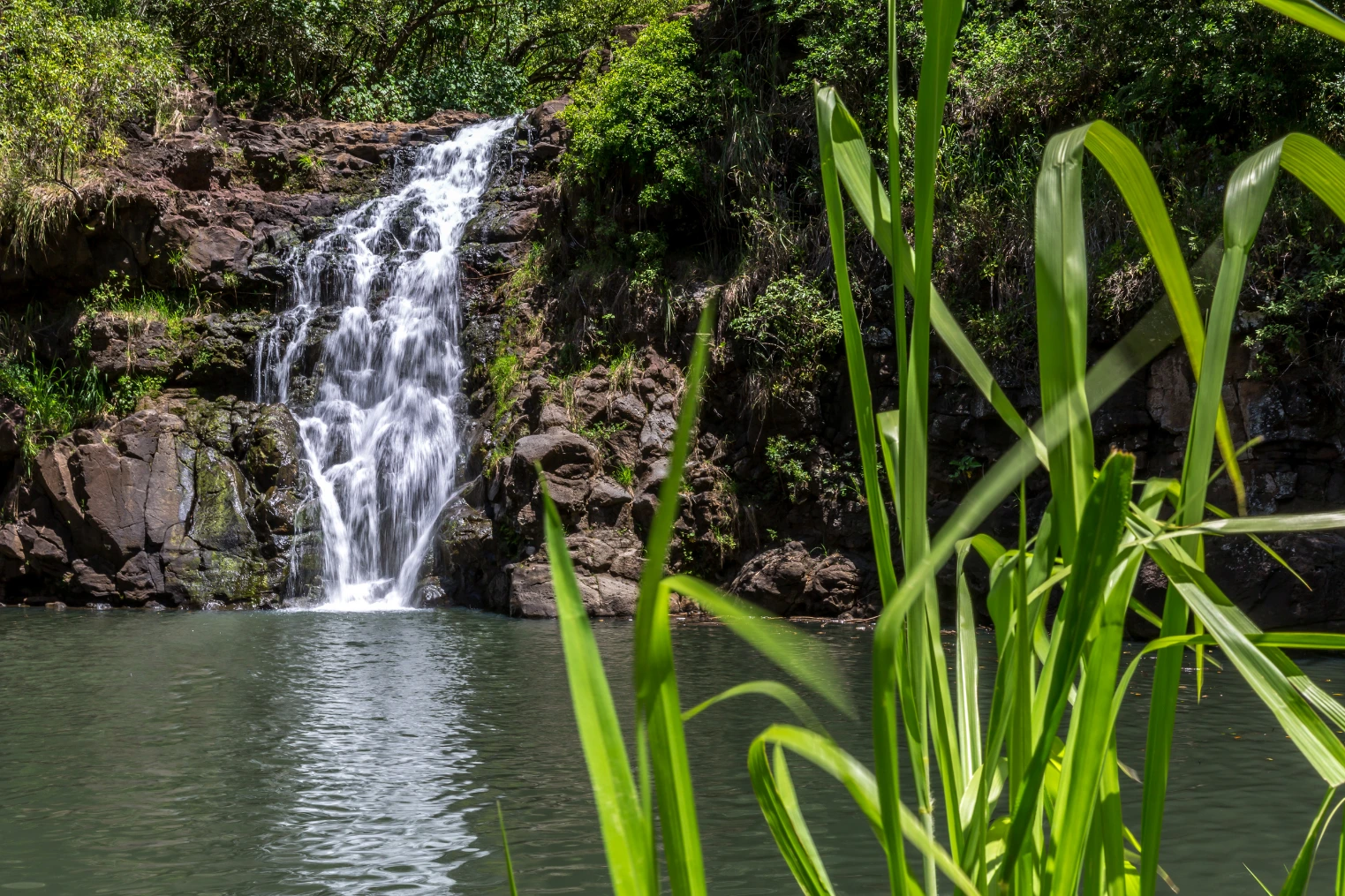
Waimea Falls Basics: Hours, Cost, and Swim Status
Planning a visit to Waimea Falls starts with a few basics: when it’s open, how much it costs, and whether you can actually swim.
Before you go, know the hours, entry cost, and if swimming will be allowed
The valley usually opens midmorning and closes by late afternoon, so you’ll want to arrive with at least three unrushed hours.
Recommended hotels for this trip
Compare well-reviewed stays from our destination hotel guides, then check live availability for your dates.
 Featured stay
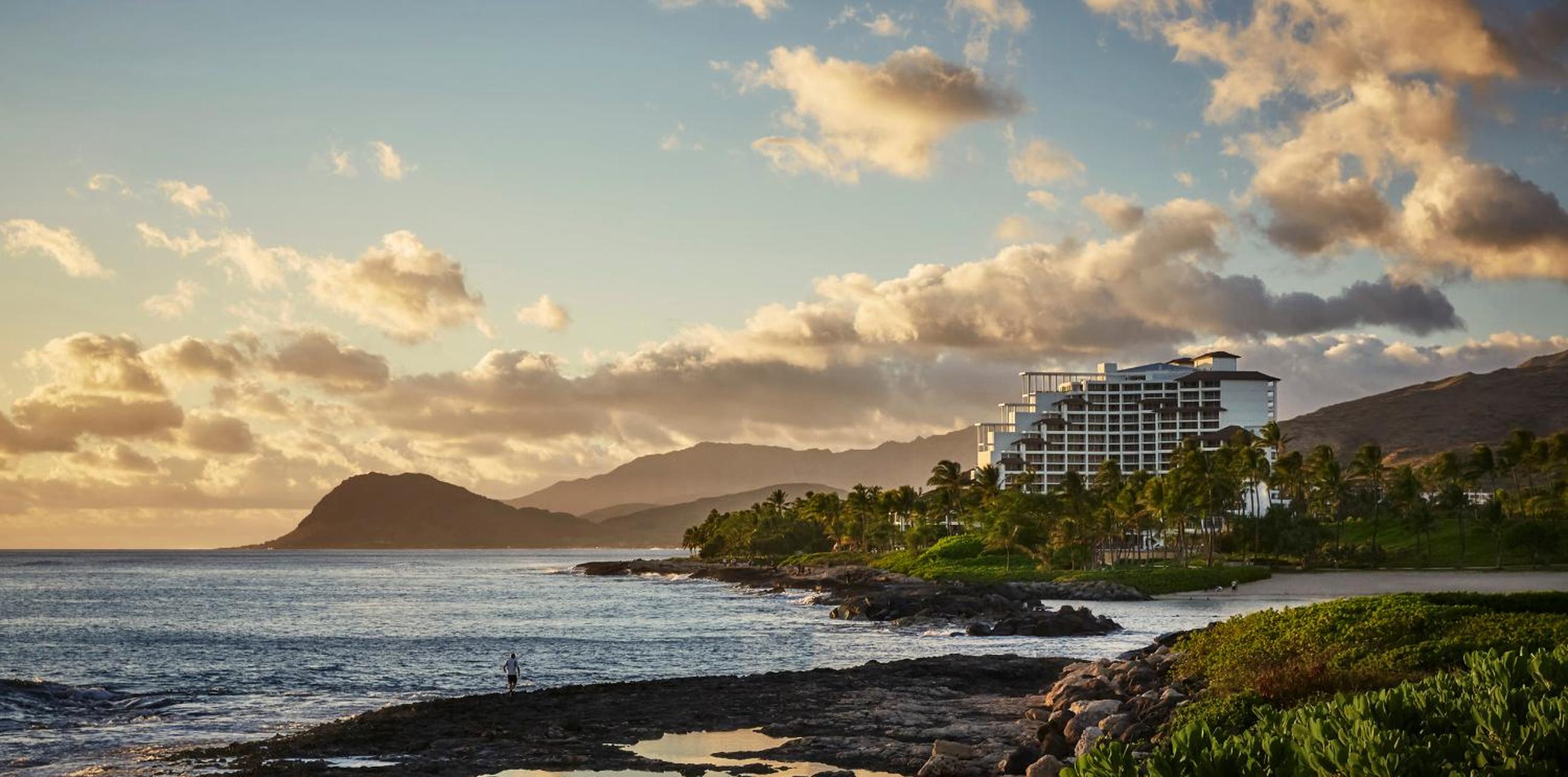
 Four Seasons Resort Oahu at Ko Olina
- Free WiFi
- Non-smoking rooms
- Air conditioning
Luxurious Hawaiian Beach Resort Exquisite Accommodations Indulge in luxury with a 65-inch HDTV, a deep soaking tub, and a walk-in glass shower in every guest room at Four Seasons Resort Oahu at Ko Olina. Enjoy the…
- Garden Room
- Room Only
- Refundable until Sep 2
 Guest favorite
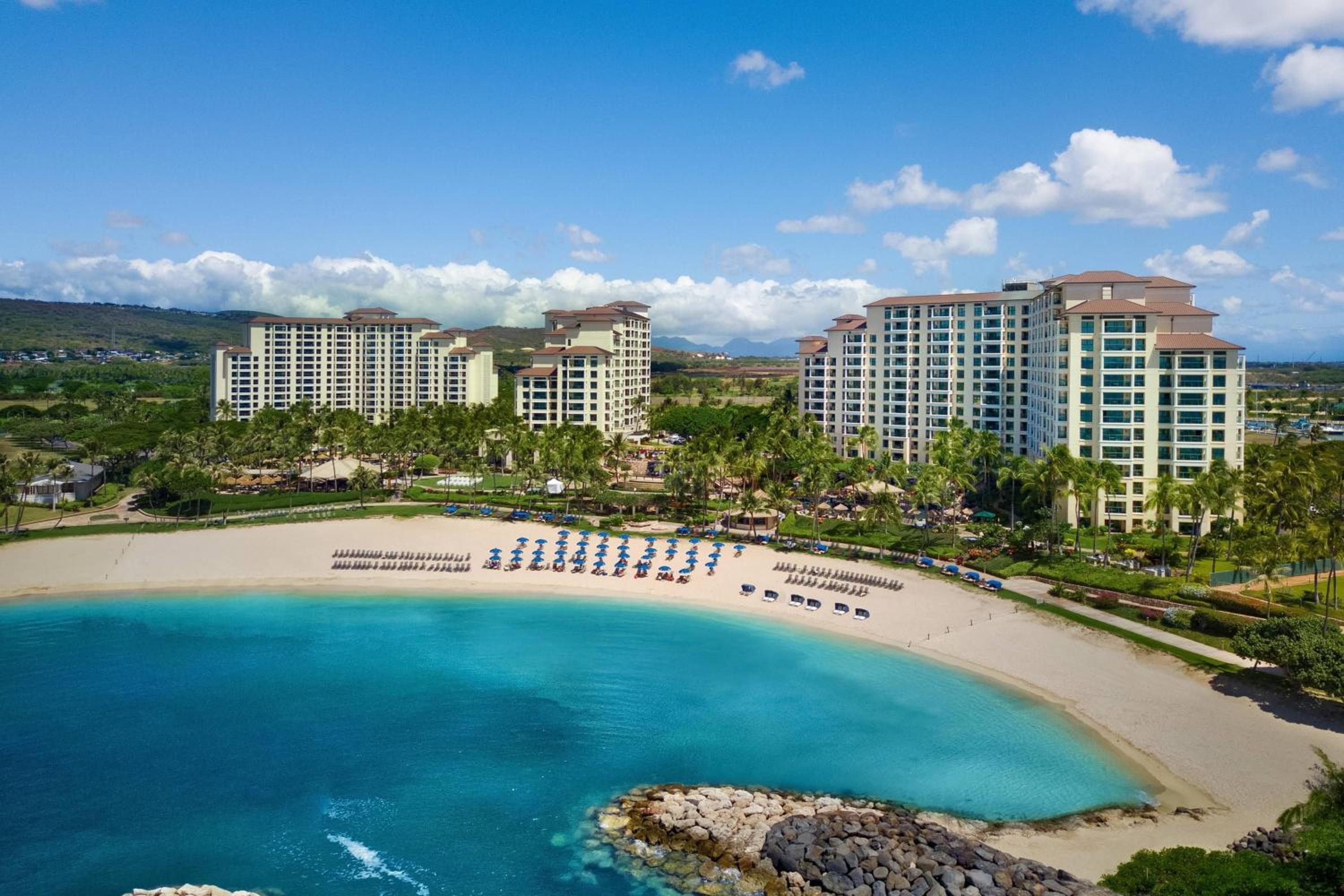
 Marriott's Ko Olina Beach Club
- Free WiFi
- Non-smoking rooms
- Air conditioning
Luxurious Accommodations The Marriott's Ko Olina Beach Club offers spacious rooms with stunning ocean or mountain views, fully equipped kitchens, and modern amenities like a washing machine and dryer. Dining and Entertainment Indulge in American cuisine…
- Room, 1 King Bed with Sofa bed,…
- Room Only
- Non-refundable rate
 Guest favorite
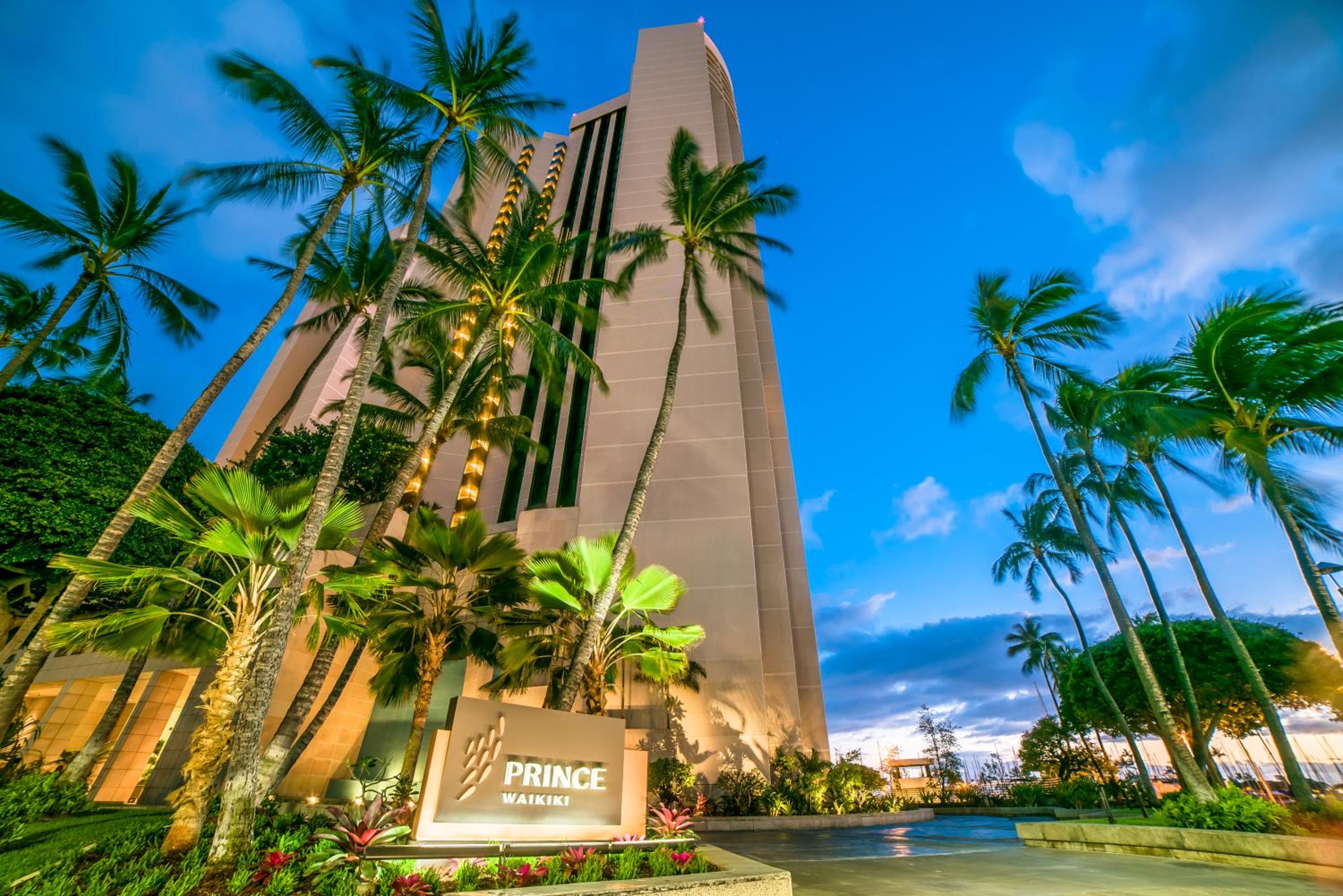
 Prince Waikiki
- Free WiFi
- Non-smoking rooms
- Air conditioning
Well suited to couples seeking ocean views, families who want two-queen rooms or multiroom suites, convention visitors, and travelers who value pools and on-site dining. It may be less appealing if you want to step directly…
- Oceanfront 2 Queens
- Room Only
- Refundable until Sep 13
Expect to pay a modest entry fee at the visitor center, with discounts for kids and sometimes for Hawaii residents.
Swimming depends on daily water quality tests and seasonal restrictions after heavy rain. Lifeguards control access, hand out life vests, and will close the pool if currents look rough or visibility drops.
Beyond the waterfall, Waimea Valley is home to cultural sites and botanical collections that make it worth exploring even if swimming is closed.
You’ll see local wildlife along the paved path, so pack a small camera, water, reef-safe sunscreen, and skip bulky beach gear.
Lockers are limited, so leave valuables.
Best Time to Visit Waimea Falls for Swimming and Fewer Crowds
You’ll enjoy Waimea Falls most if you time your visit for the calmer shoulder seasons, when winter swells ease and summer crowds thin out a bit. Aim for weekday mornings right at opening or late afternoons, when the paths feel quieter and the pool has more space for an unhurried swim. For the best chance at an easy spot, plan to arrive around opening time, since Waimea Falls parking tends to fill first near the entrance and gets busier as the day goes on. In a moment, you’ll see how specific months, days, and even hours can shape everything from water clarity to how long you wait for parking.
Ideal Seasons And Months
Although Waimea Valley is open year‑round, timing your visit makes the difference between a dreamy swim and a crowded slog.
For warm water, fewer showers, and clearer skies, you’ll want the dry season from May to September. Summer has lush greenery and strong sun, so pack reef‑safe sunscreen, a hat, and extra water. Crowds spike in June and July, when island families and tour buses roll in.
If you’d like quieter paths, aim for late April or early May, or September just after Labor Day.
Winter brings heavier rain and stronger currents, yet it also brings humpback migration offshore, plus rich, cool air in the valley. You’ll find lively cultural festivals and peak mango season mid to late summer, when fruit stands line Kamehameha.
Many visitors plan their trip around guided cultural and botanical walking tours that showcase Waimea Valley’s natural beauty and living heritage.
Best Days And Hours
Often the sweetest time at Waimea Falls is a weekday morning, right when the valley opens. Arrive for the first entry slot and you’ll walk a quiet, shaded trail, with cooler air and a much calmer pool. Lifeguards usually open swimming by mid morning, so aim for 9 to 11 a.m. for the best combo of sunshine and space. Afternoons fill with tour groups and families, especially weekends and holidays. If you can’t make weekday mornings, consider sunset weekdays in summer. You’ll lose some swim time, since the pool typically closes around 4 or 4:30 p.m., yet the light softens, and the path empties. For another peaceful valley walk on Oʻahu, you can also explore the Ho’omaluhia Botanical Garden trails, known for easy strolls and scenic viewpoints. Bring reef safe sunscreen, water, and sandals. Skip bulky beach gear. Check hours before you go, as schedules can shift.
North Shore / Waimea, Falls Day & Swim with Turtles
Aloha a private or small group tour is the safest way to visit Oahu . We will start in the historic town of Haliwia...

Oahu: 'Lost' and Movie Sites Hummer Tour
The LOST and Movie tour gives unique insight into the filming locations of LOST, famous Movies and Hawaii Five-0. Th...

Oahu Private First, Last and Transfer Day Tours with Luggage
Make the first or last day of your vacation the best one, without any hassle or wasted time. We all know the feel...
How to Get to Waimea Falls (Parking and Transport)
Figuring out how to reach Waimea Falls sets the tone for your whole visit, so plan this part well. Most visitors drive in from Waikiki or the North Shore, so start early and aim to arrive before 10 a.m. The main lot at Waimea Valley usually charges a modest fee and fills by late morning, especially on weekends and holidays.
Arrive early, before 10 a.m., to beat crowds and secure parking at Waimea Valley.
- Driving and parking: Rent a car if you like flexibility. Bring cash or a card for parking, and skip leaving valuables visible.
- Shuttle options: North Shore shuttles and some Viator tours include hotel pickup, tickets, and free cancellation, which keeps timing simple.
- Alternative arrival: Limited kayak access sometimes runs via Waimea Bay, but check current rules and ocean conditions first online. Like nearby waterfall hikes such as Manoa Falls, starting early helps you avoid crowds and enjoy cooler, more comfortable trail conditions.
Waimea Falls Trail Distance and How Long It Really Takes
How long does the Waimea Falls trail really take, and is it as easy as everyone says?
The paved path is about 1.9 miles round trip, with a gentle uphill on the way in and a quicker walk out. Most visitors take 20 to 30 minutes each way, but you’ll want at least 90 minutes total so you can pause for photos, guided meditation moments under the trees, or casual birdwatching tips with kids. If you’re choosing between Manoa Falls or Waimea Falls, think about how much time you have and whether you prefer a paved botanical walk or a more rugged rainforest trail.
Strollers and most wheelchairs manage fine, though recent rain can slow you.
Arrive by 9 a.m. to avoid tour groups and midday heat.
If you’re short on time, Viator tours with hotel pickup and reserve now pay later can streamline tickets, parking, and timing.
Bring water, light snacks, and patience today.
What the Waimea Falls Trail Is Actually Like
Step onto the Waimea Falls trail and it feels more like a slow walk through a lush outdoor museum than a rugged hike.
The paved path rolls gently uphill, shaded by kukui and towering palms, with a Lush understory of ginger and ti plants brushing your legs.
You move past small signs explaining native plants and Hawaiian history, so the walk doubles as a mini-lesson.
Hidden speakers play soft Birdsong recordings, which sounds cheesy but actually sets a calm pace.
If you’re exploring more of the North Shore or Windward Oahu after your visit, Waimea Falls makes an easy, low-effort contrast to the island’s more rugged coastal drives.
- Expect strollers, families, and tour groups from late morning; aim for opening hours for cooler air and lighter crowds.
- Wear breathable shoes, not heavy boots, and carry water plus light rain gear.
- Skip tripods; the trail is too narrow and busy.
Can You Swim at Waimea Falls? Rules and Safety
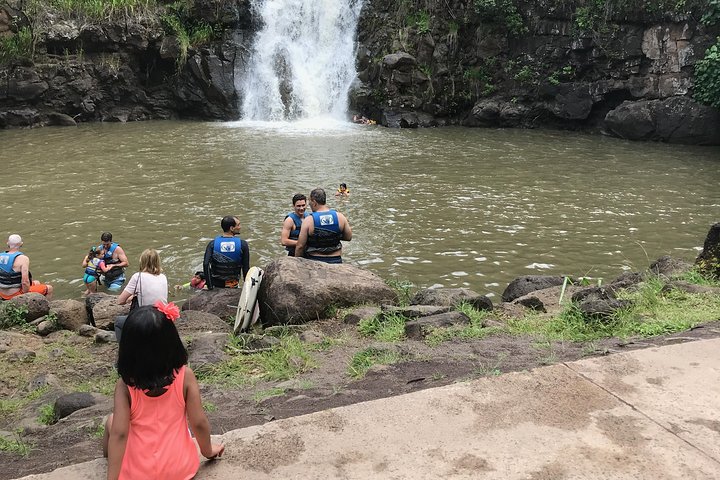
Usually, yes, you can swim at Waimea Falls, but only when lifeguards decide conditions are safe and hang the green “open” sign by the water. They test water quality daily, so heavy rain or murky water often closes the pool. You must wear a life jacket and stay inside the roped area while staff watch from shore. Listen to them, this valley is sacred and cultural protocols matter. Skip cliff jumps, alcohol, and drones. Swimming hours usually match park opening times, with last entry midafternoon. If you’re craving more nature time afterward, consider a mellow drive or walk through the Ho’omaluhia Botanical Garden, known for its scenic roads and family-friendly trails.
| Rule | Why it matters | Quick tip |
|---|---|---|
| Stay in vest | Sudden deep spots | Adjust straps before entering |
| Follow lifeguard calls | Weather shifts fast | Get out when they whistle |
| Respect sacred site | Locals still worship here | Keep voices low, no soap |
Still comparing Waimea Falls / Waimea Valley Oahu?
Ask for tour ideas, hotel suggestions, or a simple trip plan that combines both.
Trip Helper
What to Wear and Pack for Waimea Falls
Before you set out for Waimea Falls, you’ll want clothes that can handle a shaded, sometimes muddy trail, plus swim gear that lets you jump straight into the cool pool if conditions allow. Pack quick-dry layers, sturdy sandals or shoes with grip, and a swimsuit you can easily wear under your outfit. In your daypack, squeeze in reef-safe sunscreen, a light towel, water, a snack, and skip bulky gear you’ll just end up carrying all day. Since shaded valley trails often mean year-round mosquitoes, it’s smart to pack repellent and consider long socks to protect your ankles from bites.
Trail-Ready Clothing Essentials
Although the paved path to Waimea Falls feels more like a garden stroll than a hardcore hike, you’ll still want trail-ready clothing that can handle heat, sudden showers, and slippery sections. Start with breathable baselayers that dry fast. Skip cotton, which stays soggy and clammy. Lightweight hiking shorts or trail leggings work well, plus a sun-smart hat and UV sunglasses. If you plan to continue to the bay afterward, pack swimwear so you’re ready for either calm swims or big-wave spectating, depending on conditions.
- Wear sturdy walking shoes with good tread and consider waterproof socks if rain is in the forecast or you tend to splash through puddles.
- Pack a light rain jacket, even if the sky looks clear in the parking lot.
- Bring a small daypack for water, a snack bar, tissues, and a phone in a simple dry pouch to keep it safe.
Swim Gear and Safety
Chances are you’re not hiking all the way to Waimea Falls just to look at the water, so plan your swim gear with the same care as your trail outfit. The pool feels brisk and fresh, so wear a secure swimsuit, not a flimsy bandeau. Bring reef shoes, since the rocks underfoot are slick and uneven. Lifeguards require life vests, provided free, and they may close the pool after heavy rain. If you’re pairing your waterfall visit with a north shore beach stop, remember that winter brings extremely dangerous currents and waves in the Waimea Bay and Pūpūkea area.
| Item | Why you need it | Quick tip |
|---|---|---|
| Swimsuit | Stays put while you tread water | Skip light colors |
| Reef shoes | Protect feet on sharp lava | Rinse after |
| Waterproof phonecase | For quick photos near spray | Test the seal |
Keep jewelry minimal and skip floaties. Towels rent onsite, yet a small travel towel dries you faster.
Daypack Must-Have Items
Pack a small daypack like you’re prepping for a mellow jungle mission, not a five-minute stroll from the car. Waimea’s path feels easy, yet humidity, sudden showers, and slippery stone catch unprepared visitors fast. Since Waimea is close to Haleiwa town, it’s easy to pair your waterfall visit with local food stops and nearby beach time afterward.
VIP Waimea Falls and Hiking Tour with Limousine Transport
Explore the breathtaking Waimea Falls on this exclusive VIP Tour, complete with a luxurious limousine ride along the...

Private Tour Oahu including Waimea Waterfall/Botanical Garden
Our private North Shore tour centers around Waimea Valley and Waterfall. Enjoy a 1.6-mile paved walk through a tropi...
- Wear quick-dry clothes and grippy sandals or trail shoes. Toss in a light rain jacket, compact towel, and solid sun protection with reef safe sunscreen for the pool.
- Bring a hydration pack or sturdy water bottle. Plan on at least one liter per person for the round-trip walk and waterfall time.
- Add light snacks so you’re not stuck paying resort prices later. Nuts, granola bars, and fruit travel well.
Skip big cameras, heavy books, and full beach chairs. The trail is short, space limited. You’ll appreciate traveling light walking out.
Waimea Valley Highlights and Easy North Shore Stops
Once you step through the entrance at Waimea Valley, the scene slows down, and the rest of the North Shore feels just a short, easy hop away.
Start with the botanical gardens, where breadfruit, hibiscus, and historic taro patches line a flat, stroller friendly path to the waterfall.
Pause at cultural sites to watch local artisans carving wood or weaving lauhala.
Give yourself 2 to 3 hours, longer if you want a swim.
When you exit, you’re minutes from food trucks at Haleiwa, shaved ice at Matsumoto, and the surf viewpoints at Waimea Bay and Pipeline. For a full day of history, scenery, and movie locations after Waimea, you can head down the coast to Kualoa Ranch for tours through Jurassic Valley and ancient fishponds.
Traffic thickens by midafternoon, so go earlier.
If you hate parking stress, book a Waimea Valley visit on Viator with hotel pickup, reviews, free cancellation, and reserve later.
Frequently Asked Questions
Is Waimea Falls Accessible for Visitors Using Wheelchairs or With Limited Mobility?
Yes, you’ll find good wheelchair access at Waimea Falls, with mostly paved trail surfaces, restroom availability, and a paid shuttle service option if you can’t or don’t want to complete the walk at your pace.
Are There Food Vendors, Drinking Water, or Picnic Areas Available Inside Waimea Valley?
Yes, you’ll find food kiosks near the entrance, water fountains along the main path, and picnic shelters. You can also bring packed lunches, but you should pack out all trash to protect the valley there.
Can I Bring Pets or Are Only Service Animals Allowed at Waimea Falls?
You can’t bring pets to Waimea Falls; their pet policy only allows trained service animals that assist with disabilities. You must keep service animals leashed, under control, and clean up any waste during your visit.
Are Guided Cultural, Historical, or Botanical Tours Offered in Waimea Valley?
Yes you can join guided cultural, historical, and botanical tours in Waimea Valley; you’ll explore temples, native plants, and waterfalls through cultural workshops, botanical interpretation walks, demonstrations led by experts and available for a fee.
Is Drone Flying or Professional Photography Permitted at Waimea Falls and Waimea Valley?
Drone flying isn’t allowed at Waimea Falls or in Waimea Valley due to strict drone restrictions. You can take casual photos, but professional or commercial shoots require advance approval and media permits from valley management.
Conclusion
People say Waimea Falls is just a crowded, overmanaged waterfall, but you’ll test that theory yourself. Walk the smooth 1.9-mile path, feel the valley’s cool shade, listen to the guides’ chants. You’ll time your swim for lifeguard hours, pull on the free life jacket, and leave the selfie sticks on shore. Bring reef-safe sunscreen, water, and patience. Skip rushing. As you float beneath the falls, you’ll know it was worth the ticket after all today.
VIP Waimea Falls and Hiking Tour with Limousine Transport
Explore the breathtaking Waimea Falls on this exclusive VIP Tour, complete with a luxurious limousine ride along the stunning Kamehameha Highway. Expe...
Private Tour Oahu including Waimea Waterfall/Botanical Garden
Our private North Shore tour centers around Waimea Valley and Waterfall. Enjoy a 1.6-mile paved walk through a tropi...
Oahu Personalized Private North Shore Highlight Custom Tour
Explore the Seven Mile Miracle known as O`ahuʻs North Shore. Winter brings big waves and world-class surfing, wh...
North Shore day,Waterfalls and Turtles Tour
Aloha we started off the day with a history lesson as we drive across the island to the North Shore where our day st...


