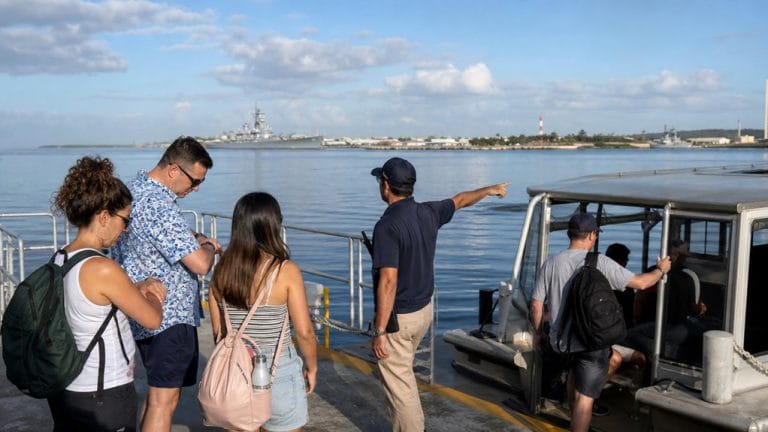
If you’re choosing between an Oahu circle island tour with snorkeling and one that stays dry, your day changes more than you might expect. One option gives you salt on your skin, fins on your feet, and maybe a sea turtle gliding past in a quiet bay. The other trades masks for lookout stops, snack stands, and an easier pace. The best pick depends on how you want the island to feel by sunset.
Key Takeaways
- Book snorkeling if you want reef fish, possible turtle sightings, and don’t mind fewer land stops plus wet-gear logistics.
- Choose sightseeing-only if you prefer temples, lookouts, beaches, and food stops without swimming or carrying snorkel gear.
- Snorkeling tours usually last 9–10 hours, while sightseeing tours are slightly shorter and move faster between brief scenic stops.
- For young kids, nervous swimmers, or many seniors, sightseeing-only is usually easier, more comfortable, and less tiring.
- If conditions are calm and you value underwater scenery, snorkeling wins; in rough water or winter surf, sightseeing is often the better choice.
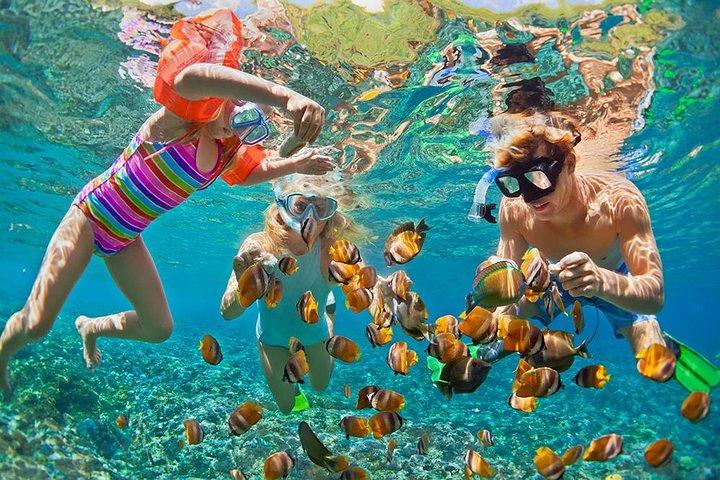
Oahu Circle Island Snorkeling Tour: Dole, Pali Lookout & More
Looking for the BEST VALUE & MOST COMPLETE Circle Island Snorkeling Tour? Join us for the ultimate full-day, action-packed adventure that will guide y...

Oahu: Grand Tour Around Island with Snorkeling
Come join on a circle island adventure led by some of Hawaii’s most knowledgeable local guides and experience brea...

Hanauma Bay Snorkeling from Waikiki
Experience Hanauma Bay the easiest way with Waikiki’s most reliable Hanauma Bay shuttle. Our early 5:40 AM pickup...

Oahu: Dole Plantation & Haleiwa Town OR Grand Circle Island Tour
Choose from two exciting ways to experience Oahu's top attractions, scenic beauty, and local culture.Option 1: Dol...
Which Oahu Circle Island Tour Fits You?
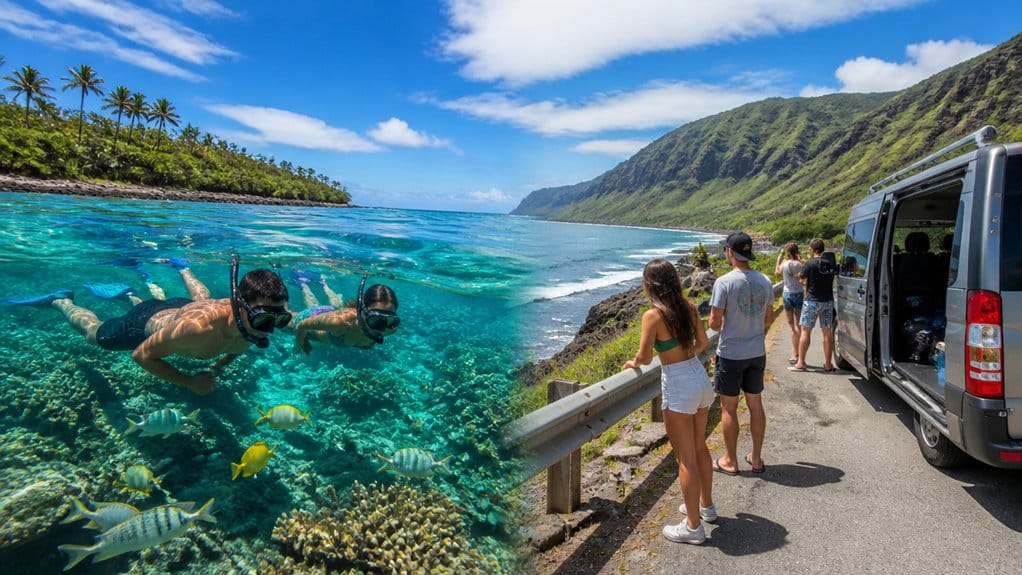
Which Oahu circle island tour fits you best? If you want on-water time, choose a circle tour that can include snorkeling. Many run about nine hours and stop at Haleiwa for roughly an hour in the water. You’ll get gear, but you should bring a towel, dry clothes, and cash for that classic garlic shrimp lunch. Some Circle Island tours also pair stops like Dole Plantation and Haleiwa with a full-island route for travelers who want both icons and scenery in one day.
If you’d rather stay dry, book a sightseeing-only loop. You’ll spend the day hopping between lookouts, temples, beaches, and food stops instead of changing in a parking lot. Many full-day options also include pickup and timing details in advance, which makes planning easier. Families with small kids and non-swimmers usually find that easier. Many travelers choose an Oahu Deluxe tour for its broad mix of scenic stops around the island. If your crew loves action, salt on your skin, and spotting fish, the snorkeling combo delivers. Want full control? A private tour lets you shape the day, though it costs more and runs longer.
Key Differences at a Glance
You’ll notice the biggest split right away in the itinerary: snorkeling tours carve out about an hour for the water, often around Haleiwa, while sightseeing tours keep you moving through lookouts, temples, and farm stops. Some circle island snorkeling itineraries also pair the swim stop with classic land highlights like Dole Plantation and Pali Lookout. Many of the most convenient options also include Waikiki hotel pickup, which can make either style of North Shore day trip easier to plan. You’ll also feel it in the pace, price, and planning, because a snorkel day usually costs more and asks you to pack a towel, change of clothes, and a little patience for safety talk and soggy sandals. If you want turtles and reef fish, the extra logistics may feel worth it, but if you’d rather stretch out at more stops and keep the day easy, sightseeing often fits better. On some Oahu small-group options, turtle snorkeling is a featured part of the circle island experience rather than just an add-on.
Recommended hotels for this trip
Compare well-reviewed stays from our destination hotel guides, then check live availability for your dates.
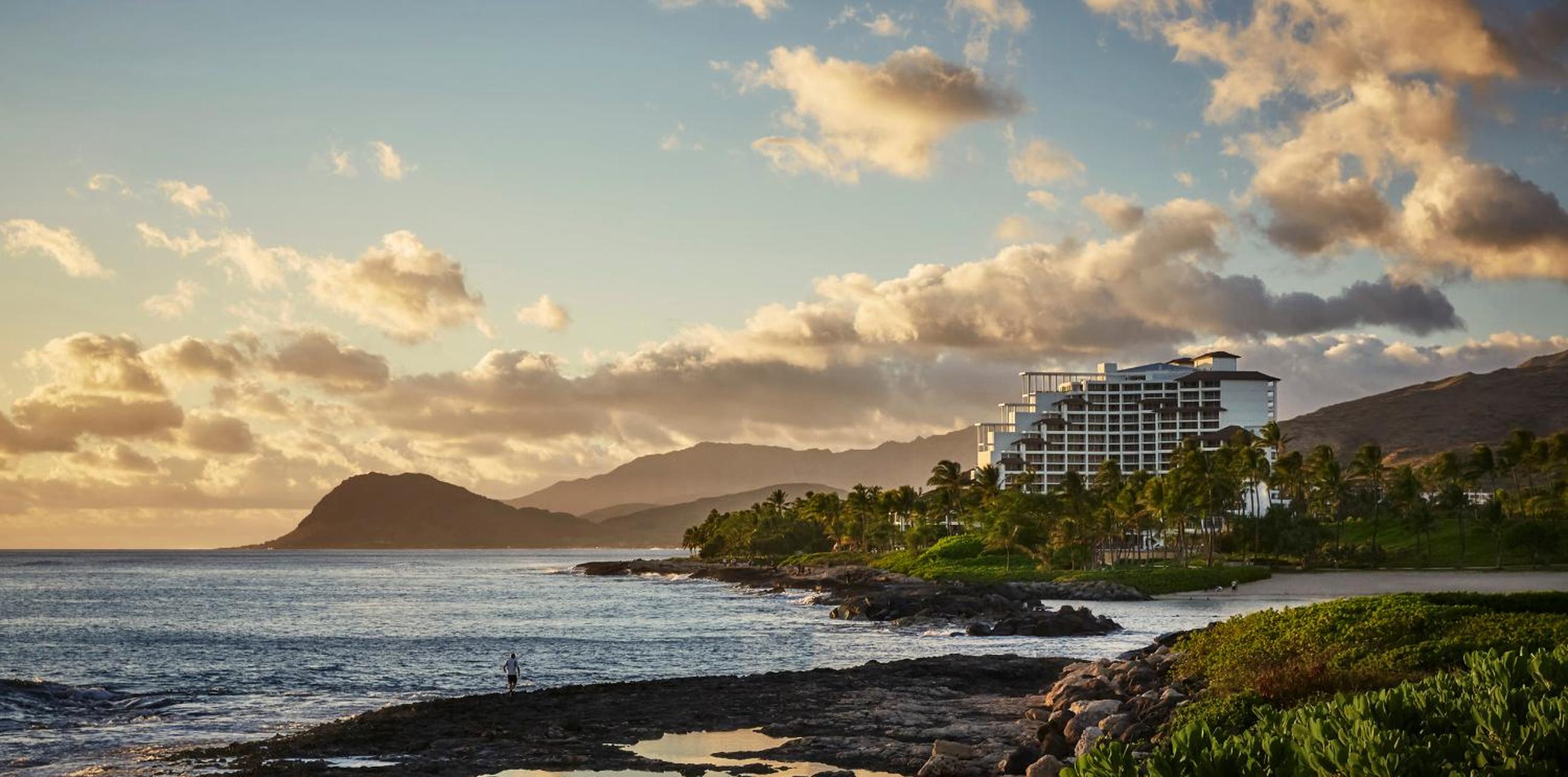 Featured stay
 Four Seasons Resort Oahu at Ko Olina
- Free WiFi
- Non-smoking rooms
- Air conditioning
Luxurious Hawaiian Beach Resort Exquisite Accommodations Indulge in luxury with a 65-inch HDTV, a deep soaking tub, and a walk-in glass shower in every guest room at Four Seasons Resort Oahu at Ko Olina. Enjoy the…
- Room, Garden View(1 King Bed)
- Room Only
- Non-refundable rate
 Guest favorite
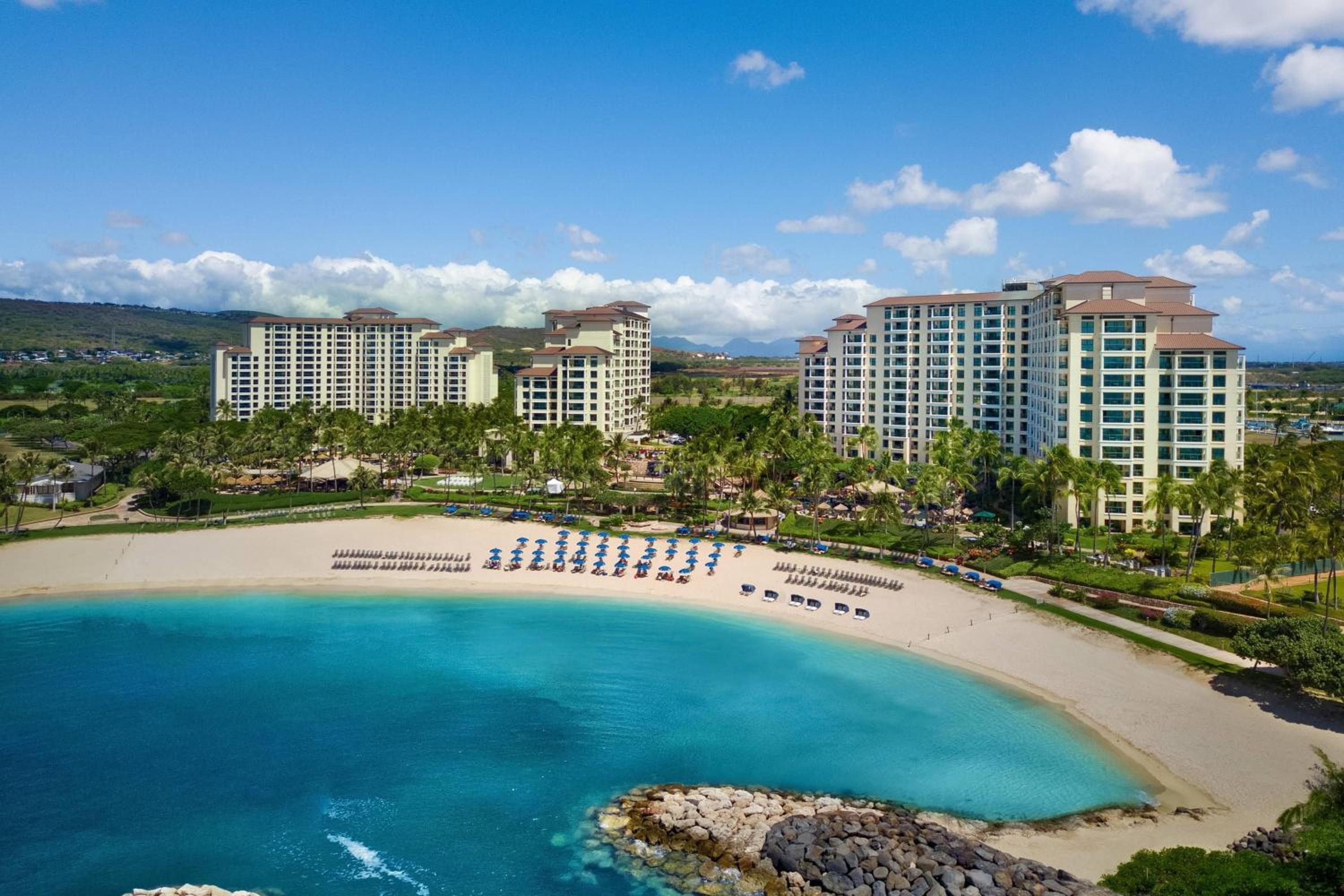
 Marriott's Ko Olina Beach Club
- Free WiFi
- Non-smoking rooms
- Air conditioning
Luxurious Accommodations The Marriott's Ko Olina Beach Club offers spacious rooms with stunning ocean or mountain views, fully equipped kitchens, and modern amenities like a washing machine and dryer. Dining and Entertainment Indulge in American cuisine…
- Room, 1 King Bed with Sofa bed,…
- Room Only
- Non-refundable rate
 Guest favorite
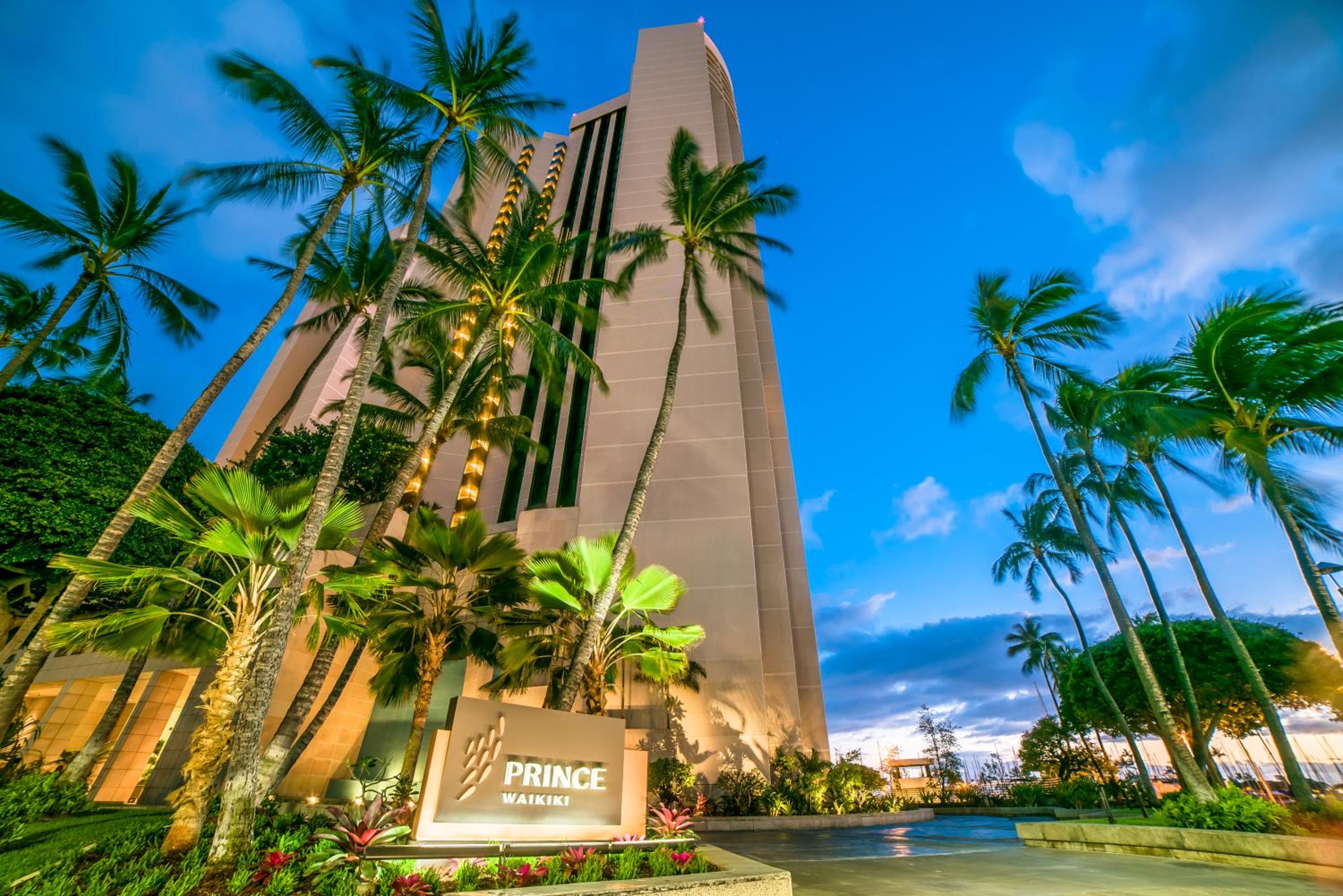
 Prince Waikiki
- Free WiFi
- Non-smoking rooms
- Air conditioning
Well suited to couples seeking ocean views, families who want two-queen rooms or multiroom suites, convention visitors, and travelers who value pools and on-site dining. It may be less appealing if you want to step directly…
- Oceanfront 2 Queens
- Room Only
- Refundable until Sep 12
Itinerary And Stops
Although both options fill most of your day, their rhythm feels very different once you look at the stops. On Oahu circle island tours, a sightseeing route stacks classic viewpoints and cultural sites, while a snorkel combo swaps some inland variety for beach access and water time. For private groups, Waikiki pickup and flexible stop timing can add value when you want the day tailored to your pace. For first-time visitors, this difference often comes down to whether you want a broader introduction to Oahu or more time in the water.
| Feature | Sightseeing only | Snorkeling combo |
|---|---|---|
| Typical stops | Diamond Head, Pali, Byodo-In | Fewer land stops, plus beach |
| North Shore | Town browsing | Snorkel stop, often Haleiwa |
| Extras | Commentary, transport | Towel, change, reef-safe sunscreen |
| Optional costs | Usually minimal | Gear or lunch cash |
| Day shape | More photo and culture stops | Beach break replaces some sites |
You’ll still get Waikiki pickup and a full-day loop, but the sightseeing version usually fits more temples, farms, and scenic pullouts. Most tours also keep stops fairly brief, so a full-day loop works best when you expect short walks and photo-focused timing rather than long beach hangs.

Wai Kai Adventure Park Packages
Three ways to play! Full day and half day packages available.ULTIMATE PACKAGE: • Surf Session • AquaVenture...

Polynesian Cultural Center: Gateway Buffet Package
Located on O‘ahu’s North Shore, the Polynesian Cultural Center is a one-of-a-kind attraction showcasing the peop...

Waikiki 2-Hour Sunset Sailing Catamaran – Swim & Sail Adventure
There’s no better place to take a dip than the crystal-clear waters of Waikiki—and no better way to experience a...
Time, Pace, And Energy
Planning the pace matters almost as much as choosing the route. If you book snorkeling-inclusive circle tours, expect a longer day, usually 9 to 10 hours instead of about 8 to 9. That extra hour often goes to beach time, safety talks, gear fitting, rinsing off, and changing. This is similar to how full-day tours generally suit travelers with more flexible schedules.
Sightseeing-only tours move faster. You’ll hop through many short stops, often 10 to 20 minutes each, and cover 20 or more attractions. The day feels broader, but also more rushed, like flipping through a beautiful photo album at speed. Many travelers prefer pickup made easy because smoother logistics can help a full-day circle island schedule feel less stressful. Some full-day routes also build in brief breaks for local foods, which can make the fast pace feel more enjoyable.
Snorkeling slows the rhythm in a good way, but it can drain energy. Kids and older adults may need downtime after swimming and dealing with wet clothes. If your evening is packed, choose sightseeing. If not, chase fish and sea turtles.
Cost, Gear, And Logistics
If budget and bag space matter, the gap between these two tour styles shows up fast. Snorkel-inclusive tours usually cost more, with similar full-day private options sometimes landing around $490 versus about $420 for sightseeing only. You also trade a simple daypack for beach extras and a longer stop. Many travelers prefer hotel pickup because it makes no-car ocean trips around Oahu much easier.
- Snorkel-inclusive tours often include masks, snorkels, and sometimes fins or vests.
- You’ll still want a towel, reef-safe sunscreen, dry clothes, and maybe cash for lockers or lunch.
- Sightseeing-only tours keep it easier: comfy shoes, light layers, and your camera.
Logistics shift too. A snorkeling stop can add 45 to 60 minutes in the water, plus beach time. These tours can also face weather-related changes, stricter 24 to 48 hour cancellation windows, and occasional credit card holds. Travelers who want more flexibility sometimes consider self-guided routes around the island instead of fixed tour schedules. If you’re also comparing marine activities elsewhere on Oahu, Waikiki departure options can affect timing and transportation planning.
Which Tour Has Better Stops?

If you want the widest mix of stops, sightseeing tours usually give you more variety, from windy lookouts and temple grounds to coffee, macadamia, and even Dole. Some North Shore packages also pair those scenic stops with bigger island highlights like Pearl Harbor for travelers who want a fuller Oahu overview. Snorkeling tours trade some of that range for an hour in the water at Haleiwa or another calm North Shore beach, so you’ll want a towel, a change of clothes, and a soft spot for sandy seats on the ride back. If you’re skipping a rental car, pickup-friendly tours can make a North Shore day much easier to manage. The real question is what sounds better to you: more reef and turtle time, or more chances to hop out for photos and culture.
Scenic Stop Variety
While both tours circle Oahu’s greatest hits, the better stops depend on what you want to remember at the end of the day. On a tour around Oahu, sightseeing-only routes usually give you more land variety. You’ll fit in more lookouts, temples, farms, and snack stops without hauling a towel or change of clothes.
- Sightseeing tours often stack classic stops like Nuuanu Pali, Byodo-In Temple, Dole Plantation, Waimea Valley, Halona Blowhole, and Diamond Head.
- Snorkeling tours usually center marine-focused places like Haleiwa, Turtle Beach, or Puena Point, so you’ll see fewer inland sites.
- Small-group sightseeing trips can reach 21 or more named stops, with flexible photo breaks and time for shrimp trucks or pineapple stands.
Small-group options are also great for less crowded stops, especially if you want a calmer circle island day on Oahu. If you prefer a smoother pace with easier parking and lighter crowds, a morning tour often makes scenic stops feel more relaxed.
If scenic range matters most, choose sightseeing-only. If reef views matter, accept fewer roadside wow moments.
Still comparing Oahu Circle Island Tour Snorkeling Vs Sightseeing?
Ask for tour ideas, hotel suggestions, or a simple trip plan that combines both.
Trip Helper
Snorkel Time Tradeoff
The biggest tradeoff comes down to the clock. When you choose snorkeling, you usually get about 60 minutes in the water, plus transit, gear fitting, and a towel-and-change break. That’s time you won’t spend at extra North Shore lookouts or wandering Haleiwa. Morning water activities also tend to have calmer conditions before trade winds pick up later in the day. Much like choosing between a morning snorkel and a later departure, earlier water time often brings smoother conditions and better visibility.
Sightseeing-only tours use those saved minutes well. In an 8 to 9 hour day, you’re more likely to stop at Diamond Head, Halona Blowhole, Nuuanu Pali, Byodo-In Temple, and Dole Plantation without rushing. Snorkel tours often focus on a calm spot like Haleiwa or Puena Beach, where you might spot turtles and reef fish instead of another photo pullout. If your priority is water time, a dedicated Kaneohe Bay Sandbar outing can offer a more snorkeling-centered experience than a circle island itinerary.
Which Tour Has Better Scenery?
Usually, scenery is a near tie on an Oahu circle island tour because both snorkeling and sightseeing routes hit the big visual stars: Diamond Head, Halona Blowhole, Nuuanu Pali, and the North Shore’s long sweep of sand and surf. You’ll get the same headline views on either tour, from cliff edges to cobalt bays and pounding surf. Some sightseeing itineraries also include Waimea Valley waterfall as a lush inland contrast to the coastal overlooks.
- Snorkeling tours add reef colors, fish flashes, and maybe sea turtles at Haleiwa or Turtle Beach.
- Sightseeing-only tours often fit in Byodo-In Temple, macadamia farms, Dole Plantation, or Waimea Valley.
- Private or small-group tours can linger longer at lookouts for cleaner photos and fewer elbows.
Season also matters, since winter surf can make shore views more dramatic while reducing the appeal of ocean-entry stops. Hidden-gem routes can also boost the appeal of sightseeing tours by adding temple stops, waterfalls, and more small-group local charm. If the water turns rough or murky, the snorkeling scenery loses some magic. On steady-weather days, though, underwater views give the snorkeling tour a slight edge overall.
How Much Snorkeling Time Do You Get?
Often, you’ll get about 45 to 60 minutes actually in the water on a circle island tour that includes snorkeling, even though the full day runs 8 or 9 hours. That’s the usual window on large shared tours, where one beach stop does the job and the bus keeps moving. Some full-day experiences also bundle meals into the itinerary, which can affect how long each stop lasts overall. On a Circle Island Tour, snorkeling is typically only one stop within a full-day shore excursion around Oahu.
You should also count the setup around snorkeling. Basic gear like a mask and snorkel is usually included, sometimes fins too. But gearing up, walking to shore, rinsing off, and changing can add 15 to 30 minutes that don’t count as swim time. On an Oahu Grand Tour, snorkeling is usually just one part of a full-day itinerary with multiple island stops and pickup included. If snorkeling is optional, your in-water time may shift with group interest and ocean conditions. Small-group or private tours sometimes stretch snorkeling to 90 minutes total, but visibility, tides, and wildlife sightings can always rewrite the plan.

Oahu Beachfront ATV Adventure and Farm Tour
Aloha, welina mai, ‘ano ‘ai. Greetings, and welcome, from Hawai’i! Located on the famous North Shore beachfron...

Honolulu: Pacific Star Sunset Dinner Cruise and Show
Indulge in the original Pacific Rim cuisine, where each dish serves as a gateway to the rich flavors of the region...

Waikiki: 2 hours - Friday Night Fireworks Catamaran Cruise
Enjoy the spectacular FRIDAY NIGHT FIREWORKS show along the beautiful coastline of Waikiki while we get up close and...
Which Tour Feels More Relaxed?
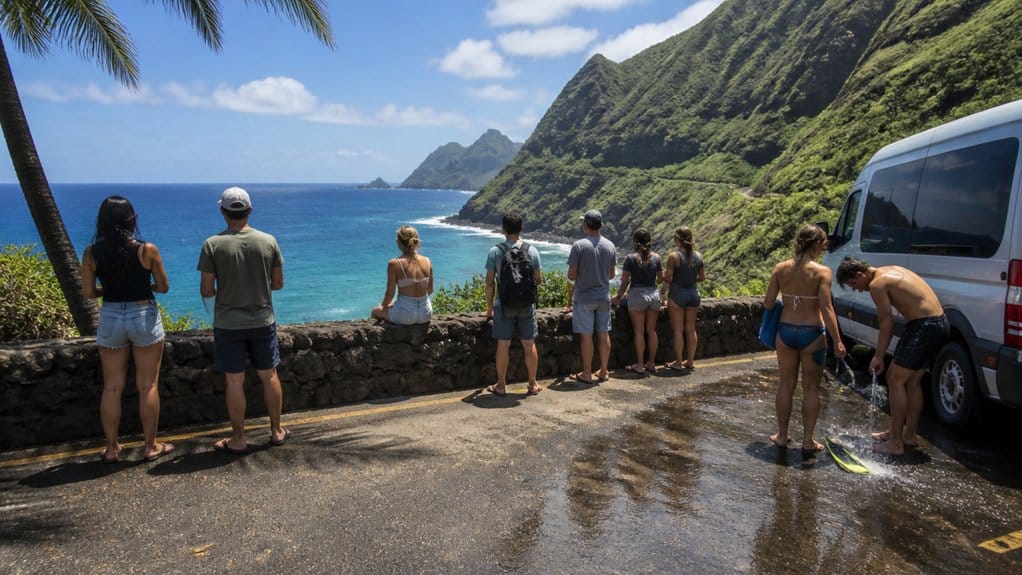
Generally, a sightseeing-only circle island tour feels more relaxed because you stay in travel mode instead of switching into beach mode halfway through the day. You keep rolling from lookout to temple to shoreline without the towel shuffle, wet sandals, and gear checks. That usually means longer, easier stops at places like Nuuanu Pali and Byodo-In Temple. For cruise visitors, port timing can also make sightseeing-only tours feel easier because you spend less time managing gear and more time staying on schedule around the island.
- You spend more time lingering for photos and less time changing clothes.
- You avoid a 45 to 90 minute water stop that can compress the rest of the route.
- You get a steadier rhythm, especially on an ultimate circle island tour focused on scenic pauses.
If you still want snorkeling, a small-group combo can soften the rush. Large coach snorkel tours, though, often feel busier and a bit more tightly timed overall.
Is the Snorkeling Tour Worth More?
It comes down to what kind of memory you want to take home. A snorkeling-inclusive circle tour costs much more, often around $420 to $490, but you’re paying for more than bus windows and photo stops. You get a guided 45 to 60 minute reef swim at calmer spots like Haleiwa or Poena Beach, with real chances to spot turtles and bright reef fish flickering below you. Oahu is especially known for sunset cruises and snorkel boat trips, which makes a swim-focused upgrade feel more in step with the island’s best on-water experiences.
That extra hour adds gear, towels, wet clothes, and a little planning. Sea conditions can also force operators to swap snorkeling for more sightseeing, so check weather and refund policies before you book. Morning departures often bring calmer conditions, which can make the reef portion more comfortable for first-time snorkelers. Tours like the Kaneohe Sandbar afternoon option also show how best timing can shape the experience, with calmer conditions often making snorkeling more enjoyable. If you want a hands-on Hawaii moment, the upgrade can feel worth it. If you’d rather cover more landmarks for $84 to $105, stick with sightseeing-only instead.
Which Tour Works Best for Kids?
If your kids are about 6 or older, can swim, and won’t mind choppy open water, a snorkeling stop can feel like the day’s big splash. Some families do better with tours that include Waikiki pickup and lunch, since that cuts down on extra planning during a long day. If they’re younger, tire easily, or need more snack and bathroom breaks, you’ll probably find a sightseeing-only tour easier since it skips wet gear and keeps the rhythm gentler. Tours that handle Hanauma Bay entry and snorkeling gear can also make the day smoother for families who do want to get in the water. You should also think about timing, because adding snorkeling can stretch the outing to 8 to 10 hours, and even cheerful little travelers can turn soggy and sleepy by sunset. Families who want a soft introduction to ocean activities might prefer a tour inspired by a Kailua Bay kayak outing, which pairs gentle adventure with beginner-friendly pacing.
Age And Swim Ability
Because age and swim confidence shape the whole day, the best tour for kids often comes down to how happily they handle 30 to 60 minutes in the water at each snorkel stop. With snorkeling-inclusive circle tours, that matters a lot. If your child is under about six, nervous in deep water, or can’t tread water yet, sightseeing-only trips usually feel easier and more fun.
- Ask if snorkeling is optional, and whether life vests and kid-sized gear are included.
- Check age or height rules first, since some operators set cutoffs around 4 to 6 years.
- Look for calm, shallow sites like Haleiwa, plus safety briefings and solid guide support.
If your kids prefer dry shoes, quick lookouts, and stroller-friendly stops, a sightseeing tour keeps the day smooth and tears scarce.
Energy Level And Timing
While both tours can fill a day with big views and snack stops, your child’s energy level often decides which one feels fun by noon and which one turns into a back-seat slump. A snorkeling tour is usually a full day, often 9 to 10 hours, with extra bus time plus a water stop that asks more of kids.
You’ll pack swimsuits, towels, and dry clothes, then spend 30 to 60 minutes in the water. That can feel thrilling, but it can also leave young kids salty, sleepy, and done. Sightseeing-only tours usually run 8 to 9 hours and break up the ride with more lookouts, food stops, and room to wiggle. They often return earlier too, which helps if bedtime matters or you’ve got a flight tomorrow.
Which Tour Is Better for Seniors?
Choose the tour that matches your energy, and most seniors will find a sightseeing-only Oahu circle-island day easier and more enjoyable. You’ll skip extra changing, swimming, and long water breaks, while still seeing Diamond Head, Nuuanu Pali, and Dole Plantation at a relaxed pace.
- Pick small-group or Oahu Private options so you get easier boarding, more rest time, and a driver who won’t rush.
- Look for hotel pickup, air-conditioned vans, minimal walking, and wheelchair help if you need it with advance notice.
- If you still want water, choose a calm one-hour shoreline stop where you can snorkel briefly or simply stay dry and watch the waves.
Later starts help too. You’ll avoid exhausting sunrise departures and usually return by dinner, pleasantly tired, not wiped out.
What Happens If Snorkeling Is Canceled?
Even if you booked the water-focused version, a canceled snorkel stop usually doesn’t sink the day. If snorkeling gets called off for high surf, murky water, or safety alerts, your guide usually swaps in extra sightseeing. You might get more time in Haleiwa, at Dole Plantation, or beside windy lookouts with crashing surf.
| If snorkeling is canceled | What you can expect |
|---|---|
| Before pickup | Advance notice |
| At pickup | Schedule changes |
| Mid-tour | Longer alternate stops |
| All day | Refund or credit |
Most operators refund snorkel-related fees or offer future snorkeling credit. Some private or small-group tours may suggest an inland backup, like Kualoa Ranch or a cultural center. Policies differ, so check the 24 to 48 hour clause before you go. That fine print matters.
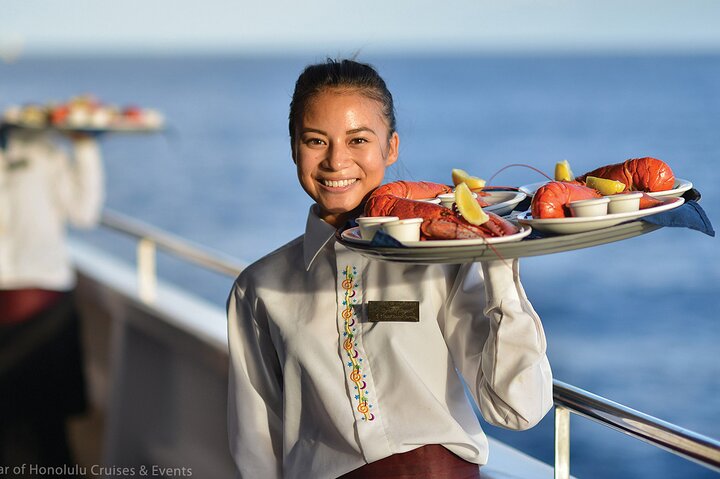
Honolulu: Three Star Deluxe Sunset Dinner Cruise and Show
As the sun sets over the Pacific, enjoy a luxurious Honolulu dinner cruise along the scenic coastline near Diamond H...

Waikiki Starlight Luau on The Great Lawn-Hilton Hawaiian Village
Waikiki Starlight Luau has moved to the Great Lawn at Hilton Hawaiian Village. Voted Best Luau in Hawaii - 10 Best L...

Toa Luau at Waimea Valley, Oahu
Toa Luau invites you to immerse yourself in the beauty and excitement of Polynesia on Oahu’s historic North Shore!...
What Do You Get on the Snorkeling Tour?
On the snorkeling tour, you get gear included and a roughly one-hour swim stop, often at Haleiwa or another calm North Shore bay. You’ll want a towel, reef-safe sunscreen, and a change of clothes, because the fun comes with a little sandy, salty shuffling. If conditions cooperate, you might spot reef fish and even turtles, which gives your circle island day a close-up ocean moment that sightseeing alone can’t match.
Snorkeling Gear Included
Usually, your snorkeling tour covers the basics, so you won’t need to haul much more than a swimsuit and sunscreen. Most operators provide the standard snorkeling gear included for each guest, and that usually means a mask, snorkel, and fins. Some also add rash guards or flotation devices, which can make the whole setup feel easier.
- Expect cleaned rental gear, usually rinsed between uses.
- Look for guides, buoy markers, and beginner tips if you’re new.
- Check whether towels, wetsuits, or vests cost extra.
On pricier or private tours, you might get newer gear, a better fit, or even photo packages. If you’d rather bring your own mask, ask about storage, replacements, and anti-fog help. A foggy lens is funny once, then not at all.
Swim Stop Details
Often, the swim stop is the part you circle on the itinerary first: about an hour in the water at Haleiwa or another calm North Shore beach, with guides picking a reef-safe spot where you might spot green sea turtles gliding past and bright reef fish flickering below the surface.
You’ll usually snorkel around midday after a safety talk and sunscreen reminder. Some operators lead a short guided entry from shore or boat. The stop stays optional, and weather calls the shots, so rough surf or cloudy water can cancel the swim without a refund. Lunch usually comes later at a shrimp truck or snack stand, and you’ll want cash because storage can be limited. Towels and a dry change of clothes are often on you. You’ll likely roll back into Waikiki around 5:30 PM, salty and happy.
Marine Life Chances
The real lure of the snorkeling version is what might drift into view once you slip into that calm reef water. On a snorkeling-inclusive circle tour, you usually get about an hour in a guided reef spot like Haleiwa, with gear provided. If conditions line up, you’ll spot quick flashes of reef fish and maybe a Hawaiian green sea turtle cruising by like it owns the place.
- Morning departures often mean clearer water and better visibility.
- Summer usually improves your odds of seeing more reef life.
- Guided stops at known snorkel beaches beat “sightseeing only” for wildlife.
You’ll want a towel, dry clothes, and reef-safe sunscreen. Some combined tours make snorkeling optional, and a few charge extra for gear. If turtles are your goal, always read the tour details carefully first.
What Do You Get on the Sightseeing Tour?
What do you get when you skip the snorkel gear and spend the day circling Oahu by road? A sightseeing-only loop gives you 8 to 9 hours of lookouts, legends, short walks, and breezy photo stops. You’ll ride in air-conditioned comfort, usually with Waikiki pickup and drop-off, and be back around 5:30 or 6:00 PM.
| Stop | What you notice |
|---|---|
| Diamond Head, Halona Blowhole | Crater slopes, salt spray, lava-rimmed views |
| Nuuanu Pali, Byodo-In Temple | Cool wind, green cliffs, ringing bells |
| North Shore, Waimea Valley | Surf town color, garden paths, wide valley light |
| Dole Plantation, lookout points | Pineapple scent, red dirt, postcard panoramas |
Your guide fills in history and local stories. You can choose shared or private, and some tours offer wheelchair access on request too.

Oahu Shark Dive on the North Shore
Book the Oahu Shark Dive for a thrilling shark encounter off the North Shore. You’ll travel by boat from Haleiwa H...

Oahu: North Shore Shark Cage Diving
Discover the open-ocean world of sharks on this unforgettable Oahu shark cage diving tour. More than just an adventu...

Waikiki Glass Bottom Boat Cruise
Experience the beauty of Oʻahu South Shore as we sail toward Lēʻahi (Diamond Head) aboard the spacious Haleiwa Qu...
How Food Stops Differ on Each Tour
Because snorkeling tours need to save room for beach time, their food stops usually stay quick and practical. You’ll often pause at Kahuku shrimp trucks for a fast, flavorful lunch, but lunch usually isn’t included, so bring cash. These food stops feel local, busy, and efficient, with garlicky plates and ocean air replacing long restaurant breaks.
- On snorkeling tours, food stops are usually short, grab-and-go, and built around shrimp trucks or simple local seafood.
- On sightseeing-only tours, you’ll likely sample more variety, like Dole Whip, macadamia nuts, and roadside fruit.
- On private or premium tours, you may get longer, more flexible food stops at places like Ted’s Bakery.
If you love tasting your way around Oahu, sightseeing tours usually give you more bites and fewer clock-watching moments overall.
What Should You Pack for Snorkeling?
For Oahu snorkeling stops, you’ll want reef-safe sun protection first, since you can’t enjoy the fish if your skin feels cooked by noon. You should also think about snorkel gear essentials like a well-fitting mask and anti-fog help, plus water shoes or a rashguard if the entry gets rocky. And when the swim wraps up, a lightweight towel, dry clothes, and a waterproof bag will make the ride to the next lookout feel a lot more civilized.
Reef-Safe Sun Protection
Packing smart starts with reef-safe sun protection, especially when Oahu’s midday sun feels bright enough to bounce off both the waves and the sand. You’ll want reef-safe sunscreens that use zinc oxide or titanium dioxide and clearly say oxybenzone- and octinoxate-free.
- Apply sunscreen 15 to 20 minutes before you get in the water.
- Reapply every 80 to 90 minutes, or sooner after swimming, sweat, or towel-drying.
- Pack a UPF 50+ rash guard, a brimmed swim hat, and SPF 30+ reef-safe lip balm.
Use water-resistant mineral sunscreen on easy-to-miss spots like your ears, nose, and the tops of your feet. Skip aerosols since they drift. Bring a small bottle per person, then rinse off with fresh water later so your skin doesn’t feel salty and sticky.
Snorkel Gear Essentials
Once your skin is covered and coral-friendly, turn to the gear that makes snorkeling feel easy instead of fussy. Your top snorkel gear essentials are a well-fitting mask, snorkel, and snug fins. Adult and kids’ sizes vary, and a leaky mask can spoil the whole swim. Many tours hand out gear, but your own anti-fog mask usually feels better and keeps the reef in crisp view.
Choose full-foot fins for warm Oahu water so you glide instead of kick wildly like an excited seal. If you’re not a strong swimmer, pack a snorkel vest or flotation aid and check tour limits first. A waterproof camera or GoPro with a float lets you catch turtles, coral textures, and quick flashes of fish without risking your gear.
Towels And Dry Bag
Grab a large quick-dry towel before you head out, because few things feel better after a saltwater swim than drying off fast and not sticking to the seat on the ride back. Pack one beach-size towel per snorkeler.
Your small dry bag is the real hero here. A 5 to 10 liter bag keeps your phone, wallet, keys, reef-safe sunscreen, and change of clothes dry while you swim. It’s also a smart place to bring cash.
- Stash wet swimwear in a zip-top bag
- Add a lightweight rashguard or UPF shirt
- Double-check mask fit, fins, or rental gear
Use leak-proof, non-aerosol sunscreen and reapply after snorkeling. If you’re bringing your own mask, test it before tour day so you don’t spend the reef fight fog and leaks.
What Should You Wear on the Sightseeing Tour?
Usually, the best outfit for an Oahu circle island sightseeing tour starts with comfort and a little flexibility. You’ll want to wear comfortable,closed-toe walking shoes or sturdy sandals (no flip-flops for hiking/lookout areas), since several stops lead over uneven trails, dusty pullouts, and rocky viewpoints above the surf.
Choose lightweight, breathable layers like a moisture-wicking shirt with a light hoodie or windbreaker. Mornings can feel cool and breezy at higher lookouts like Nuuanu Pali. Protect yourself with reef-safe sunscreen, a wide-brim hat, and polarized sunglasses when the sun bounces hard off the water. If there’s any chance you’ll jump in at a beach stop, tuck a swimsuit underneath and bring quick-dry shorts. Keep a small daypack handy for water, a rain jacket, bug spray, and cash.
What Do Reviews Praise Most?
More often than not, reviews rave about the guides because they turn a long day on the road into something that feels personal, lively, and easy to follow. A great tour guide keeps you tuned in with island history, easy jokes, and even photo help. Names like Johnny, Quintin, and Lincoln come up again and again.
Reviews glow brightest when guides make the road trip feel personal, lively, and effortlessly engaging from start to finish.
- Varied stops like Diamond Head, Halona Blowhole, Dole Plantation, North Shore beaches, and Haleiwa snorkeling
- Smooth logistics with comfy vehicles, water, snacks, and hotel pickup and drop-off
- Food and photo highlights, from shrimp truck lunches to macadamia and Dole tastings
You also see praise for how much ground you cover without feeling rushed. Reviews often call the route a fun way to see and learn about Oahu, with coastal views that look almost too cinematic to be real.
What Complaints Show Up in Reviews?
Still, the weak spots in reviews tend to sound less like one big disaster and more like a string of small travel-day frustrations. On some tours, your bus may arrive late, sometimes by nearly an hour, or you might deal with seat assignment mix-ups and extra buses that eat into stop time.
You’ll also see complaints about vehicles that feel tired. Think torn seats, musty air, and A/C that quits when you need it most. Some guests say advertised stops get skipped or shortened, including the bakery, temple, Crouching Lion, and waterfalls, making the day feel shorter than promised. A few reviews also mention awkward guide behavior, microphone issues, phone use while driving, and cash-only stops where the ATM is broken. Not ideal, but usually manageable.
Which Tour Is Better for Your Last Day?
What matters most on your last day: one more swim with reef fish and maybe a sea turtle, or a smoother lap around Oahu with more time on land? If your Oahu itinerary has room, a snorkel tour adds a memorable Haleiwa stop. But it also adds changing, rinsing, and a later return, often around 5:30 or 6:00 PM.
Choose snorkeling for one last reef-and-turtle memory, or sightseeing for a smoother Oahu loop and earlier return.
- Pick snorkeling if your family of 5 wants water time, turtles, and reef fish.
- Pick sightseeing only if you want Diamond Head, Byodo-In Temple, Dole, Pali, and North Shore views without wet gear.
- Pick sightseeing only if you have young kids, non-swimmers, a flight, luggage drop-off, or evening plans.
Snorkel tours usually cost more, and you may need reef-safe sunscreen, towels, cash, and possibly gear too.
Frequently Asked Questions
How Long Is Hotel Pickup and Return for Each Tour?
You can expect Pickup duration of about 9–10 hours for most sightseeing or snorkeling circle-island tours, usually 7:30–8:30 AM to 5:00–6:00 PM. If you book combo tours, you’ll likely spend 10–11 hours door-to-door overall.
Are Restrooms Available Regularly During the Circle Island Route?
Yes, like waypoints on Odysseus’s voyage, you’ll find regular Restroom Availability at major attractions, lunch stops, and many beaches. You won’t get toilets at every scenic pullout, so ask your operator to confirm restroom-equipped stops.
Can You Bring a Stroller or Car Seat on the Tour?
Yes, you can usually bring a stroller or car seat on the tour. For Stroller logistics, you’ll fold and store it, notify operators ahead, and often bring/install your own approved car seat before pickup.
Is There Live Narration or a Guide at Each Stop?
Yes, you’ll usually get live commentary from a driver-guide throughout the tour. At stops, they often help with logistics and photo tips, but you won’t always get a formal guided walk. Snorkeling tours add safety briefings, too.
What Is the Cancellation Policy for Both Tour Options?
You’ll usually get Flexible refunds on both tour options if you cancel 24–48 hours before departure. Cancel later, and you’ll likely forfeit the full price. If operators cancel, you’ll typically receive a full refund or rebooking.
Conclusion
Book snorkeling if you want salt on your skin, reef fish flashing below, and a good chance of spotting a sea turtle. Choose sightseeing-only if you’d rather keep the day easy, dry, and full of lookouts, temples, and snack stops. Think about your group, your energy, and your last-day plans. If towels and gear sound fine, go wetter. If smooth logistics win, stay topside. Either way, Oahu’s coast still feels a little like time travel by postcard.
Oahu Circle Island Snorkeling Tour: Dole, Pali Lookout & More
Looking for the BEST VALUE & MOST COMPLETE Circle Island Snorkeling Tour? Join us for the ultimate full-day, action-packed adventure that will guide y...
Oahu: Grand Tour Around Island with Snorkeling
Come join on a circle island adventure led by some of Hawaii’s most knowledgeable local guides and experience brea...

Oahu Grand Circle Island Experience from Waikiki
Enjoy Grand Circle Island experience tour with breathtaking views of Amelia Earhart Lookout on Diamond Head, admire...

Oahu: Roundtrip Shuttle From Waikiki to Dole Plantation & Haleiwa
Skip Circle Island and visit two of the most popular places to visit here on the Island of Oahu. Experience a unique...