You’re here for Oahu water that looks like a postcard, but you’ve got to respect how fast conditions flip. Start by checking Honolulu Ocean Safety or the NWS before you leave, then aim for lifeguarded, reef-sheltered spots like Waikiki or Ala Moana Lagoon at sunrise, or Ko Olina if you want the easiest entry. Bring reef-safe sunscreen and fins, skip solo swims, and watch for dark channels and foam pulling seaward. Still not sure which shore’s calm today?
Key Takeaways
- Check NWS Honolulu surf/rip forecasts and Honolulu Ocean Safety alerts; avoid red flags, closures, and High Surf Advisories.
- Choose the lee shore and go early (7–9 a.m.); trade winds and afternoon chop quickly worsen calm water.
- Pick protected swim zones: Waikiki (Kuhio/Queen’s Surf), Ala Moana lagoon, Ko Olina lagoons, or Hanauma Bay with reservations.
- Identify rips: dark smooth channel, foam/debris flowing out, surfers using a narrow gap, and warning signs near lifeguard towers.
- If caught, float and signal, swim parallel 20–40 seconds to exit, then angle back; skip solo swims and ask lifeguards.

Oahu: Kualoa Ranch UTV Raptor Tour
Traveling with family and friends? You can enjoy the fantastic Multi-passenger UTV Raptor experience with your entire family or as a group with the ex...
Oahu Rip Current Risk Today: Where to Check
Wondering how gnarly the surf really is today before you zip up your rash guard and hit the water? Start with the National Weather Service Honolulu surf and rip current forecast, updated several times daily and free. Then scan county advisories on Honolulu’s ocean safety page for posted warnings, beach closures, and red flag notes. For bigger days, pay close attention to any High Surf Advisories issued for your side of the island, since they flag especially dangerous conditions on affected shorelines.
At the sand, read the lifeguard board and ask what changed in the last hour. For real-time reality checks, pull up surf cams live while you’re parking, winds can flip conditions fast. Bring water shoes and a bright float for visibility, skip heavy fins if you’re unsure. Go early for clearer info and fewer bodies in the lineup. Check surfline apps too, but trust lifeguards over influencers every time.
Hotels to compare for this guide
Compare a few stay options before you choose your base.

Ala Moana Hotel by Mantra
A convenient Ala Moana stay connected to shopping and close to the convention center, making it useful for business and value-focused travelers.
Check rates
OUTRIGGER Reef Waikiki Beach Resort
A beachfront Outrigger resort with a strong location near Waikiki Beach Walk and a classic Hawaii vacation feel.
Check rates
Moana Surfrider, A Westin Resort & Spa, Waikiki Beach
A historic beachfront Waikiki resort with classic architecture, spa amenities, and strong appeal for romantic or luxury stays.
Check rates
Park Shore Waikiki
A beach-adjacent hotel near Kapiolani Park and Diamond Head that fits travelers wanting east Waikiki convenience.
Check rates
OUTRIGGER Waikiki Beach Resort
A classic beachfront Waikiki resort in the center of the action with strong appeal for first-time visitors.
Check rates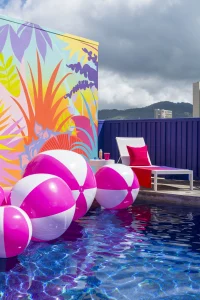
Shoreline Hotel Waikiki
A colorful boutique-style hotel in central Waikiki for travelers who want shopping, dining, and beach access nearby.
Check ratesWhich Oahu Shore Is Calm Today?
Start your morning by checking today’s wind and swell, because Oahu’s calm water shifts fast with a change in direction. On Waikiki, trade winds and passing showers can quickly change surface chop and visibility, even on days that start out calm.
Next, compare which shores face that energy and then aim for the lee side, where the surface looks glassier and the entry feels easier even when other beaches are churning.
When you’ve picked a protected swim bay, go early for lighter crowds and easier parking, pack reef-safe sunscreen and water shoes, skip floaties in any current, and use a Viator shuttle-style beach day tour only if you want hotel pickup and flexible timing with verified reviews, free cancellation, and reserve now pay later.
Check Today’s Wind Swell
Check the wind and swell before you pack your towel, because on Oahu the calmest swim spot can flip from glassy to choppy in a few hours.
Start early, around 7 to 9 a.m., when trades are often lighter and parking is easier.
Open the NOAA forecast, then check buoys for swell height, period, and direction. If the period jumps above 12 seconds, expect more push in the water.
You can also review NOAA tide predictions for your swim window, keeping in mind they are preliminary and not quality-controlled, so use them with appropriate caution.
Next, monitor webcams to see real texture: whitecaps, drifting sand, or brown runoff after rain.
Bring reef shoes, a snug rashguard, and a light windbreaker for the walk back. Skip floaties if it’s gusty, they sail.
If conditions look messy, pivot to a protected lagoon or pool and save your swim for tomorrow if unsure.
Compare Shore Wave Exposure
Once you’ve sized up wind and swell, the next move is picking the shore that’s facing away from today’s energy. On Oahu, Shoreline orientation is your cheat code: north-facing beaches light up on winter NW swell, south shores wake up in summer, and east gets textured when trade winds crank. For more detail on seasonal patterns, compare Oahu weather by month for Honolulu and the North Shore before you choose your swim spot.
Check a live cam at breakfast, then plan to arrive by 8 a.m. for easier parking and fewer boards in the lineup. Bus fare is $3, cash helps.
- Choose the lee side for the day’s dominant swell direction.
- Factor in headlands and reefs, because Wave diffraction can soften sets nearby.
- Bring reef shoes and water, skip floaties, and keep kids within arm’s reach.
If it still looks punchy, pick another shore, not another time.
Pick Protected Swim Bays
With your forecast in hand, your fastest calm-water win is a protected swim bay where reef, headlands, or a marina wall blocks the punch of open-ocean swell. On north-swell days, aim south: Ala Moana Beach Park’s lagoon feel stays mellow at sunrise, before the lunch crowd. For a quieter dip, slip into private coves along the Kāneʻohe side, but respect access signs and keep voices low.
Check for reef protection zones like Hanauma Bay, where entry is timed and tickets sell out; plan online, bring snorkel, water, and reef-safe sunscreen. Expect a small fee and limited parking. Skip floaties in tight bays, they drift into coral. Wear sandals for sharp rocks. If you’re car-free, TheBus works, and rentals on-site cost more than you think. Hanauma Bay is Hawai‘i’s first Marine Life Conservation District, with strict daily caps and an on-site education program to protect its reef and marine life.

Honolulu: Pacific Star Sunset Dinner Cruise and Show
Indulge in the original Pacific Rim cuisine, where each dish serves as a gateway to the rich flavors of the region...

Oahu: Atlantis Submarine Adventure in Waikiki
Explore Waikiki’s marine mysteries while diving more than 100 feet underwater in an air-conditioned, eco-friendly...

Honolulu: Three Star Deluxe Sunset Dinner Cruise and Show
As the sun sets over the Pacific, enjoy a luxurious Honolulu dinner cruise along the scenic coastline near Diamond H...
Spot Oahu Rip Currents: 5 Fast Clues
If the surf looks dreamy but the water feels oddly pushy, you might be staring at a rip current. Scan for quick tells before you wade in, midmorning when winds rise and crowds thicken. Check a free surf report, and arrive before 9 a.m. to beat the parking scramble. The HNL Alert app can also tip you off to unusual ocean conditions, lifeguard tower closures, and other near-shore hazards before you head out.
If the surf looks dreamy but the water feels oddly pushy, pause, scan for rips, check reports, and arrive before 9 a.m.
- A darker, smoother channel cutting through whitewater, foam streaming seaward
- Surfer behavior: locals paddling out in one narrow lane while swimmers drift sideways
- Beach signage and red flags near lifeguard towers, even on calm days
Watch shorebreak patterns: waves peel on both sides, leaving a quiet gap.
Note jet ski activity and rescue boards staged nearby, a hint staff’s seen trouble.
Bring fins and water, skip alcohol, and choose a guarded stretch.
Caught in Oahu Rip Currents? Do This
Rip currents on Oahu can grab you even on a postcard-calm morning, so once you’ve spotted the warning signs, lock in a simple plan for what to do if the water starts hauling you seaward. Stop fighting the pull. Flip to your back, take 10 slow breaths, and let your mental preparation steady you. Wave an arm and call out, then aim for self rescue: swim parallel to shore for 20 to 40 seconds until the current loosens, then angle in with the waves. If you’re tired, float and rest, then try again. Keep your fins on if you’ve got them, they’re gold. Skip heavy beach bags. If you or someone else is in serious trouble, call 911 and ask for Ocean Safety lifeguards, who can talk you through the situation while emergency responders head your way. Afterward, rinse cuts, hydrate, and budget 15 minutes to regroup before you reenter with a lifeguard nearby.
Don’t Swim If You See These Red Flags
Often, the smartest swim on Oahu is the one you skip, especially when the beach throws up a few clear red flags before you even get your feet wet. If Beach flags show red or lifeguards call everyone in, don’t negotiate. Check the tower for Emergency equipment like rescue tubes and an AED. If it’s missing, or the stand’s closed, you’re on your own.
- Brown, churning water or foam lines pulling seaward
- Waves slapping from two directions, knocking you sideways
- No lifeguard, no clear entry lane, crowded weekends
Arrive early, around 8 a.m., when conditions are easiest to read. Bring water, reef shoes, and cash for metered parking, often $3 an hour. Skip inflatables and alcohol. Walk to another beach instead. Before you go in, check the Ocean Safety Hawaii updates or ask a lifeguard, since changing surf can quickly turn an easy swim into a dangerous one.
What “Calm Water” Means on Oahu
On Oahu, “calm water” usually means you’ve found a sheltered shoreline where reefs, bays, or headlands take the punch out of the waves, especially in the early morning before the trade winds rough things up. In Waikiki, these same reefs create easy reefs and clear-water windows that can feel especially gentle for casual swimming and snorkeling.
It also shifts with the seasons, so that glassy cove in July can turn choppy in winter swell, and you’ll want to time your swim, pack reef shoes and a snug snorkel mask, and skip floaties that blow away fast.
Before you get in, you can assess calmness in minutes by watching sets for 10 to 15 minutes, checking wind direction, and scanning for steady outward-moving water or sudden drop-offs where rip currents like to hide.
Still comparing Oahu Calm Water Swimming?
Ask for tour ideas, hotel suggestions, or a simple trip plan that combines both.
Trip Helper
Sheltered Shoreline Conditions
Because Oahu’s surf can flip fast from glassy to choppy, “calm water” really means you’ve picked a shoreline that’s sheltered from the day’s swell and wind, not a beach that’s always gentle.
Look for coves behind reefs, harbors, or points where wave energy breaks outside, leaving a clear, turquoise swim lane. If you’re staying in town, some of the easiest calm-water reefs are the snorkeling spots near Honolulu that sit close to shore and offer quick access without a long drive.
Early mornings often feel quiet and less crowded, and parking meters can run $1 to $3 an hour, so bring coins or a card.
If you’re exploring rocky edges, move slowly, the algae is slick, and respect shoreline vegetation.
Pack reef shoes, water, snorkel, leave glass bottles.
- Check for ripples and whitewater beyond the reef
- Swim near lifeguards, skip solo dips
- Peek into tidal pools, but don’t stand on coral
Seasonal Swell And Wind
If you want truly calm water on Oahu, you’ve got to match your swim spot to the season’s swell and the day’s wind, not the name on a map. Winter north swells light up the North Shore, while the south side often feels glassy. Summer flips it, sending south swells toward Waikiki and Ala Moana, and leaving many north beaches gentler. Morning is usually your best bet, since trade winds tend to strengthen later in the day, roughening exposed shores and cutting underwater visibility. Trades are your constant: prevailing winds usually blow from the northeast, roughening exposed coasts by late morning. Plan early swims, and pack reef shoes, water, and a light rash guard. Skip inflatable floats on breezy days. Parking is free at most beaches, but popular lots fill by 9am, especially on weekends. If you’re car-free, consider a bus day pass for $6, then walk.
How To Assess Calmness
Even when the ocean looks like a postcard, “calm” on Oahu means water that lets you stand, breathe, and swim without getting shoved around. Start by watching the surface for 5 minutes; if sets keep rolling in, it’s not your day. For extra peace of mind, choose areas that are already known as beginner‑friendly snorkeling spots, which tend to have gentler conditions and more natural protection from waves.
- Check water clarity: you should see your feet in waist deep water, not a milky swirl.
- Read tide charts before you go; an incoming high tide can soften shorebreak, while a low tide can expose sharp reef.
- Scan for channels and flags, and ask the lifeguard what’s happening right now.
Bring reef shoes, a snorkel, and $2 for parking meters at some beach lots. Skip floaties in wind. Go early for fewer people. If you’re unsure, book a short lesson with hotel pickup.
Waikiki Calm Swim Zones: Easiest Entries
Most mornings, Waikiki’s reef-fringed shoreline sets you up with calm, waist-deep water and the easiest beach entries on Oahu, especially before the trade winds kick up around late morning. Start at Kuhio Beach’s protected wall or Queen’s Surf, where you step in over sand and avoid pounding shorebreak. These Waikiki entryways feel like a natural pool, and Kuhio Beach Waikiki is often singled out as the easiest spot to swim thanks to its sheltered, beginner-friendly conditions, but watch for coral heads at low tide and shuffle your feet. Arrive by 8 a.m. if you want space; by 10 the swim lane fills with lessons and paddlers. Bring reef-safe sunscreen, water shoes, and a dry bag. Skip glass bottles and big inflatables. Metered parking runs about $3 an hour, so consider a bus pass and pack light. The gentle shorelines reward you with easy laps.

Hanauma Bay Snorkeling from Waikiki
Experience Hanauma Bay the easiest way with Waikiki’s most reliable Hanauma Bay shuttle. Our early 5:40 AM pickup...

Waikiki Snorkeling & Ocean Waterpark Adventure from Oahu
Skip the crowded snorkel tours and experience Oahu’s ultimate ocean adventure for families, couples, and guests of...

Oahu Beachfront ATV Adventure and Farm Tour
Aloha, welina mai, ‘ano ‘ai. Greetings, and welcome, from Hawai’i! Located on the famous North Shore beachfron...
Ko Olina Lagoons: Simplest Oahu Swim
A string of four man-made lagoons at Ko Olina on Oahu’s leeward coast delivers the island’s simplest swim, with curved rock walls that block swell and keep the water glassy on calm mornings.
You’ll float and try lagoon snorkeling along sandy shallows, no surf skills needed.
Get here by 9am for parking and calmer water. Midday brings more kids and umbrellas, so claim a palm-shade spot early. You’ll find showers, restrooms, and limited paid parking near the resorts. Water stays clear, usually. If you’re staying in Waikiki, pairing Ko Olina with a stay at Outrigger Reef Waikiki Beach Resort can give you calm lagoon time on the west side plus easy beachfront access in town.
Arrive by 9am for easy parking and calmer water; midday crowds roll in, grab palm shade early near resort showers.
- Bring reef-safe sunscreen, water shoes, and a dry bag.
- Skip big fins and boogie boards, they feel clunky inside.
- Pack snacks for family picnicking, plus a few dollars for shave ice.
Lifeguards cover the middle lagoons, and paved paths keep strollers simple.
Hanauma Bay: Rules, Surf, and Safety
Hanauma Bay feels worlds away from Ko Olina’s rock-walled lagoons, and it comes with rules you need to respect before you even see the water. Reserve your entry online, arrive early for parking, and expect crowds by 9 a.m. Nonresidents pay $25, parking is $3, and the short tram down costs $1. You’ll watch a quick video on marine ecology and cultural history, then you’re in. Plan for the earliest reservation you can get to enjoy clearer morning water and more relaxed, less crowded snorkeling time. Most days the water stays glassy inside the reef, but a choppy wind can kick up shorebreak at the edge. Bring water, a card, and dry bag. Stay near lifeguards, don’t stand on coral, and skip bringing fins if you’re not confident.
| Do | Skip | Why |
|---|---|---|
| Reef-safe sunscreen | Bread feeding fish | Protects reef |
| Rash guard | Touching turtles | Safer, legal |
Kailua/Lanikai + Kids: Safest Setups, Plan B
If you’re swimming with kids on Oahu’s windward side, set up at Kailua Beach Park first, then treat Lanikai as the pretty side trip. You’ll get lifeguards, bathrooms, showers, and a huge sand runway for wobbly legs. Kailua’s beach park facilities make rinsing off sandy kids and resetting for lunch much easier than at facility‑free Lanikai. Arrive by 8:30 a.m. for easier parking (about $3 all day) and calmer water before the trade winds rough it up. Pack reef-safe sunscreen, a rash guard, and cash for a simple kailua picnic from nearby delis.
- Choose the roped swim zone and keep floaties close
- Skip Lanikai mid-day, streets choke and there’s no facilities
- If surf or jellyfish show up, pivot to the shaded playground and shave ice in Kailua town
Catch a lanikai sunrise another morning, then leave by 9 for quieter sand and photos.
Frequently Asked Questions
What Are the Best Months for Calm Swimming on Oahu?
You’ll find the calmest swimming on Oahu in late spring (May–June) and early fall (September–October), when surf typically eases. You can also enjoy gentle days in April and November, checking forecasts daily before heading out.
Do I Need Water Shoes for Oahu Beaches and Lagoons?
You don’t need water shoes everywhere, about 30% of Oahu shore entries involve sharp reef or rocks, but you’ll want reef safe footwear for tidepools and rocky beaches, plus sand protection on scorching midday walks too often.
Are There Lifeguards at Every Oahu Swimming Beach?
No, you won’t find lifeguards at every Oahu swimming beach. You’ll see staffed towers at popular parks, but some areas rely on Volunteer stations, and Private beaches may offer none, check signage before you swim today.
Can I Swim on Oahu During Jellyfish Warning Days?
You can swim during jellyfish warning days, but you shouldn’t if you’re risk‑averse. Choose guarded beaches, avoid murky water, wear a rash guard for sting prevention, and know jellyfish treatment: rinse seawater, then seek help.
How Early Should I Arrive to Find Parking at Popular Swim Spots?
Arrive by 7 a.m. on weekends (8 on weekdays) to snag a stall, like catching the first wave before the crowd. You’ll beat lots filling by 9. Parking tips: use side streets, carpool, pay lots nearby.
Conclusion
Start each swim like you’d start a hike: check Honolulu Ocean Safety or the NWS, then pick the calmest shore for today. Get there early, 7 to 9 am beats crowds and trade winds. Swim by lifeguards, skip the sketchy dark channels, and bring reef-safe sunscreen, water, and fins if you’re comfy. Don’t bring bravado. If logistics feel tight, a Viator Hanauma Bay option with verified reviews, hotel pickup, free cancellation, and reserve now pay later can save time.
Oahu: Kualoa Ranch UTV Raptor Tour
Traveling with family and friends? You can enjoy the fantastic Multi-passenger UTV Raptor experience with your entire family or as a group with the ex...

Ala Moana Hotel by Mantra
A convenient Ala Moana stay connected to shopping and close to the convention center, making it useful for business and value-focused travelers.
Check ratesOahu: Kualoa Ranch UTV Raptor Tour
Traveling with family and friends? You can enjoy the fantastic Multi-passenger UTV Raptor experience with your entire family or as a group with the ex...