
Waimea Bay is a coin with two very different sides, and you need to know which one you’re walking into. One day it’s a calm, clear swimming bowl for families, the next it’s a roaring arena for 30-foot surf. Before you toss your towel on the sand, you’ll want to know how to spot a true “swim day,” when to stay on the bluff, and what mistakes visitors keep repeating.
Key Takeaways
- Check surf forecasts and tide charts in advance; Waimea is better for swimming on smaller northwest swells and mid-to-low tide.
- On arrival, observe shoreline behavior; if most people stay high on the sand and shorebreak looks slamming, treat it as a surf-only day.
- Always talk to lifeguards for current rip zones, safe swim pockets, jellyfish updates, and swim only inside the flagged area.
- Keep family swim days early, light, and close to shore: arrive before 9 a.m., use reef-safe sunscreen, and keep kids far from the shorebreak.
- On true big-wave days, stay behind rope lines, watch from the bluff, and never follow surfers down rocks or attempt to paddle out.
How to Tell if Waimea Bay Is Safe to Swim Today
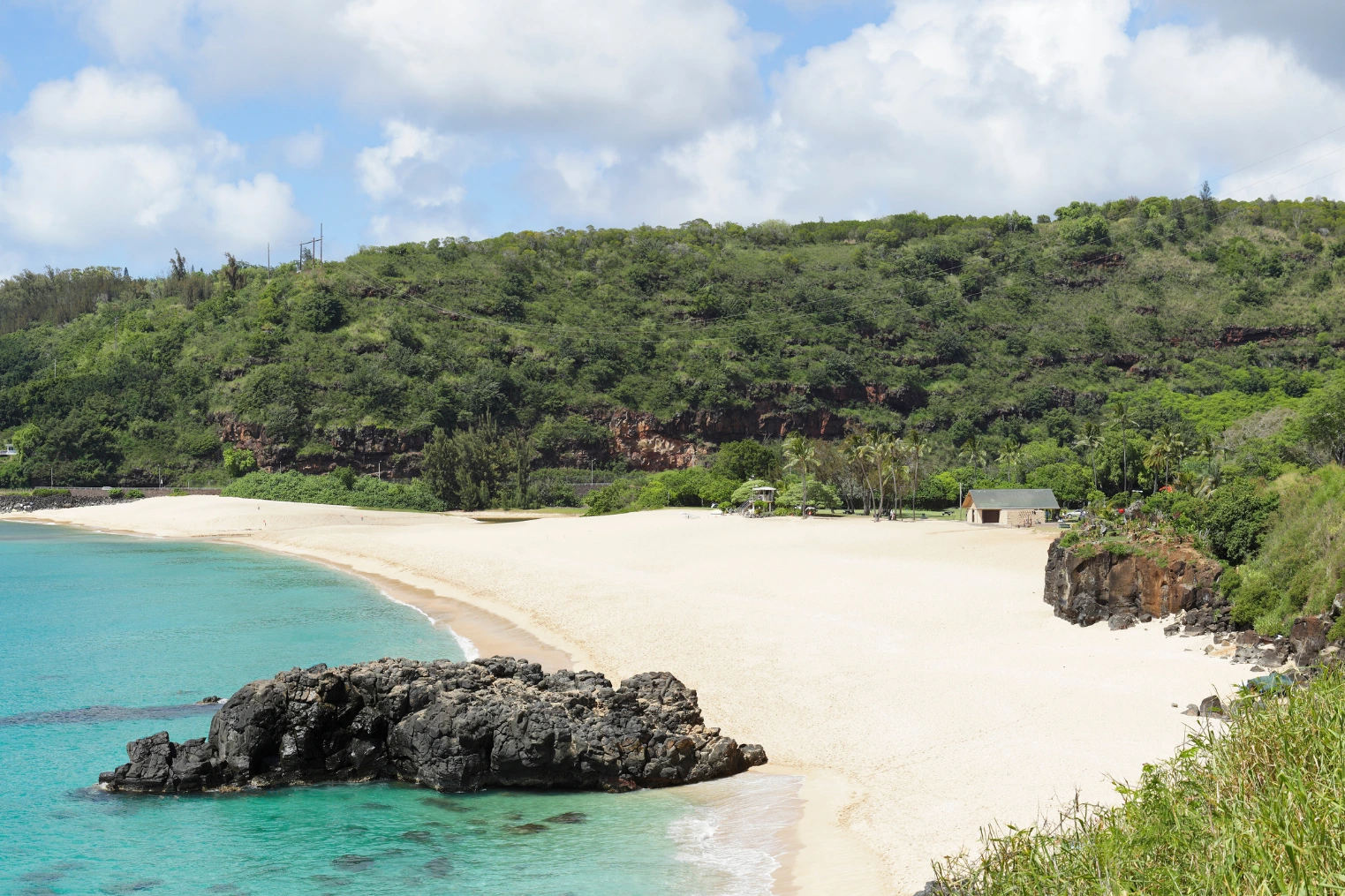
Start by sizing up Waimea Bay from the parking lot before you even haul your towel down to the sand. Look at the shoreline: are families wading, or is everyone hugging the dry sand? Check how the waves break, and avoid sharp shore slams. Study tide charts the night before; mid to low tide usually keeps things calmer and exposes rocks you should dodge.
When you reach the water, pause to judge water clarity and current. Sand-churned, murky water often means stronger pull. Talk to the lifeguards; they’ll flag rip zones, jellyfish days, and safe swim pockets. Skip inflatable floaties, bring proper fins and a mask, and leave valuables in your car or a small locker. Arrive early; parking fills fast on sunny weekends. If the main lot is full, look into nearby overflow parking options so you don’t end up circling the bay and missing the calmest swim hours.
How to Spot a Big-Surf Day at Waimea Bay
Although Waimea Bay can look calm from your car window, a true big-surf day hits all your senses. You’ll hear a steady rumble before you even see the water. Check forecast models the night before; look for solid northwest swell direction over 8 feet at 15 seconds or more. Then confirm with your eyes and ears from the overlook. From this vantage point, you’re also just a short drive from other North Shore viewpoints where Oahu’s biggest waves put on their most dramatic show.
Big-surf days announce themselves in thunder and tremor long before Waimea’s towering walls appear
- Watch the outer reefs. If big peaks detonate far offshore, Waimea is waking up.
- Look at the shorebreak. Heavy, pitching wedges mean serious power, not playful shore play.
- Scan the lineup. On real surf days, you’ll see jet skis, rescue sleds, and a tight pack of experienced surfers sitting deep, waiting for house-sized sets. Photographers crowd the sand, lenses aimed at monsters.
Swim-Day Safety Tips for All Visitors (Especially Families)
On days when Waimea’s famous walls of water don’t show, the bay turns into a clear, calm swimming bowl that feels made for families, but you still need a smart plan. Check surf reports in the morning and confirm with lifeguard briefings once you arrive. If you’re pairing your bay time with Waimea Valley, plan to arrive early for Waimea Falls parking since the main lot fills first.
Swim inside the main flagged zone, where drop offs and currents are easiest to read. For kids, pack well‑fitting goggles, reef‑safe sunscreen, and simple floaties, not giant inflatables that drift.
Shade options are limited to the tree line, so arrive before 9 a.m. or bring a small pop up tent. Keep valuables light, just phones, keys, and a card in a dry bag.
Finally, agree on a meet up spot in case someone wanders off toward the parking lot.
Big-Wave Days at Waimea: Safety Rules and What Not to Do
When the first huge winter swells roll into Waimea Bay, the entire beach shifts from mellow swim spot to natural stadium for serious surf. On these big-wave days you’re here to watch, not to test your limits. Stay behind the rope lines and listen when lifeguards whistle or shout; sets can jump the shoreline without warning. For a full North Shore day, pair your Waimea lookout session with nearby food trucks along the highway, but always park legally and watch for heavy pedestrian traffic.
- Join the crowd on the bluff for safer, higher views. Bring binoculars, water, a hat, and cash for food trucks.
- Keep kids far from the shorebreak. One surprise surge can drag adults off their feet.
- Don’t follow pro surfers down the rocks, and never paddle out without local knowledge, a big-board quiver, and support from spotter teams and jet skis on the heaviest swell days.
Frequently Asked Questions
What’s the Best Time of Year to Visit Waimea Bay for Calm Water?
You’ll find the calmest water at Waimea Bay from late spring through early summer, when winter swells fade and hurricane season hasn’t peaked. Arrive early in the morning for lighter winds and clearer conditions overall.
Are There Bathrooms, Showers, and Changing Facilities Available at Waimea Bay?
Of course you’d never need facilities at a beach, yet Waimea Bay spoils you: you get restroom access, outdoor showers, changing areas, and convenient rinse stations, though crowds and issues mean you shouldn’t expect luxury.
Is Parking at Waimea Bay Free, and How Early Does It Fill Up?
Parking at Waimea Bay’s main lot is free, but it fills by 8–9 a.m. on busy days. You should arrive early, expect lot overflow, and watch for unofficial roadside parking fees from nearby businesses sometimes.
Can Beginners Take Surf Lessons or Rent Boards Directly at Waimea Bay?
Yes, but not right on the sand: about 70% of visitors arrange beginner lessons and board rentals in nearby Haleiwa, then paddle out here. You’ll book online or in town; Waimea itself lacks surf schools.
Are There Food Options or Nearby Places to Eat Around Waimea Bay?
You’ll find several food options near Waimea Bay, including Food trucks by the parking area and along Kamehameha Highway. You can also walk or drive to Local cafes and plate-lunch spots in nearby Haleiwa town.
Conclusion
You’ll enjoy Waimea most when you match your plan to the ocean’s mood. On a calm morning with a small swell, you might float with your kids inside the flags, stash phones in a dry bag, and walk to the jump rock before lunch. On a big-surf afternoon, you’ll stay on the bluff, camera ready, watching locals drop into house-high waves while you keep a firm grip on the guardrail and your own limits.

