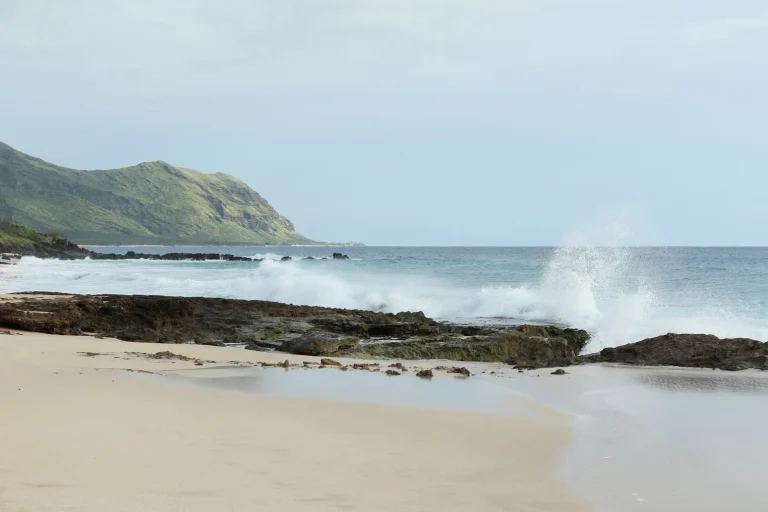
Waimea Rock looks carefree in photos, but when you’re standing on that warm stone edge, eyeing the drop into churning blue, it feels very real. Some days it’s a fun, low‑risk jump with lifeguards whistling and kids cheering. Other days, hidden rocks, brown runoff, and heavy shorebreak turn it into a bad idea. Before you climb up, you’ll want to know how to read the tide, the flags, the crowds, and even your own nerves.
Key Takeaways
- Only consider jumping in calm summer conditions, ideally mid–high tide, with clear water, good visibility, and lifeguards actively on duty.
- Always ask lifeguards about current depth, recent injuries, currents, and underwater changes; if they hesitate or advise against it, don’t jump.
- Skip the jump whenever red/black flags, closed beach signs, or roped-off access are present, these indicate official, serious hazards.
- Avoid jumping when surf is rough, water is murky or chocolate-colored after rain, or rocks and heavy shorebreak/backwash are visible from shore.
- Never jump under crowd pressure, when people are intoxicated, or if you’re unsure about your swimming ability or safe landing technique.

Toa Luau at Waimea Valley, Oahu
Toa Luau invites you to immerse yourself in the beauty and excitement of Polynesia on Oahu’s historic North Shore! Book any one our 3 Luau seating o...
How Safe Is Waimea Rock Jump Really?
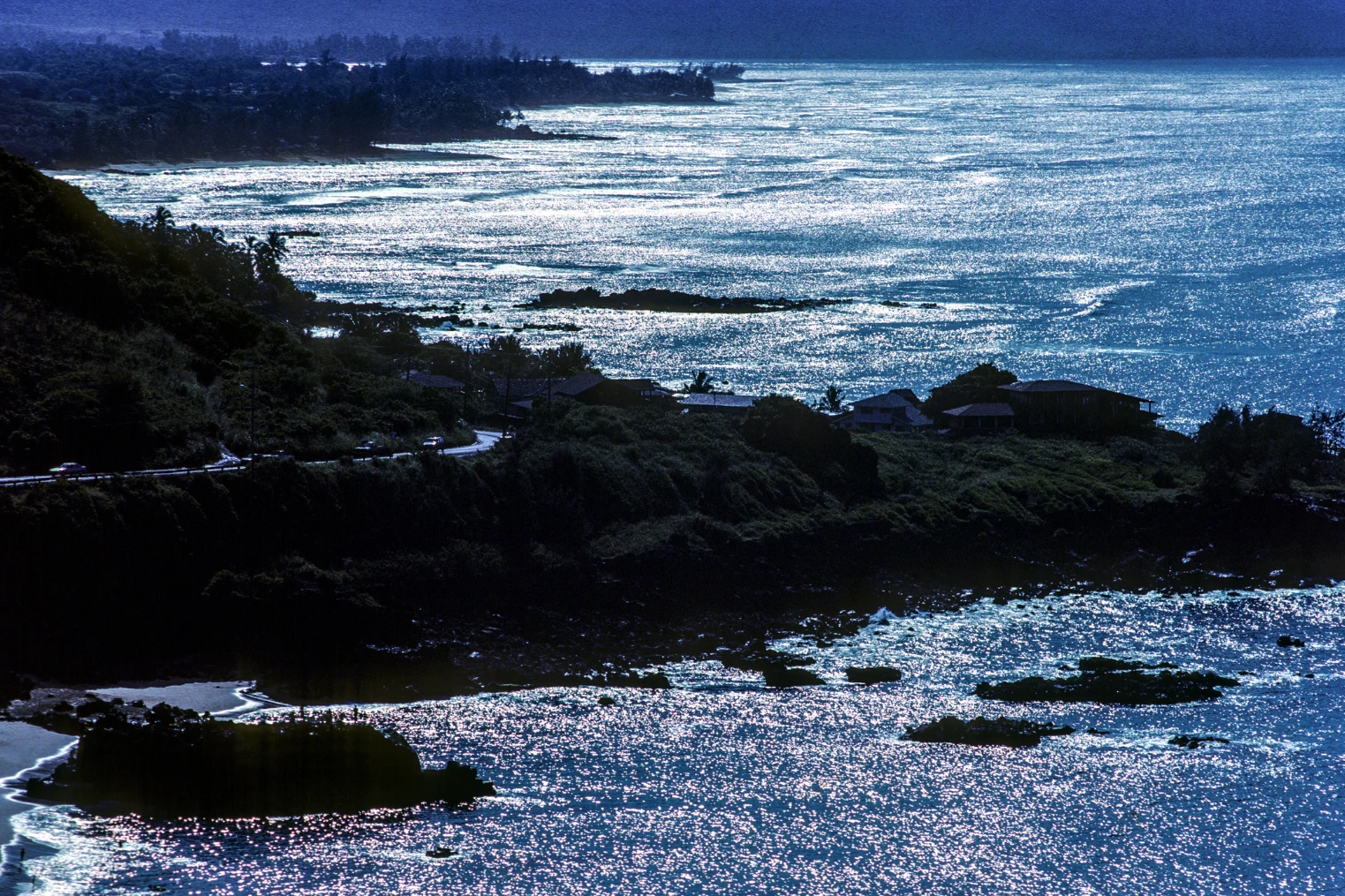
Although Waimea’s rock jump feels like a carefree island rite of passage, its safety really depends on conditions, your judgment, and a bit of luck. You’re leaping from about 25 to 35 feet, so a clean jump technique matters more than bravado. Point your toes, keep your body straight, and protect your head and spine. Local lifeguards quietly track injury statistics, and they’ll tell you most accidents come from awkward landings, drinking, or people who can’t swim well. Since Waimea Bay shifts between mellow swim days and big‑wave surf days, you should always check ocean conditions and lifeguard warnings before climbing the rock. You’ll also share the rock with clusters of teens, TikTok crews, and tour groups, so collisions are a real risk. Leave valuables on shore, wear snug swimwear, and skip flip flops. If anything feels off, you can always enjoy the view from the sand and shade.
Recommended hotels for this trip
Compare well-reviewed stays from our destination hotel guides, then check live availability for your dates.
 Featured stay
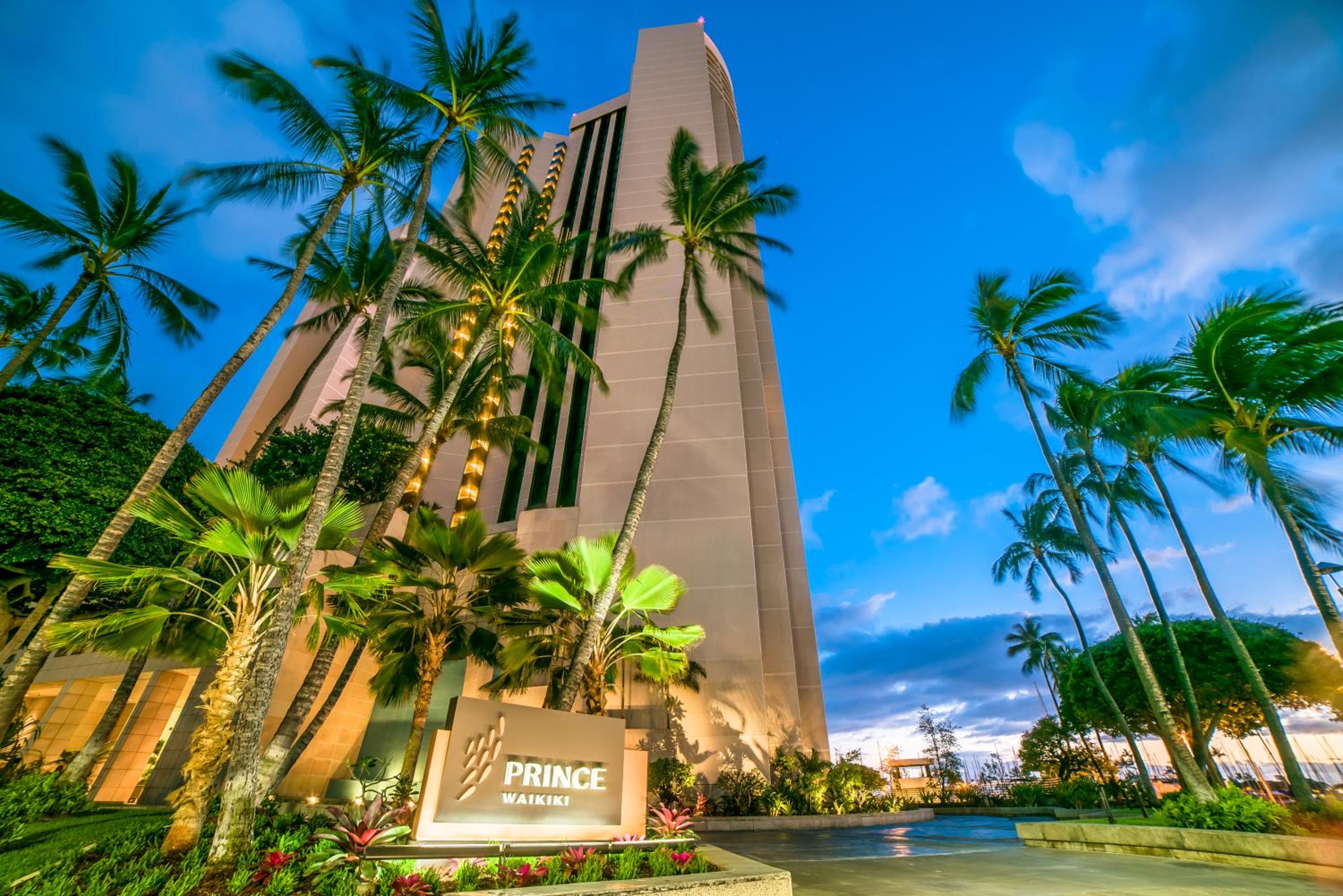
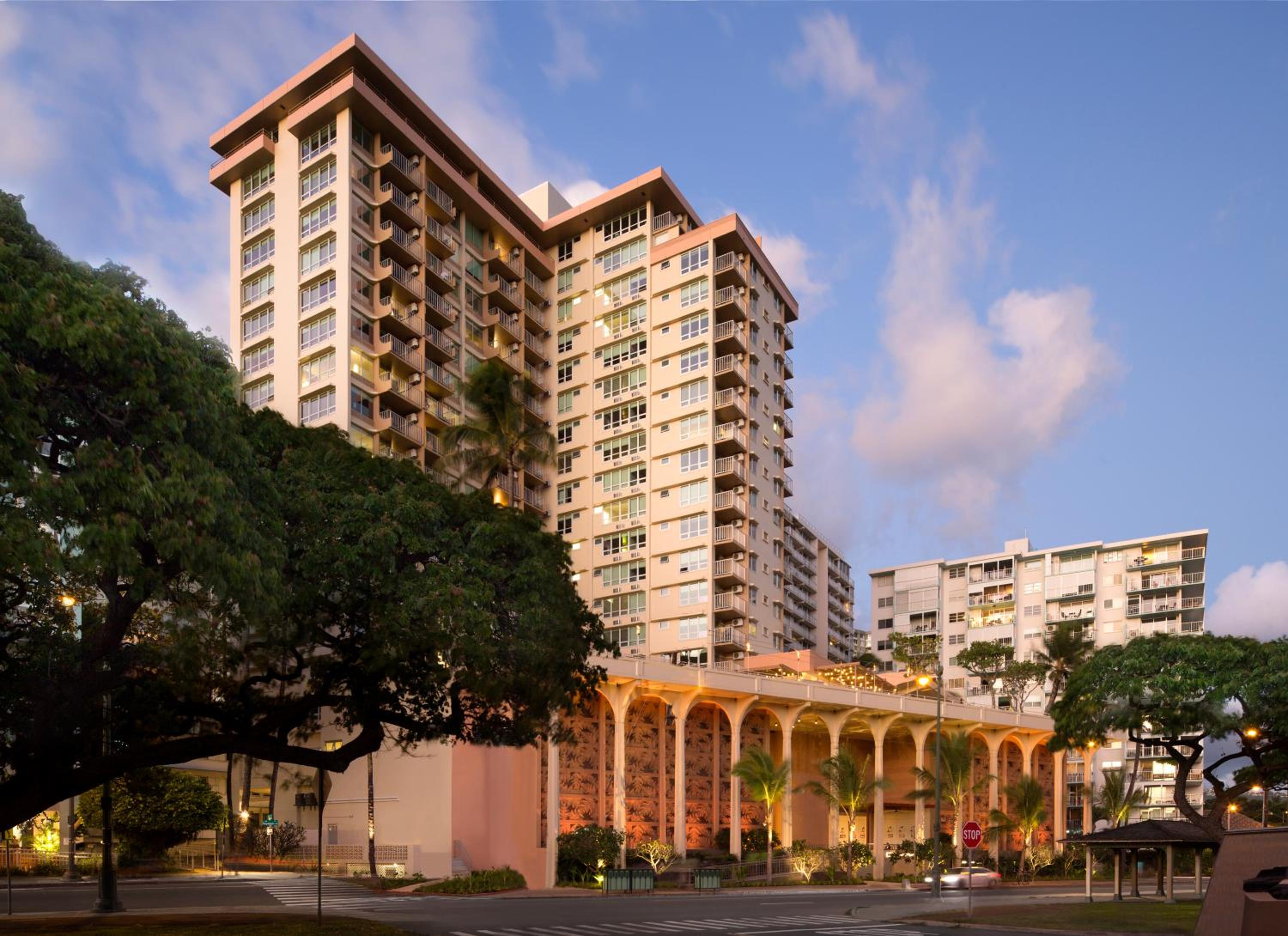
 Prince Waikiki
- Free WiFi
- Non-smoking rooms
- Air conditioning
Well suited to couples seeking ocean views, families who want two-queen rooms or multiroom suites, convention visitors, and travelers who value pools and on-site dining. It may be less appealing if you want to step directly…
- Oceanfront 2 Queens
- Room Only
- Refundable until Aug 30
 Guest favorite
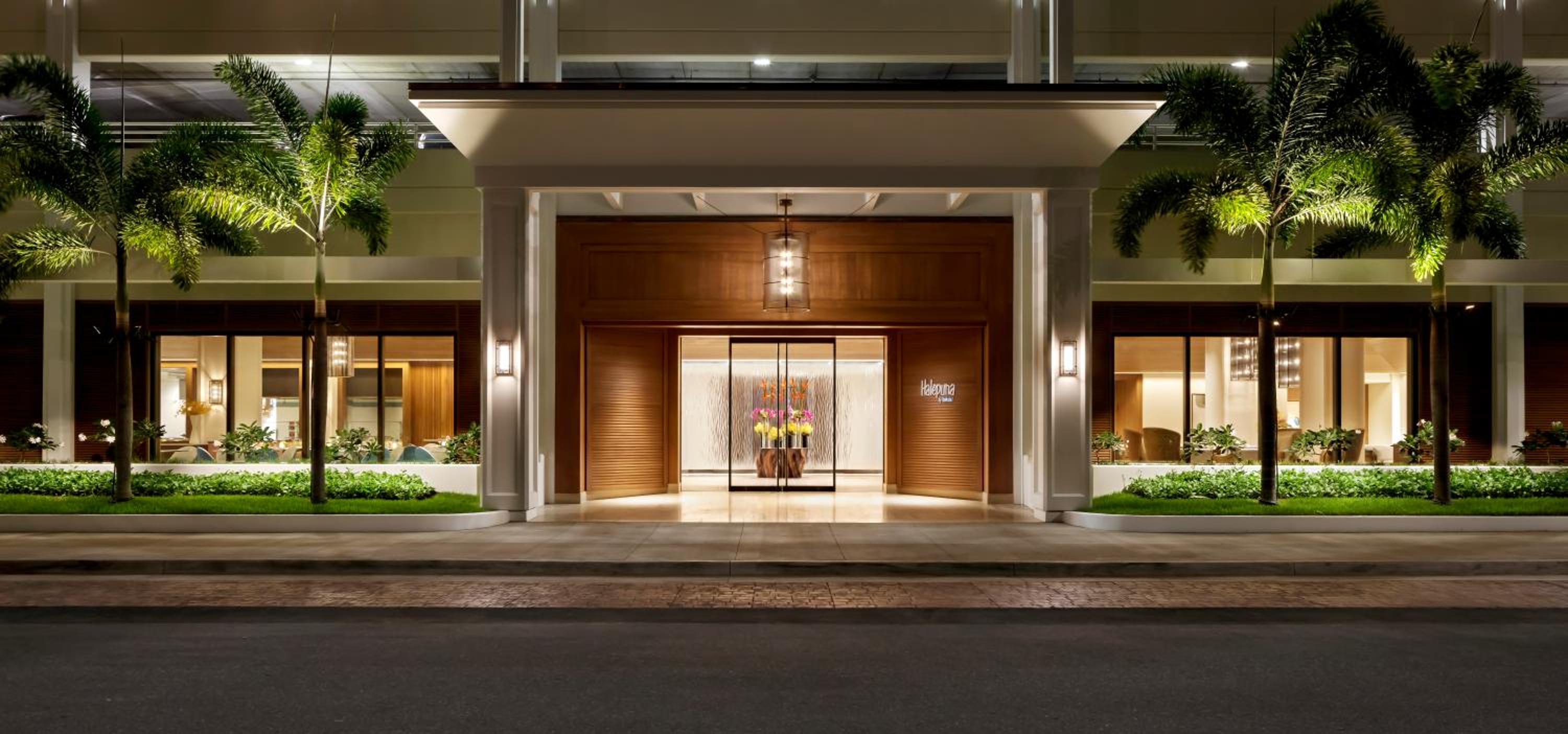
 Halepuna Waikiki by Halekulani - NO RESORT FEE
- Free WiFi
- Non-smoking rooms
- Air conditioning
You are likely to appreciate Halepuna if you want an upscale, relatively serene stay near Waikiki Beach, restaurants, and shopping, but do not need a beachfront resort campus. Couples and solo travelers can prioritize the king…
- Mountain Waikiki View Two Double Beds
- Room Only
- Non-refundable rate
 Guest favorite
 Queen Kapiolani Hotel
- Free WiFi
- Non-smoking rooms
- Air conditioning
You are likely to appreciate this hotel if location, Diamond Head scenery and easy access to the beach matter more than having a quiet resort compound. Double-queen rooms and larger suites can suit families, while studios…
- studio,city view
- Room Only
- Non-refundable rate
How to Check Today’s Conditions at Waimea Rock
Start by scoping out Waimea from a distance before you ever climb the rock. Watch the shore for a few minutes. You’re looking for strong shorebreak, heavy backwash, or rocks poking through the surface. If locals aren’t jumping, take that seriously.
Before you even drive over, pull up North Shore weather webcams. Check for whitewater wrapping into the bay, choppy surface, or rain cutting visibility. Pair that with tide charts, since low tide can expose shallow boulders while very high tide can hide powerful surges. If the lot looks packed, plan for Waimea Bay parking overflow options so you’re not tempted to rush a decision or park unsafely just to squeeze in a quick jump.
At the beach, ask lifeguards about recent injuries, depth changes, and current strength. Skip the jump if they sound hesitant. Bring reef‑safe sunscreen, a mask to scout underwater, and sandals for the hot sand and rough path back up.
Best Times and Seasons for Waimea Rock Jump
When you plan a jump off Waimea Rock, timing matters almost as much as your nerve. Summer is the best season, when North Shore surf usually relaxes and visibility improves. You’ll want light tradewinds, small swell, and plenty of daylight. To avoid circling the lot, show up early for the best shot at Waimea Falls parking before it fills.
- Time of day: Aim for calm mornings between 8 and 11 a.m. Crowd levels stay reasonable and lifeguards are usually on duty.
- Day of week: Weekdays feel less hectic than weekends or holidays.
- Tides: A mid to high tide gives more depth below the rock, which feels reassuring.
- Logistics: Parking at Waimea Bay fills fast, so arrive early or budget for a rideshare instead of looping the lot in frustration. Pack water, reef-safe sunscreen, and sandals for the walk back.
Waimea Rock Jump Red Flags: When to Skip It
Even if Waimea Rock looks like postcard fun, some days you should treat it as a viewpoint, not a launchpad. Start with the surf. If lifeguards post black or red flags, or close the jump, you sit it out. Brown, murky water after rain is another hard no, since it can hide rocks and logs. Step back if crowd pressure makes you rush, show off, or follow bad examples. Anyone in your group showing alcohol use or drugs should stay on the sand. Before you even park the car, check current ocean conditions and any HNL Info alerts so you know if Waimea is safe or if you should head to another beach.
| Red flag | What you notice | Reason |
|---|---|---|
| Closed beach signs | Roped-off access or tape | Official warning of hidden hazards |
| Thick, chocolate-colored water | Debris, branches, odd smells | Pollution and unseen impacts |
| Rowdy, drunk crowd nearby | Slurred speech, beer cans | Higher risk, poor judgment |
Toa Luau at Waimea Valley, Oahu
Toa Luau invites you to immerse yourself in the beauty and excitement of Polynesia on Oahu’s historic North Shore!...
Waimea Rock Jump: Safety Tips and How to Jump
Although Waimea Rock looks like a carefree leap into a postcard, treat it like a small cliff dive that demands a clear plan.
Visit in the morning or late afternoon when crowds thin and lifeguards watch the bay. Wear snug swimwear, reef-safe sunscreen, and water shoes for the sharp path up. If you plan to snorkel after your jump, time it for when Waimea Bay is calm and clear, since that’s when the best spots and times for snorkeling really shine.
- Check conditions. Study waves and talk to lifeguards. Skip if shorebreak slams or visibility is poor.
- Use a safe spot technique. Watch locals, then choose a proven launch point, never wet, slippery edges.
- Commit to your jump. Step out strong, look forward, keep arms tight.
- Fix your entry posture. Point toes down, legs together, core braced to avoid painful impact. Expect a free thrill, but respect this powerful place.
Safer Alternatives to Waimea Rock Jump Nearby
If the height and crowds at Waimea Rock feel like a bit much, you’ve got easier options nearby that still keep you in the water.
You can swim at calm, cliff‑free spots like nearby beaches and protected coves, where lifeguards, soft sand, and clear entry points make things far more relaxed.
For a low‑risk hit of adventure, you might book a small‑group snorkel or coastal cruise on Viator with hotel pickup and free cancellation, so you get the scenery and adrenaline without the sketchy landings.
You’ll also find low‑key spots to watch or try surfing while learning about North Shore surf etiquette, so you can enjoy the waves without getting in over your head.
Nearby Cliff-Free Swim Spots
Just a short stroll or drive from Waimea Rock, you’ll find calm, cliff‑free spots where you can swim without the adrenaline spike. Here you trade height for hush: hidden coves, sandy beaches, and clear water where kids and cautious swimmers feel comfortable. Park before 9 a.m. to avoid tickets, bring reef‑safe sunscreen, and skip glass bottles. If you’re snorkeling nearby, consider Shark’s Cove entry tips so you know where the smoother, safer access points are on the rocky shoreline.
- Waimea Bay shallows, right of the rock, with rolling shorebreak in summer. Swim near locals, avoid the flagged rip zone.
- Three Tables, a 3 minute drive, has a narrow entry, mild chop, and lively reef. Stick to mid tide for easier access.
- Shark’s Cove tide pools feel like a bathtub. Arrive before 8 a.m., wear reef shoes, and skip it on big surf days.
- Chun’s Reef, calmer shallows.
Low-Risk Adventure Options
Sometimes the smartest thrill is the one that keeps you out of the ER, and Waimea has plenty of ways to spike your heart rate without stepping off a cliff. Swap the jump for kayak tours along the shoreline. You’ll feel small beside volcanic walls without the whiplash entry. Morning trips around $75 include dry bags. For more island-wide context, many kayak rentals on Oahu launch from calm bays with clear routes and simple “what to bring” checklists that make planning easy.
Try guided hikes into the valley for lush forests, river crossings, and story rich lookouts.
| Option | Why it’s worth your time |
|---|---|
| Ocean kayak tours | Close-to-water views, low impact workout |
| Guided hikes | Culture, safer terrain, shade |
| Snorkel outings | Shallow reefs, easy exits |
| Surf lessons | Soft boards, sandy bottom breaks |
Frequently Asked Questions
Is Waimea Rock Jump Legal, and Are There Any Posted Rules or Regulations?
Yes, you can usually jump legally, but it’s always at your own risk. You should check posted signs, heed lifeguards, review local ordinances, and remember liability concerns mean conditions or access can change without notice.
Are There Age or Height Requirements for Kids Who Want to Jump?
There aren’t official age or height requirements, but you should only let strong, confident swimmers jump. Closely supervise your kids, assess surf conditions, and prioritize child supervision, life jackets, and other safety gear for them.
What Parking Options and Costs Should I Expect Near Waimea Bay?
Your wallet gets a gentle workout: expect limited free street parking that fills by 8 a.m., plus nearby paid lots running roughly $10–$20, cash or card, depending on duration, day, and any special-occasion bumps pricing.
Can Someone Who Doesn’T Jump Still Enjoy the Area and Take Photos?
Yes, you’ll still enjoy it; you can relax on the beach, explore tide pools, watch jumpers, discover scenic viewpoints, and use simple photography tips like framing with rocks, golden-hour light, and fast shutter speeds handheld.
Is There Historical or Cultural Significance to Waimea Rock I Should Know About?
Yes, you’re standing in a place where ancient legends and beach culture accidentally collide. Waimea’s rock overlooks a valley filled with sacred sites and heiau. When you visit, you’re not sightseeing; you’re brushing against rituals and ceremonies.
Conclusion
Waimea Rock can feel like your own wild seaside stage, but you decide if the show goes on. Check tides, flags, and crowds, then trust your gut. If conditions look sketchy, swim, snorkel, or watch sunset from the sand instead. Go early, pack reef-safe sunscreen, snug swimwear, and water shoes, and scout the landing first. Treat the jump as a bonus, not a goal, and you’ll leave with better stories than bruises by North Shore.
Toa Luau at Waimea Valley, Oahu
Toa Luau invites you to immerse yourself in the beauty and excitement of Polynesia on Oahu’s historic North Shore! Book any one our 3 Luau seating o...