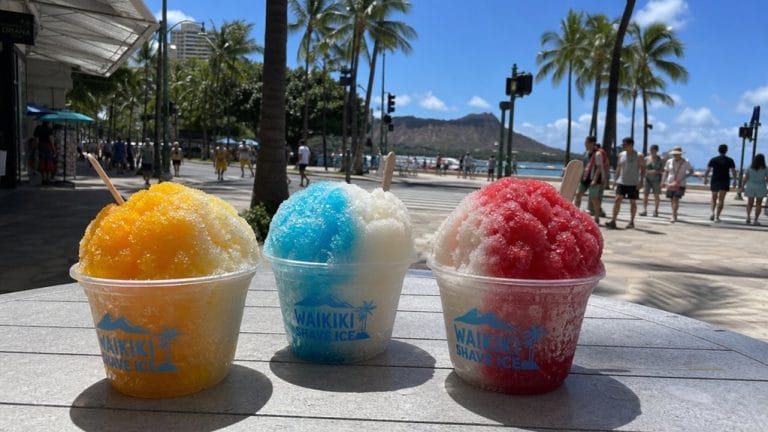
You come for the beach, you stay for the buzz, and you remember the view of Diamond Head rising beyond the sand. Waikiki sits on Oahu’s south shore in Honolulu, where surf schools, high-rise hotels, and old icons like the Royal Hawaiian share the same sunny strip. You can hear canoe paddles slap the water, walk to dinner on Kalakaua Avenue, and be in the ocean fast. But that’s only the start of why Waikiki matters.
Key Takeaways
- Waikiki is Honolulu’s famous beachfront neighborhood on Oʻahu’s south shore, between the Ala Wai Canal and Diamond Head.
- It’s known for iconic Waikiki Beach, gentle waves, Diamond Head views, and a lively mix of city and ocean atmosphere.
- Waikiki helped shape modern surfing and is closely linked to Duke Kahanamoku and Hawaiian surf culture.
- The area features historic resort hotels, shopping, dining, parks, and attractions like the Waikiki Aquarium and Honolulu Zoo.
- Visitors come to Waikiki to surf, swim, snorkel, stroll Kalākaua Avenue, and enjoy sunset views from different beach sections.

Waikiki Glass Bottom Boat Sunset Cruise
Discover why Hawaii Glass Bottom Boats is one of the best Waikīkī boat tours and a must-do activity in Honolulu. Departing from Kewalo Harbor, just...

Waikiki Sunset Cocktail Sail on the Moana Catamaran
All aboard! There is no better place to be during Oahu’s magnificent golden sunsets than on our Waikiki Sunset Cru...

"Tour de Honolulu" Foodie Bike Tour
Get a real taste of Honolulu while enjoying Hawaii's outdoors. This Foodie-Historical bike tour is a 12-mile flat co...

Honolulu's Waikiki Self-Guided Walking Audio Tour
The surf’s always up with this self-guided walking tour of the Waikiki neighborhood of Honolulu! Stroll along the...
What Is Waikiki and Why Visit?

Step into Waikīkī and you’ll find more than a famous beach strip. Waikiki blends city energy with ocean ease, making it a classic tourist destination that still feels vivid up close. At Waikiki Beach, you can watch gentle waves slide in under Diamond Head while outrigger canoes cut across the water. You’ll also sense why this place shaped modern surfing.
Beyond the sand, you’ve got easy stops like Kapiʻolani Park, the aquarium, and lively shopping near the Royal Hawaiian Hotel. The beach sections each feel a little different, from busy surf lesson zones to calmer sunset corners. Come early or later in the day if you want more breathing room. Expect warm water, high-rise backdrops, and plenty of rental gear. Just keep an eye on surf conditions and advisories daily. Nearby in central Honolulu, the Punchbowl crater holds the National Memorial Cemetery of the Pacific, a historic memorial site inside an extinct volcano.
Where Is Waikiki on Oahu?
On Oʻahu’s south shore, Waikīkī sits within Honolulu between the Ala Wai Canal and Diamond Head, with the Pacific spread out right in front of it. If you look at a map, you’ll find Waikīkī on the south shore of Oahu, framed by city streets on one side and open water on the other.
You can trace its beach and resort strip along Kalākaua Avenue, where the shoreline stays close and the ocean keeps flashing blue. At the western edge, Fort DeRussy and Kahanamoku Lagoon mark an easy starting point. Head east and you move toward Diamond Head, with Kūhiō Beach and Kapiʻolani Park along the way. The neighborhood covers about 3.4 square miles, so it feels walkable, not wild. You’re never far from sand, surf, or a hotel lobby with strong air conditioning. This Waikiki location is one of the most recognizable spots in Hawaii, sitting on Oahu’s busy south shore.
Why Is Waikiki So Famous?
Waikīkī became famous because it wraps so much of Hawaiʻi’s image into one bright stretch of coast. You see Waikiki Beach, golden sand, and Diamond Head rising beyond the water. You also meet surfing history here, especially through Duke Kahanamoku, whose statue marks the sport’s global launch point.
| Draw | Why famous | What you notice |
|---|---|---|
| Surfing | Birthplace of modern style | Boards, lessons, waves |
| Views | Diamond Head and bright shore | Postcard scenery |
| Historic resort hotels | Premier resort identity | Moana, Royal Hawaiian |
| Culture | Royal past, Waikiki Aquarium | Park, zoo, exhibits |
The area also stays popular because beachfront stays like Outrigger Reef put visitors close to the sand, surf, and central Waikīkī attractions.
You can trace Waikiki’s fame through royal retreats, landmark hotels, and packed attractions. Add canoe races, hula, shopping, and easy access, and you’ve got Hawaiʻi’s most recognized visitor district, sandals and all.
What Is Waikiki Like Today?
Today, you’ll find Waikīkī buzzing from sunrise to well past dinner, with surf lessons pushing off the sand, trolleys and buses rolling by, and a wall of high-rise resorts framing the beach.
As you walk Waikiki, you’ll notice historic hotels like the Royal Hawaiian and Moana Surfrider beside newer towers. The beach looks wide and golden, though much of this Hawaiian shoreline is carefully maintained sand. Sections like Duke Kahanamoku Beach, Queens, and Kūhiō each have their own feel. Nearby food streets and walkable stops make it easy to pair beach time with casual meals, shopping, and short strolls. You’re in a popular tourist center, so sidewalks stay busy and peak hours can feel packed. Early morning and sunset usually feel calmer. You’ll also see how this tourist district balances beauty with real strain, including erosion, restoration work, and occasional water quality closures. It’s lively, polished, and always changing.

Oahu Catamaran Waikiki Sunset on 40 Foot Catamaran: Food and BYOB
2025 VIATOR TOP 10 award for WATER EXPERIENCES in the UNITED STATES including the TOP SUNSET CRUISE in the US!Join...

Waikiki 2 Hour Whale Watching with Guaranteed Sightings on Oahu
Humpback whales visit Hawaii each year and give birth in our warm tropical waters, it's a once in a lifetime experie...

Waikiki Signature Sunset Catamaran Sail
Experience a Hawaiian sunset like no other on a cocktail cruise along Oahu's coast. Departing from Waikiki and headi...
What Can You Do in Waikiki?
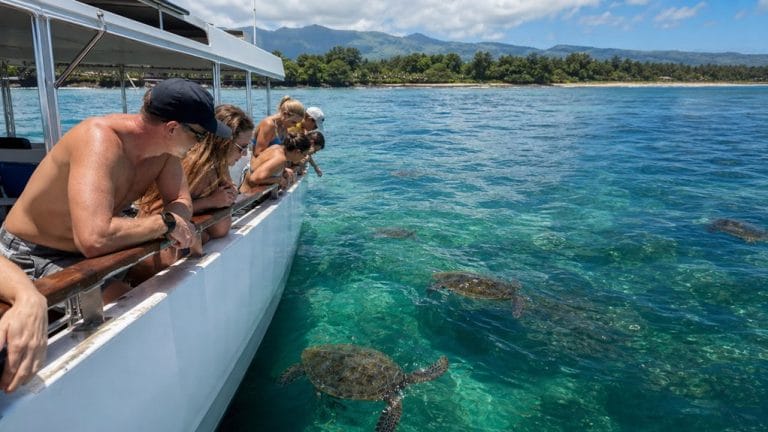
Start with the beach, because that’s where Waikiki really shows off. You can learn to surf on Waikiki Beach, where gentle waves helped launch modern surfing and Duke Kahanamoku still greets beginners. If you’d rather float, swim or snorkel at Queens, Kūhiō, Kahanamoku, or DeRussy Beach, where calmer water and sandy stretches make easing in simple. A Waikiki Beach map can help you choose the best stretch for swimming, surfing, or finding shade before you head out.
When you want a break from salt and sun, walk to Kapiʻolani Park for shade, concerts, and Diamond Head views. Browse the Waikiki Aquarium or Honolulu Zoo nearby. Later, head along Kalākaua Avenue to the International Market Place for poke, local crafts, and maybe a hula show. You can also catch an outrigger ride, try a submarine tour, or just watch the sunset and let the sky do the entertaining for free.
Frequently Asked Questions
How Do You Pronounce Waikiki Correctly?
You pronounce Waikīkī why-KEE-kee. Focus on correct pronunciation and stress placement: second syllable. Use phonetic spelling, note long vs short vowels, skip ʻokina usage here, avoid common mispronunciations, and follow local pronunciation respectfully.
Is Waikiki Safe for Solo Travelers?
Yes, you’ll usually find Waikiki safe for solo travelers. Practice solo safety: use public transport confidently, avoid late night isolated areas, follow beach etiquette, watch for petty crime, keep communication tips handy, and share a local contact.
When Is the Best Time to Visit Waikiki?
You’ll find the best time to visit Waikiki during shoulder months, April to June and September to mid-December, when best weather, low crowds, favorable ocean conditions, lighter rainy patterns, smart festival timing, and fewer peak season hassles align.
Do You Need a Car to Stay in Waikiki?
No, you don’t need a car in Waikīkī; it’s a compass-friendly island village. You get walking access, public transportation, hotel shuttles, ride sharing, and bike rentals. Skip parking costs unless you’re planning day trips beyond town.
How Expensive Is Waikiki for Visitors?
Waikiki can feel expensive for you: hotel rates, dining costs, activity pricing, and transportation fares climb during seasonal surges. You’ll save with budget tips like off-strip eats, but watch for hidden fees at hotels and rentals.
Conclusion
Waikiki gives you an easy way to step into Hawaiʻi. You can walk from hotel towers to warm sand, watch surfers cut across blue water, and see Diamond Head rise beyond the beach. It’s famous for a reason, yet it still feels approachable. You can swim, shop, eat well, and learn a bit of island history without going out of your way. If you want city convenience with ocean views, Waikiki checks all the boxes.
Honolulu's Waikiki Self-Guided Walking Audio Tour
The surf’s always up with this self-guided walking tour of the Waikiki neighborhood of Honolulu! Stroll along the shimmering sand of Waikiki Beach a...
"Tour de Honolulu" Foodie Bike Tour
Get a real taste of Honolulu while enjoying Hawaii's outdoors. This Foodie-Historical bike tour is a 12-mile flat co...
Waikiki Glass Bottom Boat Sunset Cruise
Discover why Hawaii Glass Bottom Boats is one of the best Waikīkī boat tours and a must-do activity in Honolulu. D...

Oahu Catamaran Snorkel Tour: See Turtles 100% Guaranteed
Experience one Viator's 2025 Top 20 Best Excursions in the country. This Oahu Catamaran snorkel tour offers unbeatab...
Experiences to explore
 Explore experience ↗
Oahu Hawaii Golf Tour Ewa Beach Country Club with Waikiki Pickup
◷ 6 hr–7 hr
Experience one of Oahu's most enjoyable golf outings with convenient round-trip transportation from Waikiki. Skip the hassle of renting
See dates for Current pricing
View dates Explore experience ↗
Private Driving Tour of Oahu Scenic South Shore
◷ 4 hr
Breeze through some of Hawaii's most beautiful beaches on this leisurely half-day private driving excursion to the South Shore of Oahu
See dates for Current pricing
View dates Explore experience ↗
Full-Day Private Tour in South Shore of Oahu with Local Guide
◷ 6 hr
We will arrange a comfortable pickup and take you to this great experience to explore the south shore of Oahu. During your excursion yo
See dates for Current pricing
View dates