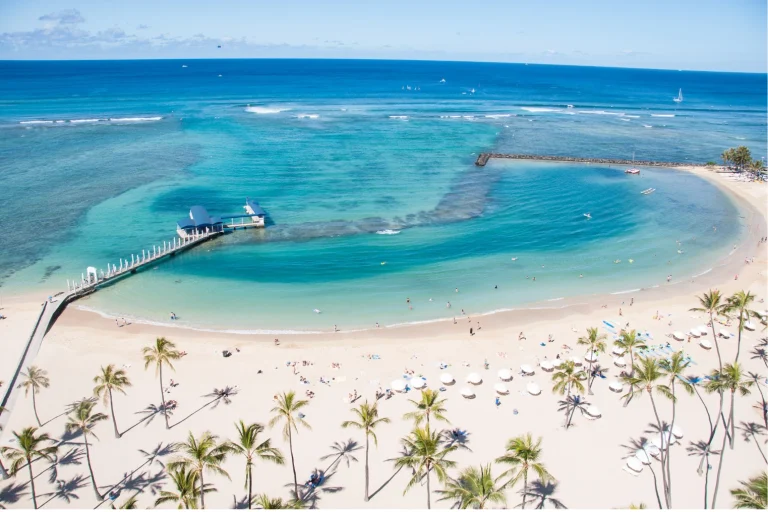
Waimea Bay doesn’t always feel cooperative, especially if you swing by on a big winter swell. On the right summer morning, though, the bay turns clear and calm, with glassy water, mid‑70s temps, and reef fish shimmering just a short swim from shore. The trick is knowing which days are safe, how to read the water from the sand, and exactly where to slip in without turning your snorkel into a slog…
Key Takeaways
- Snorkeling is best in summer (June–August) and shoulder seasons with calm north swells and clear, blue water.
- Aim to arrive before 9–10 a.m.; morning offers lighter winds, fewer crowds, and the clearest visibility.
- Check surf and lifeguard flags: avoid snorkeling when shorebreak is heavy, sets exceed waist height, or red flags and loudspeaker warnings are present.
- Use the south side near the river mouth or Waimea Point wade-in beside the rocks for the easiest sandy or protected entries.
- Watch where experienced swimmers enter and exit, then follow the same sandy approach, angling toward darker reef patches while avoiding cliff jump and river mouth zones.
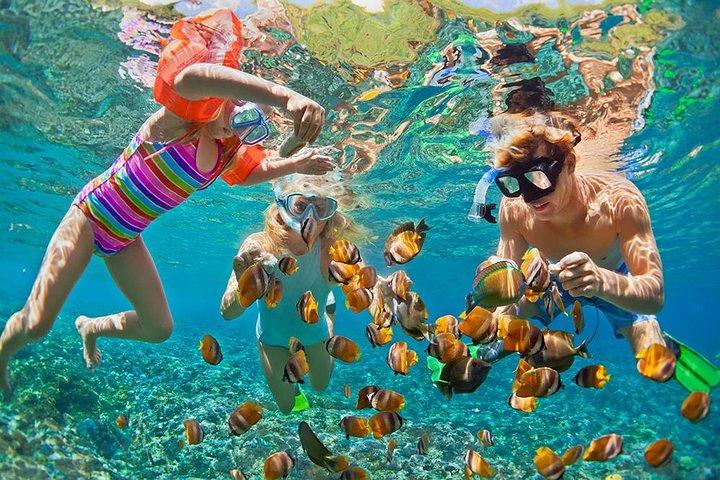
Oahu Circle Island Snorkeling Tour: Dole, Pali Lookout & More
Looking for the BEST VALUE & MOST COMPLETE Circle Island Snorkeling Tour? Join us for the ultimate full-day, action-packed adventure that will guide y...

Oahu: Grand Tour Around Island with Snorkeling
Come join on a circle island adventure led by some of Hawaii’s most knowledgeable local guides and experience breathtaking lookouts to capture mind-...
How to Know If Waimea Is Safe to Snorkel Today?
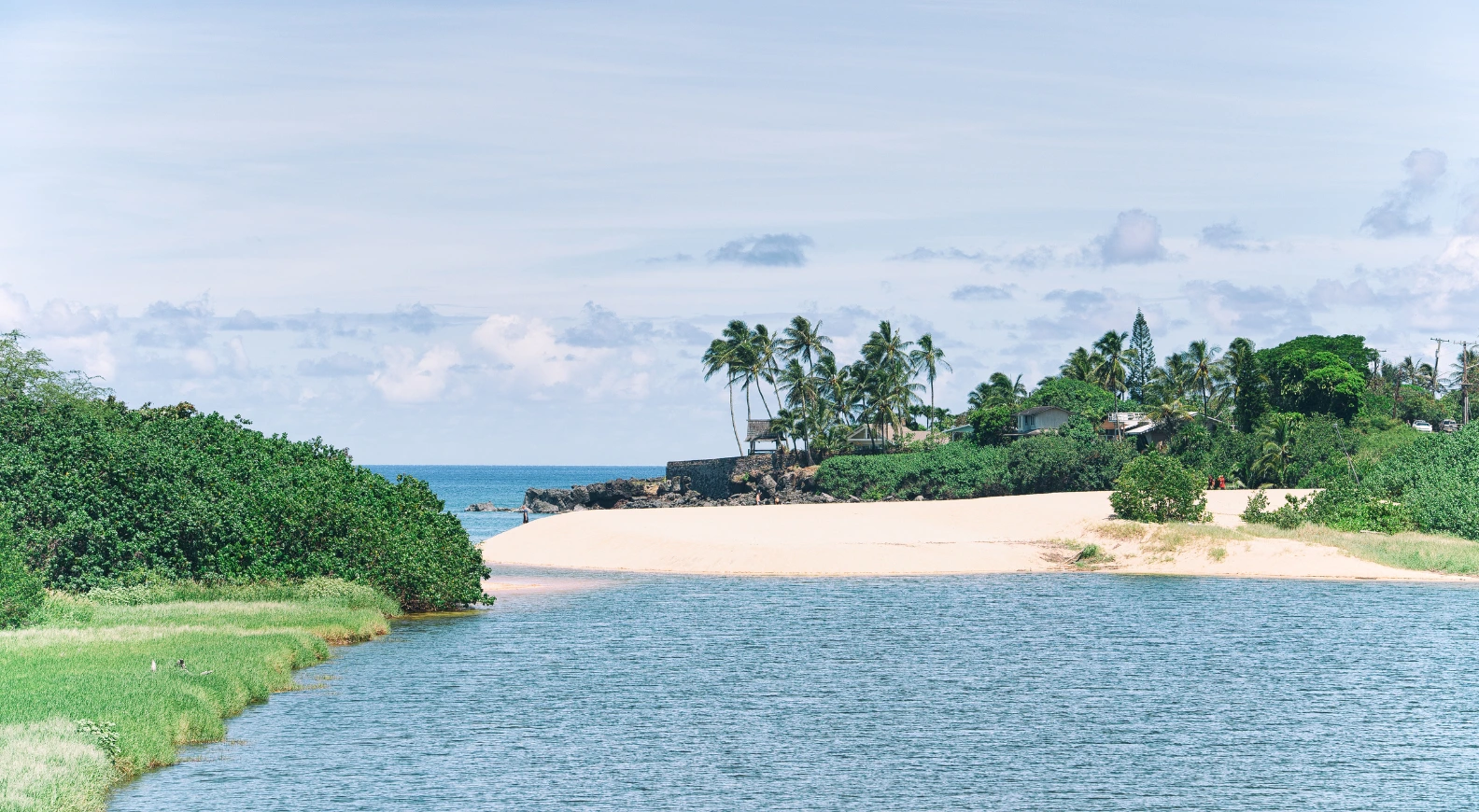
On any given day, Waimea Bay can feel like a calm, turquoise pool or a washing machine, so your first job is to read the ocean before you even think about pulling on a mask. Start from the parking lot and check the whole shoreline. Look for clean, small shorebreak and people entering and exiting smoothly. If lifeguards post red flags or make frequent loudspeaker calls, treat that as a hard no. On big north swell surf days, Waimea is a spectator spot only, snorkeling is off the table. Check crowd levels too. When locals, families, and tour groups avoid the water and stick to the sand, you should, too. Before you arrive, glance at tide charts and aim for mid to high tide, which usually softens rocks near the entry and gives you more depth. If anything feels off, wait.
How to Read Swell, Wind, and Weather for Waimea
Before you grab your fins, you need to know what the swell, wind, and weather are doing at Waimea, because they decide if you get a lazy reef cruise or a dangerous washing-machine tumble.
Before you grab your fins, read the ocean’s mood, gentle reef tour or violent spin-cycle beatdown.
Check the surf report first. You want small surf, long period, and north or northwest swell that Waimea can handle.
Look for swell shadowing from nearby points, which can calm the inner bay even when outer reefs roar. If the main lot is full, plan on Waimea Bay parking overflow options before you go so you’re not circling when conditions are perfect.
- Watch wind speed; under 10 knots usually keeps the surface glassy and clear.
- Prefer light trades over gusty onshore wind shear that stacks chop.
- Scan radar and webcams for squalls, brown runoff, and thunder.
- At the beach, trust lifeguard flags and your own gut. If it’s marginal, skip snorkeling and just watch.
Best Time of Year to Snorkel Waimea Bay
Typically, the sweet spot for snorkeling Waimea Bay runs from late spring into early fall, when winter’s big-wave circus calms down and the bay turns into a clear, blue pool. You’ll find the true peak months in June, July, and August, when the ocean often looks glassy and entry from the beach feels simple. If you plan to visit nearby Waimea Valley the same day, aim to arrive early to secure Waimea Falls parking before it fills and then move to the bay once ocean conditions are favorable. Water temperature usually sits in the mid to high 70s Fahrenheit, warm enough that most people skip a wetsuit. Mornings bring calmer surface conditions and fewer crowds, so aim to arrive before 9 am and grab parking. Afternoons can still work, yet tradewinds may kick up chop.
Pack a rash guard, reef-safe sunscreen, and a cheap dry bag, and leave heavy camera gear behind. You’ll stay longer, happier, and safer.
Waimea Bay Snorkeling Conditions by Month and Season
As you plan your day at Waimea Bay, it helps to think in seasons, because winter, summer, and the shoulder months feel like three different beaches.
In winter, powerful swells can turn the bay into a show for photographers, not snorkelers, while summer usually brings glassy water, long visibility, and easy floating over the rocks.
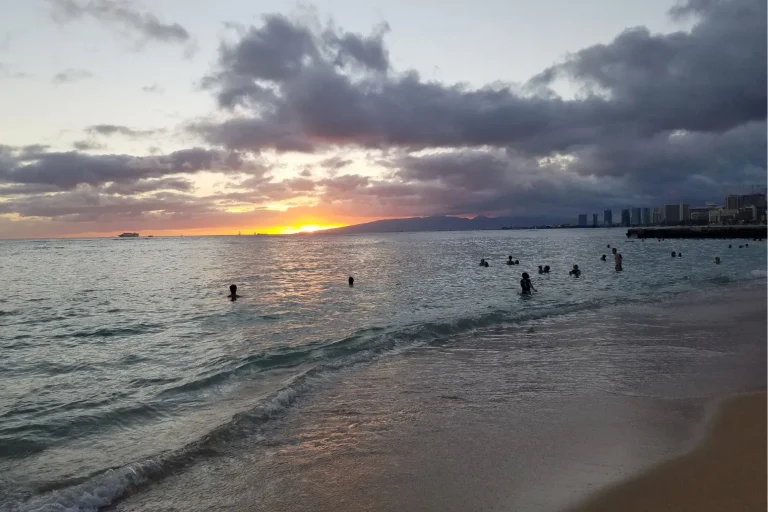
Spring and fall sit in between, with more manageable surf but bigger crowds and tour groups, so you’ll want to time your visit early, pack reef‑safe sunscreen and water shoes, and skip days when the shorebreak looks rough. For an unforgettable end to a snorkel day, many visitors stay to watch the Waimea Bay sunset from the sand or nearby lookout points.

Oahu: Dole Plantation & Haleiwa Town OR Grand Circle Island Tour
Choose from two exciting ways to experience Oahu's top attractions, scenic beauty, and local culture.Option 1: Dol...

Honolulu: Pacific Star Sunset Dinner Cruise and Show
Indulge in the original Pacific Rim cuisine, where each dish serves as a gateway to the rich flavors of the region...

Honolulu: Three Star Deluxe Sunset Dinner Cruise and Show
As the sun sets over the Pacific, enjoy a luxurious Honolulu dinner cruise along the scenic coastline near Diamond H...
Winter Swell And Safety
While summer turns Waimea Bay into a calm, glassy snorkeling bowl, winter flips the script and brings in the famous North Shore surf that can make getting in the water risky.
Huge swells reshape the shoreline, churn sand, and fuel powerful winter currents that can shove you sideways or straight out of the bay. From nearby North Shore viewpoints, you can actually watch these massive winter sets slamming into the outer reefs before they wrap into Waimea Bay.
Before you even think about snorkeling in winter, slow down and check:
- Surf height on local forecasts; anything over 2 to 3 feet is already sporty for casual snorkelers
- Lifeguard flags, whistles, and posted warnings, and ask them about rip zones
- Entry and exit points, watching where other experienced swimmers actually get out
- Your own limits, plus a clear buddy plan and basic emergency protocols in case something feels off
Summer Visibility And Calm
On a good summer morning, Waimea Bay feels like someone turned the ocean to glass, and that’s when snorkeling really shines. From June through August, you usually get peak summer clarity, with visibility often hitting 40 to 60 feet. Conditions stay friendliest in calm mornings, before trade winds rough up the surface. Plan to arrive before 9 a.m. and park in the small free lot or along the highway. While you’re here, keep in mind that popular activities like the Waimea rock jump should be skipped whenever surf, swell, or currents look rough, as those same conditions can also make snorkeling unsafe. Bring a mask, snorkel, fins, and a light rash guard instead of a full wetsuit. Skip flotation vests unless you’re nervous in deep water, since the bay slopes quickly. If you prefer guidance, a few Viator snorkeling tours bundle gear, hotel pickup, and flexible, free cancellation. Check reviews and reserve now, pay later when unsure.
Shoulder Seasons And Crowds
Summer may give you the clearest water, but the shoulder seasons of April–May and September–early November often feel kinder if you don’t love crowds.
You still get warm air, calm mornings, and decent visibility, without the summer crush or winter surf.
You’ll notice lighter shoulder crowds on weekdays.
Parking usually opens up before 9 a.m., and you can claim space near the rocks for easy water entry.
If you’re combining your snorkel with a visit to nearby Waimea Falls, plan enough time for the valley trail and ticketed entry before or after your ocean session.
- Aim for early morning snorkels to beat trade winds and tour buses.
- Skip major holidays when seasonal peaks hit, even in shoulder months.
- Pack a light wetsuit top, reef-safe sunscreen, and a dry bag for passing showers.
- Bring your own mask and fins, rentals can be scarce or worn.
Afternoons stay relaxed, perfect for long surface swims.
Safest Entry Points for Waimea Bay Snorkeling
Slip into Waimea Bay the smart way by starting at the south side of the beach, near the river mouth, where the sandy slope gives you the calmest, easiest entry on normal days. Arrive before 9 a.m. so lifeguards are on duty and parking still has space. Scan the shoreline hazards first: shorebreak, hidden rock patches, side currents on bigger swells. Before or after your session, you can compare Waimea’s conditions and vibe with nearby Haleiwa Beach, which offers its own mellow shoreline and local highlights.
Use simple entry etiquette. Walk out until water hits your waist, face the ocean, then glide in on a lull, fins in hand.
| Tip | Why it matters |
|---|---|
| Ask lifeguards about swell | Conditions change hourly |
| Avoid river after heavy rain | Runoff kills visibility |
| Skip big shorebreak days | Safer to just watch |
| Keep kids mid bay | Fewer surprise waves |
| Exit where you entered | Reduces confusion |
Still comparing Waimea Bay Snorkeling Conditions?
Ask for tour ideas, hotel suggestions, or a simple trip plan that combines both.
Trip Helper
Left-Side Rocks and Reef (Church Side) Snorkeling
Head toward the left side of Waimea Bay, below the small stone church on the cliff, and you’ll find the bay’s most interesting reef for snorkeling.
Enter from the sand and angle toward the dark rocks, staying clear of any shorebreak.
The bottom shifts from plain sand to lava ledges, then to coral heads teeming with surgeonfish and wrasse.
Like nearby Lanikai Beach, Waimea Bay is usually clearest and calmest in the morning before trade winds build and afternoon chop rolls in.
Look under rocky overhangs for sleeping turtles and shy eels, but keep a respectful distance.
- Watch for calm, clear water; if it’s murky, skip it.
- Use booties for tidepool exploration between sets and during low tide.
- Bring a bright snorkel flag so passing craft see you.
- Skip valuables on the beach; petty theft occasionally happens.
Aim to snorkel before noon, when trade winds usually rise.
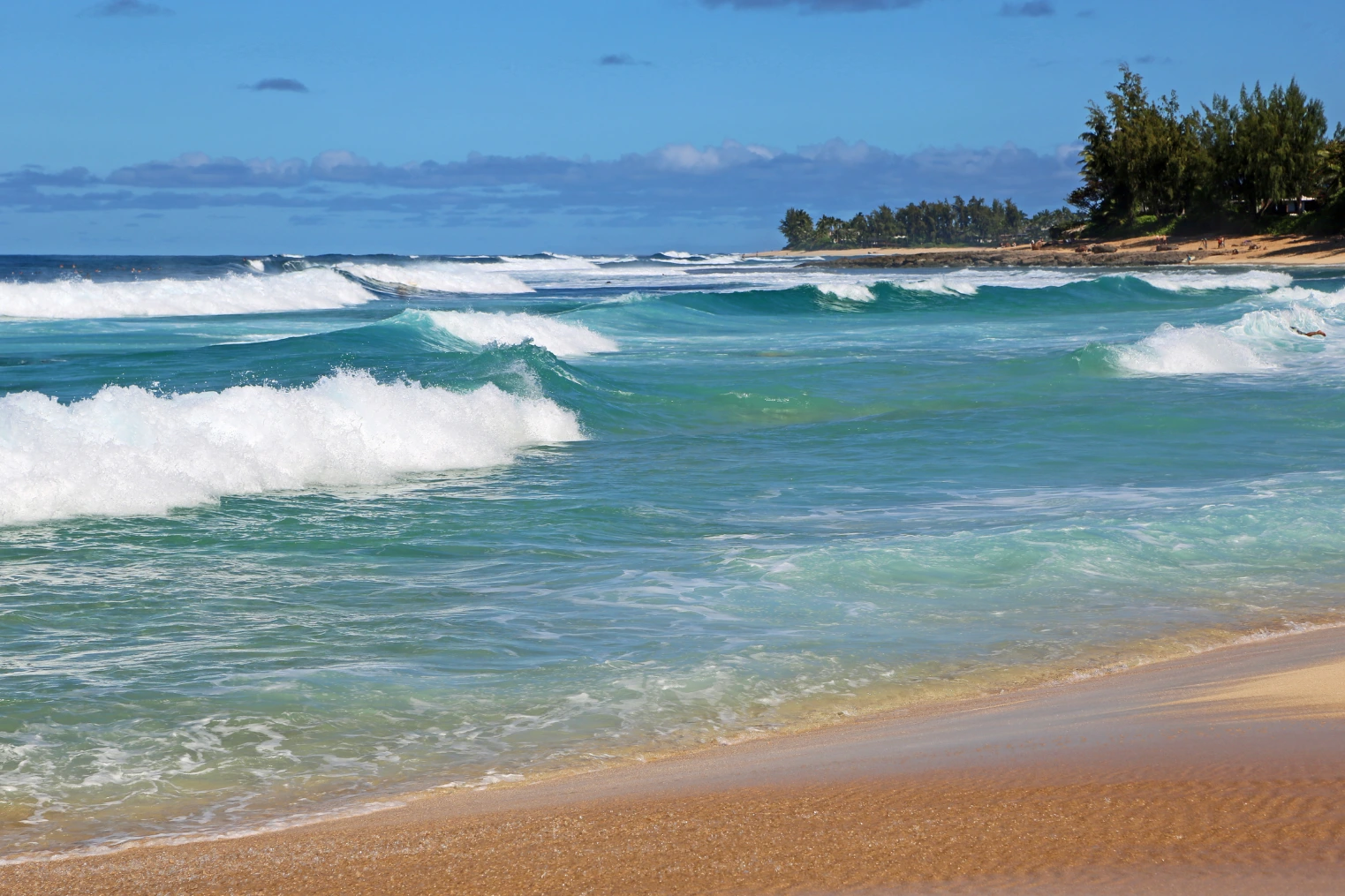
Waimea Point and Cliff Jump Rock Snorkeling Guide
At Waimea Point and the famous cliff jump rock, you’ll want to know exactly where to slip into the water so you miss the worst of the surge and the sharp, volcanic ledges. Here’s how to pick the safest entry spots, read the daily conditions, and judge when the jump scene turns the area into more hassle than fun. You’ll also get practical tips on when to go, what to pack, and what to avoid so your snorkel here feels thrilling, not sketchy. If you’re exploring more of Oahu, you can compare this spot with the gentler conditions often found along the Windward Coast Oahu to decide which snorkel days should be mellow and which can be more adventurous.
Best Entry Spots
From the curve of the bay, two clear entry spots make snorkeling Waimea feel simple instead of stressful: Waimea Point on the left and Cliff Jump Rock near the center.
You get quick reef access without a long surface swim, which saves energy and time.
- Wade in at Waimea Point beside the rocks, then kick out along the cliff for fishy ledges.
- Slip in near Cliff Jump Rock using the sandy pocket locals favor between jumps.
- Follow quiet entry etiquette: wait your turn, give space to jumpers, and keep fins pointed away from others.
- Bring mask, snorkel, compact fins, and a light dry bag so you can walk in with hands free.
Arrive before 10 a.m. to dodge crowds and enjoy a quieter scene.
Remember that Waimea Bay is part of a Marine Life Conservation District, so follow posted rules and avoid touching coral or disturbing marine life while you snorkel.
Safety And Conditions
Although Waimea Bay can look calm and glassy from the sand, conditions around Waimea Point and Cliff Jump Rock change fast and you need to read the water before you plunge in.
Check the shore break first; if lifeguards post red flags or close the rock, you sit it out.
Morning usually brings lighter winds and clearer visibility.
Tidal influences create surges along the rocks, so watch a full set cycle before you swim out.
You’ll feel strong pull near the point; stay closer to the sandy pocket if you’re unsure.
Keep distance from cliff jumpers and from turtles; marine life behavior shifts when crowds kick and splash.
Reef cuts get infected, so pack liquid bandage and skip bare feet on the jagged lava.
If conditions at Waimea look marginal, you can always explore other North Shore Oahu spots nearby for calmer swimming and snorkeling.

Toa Luau at Waimea Valley, Oahu
Toa Luau invites you to immerse yourself in the beauty and excitement of Polynesia on Oahu’s historic North Shore!...

Pearl Harbor USS Arizona Memorial Tour from Waikiki
Turn back time as we explore WWII history at Pearl Harbor and relive the infamous Sunday morning of December 7, 1941...

Oahu: Roundtrip Shuttle From Waikiki to Dole Plantation & Haleiwa
Skip Circle Island and visit two of the most popular places to visit here on the Island of Oahu. Experience a unique...
Currents, Rip Zones, and When to Skip Waimea Snorkeling
Even on a glassy North Shore morning, Waimea’s water hides strong currents that can turn a lazy snorkel into a hard swim back to shore. You need to read the bay before you even touch the sand. Watch how undertow patterns pull foam seaward and where channel breakdowns in the sandbar create fast-moving rip zones. On days when Waimea looks sketchy, many beginners head instead to Sans Souci snorkeling for its easier entry and typically calmer conditions.
- Stop and talk with the lifeguards; ask if snorkeling is smart that hour.
- Skip the water if waves are over your waist or sets slam the shore.
- Avoid the river mouth after heavy rain, when runoff stains the bay brown.
- Never chase your mask or fins toward the rocks; let them go.
If locals stay on towels, you should too. Waimea will wait for a clearer, safer day anyway.
Best Gear and Visibility Tips for Waimea Bay Snorkelers
Usually the best Waimea snorkel sessions start before you even see the sand, with a quick gear check in your hotel room or car.
Pack a low volume mask that seals well on your face and test it in the shower first.
Choose a snug, low-volume mask and trial it in the shower before ocean time
Bring mask defogger or anti fogger spray, since Waimea’s clear mornings turn any fog into wasted swim time.
Skip cheap rental sets with cracked straps or cloudy lenses.
Use polarized lenses on your sunglasses to judge surface glare and spot darker reef patches before you enter.
Slather on reef safe sunscreen at least twenty minutes before swimming so it bonds and doesn’t sting your eyes.
Pack a mesh bag for fins and a rash guard so your buddy tracks you easily.
If you plan to explore nearby spots like Shark’s Cove, remember that its rocky entry demands sturdy footwear and careful footing even on calm summer days.
Nearby Snorkeling Alternatives When Waimea Is Too Rough
That gear prep still pays off on days when Waimea looks more like a washing machine than a postcard. When the shore break shuts you down, you’ve got solid backups nearby that stay calmer and clearer. On the North Shore Oahu, you’ll also find legendary food trucks and surf breaks within minutes of these snorkel spots, making it easy to pair water time with post-dive grinds and people-watching.
- Try Sharks Cove, a rocky basin five minutes east, best in summer mornings before parking fills.
- Head to the protected reef at Kuilima Cove by Turtle Bay; bring reef-safe sunscreen, skip big fins.
- Book local charters from Haleiwa Harbor for boat-access sites; look for small groups and gear included.
- Check sheltered coves near Ko Olina on the west side, often sunny when the North Shore blows out.
If you’re short on time, a Viator boat tour from Haleiwa simplifies pickup and timing, with verified reviews and free cancellation.
Frequently Asked Questions
Are There Restrooms, Showers, and Shaded Areas Near Waimea Bay for Snorkelers?
You’ll find decent restroom access at Waimea Bay, plus portable toilets in busy seasons. After snorkeling, you’ll use outdoor showers for a freshwater rinse. Relax under trees in shaded picnic spots and covered pavilions nearby.
Is Waimea Bay Snorkeling Suitable for Young Children or Beginner Swimmers?
Yes, it can be, if you visit on calm summer days, use the child friendly entry, stick to shallow snorkeling spots, consider guided lessons, bring floatation aids, stay close, watching your kids and conditions carefully.
What Marine Life Can I Commonly Expect to See While Snorkeling at Waimea Bay?
You’ll usually spot green sea turtles gliding calmly, schools of colorful reeffish, goatfish, surgeonfish, butterflyfish, and occasionally moray eels or octopus. Scan sandy patches for rays, and watch near rocks where jacks and needlefish cruise.
Are There Lifeguards on Duty, and Where Are Their Towers Located?
Yes, you’re miraculously not left to Darwin alone; lifeguards work daily, standard beach lifeguard schedules, with towers positioned near the main beach center, rocky jump area, and closer to the parking-lot access, check posted tower locations.
Is There Paid or Free Parking, and How Early Does the Lot Fill?
You’ll find a small lot with free parking only; there’s no official paid parking nearby. On busy days, arrive before 8 a.m.; by 9–10 the lot typically fills and you’re hunting legal shoulder spots parking.
Conclusion
Waimea Bay rewards a little homework. Check swell and wind, trust the lifeguards, and aim for calm summer mornings before the beach chair crowds roll in. Slip in from the sandy side or Waimea Point, hug the reef, and treat river outflow as a red light. Pack a rash guard, sturdy fins, and a dry bag, skip cheap leaky masks, and let the clear blue wrap around you like stained glass on a summer morning.
Oahu: Grand Tour Around Island with Snorkeling
Come join on a circle island adventure led by some of Hawaii’s most knowledgeable local guides and experience breathtaking lookouts to capture mind-...
Oahu Circle Island Snorkeling Tour: Dole, Pali Lookout & More
Looking for the BEST VALUE & MOST COMPLETE Circle Island Snorkeling Tour? Join us for the ultimate full-day, action-...

Oahu Majestic Circle Island Tour with Waimea Falls and Byodo Inn
Since 1974, E Noa Tours has specialized in showing visitors the real Oʻahu through immersive experiences led by pas...

Parasailing Experience in Waikiki, HI
Experience the thrill of Oahu parasailing on this unforgettable 1-hour adventure from Waikiki. Soar up to 1,000 feet...