Like a city park hidden beneath the waves, Waikiki’s shoreline gives you pocket-sized reefs just steps from your towel, if you know when and where to slip in. You’ll find calm, shallow spots near Queen’s Beach and Kuhio Beach, clearer water in the right season, and even a good chance of turtles without paying for a boat trip. The trick is timing the wind, surf, and crowds to line up in your favor…
Key Takeaways
- Queen’s Beach, Kuhio Beach, and Sans Souci offer calm, easy-entry snorkeling with lifeguards, sandy access, and beginner-friendly reef flats right in Waikiki.
- For clearest water, aim for May–early October and snorkel at sunrise–10 a.m. or late afternoon when winds and crowds are lower.
- Check Ocean Safety Hawaii and NWS Honolulu surf forecasts, then confirm with lifeguards on-site before entering the water.
- Watch flags, wind, and wave patterns; only enter during calm periods and always snorkel with a visible buddy using bright rash guards or flotation vests.
- Expect common reef fish, parrotfish, and occasional turtles; protect the reef by floating horizontally, never standing on coral, and using reef-safe sunscreen or rash guards.
Best Walkable Waikiki Snorkeling Spots
Often overlooked between mai tais and surf lessons, Waikiki’s best walkable snorkeling spots sit right off the sand, so you can swap flip-flops for fins in minutes.
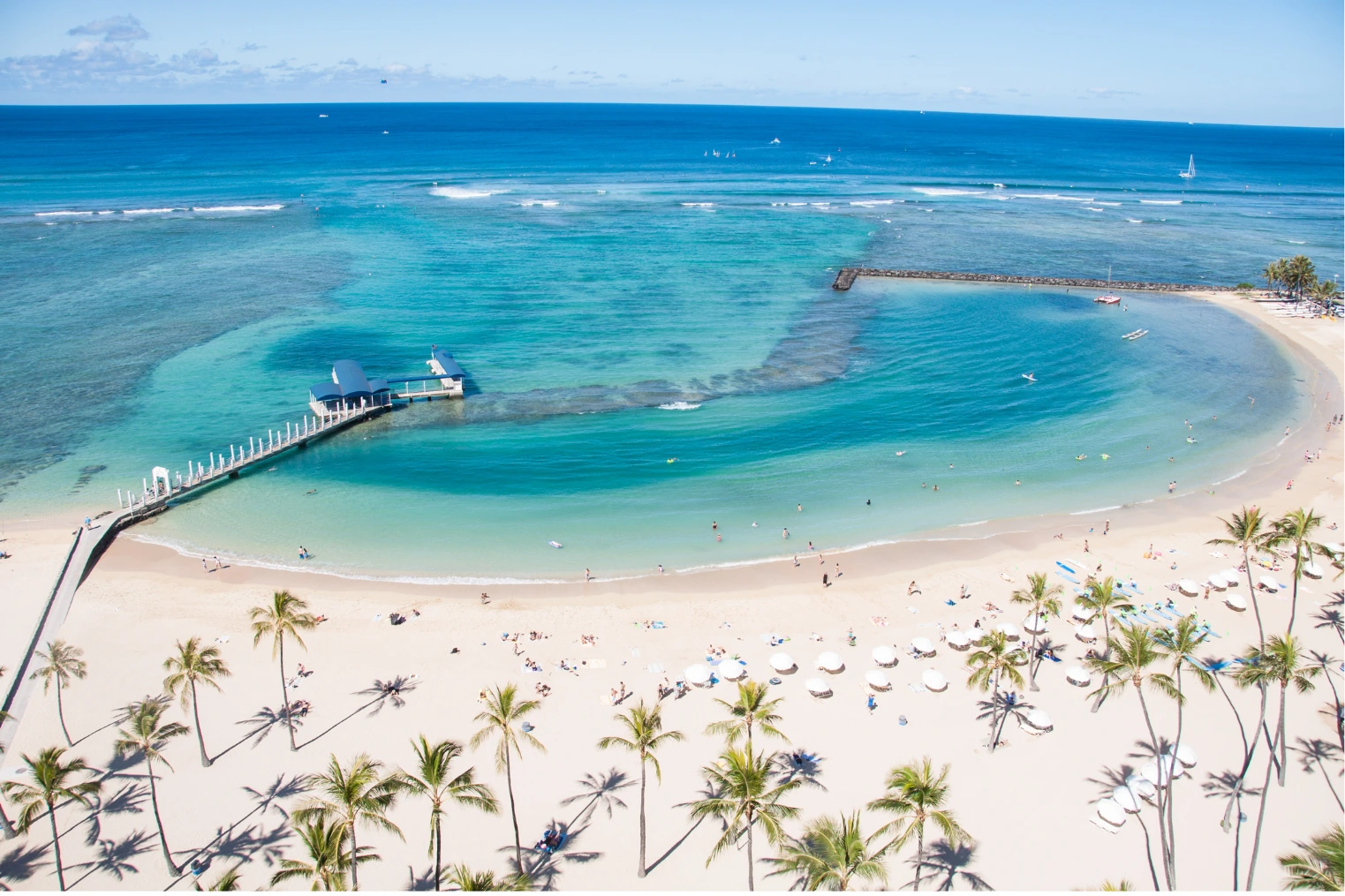
Start at Queen’s Beach, just past the Waikiki Aquarium, where a protected reef draws schools of reef fish and frequent Turtle Encounters close to shore. Farther along, the Kapahulu Groin area gives you slightly deeper water, fewer beginners, and easy entry from the concrete steps. On calmer days, these close-to-shore reefs line up with Waikiki’s clear water days, giving you surprisingly good visibility without leaving the main strip.
Start at Queen’s Beach, then drift toward Kapahulu Groin for quieter reefs and easy step-in access
You can also wade in at Sans Souci Beach for calm, sandy access that suits nervous swimmers. Pack a rash guard, $5 reef-safe sunscreen, and a dry bag. Skip full-foot fins if surf looks rough.
For hassle-free gear and guiding, Viator boat-based Sunset Snorkeling trips bundle rentals, hotel pickup, and free cancellation.
Best Times for Clear Water in Waikiki
You’ll see Waikiki’s clearest water when trade winds are light and summer swells calm the nearshore reef, usually from May to early October. Aim for early morning, roughly 7 to 10 a.m., when the sun’s low angle lights up the sand and coral and before boat traffic and crowds kick up the sand. In winter, you can still get good clarity on calmer days, so watch local surf reports, skip stormy or windy afternoons, and keep a mask and travel towel in your daypack so you can move fast when conditions look right. If conditions look murky in town, you can pivot to nearby snorkeling spots near Honolulu that often stay clearer without requiring a long drive.
Ideal Seasonal Conditions
While Waikiki’s water stays warm year-round, the clearest snorkeling conditions usually line up with the drier, calmer months from May to early October. In this stretch, trade winds blow steady from the northeast, which keeps surface chop low near the south shore and helps sand settle between swells. You’ll get bluer water, easier entries, and more predictable reef visibility. According to typical Waikiki weather patterns, these months also bring fewer heavy rain events, which means less runoff to cloud nearshore reefs.
In winter, passing storms and bigger south swells can cloud the shallows, yet you find pockets of winter clarity after a few calm days. Watch surf reports and skip outings right after heavy rain.
To match your trip to the season, you can:
- Aim for late spring or early fall shoulder weeks
- Prioritize flexible, weather-dependent plans
- Pack reef-safe sunscreen and a rash guard
Daily Timing Patterns
Getting the season right is only half the story; clear Waikiki water also depends on the clock. Aim to enter the water within two hours after sunrise, when overnight calm leaves sand settled and fish busy on the reef. By late morning, expect a building swell and beginner crowds.
| Time window | Water insight |
|---|---|
| Sunrise to 10 a.m. | Soft light, lighter winds, best visibility for photos and timid snorkelers. |
| 3 p.m. to sunset | Warmer water, shifting colors, and twilight clarity when winds drop again. |
Avoid the midday surge near beach rental stands, when lessons, catamarans, and stirred-up sand cloud the shallows. Pack your own mask, skip flimsy hotel gear, and use a Viator trip if you want hotel pickup, flexible timing, and free cancellation included. For the safest daily timing, pair this schedule with a quick check of Ocean Safety Hawaii and the NWS Honolulu surf forecast before you head out.
How to Read Waikiki’s Ocean Conditions
Start by looking at Waikiki’s water the way a local does, not just as a pretty blue backdrop. Study wave charts the night before, so you know if a rising swell might kick up chop and cloud the reef. For a broader perspective, compare Waikiki’s forecast to Oahu snorkeling reports island-wide, so you can tell when conditions in town are truly calm or just relatively better than rougher coastlines.
On the beach, use lifeguard flags, current indicators, and your own eyes. Smooth, glassy water with small waves usually means easy snorkeling. Windy, whitecapped afternoons often mean poor visibility.
- Check the Waikiki surf report after dinner, focusing on wave height and swell direction.
- Watch how surfers sit; if they drift fast, currents run strong.
- Skip snorkeling when flags are red, winds howl, or storms sit offshore. Visibility recovers quickly here, so waiting for a calmer tide often pays off by tomorrow.
Beginner Reefs: Easy Entries and What You’ll See
You’re ready to get in the water, so let’s start with Waikiki’s easiest entry spots where you can shuffle straight off the sand and over shallow, beginner‑friendly reef. Here you’ll watch reef fish flash neon colors, spot lazy sea cucumbers in the sand, and, if you’re lucky, see a turtle cruise past at a respectful distance. We’ll walk through which beaches suit first‑timers, what you’re likely to see, and a few simple safety habits that keep your session relaxed instead of stressful. When you do see turtles, remember to keep at least a 10‑foot buffer and follow Hawaii turtle viewing rules so you’re protecting them and staying within local guidelines.
Gentle Beach Entry Spots
Soft sand underfoot and a slow, shallow slope into the water make Waikiki a surprisingly easy place to learn to snorkel.
You’ll find the gentlest entries along the calm shoreline between the Royal Hawaiian and the Kapahulu Groin.
Here, lifeguards watch the water and the shallow sandbar breaks incoming waves before they reach you.
If you’re staying into the evening, you can transition from snorkeling to a relaxed stroll along the Waikiki Beach Walk to catch the sunset colors over the same reef line.
Aim to wade in during midmorning, after the sun is up but before crowds pack the towels.
Bring simple gear and travel light:
- Pack mask, snorkel, compact fins, rash guard, and a dry bag for your phone.
- Leave big beach chairs, floaties, and coolers at the hotel.
- Slip on reef-safe sunscreen, then use the nearest freshwater shower as soon as you exit.
Low stress entry keeps your focus on breathing.
Typical Reef Marine Life
Glide over Waikiki’s beginner reefs and the first thing you’ll notice is how close the fish stay to shore. You float above finger coral, and clouds of yellow tang trail past like confetti. Look for colorful parrotfish scraping algae, their beaks clicking softly. Stay still, and Moorish idols edge closer, curious but wary. For consistently clear, glassy conditions, many visitors also plan a day at Oahu’s top snorkeling spots known for calm water and excellent visibility.
| What you see | When you’ll see it | Where it clusters |
|---|---|---|
| Surgeonfish schools | Late morning | Waist‑deep reef flats |
| Colorful parrotfish | All day | Coral heads and rock edges |
| Shy, nocturnal boxfish | Dusk or tour night snorkels | Deeper patches |
Early light means clearer water and fewer crowds. Pack a long‑sleeve rash guard, cheap underwater phone pouch, and reef‑safe sunscreen, skip feeding fish. Viator tours offer hotel pickup, verified reviews, free cancellation, reserve now pay‑later.
Safety Tips For Beginners
Although Waikiki’s beginner reefs feel mellow and close to shore, treat them like the ocean, not a hotel pool. Pick a lifeguarded beach, like Kuhio or Queen’s, and talk to the guard about currents and visibility that hour. Kuhio Beach Waikiki is especially popular with new swimmers and snorkelers because its protective walls create one of the calmest, easiest swim zones in Waikiki. Check your mask fit in waist deep water so you’re not fighting leaks over the reef.
Never snorkel alone. Use a simple buddy system and agree on signals before you swim out.
- Scan the water for surf, jellyfish alerts, and crowded tour groups, then time your entry during a calm window.
- Wear a bright rash guard or rental flotation vest so boats and surfboards see you.
- Skip touching coral or turtles, and shuffle your feet to avoid stepping on urchins on busy mornings.
Staying Safe and Respecting Waikiki’s Reefs
Before you kick out into Waikiki’s clear water, it helps to know how to keep both yourself and the reef out of trouble.
Good reef etiquette starts the moment you step in. Shuffle through sand, not coral, and float horizontal so fins never scrape the reef. For coral protection, keep your distance from any hard surface, even if it looks like rock.
Move gently, stay buoyant, and treat every surface as living coral, even when it looks like plain rock.
Practice swimmer awareness. Scan for other snorkelers, boards, and surf zones, especially near the Royal Hawaiian and Kapahulu groin. Watch flags and posted marine laws; lifeguards will call you in if you drift into protected areas. If you head over to nearby Hanauma Bay, remember that it’s a protected marine life conservation district with strict no-fishing and no-touch rules that help keep its shallow fringing reef and turtles thriving.
Skip reef-safe talk as a trend and treat it as a rule. Use mineral sunscreen, or better, cover up with a rash guard in bright colors.
Waikiki Snorkeling Gear: Rent or Bring Your Own?
Deciding whether to lug your snorkel gear to Waikiki or rent it on the sand comes down to how often you’ll be in the water and how picky you’re about fit. If you snorkel often and care about mask fit, bring your own set in a hard travel case. You’ll avoid leaky masks and tired rental lines along Kalākaua. If you’re planning a side trip to Hanauma Bay, knowing the reservation and entry system ahead of time will help you time your snorkel sessions in Waikiki around your bay visit.
Casual swimmers can rent for about $15 to $25 per day near Duke’s statue, which keeps your luggage lighter.
- Test the mask fit in the shop, then check the snorkel valve opens and closes smoothly.
- Rinse rentals at the beach rinse station to keep lenses clear.
- Pack defog, a rash guard, and your own mouthpiece if you’re squeamish about shared gear and stray germs.
Frequently Asked Questions
Are There Guided Snorkeling Tours in Waikiki Specifically for Beginners and Nervous Swimmers?
Yes, you’ll test idea that guided Waikiki snorkeling tours suit beginners and nervous swimmers, where Beginner friendly guides stay beside you, teach Calm water techniques, supply floatation, and explore reefs from boats or sheltered beaches.
Which Waikiki Snorkeling Areas Are Most Accessible for Wheelchair Users or Limited Mobility?
You’ll find the most accessible reefs at Kuhio and Queen’s Beaches, plus calm, shallow water at Ala Moana and Hilton lagoon; request beach wheelchairs, use paved ramps, and stay near lifeguard towers for assisted entry.
How Much Should I Expect to Budget for a Half-Day of Waikiki Snorkeling?
You’ll expect to budget about $80–$180 for a half-day, including $20–$40 for basic equipment rental, possible $50–$120 tour or boat fees, plus transportation costs of roughly $5–$20 depending on distance and where you stay overnight.
Are There Kid-Friendly Snorkeling Lessons or Programs Near Waikiki Beach Hotels?
Like training wheels for the ocean, you’ll find plenty of kid-friendly snorkeling lessons near Waikiki hotels. You can book hotel programs or snorkel-and-beach beach playdates that provide shallow-water practice, flotation gear, and calm, kid-focused instructors.
Can I Combine Waikiki Snorkeling With Surf Lessons or Other Ocean Activities in One Day?
Yes, you can easily snorkel and take surf lessons in one day. Book a Morning combo with reef snorkeling, then choose an Afternoon package for beginner surfing, SUP, or outrigger canoe rides through nearby beachboys.
Conclusion
You’re ready to slip into Waikiki like it’s your own giant saltwater pool. Aim for sunrise starts, clear weekdays, and lifeguarded coves. Pack a decent mask, light rash guard, and cheap reef-safe sunscreen; skip full-face masks and bulky fins if you’ll just hug the reef flats. Rent gear by the day if you’re short on space. Move slowly, give turtles room, and you’ll leave the water sun‑tired, salty, and already planning your next swim.