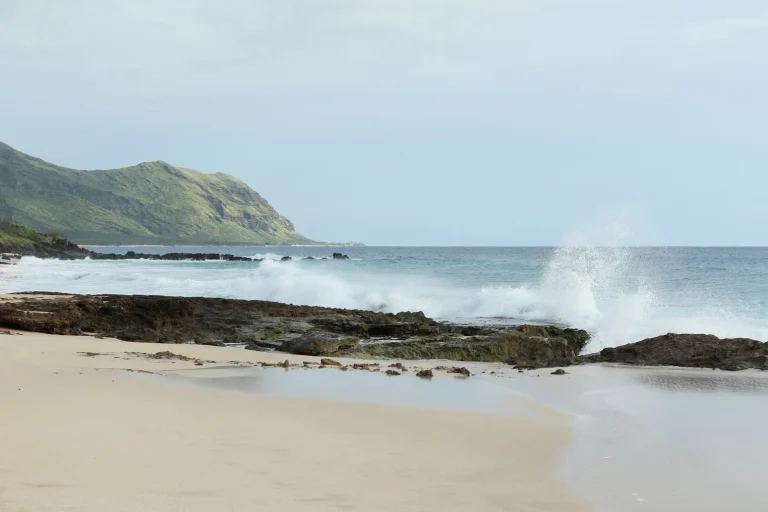
Like picking a playlist for the day, choosing the right Oahu beach can change your whole mood, from slow and glassy at sunrise to loud and surfy by sunset. You might float in Lanikai’s clear water before breakfast, snorkel with turtles at Hanauma Bay by mid‑morning, then watch the sky burn orange at Sunset Beach. The trick is timing, parking, and what you pack, and that’s where your plan for each coast really matters.
Key Takeaways
- Waikiki & Ala Moana offer easy swimming, cheap board rentals, lifeguards, and lively sunset views with city lights; go early morning for lighter crowds.
- Kailua & Lanikai feature soft sand, clear calm water, and great morning light for swimming, kayaking, and snorkeling; arrive before 9 a.m. for parking.
- Hanauma Bay is Oahu’s classic snorkel spot with coral gardens and turtles; timed reservations and very early arrival are essential for entry and parking.
- North Shore’s Waimea Bay and Sunset Beach deliver dramatic panoramas and seasonal surf, with Waimea’s wide west-facing curve ideal for striking sunset photography.
- Ko Olina lagoons and Ala Moana Beach Park are top family-friendly choices, with protected waters, restrooms, showers, and picnic areas for low-stress beach days.

Oahu: Grand Tour Around Island with Snorkeling
Come join on a circle island adventure led by some of Hawaii’s most knowledgeable local guides and experience breathtaking lookouts to capture mind-...

Waikiki Turtle Canyon Snorkel: Turtles Guaranteed
Book our Turtle Canyon snorkel tour for some turtle fun today! Join us for an intimate experience that you will not...

Waikiki: 2-hour Turtle Canyon Snorkeling Adventure
**Turtle Canyon Snorkel Adventure – Swim with Hawaiian Green Sea Turtles!****Gauranteed****Join us for a **2-hou...
Best Oahu Beaches by Region (Quick Picks)
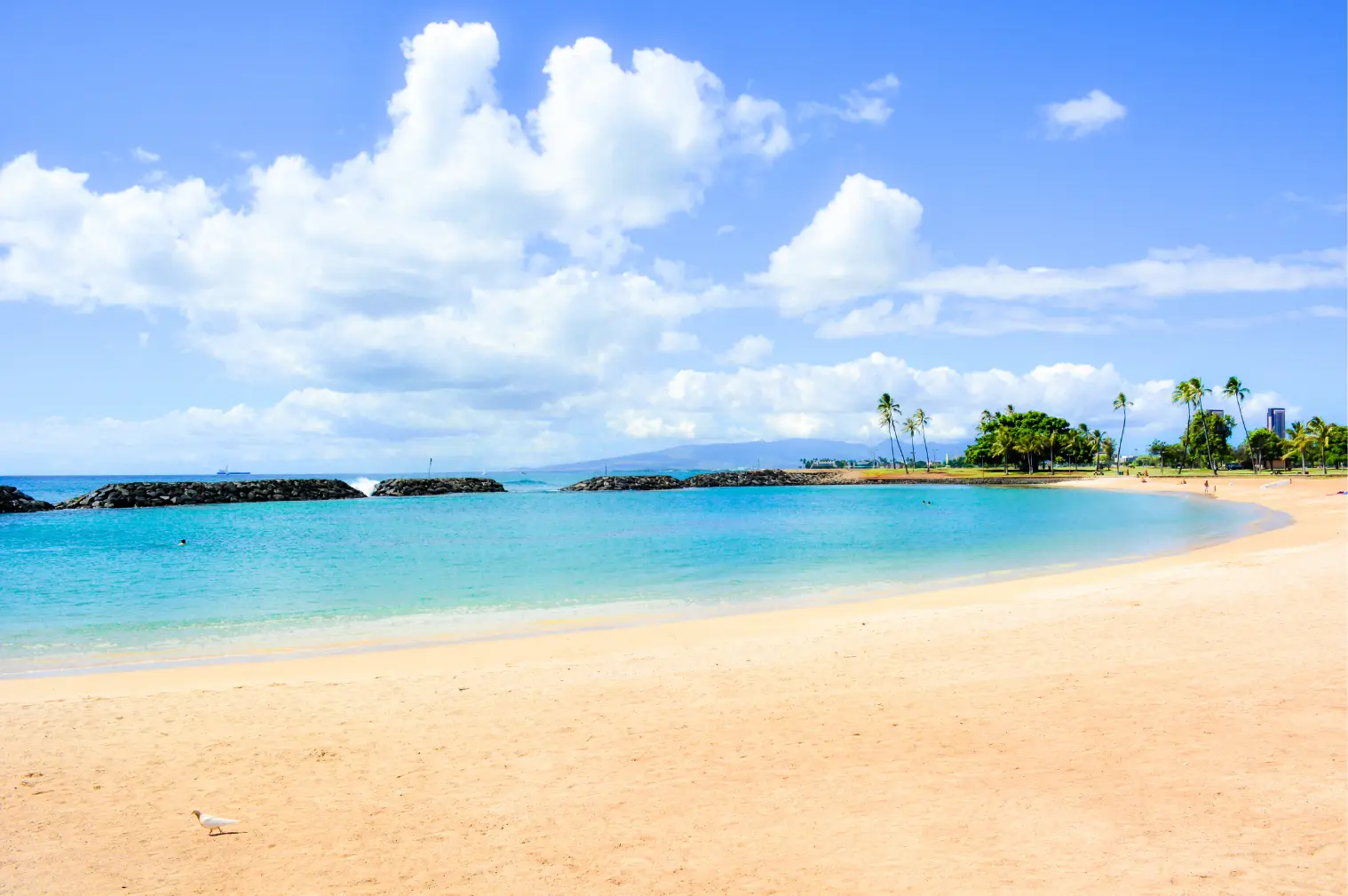
Kick off your Oahu beach time by thinking in regions, not just famous names. Start in Waikiki and Ala Moana for easy ocean access, cheap board rentals, and lively people watching. Plan a half day here, then move on.
Head east to Kailua and Lanikai for soft sand, clear water, and calmer vibes. For Lanikai Beach timing, aim for early mornings or weekdays to dodge parking headaches and enjoy the water at its calm, glassy best. Bring your own snacks, shade, and reef‑friendly sunscreen, since food options sit a short drive away.
On the North Shore, pick Waimea Bay or Sunset Beach for big panoramas and seasonal surf drama, not gentle laps. Pack sturdier sandals and skip flimsy flip flops.
Out west, try Ko Olina’s man‑made lagoons or Makaha’s wide curve, where you can see how coastal erosion keeps reshaping the shoreline during each visit and season.
Waikiki Turtle Canyon Snorkel: Turtles Guaranteed
Book our Turtle Canyon snorkel tour for some turtle fun today! Join us for an intimate experience that you will not...
Oahu Beach Safety, Parking, and Best Times to Go
Before you spread your towel on Oahu, you’ll want to know how to read the water, where to park, and when the crowds thin out. You’ll notice that some beaches feel calm and family friendly in the morning, then turn rough and packed with cars by midday. In this section, you’ll get practical safety tips, a sense of real-world parking hassles, and clear advice on the best hours to show up or head somewhere quieter. You’ll also learn how to spot rip currents, when to avoid shorebreak, and which beaches typically offer the calmest swimming conditions on different parts of the island.
Beach Safety Tips
Although Oahu’s beaches look effortless in photos, staying safe here takes a bit of planning and attention. You start by reading the ocean, not your phone. Scan for lifeguard towers, warning flags, and posted signs about rip current zones or hazardous marine life. Before you head out, consider downloading the City’s HNL Info app for beach and ocean alerts so you can check for unusual conditions or advisories.
| Tip | Why it matters |
|---|---|
| Swim near lifeguards | Fast help if conditions turn rough |
| Check surf reports | Winter swells can turn mellow bays fierce |
| Enter feet first | Protects you from rocks, coral, and urchins |
You avoid turning your back on the waves, especially on the North Shore. If a set feels too heavy, it probably is. Trust locals, ask questions, and keep your limits honest.
Parking and Peak Hours
Often the hardest part of a beach day on Oahu isn’t the surf, it’s parking and timing. Lots fill by 9 a.m. at Hanauma Bay and Lanikai, so aim for sunrise or late afternoon. Bring small bills for metered parking and check signs for local-only stalls. Many beach parks, like Kailua Beach and Ala Moana, have specific park closure hours overnight, so always note posted gate times to avoid getting locked in.
1. Go early or late:
Hit popular beaches before 8 a.m. for space and cooler air. Sunset sessions after 4 p.m. feel calmer, though traffic back to Waikiki can crawl.
2. Know the rules:
Many parks lock gates at night and some have seasonal closures for nesting birds. Always stash nothing visible in your car; break-ins do happen.
3. Consider tours:
[travelspark_viator_block placement=”primary” include=”both” layout=”grid” count=”3″]If driving stresses you, Viator snorkeling tours with hotel pickup skip parking drama, and trusted reviews help you choose.
Calmest Oahu Beaches for Easy Swimming
If you’re not a strong swimmer or you’re traveling with kids, you’ll want Oahu’s calmest corners where the ocean feels more like a giant, salty pool.
Sheltered bays protect you from the trade winds and surf, giving beginners an easy place to float, practice strokes, and snorkel without fighting currents.
You’ll also find family-friendly shallow shores where toddlers can splash near the sand, parents can keep an eye from a beach mat, and you can skip renting expensive gear beyond basic reef-safe sunscreen, a mask, and maybe a cheap float.
For example, understanding Kailua Beach parking, typical ocean conditions, and available activities can help you plan a relaxed, low-stress beach day.
Sheltered Bays For Beginners
Gentle water makes all the difference when you’re new to the ocean, traveling with kids, or just not in the mood to fight shore break. On Oahu, sheltered bays, protected lagoons, and gentle coves let you focus on floating, not bracing.
Aim for mornings, when winds stay light and visibility is best for spotting fish. Parking often fills by 9 a.m., so arrive early or use TheBus. At Kailua, you’ll also find convenient showers and bathrooms that make it easy to rinse off salt and sand between relaxed swims or picnics in the park.
- Choose bays with lifeguards, clear entry points, and no sharp reef near shore.
- Pack reef‑safe sunscreen, a rash guard, and simple gear like a mask, not full scuba kits.
- Skip crowded surf hubs; you’ll relax more at modest, low‑key beaches with calm, cup‑shaped shorelines near town, with snacks and restrooms close enough for quick breaks between swims.
Family-Friendly Shallow Shores
Rarely does beach time feel as easy as it does on Oahu’s shallow, family‑friendly shores. You get wide, knee-deep water, soft sand, and slow, predictable waves that let kids roam without drama.
At Ala Moana Beach Park, locals wade out forever over gentle sandbars, so you can practice floating or beginner strokes. Families also appreciate that Ala Moana is part of a historic regional park with shaded lawns and picnic areas just steps from the sand. On the North Shore, Laniakea and Haleiwa Alii often form shallow tidepools in summer, perfect for toddlers with buckets and masks.
Aim for mornings, when tradewinds are lighter and parking is still free and open. Bring reef-safe sunscreen, simple snorkel sets, and a shaded blanket. Skip big inflatables on windier afternoons.
If you want stress-free transport, a few Viator beach shuttles with verified reviews help. Most include hotel pickup and free cancellation.
Family‑Friendly Oahu Beaches With Amenities
Families usually discover that Oahu’s easiest beaches are the ones with real infrastructure: lifeguards on duty, calm water, nearby food, and a clean place to rinse off the sand. For truly stress‑free swimming with kids, Kuhio Beach Waikiki is a standout thanks to its sheltered waters and family‑friendly vibe.
Before you unpack the floaties, check lifeguard schedules online; tower hours can shift with seasons and holidays.
Aim for mornings, when trade winds are softer and parking still free.
- Choose beaches with restrooms, showers, and picnic pavilions so you can reset kids without melting. Waikiki, Ala Moana, and Kailua deliver, with snack bars or food trucks close enough for walks.
- Pack reef-safe sunscreen, a lightweight tent, and snacks. Skip glass bottles, alcohol, and coolers on busier city beaches.
- Expect weekend crowds. Arrive by 8 a.m. or come afternoon for easier parking and softer golden light.
Waikiki Turtle Canyon Snorkel: Turtles Guaranteed
Book our Turtle Canyon snorkel tour for some turtle fun today! Join us for an intimate experience that you will not...
Best Oahu Beaches for Snorkeling Reefs
Slip on a mask and Oahu suddenly feels like a different island, with coral gardens, green sea turtles, and clouds of reef fish just a few fin kicks from shore.
Slip on a mask and discover Oahu’s hidden world of coral gardens, turtles, and shimmering reef fish
Start at Hanauma Bay, the classic reef, but arrive before 7 am to beat parking limits and mandatory orientation. If you’re planning ahead, note that Hanauma Bay reservations are now required for most visitors, with timed entry slots that can sell out quickly on prime snorkel days.
Waimea Bay’s left side offers calmer pockets in summer with fewer tour groups.
For a quieter scene, try Electric Beach, where warm outflow draws big schools of fish, yet currents demand confident swimming.
Pack reef‑safe sunscreen, a long‑sleeve rashguard, and a cheap pool noodle for longer drifts.
If you care about coral gardening and fish behavior, book a small‑group eco snorkel.
Ask guides for underwater photography tips to avoid startling wildlife or touching the reef.
Top Oahu Beaches for Sunsets
Occasionally a single Oahu sunset feels like its own reason to fly across the Pacific, and the right beach turns it into a full evening plan, not just a quick photo stop. For a more dramatic north shore experience, consider timing your visit around sunset magic at Waimea Bay, where the bay’s wide curve and west-facing view catch the last light perfectly.
You’ll want a clear western horizon, easy parking, and space to linger after dark.
1. Waikiki Beach
Arrive an hour before Golden Hour, grab takeout, and sit near the seawall.
Crowds are thick, yet you get postcard colors and city lights for free.
2. Kuhio Beach & Queens Surf
Walk south from central Waikiki for fewer tour groups.
Bring a sarong, not chairs, and skip driving here.
3. Ko Olina Lagoons
Family friendly and calm, these manmade coves frame fiery skies and Lava Views, plus stroller friendly paths.
Bring water and layers.
Oahu Beaches for Beginner Surfing and Bodyboarding
After watching the sky burn orange over Waikiki, you might be ready to swap the sarong for a rash guard and actually get in the water.
For first waves, start right in Waikiki, where rolling breaks feel forgiving and lifeguards keep close watch. Rent soft top surfboards from beach stands; expect about $20 to $30 per hour, including a quick land lesson. Early morning sessions, before 10 am, bring lighter crowds and cleaner conditions. For gentler entries and more room to spread out, focus your swimming and beginner surfing around Waikiki’s top swim areas, where sections of the beach are naturally sheltered and slightly less hectic.
If you’d rather ride lying down, grab foamies for bodyboarding at Ala Moana Beach Park, which has smaller, punchy waves near the outer reef.
Pack a long‑sleeve rash guard, reef‑safe sunscreen, and water. Skip sharp reef zones, and always follow posted flag warnings. When unsure, sit, watch locals, then copy.
Less Crowded Oahu Beaches and Local Favorites
Although Waikiki’s buzz can be fun for a day, you’ll likely crave quieter sand and more local flavor before long. Slip east or west and you’ll find smaller car parks, fewer tour buses, and more room for your towel.
Beyond Waikiki’s buzz, quieter stretches of sand wait with softer crowds and stronger local flavor
- Kailua Beach Park: Reach it in 30 to 40 minutes by car. Arrive before 9 a.m. for easy parking. Trade big surf for gentle swimming and kayak rentals. Skip weekends if you hate crowds.
- Secret Beach at Koolina: Walk past the resorts to calm lagoons and Hidden coves. Great for kids, mediocre for snorkeling. Bring reef-safe sunscreen and water.
- Maili Beach: Long, often empty, and hot. Pack shade, then refuel at Local foodtrucks along Farrington Highway. Sunset views feel big-screen, dramatic yet.
Starting in 2026, part of what you pay in Oahu room taxes will help fund beach restoration and other environmental projects tied to Hawaii’s new Green Fee.
Frequently Asked Questions
Are There Beachfront Accommodations Within Walking Distance of Oahu’s Best Beaches?
Yes, you’ll find plenty of beachfront hotels and vacation rentals within walking distance of Oahu’s top beaches, letting you wake to ocean views, stroll to swimming and snorkeling spots, and relax steps from sunset-friendly sands.
Which Oahu Beaches Are Most Accessible for Visitors With Limited Mobility or Wheelchairs?
About 26% of Americans have a disability, so you’ll appreciate Oahu’s wheelchair beaches like Ala Moana, Kuhio Beach, and Ko Olina, where beach accessibility, accessible parking, beach mats, and rental mobility equipment make exploring easier.
Where Can I Rent Beach Chairs, Umbrellas, and Snorkeling Gear Near Popular Beaches?
You can rent beach chairs, umbrellas, and snorkeling gear from Beach vendors along Waikiki, Kailua, and Ko Olina, or use Rental shops, hotel activity desks, and online delivery services that drop equipment at your spot.
Are There Restrictions on Drones or Professional Photography at Oahu Beaches?
Yes, you’ll face restrictions: drones are banned in most state parks and near airports, and commercial shoots require drone permits and photography permits; always check Honolulu County rules and specific beach or park regulations beforehand.
What Should I Know About Respecting Wildlife and Protected Areas on Oahu’s Shores?
Treat the shoreline like a museum: you protect marine life by never touching turtles, seals, or coral, respect nesting areas by staying behind signs, avoid feeding animals, pack out trash, keep noise and lights low.
Conclusion
You could spend a thousand lifetimes on Oahu and still not swim every perfect shade of blue. Now it’s your turn to pick a coast, pack reef‑safe sunscreen, water, and a cheap pair of fins, then chase the light. Slip into Kailua at sunrise, nap through Waikiki’s noon crowds, drift at Ko Olina by dusk. Skip overpacking. Save your energy for one more swim, one more shave ice, one more ridiculous sunset.
Oahu: Grand Tour Around Island with Snorkeling
Come join on a circle island adventure led by some of Hawaii’s most knowledgeable local guides and experience breathtaking lookouts to capture mind-...
Waikiki Turtle Canyon Snorkel: Turtles Guaranteed
Book our Turtle Canyon snorkel tour for some turtle fun today! Join us for an intimate experience that you will not...
Waikiki: 2-hour Turtle Canyon Snorkeling Adventure
**Turtle Canyon Snorkel Adventure – Swim with Hawaiian Green Sea Turtles!****Gauranteed****Join us for a **2-hou...