You’ll love Oahu more if you time it right. Come in April to early June or September to mid November for warm water and lighter crowds, then start your days early to beat Waikiki traffic and parking fees. Pack reef safe sunscreen, a light rain shell, and some cash for plate lunches. Book Pearl Harbor USS Arizona timed tickets ahead, or use a Viator tour with verified reviews, hotel pickup, free cancellation, and reserve now pay later. Next, you’ll want to know which coast to trust on any given day.
Key Takeaways
- Visit in shoulder seasons (April–early June, September–mid November) for warm weather, fewer crowds, and often 15–30% lower hotel rates.
- Start days early (7–9 a.m.); attractions, hikes, and North Shore drives get hotter and more crowded after 9 a.m.
- Ocean conditions change fast; swim near lifeguards, watch posted warnings, and avoid North Shore winter surf (Dec–Feb) unless you’re experienced.
- Respect wildlife and reefs: stay 10 feet from turtles and monk seals, don’t touch coral or feed fish, and use reef-safe sunscreen.
- Plan logistics and reservations: Waikiki parking can hit $30–$50/day, TheBus is about $3/ride, and USS Arizona Memorial timed tickets sell out early.

Oahu: Dole Plantation & Haleiwa Town OR Grand Circle Island Tour
Choose from two exciting ways to experience Oahu's top attractions, scenic beauty, and local culture.Option 1: Dole Plantation & Haleiwa Town (6.5 H...

Oahu: Roundtrip Shuttle From Waikiki to Dole Plantation & Haleiwa
Skip Circle Island and visit two of the most popular places to visit here on the Island of Oahu. Experience a unique fusion of convenience, affordabil...
Best Time to Visit Oahu (Weather + Crowds)
Most travelers find Oahu easiest to love in the shoulder seasons, especially April to early June and September to mid November, when the weather stays warm and the island feels less rushed. You’ll score better hotel rates, often 15 to 30 percent less than winter peaks, and you won’t queue as long for popular hikes and museums. To dodge the busiest times even further, aim for weekday visits to Waikiki and major attractions, especially Tuesday through Thursday. Summer brings steadier sun but thicker crowds, and higher car rentals, so book early. Winter adds bigger surf and more rain, pack a light shell and reef safe sunscreen. For cultural festivals, target spring lei celebrations or fall food and music weekends, and reserve tickets a few weeks ahead. Bring a refillable bottle and cash for plate lunch stalls. Skip overpacking, you’ll live in sandals most days.
Oahu Microclimates: What Changes by Region
On Oahu, you’ll feel the microclimates fast: the windward side stays greener and wetter, while leeward beaches run sunnier, hotter, and drier. If you head up in elevation, rain and cool breezes can roll in quickly, so pack a light rain jacket, a thin layer, and reef-safe sunscreen, and skip heavy cotton that stays soggy. You can use an Oahu weather guide to compare how conditions shift from Honolulu to the North Shore by month and plan your days accordingly. Plan your day with this in mind, start hikes early to beat crowds and afternoon showers, and if you’re stacking stops across the island, a Viator circle-island tour with verified reviews and hotel pickup can save time, with free cancellation and reserve now pay later.
Windward Vs. Leeward Weather
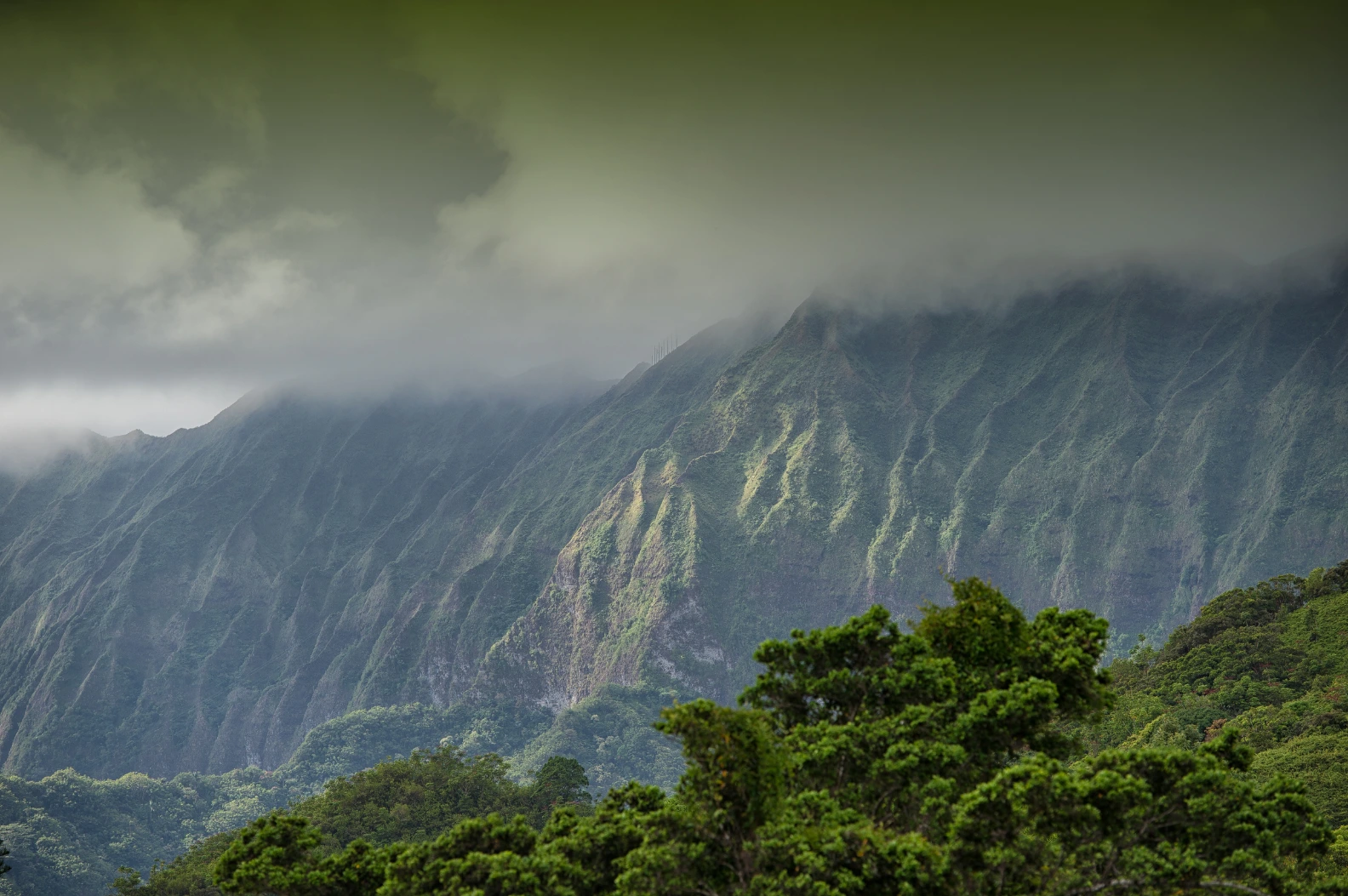
Because the Koʻolau Range catches the trade winds like a giant green wall, Oahu’s weather can flip from misty to sunny in the time it takes to drive a tunnel. Stay windward in Kailua and you’ll meet cooler air and quick sprinkles, so bring a light shell. Head leeward to Waikīkī or Ko Olina and you’ll score brighter afternoons, but beaches crowd from 10 to 3, so go early. After sunset, a coastal katabatic breeze can chill you, so carry a thin layer. A drive along the Windward Oahu coast between Kailua and Kāneʻohe adds lush, mountain-to-ocean scenery to those fast-shifting skies, especially on the scenic coastal routes.
| Area | Feel | Do |
|---|---|---|
| Windward | trade winds, mist | pack shell |
| Leeward | warmer, sunnier | start 8am |
| Both | shifts fast | keep water |
Skip bulky umbrellas, they flip. A cross-island rideshare via Pali or Likelike runs $25 to $45, and takes 20 minutes off-peak.
Elevation And Rain Patterns
While the beaches can feel like one long sunny strip, Oahu’s elevation quietly rewrites the forecast every few hundred feet.
Climb toward the Koʻolau ridges and you’ll feel cooler air and see clouds stack up fast, because ridge elevation drives rainfall distribution across the island.
- Pack a light rain shell for hikes above 1,000 feet, even on blue-sky mornings.
- Start valley trails by 8 a.m., showers often thicken after lunch.
- Budget $0 for viewpoints, but skip cotton, it stays soggy.
- If you want a guided ridge walk, a Viator tour can simplify permits and timing, with verified reviews, hotel pickup, free cancellation, and reserve now pay later.
Down on leeward streets, you’ll likely need sunscreen, water, and patience with midday heat and crowds in Waikiki. The island’s drier months from May to October usually mean better traction and cleaner conditions on many crater and ridge hikes.

Polynesian Cultural Center: Gateway Buffet Package
Located on O‘ahu’s North Shore, the Polynesian Cultural Center is a one-of-a-kind attraction showcasing the peop...

Oahu: Grand Tour Around Island with Snorkeling
Come join on a circle island adventure led by some of Hawaii’s most knowledgeable local guides and experience brea...

Oahu's North Shore: 8-Line Zipline Adventure
Experience the ultimate Oahu zipline adventure on this 3-hour guided tour across the island’s famous North Shore...
Where to Stay on Oahu (Waikiki, Ko Olina, North Shore)
Settle in on Oahu by choosing a base that matches how you actually travel: late-night dinners, early surf sessions, or quiet pool days. Waikiki keeps you steps from beaches, shopping, and sunset cocktails; expect crowds after 10 a.m. and higher room rates, often $250 to $450. Book early for winter weekends. Ko Olina feels polished and slower, with lagoon swims, big lawns, and Resort Amenities that make lazy afternoons easy. On the North Shore, book Boutique Bungalows or simple condos if you want dawn surf and quieter nights; pack reef-safe sunscreen and a light rain jacket. In Waikiki, Outrigger Reef Waikiki offers an oceanfront base with resort-style amenities that fit travelers who want both beach time and easy access to dining and shopping.
| Area | Best for |
|---|---|
| Waikiki | Dining, nightlife, easy beach time |
| Ko Olina | Families, pools, calm lagoons |
Skip overstuffed itineraries; one beach day per two busy days keeps you fresh.
Getting Around Oahu: Car, TheBus, Rideshare, Parking
Often, the easiest way to enjoy Oahu is to mix and match: rent a car for beach-hopping days, then lean on TheBus or rideshare when you don’t want to hunt for parking. Oahu Transportation options include driving, using TheBus, or joining organized tours that handle logistics for you.
In Waikiki, garages run $30–$50 a day, and street spots vanish by dinner, so don’t circle. Rideshare works best for nights out, but expect surge pricing after shows and in the rain. TheBus is cheap at about $3 a ride, bring exact fare or a HOLO card, and plan extra time at rush hour.
- Start early for North Shore, traffic stacks by 9 a.m.
- Use Valet zones at hotels, tip bucks.
- Pack water, sunscreen, and a light rain jacket.
- Try Bike rentals for a Diamond Head loop today.
Pearl Harbor: Tickets, Timing, and What to Book Early
At Pearl Harbor, you’ll choose between free general entry and timed tickets for key sites like the USS Arizona Memorial, plus paid add-ons, so decide what you actually want to see before you arrive. Go early, around 7 to 9 am, to beat the bus crowds and the sticky midday heat, bring water and photo ID, and skip bulky bags since storage costs extra. If your schedule’s tight, reserve Arizona Memorial times and popular tours weeks ahead, and a Viator option with verified reviews, hotel pickup, free cancellation, and reserve now pay later can smooth the logistics. You can also check the official Pearl Harbor National Memorial calendar and alerts for any closures, special events, or updated safety and bag policies before you go.
Ticket Types And Access
Because Pearl Harbor runs on tight time slots and big emotions, you’ll have a smoother visit if you sort tickets and arrival timing before you land on Oahu. You’ll choose between free USS Arizona Memorial Timed entries, paid passport bundles, and add-ons like the Battleship Missouri or aviation museum, each with separate lines and fees. To stretch your budget and still see the major sites, understand which Pearl Harbor tickets are free, which sell out fast, and which upgrades are actually worth paying for.
- Reserve Timed entries early, then arrive 30 minutes ahead for security.
- Pack ID, water, and a light layer, the breeze off the harbor surprises.
- Skip large bags and selfie sticks, storage costs add up.
- If you want one checkout, a Viator tour can bundle tickets, hotel pickup, verified reviews, free cancellation, and reserve now pay later.
Missed a slot? Use Virtual tours to fill gaps.
Still comparing Oahu Circle Island Tour?
Ask for tour ideas, hotel suggestions, or a simple trip plan that combines both.
Trip Helper
Best Times To Visit
If you want Pearl Harbor to feel calm instead of crowded, plan around the clock, not just your to do list. Arrive at opening, trade heat for quiet, and you’ll move through exhibits with space to read plaques. You can double‑check program schedules, closures, and reservation details on the Pearl Harbor National Memorial page before you go.
| Time | What you get |
|---|---|
| 8 to 9 a.m. | Cool air, smallest crowds |
| 10 to 12 | Buses roll in, lines grow |
| 1 to 3 | Hot sun, faster parking |
| After 3 | Golden light, some exhibits close |
Weekdays beat weekends, usually. Shoulder seasons, April to early June and September to mid November, feel breezier and less packed. Scan the festival calendar for race days and parades that jam H-1. Expect $7 for parking and $5 for a snack. Bring water, sunscreen, and a light layer for theaters. Skip bags.
What To Reserve Early
Quiet mornings are great, but Pearl Harbor rewards people who book ahead as much as those who show up early. Reserve USS Arizona Memorial boat tickets the moment your dates firm up, then aim for the first entry around 7 to 8am to beat heat and bus crowds. Choosing the best USS Arizona tour often comes down to whether you want a simple memorial visit or a more in-depth experience that also includes the Bowfin, Missouri, and museum exhibits. Bring water, a hat, and a small bag, no big packs.
- Lock in early reservations for Arizona and a docent-led USS Bowfin add-on.
- If tickets vanish, use a Viator tour with verified reviews, hotel pickup, free cancellation, and reserve now pay later.
- Book sunset cruises for a post-history palate cleanser.
- Prebook rental surfboards and guided snorkels so you’re not negotiating at noon (skip the busiest Waikiki kiosks), and arrive 20 minutes early.
Beach Safety on Oahu: Currents, Flags, Surf Etiquette
Often the biggest surprise on Oahu isn’t the water temperature, it’s how fast the ocean can change from calm to pull-you-sideways strong. Before you wade in, scan for Lifeguard flags and posted warnings, then swim near the tower. If you feel a Rip current, don’t fight it, float, signal, and swim parallel until you’re out of the pull. Mornings usually look glassier and less crowded, so go early and bring reef-safe sunscreen, water, and snug sandals for hot sand. Skip alcohol before a swim. For up-to-date warnings on unusual swell, jellyfish, or tower closures, consider downloading the City’s HNL Info app so you can receive mobile beach and ocean alerts before you head out. In the lineup, wait your turn, don’t drop in, and give locals space. When in doubt, ask the lifeguard, it’s free and they’re candid. Rent a mask or board for about $15 an hour, and keep a small dry bag.
North Shore Seasons: Winter Surf vs Summer Swims
While Waikiki hums along year-round, the North Shore runs on a clear switch: winter brings the big-wave show, and summer turns the same beaches into easy, turquoise swims. In December to February, expect bigger crowds at Sunset and Pipeline, strong currents, and fewer calm spots. You’ll watch from sand, then warm up with $12 plates at Food Trucks in Haleiwa. If you’re driving up from Waikiki, aim for an early start and build a simple North Shore day around just a few key stops like Haleiwa, Waimea, and Kahuku to avoid traffic and parking stress.
- Go early, before 9 a.m., for parking and light.
- Pack a light rain shell in winter, plus reef-safe sunscreen.
- In summer, bring snorkel gear for Turtle Watching at Laniakea, and stay behind the rope.
- Skip swimming near breaking waves in winter, even if locals make it look casual.
May to September feels mellow, with long afternoons and clearer water usually.

Oahu: 60 Min Royal Crown Helicopter Tour - Doors Off or On
See every stunning sight on Oahu from the white sands of Waikiki to the epic big waves of Norh Shore on our incredib...
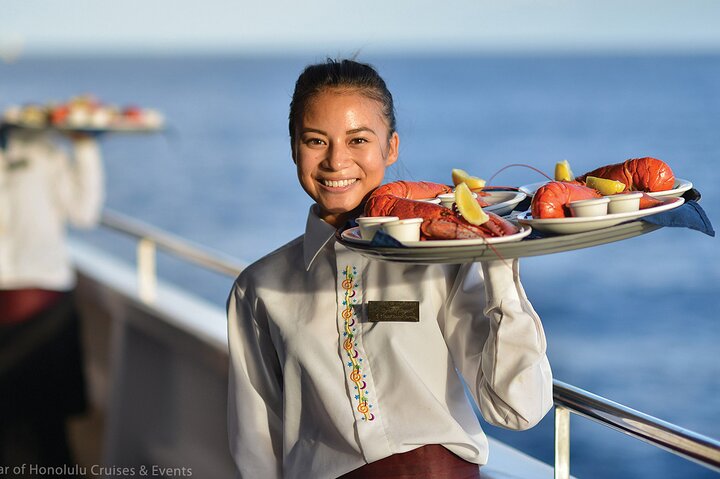
Honolulu: Three Star Deluxe Sunset Dinner Cruise and Show
As the sun sets over the Pacific, enjoy a luxurious Honolulu dinner cruise along the scenic coastline near Diamond H...

Waikiki Glass Bottom Boat Cruise
Experience the beauty of Oʻahu South Shore as we sail toward Lēʻahi (Diamond Head) aboard the spacious Haleiwa Qu...
Oahu Hikes: Heat, Mud, Permits, and Start Times
On Oahu’s trails, you’ll feel the heat and sticky humidity fast, so start early, carry at least 1–2 liters of water, and skip that “I’ll be fine” mindset. After rain, red mud turns popular routes into slick slides, so pack grippy shoes, a light rain layer, and leave the flip-flops for the beach. Many of the island’s most scenic hikes run along the steep ridges of the Koʻolau Range, where exposure and drop-offs demand extra caution and respect for changing weather. Some hikes need permits and limited-entry reservations, so check rules the night before and, if you want an easy setup, book a Viator hike with verified reviews, hotel pickup, free cancellation, and reserve now pay later to lock in a good start time before the crowds.
Heat, Humidity, And Hydration
In Oahu’s lowland heat and sticky trade wind humidity, even a “short” hike can feel like a workout by 9 a.m., so plan for an early start and a hydration strategy before you leave the parking lot. You’ll sweat more than you think, and the sun reflects off rock and sand, so sunburn prevention matters even under clouds. For longer or more exposed trails, consider aiming for the shoulder season months when the island feels a bit calmer and temps are more comfortable for mixing hiking with beach time.
- Carry 1 liter per hour, more if you run hot.
- Add electrolyte replacement tabs or packets, $5 to $12 at Longs.
- Wear a brimmed hat, light long sleeves, and reef safe SPF 30+, reapply every two hours.
- Pack salty snacks and skip alcohol the night before, your legs will thank you.
If you’re unsure, book a hike with hotel pickup so you can focus on pacing
Mud, Permits, And Timing
Because Oahu’s trails change fast after a night of rain, you’ll want to treat mud, permits, and start times like part of the route, not an afterthought.
Pack trail shoes with grip, a light rain shell, and a dry bag for your phone. Skip white sneakers unless you like sliding.
Check mud permits early because popular ridges such as Diamond Head require reservations and a small fee, often around $5 per person.
Go at sunrise for cooler air and fewer selfie sticks.
In winter, season timing matters. Afternoon showers turn clay to slick paste.
If logistics feel fussy, a Viator hike with hotel pickup, verified reviews, free cancellation, and reserve now pay later can save you line time and parking stress.
Bring water, cash.
Diamond Head now uses an online reservation system with timed entry slots for both hikers and parking, and non-residents need to book ahead to avoid being turned away.
Local Etiquette: Aloha Basics Tourists Miss
Often, the biggest Oahu culture slip-ups happen in tiny moments, like how you greet someone at a beach gate or where you park your shoes before stepping inside. You’ll feel more welcome when you slow down, warm smile, and say “aloha” like a hello and a goodbye.
- Take off your shoes at the door, and stack them neatly outside quietly
- Practice Lei etiquette: accept with both hands, don’t toss it on a chair, and ask before removing it
- Use a few Pidgin phrases sparingly. “Howzit?” works, but don’t force an accent
- Give space on narrow trails and in food lines, especially at 7 to 9am when locals run errands
Bring cash for plate lunch, skip loud speaker music, blend in

Pearl Harbor Tribute: Arizona Memorial and Honolulu City Tour
This is an executive class Pearl Harbor Tour, which has been double discounted. We have discounted this tour to the...
Oahu: Dole Plantation & Haleiwa Town OR Grand Circle Island Tour
Choose from two exciting ways to experience Oahu's top attractions, scenic beauty, and local culture.Option 1: Dol...
Oahu: Roundtrip Shuttle From Waikiki to Dole Plantation & Haleiwa
Skip Circle Island and visit two of the most popular places to visit here on the Island of Oahu. Experience a unique...
Costs + Care: Tipping, Wildlife, and Protected Sites
Good manners on Oahu don’t stop at the front door, they follow your wallet and your footprint.
Tip 18 to 20 percent at restaurants, and $2 to $5 for valet or bellhops. In Waikiki, parking can hit $40 a day.
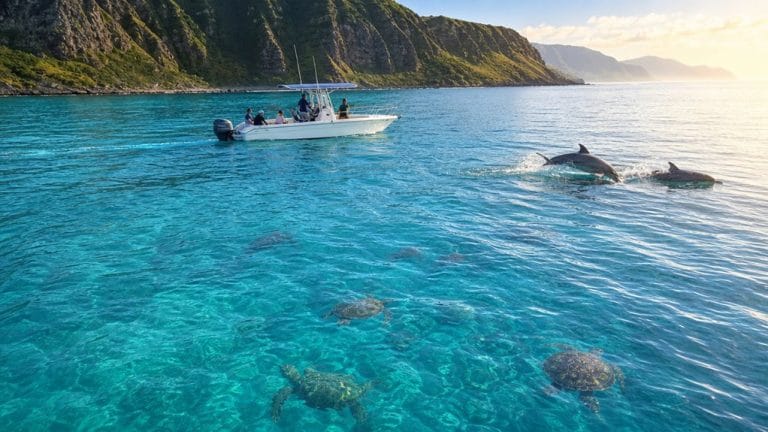
On beaches, stay 10 feet from honu turtles and monk seals, and don’t feed fish, fines get real.
In protected areas like Diamond Head and Kaena Point, stick to posted trails, and read cultural signage before photos.
Pack reef safe sunscreen, water, and a light shell for sudden showers.
Skip touching coral, flying drones near nesting sites, and blasting speakers.
For a meaningful morning, join volunteer opportunities such as Saturday beach cleanups.
Reserve popular hikes online, and go before 9 a.m. to dodge crowds.
If you’re planning to visit Pearl Harbor, aim for early morning hours and avoid peak midday times so your Pearl Harbor experience is calmer, cooler, and less crowded.
Frequently Asked Questions
Do I Need Reservations for Popular Oahu Restaurants and Luaus?
Yes, you’ll want reservations for most popular Oahu restaurants and luaus. Make advance bookings, especially in peak season. Private luaus sell out fast. You can try walk ins, but expect long waits or no availability often.
What Should I Pack for Oahu Besides Beachwear and Sunscreen?
You’ll pack a Light raincoat for sudden showers, hiking shoes for trails, a reusable water bottle, reef-safe bug repellent, a light sweater for windy evenings, and a daypack with cash, ID, and charger, snacks too.
Is Oahu Safe at Night, and Which Areas Should I Avoid?
Oahu’s violent crime rate sits about 30% below the U.S. average, so you’re generally safe at night. Stay on busy Waikiki routes, use late night transit, avoid isolated parks and dark beaches, heed neighborhood watch.
Are There Any Local Foods on Oahu I Should Try First?
Start with fresh poke bowls from a neighborhood market, then grab garlic shrimp or plate lunch for something hearty. You can’t skip malasadas, loco moco, and finish with rainbow shave ice in Waikīkī after dinner.
Will My Mainland Cell Phone Plan Work Reliably Across Oahu?
Your mainland plan will usually work reliably across Oahu, especially in Honolulu and along highways, but you’ll see weaker Cellular coverage in valleys and the North Shore. Check for Roaming charges and data caps beforehand.
Conclusion
Oahu rewards planning like a well-tuned ukulele. You’ll dodge Waikiki’s peak crush by starting early, riding TheBus, and budgeting for parking and plate lunches in cash. Book Pearl Harbor USS Arizona timed tickets weeks out, or use a Viator tour with verified reviews, hotel pickup, free cancellation, and reserve now pay later. Pack reef-safe sunscreen and a light shell. Skip risky rips, selfie cliffs, and touching turtles. Aim for April or October, and watch surf.
Oahu: Dole Plantation & Haleiwa Town OR Grand Circle Island Tour
Choose from two exciting ways to experience Oahu's top attractions, scenic beauty, and local culture.Option 1: Dole Plantation & Haleiwa Town (6.5 H...
Oahu: Roundtrip Shuttle From Waikiki to Dole Plantation & Haleiwa
Skip Circle Island and visit two of the most popular places to visit here on the Island of Oahu. Experience a unique...