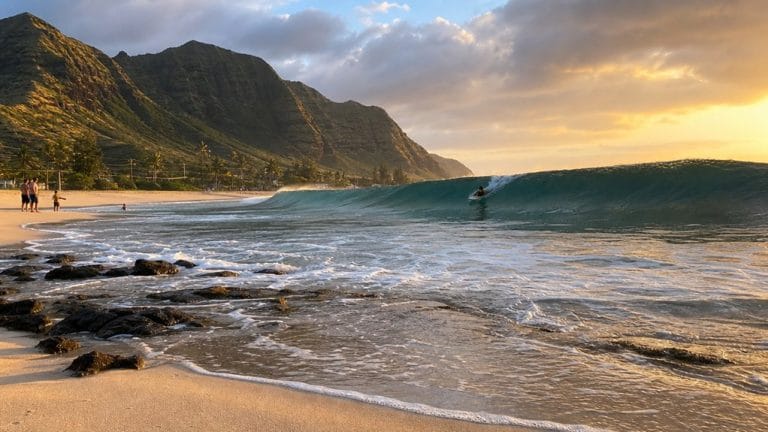
You’ll hear *manu* on Oʻahu before you spot your first bird, in valley trail chatter, on a guide’s lips near a heiau, or drifting from a chant at sunset. It usually means “bird,” but it can hint at a messenger, a swift escape, or a warning, depending on where you stand and who’s speaking. Show up early to Hoʻomaluhia or Kaʻena Point, bring water and binoculars, skip feeding wildlife, and keep your voice soft. Say *mahalo* if you get corrected, then you’ll start noticing what *manu* is really doing here…
Key Takeaways
- “Manu” means “bird” in Hawaiian, but it can also imply freedom, quickness, affection, or a messenger in stories and chants.
- Pronounce it with a smooth local rhythm and don’t clip the “u”; listen first and practice quietly before using it in conversation.
- Use it respectfully: ask “He manu hea?” (what kind of bird?) or “Is that a manu?” and say “mahalo” if corrected.
- Hear Hawaiian-word usage in guided talks at Kualoa, Hoʻomaluhia, and Waimea Valley, and listen on buses, markets, and community events.
- Watch manu best at dawn in wetlands and parks; avoid feeding birds, keep voices low at sacred sites, and follow posted protocols.
What Does *Manu* Mean in Hawaiian?
Picture a bird lifting off from a palm, and you’re close to the heart of it. In Hawaiian, *manu* means “bird,” a handy piece of avian vocabulary you’ll hear at beaches, valleys, and bird sanctuaries on Oahu.
Like a bird rising from a palm, *manu*, Hawaiian for “bird”, connects you to Oahu’s wild places.
You’ll spot it on signs at Kualoa and in ranger talks at Hoʻomaluhia, where mornings stay cooler and crowds thin out before 10 a.m. Bring binoculars, water, and a light rain shell, skip loud playlists.
Recommended hotels for this trip
Compare well-reviewed stays from our destination hotel guides, then check live availability for your dates.
 Featured stay
 Four Seasons Resort Oahu at Ko Olina
- Free WiFi
- Non-smoking rooms
- Air conditioning
Luxurious Hawaiian Beach Resort Exquisite Accommodations Indulge in luxury with a 65-inch HDTV, a deep soaking tub, and a walk-in glass shower in every guest room at Four Seasons Resort Oahu at Ko Olina. Enjoy the…
- Room, Garden View
- Room Only
- Refundable until Aug 31
 Guest favorite
 Marriott's Ko Olina Beach Club
- Free WiFi
- Non-smoking rooms
- Air conditioning
Luxurious Accommodations The Marriott's Ko Olina Beach Club offers spacious rooms with stunning ocean or mountain views, fully equipped kitchens, and modern amenities like a washing machine and dryer. Dining and Entertainment Indulge in American cuisine…
- ROOM, KING BED, MOUNTAIN VIEW, SOFA, BALCONY
- Room Only
- Non-refundable rate
 Guest favorite
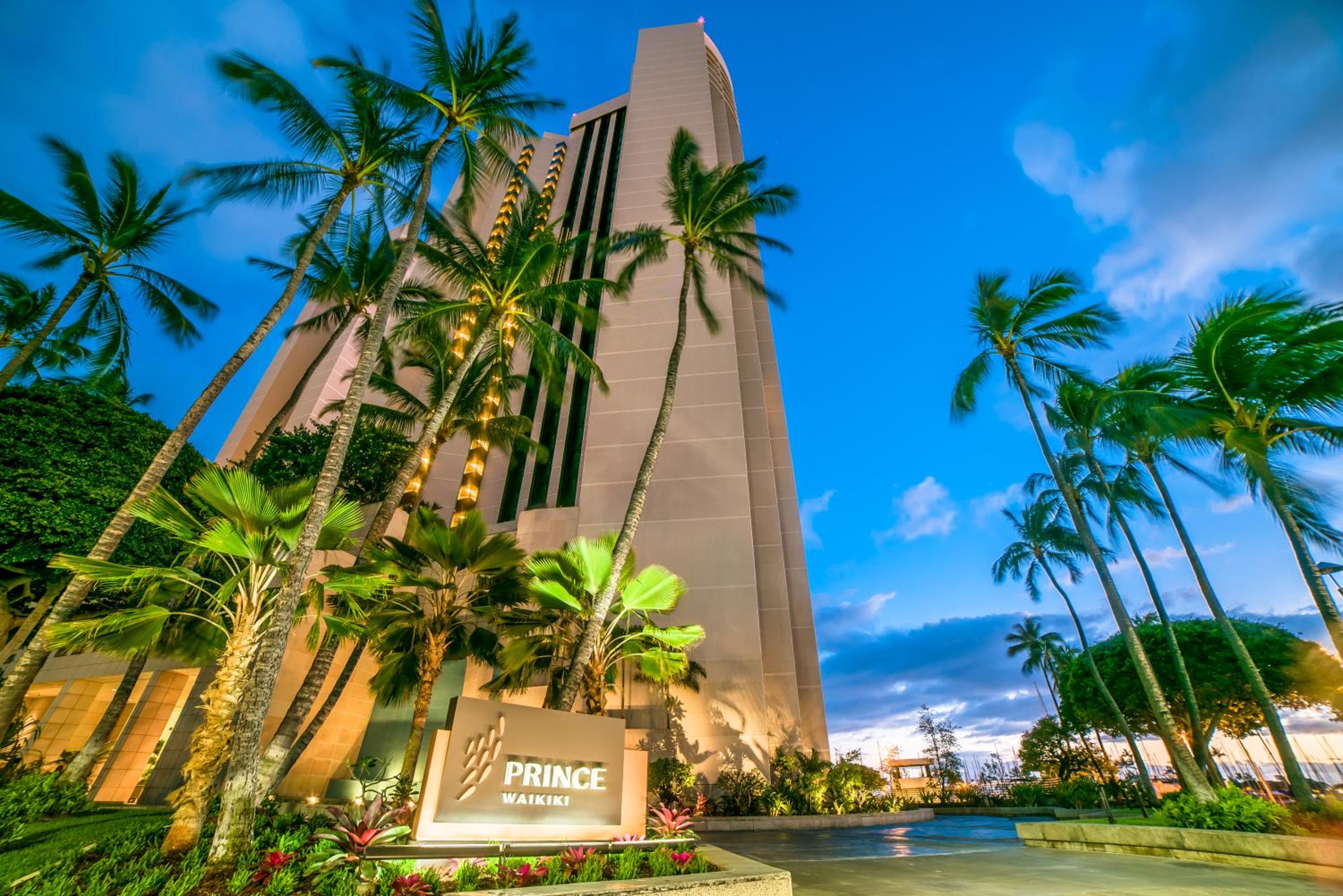
 Prince Waikiki
- Free WiFi
- Non-smoking rooms
- Air conditioning
Well suited to couples seeking ocean views, families who want two-queen rooms or multiroom suites, convention visitors, and travelers who value pools and on-site dining. It may be less appealing if you want to step directly…
- Oceanfront 2 Queens
- Room Only
- Refundable until Sep 12
While you’re out scanning shorelines, remember Hawaiʻi’s endemic Hawaiian monk seal is endangered under the ESA, so give any resting seals plenty of space.
If you want structure, some Viator nature walks can simplify timing with hotel pickup, verified reviews, free cancellation, and reserve now pay later. Listen for *manu* in community stories and educational programs, and you’ll also sense language evolution in real time.
Budget $5 parking at many parks, and carry cash for snacks.
When Does *Manu* Mean More Than “Bird”?
You’ll hear *manu* shift fast once you’re out of the dictionary and into real life, where it shows up in names, nicknames, and people you meet at a breezy market or a family lūʻau.
In chants and stories, *manu* can work like a metaphor, pointing to movement, rank, or a messenger, so you’ll want to listen for who’s speaking and what’s happening around you. If you’re on Oʻahu, Waimea Valley’s guided cultural and botanical walking tours are an easy way to hear Hawaiian words used in context while you move through a place shaped by both nature and tradition. Context does the heavy lifting, so bring a small notebook or notes app for quick translations, skip overpaying for a generic “learn Hawaiian” add on, and if you’re short on time, a well reviewed Viator culture tour with hotel pickup and free cancellation can help you catch the meanings on the go with reserve now pay later.
Names, Nicknames, And People
- A kid called Manu might be “quick” or “free,” not literally feathered.
- A friend nicknamed Manu can signal affection and belonging.
- Said about a stranger, it can hint at their energy, so keep it respectful.
Still comparing Bishop Museum And Hawaiian Culture?
Ask for tour ideas, hotel suggestions, or a simple trip plan that combines both.
Trip Helper
Metaphors In Chants
Go early to a free evening performance at Kuhio Beach around 6:30 pm, or book a small-group chant and hula intro via Viator for about $45, with verified reviews, hotel pickup on some options, free cancellation, and reserve now pay later.
Bring a light jacket and water. Skip front-row video filming, it blocks views. Sit back, and let vowels shimmer.
Context Changes Meaning
– Listen for tone, not subtitles, and let repetition guide you.
Hau Hawaii is a local plant and you’ll often spot hau trees on Oahu.
- Bring water and a light rain jacket; skip loud phone videos.
- Ask a kumu or guide after, and tip $5 if they share time before you drift.
How to Pronounce *Manu* (With Local Tips)
Listen for local pronunciation on the city bus or at a farmers market, then copy the rhythm. Watch for vowel lengthening in Hawaiian names around it, and don’t let pidgin influence make you clip the “u” too hard. Practice once or twice before you speak. If you’re staying in Waikiki, you’ll hear it said often enough that the cadence starts to feel natural.
Bring a note on your phone with the sound, skip overthinking. Try it at 7 a.m. coffee, less crowded. You’ll blend in better, and get quicker smiles.
Common Phrases With *Manu* You’ll Hear
- Ask “He manu hea?” and you’re politely asking what kind of bird.
- Listen for “manu” as shorthand for someone quick, a bit flighty, in joking talk.
- On hikes, keep it quiet, please.
Remember that Hawaiʻi’s marine wildlife is protected too, keep at least 10 feet away from resting honu and follow respectful viewing distance guidance.
Manu* in Oʻahu Place Names (And What They Hint At)
On the coast, use *manu* sites as seabird landmarks. Bring a light jacket for breezy lookouts, and stay 10 feet back from cliff edges.
Parking fills by 10 a.m., so arrive early or ride TheBus for a few dollars. For a quick DIY loop, pair a lookout with a beach walk, then snack. Consider following a scenic driving loop to connect multiple coastal viewpoints and beaches in one easy route.
Manu* in Moʻolelo (Stories) and Oli (Chants)
- Ask what the bird image stands for in that story.
- Notice repeated lines, they’re memory hooks.
- Tip $5 to $10 if a kumu shares time.
- If you’re heading to Waimea Falls afterward, aim for best parking by arriving early since spaces fill up first and crowds swell after 7 pm.
Arrive early, crowds swell after 7 pm.
Common Manu (Birds) to Spot on Oʻahu
After you’ve heard manu soar through moʻolelo and oli, spotting real feathers in the wild makes those images stick.
After you hear manu rise through moʻolelo and oli, seeing real feathers in the wild makes those images stay.
Start at dawn at a refuge or park and scan for a wetland coot gliding through still ponds.
By midmorning, walk Waikīkī and you’ll notice the urban myna hustling crumbs.
On breezy afternoons, stake out a headland for a coastal tern and a shoreline shearwater slicing low over surf.
If you’ve got wheels, drive up the Koʻolau lookouts for a mountain frigatebird riding thermals, then swing by a harbor pelican near docks.
Pack binoculars, water, and a light rain shell.
Skip flash photos.
If you also spot marine wildlife nearby, keep a respectful buffer and follow recommended viewing distances so animals aren’t disturbed.
In forest trails, keep an eye out for a native honeycreeper and, rarely, a forest ‘ō‘ō.
Entry is free, crowds stay light.
Cultural Respect: How Hawaiians Relate to Manu
On Oʻahu, you’ll hear manu in daily life, from early-morning garden chatter to the names locals use with care, so listen first and match the respectful tone and context.
When you visit heiau or other sacred spaces, you’ll want to keep your voice low, pack a light sarong or scarf, skip loud snacks and drones, and follow posted protocols or a guide’s cues.
For a local-feeling day, pair this mindset with Oahu highlights that emphasize respectful, on-the-ground experiences.
If you’re unsure about timing or access, a small Viator cultural walk with verified reviews, hotel pickup, free cancellation, and reserve now pay later can smooth the logistics, especially on busy weekend mornings.
Manu In Daily Life
Often, you’ll hear “manu” come up in everyday Hawaii in ways that quietly signal respect, not just vocabulary. On Oahu, notice it at sunrise walks in Ala Moana’s native gardens, where mynahs and doves skim the lawns and locals pause, coffee in hand. Spend 30 minutes, free, and bring binoculars and water. Afterward, consider an easy stroll through Kaka‘ako murals nearby to keep the morning unhurried while you explore Honolulu’s neighborhoods.
- You’ll see feathers and flight treated as cues to slow down, especially near heiau trails.
- You might hear grandparents mention avian medicine in stories about caring for bodies and land together.
- You’ll learn that feeding birds isn’t a cute photo op, so skip the crumbs and keep parks clean.
For a schedule, a Viator nature tour with reviews can handle hotel pickup, timing, free cancellation, and reserve now online.
Respectful Language And Context
Because “manu” can carry more than a simple “bird” translation, you’ll want to match your words to the place and the people around you. On Oahu, listen first. At a farmers market or beach park, you can ask, “Is that a manu?” and you’ll usually get a smile, but don’t turn it into a loud joke. Good language etiquette means using a calm tone, avoiding slangy nicknames, and saying mahalo when someone corrects you. If you visit the Byodo-In Temple at the foot of the Ko’olau Mountains, keep your voice low and treat the non-practicing Buddhist temple grounds like a shared space for quiet reflection.
Practice contextual sensitivity with guides and elders. If a kupuna shares a story, let it land before you snap photos. Bring a small notebook instead of recording without asking. Skip trivia-bombing from your phone. A $40 bird-walk tour at dawn keeps crowds thin and your questions focused all morning long.
Protocols In Sacred Spaces
If you step into a heiau, a fishpond, or a valley trail that locals treat as sacred, slow your pace and let the place set the rules. You’re in manu territory too, where birds can signal presence, weather, and ancestors. Arrive early, before tour buses, and keep voices low. Skip drones and loud music, and pack reef safe sunscreen, water, and a small ti leaf or hoʻokupu if a caretaker invites it. Follow sacred site etiquette and ask permission before photos. Before you go, plan your route using official trails so you’re not trespassing onto illegal, unmaintained paths that can damage native habitat.
- Wait at the entrance, breathe, and offer a quiet greeting.
- Leave stones, feathers, and kiʻi exactly where you find them.
- Use offering protocols only when guided, never toss coins, snacks, or flowers.
Local guides can explain chants, access hours, and respectful exits today.
How Visitors Can Use *Manu* Correctly and Politely
| You say | You do | Why it lands |
|---|---|---|
| *Manu!* | pause, observe | shows respect |
| *ʻIke i ka manu* | share softly | invites learning |
If you’re exploring quiet beach towns on Oahu away from Waikiki, using *manu* gently can help you fit the slower, more respectful vibe.
Frequently Asked Questions
Is *Manu* Ever Considered Kapu or Restricted in Certain Cultural Contexts?
Yes, you’ll sometimes find manu treated as kapu, especially when linked to sacred species or chiefly lineages. You must avoid taboo practices, follow ceremonial prohibitions, and respect bird omens that guide hunting, handling, or display.
Can *Manu* Be Used as a Personal Name, and Is It Common on OʻAhu?
Absolutely, you can use Manu as a personal name, it’s unbelievably perfect for expressing identity. On Oʻahu, Manu Names appear, but Name Frequency stays moderate. You’ll honor Cultural Naming while embracing Modern Usage, especially in families.
Are There Hawaiian Proverbs (*ʻōLelo NoʻEau*) That Include the Word *Manu*?
Yes you’ll find ʻŌlelo Noʻeau featuring manu. You can quote Bird Proverbs like “He manu ka ʻalalā, he leo kāna” and learn Manu Wisdom from these Cultural Sayings, which link birds’ behavior to human conduct.
What’s the Difference Between *Manu* and *Mokupuni* in Older Hawaiian Texts?
You’ll see *manu* label birds in manu taxonomy, while *mokupuni* names islands in mokupuni context. In older texts and oral traditions, meanings stay distinct, though colonial influence sometimes shifts spellings or narrows usage for readers.
Do Any OʻAhu Festivals or Events Specifically Celebrate *Manu* (Birds)?
Yes, you’ll find Oʻahu events that spotlight manu, especially at nature centers and community fairs, where you can join guided birdwatching, support bird conservation, watch cultural performances, and try feather lei making workshops there, too.
Conclusion
On Oʻahu, you’ll hear manu and you’ll see it too, swift silhouettes over surf and shady valleys. Say it softly, listen, and let locals lead near heiau or elders. Arrive at sunrise at Hoʻomaluhia or Kaʻena for calmer crowds, pack binoculars, water, and a light rain jacket. Skip feeding birds and selfie-chasing. If logistics feel tricky, a Viator birding tour with verified reviews, hotel pickup, free cancellation, and reserve now pay later can help today.