
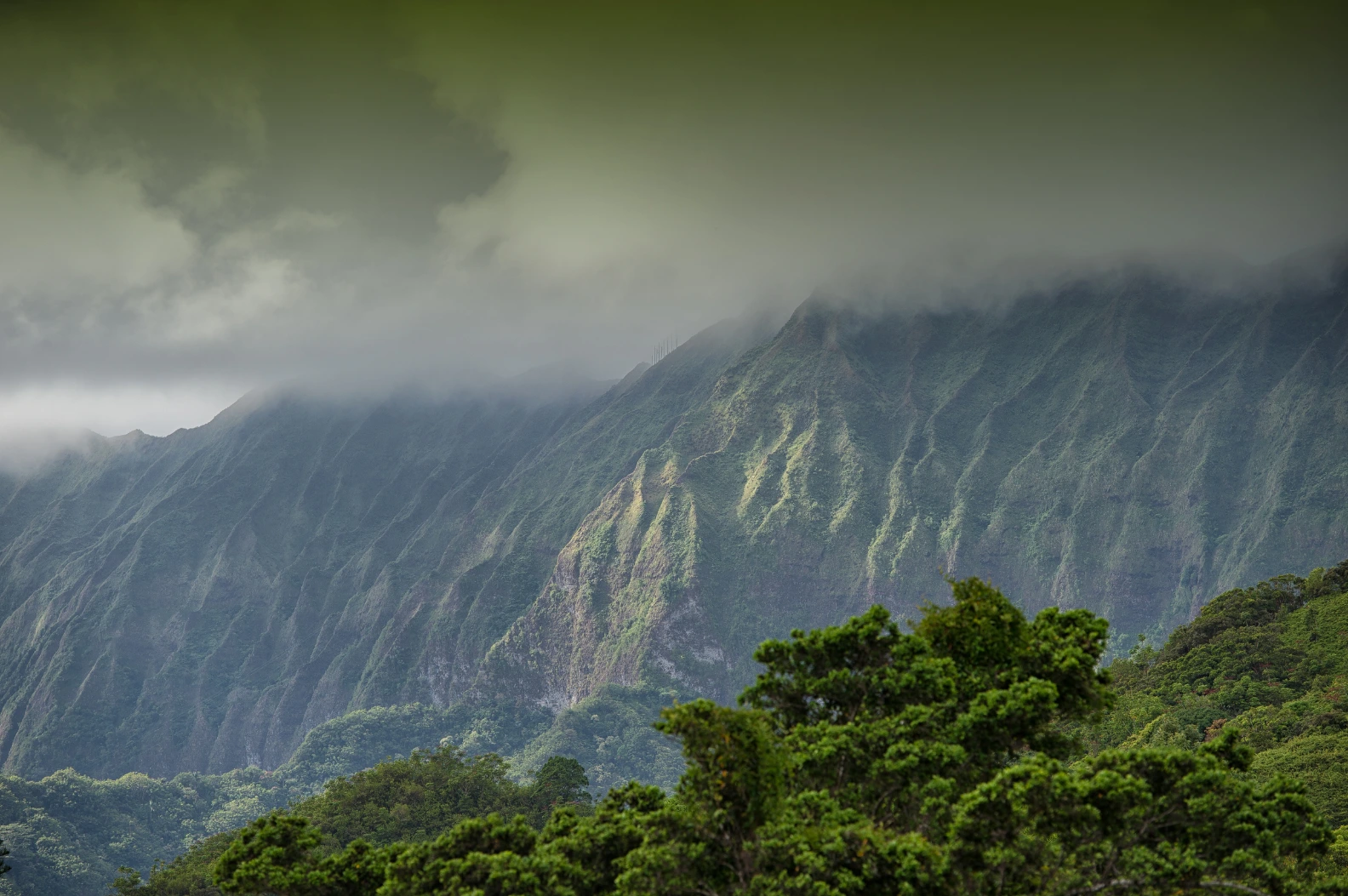
You land on Oʻahu’s south shore and Honolulu feels easy, until you hit 4–6 p.m. traffic and that’s your first fact. You’ll want a light shell for trade-wind showers, comfy shoes for ʻIolani Palace, and reef-safe sunscreen for quick Waikīkī dips, then swap crowds for Kakaʻako murals. Ride TheBus for cheap, skip driving at rush hour, and book a Viator Pearl Harbor slot if tickets sell out, with verified reviews and free cancellation. But that’s just the start.
Key Takeaways
- Honolulu sits on Oʻahu’s south shore around a naturally sheltered harbor that still drives port trade, ship traffic, and waterfront development.
- Trade winds usually build after mid-morning, cooling afternoons; expect sunnier weather April–October and brief winter showers November–March.
- Best-value shoulder seasons are late April–early June and September–mid-November, with fewer crowds and generally lower hotel rates.
- Key neighborhoods include Waikīkī’s beaches, Kakaʻako’s murals and cafes, Chinatown’s nightlife, and Kaimukī’s laid-back local dining.
- Top cultural stop is ʻIolani Palace, the only U.S. royal residence; visit early and reserve USS Arizona tickets online ahead.

Pearl Harbor USS Arizona Memorial Tour from Waikiki
Turn back time as we explore WWII history at Pearl Harbor and relive the infamous Sunday morning of December 7, 1941. Enjoy a half-day tour from Honol...

Pearl Harbor: USS Arizona Memorial and Battleship Missouri Tour
Visit USS Arizona and Battleship Missouri, as they represent both the beginning and the end of World War II. The acc...

Pearl Harbor USS Arizona Memorial & Battleship Missouri
Visit USS Arizona and Battleship Missouri, as they represent both the beginning and the end of World War II. The acc...

Oahu Catamaran Snorkel Tour: See Turtles 100% Guaranteed
Experience one Viator's 2025 Top 20 Best Excursions in the country. This Oahu Catamaran snorkel tour offers unbeatab...
Where Honolulu Is on Oʻahu (and Why It Grew There)
On Oʻahu’s sunny south shore, Honolulu sits where the island curves into a naturally sheltered harbor, and that geography explains almost everything you see today. The city of Honolulu is located on the island of Oʻahu, one of Hawaii’s main population and government centers.
You’re steps from Harbor development at the working port, then you can climb toward Ridge settlements like Punchbowl for a quick orientation.
The same calm water once fueled Coastal trade, and it still draws ships, markets, and commuters.
Plan to explore Chinatown and the waterfront before 10 a.m., when tours and lunch lines swell.
Ride TheBus for $3, bring a refillable bottle, and skip driving at 4–6 p.m.
Today you’ll feel a Cultural crossroads in temples, street art, and plate lunches.
For timing, a Viator easy city tour with verified reviews, hotel pickup, free cancellation, and reserve now pay later.
Honolulu Weather: Trade Winds, Rain, and Best Months
You’ll feel Honolulu’s trade winds most afternoons, and they take the edge off the humidity, so pack a light layer for breezy beach walks and skip the heavy hoodie. In Waikiki, trade wind patterns help shape daily weather, bringing cooling breezes, brief showers, and generally calm ocean conditions that make swimming and snorkeling more predictable.
Expect drier, sunnier days from April to October, with quick winter showers from November to March that can swell waterfalls, muddy trails, and bump up surf, so bring a compact rain jacket and sandals with grip.
[travelspark_viator_block placement=”primary” include=”both” layout=”featured” count=”4″]
If you want the sweet spot for prices and crowds, aim for late April to early June or September, and book popular sights early, a Viator tour with verified reviews, hotel pickup, free cancellation, and reserve now pay later can save you time.
Trade Winds And Humidity
Step outside in Honolulu and the trade winds usually kick in by late morning, taking the edge off the heat while keeping the air lightly sticky. You’ll feel the ocean breeze, but humidity levels rise fast after sunrise, so plan errands early and beach time for when the breeze steadies. For fewer crowds and reliably warm days, consider visiting during the late April–early June or September–mid-November shoulder seasons.
Pack a refillable bottle and a thin shirt for bus rides and breezy dinners. Skip heavy hair products unless you like “tropical helmet”.
Picture it:
- Palm fronds flicking like fans
- Salt on your lips after a swim
- Light sand lifting at Ala Moana
- Sunset air cooling on a Waikīkī stroll
For open-water snorkeling, a small-group Viator tour with verified reviews can save you time, plus hotel pickup, free cancellation, and reserve now, pay later.
Rain Patterns By Season
Trade winds keep Honolulu feeling breathable, but rain still writes the day’s schedule, especially once you start planning hikes, snorkel trips, or a luau lawn seat. From about November to March, showers show up more often, usually brief and warm. You’ll notice orographic showers drifting off the Koʻolau Range in the afternoon, so expect damp trails on Manoa or Makiki even when Waikiki looks blue. Summer leans drier, yet you can still get a quick squall at sunset. A rarer twist is kona rains, when winds flip from the south and steady rain can linger for a day or two, making roads slick and surf choppy. During kona weather, plan beach time for early morning and keep a light rain layer handy for sudden changes. Pack a light shell, a $5 poncho, and a dry bag, and skip cotton on hikes afterward, too.

Oahu: Roundtrip Shuttle From Waikiki to Dole Plantation & Haleiwa
Skip Circle Island and visit two of the most popular places to visit here on the Island of Oahu. Experience a unique...

Waikiki 2-Hour Sunset Sailing Catamaran – Swim & Sail Adventure
There’s no better place to take a dip than the crystal-clear waters of Waikiki—and no better way to experience a...

Honolulu: Pacific Star Sunset Dinner Cruise and Show
Indulge in the original Pacific Rim cuisine, where each dish serves as a gateway to the rich flavors of the region...
Best Months To Visit
Often, the sweet spot for Honolulu lands in late spring and early fall, think April to early June or September to mid October, when the water stays warm, the humidity eases, and showers tend to pass quickly. Trade winds keep Waikiki breezy, and you’ll find hotel rates lower than summer. For the best-value stays, aim for May and October–November when prices often drop compared with peak winter and summer crowds.
- In early spring, pack a light rain jacket, hike Diamond Head at sunrise, and expect thinner crowds.
- In July and August, book far ahead, pay more, and plan beach time early for shade.
- In late fall, surf lessons feel mellow, and whale season’s edge brings looks offshore.
- If storms roll through, grab a Viator circle island tour with verified reviews, hotel pickup, free cancellation, and reserve now pay later.
Skip sweaters, bring reef-safe sunscreen.
Honolulu Neighborhoods Beyond Waikīkī (and What They’re Like)
Once you peel away from Waikīkī’s surf schools and packed sidewalks, Honolulu breaks into neighborhoods with their own rhythms, views, and price tags. Head to Kakaʻako for murals, shops, and breezy cafes; go before 10 a.m. for parking. It’s also one of the best areas in town for a sunset walk, with street art-lined blocks leading toward the harbor. At night, Chinatown vibes get loud with bars and noodles; keep your bag zipped and skip side streets after midnight. For a mellow, local strip, hit Kaimukī eateries and indie boutiques on Waialae. Budget $20 to $35 for a meal, and bring a light jacket for trade winds. For quieter beaches and higher rents, cruise Kahala by bus. In Mānoa, streets smell of rain. Afternoon squalls roll in, so pack an umbrella and shoes with grip. Nuʻuanu runs quieter by 8 p.m., so plan early.
Landmarks in Honolulu Locals Actually Use and Visit
Start with the places you’ll actually use: slip off your slippers at Ala Moana Beach Park for a sunset swim, then grab a shaded bench at Kapiʻolani Park before it gets busy after 4 pm. Ala Moana was dedicated in 1934 by President Franklin D. Roosevelt as “The Peoples Park,” and today its mile-long sandy beach and picnic areas are some of the most used by locals.
On weekends, you can snack your way through KCC Farmers Market or browse downtown’s museum galleries, so bring small cash, a light rain jacket, and skip driving if you hate circling for parking.
When you want cooler air, lace up for a morning trail like Diamond Head, book an early entry, carry water, and if you’d rather not juggle tickets and timing, a Viator tour with verified reviews, hotel pickup, free cancellation, and reserve now pay later can keep it smooth.
Everyday Beaches And Parks
Most days, the real Honolulu happens on the sand and under the ironwood trees, not inside a big-name attraction. You’ll roll in early for Sunrise yoga at Ala Moana Beach Park, then cool off in calm water before the lunch rush. Entry’s free, parking fills by 9 a.m., so bike or bus if you can. Pack reef-safe sunscreen, a light towel, and cash for cold drinks, skip bulky chairs. Locals who want a break from the beach sometimes wander through Foster Botanical Garden to see rare tropical plants and towering trees just minutes from downtown.
- Magic Island lawns for sunset picnics and a quick swim.
- Kapiʻolani Park shade for barefoot frisbee and people-watching.
- Sans Souci’s narrow strip for quieter waves near town.
- A weekend Coastal cleanup where locals hand you gloves, bags, and smiles.
Go at dawn or weekdays for space, and rinse off at showers.
Still comparing Honolulu Facts And Oahu Planning Add Ons?
Ask for tour ideas, hotel suggestions, or a simple trip plan that combines both.
Trip Helper
Markets, Museums, And Trails
A handful of Honolulu landmarks earn repeat visits because they fit into real routines, a Saturday market run, a quick museum loop when it rains, or a post-work trail before dark. You’ll hit Farmers markets at KCC early; bring cash, and you’ll beat the 8 a.m. rush. At the KCC Farmers Market, focus on top food stalls selling fresh local produce, plate lunches, and snacks you can eat on the spot or pack for later. Rainy? Slip into art museums like the Honolulu Museum of Art, late afternoons feel calm and tickets run about $20. After work, follow coastal trails from the Diamond Head area to Kaimana Beach; wear shoes, carry water, and skip flip-flops.
| Pick | Best time | Don’t forget |
|---|---|---|
| Farmers markets | 7–9 a.m. Sat | Small bills, tote |
| Botanical gardens | Weekdays 10 a.m. | Repellent, hat |
For a smooth, easy plan, Viator’s well-reviewed half-day loop offers pickup, tickets, free cancellation, and pay-later online.
Honolulu’s Economy: Tourism, Military, and Local Business
Step off the plane and you’ll feel Honolulu’s economy humming around you, powered by tourism dollars, military paychecks, and hardworking local shops that keep daily life moving. Whether you’re renting a car, hopping on Oahu transportation options, or joining a guided tour, the way you get around the island often reflects where the money flows.
Step into Honolulu and feel the hum: tourism dollars, military paychecks, and local shops powering everyday life.
Book a reef cruise early for better prices, then budget for parking and resort fees in Waikīkī.
Military spending steadies weekday lunch crowds near bases, while hotel staff and tour guides ride the weekend waves.
You’ll spot local grit in small business startups selling shave ice, poke, and surf repairs.
Visit All 4 Museums in One day on this tour, tickets and admissions are included. See how the US entered into and en... Turn back time as we explore WWII history at Pearl Harbor and relive the infamous Sunday morning of December 7, 1941... Visit USS Arizona and Battleship Missouri, as they represent both the beginning and the end of World War II. The acc...
Pearl Harbor Complete Experience Passport
Pearl Harbor USS Arizona Memorial Tour from Waikiki
Pearl Harbor USS Arizona Memorial & Battleship Missouri
Picture it like this:
- Dawn coffee lines in Kakaʻako, laptops open.
- Noon food trucks, cashless taps, quick shade.
- Sunset souvenir stalls, sunscreen scent, ukulele chords.
- Late-night shift change, buses rolling, docks clanking.
Bring a light rain jacket, skip peak-hour driving, and tip fairly.
A Short Honolulu History That Explains Today’s City
Look closer and Honolulu’s skyline starts to make sense as a timeline, from a sheltered harbor that fed Hawaiian chiefs to a capital shaped by sugar money, annexation, and the shockwaves of Pearl Harbor. You can still trace Indigenous governance at ʻIolani Palace, where the only royal residence in the United States now offers guided tours through restored public halls and private suites. Go early, 9am beats the bus rush at Pearl Harbor, and bring water and a light jacket for AC. Budget $30 for ʻIolani Palace, and reserve USS Arizona tickets online ahead.
Waikīkī’s beach scene rose from the Plantation legacy and postwar boom, so skip the traffic-heavy midday drive and use TheBus. If you need help, a Viator tour offers hotel pickup, verified reviews, free cancellation, and reserve now pay later today.
Honolulu Etiquette: Respecting Culture, Land, and People
Since Honolulu runs on relationships to land and community, your best travel move is to slow down and act like you’ve been invited in.
Honolulu is built on land and community, slow down, show respect, and move through it like you were invited.
You’ll feel it in small choices:
- Offer a soft “aloha,” and keep your phone away in temples and memorials.
- Follow lei etiquette: accept with a smile, don’t refuse, and don’t toss it in a trash can.
- Practice land stewardship: stay on marked trails, pack out every wrapper, and never touch turtles or coral.
- Time Waikiki smart: it’s packed 10am to 4pm, so swim at sunrise and eat after 6pm.
Bring reef safe sunscreen, water, and $2 to $5 for street musicians. Skip drones and loud speakers. Some beaches require $1 reservations, so book them early online. When watching marine life, keep your distance and follow Hawaiʻi wildlife viewing guidelines by staying at least 10 feet from turtles, 50 feet from monk seals, and 50–100 yards from dolphins and whales.
Frequently Asked Questions
What’s the Best Way to Get Around Honolulu Without Renting a Car?
Skip the car: you’ll ride TheBus via public transit for most neighborhoods, then use ride-shares for late nights. Add bike rentals for Waikiki and Ala Moana, and you’ll walk between beaches, shops, and dining easily.
How Many Days Do You Need for a First-Time Honolulu Visit?
Like a postcard unfolding, you’ll want three days for highlights; add a relaxed pace and you’ll savor five. Stay seven days if you’re beach-heavy or planning island hopping, hikes, and neighborhood nights with local food.
Is Honolulu Safe for Solo Travelers at Night?
Honolulu’s generally safe for solo travelers at night if you stay alert and stick to busy, well-lit areas. You should avoid risky solo nightwalking, use late night safety apps, and trust instincts. Call rideshares.
Do You Need Cash, or Are Cards Accepted Everywhere in Honolulu?
Sure, you can live card-only, until the food truck’s reader dies. You’ll use cards almost everywhere in Honolulu, but carry some cash etiquette-ready bills for tips, small vendors, and at busy markets, to dodge card surcharges.
What Are the Must-Try Local Foods and Where to Find Them?
You can’t miss poke bowls at Ono Seafood or Foodland; grab malasada pastries at Leonard’s Bakery. Try plate lunch at Rainbow Drive-In, loco moco at Café 100, and shave ice at Waiola to cool off.
Conclusion
Now you’ve got Honolulu dialed in. Stroll the harbor, watch ships slide past. Base yourself near Waikīkī for the beach buzz, then jump to Kakaʻako’s murals before dinner crowds hit at 6. Pack a light rain shell, trade winds flip sunshine to sprinkles in minutes. Travel in late spring or fall for smaller lines and better room rates. Ride TheBus, skip the 4–6 p.m. crawl. Visit ʻIolani Palace, it’s royalty, about $26. Practice aloha, reef-safe.
Oahu Catamaran Snorkel Tour: See Turtles 100% Guaranteed
Experience one Viator's 2025 Top 20 Best Excursions in the country. This Oahu Catamaran snorkel tour offers unbeatable value and family-friendly fun f...
Pearl Harbor USS Arizona Memorial Tour from Waikiki
Turn back time as we explore WWII history at Pearl Harbor and relive the infamous Sunday morning of December 7, 1941...


