
Skip the high-rise buzz and book hotels on Oahu outside Waikiki instead, and the island shifts gears in a way you feel right away. Nights get darker and quieter, mornings smell like salt and sunscreen instead of lobby air freshener, and your first coffee can be from a corner cafe in Kailua or a no-frills shop near Haleiwa where everyone seems to already know each other. You trade the convenience of stepping straight onto Waikīkī Beach for easier access to the places you came for in the first place: Kailua’s glassy water, the North Shore’s early swell checks, or Ko Olina’s calm lagoons that actually invite you to float.
The payoff is real, but so are the logistics. Outside Waikiki you start thinking like a local: you plan parking, you keep a small cooler in the car, you check when kitchens stop taking orders, and you bring your own snorkel set because the closest rental shack might close at 4. Beach gear and dinner reservations become part of the day’s rhythm, especially on quieter stretches where “we’re out of that” is a normal answer. If you like your vacations loose and spontaneous, base yourself where you can walk to everything. If you like your days built around beaches, hikes, and drives with fewer crowds, hotels on Oahu outside Waikiki make more sense.
One smart workaround for the extra planning is to lean on small-group tours with pickup so you can skip the rental-car chess match for a day. Many Viator options will collect you right from Ko Olina and other resort areas, and some will reach Kailua or the North Shore depending on the route. It is an easy way to do a circle-island loop, a North Shore food day, or a snorkeling cruise without juggling parking lots and timed entry. The practical perks help too: instant confirmation, verified reviews, and often free cancellation up to 24 hours before, plus reserve now, pay later on many listings.
Key Takeaways
- Quieter mornings and darker nights, but less of Waikīkī’s nonstop energy.
- Choose a walkable hub (Kailua or Haleʻiwa) to avoid feeling stranded after dark.
- A car helps a lot; without one, outings take longer and require tighter timing.
- Earlier closing times outside Honolulu, plan dinners and groceries ahead.
Should You Stay on Oahu Outside Waikiki?
If Waikiki feels like a cruise ship that forgot to leave, base yourself somewhere else on Oahu. The island gets quieter fast once you’re out of that strip. You’ll hear roosters in the morning, smell plumeria on the trade winds, and end up eating at small places where the auntie behind the counter calls you “hon” and the mac salad tastes like someone actually made it today.
Outside Waikiki, nights are darker and neighborhoods feel lived-in. You trade malls and easy cocktails for beach parks, local plate lunches, and stretches of coastline where you can hear the waves without a soundtrack of trolley bells. If you can time your trip for the shoulder seasons, you’ll usually find Honolulu noticeably more breathable without giving up great beach days. Staying farther out also makes an early start for a North Shore day trip feel realistic instead of brutal.
The big catch: you work a bit harder for the headline sights, and the lodging can be more basic. For many travelers, that’s the whole point.
Tips for staying outside Waikiki:
- Get a car if you can. It turns North Shore sunsets, Windward hikes, and West Side beaches into easy day trips.
- If you’re using TheBus, pick a spot near a major route and plan your days around fewer, longer outings.
- Book early in smaller areas. Inventory is limited and the best places go fast.
- Expect earlier nights. Many towns wind down after dinner, so grab groceries and poke before things close.
- Pack for mosquitoes and rain on the Windward side, and for hotter, drier days out west.
- Check parking before you book. Some rentals have tight street parking or strict rules.
Best Areas to Stay Outside Waikiki on Oahu?
Once you skip Waikiki’s neon and noise, Oahu starts to feel like an island again. Where you stay matters because traffic is real, parking can be a headache, and the vibe changes fast from coast to coast. If you still want an easy overview without dealing with parking battles, a Circle Island tour can loop you around Oahu with set scenic stops and Waikiki pickup.
Kailua Town (windward side)
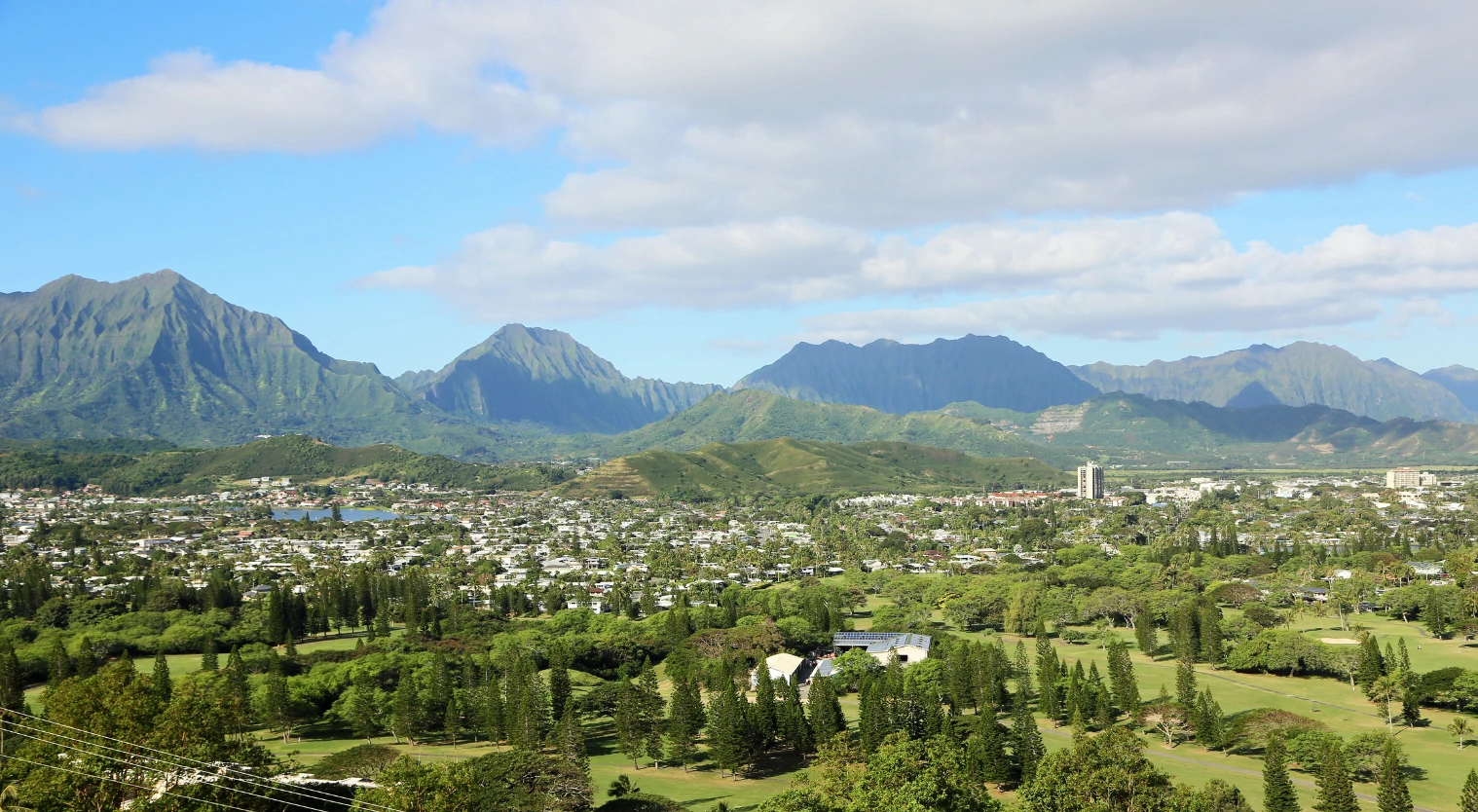
Kailua is the easy favorite for people who want a beach town you can actually live in. Mornings smell like coffee and salt air, and you can walk to breakfast, grab something from Foodland, then be on a wide sandy beach in minutes.
Lanikai is close, but it runs out of parking early and the trade winds can turn the water choppy later in the day.
Tips:
- Go to Lanikai early. Think sunrise early if you want calm water and fewer people.
- Bring reef shoes. Some entry points are rough.
- Rent bikes or e-bikes. Kailua is flat and made for cruising.
North Shore (Haleiwa, Pupukea, Sunset Beach)
If your day starts with a surf check and ends with shrimp from a truck, base yourself up here. Haleiwa has the most charm and the best mix of places to eat, shave ice, and browse, but it books out fast.
The coastline towns feel spread out, so you’ll drive, but it’s the kind of driving with windows down and salty hair. If you’re visiting in winter, North Shore season runs November to March and the surf can be best enjoyed as a spectator.
Tips:
- Stay as close to where you’ll surf or swim. Sunset to Haleiwa can feel far in traffic.
- Winter surf is serious. Watch from the beach if you aren’t experienced.
- Eat early. Popular spots and trucks get slammed by late morning.
Ko Olina (leeward resort zone)
Ko Olina is polished, quiet, and predictable in a way some people love. The lagoons are calm and great for floating, especially if you’re traveling with kids or just want a swim without waves.
It also feels planned, like the island put on a collared shirt.
Tips:
- Pick a place with kitchen access if you want to avoid resort prices.
- Sunset walks along the lagoons are the best part. Go just before golden hour.
- Have a car if you want real local food. Options nearby lean resort.
Kahala (close to town, low-key)
Kahala is for travelers who want calm nights, quick access to Honolulu, and less of the beach-town chaos. You get quiet streets, big homes, and the convenience of being near town without being in the middle of it.
Tips:
- Good choice if your plans include museums, restaurants, and day trips all over the island.
- Beach access can be limited depending on where you stay, so check the map before booking.
What Do You Gain Staying Outside Waikiki?
Because Oʻahu’s vibe changes fast once you’re outside Waikīkī, staying elsewhere can feel like taking your foot off the gas. Mornings are quieter. The air smells more like plumeria and salt than sunscreen. At night you’re more likely to hear trade winds in the trees than traffic on Kalākaua.
Base yourself in Kailua, Kāneʻohe, the North Shore, or even Kapolei, and the island starts to run on local time. You can roll out for a plate lunch without planning your whole day around reservations. Beach time gets simpler too. Less jockeying for a patch of sand, more actual swimming. If you want a low-key way to plug into the community, keep an eye on the city’s Spring 2026 Activity Registration for free and local park programs.
Tips that make the difference:
- Park faster and closer. Many neighborhoods have small lots or easy street parking, so you spend less time circling and more time walking barefoot.
- Hit the beach at sunrise. Lanikai and the North Shore feel almost private early, with glassy water and a calmer crowd.
- Shop a local market. You’ll hear aunties talking story while you pick up fruit, poke, or warm malasadas. Bring cash and show up hungry.
- Swap bar-hopping for a dark sky. On the windward side and up north, nights are made for a lanai chair, a light jacket, and looking up.
If hiking is on your list, late spring and early fall often bring the most reliable drier hiking days for Oʻahu trails.
The big payoff is how your lodging feels. Fewer lines, less noise, and breezes you actually notice when you open the door.
What Do You Miss by Skipping Waikiki?
Skip Waikīkī and Oʻahu gets quieter fast. You also give up the island’s easiest base camp. In Waikīkī, the beach is right there. You can swim before breakfast, grab a cold drink at sunset without checking your phone for directions, and wander into live music drifting out of a hotel lobby. When you’re tired, you’re already home.
You miss the simple, lazy rhythm that makes a trip feel easy. Coffee along Kalākaua in the morning. A quick dip between plans. Dinner options that run late and don’t require keys, parking, or a group text. Waikīkī can feel crowded and glossy, but the convenience is hard to beat. In summer, the best calm-water window is often the 7:00–10:00 a.m. stretch, and Waikīkī makes it easy to slip in a quick early swim or snorkel without turning it into a whole mission.
Outside town, the sand is often calmer and the water can be gorgeous, but you’ll work harder for the fun parts. That “let’s just go out” feeling turns into a drive for poke, cocktails, and a decent last-minute table. If you do want an easy, classic Honolulu green space without committing to a Waikīkī hotel, Kapiʻolani Park is free and open to the public.
Tips if you’re skipping Waikīkī anyway:
- Pick one walkable hub (Kailua or Haleʻiwa) so you can still eat and drink without driving every time.
- Build in beach time where facilities exist. Showers and bathrooms aren’t a given once you leave the main strip.
- Plan your nights. Many great spots outside Honolulu close earlier than you expect.
- If you want one Waikīkī hit without sleeping there, go for a sunset drink and a beachfront walk, then leave before the post-dinner crowds stack up.
Frequently Asked Questions
Do Hotels Outside Waikiki Charge Resort Fees or Parking Fees?
Yes. Plenty of hotels outside Waikiki still add resort fees, and parking charges are common too. The setting may be quieter, with more salt air and fewer high rises, but the bill often has the same little extras.
North Shore and Ko Olina are the usual suspects. Resorts there lean into the “self contained” thing, which often means daily fees for amenities you may or may not use, plus paid parking if you have a rental car.
Tips before you book:
- Look for “resort fee” and “destination fee” in the fine print. Both mean an added daily charge.
- Check whether parking is per night, per entry, or valet only. Ko Olina properties love valet.
- If you are renting a car, add parking to your nightly math. A “cheaper” room can flip fast.
- Ask what the fee actually covers (beach chairs, shuttles, cultural classes, gym). If it’s not your style, pick a smaller inn or vacation rental with clear pricing.
- Call or email for the all in total. The booking page rarely shows the real number upfront.
Is Public Transportation Reliable to Reach Major Oahu Attractions From These Hotels?
Yes. Most days TheBus is steady and surprisingly civilized, with cold AC and riders who will absolutely tell you which stop you missed. From these hotels, you can get to Pearl Harbor, Haleʻiwa, and Hanauma Bay on public transit. The trade-off is time. Cross-island trips can feel long, and evening connections get thin, so you want a little breathing room in your plan.
Pearl Harbor is the easy win. Buses run often, and the ride is straightforward if you leave in the morning. Hanauma Bay is doable too, especially if you’re staying in Waikiki, but the last stretch can be slow and the return trip is where people get stuck waiting in the sun. Haleʻiwa is the commitment. It’s a scenic ride once you’re out of town, but it’s not a quick pop-over for shave ice unless you start early.
Tips that make it work:
- Leave earlier than you think, especially for timed entry spots like Pearl Harbor and Hanauma Bay.
- Screenshot routes and stops before you go. Cell service drops in random pockets, and it’s annoying to be squinting at a loading map.
- Aim to finish your day by late afternoon if you’re relying on transfers. After dark, frequency drops and missed connections cost real time.
- Pack water and a hat. Some stops have zero shade and the wait can feel longer than the ride.
- Use a rideshare as your backup for the last leg home, not the whole trip. It’s the most cost-effective way to save the day if a connection slips.
Which Neighborhoods Outside Waikiki Are Best for Travelers Without a Rental Car?
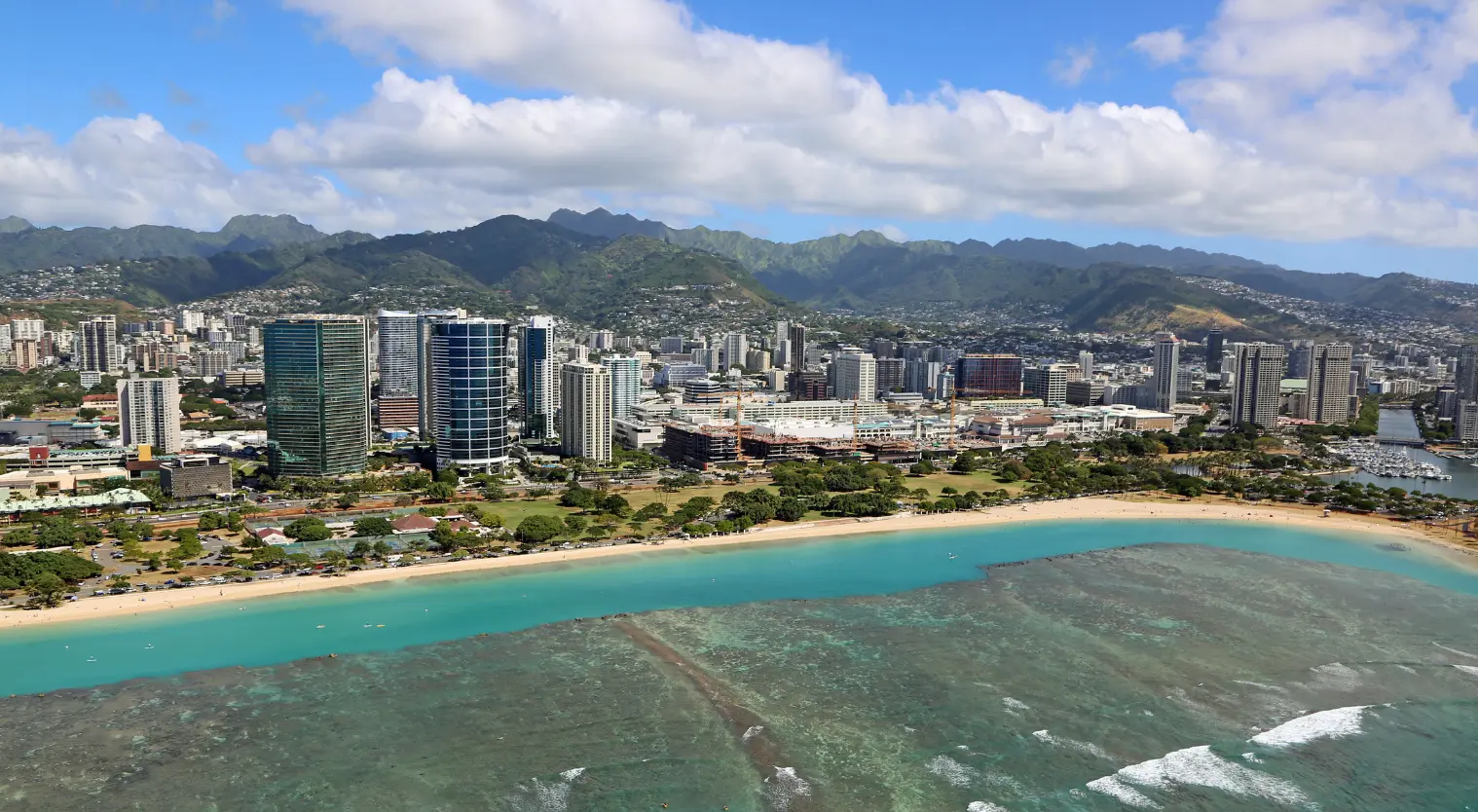
Stay in Ala Moana, Kakaʻako, or Downtown/Chinatown if you want Honolulu without the Waikiki bubble and you are skipping the rental car. These neighborhoods put you close to buses, bike lanes, food, and the kind of everyday city life where you can grab a great lunch in slippers and no one cares.
Ala Moana works if you want easy beach time without the Waikiki crowds. You can walk to Ala Moana Beach Park for calm water and sunset joggers, then duck into the mall for air conditioning, snacks, and practical stuff like sunscreen. It is not romantic, but it is ridiculously convenient.
Kakaʻako is the sweet spot for travelers who like design-forward cafés, street art, and a morning that starts with a good espresso. You are close to Ward Village and the weekly farmers market scene, and the sidewalks actually feel made for walking.
Downtown and Chinatown are for night owls and food grazers. The energy is grittier in a city way, with neon, late plates, and older buildings that feel like Honolulu before the resorts. You will hear traffic and the occasional siren, especially on weekends, but you will be able to eat very well on foot.
Tips for getting around without a car:
- Use TheBus for anything beyond your neighborhood. It is reliable, cheap, and covers the places you will actually go.
- Walk to Ala Moana Beach Park or Kewalo Basin for a swim. Both are easier than dealing with Waikiki beach logistics.
- If you stay Downtown, plan evenings around food. Chinatown is best when you are hungry and willing to wander.
Are There Family-Friendly Resorts Outside Waikiki With Kids’ Clubs or Water Slides?
Yes. You do not have to base yourself in Waikiki to keep kids happy.
On Oahu’s west side, Ko Olina is the easy win for families. Aulani (Disney) is built for this: proper water slides, splash zones, big family pools, and a supervised kids’ club that actually feels like a program, not a babysitting room. The lagoon water stays calm, and the whole area is quiet at night in a way that tired parents will appreciate.
Up on the North Shore, Turtle Bay gives you another family-friendly base with resort activities and space to spread out. You get ocean views, breezy lawns, and that far-from-the-crowds feeling. The trade-off is you are not strolling out for a dozen dinner options. You will be driving for most meals and outings.
Tips before you book
- For water slides and maximum kid programming, pick Aulani and plan a few full resort days.
- Ko Olina is polished and low-stress, but it is resort-contained. Stock snacks and sunscreen and lean into the lagoon life.
- Turtle Bay works best if you want North Shore exploring and do not mind fewer walkable restaurants.
- If “walk to everything” matters, Waikiki still wins. If “kids entertained on-property” matters, these do the job outside town.
How Far in Advance Should I Book Hotels Outside Waikiki for Peak Season?
For peak season outside Waikiki, book early and do it with purpose. In most places, 4 to 6 months ahead is the sweet spot. In small beach towns on the North Shore, along the Windward side, or upcountry where rooms are few and regulars return every year, lock it in 6 to 9 months out. The places with the best lanais, quiet mornings, and walk-to-the-water convenience get snapped up first.
Christmas through New Year’s and spring break are the real pressure points. Rates jump, minimum stays appear, and the good-value, well-run spots disappear fast.
Tips that actually help:
- Aim for 120 to 180 days out for most peak dates, earlier if you want a specific property.
- If you’re traveling late December, book as soon as flights are on sale.
- Midweek stays often have better availability, even in busy months.
- Look for smaller inns and legal vacation rentals, but read recent reviews for noise, parking, and “rooster at 5am” reality.
- If you find a good rate with free cancellation, grab it now and keep checking for price drops later.
Conclusion
Choosing hotels on Oahu outside Waikiki swaps the strip’s bright lights for places that actually get quiet after dinner. You hear tradewinds in the palms instead of traffic, and on a clear night you might catch more stars than storefronts. Base yourself near Kailua for that calm, glassy morning water and easygoing cafés, in Ko Olina for polished lagoons and sunset strolls, or up on the North Shore if you want to roll out early for a surf check and shrimp-truck lunch before the crowds arrive.
You do give up some of Waikīkī’s autopilot convenience. Dining gets earlier, nightlife gets sparse, and “walk out and choose between five beaches” turns into “pick your beach and commit.” A car starts to feel less optional, especially for exploring windward lookouts, botanical gardens, or bouncing between food spots without watching the clock. My tip: plan one or two key meals ahead and keep a simple cooler setup for beach days, it makes the slower rhythm feel intentional instead of inconvenient.
If you would rather skip the logistics on a few days, this is where Viator tours with pickup can be a quiet win, especially the small-group circle-island style routes that grab you from Ko Olina, Kapolei, or sometimes the North Shore. It is also handy that many listings offer instant confirmation, verified reviews, and free cancellation often up to 24 hours before, plus reserve now pay later on select options, which pairs nicely with a stay that’s meant to be flexible.
