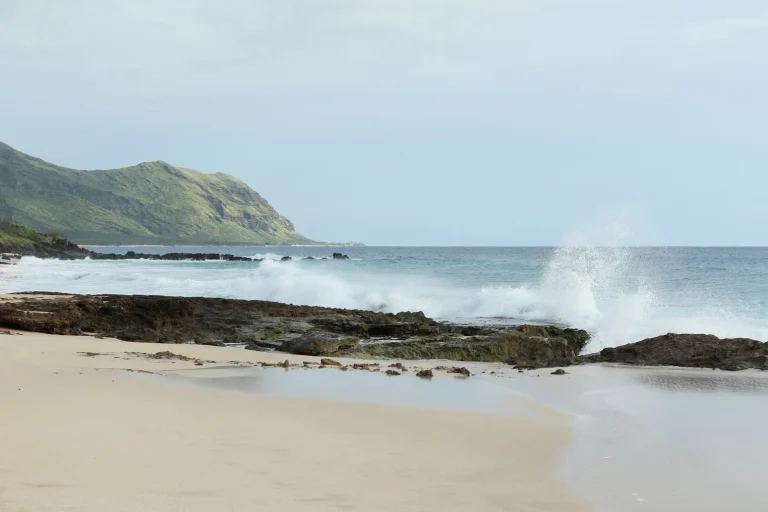
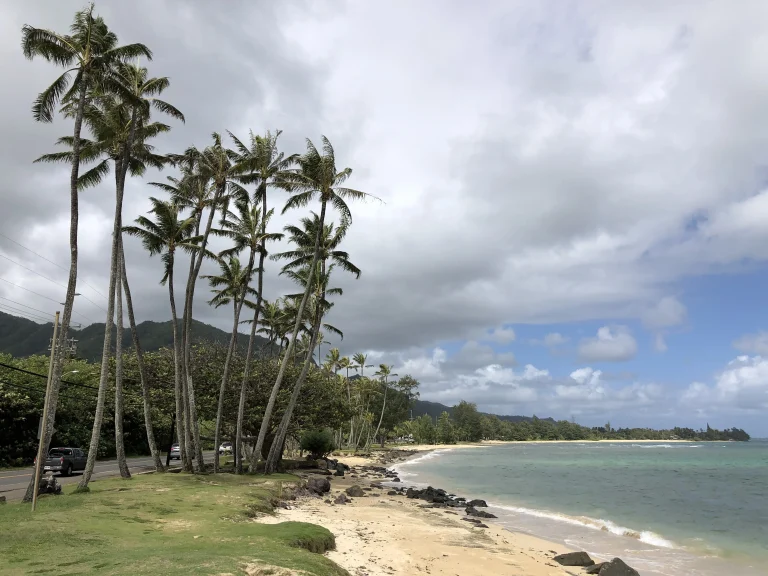
Like a theater that only opens on surprise nights, Lanikai can go weeks without a surfable wave, then serve up a few playful peelers before shutting down again. You’ll often find it glassy and calm, perfect for SUP and snorkeling, not so much your shortboard. Yet with the right swell angle, light trades, and some local know‑how, it wakes up. The trick is knowing when that actually happens.
Key Takeaways
- Lanikai only breaks on specific northeast–southeast swells; most North Shore winter swells are blocked and never reach the beach.
- Rideable waves are usually small, playful longboard bumps over reef and sand, often shared with kayaks and SUPs.
- It’s flat most days because offshore reef and island shadowing dissipate open-ocean swell before it hits the shoreline.
- Check swell height, period, and direction plus light winds; east swells over ~3 ft offer the best chance of surfable lines.
- When it’s flat, conditions are ideal for swimming, snorkeling, and paddling, with nearby breaks like Waikiki or Kalama better for consistent surfing.
Can You Actually Surf Lanikai Beach?
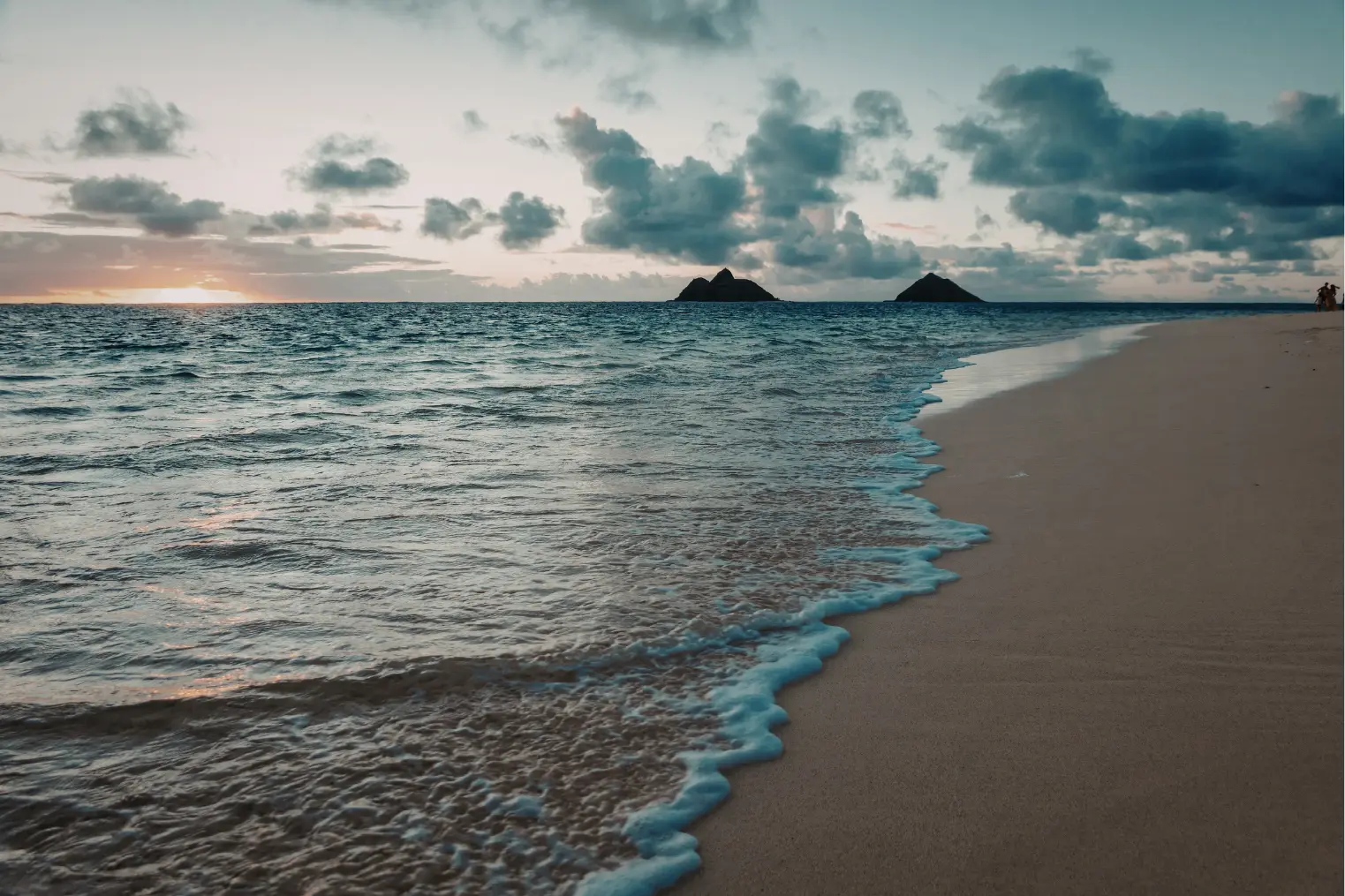
You can technically surf at Lanikai, but it’s not the dreamy wave you might picture from Hawaii postcards. You’re really picking at small, playful bumps, often on a longboard or foamie. You paddle out from the soft sand, then cross shallow coral, so watch reef hazards and wear booties if you have them. Stay alert; kayakers and SUPs drift through the lineup, so paddle etiquette matters more than bravado. Expect mellow locals, scattered visitors, and long quiet lulls. Bring reef-safe sunscreen, plenty of water, and low expectations. Skip pricey rentals; borrow a board or rent in Kailua town nearby. If you want similarly mellow vibes with more options for staying overnight, look at quiet Oahu beach towns beyond Waikiki for a low-key home base.
Which Swells Actually Reach Lanikai Beach?
To figure out which waves actually reach Lanikai, you’ll need to think about where the swells come from in winter and how the shorter summer south swell windows sneak around the island. You’ll notice that big north shore sets almost never wrap in, while certain east and southeast angles can send in small, playful lines if the trades are up. Because the rest of Oahu blocks so much open ocean, island shadowing and refraction turn Lanikai into a mostly sheltered lagoon, great for paddling but rarely a reliable surf spot. If you’re chasing more consistent energy on Oʻahu’s outer coasts, the exposed shoreline and trail-accessible points at Kaʻena Point State Park are a better example of how open-ocean swells directly reach the island.
Dominant Winter Swell Directions
Although Hawaii’s winter surf headlines usually go to the North Shore, Lanikai sits tucked behind the bulk of Oahu and misses most of that famous energy.
You’re looking for sneaky wraparound swells, not thundering reef surf.
Winter swells form in a broad northwest fetch tied to North Pacific seasonal stormtracks, but only a narrow slice bends into Kailua Bay and reaches Lanikai.
You’ll have the best chance of rideable waves when:
- charts show WNW to ENE swell with light trades
- the Kaneohe sandbar reports a small bump
- locals mention “wrap” along Kailua’s outer reefs
For more predictable learning conditions, many beginners time their trips for May to October on Oahu’s south shore, when the water is warmer and Waikiki offers mellow, consistent surf.
Summer South Swell Windows
Scanning summer charts for “south swell” and hoping it lights up Lanikai usually leads to gentle ripples, not a surprise reef session. You need very specific summer pulses for surfable waves here. They arrive from the south southeast, with enough period to sneak around the coast and stand up on the inside sandbar. Look for clean three to five foot forecasts in town, then expect knee high, maybe a rare waist high set at Lanikai. Because Lanikai sits in a relatively sheltered pocket, swells that create calmest conditions for snorkeling around Oahu’s south shore often translate to only tiny, playful waves here. Early mornings bring lighter crowds, mellow locals on soft-tops, and often glassy offshore winds. Bring a longboard, reef-safe sunscreen, water, and basic snacks too.
Island Shadowing And Refraction
Summer south swells might light up town, but Lanikai sits in the quiet shadow of other islands, so most of that energy never reaches the sand.
You’re surfing in a maze of island diffraction and shifting shadow patterns. Long period northeast trade swell sneaks in around Makapuʻu, then refracts across the Mokulua shallows, giving you knee to chest high peelers a few days each month. On similar northeast trade swells, the nearby Makapuʻu Lighthouse Trail can see solid wrap‑around surf below the lookout while Lanikai stays much smaller and more sheltered.
- Check windward forecasts, not Waikiki reports.
- Bring a longboard or soft top, leave the tiny shortboard.
- Plan dawn sessions; trade winds roughen the surface by midmorning, and kayakers crowd the lineup during busy seasons.
Why Lanikai Beach Surf Is Flat Most Days
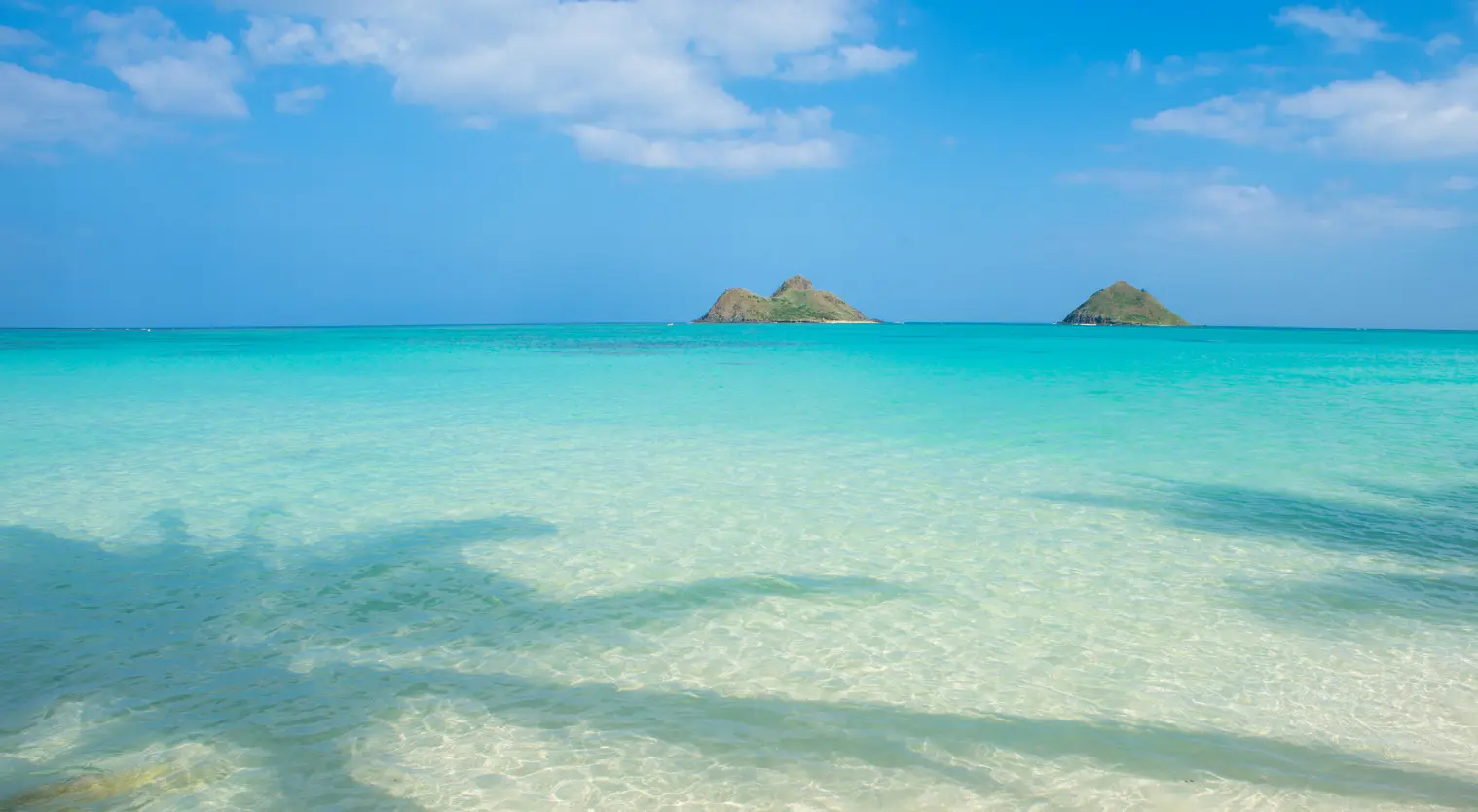
Most days you’ll find Lanikai’s surface as calm as a swimming pool because the bay hides behind an offshore reef and sits in the wind shadow of Oahu’s northeast coast. Swell from the Pacific bends away before it reaches your feet, so even winter days on the North Shore feel like lake mornings here. A shallow shoreline sandbar softens what little energy survives. Morning offshore wind often blows ripples flat, great for floating with kids or a rental SUP. Skip the shortboard and leash, bring reef‑safe sunscreen, a mask, and maybe a cooler, then treat Lanikai as your lounge. For days when you actually want waves and reef exploring, head to the nearby Hanauma Bay nature preserve, where a shallow fringing reef and outer bay deliver more surf energy and marine life.
How To Read Lanikai Beach Surf Reports
Even though Lanikai rarely breaks, it still pays to know how to read a surf report so you don’t show up with the wrong expectations or gear.
Start with swell size and direction; windward-facing Lanikai needs a solid east swell over 3 feet to show anything.
Practice reading tidecharts, since a higher tide can soften the tiny shorebreak. You can also look at NOAA’s tide predictions, keeping in mind that their raw data are preliminary and haven’t gone through full quality control.
Key things to scan before you leave your hotel:
- Swell height, period, and direction
- Wind speed, gusts, and onshore or offshore flow
- Nearshore buoy data and webcams for interpreting buoys in real time
Check everything before you commit to sunrise sessions.
Best Nearby Surf Spots When Lanikai Is Flat
Once you’ve checked the reports and seen that Lanikai is a lake, it’s time to chase waves somewhere else on Oahu’s windward or south shores.
Head to Kalama or White Plains for mellow peaks, easy parking, and rentals on the sand.
For punchier reef breaks, drive to Ala Moana Bowls or Kaisers, where you’ll share the lineup with serious locals and visiting pros.
Waikiki still delivers rolling longboard lines, forgiving for beginners, crowded yet friendly at sunrise.
Pack reef-safe sunscreen, extra water, and cash for post surf plate lunch.
Skip leaving valuables visible near beach access and rental cars.
If the wind picks up and you’re ready to swap surfing for a lagoon-like day, consider a Kaneohe Sandbar tour to snorkel, kayak, and float in shallow turquoise water instead.
Staying Safe And Respectful On Rare Lanikai Surf Days
Catch a rare surfable day at Lanikai and you’ll need to balance the stoke with caution and respect. Swells wrap in at odd angles, so you should scout the reef at low tide and memorize landmarks before paddling out. Stay alert for coral heads, moorings, and shoreline hazards that shift with the tide. Treat this as a mellow one to three foot playground, not a place to charge. On days when wind or swell make Lanikai feel sketchy, consider safer, more predictable options like the Makapuu Lighthouse Trail or other established viewpoints instead of forcing a surf.
- Practice solid crowd etiquette: call waves, don’t snake, and yield to locals.
- Enter and exit over sandy pockets to protect feet and reef.
- Leave valuables home, bring sunscreen, and pack water.
Frequently Asked Questions
Are There Board Rental Shops or Surf Schools Specifically Serving Lanikai Beach?
You won’t find surf schools or board rentals directly on Lanikai Beach, but you can book surf lessons and board rentals in nearby Kailua; many shops happily deliver gear and meet you at the beach.
What Time of Day Is Lanikai Beach Least Crowded for Surfers?
You’ll find Lanikai least crowded for surfers at dawn, especially on weekdays, when early mornings feel almost empty; late afternoons can also thin out, but watch wind shifts, fading light, and occasional after-work surf crowds.
How Does Lanikai Surf Compare to Kailua Beach for Beginner-Friendly Conditions?
You’ll find Lanikai a bit softer and more sporadic, while Kailua offers more consistent beginner waves. You’ll use gentle whitewater at both, but Lanikai’s sheltered lineup feels calmer, while Kailua builds confidence for new surfers.
Are There Any Local Regulations or Restrictions on Surfing at Lanikai Beach?
You won’t find formal surfing bans at Lanikai, but you must respect beach-access rules, strict parking restrictions in neighborhoods, and swim-zone etiquette. Since there’s no lifeguard presence, you should surf cautiously and avoid disturbing swimmers.
Is Lanikai Beach Suitable for Longboarding When It Does Have Waves?
Yes, you’ll find Lanikai can suit longboard style when rare swells arrive; waves break softly, with about 70% under three feet, so you cruise, practice trims, and respect nose riding etiquette around swimmers and paddlers.
Conclusion
Next time you stand on Lanikai’s sugar-white sand, don’t rush to unpack the surfboard. Watch the palms, feel the trades, check that distant shimmer on the reef. Most days you’ll grab a mask, not a leash, and glide over coral instead of chasing sets. But one morning, the report will hint at a long-period ENE swell, light wind, small crowd. You’ll wait, scanning the flat blue, until the first clean line finally appears for you.