Like choosing between Atlantis and a secret tide pool, you’ve got two very different Oʻahu two-tank dives ahead. You can drop onto a deep wreck where steel beams fade into blue water and your bubbles drum upward, or cruise a shallow reef where coral heads glow and turtles slide past like locals with nowhere to be. Both trips pair two guided sites with a surface break, but the better fit depends on how you want the ocean to feel.
Key Takeaways
- Oʻahu offers guided certified-diver two-tank charters: Deep Wreck in the morning and Shallow Reef in the afternoon, each lasting about four hours.
- Deep Wreck usually starts deeper on a south shore wreck, then shifts after a surface interval to a shallower reef or drift.
- Shallow Reef stays around 30–40 feet and focuses on coral gardens, reef terrain, and easier profiles with strong wildlife viewing.
- Choose wreck for structure, shadow, history, and possible sharks or turtles; choose reef for a calmer dive with fish, turtles, and eels.
- Active scuba certification is required, with proof checked before departure; first-timers need a certification course before booking.
Deep Wreck or Shallow Reef?
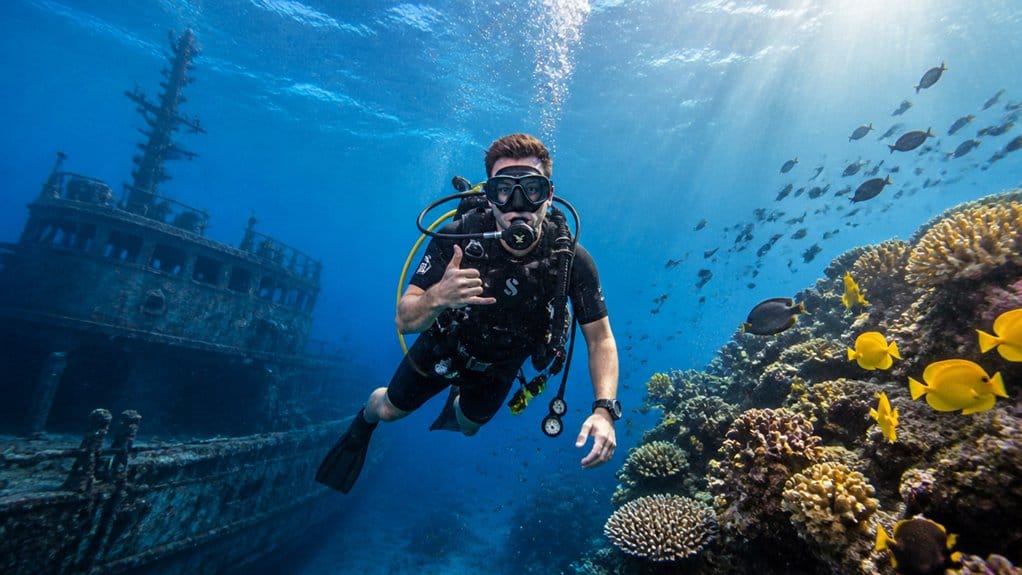
Which two-tank Oahu dive fits your mood better: a deep wreck with steel bones and a bit of mystery, or a shallow reef with easy depth and lots of color?
Choose the Deep Wreck if you want a guided descent with drama. You’ll explore a wreck, maybe along the south shore, then take a surface interval before the boat heads to a second site. Expect structure, shadow, and history, plus possible sharks and turtles cruising past.
Pick a Shallow Reef Dive if you want something relaxed and wildlife-rich. Depths around 30 to 40 feet make it a nice reset after time away from diving. You’ll spend your dive over coral gardens and reef terrain, watching reef fish, turtles, and eels. Oʻahu is also known for snorkeling with turtles, especially at calmer, wildlife-rich shallow spots. If you want nitrox, check charter options before you board. On Oʻahu’s North Shore, Sharks Cove offers shallow interior areas with better diving just outside the cove, where depths can slope to about 45 feet. For the best experience, plan around summer conditions, when the cove is typically calmer and clearer for snorkeling and diving.
How These Oahu Dives Differ
Although both trips give you two guided dives off Oahu, they feel very different from the moment you check in. A Deep Wreck charter usually starts early, with check-in around 7:30am and departure at 8:00am. You head for Oahu’s south shore, where your guide leads you to a wreck, often followed by a shallow reef or drift for contrast. Divers should also review training and gear needs before choosing the deeper wreck profile.
Shallow Reef Dives run on a different rhythm. You usually check in at 12:30pm and board by 12:40pm for a calmer afternoon outing. Instead of dropping deep, you stay in the 30 to 40 foot range and cruise reef sites known for turtles, eels, and easy wildlife watching. This style can appeal to beginners and non-swimmers who prefer calmer, more approachable ocean experiences. One trip spotlights steel structures, sea caves, and deep walls. The other keeps things bright, relaxed, and fish-filled beneath the sun. For certified divers comparing two-tank options in Oahu, the biggest difference is whether you want a deeper wreck-focused adventure or an easier shallow reef experience.
Choose the Best Dive for You
Usually, the best pick comes down to what you want to remember most when you climb back on the boat. If you picture steel outlines, deeper blue water, and that classic big-structure feeling, choose the Deep Wreck. You’ll join a guided dive to famous south-shore wrecks, then take a surface interval before the next drop. Many outings pair that first wreck with a second, shallower site.
If you’d rather keep things easy, choose the Shallow Reef. A mellow 2-tank beach dive usually stays around 30 to 40 feet, which feels relaxed and forgiving. It’s a smart call if you’re getting back into diving. This kind of profile also shares some of the appeal that makes beginner scuba tours popular on Oahu. You’ll trade dramatic structure for reef fish, turtles, and eels, plus simpler depth profiles. Think wildlife over metal, and fewer depth worries too. For travelers planning more adventure beyond diving, Best of Kualoa is known as a full-day value package at Kualoa Ranch.
Still comparing USS Arizona Memorial?
Ask for tour ideas, hotel suggestions, or a simple trip plan that combines both.
Trip Helper
What to Expect on a Wreck Dive
Once you drop onto a wreck dive, the mood shifts fast from open blue to giant steel lines and shadowy openings that seem to appear out of nowhere. On a Wreck Dive, you’ll usually descend to a Deep Wreck off Oahu’s south shore and follow your PADI-certified guide’s plan. Many two-tank tours pair this kind of deep first dive with a second, shallower site to balance excitement with a more relaxed finish. You stay within your training limits while your guide leads you to the best angles, swim-bys, and photo-worthy features.
Expect the focus to stay on the structure itself. Big beams, cargo spaces, and dramatic outlines steal the show. You might also spot turtles, eels, rays, and reef fish circling the metal like regulars at a neighborhood cafe. Unlike beginner snorkeling, this dive is designed for certified divers who are comfortable with deeper profiles and more structured dive plans. Oahu is home to several top dive shops that help certified divers book unforgettable underwater tours with experienced guides. After the deep first tank, you’ll take a surface interval before a Shallow second dive. Your guide manages timing so the next drop feels safe, easy, and comfortable.
What to Expect on a Reef Dive
If you want a calmer start to your dive day, a shallow reef dive delivers exactly that. You’ll descend to 30 to 40 feet, settle your buoyancy, and ease back into Oahu water without feeling rushed. On a Tank Shallow Reef, your guide leads you toward clear viewing zones, so you can watch turtles, eels, and bright reef fish instead of fussing with navigation. Waikiki is especially known for clear water days that make reef colors and marine life easier to enjoy. Many of the shallow reef dives near Waikiki are popular certified diver trips because they combine easy conditions with excellent marine life viewing.
| You notice | You feel |
|---|---|
| Sunlit coral heads | Instantly calmer |
| Slow turtle passes | Quiet awe |
| Eels peeking out | Curious excitement |
| Easy boat rhythm | More confident |
| Color everywhere | Glad you came |
Because it usually pairs with another dive, a Shallow Reef lets you enjoy two underwater moods in one charter. If you’re heading to Hanauma Bay on another day, check the food rules before packing snacks, since what you can bring is limited. Relaxed, structured, and scenic, it’s a gentle reset button.
Oahu Dive Sites You May Visit
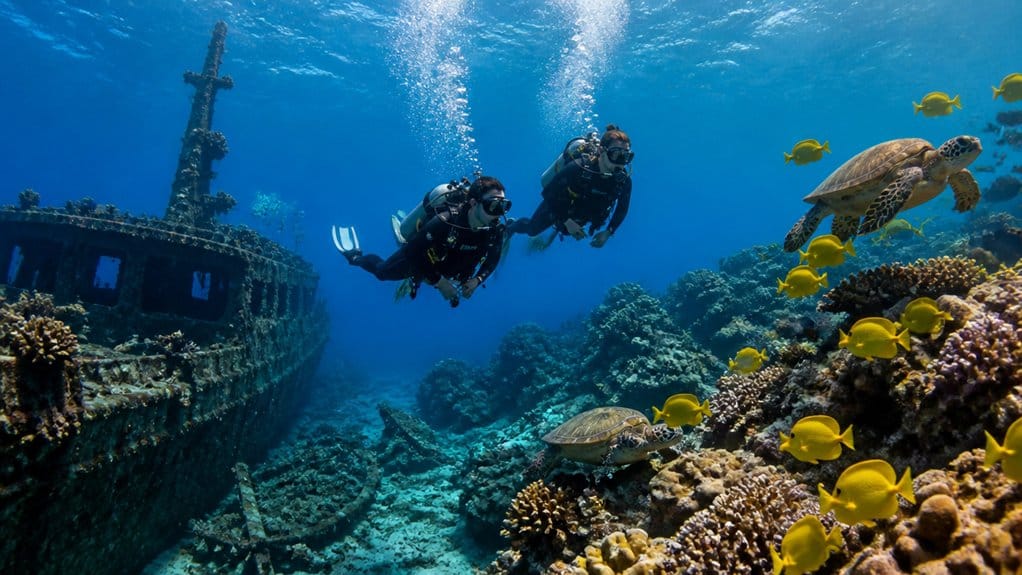
After that calm reef mood, it helps to know where the boat may point next. On Oahu, your two-tank charter usually splits the day between two sites. If you choose a Deep start, you might drop onto the Sea Tiger wreck or another south shore wreck, then continue through nearby walls or sea caves with your guide leading the route.
Your second tank often shifts to a Shallow Reef, usually in mellow 30 to 40 foot water. Depending on weather and current, the captain may aim for Mid Pipe, Horseshoe Reef, or the pipeline area. Conditions decide everything, so your exact pair of sites can change by the day. Oahu also offers submarine tours for travelers who want an underwater experience without diving. Some operators also provide a free video guide for beginners who want to preview the experience before getting in the water. That flexibility keeps the plan practical and interesting. You don’t just repeat a setting. You sample two sides of Oahu underwater in one trip. Many Waikiki scuba tours use this same two-site format to give certified divers both variety and a balanced dive day.
Sea Life on Wreck and Reef Dives
While the terrain changes from steel wrecks to coral gardens, the wildlife stays busy on both. On a Wreck and Drift Dive, you’ll watch turtles cruise past beams, eels peek from holes, and rays sweep by like quiet kites. At sites like Sea Tiger, guides often point out sharks circling the structure too. Adventurous travelers comparing underwater thrills may also come across cage tours when planning ocean activities around Oahu.
| Dive type | Wildlife you may spot |
|---|---|
| Wreck | Turtles, rays, eels, sharks |
| Shallow Reef | Turtles, crabs, starfish, reef fish |
| Both | Octopus, Hawaiian endemic fish |
On a Shallow Reef route, you’ll fin over coral gardens and mid-pipe areas packed with bright fish. You might catch an octopus changing color or a crab shuffling sideways like it’s late. Unlike snorkeling spots with rocky entries, these guided boat dives offer smoother access to the water. Your PADI-certified guide helps you find the busiest corners on both tanks. Travelers planning more island activities can also look for Oahu Luau Deals to save on evening entertainment after a day underwater.
Depth and Certification Requirements
Before you board for any certified two-tank trip on Oahu, you need an active dive certification and proof that you’ve earned it, whether it’s PADI or another approved course. Certified trips aren’t for first-timers, and crew will check your card before the lines untie. Oahu also offers several scuba certification courses for travelers who want to qualify for these trips before booking.
Depth matters too. If you book a deep wreck option, your first tank usually takes you deeper, often to a south shore wreck, then after a surface interval you’ll head to a shallower reef. If you choose a shallow reef format, expect easier depths around 30 to 40 feet, ideal for getting back into the swing of things. Operators keep the profile deeper first, shallower second. Travelers who want to add a respectful land-based stop after diving often include the Pearl Harbor Memorial in their Oahu plans. Travelers who are not yet certified should look for beginner-friendly tours in Honolulu instead of joining a certified two-tank charter. Skip alcohol beforehand, and don’t fly for 18 hours after. Also check Cancellation within 48 hours policies carefully.
Why Divers Choose Wreck Dives
Once you’ve got the certification and depth profile sorted, the appeal of Oahu’s wreck trips gets pretty obvious. You’re not just logging a thorough immersion. You’re dropping onto a sunken structure with real shape, history, and plenty of marine life moving through it.
A guided Wreck dive often leads the day on a two-tank charter, usually with check-in around 7:30am and departure near 8:00am. That early start gives you a full morning and a clean, focused diving experience. Some operators also offer private charters or shared-style bookings, depending on how personalized you want the dive day to feel. If you’re planning to pair your dive day with Pearl Harbor, remember that Arizona reservations are handled only through Recreation.gov and can be competitive to get. You might explore a famous site like the Sea Tiger wreck, then take a surface interval before the next tank. Along the way, you can spot turtles, eels, rays, and bright fish. Some trips also add deep walls, sea caves, or drift-style movement, which keeps the underwater route feeling dynamic.
Why Divers Choose Reef Dives
If you want a calmer kind of adventure, reef dives make a strong case right away. You usually get a Shallow site around 30 to 40 feet, which feels easier to enjoy after earlier diving and especially welcoming if you’re getting back into Scuba Diving. Similar shallow conditions can also mean better clear water on calm days, making the reef scenery even easier to appreciate.
You also choose reefs for the life around you. Turtles glide past coral heads. Reef fish flash through the gardens. Eels peer from rocky pockets like nosy neighbors. Reef dives also appeal to people who enjoy top snorkeling spots because the same calm, scenic conditions often make Oahu’s shallower marine areas so memorable. Instead of committing to a deeper wreck profile, you stay in a more comfortable depth range while still getting two dives. Many reef outings include two favorite shallow areas, so you get repeat chances to dial in buoyancy and notice more scenery. With a PADI Professional guiding, you can relax, follow the best route, and simply enjoy the show. If you’re planning other Oahu activities after your dive, the Polynesian Cultural Center is also on Oahu.
Waikiki Dive Center Trip Logistics
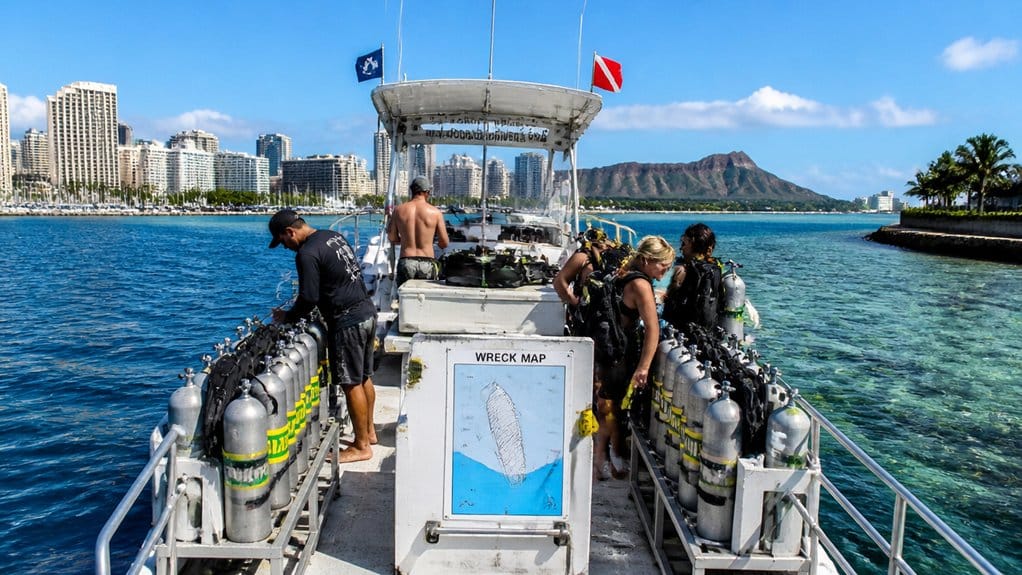
You’ll meet at Waikīkī Dive Center, 424 Nāhua St, Honolulu, and it’s smart to show up 15 minutes early since the trip starts right on schedule. The guided 2-tank outing runs about four hours, the center handles the timing, and your SCUBA gear is included, so you can focus on the salt air and the buzz of getting underway. If you’re also comparing island tours, a small-group tour setup can be a useful benchmark for thinking about pacing, inclusions, and pickup convenience. Some travelers also weigh extras like waterfall swimming and transportation when comparing how different Oʻahu tours are structured. Bring your own food and drink, check the medical and flight rules, and remember you can cancel for a full refund up to 24 hours ahead, which is always a nice little exhale. Unlike non-certified divers, certified guests on this trip can choose between deeper wreck profiles and shallower reef dives depending on conditions and experience.
Meeting Point Details
- A shaded Honolulu side street waking up
- Tanks clinking softly near the boat roster
- Salt on the air and fins under benches
- Divers trading quick stories before boarding
Your two-tank day starts here and ends here too, which keeps logistics simple after the deep wreck and shallow reef pairing. Since this is a boat charter, crews coordinate around boarding prep. Travelers comparing options for hotel pickup often appreciate how this Waikiki-area departure keeps the morning straightforward even without a car. Waikiki Dive Center also offers beginner scuba packages for travelers who are not yet certified. Weather and traveler counts matter, so if plans change, you’ll get another date or a full refund.
Timing And Policies
Once you’ve found 424 Nāhua St and heard the tanks rattle into place, the clock starts to matter. You’ll want to treat check-in times as firm, not flexible. Some Waikīkī Dive Center listings show 7:30 a.m. check-in for an 8:00 a.m. departure, while other charters ask you to board even earlier. Show up late, and the boat won’t wait.
The trip begins and ends at the same Honolulu meeting point, which keeps logistics easy. Still, policies deserve a close read. Weather or low traveler counts can shift the plan, usually with a reschedule or full refund. Standard cancellation policy often gives you a full refund only if you cancel at least 24 hours ahead. Some charters use 48-hour cutoffs, so check twice before you sleep in. If you’re pairing your dive day with Pearl Harbor, remember the Visitor Center opens daily from 7:00 a.m. to 5:00 p.m. and USS Arizona Memorial reservations should be timed carefully around your boat schedule. For a smoother same-day visit, best time to visit Pearl Harbor is usually early in the morning, when entry and parking tend to be easier.
What’s Included and What Costs Extra
Before you book, check what your price already covers, because many two-tank Oahu trips include your guide, two different sites, and even gear rental. You’ll usually start with a deep wreck visit and then head to a shallower reef after a surface interval, where metal shadows give way to bright fish and easier cruising. Extras can still sneak onto the bill, so keep an eye on gratuities and add-ons like GoPro rental, Nitrox, a private guide, or a photographer.
Included Gear And Guides
Because the best kind of dive day feels simple, most certified two-tank Oahu charters include the core pieces you actually need: standard SCUBA gear and guided diving with a PADI professional or divemaster on both dives. For certified divers, that means your Tank Dive usually covers the practical basics while your guide leads the deep wreck first, then the shallow reef after a surface interval.
- Silver tanks clinking softly on deck at sunrise
- A guide pointing toward turtles drifting above coral heads
- Eels peeking from cracks in the wreck’s shadowy steel
- Reef fish flashing yellow and blue through clear water
You’ll also get guided navigation at each site, which helps you spend less time searching and more time spotting rays, sharks, and busy reef life. Always confirm your selected charter’s gear listing before booking.
Add-Ons And Extra Fees
Price math matters here, and it’s usually pretty simple once you know what sits in the base fare and what gets tacked on later. Your certified-diver trip usually covers a PADI Professional guide, SCUBA equipment, and two sites, but gratuities don’t ride along. For a classic two-tank deep wreck plus shallow reef outing, you’ll often see $174, with $20 more for equipment rental, plus a surface interval between drops.
Extras are where your total shifts. You can add GoPro rental, nitrox tank rental, a private guide, or a private photographer if you want more attention or better photos. Some Tank Wreck and Drift charters even offer an on-boat nitrox option for divers who aren’t certified, though availability changes. Start with the base price, then stack only the upgrades you’ll actually use.
Oahu Dive Safety Rules
On Oahu, dive safety starts well before the boat leaves the harbor. You should make sure your certification is confirmed before boarding, with your PADI card or other proof ready at check-in. Review the medical questionnaire early. If a doctor’s approval is required, bring it, because failing medical check-in can trigger a full charge.
- Your certification card waits beside sunscreen and a dry towel.
- The questionnaire rustles like charts in the trade-wind breeze.
- No pre-dive cocktails, just salt air and coffee at dawn.
- The skipper may cancel or reroute if weather shifts or too few divers arrive.
You also need moderate fitness. If you’re pregnant, have back trouble, heart problems, or serious conditions, this dive isn’t recommended. After diving, wait at least 18 hours before flying.
How to Book Your Dive
Start by choosing your certified two-tank option: a Deep Wreck + Shallow Reef trip with 7:30am check-in and about 8:00am departure, or a Two-Tank Shallow Reef trip with 12:30pm check-in and 12:40pm all aboard, running Monday through Sunday. Then book online by picking your date and travelers, add Nitrox if it’s available, and call +1 855 275 5071 if you want help sorting out availability. Before you confirm, check the certification rules and arrival details, because you’ll need proof at check-in and you should get to the harbor about 30 minutes early for waivers and gear fitting.
Choose Dive Option
A good way to choose this Oʻahu two-tank trip is to think about what kind of underwater scene you want most: a deep south shore wreck dive or a shallower reef dive after the surface interval. If you crave steel silhouettes and blue-water drama, choose the Deep Wreck. If you want brighter coral and easier depth, pick the Shallow Reef. Both are guided two-tank dives for certified divers only.
- A sunken hull fading into cobalt water
- Coral heads glowing under moving bands of light
- Bubbles ticking upward in the quiet
- Gear ready to go at the dock
When you book, choose your date and traveler count, then check current pricing, starting around $299 for adults. Equipment’s included. Bring your own snacks and drinks, and remember the 18-hour no-fly rule too.
Confirm Date And Group
Once you’ve picked your dive style, choose an available start time on the calendar and enter the right number of travelers to lock in your group. If you prefer to dive a wreck and reef combo or keep both tanks on shallow reef, select that option now so your itinerary matches.
| Step | What you do | Why it matters |
|---|---|---|
| 1 | Pick date | Saves your preferred slot |
| 2 | Choose travelers | Confirms your group size |
| 3 | Select dive option | Sets your itinerary |
| 4 | Show certification | Required before boarding |
| 5 | Reserve your spot | Lets plans stay flexible |
You’ll meet us at Waikīkī Dive Center, 424 Nāhua St, Honolulu, and finish there too. Bring proof of PADI or equivalent. Reserve now and pay later.
Check Policies And Arrival
Before you click reserve, check the fine print and your arrival plan so the morning feels easy instead of rushed. Certified-diver bookings often require you to arrive before check-in for waivers and gear fitting, so don’t aim for the last minute. Published times matter. A shallow reef trip might list 12:30pm check-in and 12:40pm all-aboard, while other dive charters leave earlier.
- A harbor dock waking up in pale gold light
- A wetsuit zipper rasping before sunrise
- Clipboards, fins, and tanks lined in neat rows
- Street signs guiding you to 424 Nāhua St
Review cancellation rules before paying. Full refund options usually apply if you cancel 24 hours ahead, but some dive charters require 48 hours. Use local departure time, request changes early, and confirm the exact meeting point.
Frequently Asked Questions
Can I Wear Prescription Lenses or a Full-Face Dive Mask?
Yes, you can wear prescription lenses or sometimes use a full-face dive mask. Check Prescription lenses options for fit and leaks. Ask operators about Full face safety considerations, availability, gear compatibility, mask clearing, and pressure comfort.
Are Underwater Photos or Videos Available for Purchase After the Dive?
Yes, you can often buy them later; imagine Neptune running a souvenir kiosk underwater. Your Post dive photo purchase depends on add-ons like GoPro rental or photographer. Ask before check-in about underwater image delivery, availability, timing, and pricing.
What Happens if Weather Cancels My Scheduled Two-Tank Dive?
If weather cancels your scheduled two-tank dive, you’ll usually get Emergency rebooking options or a full refund under the Weather rescheduling policy. Check your confirmation notice window, then call +1 855 275 5071 with product code 324295P2.
Can Non-Diving Companions Ride Along on the Boat?
About 70% of charters prioritize certified divers, so you usually can’t assume non diving passengers can ride along. You should confirm boat accessibility, supervision requirements, and the safety briefing directly with Waikīkī Dive Center before booking.
Is Hotel Pickup Available From Areas Outside Waikiki?
Yes, you can sometimes get hotel pickup outside Waikiki, but it depends on the operator’s route. Ask about Airport pickup options and North shore access when booking, and include your address. Otherwise, you’ll meet at the shop.
Conclusion
Choose the dive that fits your style, your air, and your sense of wonder. Go deep for steel hulls, blue water, and the hush around a wreck. Go shallow for bright coral, easy profiles, and turtles cruising past your mask. You’ll check in, gear up, and follow your guide through two very different views of Oʻahu. Pick drama. Pick calm. Pick the one that makes you grin into your regulator.
Experiences to explore
 Explore experience ↗
Certified Diver: 2-Tank Deep Wreck and Shallow Reef Dive Off Oahu
◷ 3 hr
The best wreck diving experience in Hawaiian waters! Join us on a guided tour of a beautiful wreck on the south shore of Oahu. As a cer
See dates for Current pricing
View dates Explore experience ↗
Certified Diver: 2-Tank Shallow Reef Dives off Oahu
◷ 3 hr
The best reef diving experience in Hawaiian waters! Join us on a guided tour of two beautiful reefs on the south shore of Oahu. As a ce
See dates for Current pricing
View dates Explore experience ↗
Certified Diver 2 Tank Shallow Reef Dives Off Wai'anae
◷ 3 hr
The best reef diving experience in Hawaiian waters! Join us on a guided tour of two beautiful reefs on the west shore of Oahu. As a cer
See dates for Current pricing
View dates