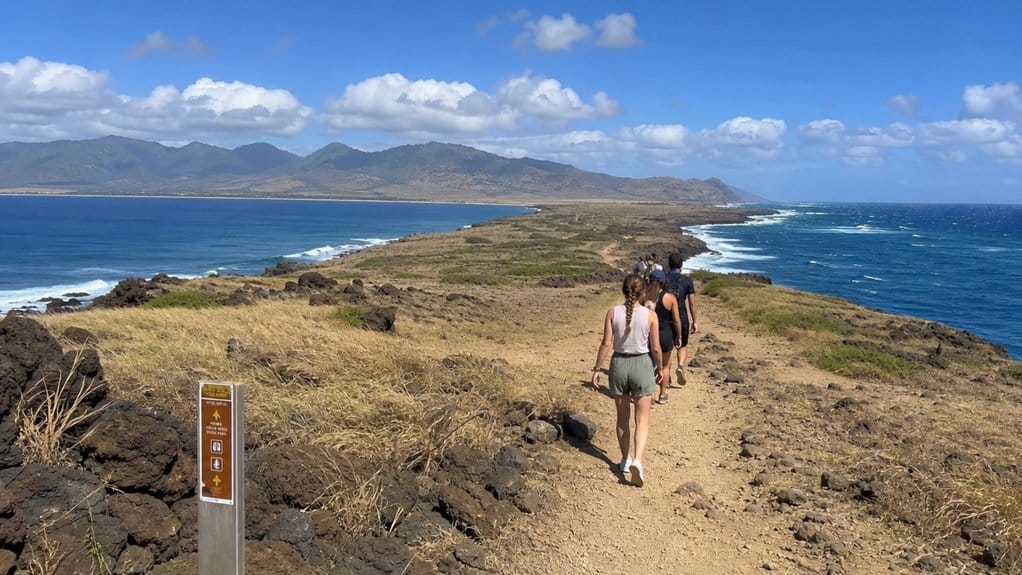
You can reach Kaʻena Point on a simple coastal walk, but the details matter. Start by checking park hours, then park only at the trailhead lot and stash valuables out of sight. Bring plenty of water, sun protection, and a good sense of timing because this exposed route gets hot fast. From there, you’ll follow the old dirt road toward seabirds, pounding surf, and a remote tip of Oʻahu that feels wilder with every step.
Key Takeaways
- Choose Mokuleʻia for the simplest route, or Keawaʻula for more dramatic coastal scenery and a rougher, truer hiking feel.
- Confirm current access before going; park hours are 6:00am to 7:00pm, and closures can affect trailheads differently.
- Park only in the designated trailhead lot, hide valuables, and note that driving past gates may require a permit and 2026 Gold decal.
- Bring 2–3 liters of water, sunscreen, and a hat, because the 2.5-mile one-way hike is hot, dry, and nearly shadeless.
- From the lot, follow the main coastal dirt road to the reserve, stay on trail, and keep at least 50 feet from monk seals.

Kualoa Ranch UTV Raptor Tour in Oahu
Traveling with family and friends? You can enjoy the fantastic Multi-passenger UTV Raptor experience with your entire family or as a group with the ex...
Choose the Best Kaʻena Point Trailhead
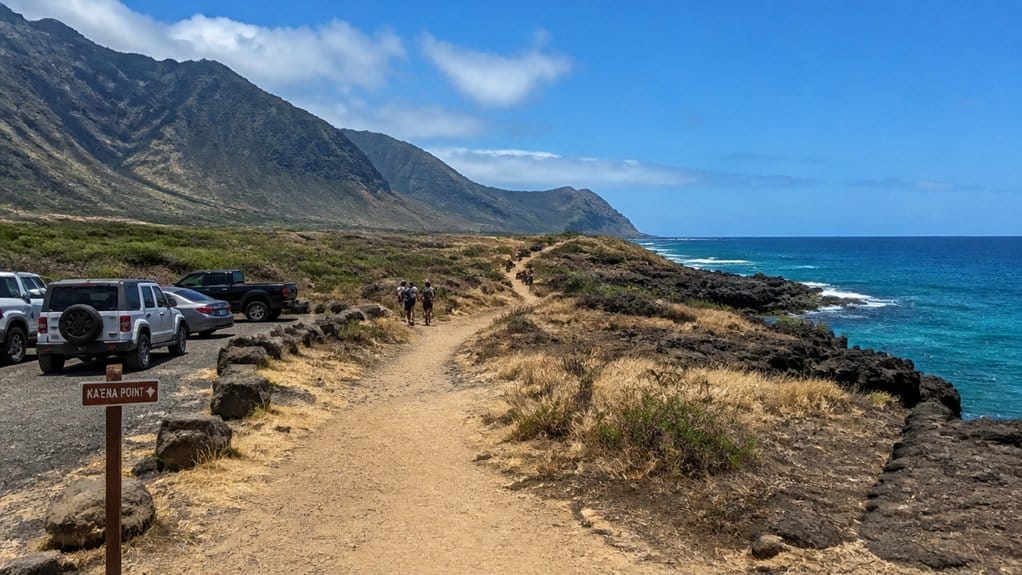
Which trailhead should you choose for Kaʻena Point? Your best pick depends on what kind of Kaʻena Point Trail day you want. Choose the west trailhead in Kaena State Park if you want dramatic coastal views, a truer hiking feel, and useful facilities nearby. The Keawa’ula section also gives you more variety underfoot, from rougher path stretches to breezy shoreline scenery. The hike from either side is about 2.5 miles one-way to the Natural Area Reserve.
Pick the Mokuleʻia side if you want simple navigation. You’ll mostly follow the old road straight toward the point, so it’s pleasantly hard to wander off. Just know this side has fewer amenities. If you use the west parking lot, keep valuables out of sight because petty theft happens. Either way, start early or later in the day. The sun doesn’t play around out here at all. If you’re planning more North Shore stops, it also helps to know the Turtle Bay location before heading out. Before you go, make sure you understand the permit reservation process so your hike starts smoothly.
Check Kaʻena Point Closures and Hours
Before you lace up and head for the coast, check the latest Kaʻena Point hours and closure notices because this park can look open on paper while your chosen access point tells a different story. Kaena Point State Park stays open daily from 6:00am to 7:00pm, so confirm Ka‘ena Point State Park hours before locking in your driving directions. Use the Outerspatial app or the official Hawaiʻi Trails map to verify current trail access information before you go.
- Check Kaʻena Point closures for the Keawaʻula west section, which is reported closed for road repairs and storm damage.
- Confirm whether the Mokuleʻia north access road fits your plans, since reopened vehicle entry still depends on valid access.
- If you want gate access near the Kaʻena Point Natural Area, remember the permit and gate combo won’t work until your 2026 gold decal arrives.
A quick status check saves backtracking, dust, and a grumpy sunrise. If you are planning around pickup-friendly tours, compare their schedules with park access times so you do not get stranded without a rental car. Nearby North Shore facilities can have separate parking lot gate closures, such as Banzai Skatepark from 7:00 p.m. to 7:00 a.m.
Review Kaʻena Point Permit Rules
Even if you only plan to hike, Kaʻena Point’s permit rules are worth a quick look because vehicle access works a little differently here. At Kaʻena Point State Park, you need a 2026 Gold decal on the rear of your vehicle to enter. Older 2024 and 2025 Purple decals won’t work anymore.
If you’re simply parking and walking, you don’t need anything beyond that. But if you want to drive past the gate and beyond the paved road to the Mokuleʻia reserve’s gravel lot, you’ll need a Vehicle Access Special Use Permit (KP-Reserve). That permit isn’t active until your decal arrives by mail, and processing can take 10 business days plus mailing time. Keep a paper copy in your vehicle and stay on designated dirt roads. No off-road heroics here. For official questions, the Honolulu Department of Parks & Recreation can be reached through its main phone number. If you’re also visiting Hanauma Bay on the same trip, remember that all visitors must watch the educational video before entry on every visit.

3 Zipline Adventure (Optional Waikiki Shuttle for 10am Tour)
Experience the thrill of soaring through the jungle on Coral Crater’s 3 Zipline Adventure. Glide across three exci...

Parasailing Experience in Waikiki, HI
Experience the thrill of Oahu parasailing on this unforgettable 1-hour adventure from Waikiki. Soar up to 1,000 feet...

Oahu: Submarine Scooter Adventure
Dive into an unforgettable underwater adventure on Oahu’s beautiful Maunalua Bay. Cruise past the iconic Diamond H...
Park Safely at the Trailhead
Once you’ve sorted out the access rules, keep things simple and park only in the designated Kaʻena Point trailhead lot at the end of the approach road. This is the safest parking choice and the easiest way to start your walk toward the Point. Don’t leave bags, phones, or anything tempting in view. This area has a reputation for break-ins, so stash everything in the trunk before you step away.
Park only in the designated Kaʻena Point trailhead lot, and hide valuables before you walk away.
- Arrive during park hours, 6:00am to 7:00pm, so you’re not rushing back late.
- Keep your vehicle on permitted roads only. The Ka‘ena Point Natural Area and Mokuleʻia side follow gate and permit rules.
- Leave pets and drones behind. They disturb Endangered species, and dogs aren’t allowed in the reserve. Seabirds and waves set the mood nearby.
Bring Water and Sun Protection
On this trail, the sun is part of the workout. Kaʻena is hot, dry, and almost completely exposed, so pack plenty of water before you leave the parking area. Most hikers do well with 2 to 3 liters, and you may want more if you like to linger by the coast and listen to waves slap the rocks. There are no refill spots anywhere along the route, so start with a full bottle and use approved sunscreens if you apply any.
Sun protection matters just as much as hydration on the Kaena Point trail. Wear sunscreen, plus a hat or hooded sun shirt, because the road and shoreline reflect light and make afternoon heat feel sharper. Oʻahu’s steady trade winds can make the day feel cooler than it is, so it is still easy to get dehydrated under full sun. Morning starts are usually smartest because cleaner visibility and lighter wind often make exposed coastal conditions feel more manageable. There are no refill spots anywhere along the route, so whatever you need has to come with you. Even a relaxed walk here can feel baked. Your future self will thank you for every sip.
Start the Kaʻena Point Hike
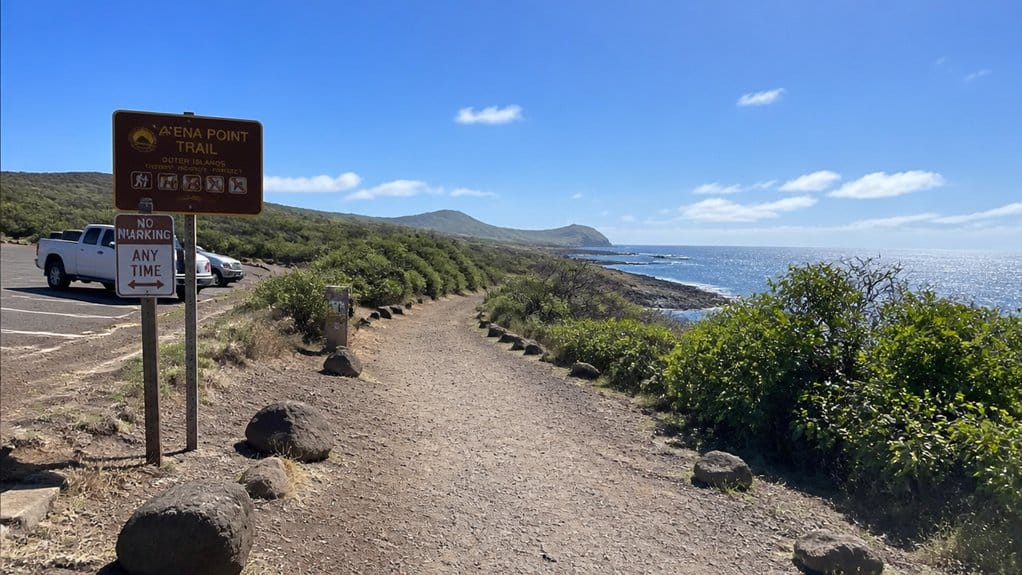
With your water packed and your hat already earning its keep, head to the right trailhead and start walking the main dirt road toward Kaʻena Point. From the end of the road on the west or Mokuleʻia side, the Kaʻena Point hike begins simply. You follow the wide track and settle into the exposed coast. Oʻahu is also known for snorkeling with turtles, but this trail is best enjoyed from shore rather than by entering the rough water. Like Shark’s Cove snorkeling, this outing is best planned with timing, sun exposure, and water conditions in mind. At places like Waimea Bay, conditions can shift between calm swims and big-wave surfing, which is a good reminder to respect the ocean here too.
- Start early or late because there’s almost no shade.
- Carry 2 to 3 liters of water and sip often.
- Stay on the marked route and watch for tide pools along the trail.
If you’re on the West side, you’ll reach the predator-proof fence around 2.1 miles from the start. Use gate areas properly and make sure any fence door latches. The surf can look inviting, but those tide pools are no joke.
Still comparing Kaena Point Hike?
Ask for tour ideas, hotel suggestions, or a simple trip plan that combines both.
Trip Helper
Follow the Coastal Road to the Tip
From the trailhead, keep it simple and follow the old coastal dirt road all the way toward Kaʻena Point. This is the easiest trail to read, so you usually won’t get lost. On the north side, the route stays obvious as you move along the shore with lava, salt air, and wide blue water beside you.
As you hike Kaʻena Point, stick with the main coastal road as the tip gets closer. Side paths can pull you toward sandier shoreline sections and slow you down. If you pause at marked spots near the ocean, you may catch louder wave crashes and better views. Then return to the road and keep going. There’s very little shade on this walk, so bring plenty of water, especially in hot dry weather. Two to three liters helps a lot. Like the Makapuʻu Lighthouse Trail, this kind of exposed coastal walk is easier when you plan for sun and limited shade. Unlike reaching Secret Island Kaneohe, there is no boat ride involved here, so access stays straightforward from the parking area.
See Wildlife and Protected Habitat
As you near Kaʻena Point, the hike shifts from a simple coastal walk to a place where wildlife gets the spotlight. In this Kaena Point State section, you’re entering the Point Natural Area Reserve, where a predator-proof fence helps shield native species from rats and mongooses. Stay on the trail. It protects habitat and keeps this rugged coast from becoming your slapstick moment. Hawaiian monk seals are endangered species protected under federal and state law, so giving them space here really matters.
- Watch for Hawaiian monk seals onshore and give them 50 feet of space.
- Respect the fence and gate because patrols protect 11 endangered species here.
- Peek at tide pools from a safe distance, since open-ocean swell can make the rocks risky.
You’ll hear wind, surf, and seabirds more than people here. That quiet feels earned, and your careful steps help keep it that way for future visitors. Like other protected coastal habitats in Hawaiʻi, lifeguards on duty year round help reinforce the need for caution near changing ocean conditions. Winter months can also bring dangerous currents and wave conditions along exposed shorelines.
What You’ll See at the Point
At the point, you’ll step into wide ocean views, black volcanic coastline, and tide pools that look tempting but aren’t worth testing on the West side. West-facing shores can have strong currents and changing ocean conditions, so it’s best to admire the water from land instead of getting too close. You may spot Hawaiian monk seals stretched out on the sand, and you’ll need to give them at least 50 feet of space even if they’re posing like pros. Look closer and you’ll also notice seabirds and protected nesting areas around the reserve, which make the place feel wild in the best way. Unlike the surf watching and picnic vibe at Alii Beach Park Haleiwa, Kaʻena Point feels remote and untamed. Kaʻena Point is one of the standout stops among Waianae beaches on Oahu’s rugged West Side.

Waikiki Glass Bottom Boat Cruise
Experience the beauty of Oʻahu South Shore as we sail toward Lēʻahi (Diamond Head) aboard the spacious Haleiwa Qu...

Pearl Harbor Complete Experience Passport
Visit All 4 Museums in One day on this tour, tickets and admissions are included. See how the US entered into and en...

Waikiki 2 Hour Sunset Sailing Catamaran Swim and Sail Adventure
There’s no better place to take a dip than the crystal-clear waters of Waikiki—and no better way to experience a...
Seabirds And Nesting Areas
When you reach Kaʻena Point, the mood shifts from simple beach walk to active wildlife refuge. Inside the predator-proof fence, protected sand holds nesting areas for seabirds, and the posted signs suddenly matter. You’re not just finishing a hike. You’re entering one of Oʻahu’s last coastal safe zones, where rats and mongooses would gladly raid nests if given the chance. Sea turtles may also rest or move through nearby shorelines, and keeping your distance helps protect these endangered species from stress and disturbance. On Oʻahu, some visitors also join guided turtle-watching tours to learn how to observe sea turtles responsibly.
To help, keep it simple:
- Stay on designated trails at Kaʻena Point.
- Watch seabirds from a distance near the shoreline.
- Give all protected beach users plenty of space.
If you pause at the end of the trail, you may hear calls over the wind and see birds loafing on pale sand. Keep at least 50 feet away from Hawaiian monk seals, and more if a mother and pup are present. Your route and behavior directly protect breeding habitat, which is a pretty good reason not to freeload off-trail today.
Hawaiian Monk Seal Sightings
Past the nesting areas, another rare local may steal the scene: the Hawaiian monk seal. At Kaena Point, you may spot Hawaiian monk seals hauled out on shore, perfectly still, like sunbathers who take naps seriously. Watch from where you are. Don’t approach. Like golfers note most in destination reviews, visitors here often remember wildlife sightings as the highlight of the outing.
| What you notice | What you should do |
|---|---|
| Seal resting on sand | Stay 50 feet back |
| Seal in shallow water | Keep your distance |
| Ranger or signs nearby | Follow directions |
| North shore route | Better odds sometimes |
Your best chance may come from the North shore side, where beaching spots work better than the west side. This park is heavily patrolled, and people have been prosecuted for getting too close. Give seals space to protect Ka‘ena. Save your close looks for binoculars, not selfies. You might also glimpse sea turtles nearby, which are best admired from a respectful distance while snorkeling safely. Oahu has several well-known spots for sea turtles if you hope to see more wildlife beyond Kaena Point.
Ocean Views And Tide Pools
Why do so many people linger at Kaʻena Point longer than they planned? You reach the westernmost point and get pulled in by nonstop ocean views, deep-blue water, and a raw coastline that feels gloriously unfinished. Like the Waikiki Starlight Luau, this kind of Hawaii experience tends to keep people longer than expected, though here the draw is wild scenery instead of a staged evening show. On the Mokuleia side, you may spot tide pools near the approach to the fence, but don’t enter them there. Open-ocean swell hits harder than it looks.
- Pause for wave-crash views from safe rock edges.
- Check tide pools near the tip, where you can look around and hang out.
- Watch the shoreline for seabirds and monk seals, staying 50 feet back.
At Kaena Point, the coast stays exposed and rough. Keep solid footing, stay back from the waterline, and treat slick rocks like nature’s prank. You’ll get the message fast. If you head out early, morning conditions are often calmer and clearer before wind and chop build later in the day. That pattern is common around Oahu, where trade winds often pick up later and make ocean surfaces choppier even on sunny days.
Head Back Before Dark
Even if the light still looks generous out at Kaʻena Point, start heading back with plenty of daylight left. The route is exposed, the return is just as long, and the park hours matter. You want your car in sight before dark, not after. The same kind of planning that helps at fees and hours spots like Diamond Head will save you trouble here too. At Diamond Head, the last entry window is strict, which is a good reminder not to push your timing late on exposed Hawaii trails. This is the moment to head back before dark, especially if the sand dunes looked tempting and the breeze suddenly feels less windy.
| Spot | What changes late | Your move |
|---|---|---|
| Fence trail | Hot sun lingers | Turn around early |
| Pillbox | Sunset is fun | Pack a headlamp |
| Return road | Footing gets harder | Keep steady pace |
At Kaena Point, shade is scarce and evening comes fast once it starts. Don’t wait for the last glow. Retracing every step in darkness isn’t the adventure you came for. If you want a simple planning habit, checking a calendar of events before you go is a smart reminder that closures and conditions can shift.
Frequently Asked Questions
Is There Cell Service Along the KaʻEna Point Hike?
No, you shouldn’t expect reliable cell service along the Kaʻena Point hike. Navigation signal fades quickly, emergency coverage can vanish, carrier variability matters, and phone GPS reliability varies, so plan for off grid experiences with offline maps.
Are Restrooms Available at Either KaʻEna Point Trailhead?
Yes, you’ll find trailhead restrooms at Keawaʻula, but not at Mokuleʻia. Check hours availability and restroom accessibility before you go. Nearby facilities can change, and pit toilet options aren’t typically available along the route there.
Can I Bring My Dog on the KaʻEna Point Trail?
No, you can’t bring your dog on the Kaʻena Point Trail; it’s a sanctuary, not a kennel. Skip Leash requirements and Trail etiquette here; prioritize Wildlife safety instead. Plan Dog water needs and Litter cleanup elsewhere.
Are There Any Fees to Hike KaʻEna Point?
No, you don’t pay a fee to hike Kaʻena Point. You should still check parking permits, trail accessibility, seasonal weather, trail safety, and sunrise crowds before you go, since access rules and conditions can change.
What Footwear Is Best for Hiking to KaʻEna Point?
You’ll want sturdy, closed-toe hiking shoes or boots with good traction. They handle traction needs, trail conditions, and trail length well. Prioritize weather preparedness and footwear comfort; don’t wear flip-flops, especially if you’re doing the pillbox spur.
Conclusion
You’ll finish this walk with salt on your skin, sun on your shoulders, and the long blue edge of Oʻahu stretching beside you. If you park smart, carry enough water, and stick to the main trail, Kaʻena Point feels simple in the best way. You’ll hear waves slap rock, spot seabirds on the wind, and maybe catch a monk seal napping like it owns the place. Start early, turn back on time, and enjoy every bright mile.
Kualoa Ranch UTV Raptor Tour in Oahu
Traveling with family and friends? You can enjoy the fantastic Multi-passenger UTV Raptor experience with your entire family or as a group with the ex...

Pearl Harbor Remembered Tour
Sightseeing in Hawaiʻi isn’t complete without a visit to the two symbolic “bookends” of the Pacific War, the...

Salute to Pearl Harbor Tour
Stand at ground zero of the infamous attack and gaze up at a sky once filled with enemy planes. This is the place wh...
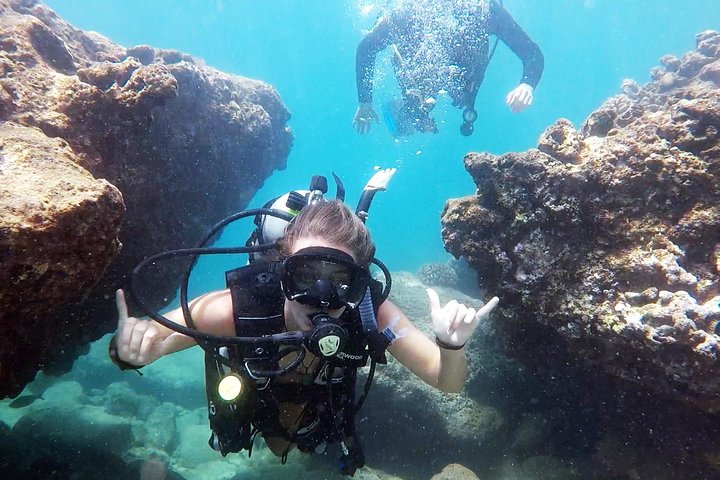
Voted Honolulu's #1 Beginner Scuba Diving + Free Videos Tour
Try scuba diving in Honolulu with this easy, beginner-friendly ocean adventure at Magic Island, Ala Moana Beach Park...
Experiences to explore
 Explore experience ↗
Wild Dolphin Watching and Snorkel Safari Off West Coast of Oahu
◷ 3 hr
Avoid crowds on our quiet, fast, 32 foot, Coast Guard inspected vessel. We only allow 16 guests on the boat, and every seat has a great
From $193.88 USD
View dates Explore experience ↗
Hike Koko Head's 1,048 Steps with Ms. Hawaii for Summit Views
◷ 3 hr–4 hr
Aloha Adventurers! Hike with Ms. Hawai'i 2025 on this steep but rewarding trail. Please note: while this hike isn’t long, it is steep &
See dates for Current pricing
View dates Explore experience ↗
Private Mermaid Caves and West Oahu with Ka’ena Point Hike (Se habla Español)
◷ 8 hr–9 hr
If you want something different to do in Hawaii this is the tour for you! Hike, get in a Mermaid cave, swim, have a picnic on the beach
See dates for Current pricing
View dates