
When Kailua Bay lies flat as glass, you can slip into some of Oahu’s clearest near‑shore water without paying a boat fee or fighting big crowds. You’ll find easy swim‑outs, turtle hangouts, and coral patches that are kind to newer snorkelers, but you also need to know where currents pick up and where the boats cut close. Time it right, pack smart, and you’ll have a calm‑day plan locals actually use.
Key Takeaways
- Central Kailua Reef Zone, near the main beach park, is the easiest calm-day snorkel with reliable coral fingers starting in waist-deep water.
- On calm mornings, snorkel toward Lanikai’s scattered coral patches for fewer crowds and small bommies with goatfish, butterflyfish, and occasional turtles.
- Use the north-end canal/boat ramp for a different calm-water snorkel, exploring pilings and steps where reef fish gather.
- Aim for early to mid-morning (around 8–10 a.m.) on light-wind days for the clearest water and calmest Kailua conditions.
- Stay along sandy shallows and the boat-channel edge on calm days, using a bright snorkel vest and buddy due to tour boat traffic and changing currents.
Best Time to Snorkel Kailua Beach
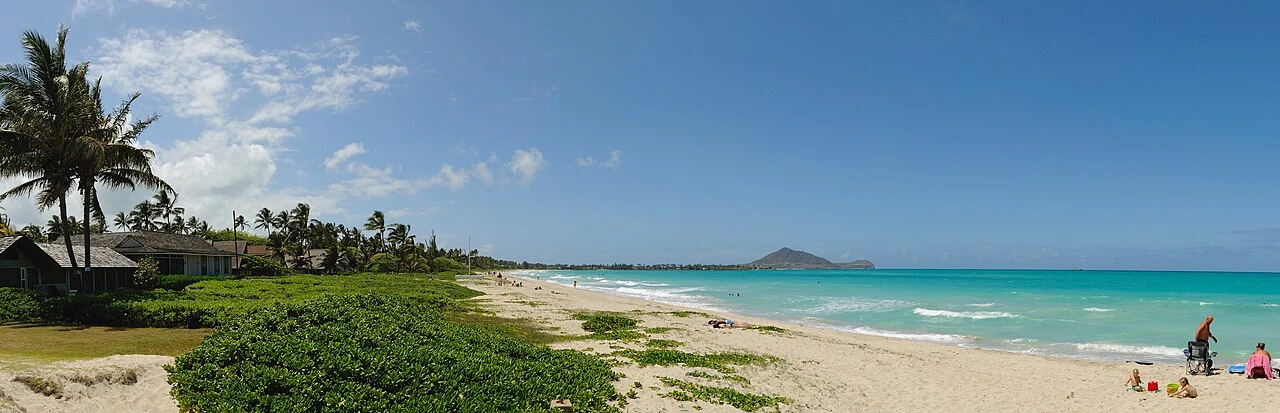
Usually, the best time to snorkel at Kailua Beach is in the early morning, from around 8 to 10 a.m., when the trade winds are light and the water lies calmer and clearer. Early mornings feel unhurried; locals walk dogs, and parking spots still exist. You beat most kayak rentals and loud groups. Aim for weekday midweeks to dodge visitor surges and easier street parking. Skip big beach umbrellas that catch wind; bring reef-safe sunscreen, a rash guard, and a cheap dry bag instead. If you dislike driving, a Viator shuttle tour with hotel pickup can simplify timing logistics. For another calm morning water experience on Oahu, consider a guided visit to the Kaneohe Sandbar where low-tide conditions can feel like walking in a hidden lagoon.
Safety Tips for Calm-Day Snorkeling
Even on a glassy, postcard‑perfect morning, Kailua’s water deserves your full attention, not autopilot. Treat calm days as a bonus, not a free pass. Check the forecast, then watch the shoreline for surfers, kayaks, and lifeguard flags. Do buddy checks before every entry, agreeing on signals and turn‑around points. Wear a bright rash guard, reef‑safe sunscreen, and simple gear you know. Pack water, a dry bag, and cheap sandals for hot sand. Review basic emergency procedures, like how to tow a tired swimmer and when to wave for help. If in doubt, stay shallower and exit early for safety. Before you go, download the City’s HNL Info app so you’ll get mobile alerts about unusual ocean conditions and any nearby lifeguard tower closures.
Main Snorkel Zones at Kailua Beach
You’ll find three main snorkel zones along Kailua Beach, each with its own feel and level of effort.
The Central Kailua Reef Zone sits closest to the main beach park and rental shops, while the Lanikai side hides smaller coral patches that suit confident swimmers who don’t mind a longer walk and thinner crowds.
More advanced snorkelers often work the Boat Channel Edge, where you’ll want a bright snorkel vest, a buddy, and a sharp eye for tour boats and changing currents.
On especially calm, clear days, experienced visitors sometimes pair Kailua outings with a trip to nearby Hanauma Bay’s fringing reef, a shallow marine preserve where fishing and taking marine life are prohibited.
Central Kailua Reef Zone
Stretching out from the middle of Kailua’s sandy crescent, the central reef zone gives you the easiest, most reliable snorkeling on this beach.
You can wade straight from shore, then follow the coral fingers that start in waist‑deep water. Aim for mid‑morning, when tide timing softens the chop and boosts underwater visibility. If you’re nervous in open water, look for tours or boat days that mirror the guided snorkel zones and crew support used on Waikiki’s turtle cruises to ease you in.
Fish crowd the ledges, especially convict tang, Moorish idol, and goatfish. Bring short fins, a rashguard, and a cheap mesh bag for sandals. Skip valuables, lockers aren’t common.
Parking along Kailua Road fills by 10 a.m., so arrive early. Independent snorkelers do fine, tours add little here.
Lanikai Side Coral Patches
Slide toward the Lanikai end of Kailua Beach and the sand gives way to scattered coral patches that feel wilder and less crowded than the central reef.
You’ll kick across pale sand, then drop over small bommies with cauliflower coral, goatfish, and the odd turtle.
Stay shallow and avoid standing on rock; this zone features active Patch restoration.
Visibility runs best midmorning on light wind days.
Bring fins, a rash guard, and a bright snorkel flag.
Skip valuables in your car.
Curious about conservation? Check Lanikai coralwatch updates online before you go and log what you see, afterward too.
On north shore O‘ahu, Sharks Cove in the Pūpūkea Marine Life Conservation District offers similar shallow reef structure and lava features, but it’s far more exposed to winter swell and strict no-take rules.
Boat Channel Edge Snorkeling
After exploring the Lanikai-side coral patches, the feel of Kailua Beach shifts as you work back toward the marked boat channel near the center of the bay. You should stay just outside the buoys, where sand meets scattered coral heads and fish traffic picks up. Watch boat channel currents; they can sneak up during tide changes, so plan this section for midmorning lulls. Visibility often improves here, with fewer kicky swimmers. Practice quiet mooring buoy etiquette and never hang on lines. For fewer people in the water, aim for weekday mornings outside the busiest summer and winter peak crowd periods. Bring a bright snorkel vest, leave valuables ashore, and skip crossing the channel unless conditions look glassy, calm.
Central Kailua Beach Snorkeling
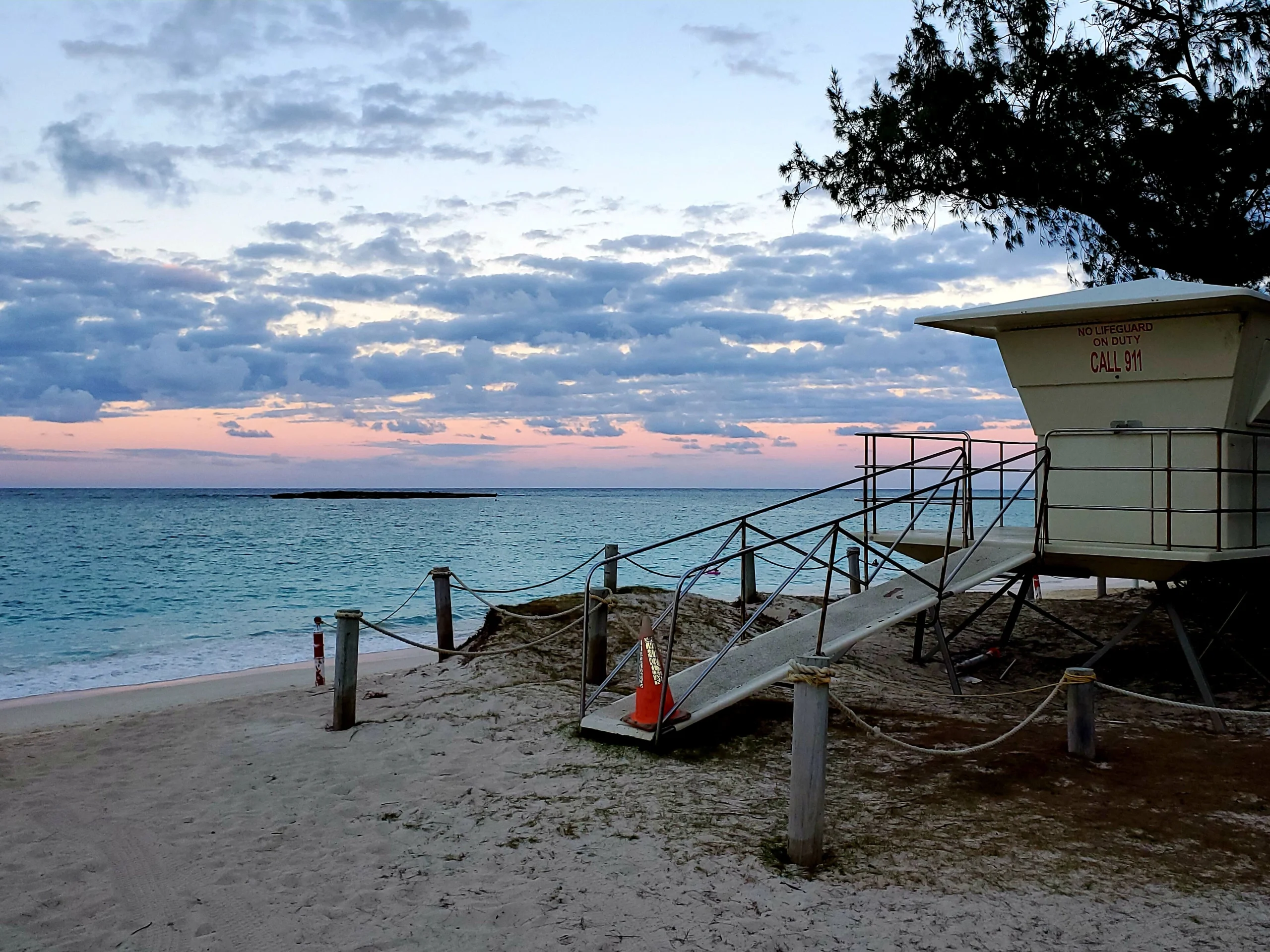
In the central stretch of Kailua Beach, you’ll spot scattered reef patches offshore that break the light swell and shelter small schools of reef fish.
On calm mornings, you can wade out from the soft sand, watch for a clear gap in the shorebreak, and slip in with your mask already on and fins in hand.
Pack a compact dry bag for keys and phone, skip bulky gear, and aim to be in the water before 10 a.m. to beat both wind and rental crowds. Before you head out, get in the habit of checking daily ocean conditions and asking lifeguards about current surf and currents for the safest possible snorkel.
Reef Patches Offshore
Beyond the gentle shore break, a scattered line of reef patches sits a few hundred feet offshore and turns central Kailua Beach into a surprisingly good snorkel zone when conditions line up. Out here, the underwater topography shifts from pale sand to knobby coral heads dotted with goatfish and saddle wrasse. Visibility peaks midmorning on weekdays, when kayak and SUP traffic stays light and wind usually calmer. You won’t pay anything extra to explore, but you should plan around:
- A bright rash guard and reef-safe sunscreen
- A compact dive flag
- seasonal algae blooms that dull colors
If you’re interested in conservation-focused coastal access elsewhere on Oʻahu, the rugged shoreline and volunteer marine debris removal efforts at Kaʻena Point State Park offer a very different but equally meaningful way to experience the ocean.
Calm-Day Entry Tips
Those reef patches offshore only shine if you can reach them comfortably, so start your snorkel on a calm morning when the water looks more like glass than chopped silk. Walk in near the central beach park, where lifeguards watch and the bottom stays sandy. Use shallow entry techniques: fins in hand, mask on, shuffle until water hits your knees, then slip fins on facing shore. Scan flags and ask about tide timing tricks, since higher tide lets you float over patchy rock. Pack a dry bag, skip bulky chairs, and stash keys with the lifeguard tower for safety. You can also sign up for Beach and Ocean Alerts to get notified about unusual conditions or lifeguard tower changes before you head out.
Boat Ramp and Canal Area Snorkeling
Often overlooked, the small boat ramp and canal at the north end of Kailua Beach offer a very different kind of snorkel from the open bay.
You slip in beside the concrete, thinking about quiet boat ramp history while fish nose around pilings and steps.
The water runs cloudy after rain, so aim for clear, dry mornings.
Following local Hike Pono guidance by using official access points, cleaning your gear, and respecting nearby cultural sites helps protect the canal’s marine life and surrounding coastal ecosystem.
- Watch the canal ecosystem dynamics where fresh and salt water mix, drawing mullet and tiny crabs.
- Stay alert for paddlers using the ramp.
- Bring reef-safe sunscreen, sturdy sandals, and skip valuables; parking theft happens more often than you expect.
Snorkeling Toward Lanikai and the Mokes
As you leave Kailua’s main beach and start finning east toward Lanikai and the Mokulua Islands, the coastline feels wider, windier, and a bit wilder.
On truly calm mornings, you can hug the sandy shallows toward Lanikai’s postcard curve, resting whenever the trade winds nudge harder.
Aim for early, around a sunrise paddle, when crowds and rental kayaks stay light.
Offshore, you may spot a traditional vaka or outrigger crew cutting across the bay.
Bring bright snorkel gear, a rash guard, and water in a soft flask.
Skip heavy fins and turn back if whitecaps start stacking dangerously high.
If you’re planning a sunrise start here, you can also look at nearby Makapuu Lighthouse options, where timing your drive and hike for early light makes the morning feel much less rushed.
Marine Life You’ll See at Kailua Beach
On a clear morning at Kailua Beach, the first thing you’ll usually spot underwater is a scatter of neon reef fish flickering over pale sand.
Green sea turtles cruise between pockets of coral, while goatfish sift for snacks.
Look closer and you’ll see:
- Moorish idols, butterflyfish, and surgeonfish weaving through lava rock.
- Hidden eels and shy octopus in cracks.
- Spinner dolphins farther offshore on very calm days.
In late summer, coral spawning can tint the water pink.
After sunset, guided night snorkeling tours reveal hunting octopus, resting turtles, and brief flashes of bioluminescence close to shore.
All sea turtles you encounter here are protected under Hawai‘i turtle laws, so always watch from a respectful distance and never touch or chase them.
Gear, Etiquette, and Reef-Safe Practices
Dial in your gear before you hit the water so your time at Kailua feels easy, not awkward. Rent a decent mask and fins in town, around $20 per day. Wear a rash guard, and pack true reef-safe lotion for exposed skin. Keep kicks tight, never stand on coral, and don’t chase turtles. Always give sea turtles and monk seals space by following recommended viewing distances so you don’t disturb resting animals.
| Need | Why it matters | Pro tip |
|---|---|---|
| Defog solution | Clear views | Baby shampoo works |
| Bright float strap | Keeps snorkel photography safe | Spot your camera |
| Mesh bag | Sand drains | Rinse gear outside |
| Reusable bottle | Hydration | Fill before bus |
Practice reef conservation every time you fin out here today.
Frequently Asked Questions
Is Kailua Beach Snorkeling Suitable for Young Children and Beginner Swimmers?
Yes, Kailua Beach snorkeling suits young children and beginner swimmers when you stay in shallow, protected areas. Use child friendly equipment and life vests, and always supervise. Play shallow water games so kids feel confident.
Are There Nearby Rentals for Snorkel Gear and Beach Chairs at Kailua?
Yes, you’ll find several nearby shops and rental kiosks offering snorkel sets, masks, fins, and beach chairs. Many are within walking distance, so you can reserve ahead and pick up extra beach amenities if needed.
How Crowded Does Kailua Beach Get on Calm Snorkeling Days and Holidays?
On calm snorkeling days, you’ll find moderate crowd patterns that peak late morning. Weekdays feel relaxed; weekends get busier. Expect holiday surges, tighter parking, and closer towel-to-towel spacing, so you’d arrive early and leave midday.
What Parking Options and Restroom Facilities Are Available Close to Snorkel Entry Points?
You’ll find free beach park lots near main snorkel entries, but they fill fast; arrive early. Spaces and limited Metered parking line roads. Basic restrooms, outdoor showers, and Vault restrooms serve most access points nearby.
Are Guided Snorkeling Tours or Lessons Offered Specifically at Kailua Beach?
You won’t be left to your own devices, yes, you’ll find guided excursions and beginner classes for snorkeling near Kailua Beach, usually run by local shops in town that meet at the beach and provide gear.
Conclusion
On calm Kailua mornings, you slip into the bay like opening a well worn book. Each coral head becomes a page, each darting fish a bright sentence. Start early, beat the crowds, and bring simple gear: mask, snorkel, fins, bright vest, reef safe sunscreen. Skip heavy bags and stiff tours, move with the tide instead. Treat the reef as glass, not a playground, and Kailua keeps its colors for your next chapter on calm days to remember.
