Like something out of Jaws, except with clearer water and better planning, an Oahu shark tour asks you to choose your edge. You can grip a metal cage and watch sleek Galapagos sharks slide past, or slip into blue water with only a guide, fins, and your nerves. One feels steady and close-up. The other feels wild and strangely calm. The difference matters more than you’d think.
Key Takeaways
- Book a shark cage dive if you want close shark views with a physical barrier and lower perceived risk.
- Choose a cage-free shark swim if you are a calm, competent swimmer wanting a more natural, mobile, adrenaline-filled experience.
- Cage dives suit nervous swimmers, families, children, and weaker swimmers; cage-free is better for confident guests who follow directions reliably.
- Cage-free tours often use smaller groups and safety divers, while cage dives offer a steadier platform and easier surface viewing.
- Both are guided offshore from Haleiwa with strong safety protocols, but rough seas can cause cage bumps or make cage-free swims more demanding.

Oahu: Cage-Free Shark Swim on the North Shore
Experience the ultimate Oahu shark dive with this North Shore shark tour family. Swim cage‑free with sharks in the crystal‑clear waters off Haleiw...

Oahu Shark Dive on the North Shore
Book the Oahu Shark Dive for a thrilling shark encounter off the North Shore. You’ll travel by boat from Haleiwa H...

Oahu: North Shore Shark Cage Diving
Discover the open-ocean world of sharks on this unforgettable Oahu shark cage diving tour. More than just an adventu...

Shark Cage Diving On "The World Famous North Shore of Oahu", Hawaii
Our company is uniquely owned by Native-Hawaiian watermen. As the only company of its kind on the island, we hope yo...
Shark Cage Dive or Cage-Free Swim?
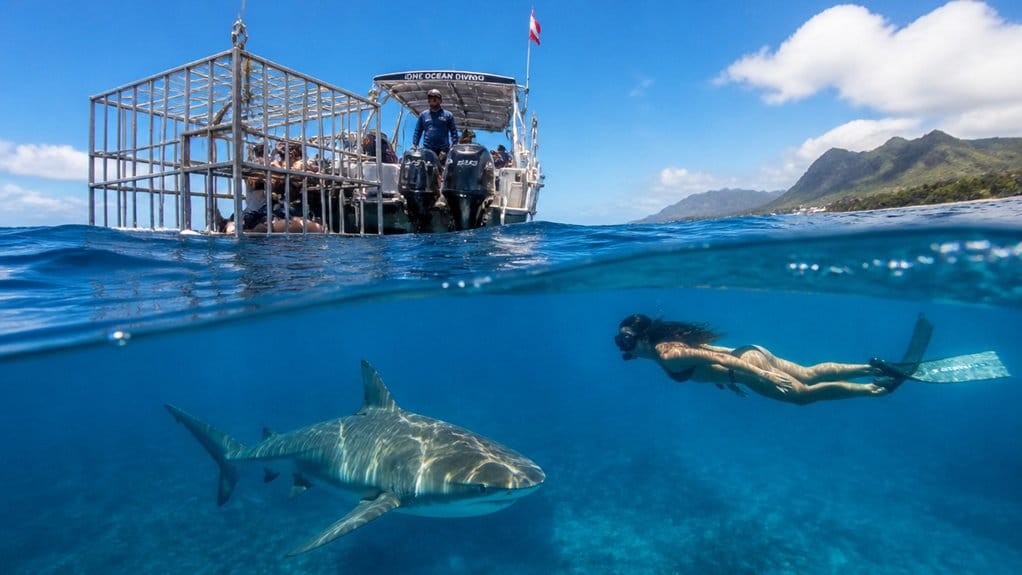
If you’re deciding between a shark cage dive and a cage-free swim on Oahu, the real question is how close you want to feel to the moment. A cage gives you a metal buffer and a lower sense of risk. It also keeps you pressed to the boat, where bumps and bruises can happen as the ocean shoves the cage around. Many of the best Oahu tours offer both formats, so your choice often comes down to comfort, mobility, and the kind of encounter you want.
A cage free shark swim feels more fluid. You watch from the surface, or dip down if you’re comfortable, while guides and safety divers manage the scene. It’s better if you’re a calm, competent swimmer who wants a more natural view and stronger photos. Many visitors compare North Shore operators before choosing the style and crew that fit their comfort level. Expect small groups, Oahu’s North Shore, blue water, and sharks moving through open space with a quiet, electric kind of grace all around you offshore.
How Oahu Shark Tours Work
Most cageless shark tours start early at Haleiwa Small Boat Harbor, where you check in, hear a quick safety briefing, and then motor about four miles offshore into deep blue water over 250 to 300 feet.
Recommended hotels for this trip
Compare well-reviewed stays from our destination hotel guides, then check live availability for your dates.
 Featured stay
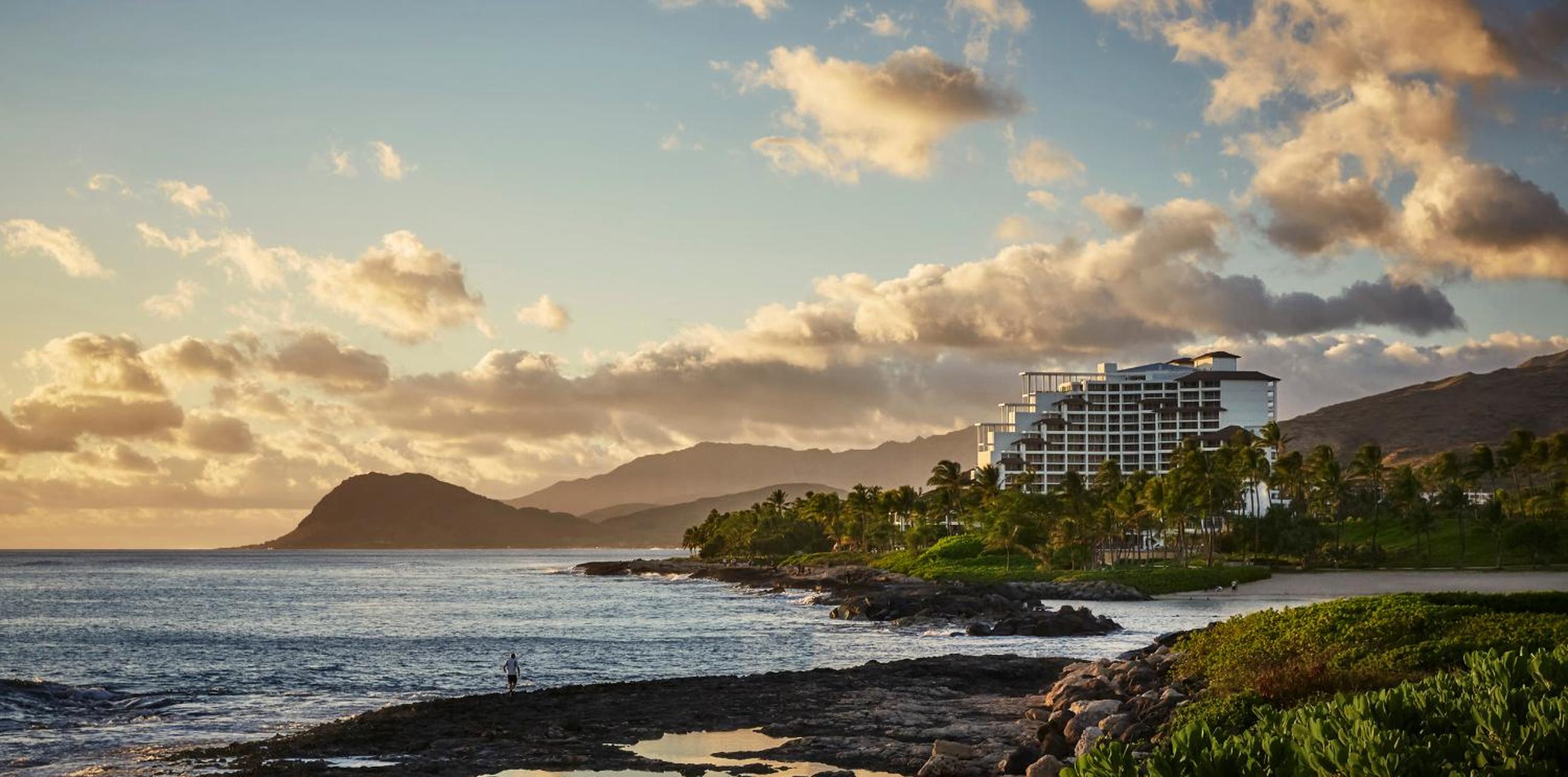
 Four Seasons Resort Oahu at Ko Olina
- Free WiFi
- Non-smoking rooms
- Air conditioning
Luxurious Hawaiian Beach Resort Exquisite Accommodations Indulge in luxury with a 65-inch HDTV, a deep soaking tub, and a walk-in glass shower in every guest room at Four Seasons Resort Oahu at Ko Olina. Enjoy the…
- Room, Garden View
- Room Only
- Refundable until Aug 31
 Guest favorite
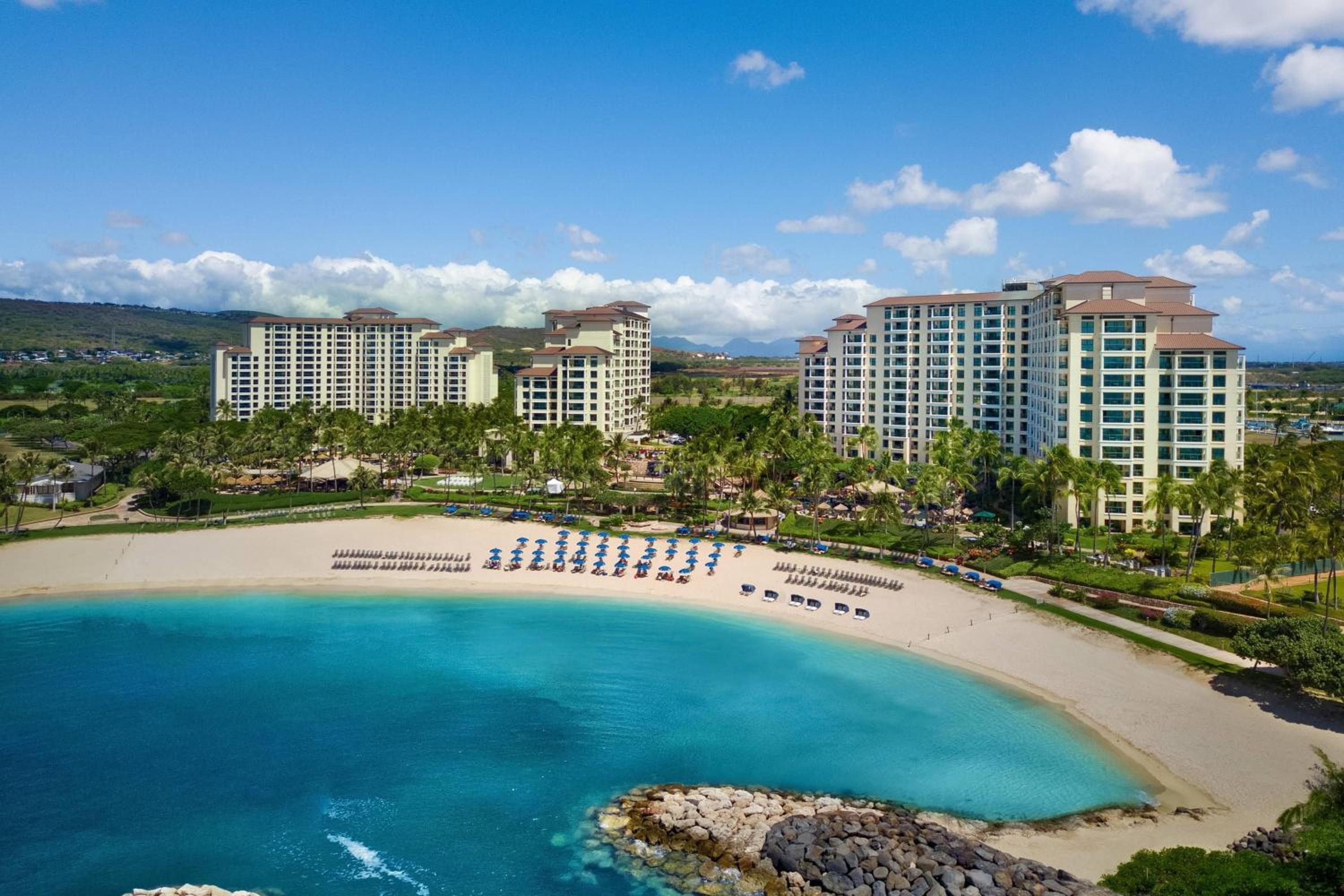
 Marriott's Ko Olina Beach Club
- Free WiFi
- Non-smoking rooms
- Air conditioning
Luxurious Accommodations The Marriott's Ko Olina Beach Club offers spacious rooms with stunning ocean or mountain views, fully equipped kitchens, and modern amenities like a washing machine and dryer. Dining and Entertainment Indulge in American cuisine…
- ROOM, KING BED, MOUNTAIN VIEW, SOFA, BALCONY
- Room Only
- Non-refundable rate
 Guest favorite
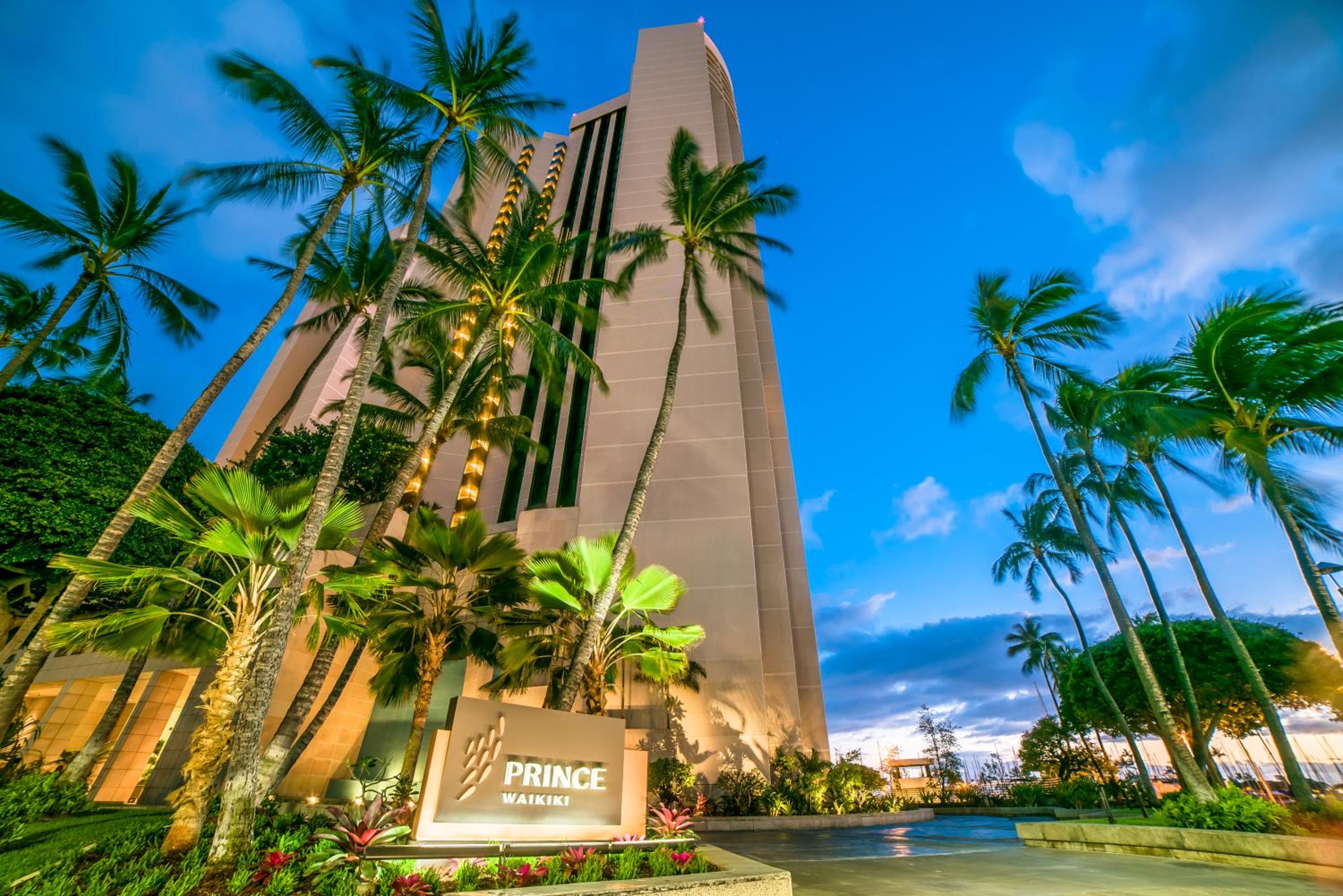
 Prince Waikiki
- Free WiFi
- Non-smoking rooms
- Air conditioning
Well suited to couples seeking ocean views, families who want two-queen rooms or multiroom suites, convention visitors, and travelers who value pools and on-site dining. It may be less appealing if you want to step directly…
- Oceanfront 2 Queens
- Room Only
- Refundable until Sep 12
You’ll usually join a small group capped at six, which keeps the boat calm and the mood personal. A USCG licensed captain runs the trip while divemasters, safety divers, and shark behaviorists handle the water. They enter first to check conditions before inviting you in. Oahu is home to several swim-with-sharks tours that let travelers compare different styles of North Shore encounters. On a typical shark dive, you begin by watching from the surface for about 30 minutes while bait, lures, or even engine noise draws sharks closer. Some operators then offer guided freedives for sharper photos. Snorkel gear is included. You can add pro photos, bring a ride-along, and often cancel free 48 hours ahead. Oahu also has several shark cage diving tours that appeal to travelers comparing cageless and enclosed shark encounters. Some North Shore operators also offer shark cage diving as an alternative for guests who want a physical barrier while viewing sharks.
What Happens on a Shark Cage Dive?
You’ll head out by boat as the crew sets the scene, using bait and shiny lures to bring sharks close while they walk you through the plan. Then you’ll climb into a metal cage lowered from the boat, where you can snorkel or stay at the surface and watch sharks cruise below and circle the bars. It’s a controlled, close-up encounter that feels thrilling without asking you to play hero in open water. Some operators also offer pickup-friendly tours, which can make the experience easier if you’re visiting Oahu without a rental car. On Oahu’s North Shore, these tours are especially popular because the deep water close to shore creates ideal conditions for reliable shark sightings. Many travelers compare several cage tours before booking to find the right mix of boat size, group vibe, and time on the water.

Oahu: Roundtrip Shuttle From Waikiki to Dole Plantation & Haleiwa
Skip Circle Island and visit two of the most popular places to visit here on the Island of Oahu. Experience a unique...

Oahu Beachfront ATV Adventure and Farm Tour
Aloha, welina mai, ‘ano ‘ai. Greetings, and welcome, from Hawai’i! Located on the famous North Shore beachfron...

Oahu: Atlantis Submarine Adventure in Waikiki
Explore Waikiki’s marine mysteries while diving more than 100 feet underwater in an air-conditioned, eco-friendly...
Boat Ride And Setup
Things kick off at Haleiwa Small Boat Harbor, where the crew gives a dockside safety briefing, fits your mask and snorkel gear, and walks you through how entry and exit work before the boat heads about 4 miles offshore. On this boat tour, you’ll meet the USCG-licensed captain and safety divers, stash your stuff on deck, and settle in for a breezy ride. Some visitors also compare this experience with a North Shore marine wildlife cruise that focuses on dolphins, turtles, rays, and seasonal whales.
Soon you reach clear blue water about 250 to 300 feet deep, where the boat anchors and the setup begins. The crew may use a shiny lure or chum, and even the engine noise can help bring sharks back near the boat. While guides assess conditions, you wait your turn on deck, watch the water, and maybe line up pro photos for an extra fee. Some travelers compare this setup with snorkel trips and other charters departing from Kewalo Harbor. Take motion sickness meds early. Before getting in, listen closely to the crew’s swim safely instructions and follow their guidance the entire time.
Cage Entry And Viewing
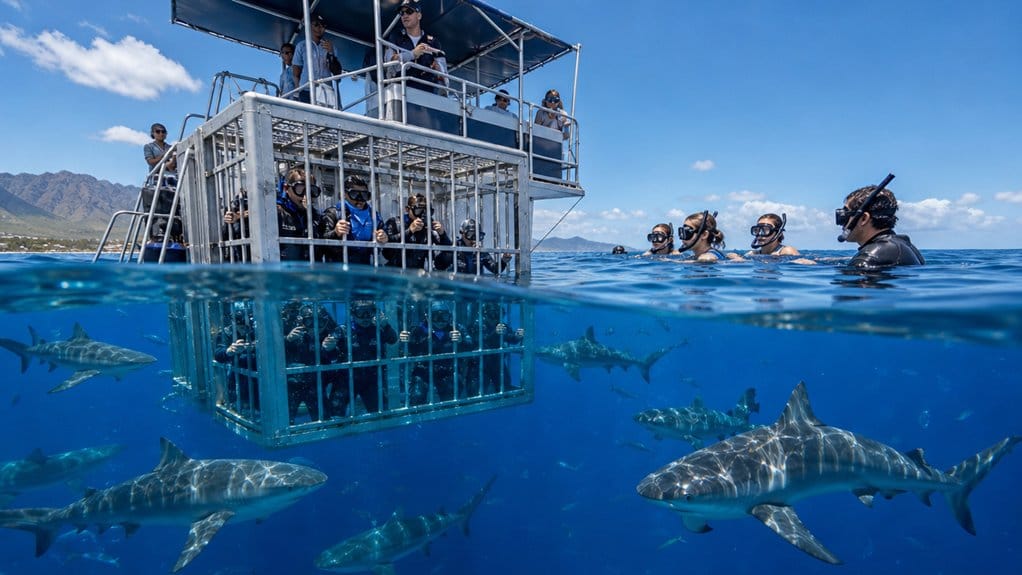
Once the crew gives the go-ahead, your group climbs into a metal cage lowered from the boat or fixed alongside it, and the real show starts at the surface. You grip the bars, pull on a snorkel mask, and watch the water sharpen into blue windows while the boat stays put.
In shark cage diving, you usually stay mostly dry and float with minimal movement as sharks circle close. Crews use chum, engine noise, and lures to draw them in, so you often see long passes beneath the cage. Many first-timer tours on Oahu’s North Shore are designed to keep the experience approachable and structured for beginners. This controlled setup is very different from snorkel safely practices used when swimming near Oahu’s sea turtles. You may rotate turns while others wait topside. Before entry, licensed captains, divemasters, and safety divers check your gear and explain the plan. If seas get bouncy, the cage can jostle you against the bars, leaving a few souvenir bruises.
What Happens on a Cage-Free Shark Swim?
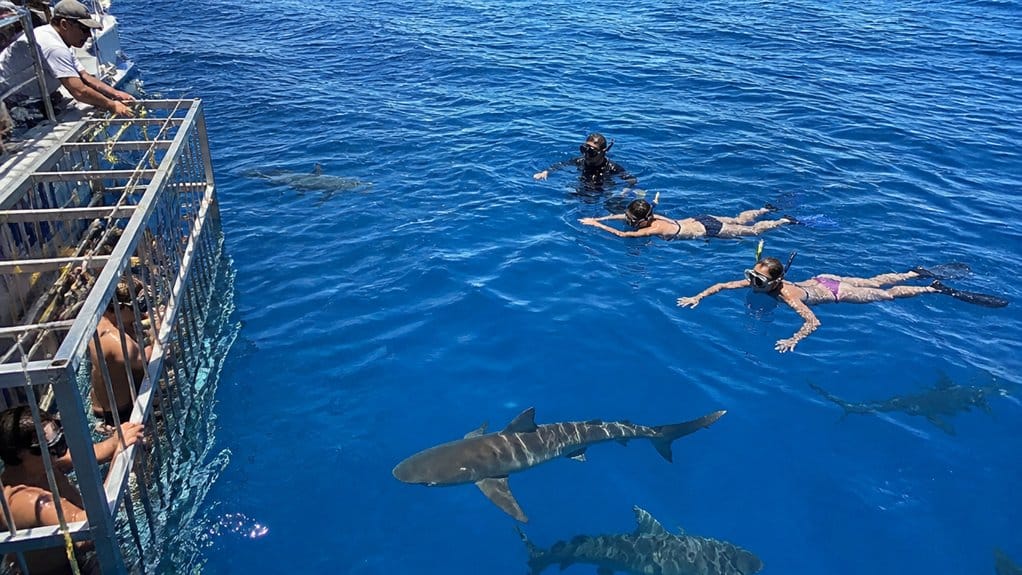
Out on Oahu’s North Shore, a cage-free shark swim starts with a quick safety briefing and gear check at Haleiwa Small Boat Harbor before the boat runs a few miles offshore into deep blue water about 250 to 300 feet deep. For shark diving in Oahu, guides splash in first, check conditions, then bring your small group in. Before entering the water, it helps to review snorkeling safely basics like checking ocean conditions and staying aware of surge near rocky areas. For a smoother outing, follow a few snorkeling visit tips like arriving early, bringing reef-safe sun protection, and choosing calm conditions when possible.
| Step | What you do |
|---|---|
| Briefing | Listen and suit up |
| Run out | Ride offshore |
| Assessment | Wait while guides check |
| Surface swim | Watch for about 30 minutes |
| Optional dive | Follow guided descents |
You don’t need scuba certification. Snorkel gear is usually included. Some tours elsewhere on Oahu bundle extras like a dolphin watch, snorkeling, sailing, and lunch, but cage-free shark swims are typically more focused on time in the water with the guides. You just need to float calmly and move with little effort. Safety divers stay close, and photographers may offer add-on images if you’d rather enjoy the moment.
Still comparing Oahu North Shore Shark Cage Diving And Cage Free Shark Swim?
Ask for tour ideas, hotel suggestions, or a simple trip plan that combines both.
Trip Helper
What Sharks Can You See on Oahu?
On Oahu, you’ll most often spot Galapagos sharks and sandbar sharks, especially on North Shore tours a few miles offshore in clear 250 to 300 foot water. If you’re hoping for a tiger shark, your best odds usually run from now through November on calm early-morning trips, though nature doesn’t take reservations. You might also catch glimpses of white-tipped reef or gray reef sharks, plus sea turtles, barracuda, and maybe even dolphins if the ocean feels generous. Some visitors pair their shark adventure with dolphin tours from Waianae that can include swim, watch, and snorkel options. In Hawaiian waters, the most commonly encountered sea turtle is the green sea turtle, or honu, often seen around reefs and beaches. If you’re also exploring nearby shoreline spots, keep in mind that Shark Cove Beach conditions can change quickly with surf and seasonal swells.
Common Oahu Shark Species
Most Oahu shark tours give you a strong shot at seeing Galapagos sharks and sandbar sharks, the two species guests spot most often offshore. On North Shore cageless trips, you’ll usually watch them cruise blue water 250 to 300 feet deep a few miles out. They move with calm purpose, close enough to study their shape, speed, and swagger. Many travelers rank this among Oahu’s most memorable ocean experiences for animal lovers. If you also spend time exploring shore sites like Sharks Cove, remember that winter brings extremely dangerous currents and wave conditions along this stretch of O‘ahu’s North Shore.
| Species | What you’ll likely notice |
|---|---|
| Galapagos sharks | Bold passes, broad bodies, frequent offshore sightings |
| Sandbar sharks | Steady circles, taller dorsal fins, common company |
You might also glimpse white tipped reef sharks, gray reef sharks, or even hammerheads. Some operators also hope for tiger sharks, which can appear on certain trips but never clock in like reliable employees offshore. Conditions can affect how clearly you identify each species. As with turtle snorkeling, ocean conditions can change what wildlife you see and how safe the experience feels.
Best Time For Sightings
If you’re hoping for the strongest odds, book an early morning trip when the water is calmer, the wind stays light, and visibility often stretches farther into that deep blue. That’s your best window for shark sightings, especially now through November, when tiger sharks show up most often around Oahu. Calm seas can also mean closer passes and longer looks, which feels like winning the ocean lottery without the confetti. Like other Oahu ocean tours, morning departures are often favored because trade winds tend to pick up later in the day.
You can expect Galapagos and sandbar sharks year-round on both cage and cage-free North Shore tours. Boats usually run several miles offshore into 250 to 300 foot depths where sharks gather. Still, nothing’s guaranteed. Most trips see one to three sharks at a time, and operators may use chum or lures, which can shape the species mix you’ll encounter that day. On Oahu’s west side, some travelers also compare shark outings with dolphin and snorkel tours when choosing ocean packages. As with any ocean activity, always ask about current conditions before heading out, since visibility and safety can change fast with surf and offshore flow.

Oahu: Kualoa Ranch UTV Raptor Tour
Traveling with family and friends? You can enjoy the fantastic Multi-passenger UTV Raptor experience with your entir...

Waikiki Parasailing in Hawaii from Oahu
Experience the thrill of parasailing over Hawaii’s stunning coastline as you glide above crystal-clear waters and...

Honolulu: Pacific Star Sunset Dinner Cruise and Show
Indulge in the original Pacific Rim cuisine, where each dish serves as a gateway to the rich flavors of the region...
When Are Oahu Shark Dives Best?
Usually, the best Oahu shark dives happen now through November, when tiger shark sightings tend to peak and the first boat of the day gives you the strongest odds. You’ll want calm water, light winds, and low swell, since clear blue visibility often improves at sunrise. Most North Shore charters leave Haleiwa daily and run about four miles offshore to 250 to 300 feet.
| Best bet | Why it helps |
|---|---|
| Now through November | Better tiger shark chances |
| First boat | Calmer seas, clearer water |
| Low-swell mornings | Fewer cancellations |
| No tiger shark? | Galapagos or sandbar sharks |
If conditions line up, you may spot sleek Galapagos sharks, sturdy sandbars, or the occasional tiger shark gliding through deep cobalt water. Check forecasts first. The ocean likes the final say.
How Safe Is a Shark Cage Dive?
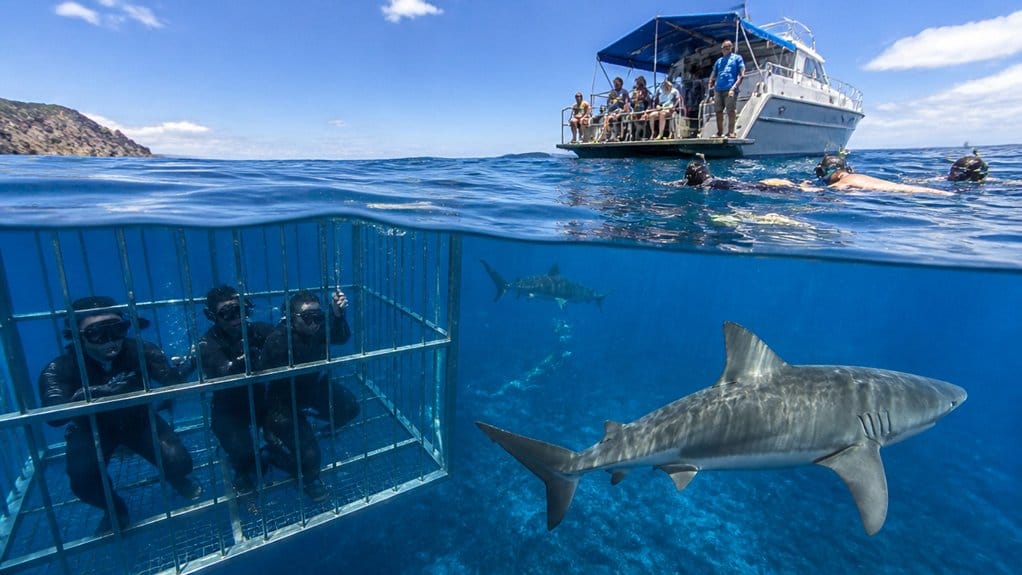
Generally, a shark cage dive on Oahu is considered very safe when you book with a reputable operator and follow the crew’s instructions. In shark cage diving, you stay inside a metal cage locked to the boat, which sharply reduces direct contact with sharks. Good operators use USCG-licensed captains, PADI divemasters, and trained safety divers who check shark behavior before you enter. Before heading out, it is also smart to check ocean alerts and current conditions for unusual hazards or closures.
That lowers risk even more. Many Oahu companies report no shark bites across years of tours. More often, your biggest issues are seasickness, rough rides, or getting bumped against the cage as the water surges and rattles the bars. You can stack the odds in your favor by choosing calm morning trips and booking companies with clear briefings, gear checks, guest limits, and visible safety rules. Some operators also run private charters, which can make it easier to manage group size and tailor the experience to your comfort level. If you are traveling with kids or a larger party, comparing private snorkel charters on Oahu can also help you choose an operator that matches your group’s comfort level and experience.
How Safe Is a Cage-Free Shark Swim?
Cage-free shark swims on Oahu may sound like the wilder option, but reputable tours still run with tight safety protocols and a lot of watchful eyes in the water.
You’ll go out with a USCG-licensed captain, PADI divemasters, and safety divers who enter first to read shark behavior. Operators report no shark bites on these guided trips over many years. That doesn’t make risk zero, but it does make it very low. Before you slip into the blue water, you’ll get a clear briefing. You only need basic swimming and floating ability. Crew may have you hold a line, stay near safety divers, or enter in staggered groups. Oahu also offers wildlife cruises focused on dolphins, whales, turtles, and ocean views for travelers who prefer staying on the boat. On Oahu’s West Coast, many marine wildlife tours also emphasize guided safety briefings and close crew supervision for travelers. For the best odds, choose respected cage-free shark swims, listen closely, and take seasickness prevention if you know your stomach likes drama. Travelers who also want a gentler marine encounter often compare these adrenaline trips with Turtle Canyon snorkel and sail departures from Waikiki.
How Rough Water Changes the Trip
Sometimes the biggest difference between these trips isn’t the shark at all. It’s the ocean. Rough seas can turn an exciting morning into a queasy one, so you’ll want the earliest boat and motion sickness meds the night before and an hour before boarding. Oahu’s trade winds often strengthen later in the day, which can make afternoon waters around Waikiki and the North Shore choppier than early morning conditions.
Choppy water also changes what operators can safely offer. Cage-free trips get delayed or canceled more often because you need calmer surface conditions to float, watch, and enter cleanly. On cage dives, rough water can slam you into the bars and make holding position harder. On cageless tours, it can separate you from guides and force more effort at the surface. Visibility usually drops too, so shark views and photos suffer. Expect stricter rules, close safety-diver supervision, and sometimes lines or fewer freediving options that day. Morning departures usually offer a better shot at calmer conditions before winds and chop build later on. Just like when it’s safe to do the Waimea Rock Jump depends on ocean conditions, shark tours should also be skipped when surf and water movement make normal safety procedures less reliable.
Do You Need Strong Swimming Skills?
Your swimming skills matter more on a cage-free shark swim, because you’ll need to float easily, move through open ocean, and sometimes go beneath the surface while guides watch closely. If you’re a weak swimmer or you’d rather skip the part where the sea gives you a gentle shove, a cage trip keeps you secure beside the boat with far less effort. For kids and first-timers, you should think less about bravery and more about staying calm, following directions, and feeling steady in choppy water.
Swimming Ability Requirements
Picture the difference before you book: a shark cage dive on Oahu usually asks for basic water comfort, while a cage-free shark swim asks for real open-ocean confidence. For cage trips, you mainly need comfort swimming enough to climb in and out, keep your head above water, and stay relaxed.
For cage-free tours, you don’t need scuba certification, but you do need to swim well in ocean conditions. You should float, tread water, and keep fins on without much effort. North Shore operators often guide kids and nervous swimmers toward cages, especially when currents pick up. Early morning departures with light wind help because calmer seas mean less hard swimming. Safety divers stay close, but you still need to surface, move with the group, and keep calm if the water gets bouncy.
Cage Vs Free Swim
That swimming baseline becomes much clearer when you compare the two experiences side by side. With shark cage diving, you don’t need strong swim skills. You stay inside the cage or hold on, so operators often welcome guests who aren’t confident swimmers. Seas still matter, but the cage gives you a stable point while the boat rocks and spray hits your face.
Cage-free trips ask more from you. You’ll float, tread water, and swim calmly in open water for about 30 minutes, with optional freedives. North Shore tours usually keep groups to six and send safety divers in first, but you should handle currents and stay composed around sharks. If you’re nervous, pick a cage or a tour with tether lines and guides near the boat.

Pearl Harbor USS Arizona Memorial & Battleship Missouri
Visit USS Arizona and Battleship Missouri, as they represent both the beginning and the end of World War II. The acc...

Waikiki: 2 hours - Friday Night Fireworks Catamaran Cruise
Enjoy the spectacular FRIDAY NIGHT FIREWORKS show along the beautiful coastline of Waikiki while we get up close and...

Toa Luau at Waimea Valley, Oahu
Toa Luau invites you to immerse yourself in the beauty and excitement of Polynesia on Oahu’s historic North Shore!...
Who Should Choose a Shark Cage Dive?
A shark cage dive makes the most sense if you want the thrill of seeing Oahu’s sharks up close without committing to a full open-water swim. It suits you when you’d rather stay secured, especially if you’re a nervous swimmer, traveling with kids, or hoping for a calmer first encounter.
| Best for you if… | Why a cage works |
|---|---|
| You’re new to ocean activities | Bars create a steady buffer |
| You dislike treading water | You can brace or sit |
| Seas are choppy | Less motion reaches you |
| You want photos | The platform feels steadier |
A shark cage dive also helps when you want less direct contact and lower perceived danger. You’ll still hear the splash, see gray shapes glide past, and feel your pulse jump, just with more structure.
Who Should Choose Cage-Free Shark Diving?
If you’re a confident swimmer and the idea of open blue water sounds exciting instead of stressful, cage-free shark diving is likely your better fit. You don’t need scuba certification, but you should feel comfortable floating, snorkeling, and moving calmly in offshore conditions.
Choose cage-free shark diving if you want a more natural encounter and more freedom to move. On Oahu’s North Shore, tours usually head out from Haleiwa to deeper water a few miles offshore, where Galapagos, sandbar, and seasonal tiger sharks often appear. PADI divemasters and safety divers get in first and assess shark behavior, so you can focus on the experience. It’s also a strong pick if you love photography. You can duck below the surface for cleaner shots, and photo packages are often available too.
What to Expect on the Boat
Usually, your cageless shark tour starts at Haleiwa Small Boat Harbor, where the crew fits you with a mask, snorkel, and fins before the lines are cast off. You’ll meet a licensed captain and divemaster, then motor 3 to 4 miles offshore.
| Stage | What happens | What you notice |
|---|---|---|
| Dock | Safety briefing, gear check | Fast prep, small group |
| Ride out | Head to deep water | Wind, spray, maybe bumps |
| At site | Surface watch, shark calls | Engine revs, dangling lure |
The ride can feel choppy, so take seasickness meds early if you need them. Once anchored, you’ll watch the water for about 30 minutes while guides assess shark behavior. They often slip in first, then invite you after conditions look right. Photos may be offered too.
How Much Does an Oahu Shark Dive Cost?
Once you know what the morning looks like offshore, the next question is simple: what will it cost you to get in the water with sharks on Oahu?
For a cage-free shark dive, you’ll usually pay about $150 per person before taxes and fees. If you’re kamaʻaina or military, many tours drop that to around $125. Observer spots often run about $100 if you’d rather stay dry and watch the fins slice through the blue. Prices shift with the operator, season, and boat style. Small-group trips, often capped at six guests, can feel more personal and cost more, especially for private charters or first-morning departures. Check cancellation rules before you book. Many companies allow free cancellation up to 48 hours out, then charge fully for late changes or no-shows.

Oahu Grand Circle Island Experience from Waikiki
Enjoy Grand Circle Island experience tour with breathtaking views of Amelia Earhart Lookout on Diamond Head, admire...

Oahu: 60 Min Royal Crown Helicopter Tour - Doors Off or On
See every stunning sight on Oahu from the white sands of Waikiki to the epic big waves of Norh Shore on our incredib...

Oahu: Germaine's Luau
Come visit us at Germaine's Luau, where you will experience a traditional Hawaiian Luau on our beachfront property o...
Oahu Shark Dive Photo Costs
If you want photos from your Oahu shark swim, you’ll usually pay anywhere from free or basic coverage up to about $75 per person for a pro package, so it pays to check exactly what’s included. You should ask whether you’re getting digital files, edited images, or just a short burst of underwater shots taken during the freediving portion, because it’s rarely nonstop personal coverage. If capturing that blue water, quick silver flashes, and your brave face matters to you, call ahead to book a photographer since last-minute add-ons can be a maybe.
Photo Package Pricing
While the sharks tend to steal the spotlight, the photo package is the add-on many Oahu divers end up talking about later. If you want professional photos, expect most cage-free shark swim operators to charge about $75 per person, plus taxes and fees. Across Oahu, advertised rates usually land between $60 and $100.
- Safety divers usually shoot the images underwater.
- You’ll typically get digital delivery after the tour.
- Discounts on tour fares may not apply to photo fees.
- For a daughter’s first shark encounter, this add-on can feel worth it.
Operators often market these images as bucket-list quality, and compared with a private underwater shoot, the pricing can seem surprisingly fair. Since boats often carry only six guests, photo spots can disappear fast. Plan your budget accordingly.
Add-On Booking Details
For many Oahu shark tours, the photo package works best when you book it at the same time as your swim. Availability can be tight, especially on small-group trips with about six guests, so reserving early gives you the best shot at guaranteed coverage. Most operators treat photos as a paid add-on, not a free extra included in the base price.
You’ll usually pay around $75 per person, plus taxes and fees, for professional shots on cage-free swims. Safety divers often capture underwater images during surface viewing and optional freediving segments, so you get crisp shark portraits and those wide blue-ocean moments. Some companies, like Hawaii Adventure Diving, let you call ahead at (808) 829-2203 to add photography or request a photographer. Digital delivery commonly costs extra too.
Value For Memories
Often, the real splurge on an Oahu shark tour isn’t the swim itself but the photos you’ll replay long after the salt dries on your skin. Expect to budget $75 to $150 per person, especially for cageless free swimming images captured by safety divers.
- Cage-free tours often charge about $75 for sharp underwater action shots.
- Cage dives can deliver steadier close-ups through the bars, but digital or printed images may cost extra.
- Some operators include a basic package, while others ask you to call ahead and add a photographer.
- If you want your daughter free swimming with sharks, book a cageless company known for freediving photography and solid reviews.
Before you pay, confirm what’s included. Ask about downloads, prints, taxes, fees, and extra time in the water.
Which Tour Feels More Intense?
Usually, the cageless shark swim feels more intense because you’re floating in open water with no metal bars between you and the sharks. On North Shore cage-free shark swims, you stay with safety divers and guides, and you may even freedive for clearer photos. That face-to-face view spikes your adrenaline fast, especially if it’s your first time.
A cage dive can still feel intense, just in another way. You might get bumped around as the cage shifts in rough seas, and holding your position takes effort. Sharks still glide below and around you, which looks cinematic, but the bars create a controlled distance. Calm mornings with clear water can make either tour feel dramatic, especially when larger sharks appear. If you want pure psychological thrill, cageless usually wins out.
Is Cage or Cage-Free Better for Kids?
When you’re choosing for kids, start with swimming confidence, safety, and comfort in the real conditions your child will face on Oahu’s blue open water. If your child can float, kick, and stay calm while safety divers watch nearby, a cage-free trip can feel thrilling and surprisingly smooth, but if nerves hit fast or the swell sounds a little too loud, a cage gives you a more controlled setup. You’ll also want to think about seasickness, early-morning calmer seas, and whether your child would rather peek through metal bars or swim with a small group and a guide close at hand.
Swimming Confidence
If you’re weighing cage diving against a cage-free shark swim for a child, confidence in the water matters more than bravery on the boat. A cage usually suits first-timers better because it asks less of their swimming confidence. Your child can watch sharks glide past the bars, hear the splash and boat hum, and focus on the experience instead of staying neutrally afloat in blue water.
- Choose cage diving if your child is a weak swimmer or gets nervous easily.
- Consider cage-free only if they can float, kick calmly, and follow directions with little effort.
- Check operator age rules and swim minimums before you book.
- If motion sickness hits fast, the shorter, controlled cage entry may feel easier than a longer open-water session offshore that day.
Safety And Comfort
For kids, safety and comfort often point to the cage. With cage dives, your child stays behind steel bars, close to the boat, with less water exposure and a steadier sense of control. If your daughter feels nervous or isn’t a strong swimmer, that setup can turn a big ocean moment into something manageable.
Cage-free tours still take safety seriously. Trained divers enter first and watch shark behavior, but your child must float calmly in open water. That can feel thrilling or like a lot, depending on your kid. Rough seas can bump little bodies against a cage, while cage-free avoids that specific bruise risk but adds more boat motion and ocean exposure. For a first trip, book an early morning departure for gentler water and easier smiles.
Best Oahu Shark Dive Company?
Start with North Shore operators, because the best Oahu shark dive companies keep the trip simple, safe, and surprisingly personal. For shark swimming, you’ll usually get small groups, early departures from Haleiwa, and guides who know how to read the water before you ever slip in.
- Hawaii Adventure Diving earns frequent local praise. Cage-free tours start around $150, with a $75 photo add-on.
- Go Shark Diving and Haleiwa Shark Tours stand out for huge review counts, USCG-licensed captains, and trained safety divers.
- Most top boats include snorkel gear, cap groups at about six, and allow free cancellation up to 48 hours ahead.
- For smoother conditions, book the earliest trip on a light-wind day. Your ribs will thank you later, and your photos might too.
Frequently Asked Questions
Do I Need to Know Freediving Techniques Before a Cage-Free Shark Swim?
No, you don’t need freediving techniques before a cage-free shark swim. You can snorkel on the surface while guides supervise. Breath control helps for short, shallow dives, but you’ll rely on instruction, safety divers, and comfort.
Can I Wear Contact Lenses During an Oahu Shark Dive?
Yes, like a fish in clear water, you can wear contact lenses during an Oahu shark dive. Use a snug, defogged mask, bring daily disposables or a prescription mask, and skip hard lenses in rough conditions.
Are Shark Tours Suitable for Pregnant Travelers?
Usually, you shouldn’t book shark tours while pregnant. Pregnancy precautions matter because rough seas, boarding ladders, falls, stress, and motion-sickness meds can create risks. Check operator rules, tell them you’re pregnant, and ask your doctor first.
What Should I Do if I Get Seasick Easily?
About one-third of people get motion sick, so you should take Motion Remedies like Dramamine or Bonine before boarding. Book the earliest tour, sit mid-boat, watch the horizon, hydrate, and avoid greasy meals beforehand.
How Far in Advance Should I Book an Oahu Shark Tour?
Book Early: you should reserve your Oahu shark tour 1–2 weeks ahead for weekdays, and 3–6+ weeks for holidays or weekends. You’ll get the best morning slots, small-group availability, and can often cancel free up to 48 hours.
Conclusion
Whichever you book, Oahu gives you that strange, perfect coincidence of wild and practical. One minute you’re zipping out at sunrise with salt on your lips and the engine humming. The next you’re eye level with Galapagos sharks in clear blue water. Choose a cage if you want steady nerves and easy photos. Go cage-free if you want your pulse to vote. Either way, book early, take motion-sickness meds, and let the north shore surprise you.
Oahu: Cage-Free Shark Swim on the North Shore
Experience the ultimate Oahu shark dive with this North Shore shark tour family. Swim cage‑free with sharks in the crystal‑clear waters off Haleiw...
Oahu: North Shore Shark Cage Diving
Discover the open-ocean world of sharks on this unforgettable Oahu shark cage diving tour. More than just an adventu...
Shark Cage Diving On "The World Famous North Shore of Oahu", Hawaii
Our company is uniquely owned by Native-Hawaiian watermen. As the only company of its kind on the island, we hope yo...
Oahu Shark Dive on the North Shore
Book the Oahu Shark Dive for a thrilling shark encounter off the North Shore. You’ll travel by boat from Haleiwa H...