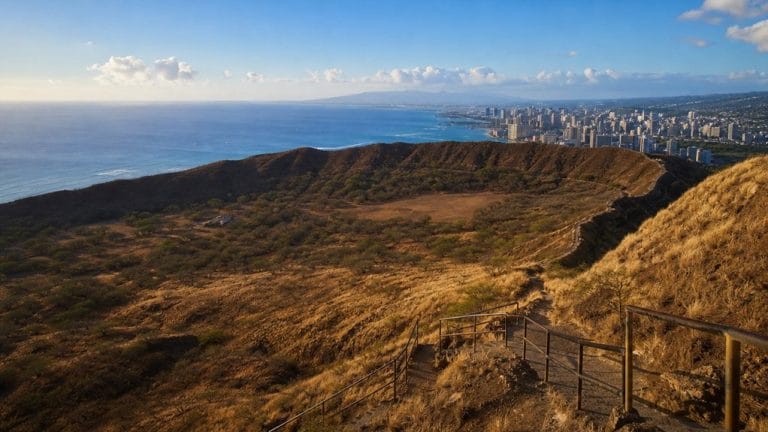
Maybe the theory is true that Oahu’s best city view hides in a cool mountain forest just minutes above Honolulu. You’ll find Tantalus on the southern Koʻolau Range, an old cinder cone that rises to about 2,014 feet and swaps traffic noise for birdsong, damp eucalyptus, and wide views of Diamond Head and the harbor. Come for sunset, scenic pull-offs, and shaded trails, but the real surprise is how much this quick climb can show you.
Key Takeaways
- Tantalus is an extinct cinder cone above Honolulu in the southern Koʻolau Range, rising about 2,014 feet and containing Tantalus Crater.
- It formed during the later Honolulu Volcanics eruptions, the same volcanic phase that created Diamond Head, Punchbowl, and Koko Head.
- Visitors come for sweeping views of Honolulu, Diamond Head, the Pacific, and sometimes Pearl Harbor from scenic lookouts.
- Tantalus Drive provides easy access to lookouts, trailheads, and Puu Ualakaa State Park for picnics, photos, and sunset stops.
- It offers activities for many fitness levels, from short viewpoint walks to rainforest hikes and the popular 6-mile Tantalus Loop.

Oahu Grand Circle Island Experience from Waikiki
Enjoy Grand Circle Island experience tour with breathtaking views of Amelia Earhart Lookout on Diamond Head, admire Chinaman’s Hat in front of Kualo...
What Is Tantalus on Oahu?
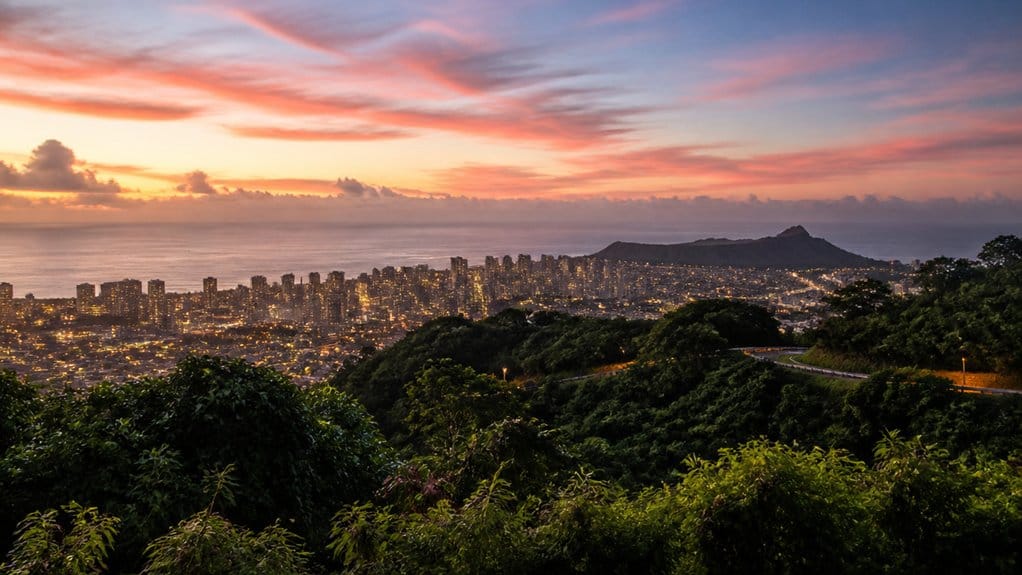
Tantalus is the kind of place that makes Honolulu feel bigger and wilder at the same time. You’re looking at an extinct cinder cone in the southern Koʻolau Range, not just a scenic hill with swagger. Its summit holds Tantalus Crater, and the whole mountain rises about 2,014 feet above the city below.
What you see here comes from Oʻahu’s younger volcanic chapter. Tantalus formed after the old Koʻolau Volcano shut down, during a later burst called the Honolulu Volcanics. Oʻahu’s volcanic story includes long-eroded shield volcanoes followed by later eruptions from smaller vents like cinder cones. The same fiery phase also shaped Punchbowl, Diamond Head volcano, and Koko Head, so you’re standing in famous company. Modern Honolulu even sits on Tantalus cinders. From Tantalus Lookout, you can trace that story in the land itself, with breezy ridges, rust-red earth, and rooftops glittering below today. If you want the fastest approach, a quick route can make reaching Tantalus Lookout much easier.
Where Is Tantalus on Oahu?
You’ll find Tantalus in the southern Koʻolau Range on Oʻahu, rising just above Honolulu along the Tantalus Drive and lookout area. As you head up the hillside, the city spreads out below you, with roofs, streets, and the blue edge of the Pacific all coming into view. It’s close enough for an easy escape, but high enough to make you feel like you’ve snuck into Honolulu’s back balcony. Drivers coming from the windward side often pass through the Pali Tunnel before continuing toward Honolulu and nearby mountain roads. The scenic loop drive includes several lookouts and stops that make the route one of the best ways to take in Honolulu from above.
Recommended hotels for this trip
Compare well-reviewed stays from our destination hotel guides, then check live availability for your dates.
 Featured stay
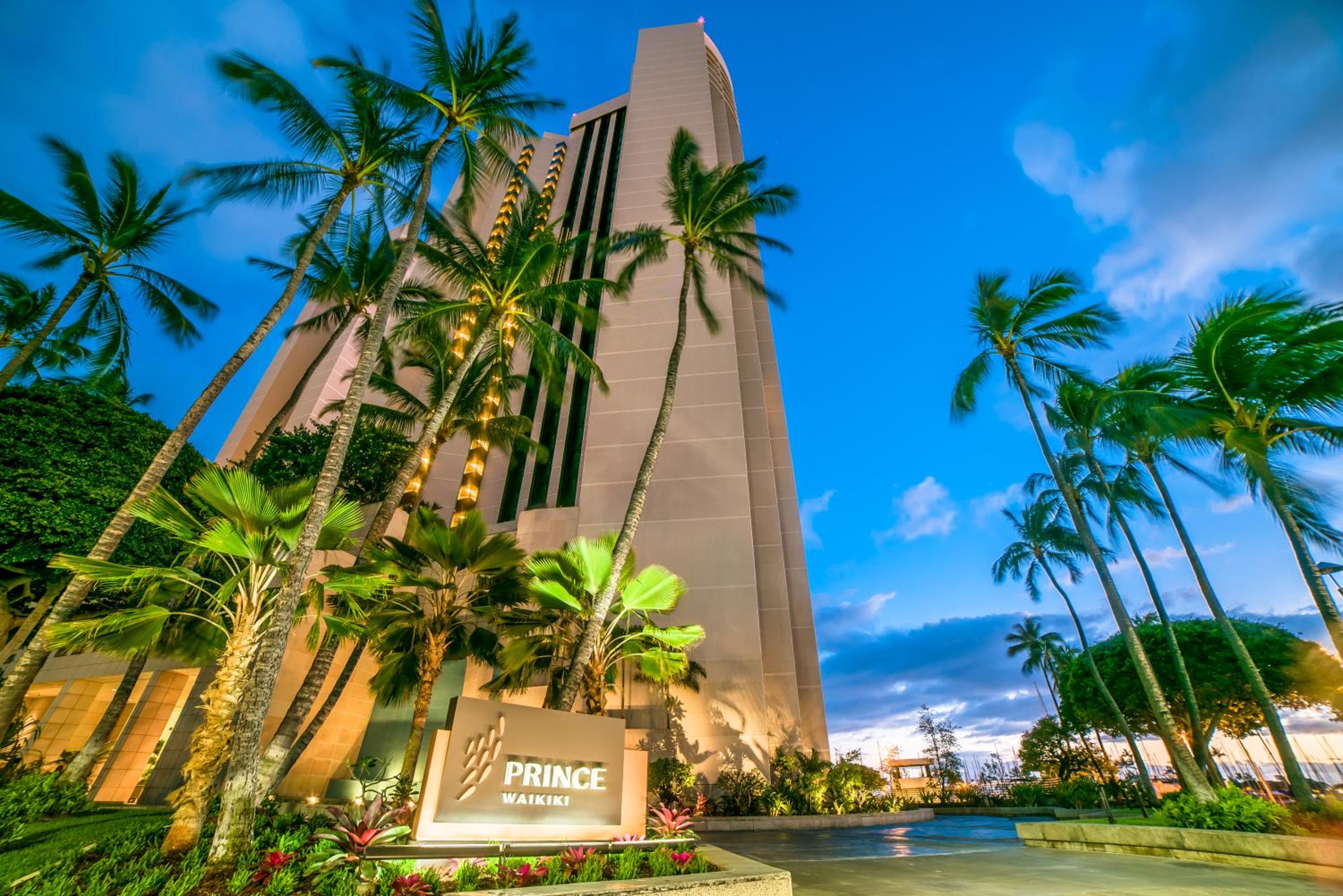
 Prince Waikiki
- Free WiFi
- Non-smoking rooms
- Air conditioning
Well suited to couples seeking ocean views, families who want two-queen rooms or multiroom suites, convention visitors, and travelers who value pools and on-site dining. It may be less appealing if you want to step directly…
- Oceanfront 2 Queens
- Room Only
- Refundable until Sep 10
 Guest favorite
 Halepuna Waikiki by Halekulani - NO RESORT FEE
- Free WiFi
- Non-smoking rooms
- Air conditioning
You are likely to appreciate Halepuna if you want an upscale, relatively serene stay near Waikiki Beach, restaurants, and shopping, but do not need a beachfront resort campus. Couples and solo travelers can prioritize the king…
- Mountain Waikiki View Two Double Beds
- Room Only
- Non-refundable rate
 Guest favorite
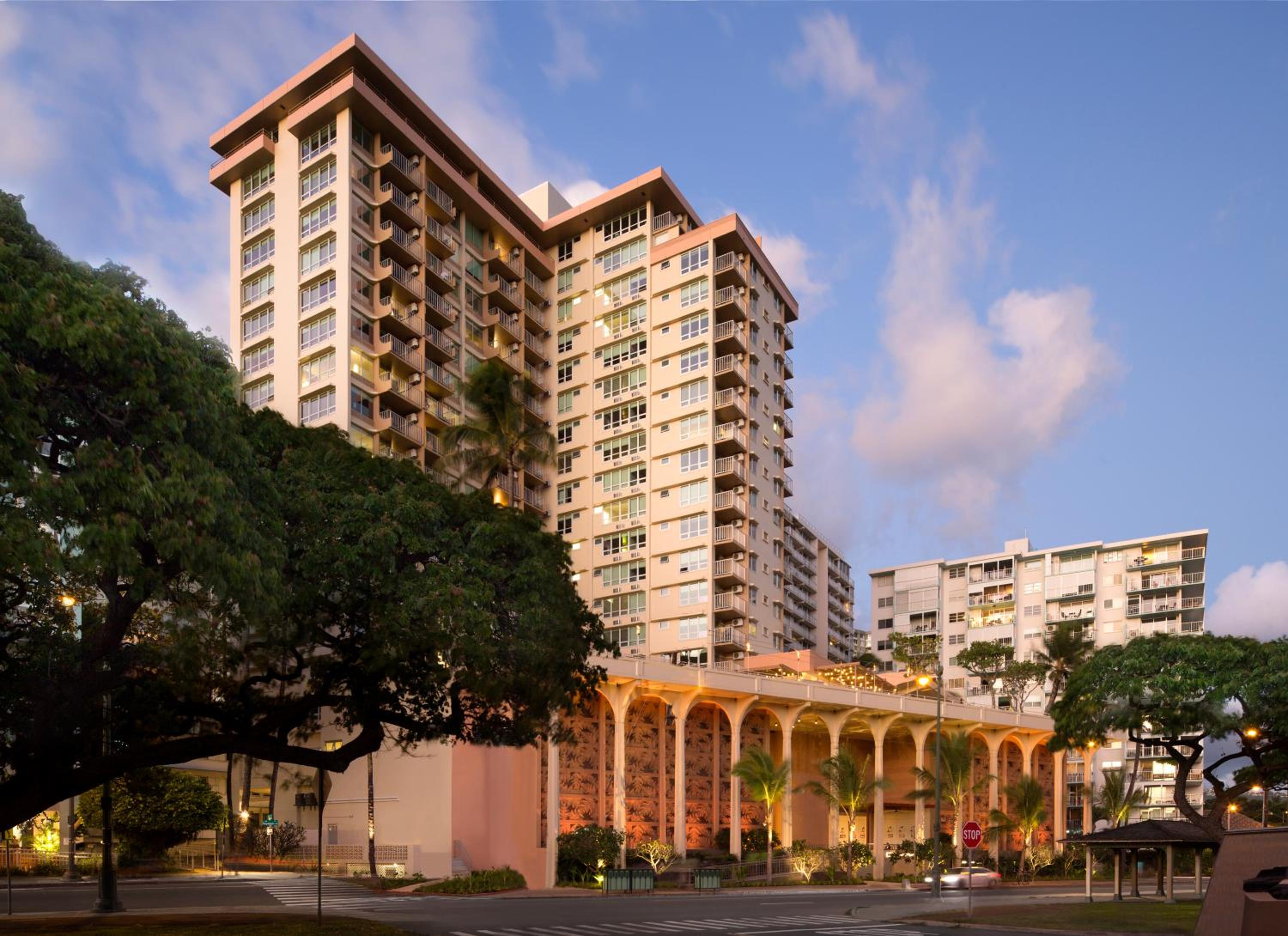
 Queen Kapiolani Hotel
- Free WiFi
- Non-smoking rooms
- Air conditioning
You are likely to appreciate this hotel if location, Diamond Head scenery and easy access to the beach matter more than having a quiet resort compound. Double-queen rooms and larger suites can suit families, while studios…
- Studio, City View, 1 Queen Bed
- Room Only
- Non-refundable rate
Southern Koʻolau Location
Perched in the southern Koʻolau Range, this extinct cinder cone rises above Honolulu and gives you a clear sense of where mountain meets city. Tantalus sits on Oʻahu in Hawaiʻi, with Honolulu spread below on old Tantalus cinders. You reach it from central Honolulu by following Tantalus Drive toward upper Makiki and Kālihi. On especially bright days, the slopes above town can feel far removed from Waikiki’s shoreline, even though clear water days often define the best ocean conditions nearby. The surrounding ridgelines also connect Tantalus to scenic lookouts and mountain views associated with the Koʻolau Range. Unlike the Diamond Head hike, visiting Tantalus does not involve the same reservation planning.
| Feature | What you notice | Why it matters |
|---|---|---|
| Range | Southern Koʻolau slopes | Places Tantalus on Oʻahu |
| Type | Extinct cinder cone | Explains its volcanic shape |
| Summit | Tantalus Crater | Marks the mountain’s top |
| Elevation | 2,014 feet | Gives you cooler air |
| Access | Tantalus Drive route | Makes the trip simple |
As you climb, pavement curves, trees thicken, and city noise fades fast. It’s close, yet it feels tucked away above busy streets.
Above Honolulu Views
Why does this mountain feel so close to Honolulu yet so far above it? You climb to an extinct cinder cone in the southern Koʻolau Range, about 2,014 feet tall, and the city suddenly drops away. From here, above honolulu views make perfect sense. Tantalus sits right over the neighborhoods built on old cinders, so you get a lifted angle on towers, streets, and the bright curve of Honolulu.
You reach the summit area by Tantalus Drive and nearby trailheads on the east side of Waialae and Makiki. Unlike getting to Diamond Head from Waikiki, which can involve walk, bus, Uber, or tour options, reaching Tantalus is usually more about the drive up than the transit choice itself. At the lookout, you can scan Diamond Head, the Pacific, and, on clear days, Pearl Harbor. Visitors planning more coastal scenery often pair this stop with a Makapuu Lighthouse hike for another easy half-day view. The air feels cooler. Birds cut through the trees. Traffic hums far below like a distant appliance, which is oddly comforting after the winding drive up. Like a beginner surf spots guide, this overlook helps first-time visitors quickly understand how Oahu’s landscapes connect from mountain ridges to the coast.

Oahu: 60 Min Royal Crown Helicopter Tour - Doors Off or On
See every stunning sight on Oahu from the white sands of Waikiki to the epic big waves of Norh Shore on our incredib...

Waikiki 2-Hour Sunset Sailing Catamaran – Swim & Sail Adventure
There’s no better place to take a dip than the crystal-clear waters of Waikiki—and no better way to experience a...

Pearl Harbor USS Arizona Memorial & Battleship Missouri
Visit USS Arizona and Battleship Missouri, as they represent both the beginning and the end of World War II. The acc...
Why Visit Tantalus?
You come to Tantalus for the views first, and they don’t waste your time. From the lookout and summit area, you can scan Honolulu, Diamond Head, and on a clear day even Pearl Harbor, then stay for sunset when the city starts to glow. If you want more than a photo stop, you can cruise the winding rainforest drive, pull over at lookouts, or pick a trail that fits your energy level. It’s also a smart addition to driver-free tours if you want one of Oahu’s best scenic lookout stops without navigating the road yourself. If you’re planning other scenic stops, a half-day plan that pairs viewpoints with a short hike can make the most of your time on Oahu.
Scenic Views
How often do you find a mountain road that gives you a fresh postcard view at nearly every turn? On Tantalus, an extinct cinder cone rising 2,014 feet, you get broad overlooks with very little effort. Tantalus Drive climbs through rainforest, and each pull-off frames Honolulu differently. The 34 switchbacks feel cinematic. Even a Geological Survey map can’t quite capture the glow at sunset. It also pairs well with an Oahu map when you’re planning how Tantalus fits into the island’s regions, beaches, and a simple scenic driving loop. If you’re combining it with Diamond Head, aim for an early start window there between 6:00 am and 8:00 am for cooler temperatures and fewer crowds.
| Viewpoint | What you see |
|---|---|
| Tantalus Lookout | Honolulu skyline and Diamond Head |
| Clear-day horizon | Pearl Harbor in the distance |
| Rainforest pull-offs | Coastline slices through green canopy |
| Sunset hour | City lights meeting the Pacific |
You don’t need advanced plans. You just follow the road, stop often, and let Oʻahu reveal itself one angle at a time. It’s the scenic route, literally. If Diamond Head is part of the same day, checking tour tickets and shuttle options ahead of time can make that pairing smoother.
Outdoor Activities
Tantalus isn’t just a place to stop for photos. You can spend a full day moving through cool rainforest air, tackling hiking trails, or cruising the loop by bike. The mountain’s old cinder cone setting gives the area a wild, green feel just above Honolulu. Nearby, Manoa offers 7 hikes to explore if you want to add even more trail time to your day.
If you like to hike, you’ll find routes for casual walks and tougher outings branching off Tantalus Drive. Oʻahu’s best trails range from easier scenic walks to tougher routes with sweeping views, which makes Tantalus a smart base if you want to pair this area with other hikes around the island. Before heading out, stick to official trails listed by the state and check current route details through the Nā Ala Hele trail system. Road cyclists can test themselves on the famous Tantalus Time Trial, Hawaiʻi’s longest continuously running cycling race since 1974. For a slower pace, you can claim a picnic table, fire up a grill, and listen to birds instead of traffic. If you want a serious challenge, parts of the HURT100 use this trail network for a brutal 100-mile run. Yes, your legs may complain afterward.
Still comparing Tantalus Lookout Honolulu?
Ask for tour ideas, hotel suggestions, or a simple trip plan that combines both.
Trip Helper
What Can You Do at Tantalus?
A visit to Tantalus can be as active or as easygoing as you want. You can pick from recreational activities that fit your mood, whether that means a quick nature walk or a longer hike on well-marked paths through cool, lush rainforest branching off Tantalus Drive. Its trails are often included among the best hikes near Honolulu for scenic views without a long drive.
If you’d rather keep things simple, take the scenic drive and stop at pull-offs for photos, fresh air, and changing views over Honolulu and Diamond Head. On very clear days, you might even spot Pearl Harbor. You can also claim a picnic table in nearby Puu Ualakaa State Park, where restrooms make a relaxed break easy. If you’re feeling ambitious, time your visit around the Tantalus Time Trial, a quirky local bicycle race that has climbed the loop since 1974 each year.
Best Tantalus Lookouts and Trails
For the best views and trail access, head first to Tantalus Lookout on Mount Tantalus, also called Puʻu ʻōhiʻa. From here, you can scan Honolulu, Diamond Head, Punchbowl, and, on very clear days, Pearl Harbor. Sunset is the star, so bring your camera and a little patience. If you want to pair mountain views with the shoreline from above, 30-minute helicopter tours over Oahu’s scenic coastlines offer a short but memorable add-on.
- Try the Tantalus Loop, also called the Time Trial, a 6-mile wagon trail loved by hikers and cyclists.
- Pick a route that fits your mood. Trails range from easy viewpoint walks to tougher rainforest loops with posted times.
- Start early if you’re hiking. Parking at lookout spots fills fast, and some trailheads require a real uphill push from the road.
As you walk, you’ll move through damp rainforest along the southern Koʻolau Range, with birdsong, shade, and surprise overlooks waiting around bends. Unlike the paved Makapuʻu Lighthouse Trail, Tantalus routes feel more shaded and rooted in rainforest. If Diamond Head is also on your itinerary, check fees and hours before you go so you can plan both stops smoothly.
How to Get to Tantalus From Honolulu
If you’re heading up from Honolulu, the trip feels easy at first and then turns pleasantly twisty as the city drops away below you. Drive H1 West, take exit 25A toward Kapiʻolani Boulevard and Waikiki, then continue by Kapiʻolani, McCully Street, Metcalf Street, and Nehoa Street, following signs to Tantalus Drive.
If you’re coming from around Tantalus or around Honolulu on a tight schedule, give yourself extra time for slower uphill driving and curves. Going up and back the same faster way often works best. You can also take Bus #4 from Ala Moana Center to Nehoa Street and Makiki Street, but there’s no direct service to the summit. From that stop, you’ll walk a steep uphill stretch to the trails. Start early so the most popular lookout areas aren’t already full. Unlike places with restricted summit access such as Diamond Head, you can drive the road up toward Tantalus lookout areas and trail access points.

Oahu: Roundtrip Shuttle From Waikiki to Dole Plantation & Haleiwa
Skip Circle Island and visit two of the most popular places to visit here on the Island of Oahu. Experience a unique...

Oahu Shark Dive on the North Shore
Book the Oahu Shark Dive for a thrilling shark encounter off the North Shore. You’ll travel by boat from Haleiwa H...

Oahu: North Shore Shark Cage Diving
Discover the open-ocean world of sharks on this unforgettable Oahu shark cage diving tour. More than just an adventu...
Tantalus Tips for Parking and Safety

Because the best Tantalus stops are small roadside pull-offs rather than big lots, parking can fill up fast, especially near Tantalus Lookout and the favorite sunset photo spots along Tantalus Drive. Arrive early, and make sure your car is fully off the road.
Parking on Tantalus fills fast at the small pull-offs, so come early and park fully off the road.
- Wear sturdy shoes. Mud, roots, and slick leaves can turn a short walk into a wobble.
- Bring water, sunscreen, and a hat. Even shady rainforest pull-offs can feel bright and warm.
- Check current rules before you go. Use marked trails, leash dogs, and drive slowly after rain.
In some forest reserve hunting areas, dogs should stay close because hunting dogs may be around. Trail conditions can change quickly. HAWAII TRAVEL notes nearby sites like Fort Ruger and Visit Mount Top Drive. USGS means States Geological. If you also plan to visit Diamond Head, remember that entry reservations are required for non-residents. 34 site uses cookies.
How Tantalus Got Its Name
Although the ridge feels deeply tied to Honolulu today, the name Tantalus came later, in the 1840s, when Punahou School students began calling the peak by the name of the Greek myth figure. If you visit now, you’re using a student-made label that stuck.
Those students climbed the mountain often, so their nickname spread beyond campus and into everyday local use. It wasn’t a perfectly traditional Hawaiian name, but it proved durable. You still see that legacy in Tantalus Drive, where tires hum through cool shade and ironwood needles scatter across pullouts. The summit story kept traveling too. Later visitors adopted the same reference, and the crater on top became Tantalus Crater. Even a tiny detail like 53.34 can feel less random when you realize how one school-era choice reshaped the map for generations. Visitors exploring Honolulu history nearby often pair scenic drives with timed entry sites downtown, where reservations shape the day as much as the destination. On Oahu, place names also carry layers of stewardship and memory, much like Hanauma Bay’s role as a Marine Life Conservation District since 1967. Travelers planning last-minute tours on Oahu often find that familiar place names help narrow down easy activities to book late.
How Tantalus Was Formed
Names may stick through habit, but Tantalus itself came from fire. What you see today began after the Koʻolau Volcano had already died down. During Post Koʻolau Rejuvenation, fresh eruptions built this extinct cinder cone in southeastern Oʻahu, adding a later layer to the island’s story. This phase belongs to Oʻahu’s longer geologic timeline, connecting ancient volcanic activity to the landscape visitors see today.
- You’re standing on Honolulu Volcanics, the same broad eruptive era that shaped Punchbowl, Diamond Head, and Koko Head.
- You can look up to the 2,014-foot summit, where Tantalus Crater marks the cone’s volcanic center.
- You’re also seeing cinders beneath modern Honolulu, because the city rose over deposits from these later eruptions.
Like Diamond Head, Tantalus reflects a single eruption within this later volcanic phase, showing how one explosive event could leave a lasting mark on Oʻahu’s landscape. While Oʻahu’s volcanic landmarks often draw hikers, wet trails can quickly turn hazardous after rain, as conditions on Manoa Falls Trail often show.
Frequently Asked Questions
Is Tantalus Suitable for Young Children and Strollers?
At 2,014 feet, Tantalus isn’t ideal for strollers or very young children. You’ll face steep uphill walks and rugged paths before reaching Scenic Viewpoints, so plan short stops, bring water, and expect to turn back early.
Are Dogs Allowed on Tantalus Trails and Lookout Areas?
Yes, you can bring dogs on Tantalus trails and lookout areas, but you must keep them leashed. Check DLNR hunt conditions before going, practice trail courtesy, remove waste promptly, and remember Water safety during outings.
What Should I Pack for a Tantalus Visit?
Pack Essentials include sturdy hiking shoes, water, snacks, sunscreen, a hat, sunglasses, and a light layer. You’ll also want a small daypack and weather gear, since trails can get slippery and temperatures change quickly.
Is There Cell Service Available on Tantalus?
Yes, you’ll get some cell service on Tantalus, but like Historical legends drifting through rainforest, signals fade. You’ll usually connect better along Tantalus Drive and lookouts; deeper trails often drop service, so download maps beforehand.
When Is the Best Time of Year to Visit Tantalus?
You’ll get the best Tantalus conditions from late spring through early fall, when weather stays drier and views stay clearer. For Sunrise Hikes, go mornings; for sunsets, bring layers. Weekdays help you avoid crowds and parking hassles.
Conclusion
If you want a quick escape above Honolulu, head up Tantalus. You’ll trade warm city streets for cool rainforest air, winding roads, and lookouts where Diamond Head glows and the harbor flickers below. Bring a jacket for the breeze and arrive early if you want parking at the popular stops. Then slow down. Listen to birds in the trees and tires whisper on the pavement. It’s close, easy to reach, and feels worlds away by sunset.
Oahu Grand Circle Island Experience from Waikiki
Enjoy Grand Circle Island experience tour with breathtaking views of Amelia Earhart Lookout on Diamond Head, admire Chinaman’s Hat in front of Kualo...
Oahu: 60 Min Royal Crown Helicopter Tour - Doors Off or On
See every stunning sight on Oahu from the white sands of Waikiki to the epic big waves of Norh Shore on our incredib...