You probably don’t know that Waimea Bay’s tiny beachfront lot can fill before 8 a.m., even on mellow surf days, and sometimes clears again after 3 p.m. when tour buses and families roll out. If you time it right, you can park close enough to carry just a towel and cooler, skip tickets, and avoid a sweaty uphill hike from overflow areas. The trick is knowing which hours, shoulders, and nearby lots actually work.
Key Takeaways
- Arrive before 8 a.m. (around 7 a.m. on big winter surf days) for the best chance at main lot parking.
- Late afternoons after about 3 p.m. often open up as families and tour buses leave, improving parking availability.
- When the main lot is full, use firm roadside shoulders only where every tire is completely off the asphalt and no driveways are blocked.
- Consider parking at larger public lots near Haleiwa or along Pupukea and using shuttles that typically run every 20–30 minutes.
- Waimea Valley parking and west-side beaches like Nanakuli provide alternate destinations when Waimea Bay parking and overflow are completely maxed out.

Oahu: Full or Half Day Grand Circle Island Tour
Choose from two exciting ways to experience Oahu's top attractions, scenic beauty, and local culture.Option 1: Dole Plantation & Haleiwa Town (6.5 H...

Oahu: Grand Tour Around Island with Snorkeling
Come join on a circle island adventure led by some of Hawaii’s most knowledgeable local guides and experience breathtaking lookouts to capture mind-...
Best Times to Park at Waimea Bay
Most days, your best shot at parking at Waimea Bay is to arrive early, before 8 a.m., when the light is soft, the air is cool, and the small lot still has open spaces. In peak winter surf season, aim for even earlier, about 7 a.m., since locals, photographers, and surfers roll in fast. On big winter swell “surf days,” especially when the Waimea Bay waves turn massive, lots fill even faster as spectators arrive to watch world‑class big‑wave surfing. Early mornings feel calm and unhurried, and you can grab shade, unload gear, and still claim a roomy spot on the sand.
Arrive by 7–8 a.m. for cool air, soft light, and rare open parking at Waimea Bay
If you’re not a dawn person, try late afternoons. Spaces often free up after 3 p.m. as families peel away and tour buses leave.
You’ll trade midday glare for golden light, gentler heat, and a quieter swim. Bring reef-safe sunscreen, water, and sandals; skip bulky coolers and chairs.
Waimea Bay Main Parking Lot: Size, Rules, Fees
Before you pull into Waimea Bay, it helps to know how big the main lot is, how it’s laid out, and which spots usually go first.
You’ll also want a clear handle on the posted rules and hours, since towing and fines aren’t just idle threats here.
Finally, you should understand current fees, how to pay, and what happens if you overstay or skip the meter, so you can spend your time on the sand instead of sorting out tickets.
If the main lot is full, you can also look into visiting nearby Waimea Valley for additional parking and things to see beyond the famous falls.
Lot Capacity And Layout
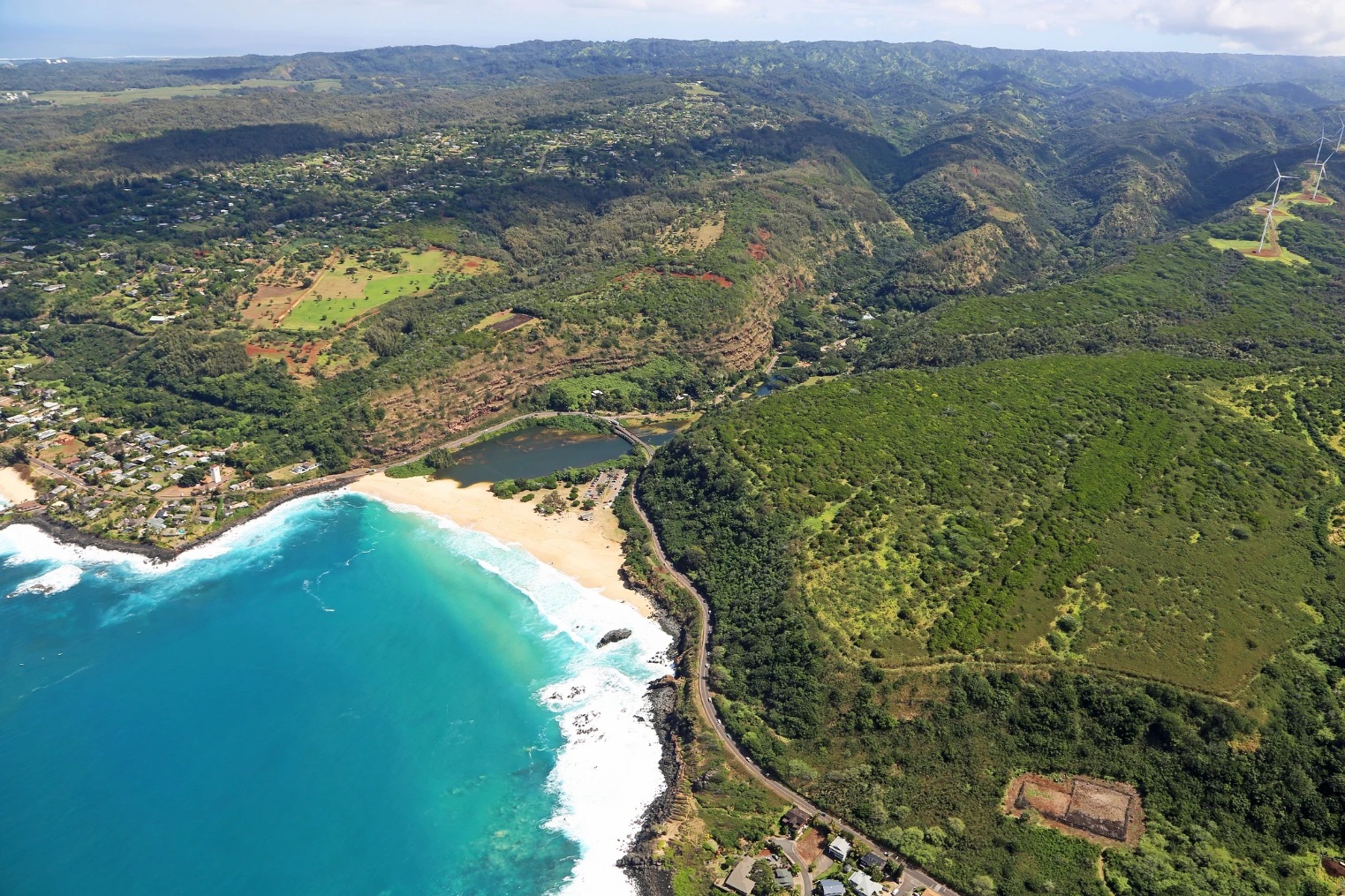
Slide into Waimea Bay’s main lot at the wrong time of day and you’ll quickly see why it’s legendary for filling up. The paved crescent of stalls hugs the hillside, so you can scan the parking layout in a single slow roll. Think of the whole place as a living capacity map, instantly updated by every arriving surf van and rental Jeep. Most spaces sit along the ocean side, with a narrow middle lane and a slightly quieter back row under trees. Smaller cars fit here most comfortably. From this lot, it’s an easy jump-off point to explore more of the North Shore Oahu beaches, food trucks, and quick scenic stops nearby.
| Area | Best for |
|---|---|
| Beachfront row | Fast beach access and easy gear drops |
| Middle lane | Quicker exit timing when crowds build |
| Back row | Shade and tailgates with cooler bags |
| Near rock | Watching cliff jumps plus golden sunset |
Parking Rules And Hours
Although Waimea Bay feels wild and untamed, the main parking lot runs on clear rules and tight hours that shape your day.
You enter a compact paved lot that opens around sunrise and closes at sunset, with gates locked soon after. If the main lot is full, plan ahead for Waimea Falls parking timing and overflow options nearby so you’re not circling in frustration.
Parking enforcement feels real here, so you shouldn’t gamble on stretching past the posted hours or inventing your own space.
Arrive with a plan, watch the signs, and expect lifeguards and security to call out anything sketchy.
- Obey all “No Parking” markings to avoid towing and stressed-out returns.
- Keep noise low in the morning, locals use this lot daily.
- Park fully inside the painted stall, not on curbs or sand.
- Leave no trash, crews close areas when litter builds.

Polynesian Cultural Center: Gateway Buffet Package
Located on O‘ahu’s North Shore, the Polynesian Cultural Center is a one-of-a-kind attraction showcasing the peop...

Honolulu: Pacific Star Sunset Dinner Cruise and Show
Indulge in the original Pacific Rim cuisine, where each dish serves as a gateway to the rich flavors of the region...

Toa Luau at Waimea Valley, Oahu
Toa Luau invites you to immerse yourself in the beauty and excitement of Polynesia on Oahu’s historic North Shore!...
Fees, Fines, And Payment
Even though the lot feels casual at first glance, Waimea Bay’s main parking works on firm rules about what you’ll pay and what it costs if you mess up. There’s usually no entrance fee, but you still need to watch posted signs near every stall. Some spaces use old coin meters, others rely on pay stations or mobile apps, and meter maintenance can be uneven, so double check screens and stickers before you walk off. If a meter looks broken, photograph it and still try to pay. Fines for expired time, blocking curbs, or ignoring overnight restrictions start around the cost of a decent lunch in Haleiwa and climb fast. You won’t find attendants, so keep small bills and coins handy in your car. If Waimea’s lot is full, some visitors pair their beach day with a drive toward the west side for Nanakuli Beach Park and other coastal stops, where parking comes with its own local rules and vibes.
Safe Roadside Parking Near Waimea Bay
When the small lot at Waimea Bay fills up by midmorning, drivers start eyeing the roadside shoulder, but you need to be picky about where you pull over.
Look for firm gravel, clear signage, and a wide shoulder that leaves every tire fully off the asphalt. Skip soft sand or grass that feels like beachside camping for your car.
Always face the same direction as traffic and keep at least a car door of space from the travel lane.
Before you grab your bag, scan for safe pedestrian access. Fast drivers and blind curves make some spots risky. If you’re planning to try the Waimea rock jump, be extra cautious about where you park and walk, since unsafe surf or crowded conditions can make both the jump and roadside access more dangerous.
Use this quick checklist:
- No wheels touching white line
- Avoid blocking driveways or mailboxes
- Leave room for emergency vehicles
- Take valuables with you, every time always
Nearby Parking Lots and Shuttle Options
Skip circling the tiny Waimea Bay lot and branch out to nearby parking areas that give you a smoother start to the day. Park at larger public lots near Haleiwa or along Pupukea, then ride a shuttle or walk the final stretch. Check posted Shuttle schedules early; they often run every 20 to 30 minutes, with higher frequency in midday. Most rides cost a few dollars each way, so keep small cash handy. Ask staff about Lot transfers if one area fills; they’ll sometimes redirect you to sister lots with open spaces. Pack only what you can carry comfortably, using a soft cooler and backpack. Skip hard suitcases, they’re awkward on shuttles and narrow roadside paths. If you’re parking in Haleiwa first, you can use your arrival or departure to explore nearby sights like shops, food trucks, and beach parks around town.
Waimea Bay Parking by Season and Day of Week
Parking at Waimea Bay doesn’t play by the same rules every day; it changes with the season, swell, and day of the week. Winter surf days pull the heaviest crowd patterns, and the lot often fills by 7:30 a.m. Summer feels calmer, but school holidays still tighten space by late morning. Weekdays usually give you a bit more breathing room than Saturdays and Sundays. From Waimea, you’re also a short drive from other top North Shore viewpoints where you can watch Oahu’s biggest winter swells.
- Arrive before 8 a.m. in winter, or aim for late afternoon resets.
- In summer, target overcast days; weather impacts how many locals hit the beach.
- Skip midday on three-day weekends; look to nearby paid lots instead.
- During small-swell weeks, you can risk a relaxed 9–10 a.m. arrival. Still circle patiently; spots often free up as beachgoers head to lunch nearby.
Still comparing Waimea Bay Parking And North Shore Access?
Ask for tour ideas, hotel suggestions, or a simple trip plan that combines both.
Trip Helper
Local Tips to Avoid Tickets, Towing, and Traffic Jams
Locals quietly treat Waimea Bay’s rules like surf conditions: ignore the signs and you’ll get worked. You should roll through early, before 8 am, and read every curb and tow-away marker. If the stall lines fade or the curb looks improvised, keep driving. Officers ticket hard during midday and on big-swell days. For other North Shore spots, learn from Kailua Beach parking where unmarked shoulders, grass, or sand can mean fast tickets and frustrated locals. Park only in marked stalls, never on the bridge, grass, or sand. You’ll see tempting shoulder gaps; many end with a $100 ticket or towing. Lock your car, hide valuables, and take photos of nearby signs.
Skip street vending near the lot entrance; vendors sometimes block traffic and attract enforcement. Fly cameras from the park side only and avoid drones over crowds, surfers, and lifeguard zones. Give shakas, not excuses, if warned.
Frequently Asked Questions
Is Overnight Parking Allowed at Waimea Bay or Nearby Lots for Camper Vans or RVS?
You can’t park overnight at Waimea Bay or nearby public lots; strict overnight restrictions apply. Instead, you should use campground alternatives, permitted beach parks, or private RV sites elsewhere on Oahu and drive in daily.
Are There EV Charging Stations Near Waimea Bay Parking Areas?
You’re hunting plugs like seashells, there aren’t EV stations right at Waimea Bay, but you’ll find Destination charging in Haleiwa, Turtle Bay Resort, and some North Shore hotels, so plan a detour and charge while exploring.
How Accessible Is Waimea Bay Parking for Wheelchair Users and Mobility-Impaired Visitors?
Parking’s moderately accessible: you’ll find handicap parking, paved paths with some slopes, basic wheelchair access, and seasonal beach mats, but soft sand and limited shaded seating mean you may still need assistance or mobility aids.
Is There Secure Parking or Recommended Options for Leaving Valuables in the Car?
Of course it’s totally secure, like leaving gold bars on a picnic table. You shouldn’t trust true security here; use a locked glovebox, keep hidden valuables out of sight, or better, don’t leave them at all.
Are There Public Restrooms or Showers Near the Parking Areas at Waimea Bay?
Yes, you’ll find public restrooms and outdoor rinse showers right at the main beach park by the lot. You just walk from parking toward the lifeguard tower; signage clearly marks restroom locations and shower spigots.
Conclusion
With a little planning, you turn Waimea Bay parking from headache into easy warm-up for the beach. Aim for before 8 a.m. or after 3 p.m., and keep a backup lot in mind. Studies show drivers waste about 17 hours a year hunting for parking; here, that can mean missing glassy morning surf. Travel light, skip sketchy shoulders, consider a shuttle, and save your energy for the water, not the asphalt at this busy bay.
Oahu: Grand Tour Around Island with Snorkeling
Come join on a circle island adventure led by some of Hawaii’s most knowledgeable local guides and experience breathtaking lookouts to capture mind-...
Oahu: Full or Half Day Grand Circle Island Tour
Choose from two exciting ways to experience Oahu's top attractions, scenic beauty, and local culture.Option 1: Dol...

Pearl Harbor Remembered Tour
Sightseeing in Hawaiʻi isn’t complete without a visit to the two symbolic “bookends” of the Pacific War, the...

Salute to Pearl Harbor Tour
Stand at ground zero of the infamous attack and gaze up at a sky once filled with enemy planes. This is the place wh...
Experiences to explore
 Explore experience ↗
Hidden Gems of Oahu Circle Island Tour with Byodo In Temple
◷ 9 hr
Join Go Tours Hawaii as we embark on an Unforgettable Oahu Circle Island tour adventure as we journey through Hawaii's wonders. Availab
See dates for Current pricing
View dates Explore experience ↗
Oahu Ultimate Circle Island: 30 Spots, 10 Epic Stops
◷ 6 hr–7 hr
Immerse Yourself in Excellence: Premium Small Group Tour - Up to 7 hours of exploration in a spacious vehicle, with FREE Waikiki Hotel
See dates for Current pricing
View dates Explore experience ↗
Private Secret Spots Tour on Oahu Hawaii
◷ 8 hr
This tour is similar to our 8 hour Custom, Private tour, except with this tour, we can stop at the secret spots that big bus tours can'
See dates for Current pricing
View dates