If you’re in Honolulu in early summer, Mango Jam is one of those quick-hit festivals you can actually tackle in an evening. You’ll find it around Honolulu Hale near Iolani Palace, with food stalls, live music, and a packed “Mango Alley” of sticky, sweet samples. Expect heat, crowds, and limited shade, so plan your timing, transport, and budget. The smartest way to enjoy it without standing in the longest lines starts with a few key choices.
Key Takeaways
- Mango Jam Honolulu is a free, two-day early-summer festival, typically held Friday evening and Saturday near peak mango season (June–August).
- The event usually takes place downtown around Honolulu Hale, near King and Beretania streets, a short walk from ʻIolani Palace.
- Friday runs late afternoon into evening; Saturday starts late morning and continues through sunset, with best crowds and variety during peak afternoon hours.
- Expect “Mango Alley” food vendors, mango-themed treats, local crafts, live music, and family-friendly activities, with most food items costing $5–$12.
- Parking is limited near the civic center; use municipal garages, Ala Moana Center plus TheBus, or rideshare, and arrive early to avoid long lines.

Semi Private Honolulu Historical Tour
This tour is one of the best way to learn the history of Polynesia, Hawaii, and the royal heritage of…

Honolulu Airport Custom Lei Greeting - Choose Your Lei (HNL)
- Fresh lei greeting upon arrival at the airport - Dedicated greeter for a stress-free arrival - Choose a special…

Historical Honolulu Bike Tour
Experience the past, present, and future with a 13.6-mile flat-terrain bicycle tour. Pedal past Gilligan's Island, Hawaii Five-0, and Magnum…

Arizona Memorial & Historic Honolulu City Tour from Waikiki Area
Take this tour to visit the USS Arizona Memorial and Visitor Center at Pearl Harbor. After you spent a morning…

Kō Hana Hawaiian Rum Distillery Tour and Tasting for One
Visit Oahu's first and only rum tasting room with an attached farm and distillery. Located in historic Kunia, the renovated…

Pearl Harbor, National Memorial Cemetery and Honolulu City Tour
Enjoy the absolute best of Pearl Harbor and Honolulu on this combo tour experience. At the Visitor Center, browse harbor…
Mango Jam Honolulu Dates and Hours
Most years, Mango Jam Honolulu lands in early summer, usually over a Friday and Saturday, so you’ll want to check the city’s official events calendar before you book flights. For a bigger-picture look at island happenings, it’s worth comparing dates with the Oahu Events Calendar so you can plan around other major festivals during your trip.
For this year, expect a two day run, with music and food kicking off around late afternoon on Friday and stretching into the evening. Saturday usually starts before lunch and rolls through sunset, the peak window for tastings and chef demos built around inventive mango recipes.
You’ll want to arrive near opening, when lines stay short and vendors still have their signature items. Block out time for vendor interviews if you’re a content creator or serious foodie, since many chefs pack up by dusk and crowds thicken later.
Check social feeds for last minute schedule tweaks.
Mango Jam Honolulu Location, Parking, and Admission
Across from Honolulu’s stately civic buildings and a short stroll from Iolani Palace, Mango Jam Honolulu usually unfolds in the heart of downtown, so you can pair tastings with quick sightseeing. You’ll find the festival clustered around Honolulu Hale and nearby streets, easy to reach by bus or rideshare. Since you’re already downtown, it’s easy to explore nearby Honolulu neighborhoods and major sights before or after the festival. Parking’s tight. Aim for municipal garages on Beretania or King, or park at Ala Moana Center and bus in. Admission is typically free, thanks to city support and vendor partnerships, though you’ll still pay for food, crafts, and drinks. Check official ticketing options if organizers add VIP seating or tasting packages.
- Arrive early for closer parking.
- Carry cash; readers sometimes fail.
- Take TheBus from Waikiki downtown.
- Pack water, hat, and sunscreen.
Top Highlights at Mango Jam Honolulu This Year
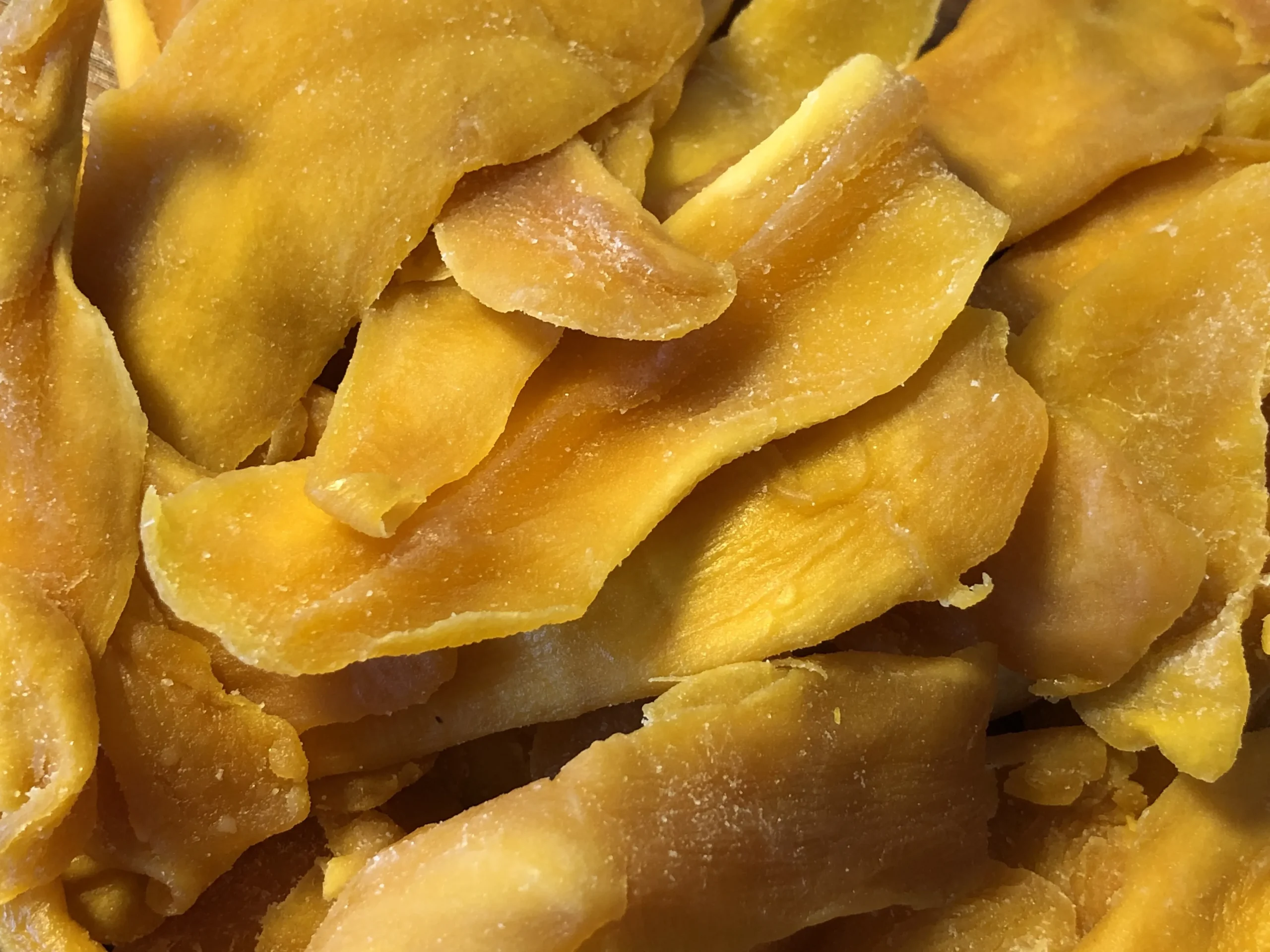
This year, Mango Jam Honolulu leans into its name with a central “Mango Alley” where you can sample everything from fresh mango slices and chili-lime dusted spears to creamy shave ice and tart sorbets, usually priced around $5–$12 a serving. Beyond the food, you’ll find two main draws. First, the live music stage runs from late afternoon into the evening, with local bands that keep the lawn crowded, so bring a light blanket and arrive early for a spot. Second, Mango themed workshops introduce you to home growers, carvers, and crafters; many are free, though some ask a small supply fee. Between sets, browse Pop up vendors selling artsy prints, handmade soaps, and mango-inspired jewelry you’ll actually wear later. Most booths take cards too. If you’re exploring more of Oahu while you’re in town, Mango Jam pairs perfectly with a relaxed day checking out the North Shore Oahu beaches, food trucks, and quick scenic stops.
Best Mango Foods, Drinks, and Desserts
Often the smartest way to tackle Mango Jam Honolulu is to treat it like a mini food crawl and pace yourself. Start early evening, when the sun softens and lines shrink a bit. If you’re planning a full North Shore day, you can pair the festival with a relaxed stop at Haleiwa Beach and its nearby town eateries before heading into town.
Treat Mango Jam like a relaxed evening food crawl, wander slowly, snack often, savor every stop
- Kick off with icy Mango smoothies. Vendors usually charge $7 to $10, cash or card, for generous cups that keep you cool while you scout the stalls.
- Try grilled shrimp or fish tacos piled with bright Tropical salsas. They sell out fastest, so hit these before 8 pm.
- Leave room for mango butter mochi and malasadas dusted with liliko‘i sugar. Share a box.
- Finish with small-batch mango shave ice. Bring wet wipes, skip anything prepackaged, and follow the longest lines. Most nights, you’ll spend about $25 total.
Mango Jam Honolulu Music and Cultural Performances
By the time you’ve licked the last bit of mango shave ice from your spoon, the real heartbeat of Mango Jam Honolulu starts up from the main stage. You feel the Island rhythms first: slack key guitar, soaring Hawaiian vocals, maybe a reggae twist. Most sets run 30 to 45 minutes, so you can dip in, wander for food, then circle back. Arrive by late afternoon if you want a spot near the stage without elbowing through crowds. Bring a light jacket; trade winds can get cool after sunset. Between headliners, you can join Cultural workshops that teach basic hula steps or lei making. For more in-depth cultural immersion beyond the festival, consider a visit to the Polynesian Cultural Center to explore village experiences, shows, and hands-on activities. Skip bulky chairs; a pareo or compact mat fits better in tight viewing areas. Keep your camera ready for surprises.

East Oahu Shoreline Self-Guided Audio Tour
Oahu's eastern shoreline is dotted with pristine beaches, volcanic craters and scenic hikes. On Shaka Guide's East Oahu Shoreline Drive,…

Oahu Grand Circle Island Audio Driving Tour
Shaka Guide's Circle Island Tour takes you on a journey around Oahu stopping at famous surf spots, the island's famed…

Self-Guided Audio Driving Tour in Oahu Hawaii
Don't miss a thing as GuideAlong self-guided audio tour takes you on an incredible journey through Oahu's tropical scenery, turquoise…

Unique Zombie Survival Scavenger Hunt in Honolulu, HI
This experience is unique for its unmatched flexibility and strong emphasis on group interaction. It’s not bound to a fixed…

Private Transfer from Honolulu / Waikiki hotels to Honolulu Port
Book your Private Transfer from Honolulu / Waikiki city hotels or addres to Honolulu Cruise Port. Don't go through all…

Koʻolau Distillery Whiskey Tour in Kailua, Hawai'i
WE ARE OAHUʻS FIRST AND ONLY WHISKEY DISTILLERY. The tour is an exploration of an artisan craft distillery that utilizes…
Keiki Activities, Accessibility, and On-Site Amenities
You’ll find Mango Jam Honolulu easy to enjoy with kids, since the festival usually sets up a keiki zone packed with simple crafts, games, and low-key entertainment that won’t overwhelm younger ones. Paths around the grounds tend to be stroller friendly, with accessible restrooms, shady seating, and water stations that make longer stays manageable. Plan ahead for sun and crowds by bringing hats, a refillable bottle, and a bit of cash, so you’re not stuck in the longest lines for snacks or ATMs. If you’re combining the festival with nearby exploring, quiet neighborhoods like Makiki & Punchbowl or Ala Moana offer calmer stays and easy bus connections into downtown.
Family-Friendly Keiki Activities
Families gravitate to Mango Jam Honolulu because it feels built with keiki in mind, not as an afterthought. You’ll find relaxed, low-cost fun that keeps kids busy between music sets and food runs.
- Try the mango themed crafts where keiki paint, glue, and glitter their way through postcards and tiny wooden surfboards. Plan ten to twenty minutes per project.
- Drop into storytime sessions under the shade tents. Local readers share island folktales, and kids can sprawl on mats with shave ice.
- Join simple hula or rhythm workshops that welcome shy first-timers and tired parents alike.
- Let kids burn energy in supervised game zones with hoops, chalk, and relay races, then regroup for evening headliners together near the main performance lawn. Families who fall in love with island culture at Mango Jam often continue the experience with guided cultural and botanical walking tours through Waimea Valley’s lush landscapes.
Accessibility and Visitor Amenities
Often overlooked in the excitement over bands and food tents, the practical side of Mango Jam Honolulu actually helps your day run smoothly, especially if you’re juggling keiki, strollers, and beach bags.
You’ll find wheelchair ramps along the main festival routes, plus wide walkways that make it easier to navigate crowds.
Portable restrooms sit near food vendors and keiki zones, though lines grow long after sunset, so plan earlier breaks.
Limited shaded seating fills quickly; bring a light foldable chair or pareo.
Water refill stations cut drink costs, so carry a reusable bottle.
If you or your child feels overwhelmed, ask staff to direct you to quieter corners or temporary sensory rooms sometimes set up for large city events.
Check posted maps for accessibility.
For broader planning in Honolulu, the National Park Service’s focus on accessibility information at nearby sites like Pearl Harbor National Memorial can offer useful examples of how local attractions support visitors with mobility or sensory needs.
Local Tips to Plan Your Mango Jam Honolulu Visit
You’ll enjoy Mango Jam Honolulu most if you time your visit for cooler evenings, lighter crowds, and the best live sets. Locals suggest arriving early, scoping out nearby parking garages along King and Beretania, or using TheBus or a rideshare so you’re not circling for a spot. They’ll also tell you to bring cash for food booths, wear breathable clothes for the sticky heat, and skip bulky bags that slow you down in the crowd. If your trip dates are flexible, planning Mango Jam during Honolulu’s shoulder season months like April, May, September, or October can make the rest of your visit feel much less crowded while still enjoying great weather.
Best Time To Go
Although Mango Jam Honolulu feels relaxed, timing your visit makes a big difference to how much you enjoy it. You’ll feel that first with mango seasonality. Peak flavor usually runs June through August, when stalls brim with fragrant local varieties and tasting plates sell out fast. Because Mango Jam Honolulu falls right in Honolulu’s summer stretch, expect warm days and make the most of cooler mornings and evenings when trade winds keep things more comfortable.
- Go early: Locals know the best mornings are Saturday and Sunday before 10 a.m., when lines stay shorter and vendors still have their top treats.
- Aim for late afternoon: From about 3 p.m., heat eases, music picks up, and photos glow in softer light.
- Watch the weather: Check showers and trade winds; light rain cools things, heavy downpours thin crowds.
- Study crowd patterns: Head for cooking demos during headline concerts to dodge the densest clusters of the day.
Parking And Transit Tips
Before the scent of ripe mango hits you, the first thing you’ll notice is parking and traffic around Honolulu’s civic center.
Arrive before 4 pm if you want a stall in nearby municipal lots, which usually run $1 to $2 per hour.
Bring cash for older meters and for street vendors clustered along King and Punchbowl.
Expect road closures, so check TheBus routes and consider walking the last few blocks.
If you use Uber or Lyft, follow basic ride sharing etiquette: confirm the plate, keep your group ready, and tip for short hops.
Skip circling civic center garages at peak hours; instead, park at Ala Moana and grab a quick bus or shared ride in.
Traffic eases after 8 pm, but parking remains scarce.
If you’re planning to explore nearby parks before or after the festival, note that staffed city parks on O‘ahu have dedicated recreation staff and posted hours on individual park websites.
What Locals Recommend
Once you’ve sorted out where to park or hop off the bus, locals say the real strategy starts long before you taste your first mango sample. Arrive within the first hour, before the sun turns harsh and the coolers run low. If you’re building a bigger Oahu itinerary, Mango Jam pairs well with other Oahu highlights so you can make a full day of local-style exploring.

2-Hour Moped Rental to Discover Honolulu Most Scenic Places
One of the best ways to get around Oahu is a moped rental. Rent one for the day and experience…

The Lake Effect by Rajiv Joseph
Join us at one of Honolulu's finest community theatres providing cutting edge, award winning productions not seen in other theatres…

Ghosts of Old Honolulu Walking Tour
Voted #1 Ghost Tour THREE years straight, 2023–2025, in USA Today’s 10Best Readers’ Choice Awards! Is Hawaii haunted? You bet!…

Honolulu Night Marchers Ghost Tour
Undisputed #1 Ghost Tour, 2023-2025, as chosen by USA Today’s 10Best Readers’ Choice Awards! Take a tour with Lopaka Kapanui,…

Bishop Museum General Admission Ticket
The number one rated museum attraction in Hawaii by Tripadvisor, every vacation to Oahu should begin with a visit to…

Makapu’u Lighthouse Trail and Shuttle Service
Choose Kaimana Tours for a truly personalized and hassle-free Oahu experience. Unlike other providers, we combine convenient round-trip shuttle service…
- Head straight for the cooking demos to grab new Mango recipes and free tasting bites. Take photos of ingredient boards so you can cook them at home.
- Linger at the produce tents and ask for Farmers stories. You’ll hear which trees survived storms and which varieties sell out first.
- Bring cash, a small insulated bag, and wet wipes for sticky hands.
- Skip the longest shave ice lines and hunt for smaller, family booths. Crowds thin slightly near closing time.
Frequently Asked Questions
Is Mango Jam Honolulu a Rain-Or-Shine Event, and What’s the Bad-Weather Policy?
Yes, you should plan for a mostly rain-or-shine festival, but organizers keep a rain contingency plan for severe weather. You won’t usually get refunds; review the official refund policy page before purchasing any tickets online.
How Can Local Vendors or Artisans Apply for a Booth at Mango Jam Honolulu?
You apply online through the city’s Mango Jam Honolulu webpage; doesn’t finding your way through Vendor Applications feel like joining festival early? You’ll complete contact and product details, upload permits or insurance, pay Booth Fees organizers confirm acceptance.
Are Pets Allowed at Mango Jam Honolulu, and Are There Any Specific Pet Rules?
Pets generally aren’t allowed at Mango Jam Honolulu, but service animals are welcome. If policies permit pets in future, you’d follow strict leash etiquette, keep them hydrated, pick up waste, and avoid crowded performance areas.
What Is the History and Cultural Significance Behind Mango Jam Honolulu’s Creation?
Marvelous mango memories motivated Honolulu to honor its harvest; you celebrate Polynesian roots, Plantation influence, and local livelihoods, connecting cultures, supporting small farmers, showcasing island artistry, and savoring abundance through music, meals, and community gatherings.
Does Mango Jam Honolulu Offer Volunteer Opportunities, and How Do I Sign Up?
Yes, you can volunteer at Mango Jam Honolulu. You visit the event’s website, find the volunteer coordination page, review roles focused on community outreach, then submit the form and confirm details with coordinator through email.
Conclusion
As you leave Mango Jam Honolulu, sticky with juice and a bit sun-tired, you’ll think you’ve tasted every way a mango can shine. Yet the festival lingers in your mind: the smoky grill scent, slack-key guitar at sunset, kids racing between shaded tents. Next summer, you could just scroll past the dates. Or you could show up early, cash in your pocket, ready for one more bite of something surprising that you’ll chase all year.

Honolulu Downtown Walking Tour
Welcome to Hawaii’s ONLY free tour created by and operated by locals! On this guided walking tour, you will learn…

Downtown Honolulu Food Tour with 5 Local Favorites Tastings
Dive into the enchanting blend of cultures and flavors that define Honolulu's iconic Waikiki neighborhood. Nestled against the backdrop of…

Pearl Harbor Tribute: Arizona Memorial and Honolulu City Tour
This is an executive class Pearl Harbor Tour, which has been double discounted. We have discounted this tour to the…
Pearl Harbor, National Memorial Cemetery and Honolulu City Tour
Enjoy the absolute best of Pearl Harbor and Honolulu on this combo tour experience. At the Visitor Center, browse harbor…

Downtown Honolulu Self-Guided Walking Tour
Step back in time and explore the charm of Historic Downtown Honolulu with our engaging audio tour! Discover the fascinating…

Arizona Memorial Pearl Harbor & Honolulu City Tour from Waikiki
Take this tour to visit the USS Arizona Memorial and Visitor Center at Pearl Harbor. After you spent a morning…