If you time it right, Foster Botanical Garden feels like a secret pocket of old Honolulu. You’ll walk under towering palms, pass a massive baobab, then duck into shady paths that most tour groups skip. Light matters here, so your choice of season and hour changes everything, from orchid colors to crowd levels. Sort out when to go, how long to stay, and what’s actually worth hunting for among the lawns and lava rock.
Key Takeaways
- Visit in winter or spring for the most dramatic foliage and flowering trees; summer offers the lushest, most “jungle-like” canopy.
- Aim for early morning before 10 a.m. or late afternoon for cooler temperatures, softer light, and fewer crowds in the garden and Orchid House.
- Start at the Nuuanu Avenue gate for maps and an easy full loop through the Palm Garden, Main Terrace, and Prehistoric Garden in 45–60 minutes.
- Don’t miss the Orchid House, giant baobab, Palm Garden canopy, Prehistoric cycad beds, and quiet side paths with mossy benches and grotto-like corners.
- Paths are mostly flat and paved; wear comfortable shoes, bring water, sun protection, and insect repellent, and check the website for hours and parking.
Weather, Seasons, and Bloom Highlights at Foster Botanical Garden
Although Honolulu’s weather feels reliably balmy year-round, Foster Botanical Garden shifts with the seasons in ways you’ll notice as soon as you walk in.
Step inside and you’ll feel subtle shifts in light, color, and lush, breathing green.
In the wetter months, the rainy season deepens the greens and wakes up orchids, gingers, and towering palms, but paths can turn slick, so you’ll want sturdy sandals and a light rain jacket.
Humidity levels rise, yet the tall trees and steady trade winds keep visitor comfort surprisingly high.
You’ll smell damp soil, hear fat raindrops on giant leaves, then step into bright, steamy pockets where cannonball tree blossoms and jade vines hang low for photos.
During drier periods, flowers thin slightly, but you’ll spot more butterflies, easier picnics, and fewer puddles stalking your ankles.
To make the most of these seasonal shifts, check the garden’s docent-led tours schedule, since these guided walks can highlight which blooms and trees are at their best during your visit.
Best Time of Day and Year to Visit Foster Botanical Garden
Early mornings usually give you the best version of Foster Botanical Garden, with soft light on the big canopy trees and cooler air that hasn’t turned sticky yet.
You’ll share the paths mostly with birds, gardeners, and a few photographers, so it feels calm and unhurried.
Colors look richer, and it’s easier to spot orchids, gingers, and tree labels without glare.
Late afternoons work nearly as well, especially if you like warm, slanting light for photos.
Trade winds often pick up, so the heat eases and the palms rustle overhead.
In winter and spring you’ll see more dramatic foliage and flowering trees, while summer feels lush and jungly.
Skip the midday peak, when sun and tour groups both feel harsher on your jet-lagged brain.
You can also time your visit to coincide with classes and workshops offered through the Honolulu Botanical Gardens program for a deeper, guided experience of the collection.
Tickets, Hours, and How Long to Spend
When you’re figuring out tickets and timing for Foster Botanical Garden, think of it as a half‑day anchor in your Honolulu plans. Admission is cheap, so you can drop in without wrecking your budget, but bring small bills or a card. You might also want to plan extra time if you’re pairing your visit with nearby sites like ʻIolani Palace, the only official royal residence in the United States.
You’ll usually spend 1.5 to 3 hours strolling, longer if you join guided tours or linger in the quiet picnic areas. Mornings feel cooler and less crowded, which keeps photos and bird song blissfully calm.
Check the official site for current hours and holiday closures before you go. Parking info matters here, since the small lot fills fast; leave a little buffer.
Paths offer decent accessibility features, though you’ll want comfy shoes, water, and sun protection. Skip big bags; lockers aren’t available.
Map, Entrances, and Easy Walking Routes
You’ll start by choosing your entrance, since the main Nuuanu Avenue gate feels more formal while the smaller side gates can be quieter and quicker. Grab the garden map at the kiosk so you can spot key highlights like the palm collection, orchid greenhouse, and giant baobab without zigzagging back and forth. With the map in hand, you can follow one of the easy loop walks that link shaded paths, benches, and restrooms, which keeps the visit relaxed even in midday heat. If you’re exploring multiple Honolulu gardens in one trip, it’s worth checking the hours and programs at nearby Ho‘omaluhia Botanical Garden, which offers free admission, a catch‑and‑release fishing program, and peaceful lakeside trails.
Main Entrances Overview
Although Foster Botanical Garden feels like a green pocket of calm, its entrances and paths work more like a small city park than a wilderness trail, which makes arrival simple if you know where to go. You’ll usually enter through the main Nuuanu Avenue gate, where the historic gates frame a parking lot and the ticket kiosk. Staff share a paper map and tips on shade, steps, and current closures. A side entrance off Vineyard Boulevard suits pedestrians and bus riders, with clear signs and level paths. Inside, broad paved walkways loop past benches, water fountains, and visitor amenities. Most routes take 45 to 60 minutes at a relaxed pace, so bring water, snacks, and sun protection. Skip hiking gear and big bags here. If you also plan to explore the island beyond downtown, Ho’omaluhia Botanical Garden offers its own scenic drives and trails that contrast nicely with Foster’s compact, walkable layout.
Map Highlights Explained
Think of the garden map as your cheat sheet to moving smoothly from gate to gate without backtracking in the heat. Grab it at the main entrance kiosk or download a photo to your phone before you step in. Like the layout in Waimea Valley, it’s designed so you can move naturally between key highlights without retracing your steps.
The map outlines the garden’s historical layout, so you can trace older sections near the big banyan first, then drift toward newer collections. Entrances, restrooms, and shaded benches show clearly, which helps in midday sun.
You’ll also see icons for rare trees protected through long term conservation partnerships. Use these symbols to decide where to linger, especially if you’re short on time.
Paths look gentle on paper, yet bring water, a hat, and comfy sandals for uneven spots. Skip heels and bags to stay relaxed.
Easy Loop Walks
Often the easiest way to explore Foster is to treat it like a relaxed loop instead of a point‑to‑point march.
Start at the main Nuuanu Avenue entrance, grab a paper map, then follow the shaded looppaths that circle through the Palm Garden and Prehistoric Glen.
You walk mostly flat ground, so regular sandals or sneakers work.
Plan 45 to 60 minutes if you stop at guided benches and read plant signs.
For a shorter 25 minute circuit, enter from Vineyard Boulevard and loop only the Economic and Butterfly gardens.
Skip side spurs that drop toward the freeway noise.
Morning visits feel cooler, with softer light for photos.
Bring water, insect repellent, and three to five dollars for admission.
Most visitors find one loop enough.
Among Oahu’s botanical gardens, Foster offers one of the easiest in‑city loop strolls, making it especially convenient if you’re staying in Honolulu.
Must-See Trees, Palms, and Prehistoric Cycads
Two things will grab you first in Foster Botanical Garden’s living museum: the sheer height of its trees and the sense that some of them belong in another era.
Walk toward the Main Terrace to stand beneath towering palms that rustle even on still days. You’ll feel small, in a good way.
Next, follow signs for the prehistoric garden, where ancient cycads rise from lava rock beds.
These slow growing “living fossils” predate dinosaurs and look part sculpture, part creature.
Give yourself 20 minutes here to read the labels and compare fronds.
Seek out the massive baobab and the exceptional mortarless kapok tree roots near the lawn.
Arrive before 10 a.m. for cooler air, softer light, and lighter crowds.
Bring water and sun protection.
If you’re pairing this visit with ocean life in Honolulu, the nearby Waikīkī Aquarium on Kalākaua Avenue offers conservation-focused exhibits and daily visiting hours from morning through late afternoon.
Orchid House, Hidden Corners, and Photo-Friendly Spots
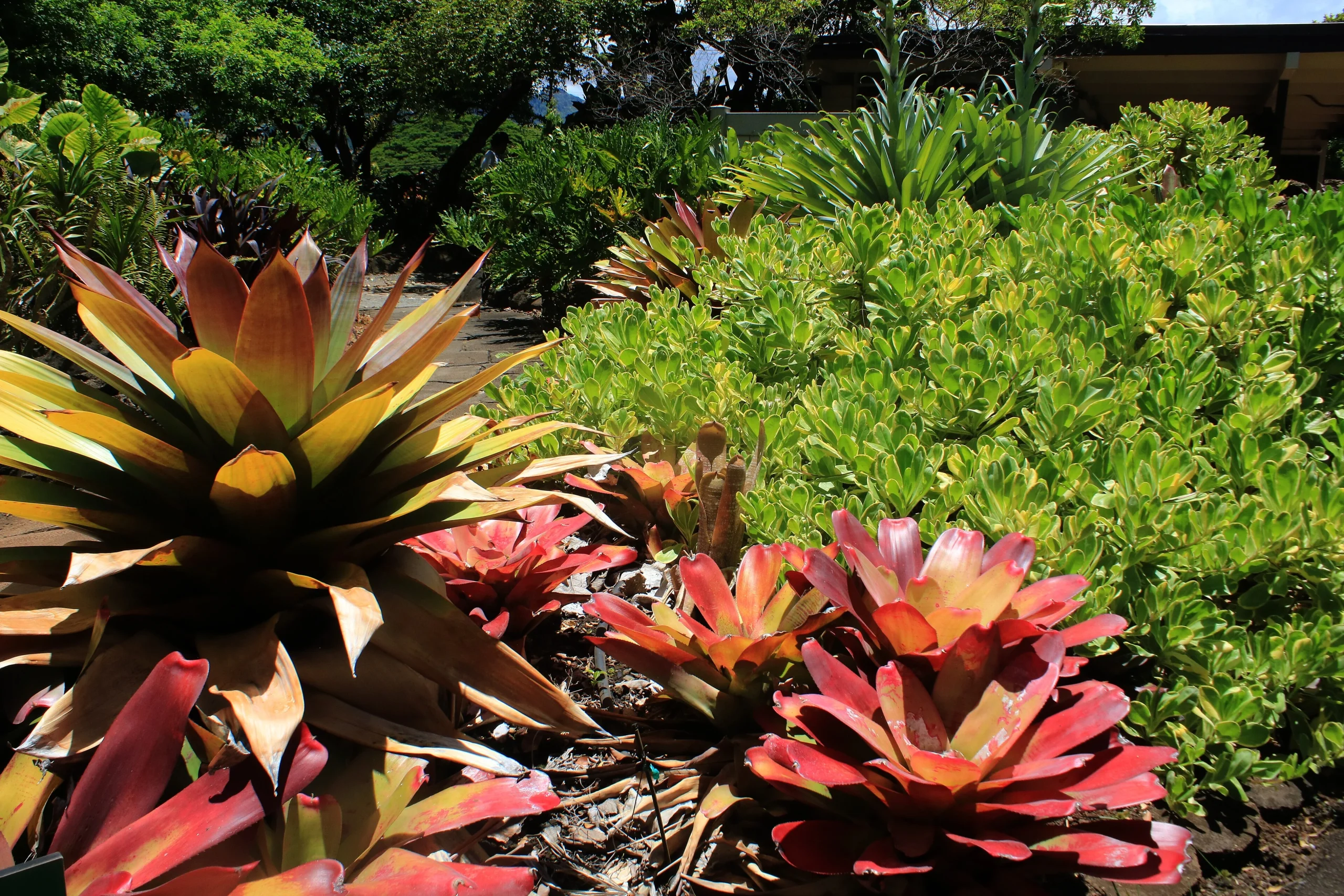
You’ll want to slow down for the Orchid House, where the air feels warm and heavy and rare blooms hang at eye level for easy photos. From there, slip into the quieter side paths near the fern and ginger beds, where benches, stone walls, and overgrown corners create natural frames for your shots. Visit early morning or late afternoon for softer light, bring a zoom lens if you have one, and skip bulky tripods since paths can be narrow. If botanical photography inspires you, pair your visit with a trip to the nearby Honolulu Museum of Art to explore nature-themed works and tranquil courtyard spaces.
Exploring The Orchid House
Step through the glass doors of the Orchid House and the garden suddenly feels more intimate, almost like a quiet backstage pass to Hawaii’s floral stars. You move from bench to bench, eye level with rare blooms and tidy labels that hint at global Orchid conservation work. Early morning, between 9 and 10, gives you softer light and fewer school groups. Pause at displays that explain Pollinator interactions; they make the bizarre flower shapes make sense. If the Orchid House inspires you to see more curated plant spaces on Oʻahu, the tranquil Byodo-In Temple gardens at the foot of the Koʻolau Mountains offer another peaceful stop. Humidity here can surprise you, so bring water and wipeable lenses, not heavy jackets. Tripods aren’t allowed, so steady your shots against railings. Admission is covered by the main garden ticket, so linger, compare fragrances, and skip racing through just for quick photos, or you’ll miss patient details.
Hidden Corners For Photos
After lingering among the labeled benches in the Orchid House, start hunting for the quiet angles that most visitors miss.
Step outside and turn left to find shady paths, secret grottoes, and mossy benches that frame soft, filtered light. Early morning or late afternoon gives you cooler air and fewer people in the background. For more mellow, camera-friendly scenery beyond town, consider the Ho’omaluhia Botanical Garden trails for serene strolls among towering trees and reflective water.
- Slip toward the lower lawn to spot driftwood arches that work like natural picture frames. Crouch low, and let the canopy fill your shot.
- Wander past the palm collection to tiny lantern alcoves near the path. They glow at golden hour.
- Circle back along the perimeter trail for close ups of roots and leaves. Skip bulky tripods, and bring a lens cloth instead for mist and glare.
Frequently Asked Questions
Is Foster Botanical Garden Wheelchair and Stroller Accessible Throughout the Grounds?
Yes, you’ll find most of Foster Botanical Garden accessible, with paved paths and marked wheelchair routes, though a few steep or uneven areas exist. You won’t find stroller rentals, so bring your own if needed.
Are Guided Tours Available, and Do I Need to Reserve in Advance?
Yes you can join guided tours; right off the bat, know most are docent led and limited, so you’ll usually need advance reservations, especially for private bookings, though walk-up spots might appear on quieter days.
Can I Bring Food, Have a Picnic, or Is There a Café Onsite?
You can bring small packable snacks and enjoy them at a shaded picnicspot, but the garden doesn’t allow full picnic setups or grills. There’s no café onsite, so consider boxed lunches or guided foodvendors instead.
Is the Garden Suitable for Young Children, and Are There Family-Friendly Activities?
Yes, you’ll find it great for young kids; you can explore safely, join an interactive scavenger hunt, enjoy open lawns, spot wildlife, and relax while children play at the shaded playground and attend occasional programs.
What Rules Apply for Drones, Tripods, and Commercial Photography Inside the Garden?
You might think any scenic garden welcomes gadgets, but here you face strict drone restrictions, banning flights, must get photography permits for commercial shoots, and should register tripods or light stands with staff before setup.
Conclusion
You leave Foster Botanical Garden with memory cards full and shoulders loose. Visit in early morning, pay the small entry fee in cash or card, and skip the midday bus tours and heat. Pack water, a sunhat, and a light rain jacket. Linger under the baobab as light filters like stained glass through leaves. If you hate planning, a vetted Viator tour with hotel pickup and free cancellation keeps logistics painless for you and timing.