Like a navigator following stars across a dark Pacific, you can trace Oʻahu’s timeline from taro terraces and fishponds to ʻIolani Palace and Pearl Harbor. Start early to beat Waikīkī crowds, pack water, a hat, and reef-safe sunscreen, and budget $15 to $30 for key sites plus parking. Skip the midday selfie crush at the most famous lookouts. If tickets are tight, a Viator tour can lock timing with hotel pickup and free cancellation. Next, you’ll see where power shifted.
Key Takeaways
- Oʻahu formed from the Waiʻanae and Koʻolau volcanoes; uplifted cliffs and ongoing coastal erosion still reshape the island.
- Polynesians arrived using star-compass wayfinding and settled sheltered bays and stream mouths, building fishponds and kalo terraces within ahupuaʻa.
- Aliʻi chiefs organized land and water rights; heiau and kapu regulated ritual life, access, and behavior across valleys, ridges, and shorelines.
- Western contact brought trade, epidemics, and missionary schools; Honolulu rose as the Hawaiian Kingdom’s capital and harbor-centered economic hub.
- The 1890s overthrow led toward U.S. annexation and later statehood; sites like ʻIolani Palace anchor ongoing history and cultural revitalization.

Oahu Beachfront ATV Adventure and Farm Tour
Aloha, welina mai, ‘ano ‘ai. Greetings, and welcome, from Hawai’i! Located on the famous North Shore beachfront of O’ahu, North Shore Stables...

Waikiki: 2 hours - Friday Night Fireworks Catamaran Cruise
Enjoy the spectacular FRIDAY NIGHT FIREWORKS show along the beautiful coastline of Waikiki while we get up close and...

Oahu's North Shore: 8-Line Zipline Adventure
Experience the ultimate Oahu zipline adventure on this 3-hour guided tour across the island’s famous North Shore...

Waikiki Glass Bottom Boat Cruise
Experience the beauty of Oʻahu South Shore as we sail toward Lēʻahi (Diamond Head) aboard the spacious Haleiwa Qu...
Oʻahu’s Formation, Climate, and Early Ecosystems
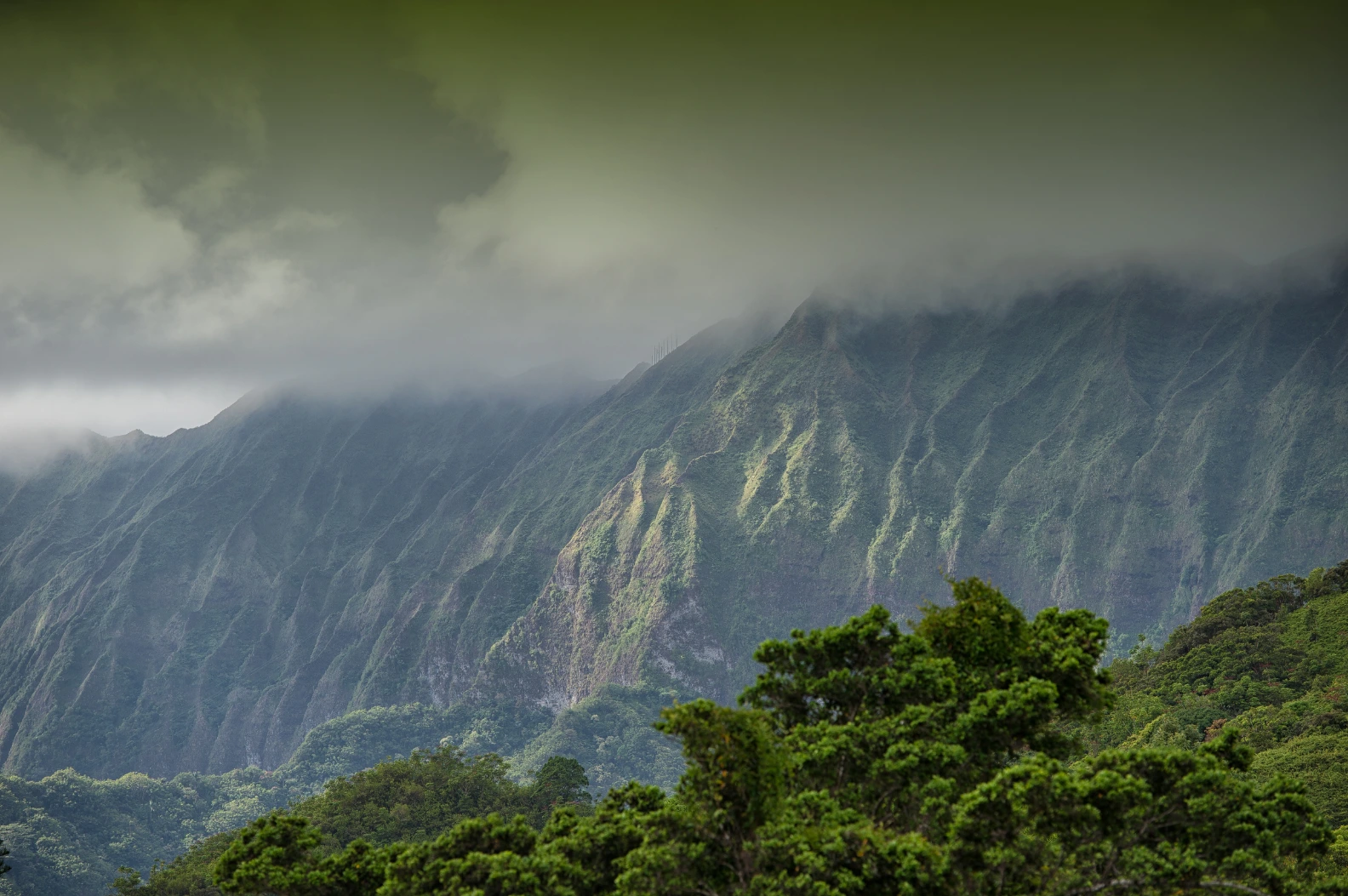
Although Oʻahu looks like a simple ring of beaches from the plane, you’re really landing on the worn-down peaks of two volcanoes, Waiʻanae to the west and Koʻolau to the east, stitched together by older lava flows and time. You’ll see volcanic uplift in the cliffs above Makapuʻu, while coastal erosion nibbles the North Shore into new coves each winter. Trade winds keep days mild, so pack a light rain jacket for quick squalls and reef-safe sunscreen for bright breaks. Hike early, before 9 a.m., to dodge heat and tour-bus clusters, and bring 1 liter of water per hour. Skip flip-flops on muddy ridgelines. In wetter valleys, you’ll notice ʻōhiʻa and ferny green, in drier leeward zones, tough grasses and kiawe shade at noon. If you’re arriving at Honolulu’s airport, you can start experiencing this landscape and culture immediately by picking up traditional flower garlands from leis at Honolulu Airport before you even leave HNL.
First Polynesians on Oʻahu: Wayfinding and Settlement
Picture yourself on a wind-cooled shoreline as you trace how the first Polynesians reached Oʻahu, reading stars, swells, and seabirds like a living map, no GPS and no second chances.
Next you’ll follow their early settlement patterns, from sheltered bays to stream-fed valleys, so bring water, reef-safe sunscreen, and a hat, and skip heavy midday hikes when crowds and heat spike.
If you want tight timing and easy transport, a Viator tour with verified reviews, hotel pickup, free cancellation, and reserve now pay later can help you hit key sites without wasting hours parking (your wallet will still notice, though).
Polynesian Wayfinding Techniques
Step back a thousand years or so, and you’ll see Oʻahu first through the eyes of Polynesian wayfinders reading the ocean like a map. You track a star compass at dusk, then confirm direction with swells, seabirds, and cloud reading over unseen land. Practice today on a sunset canoe ride, about 2 hours, $90–$160, and book early because seats fill fast. Bring a light rain jacket, reef-safe sunscreen, and a dry bag. Skip big cameras unless they’re waterproof. From offshore, those same stars and swells would have guided early voyagers toward the lush windward side, including Kāneʻohe Bay and its sheltered reef-protected waters.
| What you watch | What you feel |
|---|---|
| Stars rising | Confidence in the dark |
| Swell patterns | Steady courage under you |
| Cloud lines | Hope of islands ahead |
If you’re on shore, arrive 20 minutes early, stand away from streetlights, and let your eyes adjust. It’s quietly thrilling tonight, too.
Early Oʻahu Settlement Patterns
Footprints show up first along Oʻahu’s easiest edges: sheltered bays, stream mouths, and wide valleys where you can land a canoe, find fresh water, and start planting fast.
You can still read this map today, from fishpond flats to taro terraces. Inland ridges like Tantalus on Oʻahu later became key vantage points to understand how these early coastal and valley settlements fit together across the island.
Coastal kānaka stayed close to reefs and canoe landings, then pushed mauka as families grew and irrigation got smarter.
- Sunrise walk in Waimea Valley, $25, cooler crowds, bring bug spray.
- Peek at Heʻeia fishpond from the shore, free, pack water, skip midday heat.
- Drive up Nuʻuanu Pali lookout, $7 parking, windbreaker required.
- Join a verified Viator half day cultural tour with hotel pickup, free cancellation, reserve now pay later.
Each stop hints at the early shift toward inland settlement.

Honolulu: Pacific Star Sunset Dinner Cruise and Show
Indulge in the original Pacific Rim cuisine, where each dish serves as a gateway to the rich flavors of the region...

Oahu: North Shore Shark Cage Diving
Discover the open-ocean world of sharks on this unforgettable Oahu shark cage diving tour. More than just an adventu...

Waikiki 2-Hour Sunset Sailing Catamaran – Swim & Sail Adventure
There’s no better place to take a dip than the crystal-clear waters of Waikiki—and no better way to experience a...
Ahupuaʻa on Oʻahu: Land Division and Everyday Life
On Oʻahu, the mountain-to-sea ahupuaʻa system shaped everything you’d notice in a day, from where taro patches sat in cool valley shade to where fishing canoes launched at dawn.
Follow a stream uphill at 8 a.m. in Mānoa and you’ll see kalo terraces, then breadfruit and kukui higher up.
By noon, walk to the shore and imagine nets drying while families trade salt for poi.
Those traditional boundaries weren’t lines on a map, they linked water rights, paths, and gathering spots.
Today, places like Makaha Valley show how these ahupuaʻa once wove together daily life, from upland farming to nearshore fishing.
For a modern glimpse, join a 2-hour cultural walk in Waimea Valley, about $25, go early before tour buses.
Bring reef-safe sunscreen and shoes that handle mud, skip white sneakers.
You’ll see subsistence practices balancing forest, field, and reef, so the day connects.
Aliʻi on Oʻahu: Rule, Ranks, and Rivalries
Although the ahupuaʻa shaped daily work from ridge to reef, aliʻi power decided who controlled the best water, the safest trails, and the richest fishponds. The name Honolulu itself, rooted in Hawaiian language and history, reflects how place-names carried meaning and authority long before it became a modern city, making an understanding of Honolulu meaning useful context for aliʻi-era Oʻahu.
As you travel Oʻahu, you’ll hear names tied to chiefly succession, shifting ranks, and factional warfare that redrew boundaries fast.
- Start at Nuʻuanu Pali lookout at 8 a.m., trade winds sharp, crowds light.
- Walk Iolani Palace grounds downtown, $25 guided tour, book ahead, no beachwear.
- Detour to Waikīkī’s surf museums, free, quick, skip if you’re short on time.
- Add a small-group genealogy and battle-sites loop via Viator, verified reviews, hotel pickup, free cancellation, reserve now pay later.
Bring water, a light jacket, and cash for parking.
Expect traffic after 3 p.m. on weekends, summer afternoons.
Heiau on Oʻahu: Sacred Sites and Ritual Life
On Oʻahu, you’ll spot different kinds of heiau, from seaside fishing shrines to ridge-top war temples, and it’s worth planning for early morning light, fewer crowds, and free access at most sites. In nearby Waimea, the cultural gardens and interpretive sites reveal that Waimea Valley is a place of continuous ritual practice and layered sacred history, not just its famous waterfall. Bring water, sun cover, and sturdy shoes, keep your voice low, and respect kapu rules like staying on marked paths and not moving stones. If you’re short on time or want clear context on ceremonies and protocols, a Viator small-group tour with verified reviews, hotel pickup, free cancellation, and reserve now pay later can streamline the day, but skip midday stops when the heat and tour buses peak.
Types Of Heiau
A heiau isn’t just one kind of temple, and on Oʻahu you’ll spot everything from intimate stone platforms tucked in ironwood shade to sprawling ceremonial complexes that once drew whole districts. Visit early, around 7 a.m., for cooler air and fewer hikers. Most sites are free, though parking near popular trailheads can run $3 to $10. Bring water, reef safe sunscreen, and closed toe shoes for sharp lava rock and stone terraces. Skip drones and loud speakers. When visiting heiau reached by official trails, respect closures, stay on signed paths, and follow Hike Pono guidelines to protect both cultural sites and native species.
- Farm and fishing heiau near loʻi and fishponds
- Coastal shrines on headlands, breezy and salt spattered
- Ridge and valley lookout heiau with big views and steeper climbs
- Royal precinct heiau, larger footprints, better signage, busier midmorning
If you’re short on time, hire guides.
Ceremonies And Kapu
When you step into a heiau, you’re walking into a place where ceremony and kapu once shaped who could enter, where you could stand, and what you could even say out loud. On Oʻahu, priests timed chants to dawn or moonrise, and aliʻi arrived in ceremonial regalia, feathered cloaks catching the trade winds. Kapu enforcement was real: certain paths, foods, and even shadows could be off limits, so today you’ll want to stay on marked trails and keep voices low. Nearby, ʻIolani Palace carries this legacy forward as a restored royal residence where visitors can see how Hawaiian ceremony and governance later unfolded in a Western-style setting. Go early, 8 a.m., to dodge crowds and heat. Entry is free, but bring water, sunscreen, and shoes with grip. Skip loud speakers and drones. If logistics feel tricky, a Viator tour can help, with verified reviews, free cancellation, and reserve now pay later.
Western Contact on Oʻahu: Trade, Disease, Missionaries
Although Oʻahu feels effortlessly modern today, the island’s first sustained Western contact hit like a fast tide, bringing trade goods, unfamiliar germs, and new ideas that reshaped daily life. You’d have watched merchant vessels anchor offshore, trading metal tools and cloth for food. With them came epidemic mortality from influenza and other diseases, thinning communities and shifting work on farms and reefs. Missionaries followed with printed scripture and schools, and you can spot their legacy in churchyards and cemeteries. This wave of change would eventually connect Oʻahu to global events centered on Pearl Harbor, now one of the island’s most historically significant sites.
Give yourself 2 hours, go before 9 a.m. to beat crowds, bring water, reef-safe sunscreen, and a light jacket. Skip rushed “all-island” drives.
- Walk a mission-era churchyard.
- Museum ticket $15–$25.
- Read harbor lookout panels at sunset.
- Catch a weekend docent talk.
Oʻahu Under the Hawaiian Kingdom: Honolulu’s Rise
You can trace Honolulu’s rise when the Hawaiian Kingdom shifted its seat of power here, turning a sandy shoreline into the capital with busy government streets and a working waterfront. Today, Honolulu is officially recognized as Hawaii’s capital, serving as the political and economic center of the islands.
Walk the harbor and you’ll see how trade took off, with merchant ships, warehouses, and fresh water and fuel supplies that kept the port humming, especially in the mid-1800s when crowds and cargo surged.
If you want the story without juggling sites and hours, book a Viator city and harbor tour with verified reviews, hotel pickup, free cancellation, and reserve now pay later, then bring a hat and water, skip the midday heat, and aim for early morning when the sidewalks feel calmer.
Honolulu Becomes Capital
As trade winds pushed ships into Honolulu Harbor and news traveled fast by sail, the village turned into the Hawaiian Kingdom’s command center. Today, Honolulu serves as the capital of the U.S. state of Hawaii, anchoring government, culture, and commerce in the islands.
You’ll sense it downtown, where Government relocation made Oʻahu the nerve center and a Ceremonial inauguration fixed the court’s address.
Plan 2 to 3 hours, and you won’t spend much beyond admission unless you spring for audio guides.
Leave the car, parking’s tight.
- Tour ʻIolani Palace, arrive 9 am, tickets about $27, fewer crowds.
- Peek at Aliʻiōlani Hale, free entry, bring ID for screening.
- Sit at Kawaiahaʻo Church, dress modestly, skip flash photos.
- Book a Viator history walk for timed stops, verified reviews, hotel pickup, free cancellation, reserve now pay later.
Bring water, sunhat, and comfy shoes.

Oahu: Roundtrip Shuttle From Waikiki to Dole Plantation & Haleiwa
Skip Circle Island and visit two of the most popular places to visit here on the Island of Oahu. Experience a unique...

Oahu: Atlantis Submarine Adventure in Waikiki
Explore Waikiki’s marine mysteries while diving more than 100 feet underwater in an air-conditioned, eco-friendly...

Wai Kai Adventure Park Packages
Three ways to play! Full day and half day packages available.ULTIMATE PACKAGE: • Surf Session • AquaVenture...
Port Growth And Trade
Follow the salt-air bustle down to Honolulu Harbor and you’ll see how Oʻahu’s port turned money, supplies, and ideas into momentum for the Hawaiian Kingdom.
In the 1800s, schooners and whalers stacked the docks, and merchants funneled sandalwood and sugar into inter island commerce.
Walk the waterfront early, 8 a.m., before tour buses thicken.
You’ll spot piers, warehouses, and breakwaters that hint at maritime infrastructure.
Ka Moana Lūʻau – Oceanfront Hawaiian Luau in HonoluluExperience the spirit of Hawaiʻi at Ka Moana Lūʻau, a... Turn back time as we explore WWII history at Pearl Harbor and relive the infamous Sunday morning of December 7, 1941... Visit USS Arizona and Battleship Missouri, as they represent both the beginning and the end of World War II. The acc...
Oahu: Ka Moana Lūʻau at Aloha Tower – Oceanfront Luau Show

Pearl Harbor USS Arizona Memorial Tour from Waikiki

Pearl Harbor USS Arizona Memorial & Battleship Missouri
For context, book a 1.5 hour harbor cruise, about $30, and bring sunblock and a jacket for the trade winds.
A Viator option can simplify timing with hotel pickup, verified reviews, free cancellation, and reserve now pay later.
From the harbor you’re only a short journey from the USS Missouri at Pearl Harbor, a modern-era battleship that helps connect Oʻahu’s maritime trade story to its pivotal military role in world history.
Skip the noon heat and the souvenir stalls, but do linger for the clang of rigging and the smell of sea.
Overthrow and Annexation: Oʻahu’s Political Shift
While Waikīkī’s surf breaks and downtown Honolulu’s glass towers grab your attention today, Oʻahu’s biggest political turning point played out fast and close by in the 1890s, when the Hawaiian Kingdom fell and the path to US annexation opened. You can still trace it on a compact walk around ʻIolani Palace and the old government core. Exploring ʻIolani Palace with a few practical visit tips in mind, like timing your tour and understanding its royal history, can make the political story of Oʻahu feel especially vivid.
- Tour ʻIolani Palace, allow 90 minutes, tickets about $27, reserve early.
- Stand at ʻAliʻiōlani Hale, read plaques on legal resistance, bring sunscreen.
- Pause at Kawaiahaʻo Church, look for royal remnants in the cemetery, keep voices low.
- Finish at the Hawaii State Archives, free entry, go mornings for lighter crowds, skip rush hour parking. For extra context, book a small walking tour, then tip kindly.
Plantations and Immigration: How Oʻahu Changed Demographically
Step out of Waikīkī and you’ll quickly see how sugar and pineapple plantations rewired Oʻahu, pulling in workers from China, Japan, Portugal, Korea, the Philippines, and beyond, then mixing languages, food, and faith into the neighborhoods you walk through today. To connect the island’s plantation past with its shoreline present, consider how former workers and their families helped shape today’s local rituals, from plate lunches to weekend outings at places like Hanauma Bay snorkeling.
To feel the shift, ride TheBus to Waipahu and spend an hour at the Hawaii Plantation Village, about $15, quieter on weekday mornings.
You’ll spot camp-style homes and hear pidgin cadence in the guides’ stories.
Nearby, grab Plantation cuisine: saimin, malasadas, and a no-nonsense plate lunch under $15.
Read up on Labor strikes, which pushed pay and dignity forward, then notice how temples, churches, and markets sit side by side.
Bring sunblock and water; skip rush-hour rides if you hate standing room at all.
Pearl Harbor to Today: Statehood, Tourism, and Identity
Plantation-era communities gave Oʻahu its mix of languages and local grit, but Pearl Harbor and the boom that followed reshaped the island’s pace and priorities in a single generation. You can feel it at the USS Arizona Memorial, where early slots fill fast and security is strict, bring water and a light jacket. For a smoother experience, follow a seamless no-backtracking plan that moves through Pearl Harbor’s key sites in one efficient loop.
- Book Pearl Harbor tickets online, arrive 30 minutes early, skip bulky bags.
- Trace Statehood Celebration sites downtown, then note how Local Governance guides today’s neighborhoods.
- Ride Waikīkī’s Tourism Economy, expect $25 parking, crowded sunsets, pack reef-safe sunscreen.
- Seek Cultural Revitalization at ʻIolani Palace and hula shows, go on weeknights for quieter halls.
If logistics stress you, a Viator tour with reviews, hotel pickup, free cancellation, and reserve pay later can help.

Oahu: Mauka Warriors Luau Honoring Polynesia's Forgotten History
Step into the vibrant heart of Hawai‘i and experience a luau like no other—where culture, history, and celebrati...

Oahu Grand Circle Island Experience from Waikiki
Enjoy Grand Circle Island experience tour with breathtaking views of Amelia Earhart Lookout on Diamond Head, admire...

Oahu: 60 Min Royal Crown Helicopter Tour - Doors Off or On
See every stunning sight on Oahu from the white sands of Waikiki to the epic big waves of Norh Shore on our incredib...
Frequently Asked Questions
What Are the Best Museums on OʻAhu for Learning Its History?
Start with Bishop Museum for Hawaiian culture and artifacts, then tour ʻIolani Palace to grasp monarchy-era politics. You’ll also learn a lot at Pearl Harbor’s USS Arizona Memorial and the Honolulu Museum of Art’s exhibits.
Where Can I See Original Hawaiian Artifacts and Royal Regalia on OʻAhu?
Step into Hawaiʻi’s past like opening a koa chest: you’ll see original artifacts at Bishop Museum, then meet royal regalia inside ʻIolani Palace. You can also browse Hawaiian Hall exhibits and palace tours for heirlooms.
How Has WaikīKī Changed From Wetlands to the Modern Resort District?
You’d have walked through taro wetlands and fishponds, but you now stroll canals, filled land, and high-rises. Tourism and Surf Culture fueled growth; today, you’ll spot Wetland Restoration efforts reclaiming habitat amid hotels and beaches.
What Historic Walking Tours in Honolulu Cover Multiple Eras in One Route?
You’ll stroll beneath banyan shade on the Honolulu Historic District walk, linking Hawaiian monarchy, missionary streets, and WWII Battlefield Narratives at Punchbowl. You’ll also roam Chinatown-to-Downtown routes, tracing plantation commerce, statehood, and Urban Renewal towers.
How Can Visitors Respectfully Participate in Cultural Events on OʻAhu Today?
You can participate respectfully by asking permission, following dress etiquette, and observing before joining. You’ll follow offering protocol, listen to kūpuna and organizers, avoid interrupting chants, don’t photograph without consent, and support local vendors.
Conclusion
You can trace Oʻahu’s timeline like a lei, each flower a place you can still visit. Start at ʻIolani Palace, tickets about $27, go early to dodge the midday tour groups and bring a light jacket for the cool rooms. One guide said the palace had electric lights in 1886, before the White House, that fact lands like a bright bead. Skip the noon rush at Pearl Harbor, book a Viator tour with verified reviews, hotel pickup, free cancellation, reserve now pay later.
Pearl Harbor USS Arizona Memorial Tour from Waikiki
Turn back time as we explore WWII history at Pearl Harbor and relive the infamous Sunday morning of December 7, 1941. Enjoy a half-day tour from Honol...

Oahu: Dole Plantation & Haleiwa Town OR Grand Circle Island Tour
Choose from two exciting ways to experience Oahu's top attractions, scenic beauty, and local culture.Option 1: Dol...

Waikiki Turtle Canyon Snorkel: Turtles Guaranteed
Book our Turtle Canyon snorkel tour for some turtle fun today! Join us for an intimate experience that you will not...

Paina Waikiki Luau at Waikiki Beach Marriott
Everything that makes renowned Waikiki, Oahu, a unique and exciting place is celebrated at Pāʻina Waikīkī!A u...