Let’s call it a proper Oahu itinerary: seven days that actually feels like a vacation, not a checklist. Catch Lanikai at first light when the water looks like poured glass, hike Diamond Head before the switchbacks turn into a sauna, then give yourself the gift of unplanned afternoons for Waikīkī swims or a long Waimānalo sunset with sandy feet and a cold drink. Do Pearl Harbor early for cooler temps and shorter lines, snack your way through Kakaʻako (bring cash for pop-ups), and pack reef-safe sunscreen, a big water bottle, and shoes that can handle sharp lava rock without shredding your soles.
One day’s route will look suspiciously easy on a map, until you hit the reality of Oahu traffic, roadside fruit stands you will want to stop at, and that “quick viewpoint” that turns into a 45-minute detour because you found the perfect shave ice. If you want to skip the logistics some days, mixing in a small-group Oahu circle island tour can be a smart move, especially when pickup is included and you would rather watch the coastline than hunt for parking. Viator has a bunch of well-reviewed options with instant confirmation, reserve now pay later, and free cancellation often up to 24 hours before, which pairs nicely with island weather and last-minute beach mood swings.
Key Takeaways
- Go to beaches before 8am for calmer water, cooler sand, easier parking, and fewer crowds.
- Waikīkī + 6:00–8:00am Diamond Head, then relax at Queen’s (reef shoes) and Kapiʻolani Park.
- Pearl Harbor: arrive early, no-bag policy, reserve USS Arizona, plan 2–3 hours.
- Mānoa Falls + Kailua Beach: expect mud/mosquitoes; bring traction shoes, repellent, water, reef-safe sunscreen.

Polynesian Cultural Center: Gateway Buffet Package
Located on O‘ahu’s North Shore, the Polynesian Cultural Center is a one-of-a-kind attraction showcasing the people, culture, arts, and crafts of P...
Day 1 Oahu Itinerary: Waikiki + Diamond Head
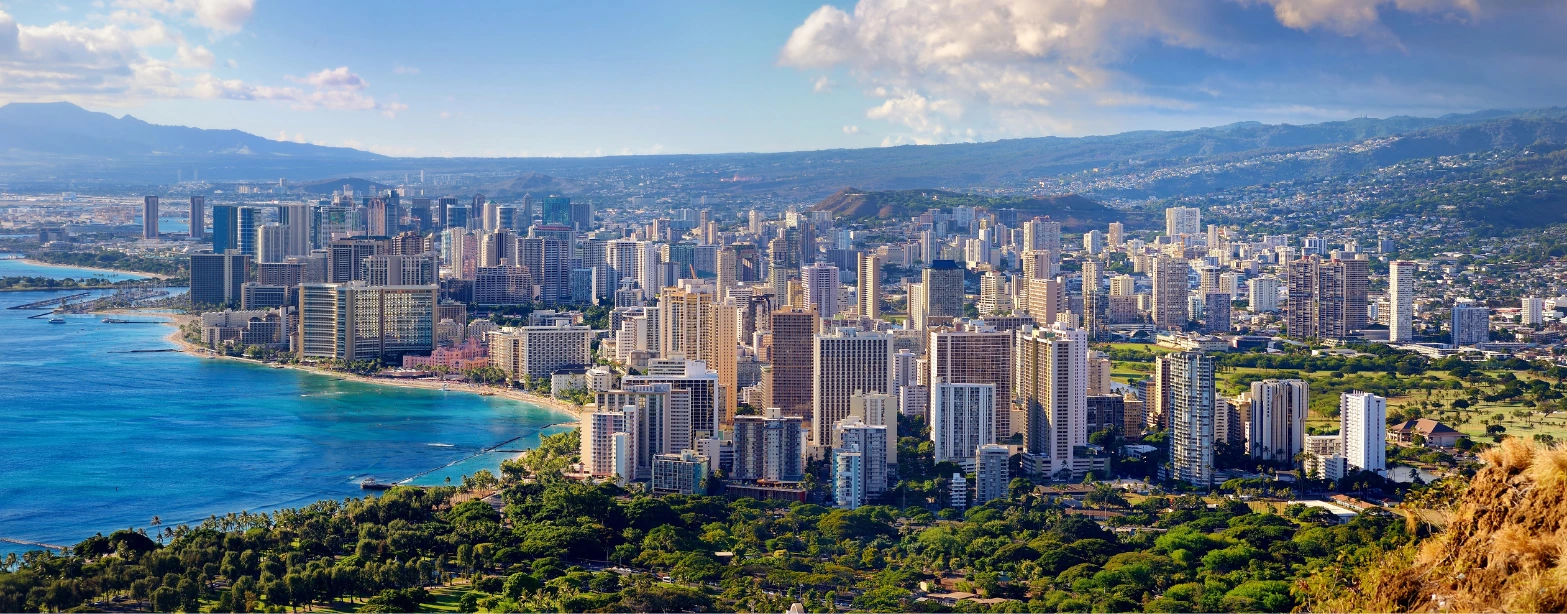
Start early in Waikiki. The sand is still cool, the water is glassy, and the whole strip feels briefly local before the resort machine revs up. Pick up a spam musubi from an ABC Store or a tiny deli and eat it on the seawall while the first surfers paddle out.
Start Waikiki early, cool sand, glassy water, musubi on the seawall while the first surfers paddle out.
Swim at Queen’s (Waikiki Walls) if the ocean is calm. It’s right off the park, easy to find, and a front row seat for longboard style without having to rent a board or fake your way into the lineup. For Diamond Head, aim for the 6:00–8:00am window so you hike in cooler temperatures and dodge the biggest crowds. Just inland, Kapiʻolani Regional Park is a free public park dedicated in 1877 by King David Kalākaua. Later in your trip, keep in mind that seasonal conditions can change ocean safety fast, so plan any North Shore water time around the time of year.
Tips
- Go before 8am for the clearest water and the least chaos on the beach
- Bring reef shoes if you plan to get in at Queen’s, the bottom is rocky
- Keep your distance from surfers and give the channels space, people come through fast
- If you want coffee that tastes like something, skip the hotel lobby and look for a small café a block back from the beach
Day 2 Oahu Itinerary: Pearl Harbor + Kaka‘ako
After a sun-soaked Waikiki morning, aim west early, before the highways thicken up. Pearl Harbor runs on schedules and rules, and your day goes smoother if you treat it like an airport run with better views.
The USS Arizona Memorial is the main draw, and tickets disappear quickly. Arrive with time to spare, go through security, then slow down once you’re inside. The boat ride out is short but quiet in a way that sticks. In the museums, read the details, not just the headlines. Pearl Harbor National Memorial museums and grounds are free, and program reservations are recommended.
If you want to go deeper, the Battleship Missouri Memorial is open daily 8:00am–4:00pm and offers ship tours that add over 70 years of history to the day.
Tips for Pearl Harbor
- Arrive early. Parking and entry lines are calmer before mid-morning.
- No bags means no bags. Leave backpacks and purses in the car or use the paid storage nearby.
- Bring only what you can carry: ID, phone, water, and maybe a light layer.
- Plan 2 to 3 hours if you want the memorial plus a proper look at the exhibits.
- Eat after. Options around Aiea are better than forcing a rushed meal on site.
- Parking is $7/day via a mobile pay system or onsite kiosk, and it can’t be prepaid through virtual pay system.
Back in town, trade history for color in Kaka‘ako. This is where Honolulu feels modern and scrappy. Walk the mural routes around Auahi and Cooke, duck into small shops, and let the neighborhood set the pace. SALT is an easy pit stop for coffee and a bathroom break, plus it’s one of the few places where lingering feels normal.
Tips for Kaka‘ako
- Wear shoes you can walk in. You’ll end up circling blocks for murals.
- Go mid-to-late afternoon for the best light on the street art.
- Pair SALT with a quick wander. The best finds are usually a street over.
Finish with sunset at Ala Moana Beach Park. Locals come here to actually use the beach, not pose with it. Grab something simple to drink, find a spot on the sand, and watch the sky fade behind the reef line.

Pearl Harbor USS Arizona Memorial & Battleship Missouri
Visit USS Arizona and Battleship Missouri, as they represent both the beginning and the end of World War II. The acc...

Oahu: 60 Min Royal Crown Helicopter Tour - Doors Off or On
See every stunning sight on Oahu from the white sands of Waikiki to the epic big waves of Norh Shore on our incredib...

Oahu: Roundtrip Shuttle From Waikiki to Dole Plantation & Haleiwa
Skip Circle Island and visit two of the most popular places to visit here on the Island of Oahu. Experience a unique...
Day 3 Oahu Itinerary: Manoa Falls + Kailua
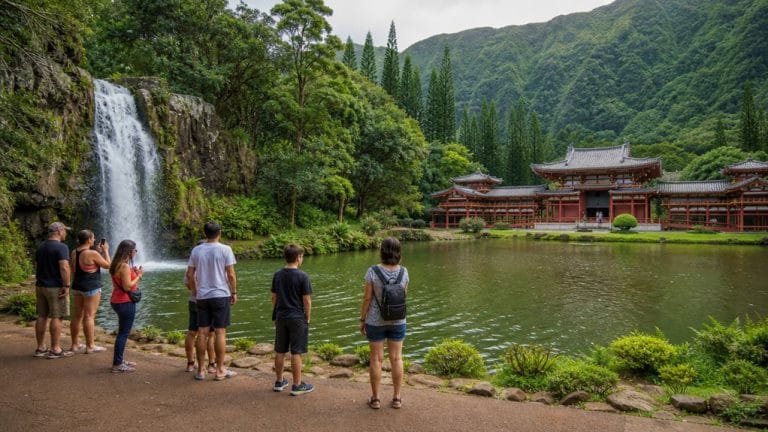
Start early and drive up to Mānoa Falls before the crowds and the tour vans stack up. The trail is an easy rainforest ramble with big ginger plants, dripping leaves, and that damp, earthy smell that clings to your clothes. The waterfall at the end is more about the cool mist and jungle setting than a dramatic plunge, but it feels properly wild for how close you’re to town. Plan on year-round mosquitoes and put on repellent before you start, especially if the trail’s wet.
Then point the car toward Kailua and keep lunch simple. This is a grab-and-go kind of day. Pick up something you can eat with sandy fingers and a view, then head straight to the beach while the morning parking churn is still in your favor. Stick to official trails listed by the state trail program.
Spend the afternoon on Kailua Beach. The water stays calm and bright, the trade winds keep things comfortable, and the whole scene is tuned for long swims and lazy towel time. If you want it quieter, walk away from the main access points and you’ll find more space fast. Late spring and early fall tend to bring the most reliable stretch of drier hiking days if you’re trying to stack this hike with other outdoor plans.
Tips:
- Wear shoes with real grip for Mānoa. Mud sneaks up on you, especially after rain.
- Bring bug spray for the forest trail and a light rain jacket if the clouds look serious.
- Grab lunch to-go in Kailua and skip anything too messy or sauce-heavy.
- Get to Kailua Beach early for parking, then plan to stay a while.
- Pack reef-safe sunscreen, water, and something to shade your face once the wind picks up.
Morning Hike: Manoa Falls
Manoa Falls is the kind of hike that makes you forget you’re still basically in Honolulu. Go early and you’ll get damp air, loud birds, and that earthy green smell that only shows up after a little rain. By mid-morning, it can feel like a conveyor belt of groups in matching shoes.
The trail is short but not polite. Expect slick mud, roots that grab at your ankles, and a few steady climbs that get your calves awake fast. The payoff is a narrow waterfall spilling into a rocky bowl, usually framed by mist and dripping leaves.
Tips that actually help:
- Start before 8am if you want quiet and easier parking on nearby streets.
- Wear real traction. “Running shoes” often turn into mud skates here.
- Bring a light rain jacket or poncho. Even on sunny days, this valley makes its own weather.
- Pack water, but go light. You’re in and out fast, and extra weight is just extra sweat.
- Stay behind the barriers at the falls. People get hurt here every year, and the rockfall risk is real.
- Skip swimming. The water looks inviting, but it’s not safe and closures happen when visitors push it.
If you’re pairing this with another iconic morning outing, the steep 0.8 mile summit trail at Diamond Head gains 560 feet and typically takes 1.5 to 2 hours.
You might hear stories about the Menehune, the legendary little builders tied to old Hawaiian lore. Whether you buy the tales or not, the valley feels like it has a mood. Turn around the moment the steps get slick enough to make you think twice. That’s the trail telling you you’ve had enough.
Still comparing Oahu Beach Itinerary With Guided Island Day Add Ons?
Ask for tour ideas, hotel suggestions, or a simple trip plan that combines both.
Trip Helper
Lunch Stop In Kailua
Why wrestle Waikīkī for a midday bite when Kailua is an easy hop from Mānoa and actually feels like a different day? Take the Pali, let the trade winds do their thing, and aim for Kailua Town. You’ll smell lunch before you see it.
Start with the local markets. This is where you build your own spread: poke by the pound, cut fruit that tastes like it was sliced five minutes ago, and warm manapua for the drive back. Grab extra shoyu packets and napkins. You’ll want both.
If you need a proper sit down, duck into the small cafes tucked behind the shops. Kailua does casual really well: kalua pig sliders that don’t skimp, strong coffee, and the kind of taro latte that feels like a snack and a drink at the same time.
Tips
- Go before noon. After 12:30, lines get serious and parking gets petty.
- Park once and walk. Kailua Town is compact and you’ll find more by wandering than by circling for the perfect spot.
- Bring some cash for small counters and quick grab and go orders.
- Refill your water bottle at the public fountains and check restroom hours if you’re planning beach time after lunch.
Kailua Beach Afternoon
Let lunch settle with the easy drive to Kailua Beach Park.
The water runs from reefy green to a clean, bright blue, and the sand here stays surprisingly cool even in the early afternoon.
I like setting up near the ironwoods for reliable shade and a bit of wind cover, then walking in past the small shorebreak until the noise drops off and it’s just you, the swells, and the trade winds.
If you still have gas in the tank, rent a kayak in town and make for the Mokulua islets (the “Mokes”).
It’s a classic paddle for a reason, but conditions matter, and this isn’t the place to wing it.
Tips
- Go earlier in the day for lighter winds and less chop.
- Bring a dry bag, reef-safe sunscreen, and more water than you think you need.
- Check surf and wind before you commit. If it looks messy from shore, it will feel worse mid-channel.
- Use the beach showers to rinse off, then stash a simple change of clothes so you’re not driving back salty and sandy.
On the way out, follow your nose to the local food trucks for shave ice or garlic shrimp.
Eat it while you’re still damp and sun-warm.
It tastes better that way.
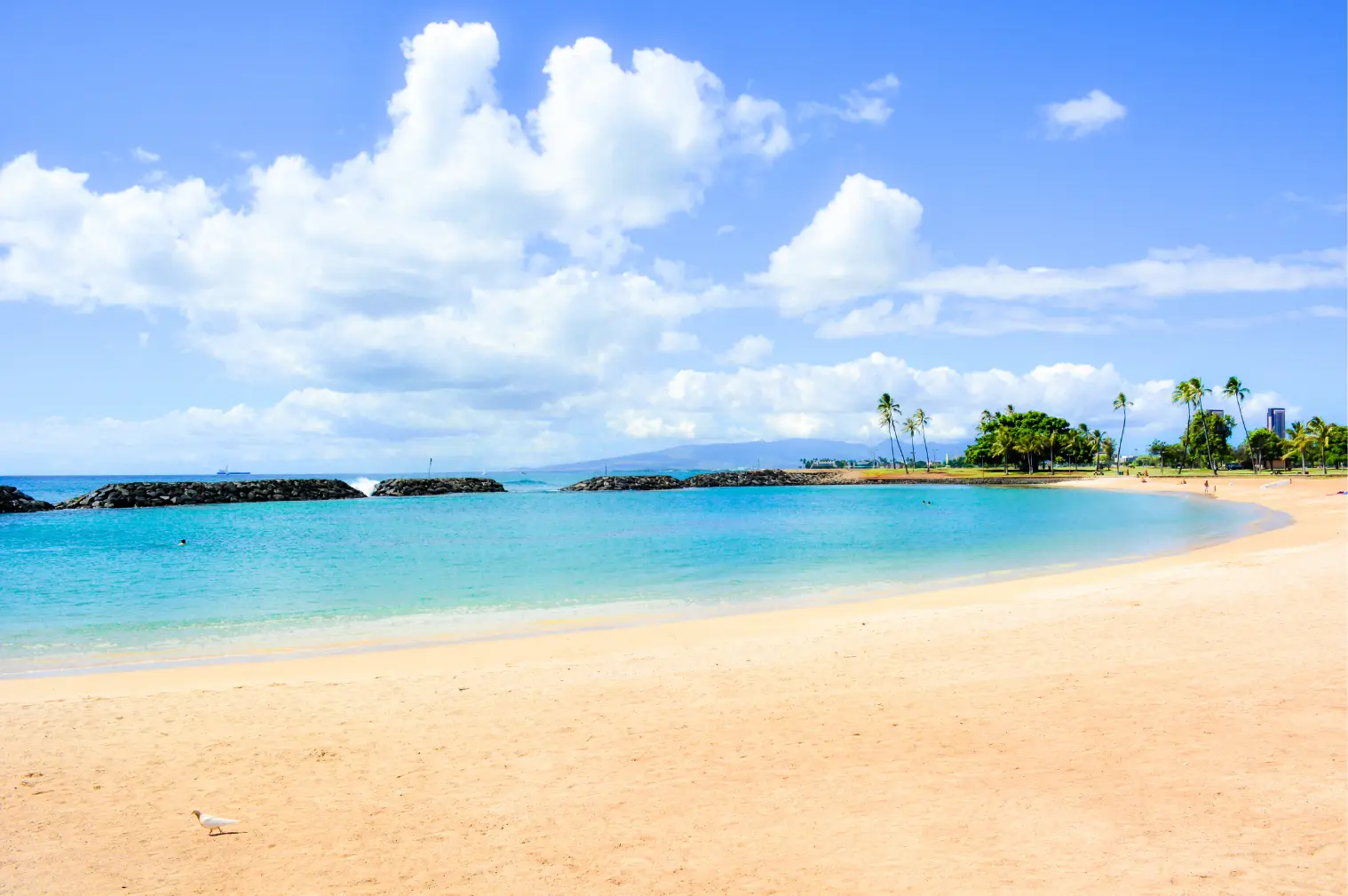
Day 4 Oahu Itinerary: Lanikai Sunrise + Waimānalo
Catch first light at Lanikai and the whole bay looks freshly painted: pale pink sky, flat water, and the Mokulua Islands sitting out there like they own the place.
Get in before dawn. This is a real neighborhood, not a resort strip, and people notice who’s being loud at 5:30am.
Park legally along Kailua Rd where you can, then walk in on foot. If you want photos, shoot low near the shoreline for reflections in the wet sand and little tide pools.
Tips
- Aim to arrive 30 to 40 minutes before sunrise so you can settle in without rushing.
- Bring a small tripod if you have one. A phone tripod works fine.
- Keep your voice down and your lights dim. Headlamps on low save everyone’s eyes.
- Skip leaving valuables in the car. Break-ins happen.
After sunrise, swing into Kailua for coffee and something filling. You’ll be hungry earlier than you think.
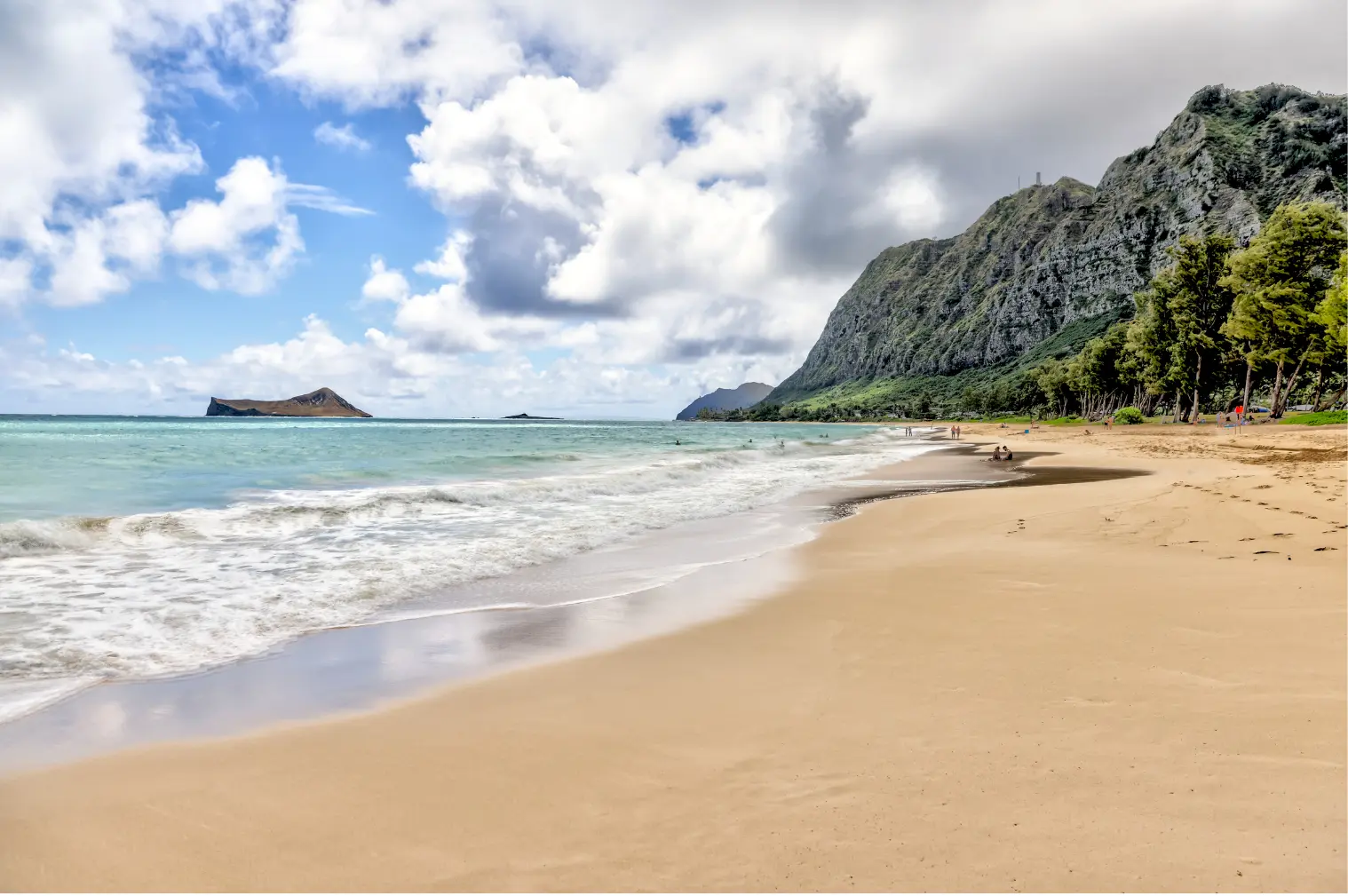
Then drive over the Pali to Waimānalo for a totally different mood: big open sand, steady trade winds, and far fewer people staking out “their” patch of beach.
Bellows has a strong local story tied to coastal farming and military training, and you can still feel that this coastline works hard behind the scenes, even on a postcard morning.
Bring
- Reef-safe sunscreen
- Plenty of water
- A light layer for the wind at Waimānalo
- Simple snacks so you can stay longer without chasing lunch

Honolulu: Pacific Star Sunset Dinner Cruise and Show
Indulge in the original Pacific Rim cuisine, where each dish serves as a gateway to the rich flavors of the region...
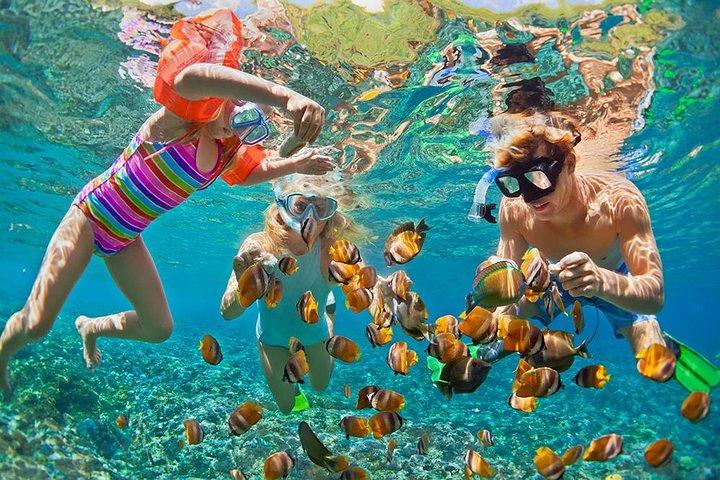
Oahu Circle Island Snorkeling Tour: Dole, Pali Lookout & More
Looking for the BEST VALUE & MOST COMPLETE Circle Island Snorkeling Tour? Join us for the ultimate full-day, action-...

Oahu: North Shore Shark Cage Diving
Discover the open-ocean world of sharks on this unforgettable Oahu shark cage diving tour. More than just an adventu...
Day 5 Oahu Itinerary: North Shore Eats + Beaches
Day 5 heads to the North Shore, where the air around the food trucks smells like hot butter, garlic, and the ocean on your clothes. Go earlier than you think you need to. By late morning the lines get long and parking turns into a slow crawl. Grab your shrimp, find a patch of shade, and eat with your hands like everyone else.
Then it’s beaches, one after another, each with its own mood. Waimea Bay is the classic postcard curve with serious surf in winter and calmer swims in summer. Sunset Beach feels wide open, built for staring at the horizon. Laniakea is smaller and busier, but the turtle spotting can be the real deal. Keep your distance and let them have the sand.
Tips to make it smooth:
- Aim for an early lunch, around 10:30 to 11:00, to skip the worst lines.
- Bring cash. Some trucks take cards, some do not, and the signal can be spotty.
- Pack reef-safe sunscreen and reapply after swims. The sun hits harder than you expect.
- Wear sandals you can rinse. The sand here is clingy and gets everywhere.
- For turtles at Laniakea, follow the posted signs and give them space. Photos look better when you aren’t crowding them anyway.
- If the waves look big, treat the water with respect. Watch for a while before you go in.
North Shore Food Stops
Kick off your North Shore drive hungry. This coast does casual food better than most places try to do fancy. Haleʻiwa is the easiest place to start, with poke counters that move fast and don’t overthink it. Go for limu ahi if it looks glossy and just-cut, or a spicy mayo bowl if you want something richer and more filling. If you can, watch what locals order and copy that.
Next up is the garlic shrimp circuit: roadside stands, picnic tables, salty air, and fingers that will smell like butter for the rest of the afternoon. The best plates come hot, messy, and unapologetic, usually with two scoops of rice soaking up the sauce. Eat it outside, lean into the chaos, and keep your expectations simple. You’re here for flavor, not finesse.
When the sun starts to feel like it’s sitting on your shoulders, go straight to shave ice. A good one is light and powdery, not crunchy. Rainbow syrup is fun, but the move is adding azuki and a drizzle of condensed milk for that creamy, sweet finish that actually tastes like something.
If you need caffeine, grab a cold brew from a surf-town cafe and keep rolling. North Shore mornings are calm, afternoons get busy, and food lines are the clearest weather report you’ll get.
Tips:
- Poke: ask what was cut most recently and order that.
- Bring cash for shrimp trucks and shave ice stands. Card readers fail more than you’d think.
- Pack wipes and hand sanitizer. Garlic shrimp isn’t a tidy meal.
- Skip white shirts. The sauce always wins.
- If you hate lines, eat early. By late morning, the popular spots are already in full swing.
Iconic Beach Hopping
After you’ve eaten your way through Haleʻiwa, swap asphalt for sand and start beach hopping while the morning still feels unhurried. Toss reef shoes, water, and a light cover-up in the car, then roll east on Kamehameha Highway with the windows cracked for that salty, sun-warmed air.
Sunset Beach is the classic North Shore scene. Even if you never touch a board, it’s worth a stop just to watch clean sets stack up and hear the thump of waves from the dune line.
Tips for Sunset
- Stay on marked access paths and keep the dunes intact
- Give surfers space when they’re carrying boards through the shorebreak
- Bring a hat, there’s very little shade
For swims and easy hangs, these are the most satisfying stops:
1. Aliʻi Beach
Palm shade, a mellow shorebreak, and a laid-back local park vibe. Good for a quick dip and a reset before the next stop.
2. Laniakea Beach
One of the best places to spot honu (sea turtles) without trying too hard. The beach is small and the rules are strict for a reason.
Tips for Laniakea
- Stay behind the ropes and don’t crowd the turtles
- Park legally, towing here isn’t a rumor
- Expect a short wait to cross the highway, traffic moves fast
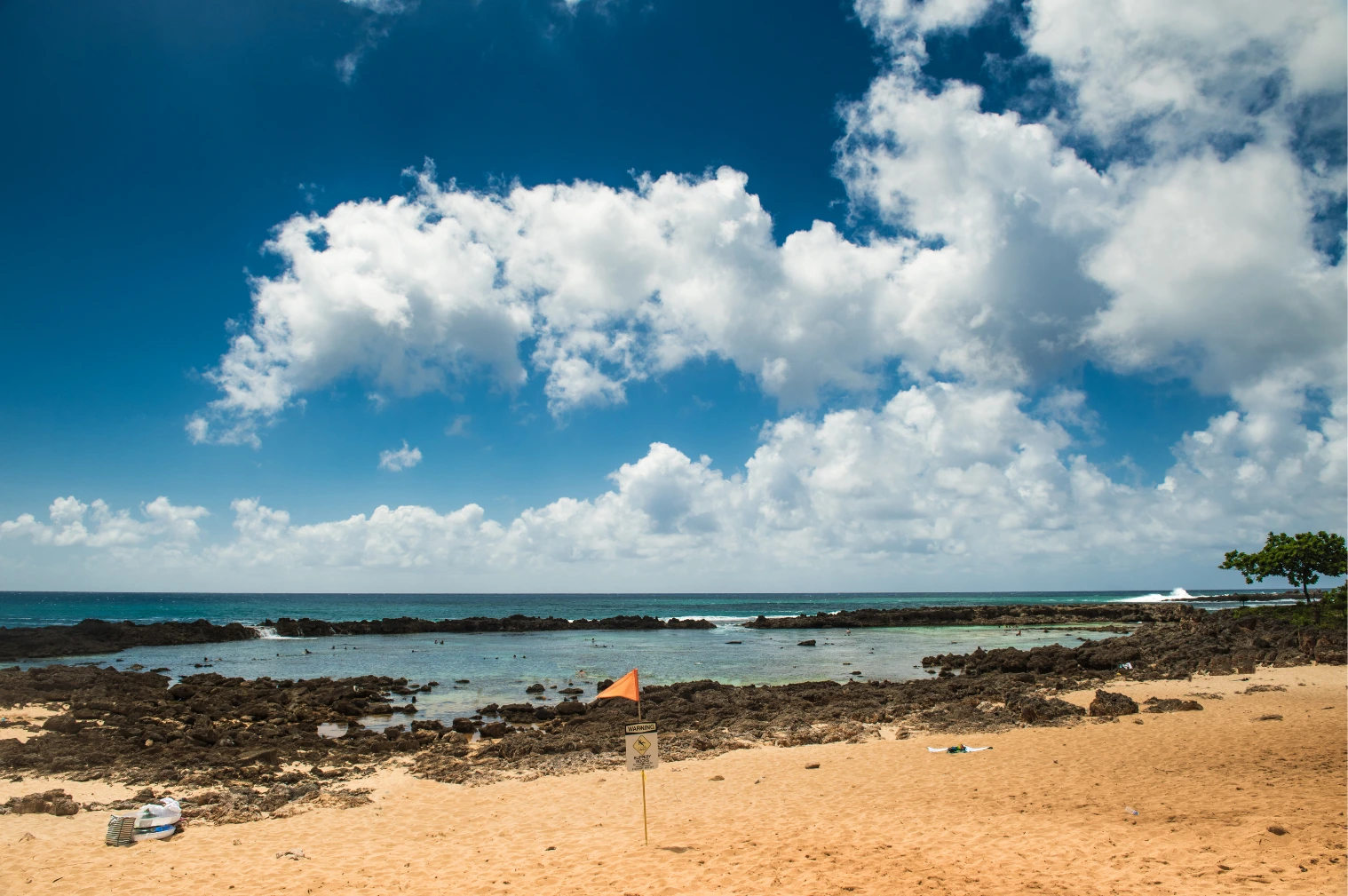
3. Shark’s Cove
A rocky little pocket with clear water on calm days. The tide pools are fun to poke around at, and the coves feel surprisingly tucked away once you’re off the road.
Tips for Shark’s Cove
- Reef shoes save your feet on the lava rock
- Snorkel when the ocean is calm, winter swell can make this dangerous
- Go early, parking fills up fast
4. Waimea Bay
Wide sand, lifeguards, and a view that makes you linger. In summer it’s one of the friendliest swim beaches on the North Shore. In winter, watch from shore if the surf is pumping.
Day 6 Oahu Itinerary: Kualoa Ranch + Kāne‘ohe Bay
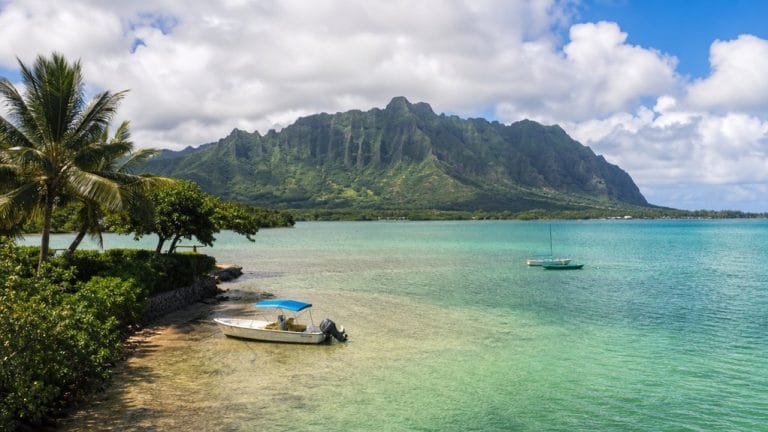
Kualoa Ranch is all over the movies, but the real hook is the setting. The Koʻolau cliffs rise like a wall behind the pastures, and in the morning the light hits them just right. Start early, because once the tour buses roll in it feels less like “wide-open ranch” and more like a theme park with great scenery.
Book your tour ahead and pick the one that matches your pace: Jurassic Adventure for the big views, UTV if you want dust and speed, Movie Sites if you prefer a mellow ride with trivia. Plan to finish by late morning, then drive a few minutes up the road to Kāneʻohe Bay for an easy reset. The water is usually calm, that unreal turquoise shows up even on overcast days, and you can see the sandbar area without committing to a full-on expedition.
Tips that make the day smoother:
- Wear closed-toe shoes. The trails get dusty and gritty fast.
- Bring reef-safe sunscreen and a light layer. Trades can cool you off once you leave the sun.
- Eat after the ranch. Lunch options are better in Kāneʻohe than inside the ranch complex.
- If you skipped riding earlier, consider a quieter horseback tour in the area later in the day.
- For the simplest water time, float and stroll around Heʻeia State Park.
- Save Mokulua kayaking for another morning when you can start at sunrise and take your time. Today is for cruising.

Waikiki 2-Hour Sunset Sailing Catamaran – Swim & Sail Adventure
There’s no better place to take a dip than the crystal-clear waters of Waikiki—and no better way to experience a...

Waikiki Glass Bottom Boat Cruise
Experience the beauty of Oʻahu South Shore as we sail toward Lēʻahi (Diamond Head) aboard the spacious Haleiwa Qu...

Oahu Shark Dive on the North Shore
Book the Oahu Shark Dive for a thrilling shark encounter off the North Shore. You’ll travel by boat from Haleiwa H...
Day 7 Oahu Itinerary: East Coast Drive + Beach
Morning on the windward side feels freshly rinsed.
Leave Kāneʻohe early and run the coast down toward Kailua and Waimānalo with the Koʻolau cliffs pressed close on your mauka side and a strip of bright, glassy ocean on your makai. This is an easy drive that keeps paying you back with quick pullouts and big views.
Make Makapuʻu your first real stop. The lookout delivers that clean, salt-in-the-air panorama without much effort, and the light is best before the day turns hazy.
After that, aim straight for Kailua Beach while the sand is still cool and the tradewinds haven’t fully kicked in. The water here stays friendly, the color is ridiculous, and there’s enough room to spread out if you arrive before midmorning.
When you’re hungry, Waimānalo is the move. Grab local seafood, eat it simply, and take it somewhere with shade. Ironwood trees and a cold drink make even a parking lot lunch feel like a win.
Finish at Bellows for late afternoon and sunset. It’s wide, quieter than the headline beaches, and the sky often goes pink and peach when the clouds behave.
Tips
- Start early. Parking and beach space are dramatically easier before 9am.
- Bring cash for small food spots and no-fuss snack stops.
- Pack more water than you think you need. The wind dehydrates fast.
- Use reef-safe sunscreen and reapply after swims. The sun hits hard even when it’s cloudy.
- Keep a light layer in the car. Windward mornings can feel cool after a quick shower.
What you’ll notice today
- Koʻolau ridges still wet from a dawn sprinkle
- Turquoise shallows and that soft, steady lap at Kailua
- Poke or fresh seafood eaten under ironwood shade
- A wide Bellows shoreline with a cotton-candy sky at dusk
Frequently Asked Questions
How Many Days Do You Need on Oahu for a Relaxed Beach Itinerary?
Five days is the sweet spot for a relaxed Oahu beach run. You can settle into a routine without turning the trip into a checklist. If you’ve got seven days, even better. That’s when Oahu starts to feel less like a highlight reel and more like a place you actually know.
Mornings belong to Kailua. Go early while the sand is still cool and the water is glassy. By late morning the trade winds kick up and you’ll understand why locals are out there with kites and boards.
For sunsets, Ala Moana works because it’s easy. You can swim, rinse off, then grab something casual nearby without having to plan your whole evening around it. The view from Magic Island is reliably good, especially when the sky goes cotton candy over the harbor.
Midweek snorkel trips are worth the effort. Boats and beaches both feel calmer Tuesday through Thursday, and the water is often clearer before weekend traffic churns things up.
Tips that make it smoother:
- Start beach days early, then take a real lunch break when the sun is high.
- Pack reef shoes for rocky entries and surprise urchins.
- Keep a light layer in your bag. Trade winds can turn a perfect beach day cool fast.
- If you’re renting a car, never leave anything visible, not even a towel.
- Pick two beaches to “repeat” instead of chasing a new one every day. Oahu rewards familiarity.
Is Oahu Safe for Solo Travelers, Especially at Night in Waikiki?
Waikiki is one of those places where you can be out late and still feel like the neighborhood is awake. Kalakaua Ave stays bright and busy well into the night, with hotel lobbies glowing, ABC Stores open, and a steady stream of people heading between dinner, bars, and the beach. If you’re traveling solo, that constant motion helps.
That said, the vibe changes fast once you step off the main drag. A block can take you from lively to quiet, especially late. I like to keep my nighttime wandering to the well lit strips and treat the back lanes as “daytime only.”
Tips that actually help:
- Stick to Kalakaua Ave and the busiest parts of Kuhio Ave when walking late
- Skip shortcuts through alleys, parking lots, and the darker stretches closer to the canal
- Keep your phone away while you walk and check maps inside a shop or hotel lobby
- Watch your drink, and cap the night before you’re too tired to make good calls
- After midnight, use a rideshare if you’re heading farther than a few blocks
- If someone’s acting erratic, cross the street or duck into a hotel. Waikiki hotels are great “reset” spots with staff and cameras
If you’re out late and want an easy, low stress finish, grab a snack at an ABC Store and head back on the main streets. Waikiki rewards the simple plan at night.
Do You Need a Rental Car for This Itinerary, or Can You Use Public Transit?
You can skip the rental car for this itinerary. Waikiki is one of the few parts of Oahu where you can genuinely get around on foot, and the bus system is solid once you accept that island time is a real thing.
For most days, TheBus plus walking will cover you. Waikiki’s blocks are compact, the sidewalks are busy late into the evening, and you can string together beaches, shops, and cheap eats without thinking about parking. When you do need to go farther, TheBus is clean, air-conditioned, and easy to use if you plan around the timetable.
For North Shore days, I’d book an island shuttle or a small group tour. It saves you the long bus ride, and you won’t spend your afternoon circling for a legal spot near popular beaches.
Quick tips that make this work:
- Get a HOLO card (or plan for exact fare) and download a live bus tracker app. Schedules are more like suggestions.
- Start early for longer rides. Midday traffic can turn a simple trip into a slow crawl.
- Bring a light layer. TheBus AC can feel arctic when you’re still damp from the ocean.
- Bike rentals are great for short hops, but check where you can park and lock up before you commit.
- Pack sunscreen, water, and a little patience. You’ll spend more time waiting outdoors than you think.
What’s the Best Month to Visit Oahu for Calm Water and Fewer Crowds?
Aim for May to June or September to October. Oahu feels like it exhales in these shoulder months: the water stays warm, the south shore is often calmer, and the island is noticeably less packed once you step away from the long-weekend rhythm.
You still get that easy beach weather without the peak-summer crush. Mornings are your friend, especially for snorkeling, when the ocean is glassier and the trade winds have not kicked in yet.
Tips that actually help:
- Snorkel early. Be in the water by 8 am for the clearest visibility and the least chop.
- Book weekday boat or snorkel tours a few days ahead. Weekends fill with locals on staycations and short-trip visitors.
- Watch wind, not just waves. Surfline is useful, but also check the hourly wind forecast. Light winds usually beat a “perfect” swell report for calm bays.
- Pick your shore based on conditions. If the south side looks bumpy, pivot to a more protected cove or head to a leeward spot.
- Avoid school-break pinch points. Late May weekends and early October holiday weeks can spike crowds fast.
Should You Book Restaurants and Activities in Advance, and How Far Ahead?
Yes, book ahead. Hawaiʻi runs on reservations now, and the places you actually want tend to fill up while you are still “thinking about it.”
For restaurants, I usually start looking 2 to 4 weeks out for anything popular, especially dinner. If you have your heart set on a true hotspot or a chef’s counter, go 6 to 8 weeks ahead and call it done. The upside is you can relax and stop refreshing OpenTable in the rental car parking lot.
For activities, think in bigger chunks of time. Luaus, Haleakalā sunrise, and big-ticket tours like Kualoa are easiest when booked 1 to 3 months ahead. Weekends, sunset time slots, and holiday weeks disappear first.
Tips that save headaches:
- Lock in one or two “anchor” dinners per week, then leave the rest flexible for beach days and random food trucks.
- If you want sunset seating, reserve for 30 to 60 minutes before sunset so you get the light and still eat in daylight.
- Haleakalā sunrise permits open in advance and go fast. Book the minute you know your date.
- For boat tours, choose an early trip if you want calmer water and fewer cancellations.
- Build in a buffer day for anything weather-dependent so you are not stuck watching rain from a hotel lobby with a nonrefundable ticket.
Conclusion
You’ve done 7 days in Oahu the right way: sunrise spilling over Lanikai, calves burning on Diamond Head’s switchbacks, and enough unstructured Waikiki sand time to actually feel like you’re on an island. You clocked the gravity of Pearl Harbor, got a face full of cool spray at Mānoa Falls, and followed your appetite up the North Shore, garlic shrimp juice on your fingers and salt still drying on your skin. For perspective, Diamond Head’s crater is roughly 300,000 years old, so your week is basically a blink. Keep the pace relaxed.
A few practical moves that make this itinerary smoother: pack reef-safe sunscreen that does not turn you ghost-white in photos, carry more water than you think you need on the hikes, and lock in timed entries early when they are required. If you want to skip the parking drama and piecing together logistics, a small-group Oahu island tour with hotel pickup can be a clean solution. Viator has options with instant confirmation, verified reviews, and often free cancellation up to 24 hours before, plus the reserve now, pay later convenience if you are still deciding between North Shore stops. End it simple. Grab poke or plate lunch, then head to Waimānalo for one last sunset where the light goes soft and the beach stays stubbornly local.
Polynesian Cultural Center: Gateway Buffet Package
Located on O‘ahu’s North Shore, the Polynesian Cultural Center is a one-of-a-kind attraction showcasing the people, culture, arts, and crafts of P...