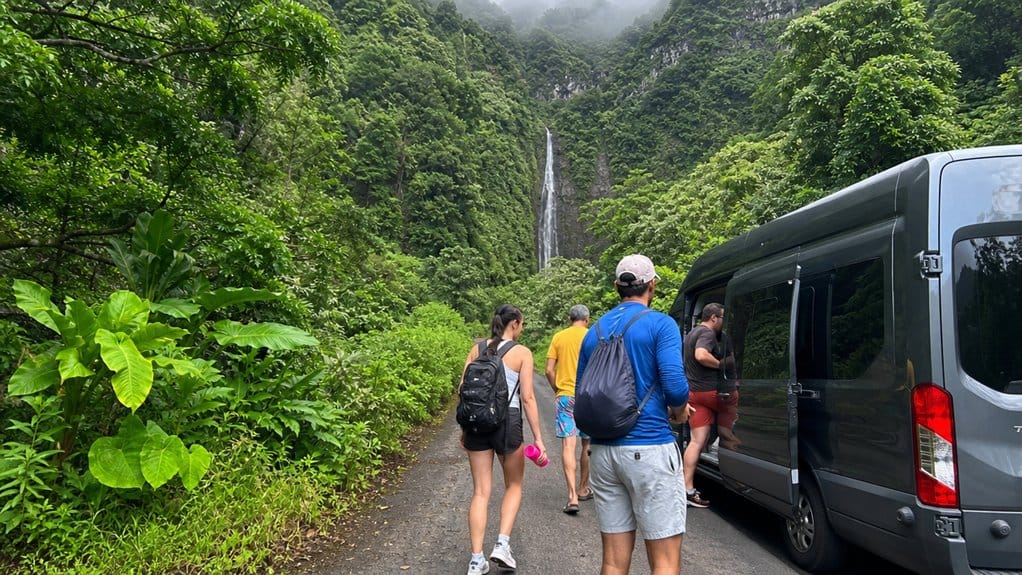
If you want an Oahu waterfall hike that fits your ride, you’ve got options. You can catch a bus to Manoa Falls, park with less stress at Waimea Valley, or plan ahead for permit spots like Laie Falls. Some trails end in cool pools. Others give you mud, bamboo, and that steady rush of water through the trees. A few look tempting but aren’t worth the trouble right now. Here’s where the smart choices start.
Key Takeaways
- Waimea Falls is Oahu’s best waterfall hike with transportation, reachable by bus and followed by a mostly paved ¾-mile walk through Waimea Valley.
- Waimea Valley includes parking, restrooms, showers, and a $10 shuttle, making it the easiest option for visitors without a car.
- Swimming at Waimea Falls depends on a 9 a.m. lifeguard safety check; call 808-638-7766 after 9 a.m. for status.
- Manoa Falls is easy from Waikiki by car or bus, with a lush 1.6–1.7-mile round-trip trail, but swimming is not allowed.
- Likeke Falls and Judd Trail are short car-friendly waterfall hikes, but transportation is less straightforward and trail conditions are often muddy.
See more of Oʻahu
Top pick
 Explore experience ↗
Oahu: Manoa Falls Rainforest Self-Guided Hike
◷ 3 hr 30 min
Hassle-Free Transportation: Enjoy round-trip shuttle service from Waikiki, so you can relax and focus on the hike without worrying abou
From $52.99 USD
View dates Explore experience ↗
eBike Tour Honolulu Rainforest
◷ 3 hr
We pride ourselves on 25-years in the bicycle tour business here in our home state of Hawaii. It is our mission to share the very best
From $128.21 USD
View dates Explore experience ↗
Oahu Volcanic Rainforest Hiking Adventure
◷ 3 hr 30 min
Discover the hidden hiking treasures of Oahu's lush volcanic rainforest. This Hawaii rainforest hiking trip is rich in rare and endemic
From $92.31 USD
View dates Explore experience ↗
Private Diamond Head Crater and Manoa Falls Rainforest Experience
◷ 5 hr–6 hr
This is a private tour to two of the most breathtaking landscapes on Oʻahu. Enjoy stunning panoramic views over Waikīkī and the Pacific
From $898.00 USD
View datesHow to Reach Oahu Waterfall Hikes
If you want the easiest start, pick a waterfall hike that matches how you plan to get around the island. For How to reach oahu waterfall hikes, start with Waimea Falls. You pay the Waimea Valley entry fee, parking’s included, and the path feels simple and polished. Check the 9:00am lifeguard call if swimming matters to you. Waimea also stands out for swimming and transportation, making it one of the simplest waterfall outings to plan.
If you’re driving, Manoa Falls is straightforward too. The jungle trail runs about 1.7 miles out and back, and parking costs $7 per car. Swimming isn’t allowed, so you can focus on the walk and the misty green scenery. Likeke Falls looks quick, but muddy shoulders can punish low-clearance cars. Kapena Falls plus Alapena Pool keeps things easy and free. At Waimea, best parking usually means arriving early, since the lot can fill up before the busiest part of the day. Skip expecting the hike to Maunawili Falls here. Save that planning for another day. Waimea Falls also has visitor rules that can affect swimming access depending on daily conditions.
Oahu Waterfall Hikes by Bus
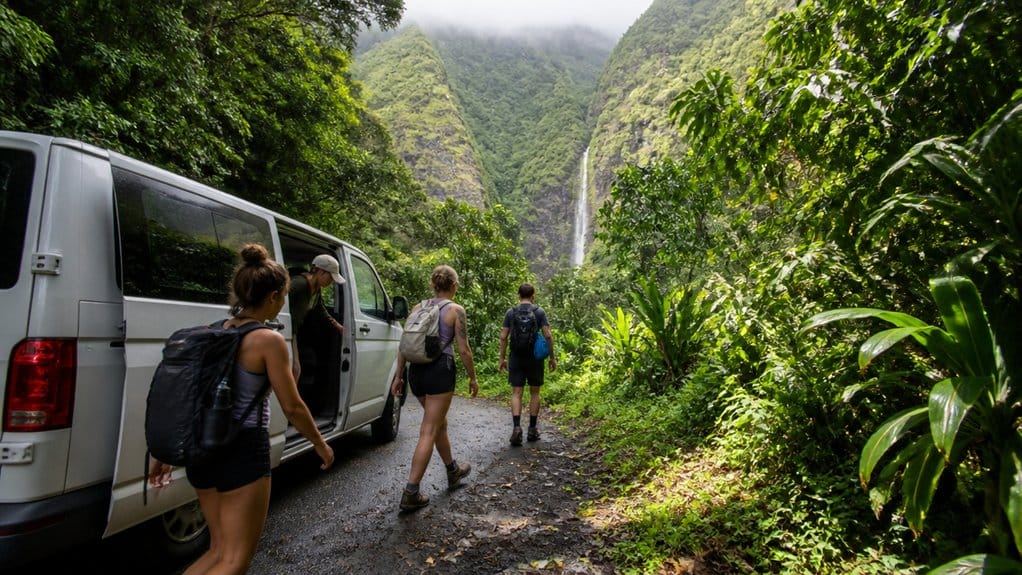
While Oahu has plenty of waterfall trails, only a few make real sense when you’re relying on the bus. Your best bet is Waimea Falls on the North Shore. You get a paved, mostly easy Oahu walk through Waimea Valley, and the ¾-mile path feels manageable even without a car. Beyond the waterfall itself, Waimea Valley offers more to see along the way, making the outing feel fuller even if you are not rushing straight to the falls. If you need help, there’s a $10 shuttle for limited mobility. Restrooms and showers make the day smoother too. Some travelers also look for hidden waterfall hikes when comparing easy tropical tour options on Oahu. Like many Waikiki tours, these easier North Shore outings appeal most when transportation is already handled for you. Manoa Falls also works well from Waikiki if you want a classic waterfall hike without complicated logistics. The 1.7-mile out-and-back leads to a lush view, but you can’t swim there. Likeke Falls is short, though bus access only gets you near the area, not the trailhead. Remote hikes get tricky fast. Save those for another day unless you enjoy route-finding adventures.

Waikiki Sunset Cocktail Sail on the Moana Catamaran
All aboard! There is no better place to be during Oahu’s magnificent golden sunsets than on our Waikiki Sunset Cru...

Oahu Shark Dive on the North Shore
Book the Oahu Shark Dive for a thrilling shark encounter off the North Shore. You’ll travel by boat from Haleiwa H...

Pearl Harbor, Dole, and Polynesian Cultural Center from Waikiki
Join us on an unforgettable day at three of Oahu’s most popular attractions: Pearl Harbor, Dole Plantation, and Po...
Oahu Waterfall Hikes With Easy Parking
When parking is easy, a waterfall hike feels a lot more like a day out and a lot less like a puzzle. On Oahu, a few falls are especially easy to reach by car, with simple logistics and short walks.
| Hike | Parking perk |
|---|---|
| Waimea Valley | On-site parking included |
| Likeke Falls | Free roadside or paid lot |
Waimea Valley keeps things smooth. You park on-site, then follow a mostly paved ¾-mile walk to Waimea Falls. Restrooms and showers help, and swimming may open after the 9:00am lifeguard call. Likeke Falls also works well when you want something quick. Park free on Kīnāʻole Road or use the paid lot, then expect a short trail with mud. For a no-fee option, Judd Trail leads to Jackass Ginger Pools with direct access.
Waterfalls With Permits or Restrictions
Not every Oahu waterfall works as a simple show-up-and-hike plan, and that’s part of the island’s reality. If you’re planning around transportation, you’ll want to check rules before you lace up. Even popular names like Manoa Falls can feel easier simply because access is clearer. If your trip also includes Pearl Harbor, remember the Arizona reservation often becomes the day’s scheduling anchor, so don’t stack a permit-sensitive waterfall hike too tightly around it.
- Waimea Falls charges entry, and swimming depends on a 9:00 a.m. lifeguard check. Call 808-638-7766 after 9 a.m. for the day’s status. If you continue exploring the North Shore afterward, use safe viewing habits around Pipeline and watch the surf from the beach, since ocean conditions can turn dangerous fast.
- Lulumahu Falls has a permission-sensitive history. Trespassing issues once landed hikers in court, and later Board of Water Supply permits reopened access.
- Laie Falls has required permits because the route crosses BYU and PCC land. If you run into a protected-area hike elsewhere on Oahu, expect a process similar to the Kaena Point permit steps before you go.
Also confirm current rules for Maunawili Falls and other lesser-known spots. Oahu’s waterfalls reward curiosity, but they like boundaries too.
Oahu Waterfall Hikes to Avoid for Now
Some Oahu waterfall hikes are better left off your list for now, especially if you’re counting on an easy ride and a safe swim at the end. Mānoa Falls still draws visitors, but posted signs reportedly say a landslide wiped out swimming access, and leptospirosis warnings make the pool a bad bet anyway. Travelers weighing guided or self-guided options for Mānoa Falls should know the trail conditions can change fast. Even if you only want the lookout, ongoing rain can turn the trail into a muddy slog with slick roots and stream crossings. For travelers comparing routes, Manoa Trails guides often highlight how quickly conditions can vary across nearby hikes.
| Hike | Why skip now | Key caution |
|---|---|---|
| Mānoa Falls | No swim access | leptospirosis signs |
| Hamama Falls | Watershed restrictions | no trespassing enforcement |
You should also skip Hamama Falls, where Board of Water Supply rules and litter problems have tightened enforcement. Treat Kapena Falls as view-only, since freshwater brings leptospirosis risk. And don’t trust “people were there” stories about Wailele Falls. Access questions can shift fast, like island weather and gate moods, overnight.
Have a question about this guide?
Ask for tour ideas, hotel suggestions, or a simple trip plan that combines both.
Trip Helper
Waimea Falls: Easiest Swim Access
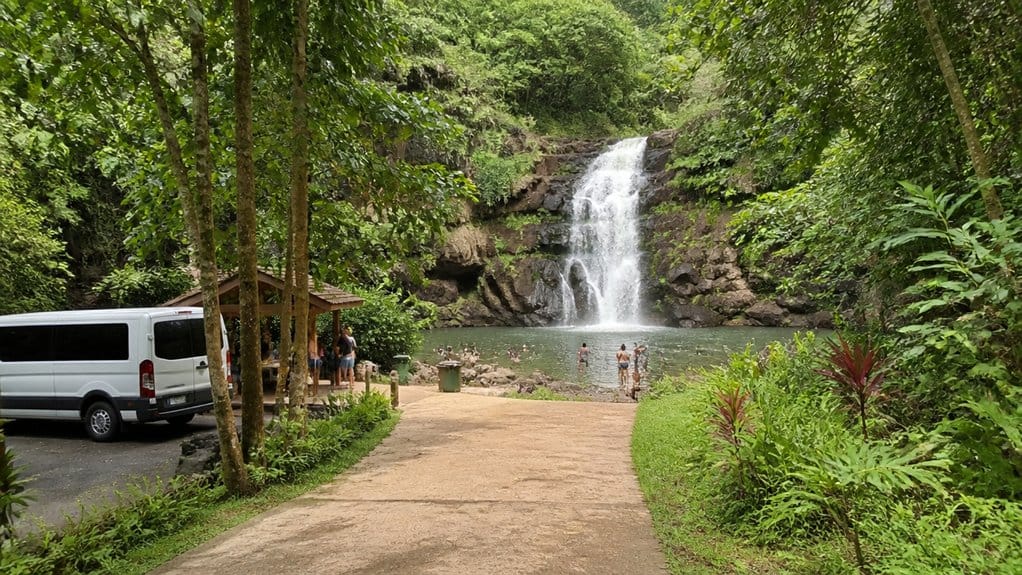
If you want the simplest waterfall swim plan on Oahu, Waimea Falls makes a strong case right away. You reach the 40-foot falls on a mostly paved 3/4-mile walk, so waterfall swimming here feels invigoratingly straightforward. If conditions allow, you can take a dip, then rinse off at the on-site showers and change into dry clothes. Some visitors also pair the stop with a Dole Plantation tour for an easy North Shore sightseeing day. Many travelers book North Shore tours from Waikiki to combine Waimea Falls with other easy sightseeing stops.
- Entry is easy to budget: about $25 adults, $20 students, $15 kids.
- Swim access depends on the 9:00am lifeguard call. Check status after 9:00am at (808) 638-7766.
- You also get botanical gardens, restrooms, and a $10 shuttle for limited mobility.
Parking near the area can fill quickly, so knowing overflow options and arriving early can make your visit much smoother.
For many visitors, Waimea Falls is the Best waterfall choice when you want simple logistics, family-friendly amenities, and a real chance to swim without overcomplicating your day.
Likeke Falls: Short Family Hike
When you want a quick waterfall outing that still feels tucked into Oahu’s green folds, Likeke Falls delivers with a short, family-friendly walk and a spring-fed flow that usually keeps the falls going year-round.
You’ll hike about 0.45 miles one way, with little elevation gain, so it’s one of the Best short waterfall options if you want scenery without a big effort. Park free off Kīnāʻole Road, then walk 0.3 to 0.4 miles to the Falls trail, or pay to park nearer the trailhead. The route starts on a service road toward a water tank, then turns left uphill. After that, mud often appears fast, so watch your footing. Like trail conditions on other popular Oahu waterfall hikes, this route is often muddier than first-timers expect. At about 0.3 miles, take the right fork to continue to Likeke Falls. The overgrown straight path isn’t worth your optimism today. If you want to pair this easy hike with a scenic drive, Tantalus Lookout is another quick-stop Oahu viewpoint you can reach in just a few simple steps. It’s also part of the Mount Tantalus scenic loop, a popular Honolulu drive with multiple lookouts and stops.

Oahu: Submarine Scooter Adventure
Dive into an unforgettable underwater adventure on Oahu’s beautiful Maunalua Bay. Cruise past the iconic Diamond H...

Pearl Harbor Complete Experience Passport
Visit All 4 Museums in One day on this tour, tickets and admissions are included. See how the US entered into and en...

Oahu: Kualoa Ranch UTV Raptor Tour
Traveling with family and friends? You can enjoy the fantastic Multi-passenger UTV Raptor experience with your entir...
Manoa Falls: Popular Rainforest Walk
You can reach Manoa Falls easily from Waikiki, then follow a lush, shady 1.6-mile rainforest trail that feels cool, muddy, and alive with birdsong, so wear real shoes because flip-flops won’t cut it. If you enjoy gentle nature walks, Oahu also offers spots like Ho’omaluhia Botanical Garden with easy trails and scenic viewpoints. At the end, you’ll find the 150-foot waterfall, and while it’s usually strongest in the wetter winter months, it still makes a memorable stop in summer. If you’re building a longer island itinerary, it also helps to know how locals define the West Side Oahu when planning scenic stops beyond Honolulu. You can’t swim here, and with slick trail sections, rockfall warnings, mosquitoes, and muddy shoes to think about, you’ll want to plan ahead a bit. Before you go, use a booking guide to sort out reservations and transportation for a smoother visit.
Places to stay in Honolulu

Shoreline Hotel Waikiki
4/5
Honolulu
View hotel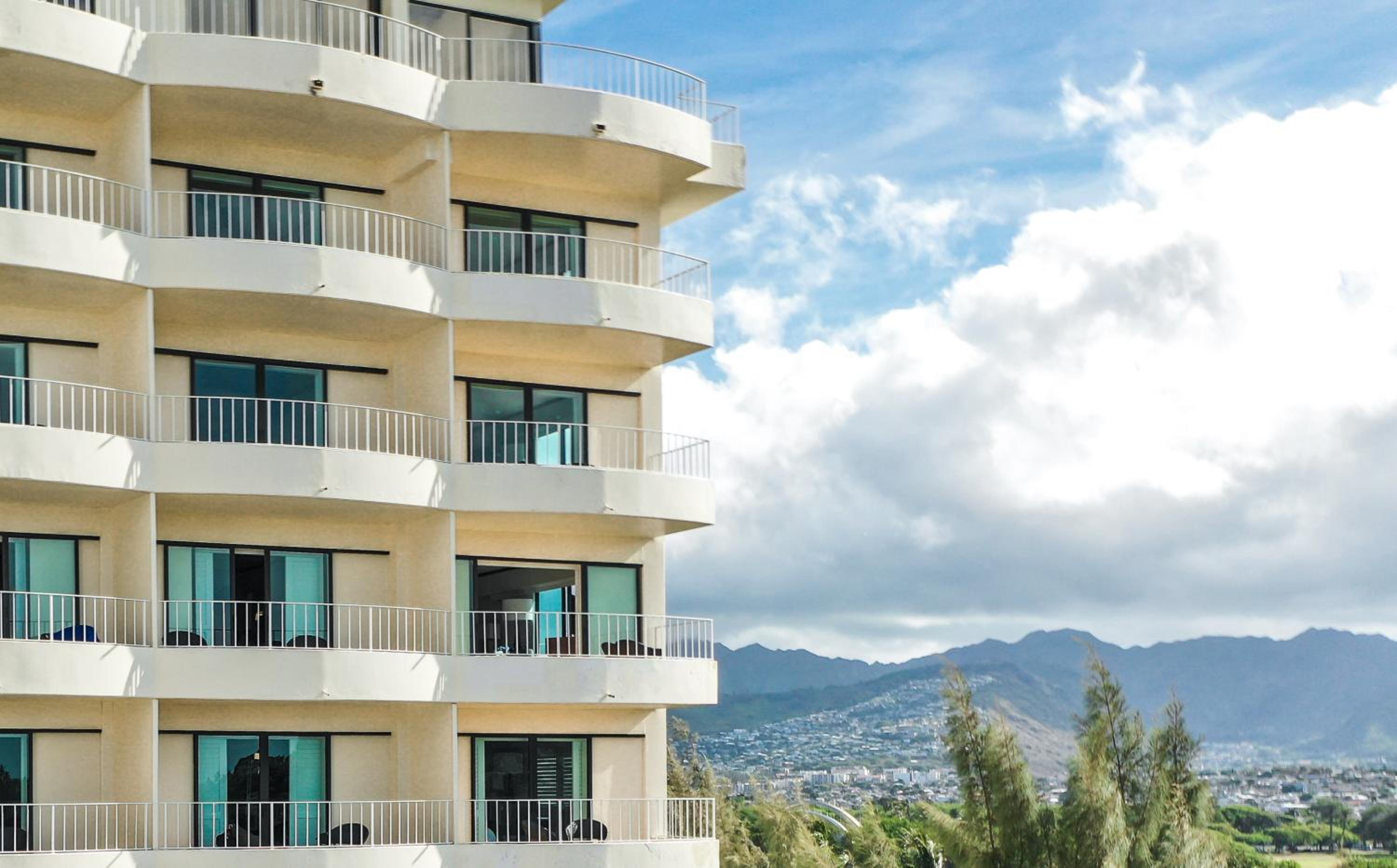
Lotus Honolulu at Diamond Head
4/5
Honolulu
View hotel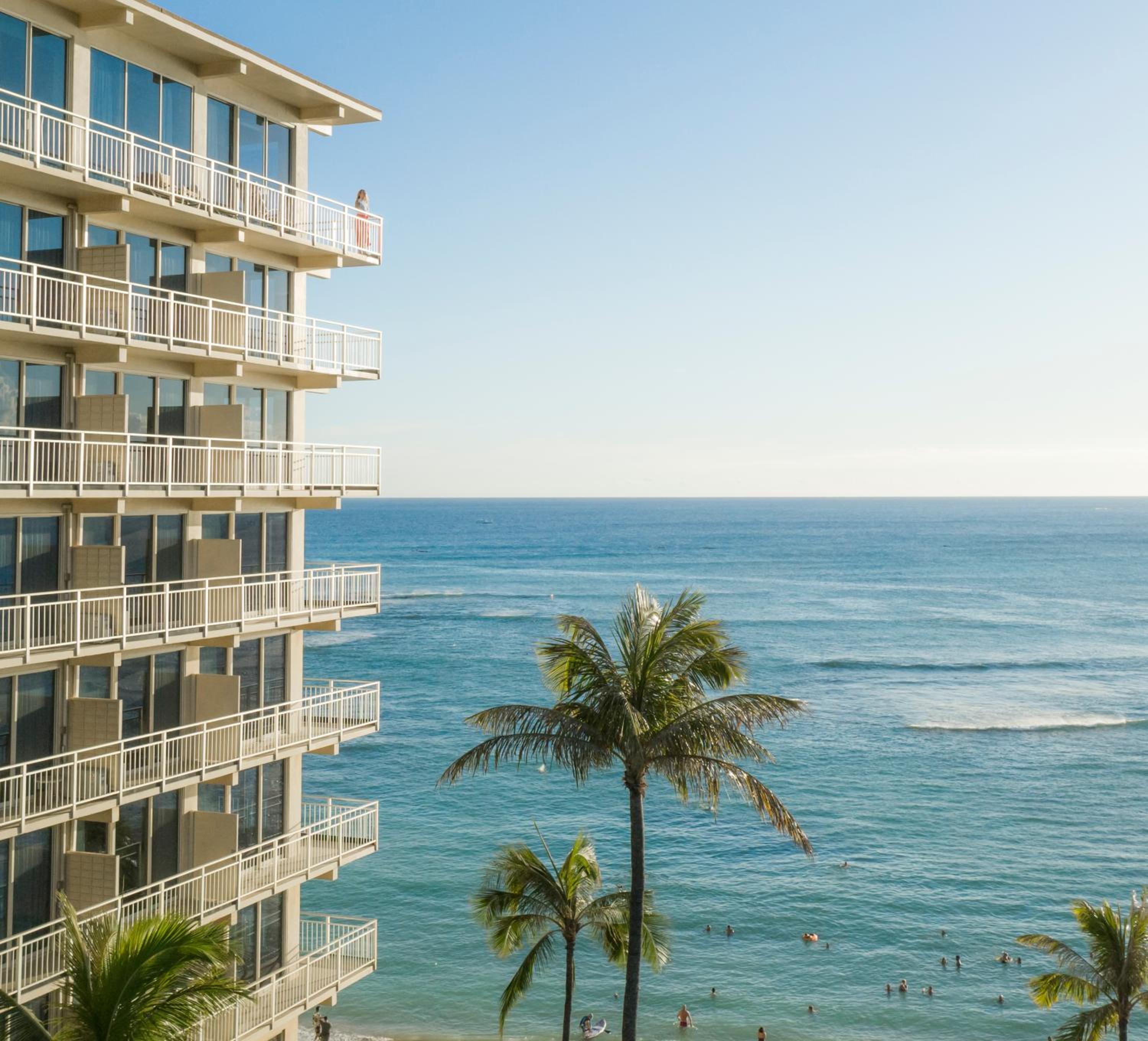
Kaimana Beach Hotel
3/5
Honolulu
View hotel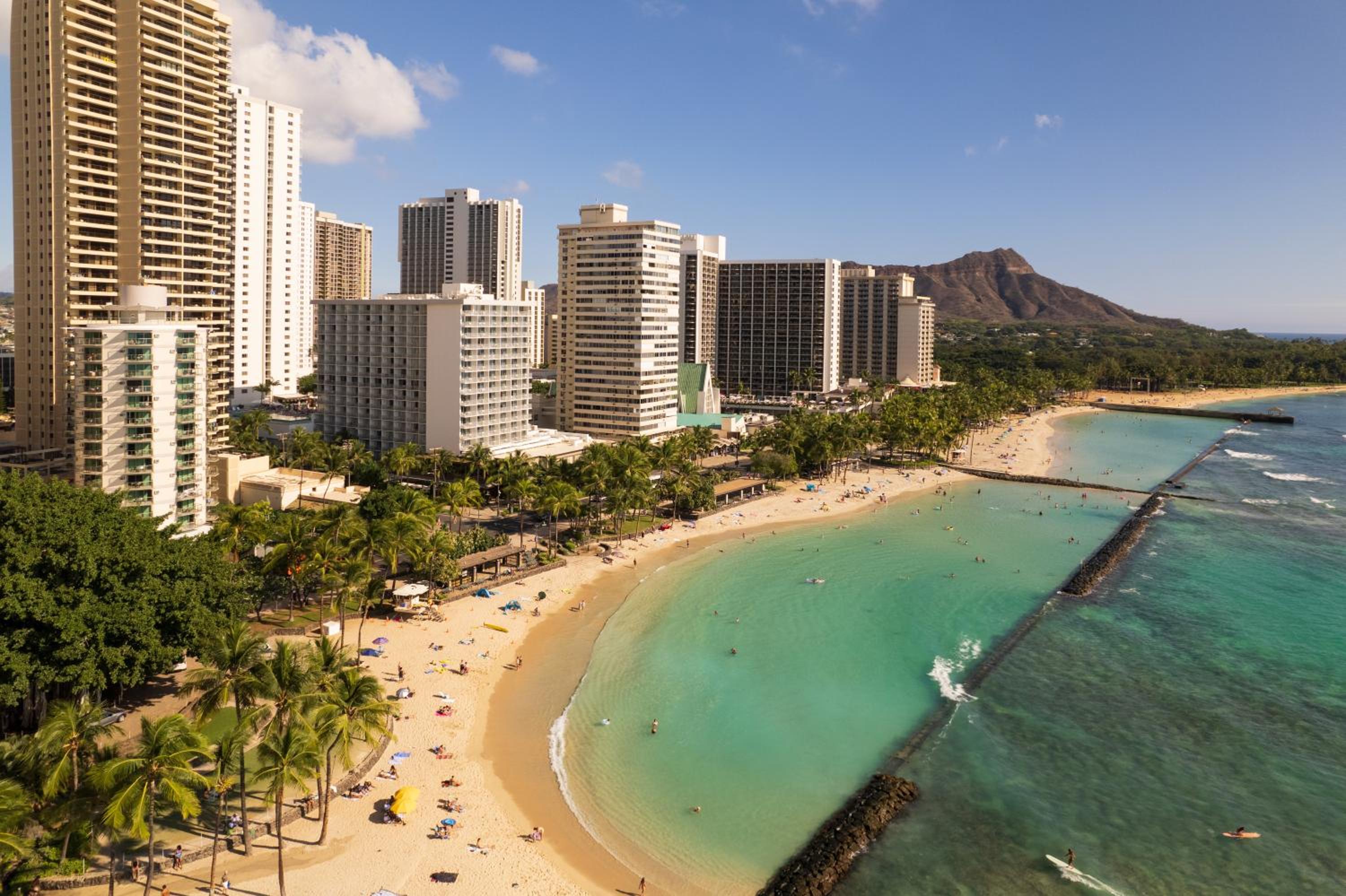
Waikiki Circle Hotel by Castle
3/5
Honolulu
View hotel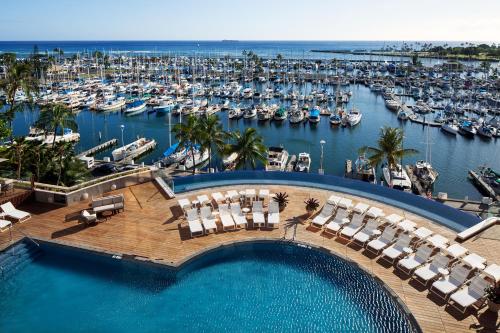
Prince Waikiki
4/5
Honolulu
View hotel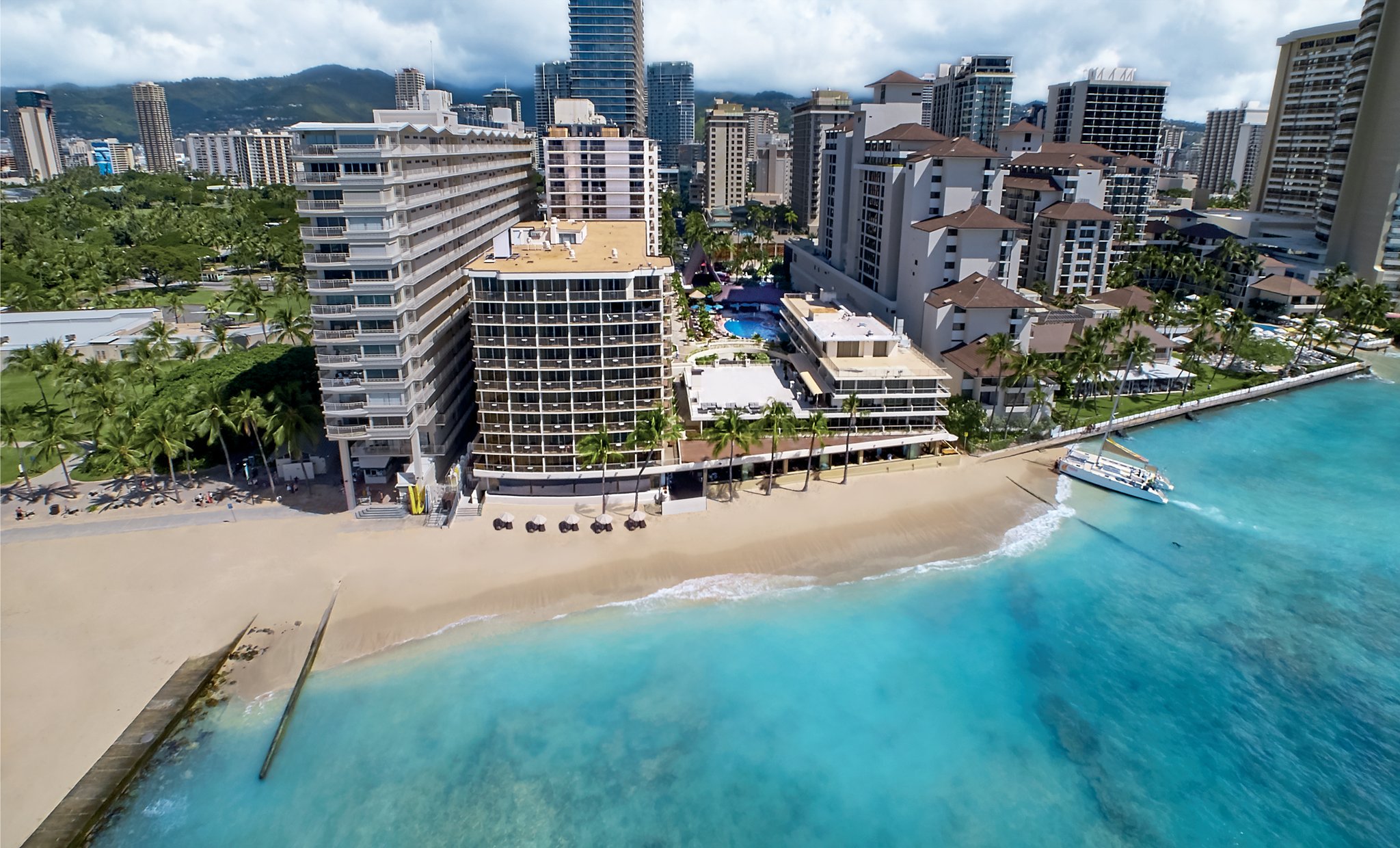
OUTRIGGER Reef Waikiki Beach Resort
4/5
Honolulu
View hotel
'Alohilani Resort Waikiki Beach
5/5
Honolulu
View hotel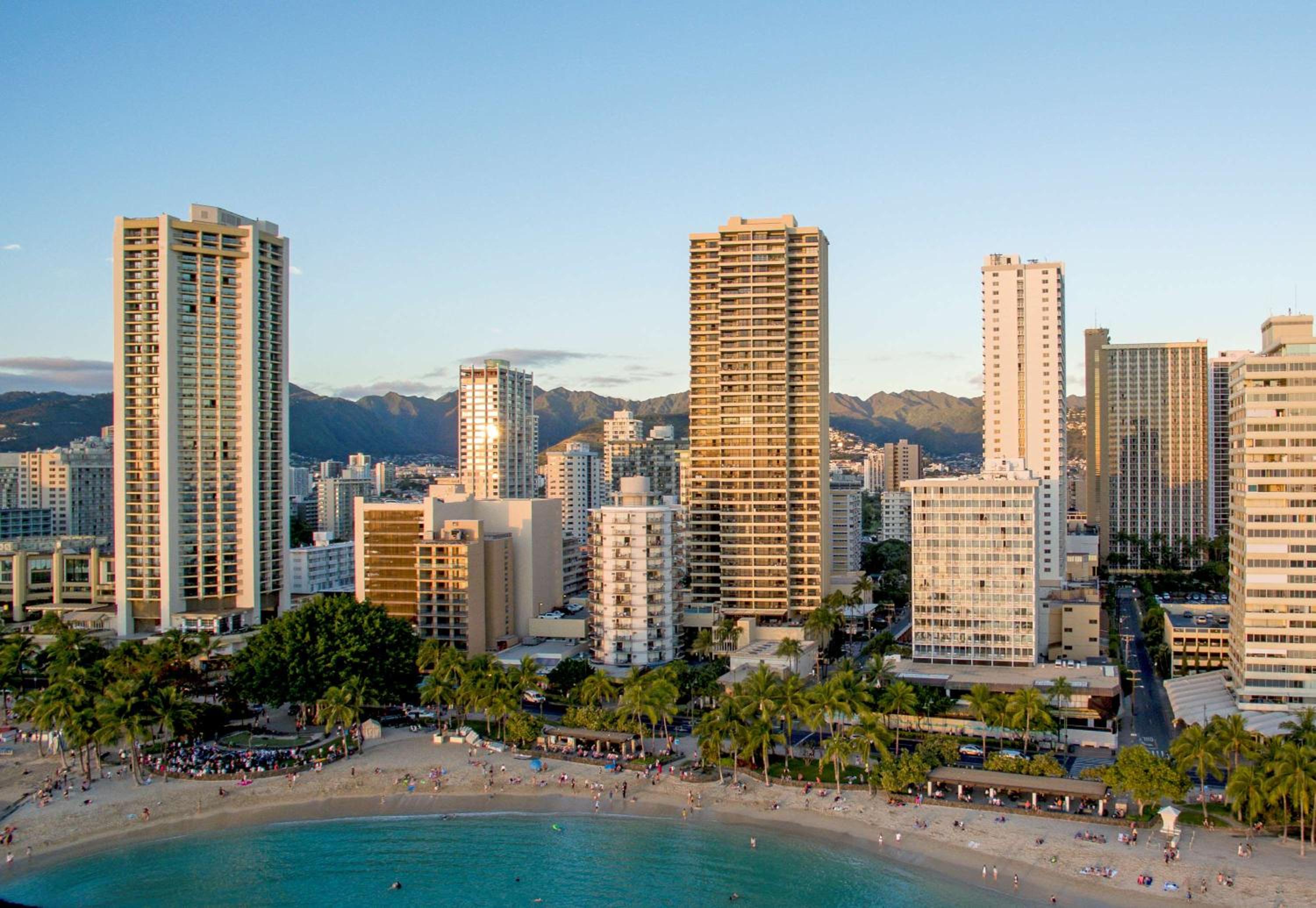
Aston Waikiki Beach Tower
5/5
Honolulu
View hotel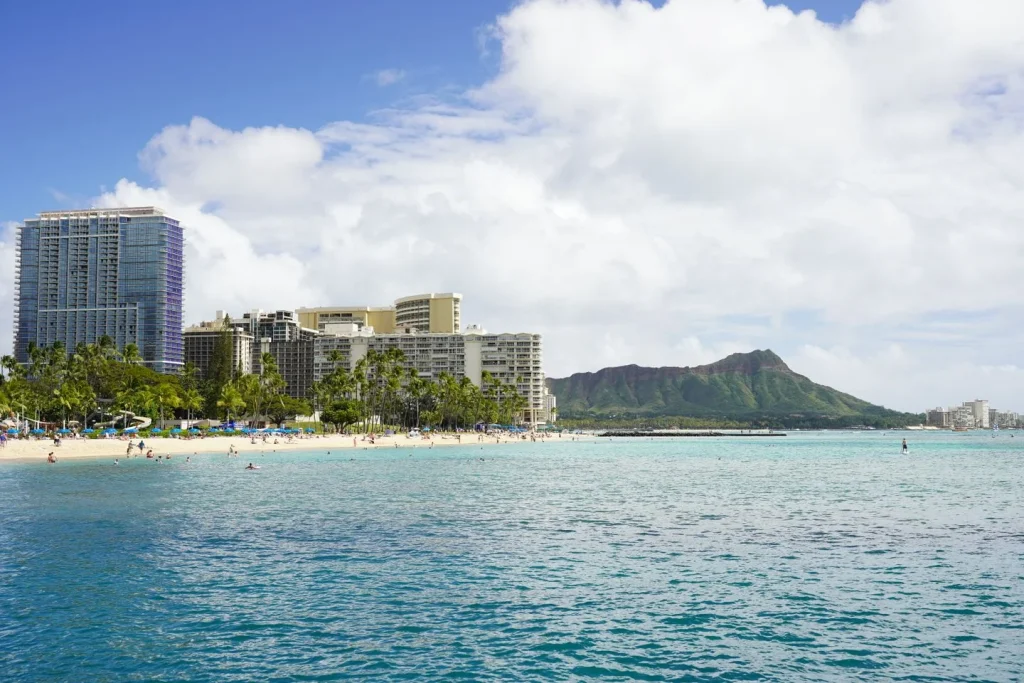
Trail And Access
Because much of the route stays cool and shaded, Manoa Falls works especially well as a near-Waikiki hike when you want rainforest scenery without a long drive. You’ll follow a 1.6-mile out-and-back trail through lush Manoa Valley, usually in about 1 to 1.5 hours, with roughly 800 feet of elevation gain. It’s a strong choice in the Manoa Falls vs Waimea Falls decision when your schedule is tight and you want something close to town.
- Start early, since Manoa Falls is typically open daily from 6am to 6pm.
- Use the paid parking lot near the trailhead, because parking is required and easiest there.
- Wear sturdy shoes, not flip-flops, since the trail often feels damp, muddy, and slick.
You’ll hear birds, see thick greenery, and notice the air turn cooler under the trees. Bring mosquito repellent and a bag for muddy shoe changes. It’s a simple access plan with a rainforest payoff. For travelers without a car, some tours bundle Waikiki pickup with the hike and a healthy lunch. That can make one of the Manoa Falls tours especially convenient if you’re staying in Waikiki and want transportation included.
Waterfall And Conditions
Although Manoa Falls sits close to Waikiki, the waterfall itself feels tucked deep in a dripping green valley where roots, mud, and birdsong set the mood long before you reach the final view. You’ll hear water before you fully see it, and that reveal gives Manoa Falls its pull among waterfalls on Oahu. While the falls are beautiful to admire, swimming at Manoa Falls is not recommended before or after heavy rain.
Conditions shape the experience here. In the Wet Season, winter rains usually make the cascade stronger and the valley even more lush. Summer still works well, especially on hot days, because the trail stays mostly shaded under thick jungle cover. Late spring and early fall often bring reliable hiking days with a good balance of trail conditions and comfort. Still, you should expect damp ground year-round. Wear sturdy shoes, not flip-flops, because muddy patches and slick sections can make the return feel like a careful downhill dance. Mosquito repellent and dry shoes help too. If you’re pairing this hike with snorkeling elsewhere on Oahu, wearing rash guards can also help with sun protection while reducing reliance on sunscreen.
Swimming Restrictions
That dramatic final view comes with a firm rule: no swimming at Manoa Falls. You’ll see posted swimming restrictions near the waterfall area, and they’re there for real hazards like rockfall and reported leptospirosis concerns. This lush rainforest walk is for looking, listening, and taking photos, not taking a dip. For the most reliable route details, stick to official trails listed by Hawaiʻi’s Nā Ala Hele program.
- Stay on the walk-only route and follow any closure signs from 6am to 6pm.
- Watch the Nature trail conditions, especially in winter, when mud and slick roots can turn the return hike into a careful shuffle.
- Wear proper shoes instead of flip-flops, and bring mosquito repellent for the shady jungle sections.
Since Manoa Falls sits about 15 minutes from Waikiki, it’s an easy adventure. If you’re planning a beach day after the hike, remember that Hanauma Bay requires every visitor to watch an educational video as part of its visitor education program. If you’re mapping out more island activities, an Oahu Events Calendar can help you pair this hike with monthly festivals and other can’t-miss picks. Just keep your footing sharp and your swimsuit packed away today.
Maunawili Falls: Swim With Caveats
At Maunawili Falls, you’ll earn that roughly 20-foot cascade with a longer Pali Highway-area hike, a few stream crossings, and some head-scratching turns near a quiet neighborhood. The deep plunge pool can tempt you in, but you should check the weather and stream level first because slick rocks and flash-flood risk can change the mood fast. You’ll also want to park legally on the street, keep driveways clear, and move through the residential area like a good guest.
Trail Access Challenges
If you’re chasing Maunawili Falls, getting there is part of the adventure and part of the challenge. The route starts off the Pali Highway, but keep in mind this isn’t a simple roadside stop. You’ll likely begin near a quiet neighborhood, where street parking is the only option, so park legally and stay low-key.
- The main route is a real hike, often about 6 miles round-trip.
- Unsigned junctions make it easy to get lost, especially when trail conditions shift.
- Multiple stream crossings mean wet shoes, slick rocks, and muddy footing after rain.
You’ll hear birds, water, and maybe your own confused laugh at a head-scratching turn. Treat access with care. If visitors ignore local concerns, this fragile entry point could disappear for everyone later.

Waikiki Glass Bottom Boat Cruise
Experience the beauty of Oʻahu South Shore as we sail toward Lēʻahi (Diamond Head) aboard the spacious Haleiwa Qu...

Honolulu: Pacific Star Sunset Dinner Cruise and Show
Indulge in the original Pacific Rim cuisine, where each dish serves as a gateway to the rich flavors of the region...

Pearl Harbor USS Arizona Memorial & Battleship Missouri
Visit USS Arizona and Battleship Missouri, as they represent both the beginning and the end of World War II. The acc...
Plunge Pool Safety
While Maunawili Falls does have a plunge pool deep enough for a swim and, by report, even the occasional cliff jump, this isn’t a carefree splash-and-go stop. At Maunawili Falls, plunge pool safety starts before you enter. Stream crossings, slippery rocks, and confusing junctions can complicate access. Conditions also shift, especially near private property, so stay flexible. On Oahu, guided wildlife outings like turtle-watching tours are popular because local expertise helps people navigate changing water conditions more safely.
| You notice | You should feel |
|---|---|
| Clear water, roaring falls | Curious, not overconfident |
| Rising flow, muddy current | Alert and ready to skip it |
Never stand or swim directly under falling water. Rocks and debris can drop without warning. Don’t enter with open cuts, and never drink the water. Even clear pools can carry leptospirosis. If you encounter wildlife nearby, keep a respectful viewing distance and avoid disturbing resting animals. Sea turtles around Oahu are best enjoyed through safe snorkeling practices that prioritize animal space and changing ocean conditions. Check for flash flood risk that day, then swim only in a calm, known area if everything looks safely stable.
Residential Area Etiquette
Because Maunawili Falls begins near a quiet neighborhood, the hike asks for good manners before it asks for trail legs. Practice solid residential area etiquette from the moment Maunawili Falls access starts. Park legally, keep voices low, and never block driveways. Skip unofficial shortcuts, too. They can lead you into private spaces fast.
- Go slow at unsigned turns. An offbeat scramble and a sneaky junction can send you the wrong way.
- Expect stream crossings. Wet rocks get slick, and after rain the water can rise and shove hard.
- Keep your group small and leave no trace. Access can feel uncertain, and locals notice bad behavior. Travelers wanting a gentler day may prefer low-walking sightseeing options elsewhere on Oahu.
If you plan to swim, check conditions first. The pool can be deep enough for jumps, but only when water is calm and flash flooding isn’t a risk. If you’re connecting this outing with town travel, review bike safety tips before riding between Waikiki and trail-area streets.

Waikiki 2 Hours Friday Night Fireworks Catamaran Cruise
Enjoy the spectacular FRIDAY NIGHT FIREWORKS show along the beautiful coastline of Waikiki while we get up close and...

Pearl Harbor USS Arizona Memorial Tour from Waikiki
Turn back time as we explore WWII history at Pearl Harbor and relive the infamous Sunday morning of December 7, 1941...

Pearl Harbor Tribute: Arizona Memorial and Honolulu City Tour
This is an executive class Pearl Harbor Tour, which has been double discounted. We have discounted this tour to the...
Lulumahu Falls: Permit Rules to Know
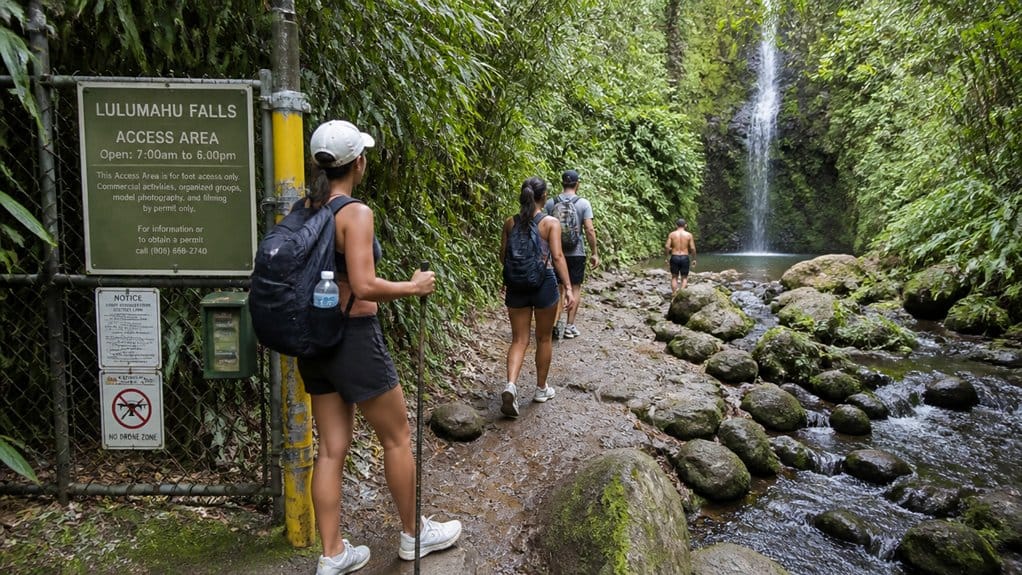
Although Lulumahu Falls feels like a tucked-away jungle reward, you can’t treat it like a casual roadside stop. This waterfall sits on watershed land with a long history of access disputes, so Lulumahu Falls comes with real permit rules to know before you lace up your shoes.
Years ago, seven hikers were charged with trespassing before a 2007 trip and had to appear in court. Later, the Honolulu Board of Water Supply began issuing permits that allowed authorized access. That shift matters, but it doesn’t mean you should assume entry is open. You need to verify current permission, follow posted boundary signs, and respect any restrictions. If the pool looks tempting, save your cannonball dreams for safe conditions with no flash flood threat. First, make sure you’re there legally and responsibly.
Laie Falls: Plan Ahead for Permits
Laie Falls asks for the same kind of homework, just with a longer payoff at the end. Before you lace up hiking boots, check current access rules. Parts of the route cross land tied to BYU and PCC, so permits may apply.
- Verify permission first, because boundaries and rules can change.
- Expect a sweaty 6 to 7 mile round trip with about 1,200 feet of climbing.
- Don’t expect a giant cascade. Laie Falls is often a modest 15 feet tall.
You’ll earn it through dust, roots, and humid forest air. The lower tiers can be trickier to reach, so budget extra time and decide conditions on the spot. Stay aware, tread respectfully, and remember you’re moving through a landscape with native Hawaiian significance and local rules that matter.
Jackass Ginger Pool: Quick Swim Spot
You’ll reach Jackass Ginger Pool by following the 1.2-mile Judd Trail loop along Nuuanu Stream, where muddy patches and a stream crossing make the approach feel like part of the fun. The real draw is the swimming hole itself, with rope-swing energy and pools that can reach about 10 feet, so it works best as a quick local swim stop rather than a big waterfall outing. Since the rocks get slick and there are no restrooms, you’ll want to check conditions after rain and only wade or swim where the water and footing clearly look safe.
Pool Access Notes
Once you reach Jackass Ginger Pool on the Judd Trail, the real draw is the deeper pools along Nuuanu Stream, not the small waterfall itself, which tops out at around 10 feet. Think of this as a quick swimming hole stop, not a major falls scene like Kapena Falls. The 1.2-mile Judd Trail loop gets very muddy, and you’ll cross the stream, so expect wet shoes before you ever dip in.
- Some pools are deep enough for a short swim.
- Rocks near the waterline get slick fast.
- Rain can change depth and footing overnight.
You’ll want careful steps and a flexible plan. Access is free, but there are no restrooms. Listen to the water, watch your footing, and treat the pool like a fun bonus, not the whole show.
Rope Swing Appeal
What gives Jackass Ginger Pool its extra spark is the rope swing that shows up over one of the deeper pools along Nuuanu Stream. That little setup gives JACKASS GINGER real rope swing appeal, especially when you hear water moving through the trees and spot smooth dark rocks beside the pool. It feels playful without needing a huge waterfall.
You reach it on the roughly 1.2-mile Judd Trail loop, a short add-on for travelers chasing waterfall hikes with easy transport options. Expect super muddy footing and at least one stream crossing, so your shoes will earn their keep. Along the way, you’ll pass multiple plunge pools and small drops that can reach about 10 feet. There are no restrooms here, so handle that before you start the loop hike out.
Swim Safety Tips
How do you keep a quick dip at Jackass Ginger Pool fun instead of sketchy? This stop on the Oahu Waterfalls circuit looks inviting, but the 1.2-mile loop and stream crossing can be muddy and slippery, especially after rain. Think grippy shoes, careful steps, and zero trust in shiny rocks.
- Check depth first. Before swimming in a waterfall, scan for hidden rocks and shallow spots. Only enter the deeper plunge areas.
- Stay out from under the falls. Falling water can hide debris and loose rock. It sounds cool, but it’s not your helmet.
- Respect the water. Don’t swim with open cuts, never drink the water, and keep your dip brief. Watch the pool edges too. Safe-looking surfaces can surprise you fast, even on sunny days.

Oahu: Atlantis Submarine Adventure in Waikiki
Explore Waikiki’s marine mysteries while diving more than 100 feet underwater in an air-conditioned, eco-friendly...

Honolulu: Three Star Deluxe Sunset Dinner Cruise and Show
As the sun sets over the Pacific, enjoy a luxurious Honolulu dinner cruise along the scenic coastline near Diamond H...

Oahu Majestic Circle Island Tour with Waimea Falls and Byodo Inn
Since 1974, E Noa Tours has specialized in showing visitors the real Oʻahu through immersive experiences led by pas...
Waimano Falls: Tougher Adventure
If you want a waterfall hike on Oʻahu that feels more like a real challenge, Waimano Falls delivers. This Oahu hiking route has an upside down feel. You descend first, then earn the climb back out. The toughest section is a steep, slippery slope locals call Cardiac Hill, which tells you plenty.
Stick with the hike and you’ll reach the rope swing above an intermediate cascade. That feature sits past the harder approach, so it feels like a real milestone. Keep going upstream and the main Waimano Falls area is surprisingly manageable after the slick access sections. The difficulty here comes more from terrain than distance. Wet rock, muddy footing, and sharp changes in grade keep you alert. In return, you get a wilder adventure and fewer casual hikers around.
Best Time and Safety for Oahu Waterfall Hikes
Big waterfall energy is great, but timing and trail sense matter just as much on Oʻahu. Start early to beat heat, crowds, and parking headaches. Even Diamond Head recommends morning starts since the trail runs in full sun with little shade and lots of stairs. If you plan a hike on the island after rain, expect changing conditions fast.
- Visit Manoa Falls in wetter winter months for stronger flow, but expect slick mud and possible flash flooding.
- Read every sign. Some spots ban swimming, and Manoa Falls warns about rockfall, rope hazards, and leptospirosis.
- Keep water safety simple. Don’t drink waterfall water, avoid streams with open cuts, and never stand under falling water.
For Waimea Valley, call 808-638-7766 after 9:00am before you swim.
Frequently Asked Questions
Are Oahu Waterfall Hikes Suitable for Toddlers or Strollers?
Some Oahu waterfall hikes suit toddlers, but strollers usually don’t work. You should prioritize Toddler safety, check stroller guidelines, and confirm trail accessibility, since mud, roots, steep sections, and stream crossings can make routes difficult.
What Should I Pack for an Oahu Waterfall Hike?
Pack water shoes, rain protection, trail snacks, plenty of water, bug spray, sunscreen, and a small first-aid kit. Like Odysseus, you’ll handle slippery paths better if you also bring a dry bag and towel.
Are There Leeches or Mosquitoes on Oahu Waterfall Trails?
Yes, you’ll encounter mosquitoes on some waterfall trails, especially during wetter trail seasons, but leeches aren’t common on Oahu. Use Waterfall insects repellent, wear long sleeves, and follow basic safety tips to avoid bites.
Can I Bring My Dog on Oahu Waterfall Hikes?
Yes, you can bring your dog on some Oahu waterfall hikes, but you’ll need to check leash laws first. Choose dog friendly trails, follow trail etiquette, pack water, and respect posted restrictions and sensitive ecosystems.
Do Oahu Waterfall Hikes Have Cell Service Throughout the Trail?
No, you won’t get reliable cell service throughout Oahu waterfall hikes; signal coverage varies by trail, terrain, and weather. You should download offline maps before going and prioritize emergency preparedness in case you lose reception.
Conclusion
With a little planning, you can match the right waterfall to your day and your ride. You might bus to Manoa through dripping green forest, park easily at Waimea Valley, or slip into Jackass Ginger Pool for a quick splash. Call ahead when swimming rules change, and check permits before you lace up. Better safe than sorry. Oahu’s waterfalls reward patience with cool mist, muddy shoes, and that satisfying hush you hear near falling water.
See more of Oʻahu
Top pick
 Explore experience ↗
Honolulu Rainforest Self-Guided Audio Tour
◷ 4 hr–5 hr
See a rarely explored corner of Honolulu! Hawaii's bustling capital may be known for its beaches and high-rise buildings but did you kn
From $19.99 USD
View dates Explore experience ↗
Rainforest River Kayak Self-Guided Kayak Tour
◷ 4 hr
This is the Best Kayaking Experience on Oahu. This self-guided* Oahu kayak tour takes you up a calm river into the secluded Kahana vall
From $82.00 USD
View dates Explore experience ↗
Popoiʻa Island Hopper Guided Kayak Tour + Snorkeling Kailua, Oahu
◷ 3 hr
Ideal for Beginners looking for a Hawaiian kayaking tour with the safety of a guide in sea turtle feeding grounds; All levels welcome f
From $199.94 USD
View dates Explore experience ↗
Kailua Bay, Oahu: Epic Kayak and Snorkel to Islands
◷ 5 hr 30 min
Small Groups! Explore the gorgeous beaches, islands and wildlife sanctuaries around Kailua Bay by kayak with your choice of a guided or
From $114.58 USD
View datesExperiences to explore
 Explore experience ↗
Hidden Gems of Oahu Circle Island Tour with Byodo In Temple
◷ 9 hr
Join Go Tours Hawaii as we embark on an Unforgettable Oahu Circle Island tour adventure as we journey through Hawaii's wonders. Availab
From $159.00 USD
View dates Explore experience ↗
Oahu Hidden Waterfall Hike: A Tropical Paradise Adventure
◷ 3 hr
Discover a hidden waterfall hike on this privately owned slice of paradise. Join us on this mild to moderate guided waterfall hiking to
From $92.31 USD
View dates Explore experience ↗
Hidden Hawaii Tours- Small Waterfall Hike & Lani Kai Beach
◷ 4 hr
From hidden waterfalls to white sand beaches this tour is unlike any other (This tour is intimate and small, the maximum amount of peop
From $165.00 USD
View dates