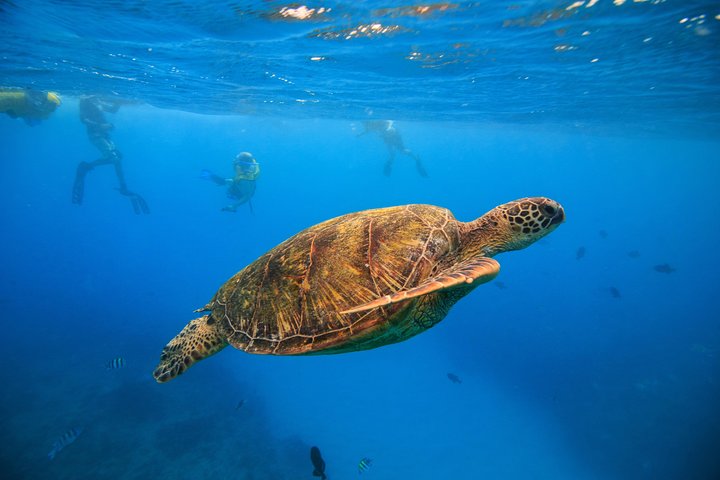
You might not know that Kahe Point is better known as Electric Beach, a west Oʻahu shore spot where warm water from a nearby power plant flows into the sea and draws in sea turtles, reef fish, and plenty of curious snorkelers. You’ll find it just north of Ko Olina, with a plain stretch of sand that hides a surprisingly lively underwater scene. The beach looks simple at first, but the water tells a more interesting story.
Key Takeaways
- Kahe Point is a coastal spot on Oʻahu’s west side, just north of Ko Olina, at 92-301 Farrington Hwy in Kapolei.
- It is widely known as Electric Beach because a nearby power plant releases treated warm cooling water offshore.
- Kahe Point Beach Park has a small sandy entry area, plus bathrooms, showers, drinking water, picnic tables, and a pavilion.
- Kahe Point is popular for snorkeling, with clear water, coral heads, sea turtles, and schools of tropical fish.
- It is better for intermediate or advanced swimmers because currents, choppy entry conditions, and pipe hazards can make snorkeling challenging.

Oahu 5-in-1 Deluxe Cruise: Turtle Snorkeling & Ocean Activities
In addition to the amazing turtle snorkeling in the beautiful waters of Waikiki, our 135-passenger boat offers a unique selection of activities that s...

Oahu: Grand Tour Around Island with Snorkeling
Come join on a circle island adventure led by some of Hawaii’s most knowledgeable local guides and experience brea...

Oahu: Submarine Scooter Adventure
Dive into an unforgettable underwater adventure on Oahu’s beautiful Maunalua Bay. Cruise past the iconic Diamond H...
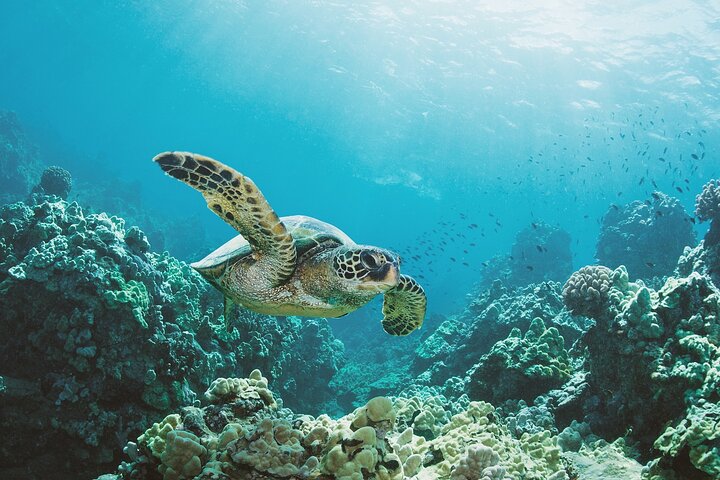
Waikiki: Turtle Canyon Snorkel Adventure on Oahu
Enjoy an exclusive snorkeling adventure in Waikiki with small group sizes for a comfortable and VIP experience. You...
What Is Kahe Point on Oahu?
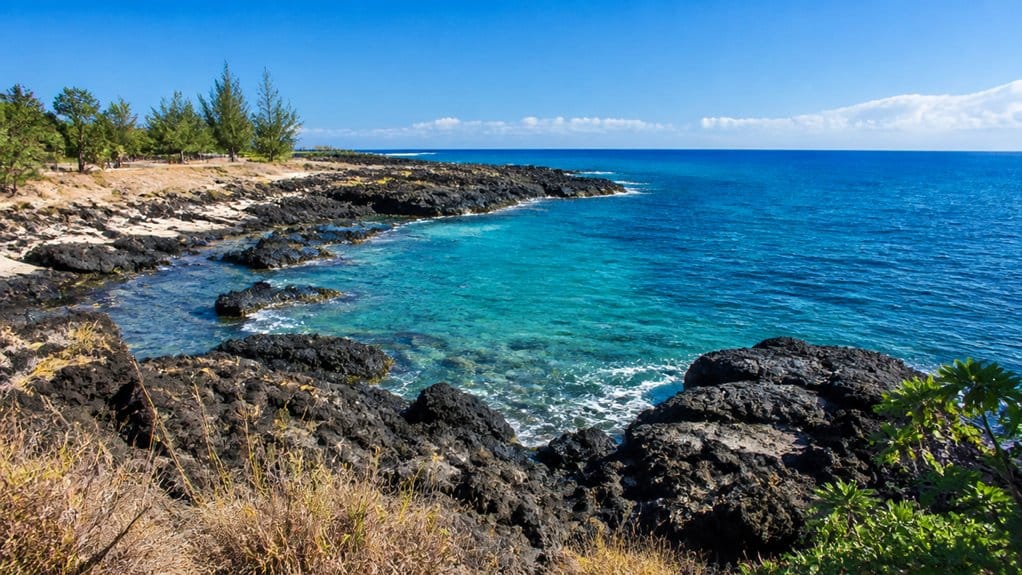
Just north of Ko Olina, Kahe Point is one of Oahu’s most talked-about snorkeling and diving spots, about 27 miles from Waikīkī at 92-301 Farrington Hwy in Kapolei. You’ll also hear it called Electric Beach, thanks to the nearby power plant outflow that warms the water and draws in fish and sea turtles.
At Kahe Point Beach Park, you enter from a small sandy patch near the pavilion. The first stretch can feel shallow, choppy, and a little scrappy, so this place suits intermediate to advanced swimmers best. Push past the sandy surge and the water often turns strikingly clear. Below you, reef and structure zones spread out in roughly 6 to 30 feet of water. It’s not the Big Island, but the underwater action can still feel gloriously wild and bright. Like Sharks Cove, it can reward confident snorkelers and divers with better conditions once you get beyond the most turbulent nearshore water.
Compared with calm reefs in places like Waikiki, Kahe Point typically feels more exposed and energetic in the water. Conditions can shift quickly here, so checking ocean conditions before you get in is a smart move.
Where Is Kahe Point Beach Park?
Kahe Point Beach Park sits on Oahu’s west side, a little north of the Ko Olina resort area, at about 92-301 Farrington Hwy in Kapolei. If you’re driving from Waikīkī, plan on about 27 miles west, so it feels like a real change of scene from Honolulu’s busy core.
You’ll reach Kahe from Farrington Highway, where the coast opens up with dry slopes, blue water, and a straightforward roadside entrance. The Beach at Kahe Point is the small sandy area near the pavilion and restrooms, and that’s where many people enter the water. Kahe Point is often included among the best spots on Oahu’s west side for beachgoers exploring the Waianae coast. If you’re coming from town, pairing the drive with a stop on a Downtown Honolulu food tour can give you a taste of local favorites before heading west. The wider snorkeling zone stretches beyond the park and continues north toward Tracks Beach. If you’re staying near Ko Olina, Kahe feels close enough for an easy side trip, with less polish and more raw shoreline character nearby.
Why Is Kahe Point Called Electric Beach?
Why the flashy nickname? You can thank the nearby power plant just inland from Kahe Point along Farrington Highway. It sends treated cooling water offshore through two huge pipes. When that outflow mixes with the ocean, it creates a warmer patch of sea about 200 yards out. Near the pipe openings, the water drops to around 20 feet, so you’re looking at a distinctly offshore setup.
That’s why many people call this spot Electric Beach or Tracks. The name isn’t just colorful. It points to the plant and the manmade current pattern offshore. Warm water attracts turtles and schools of tropical fish, which adds to the area’s identity. On Oahu, snorkeling spots can vary a lot by area, and Kahe Point stands out for its offshore, power-plant-influenced conditions. Like choosing between 45-minute vs 60-minute tours, this is a place where understanding the setup helps you decide what kind of experience fits best. You’ll also notice that conditions can feel stronger and more technical here, so it usually suits experienced swimmers and snorkelers better than first timers. Stronger currents and surge can develop around the outflow area, especially when ocean conditions are rough.

3 Zipline Adventure (Optional Waikiki Shuttle for 10am Tour)
Experience the thrill of soaring through the jungle on Coral Crater’s 3 Zipline Adventure. Glide across three exci...

Parasailing Experience in Waikiki, HI
Experience the thrill of Oahu parasailing on this unforgettable 1-hour adventure from Waikiki. Soar up to 1,000 feet...

Oahu: Kualoa Ranch UTV Raptor Tour
Traveling with family and friends? You can enjoy the fantastic Multi-passenger UTV Raptor experience with your entir...
Why Is Kahe Point Snorkeling So Popular?
You’ll notice right away why Kahe Point draws snorkelers in: the water is often so clear and blue that visibility can rival almost anywhere on Oahu. As you swim out, the warm water outflow helps gather sea turtles and thick schools of tropical fish along the reef lines and near the tube area offshore. That mix of sharp visibility, lively marine life, and a slightly surreal warm-water shimmer gives you a snorkel that feels a little wild in the best way. For visitors staying in town, it’s still part of Oahu’s appeal for quick reef visits when you want memorable snorkeling without overcomplicating the day. It’s also often mentioned in guides to clear, calm water on Oahu, which helps explain its strong reputation for easy, rewarding snorkeling. It’s also widely recognized as one of the top snorkel spots for seeing turtles on Oahu.
Exceptional Water Clarity
Although the shore break can stir up a brief cloudy band over the sand, the water at Kahe Point usually turns strikingly clear once you swim past the surf line. That’s a big reason Electric Beach became such a beloved snorkeling area. On good days, visibility looks crystal clear and can rival top spots across Hawai‘i. You’ll notice how the bright white sand, coral flats, and smooth boulders sharpen every view underwater.
- Swim beyond the nearshore chop and the water often clears fast.
- The power plant’s warm-water discharge creates mixed conditions, yet visibility still stays impressively clean offshore.
- Around 500 to 700 feet out, structure begins and contrast improves.
You get that satisfying moment when the haze drops away and everything snaps into focus. It feels almost like someone cleaned your mask for you. Similar to calm-day conditions at other Hawaiian snorkeling beaches, the clearest views here usually come when the ocean surface stays gentle. An early start often helps because morning visibility is usually cleaner before wind chop builds. Clear conditions like these are one reason snorkelers also compare visibility with places featured on Waikiki snorkel cruises.
Abundant Marine Life
Few Oʻahu snorkel spots make marine life feel this immediate. At Electric Beach, you drift over white sand, coral flats, and smooth boulders while fish gather in thick, flashing schools. You’ll often spot sea turtles nosing around coral heads, plus wrasse, tang, parrot fish, and trigger fish close enough to count. Its reputation as one of Oʻahu’s best turtle beaches makes turtle sightings here a major draw for snorkelers. Remember that Hawaiian sea turtle etiquette matters here, so enjoy sightings from a respectful distance and never touch or chase them. Stay at the surface and avoid diving down toward turtles for photos, following DLNR guidance.
| What you see | Where to look | Why it stands out |
|---|---|---|
| Sea turtles | Coral heads | Common feeding area |
| Dense fish schools | Sand and flats | Easy to spot clearly |
| Moray eels | Rocky holes | Great surprise sighting |
The hard bottom gives cover, so marine life stacks up fast near shore. Depth changes from shallow entry water to roughly 20 to 30 feet farther out. If luck joins you, even dolphins might appear offshore.
Still comparing Kahe Point And Electric Beach Snorkeling?
Ask for tour ideas, hotel suggestions, or a simple trip plan that combines both.
Trip Helper
Warm Water Outflow
Because a nearby power plant releases warm cooling water offshore, Kahe Point draws snorkelers toward a zone that feels unusually alive. At Electric Beach, you’ll often spot a shimmering warm water outflow a few hundred yards out, where the sea seems to boil gently and fish gather fast. Like any good snorkeling visit, it helps to plan around ocean conditions and timing before you swim out.
- You can swim toward the pipes, where visibility often stays crystal clear, even under gray skies.
- You’ll likely see sea turtles, clouds of reef fish, and busy coral flats in about 20 feet of water.
- You should avoid the turbulent discharge stream and never dive directly in front of the pipe openings.
- If you encounter sea turtles, keep a 10 feet distance in the water and avoid altering their resting or feeding behavior.
That mix of warmth, motion, and marine life explains the buzz in every Hawaii Snorkeling Guide. It’s nature with a weird little industrial plot twist, somehow beautiful. Like many Oahu water attractions covered in booking reviews, Kahe Point is best enjoyed when you know the conditions and safety tradeoffs before heading out.
Is Kahe Point Snorkeling Safe for Beginners?
How safe is Kahe Point for a first snorkeling trip? At Electric Beach, this popular snorkeling spot usually isn’t your best starter choice. You may face tricky entry, cloudy nearshore water, and ocean conditions that can feel pushy before you reach the clearer reef area farther out. Like rocky entry spots such as Shark’s Cove, getting in and out can be one of the biggest challenges for beginners.
If you’re new, don’t count on easy help. Some parts of the snorkeling area have no lifeguards, and conditions can shift fast. You’ll likely enter from a small sandy beach, then time the waves and slip on your fins before heading out. Stay around or above the pipe outflows, not in front of them. Going with a buddy helps a lot. A guided boat tour from Ko Olina can also make things easier by shortening the swim. If it looks too wavy, skip it.
What Are Kahe Point Water Conditions Like?
Water at Kahe Point often looks bright blue and surprisingly clear once you get past the beach, which is a big part of its appeal. At Electric Beach, you’ll usually notice cloudier water first, since waves stir up sand close to shore. Once you move out, visibility often improves fast. Mornings are usually best before wind and chop build. The shore break can feel punchy when water comes in hard.
Clear blue water is the draw at Kahe Point, especially once you get past the sandy, churned-up nearshore.
- Near shore, expect shallow water and shifting sand.
- Farther out, the bottom drops deeper, around 20 feet near the pipe area.
- Currents and cross-currents can get strong, especially by the outflow.
You’ll want extra caution around the cooling pipe openings. Don’t enter the water in front of them. Snorkeling above or around that zone is the better call there.
How Do You Enter Kahe Point Safely?
When the shore break settles down, enter Kahe Point from the small sand beach just right of the big pavilion and watch a few wave sets before you commit. If the waves get punchy, wait it out or skip the entry. At Electric Beach, there’s no lifeguard or store close by, so bring a buddy and keep your mask and fins secure until the water gives you a clean start.
Expect murky water at the shoreline where sand gets stirred up. Just beyond the breaking waves, it usually clears fast. Time both entry and exit with the sets. Stay away from the pipe openings and don’t duck into the turbulent outflow. Currents at Kahe Point can tug you wider than expected, so use strong-swimmer judgment and be ready to swim back early. Morning conditions are often easier to manage before trade winds pick up later in the day. It also helps to practice swim smart habits by staying aware of conditions and avoiding unnecessary risks in the water. For a calmer finish to your day after the swim, Oahu also has Lanikai sunset spots where the evening light looks especially good.

Waikiki Glass Bottom Boat Cruise
Experience the beauty of Oʻahu South Shore as we sail toward Lēʻahi (Diamond Head) aboard the spacious Haleiwa Qu...

Honolulu: Pacific Star Sunset Dinner Cruise and Show
Indulge in the original Pacific Rim cuisine, where each dish serves as a gateway to the rich flavors of the region...

Oahu Shark Dive on the North Shore
Book the Oahu Shark Dive for a thrilling shark encounter off the North Shore. You’ll travel by boat from Haleiwa H...
Where to Snorkel at Kahe Point Safely
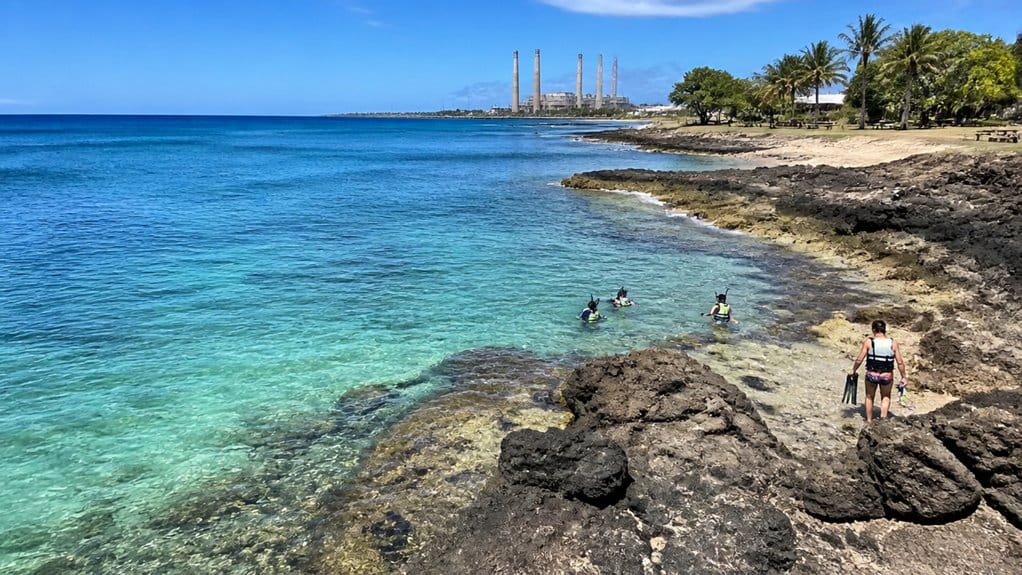
You’ll usually start from the small sand beach just right of the big pavilion, where you can gear up fast and time your step through the choppy shore break. Once you’re past the cloudy, sandy edge, you can follow the cement wall toward clearer water and the warm-water area, but it’s best only if you’re a strong swimmer with fins and a buddy. Stay above and around the warm outflow instead of in front of the pipe openings, because currents can pull sideways out here and Kahe doesn’t hand beginners a free pass. If you’re planning a full island activity day afterward, many visitors compare west-side snorkeling with Polynesian Cultural Center tours from Waikiki. Snorkelers who are still deciding between surface exploring and tanks should think about beginner scuba only after they feel fully comfortable managing ocean entry and conditions here. If you’re new to the ocean, consider practicing with beginner-friendly scuba tours in Honolulu before attempting Kahe Point.
Best Entry Point
Although Kahe Point looks rugged at first glance, the easiest and safest place to start is the small sand beach just to the right of the large pavilion near the bathrooms and showers. From the parking lot, you can spot this entry and avoid clambering over rough rocks. Before snorkeling at Kahe Point, secure your mask and fins, then watch the shore for a calm opening.
- Follow the cement wall line for a cleaner, simpler route outward.
- Expect cloudy water near shore, then clearer views past the break.
- Stay above white sand, coral flats, and smooth boulders over the pipe.
At Kahe Point, don’t enter in front of the offshore pipe openings. Instead, move around them and swim straight out about 500 feet toward the warm-water tube area. Your entry will feel much easier there. As with watching waves at the North Shore Pipeline, always pause to assess ocean conditions before entering the water.
Safer Snorkeling Conditions
If the ocean looks calm, Kahe Point can offer a safer snorkel on Oahu’s west side, but it’s still best for intermediate to advanced swimmers. Enter from the small sand beach right of the pavilion. Secure your gear first, then move through the cloudy shallows until the water clears beyond the break.
| Spot | Safer approach |
|---|---|
| Entry | Small sand beach |
| Direction | Follow cement wall |
| Visibility | Better past waves |
| Depth | 6 to 30 feet |
| Avoid | Electric Beach side |
You’ll usually find the clearest view over the warm-water area, not near the sea floor by the pipe openings. Swim steadily with fins and stay above that zone. Compared with Electric Beach, this route feels more controlled when conditions cooperate. No lifeguard means your judgment matters most.
Currents And Pipe Hazards
Even when the surface looks mellow, Kahe Point can pull hard with strong currents and sneaky cross-currents, so this isn’t a place to wing it without fins. At Electric Beach, water currents can make the swim back feel longer than it looks, especially if you drift. Before you go, review snorkel safely basics so you have a clear plan for currents, entry, and turnaround. Check ocean alerts before you go so you know about unusual conditions or closures that could affect your swim. On Oahu, even calm-looking water can hide rip currents that pull you off your line and make returning to shore much harder.
- Enter carefully from shore. Waves can break hard by the wall, and the first surge may shove you around.
- Don’t swim straight at the pipe openings. They sit about 20 feet deep, so stay above and around that zone instead.
- Follow the cement wall line, then head out about 500 feet for clearer viewing at Point, away from the turbulent discharge flow.
There’s no dependable lifeguard right here, so set a conservative turnaround time. If the current builds, call it early. Fish will still be there tomorrow.
What Marine Life Can You See at Kahe Point?
Once you slip into the warm, clear water at Kahe Point, you’ll see why snorkelers rave about it. At Electric Beach, snorkeling feels almost cinematic. Hundreds of fish move over white sand and coral flats near the Electric discharge area, and you can spot butterfly fish, parrot fish, damsels, surgeon fish, and tangs within minutes.
If you follow the reef lines, you’ll often find wrasse, trigger fish, goat fish, snapper, hawk fish, squirrel fish, and long, sleek needle fish. Jacks, mackerel, and cornet fish sometimes cruise past like they own the place. Around the pipe and coral heads, Hawaiian green sea turtles are frequent visitors. This is one reason turtle-watching tours on Oahu are so popular with visitors hoping to see these graceful animals in clear water. The warm outflow also draws in extra surprises, including moray eels and, if luck’s with you, an occasional ray gliding through.
What Facilities Are at Kahe Point Beach Park?
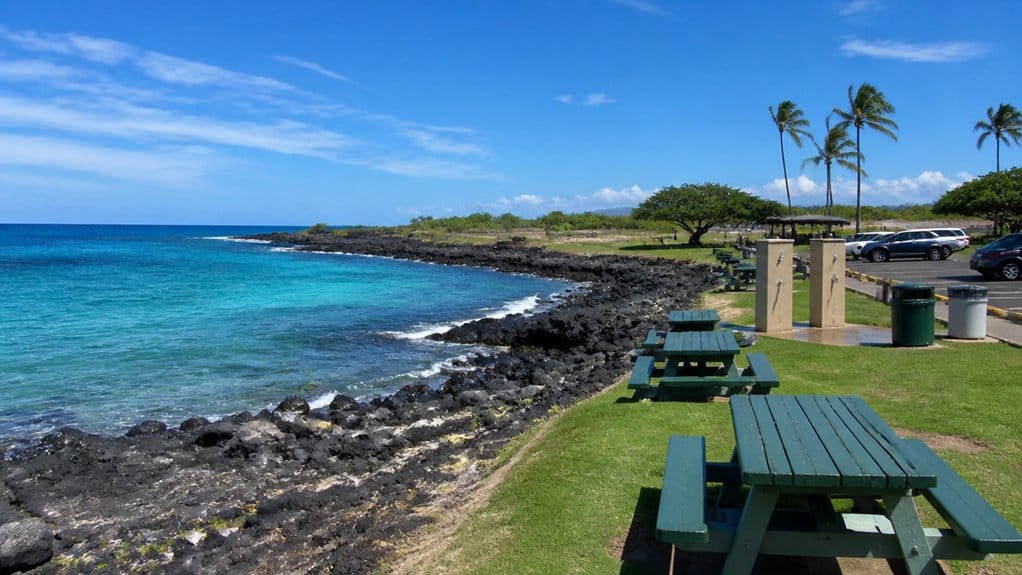
Because Kahe Point draws plenty of snorkelers and beach regulars, the facilities here make it easy to settle in for a few hours without much fuss. At this Oahu shoreline called Electric Beach, you’ll find bathrooms and showers, drinking water, and a pavilion that gives you a practical home base.
- Restrooms and port-a-potties let you rinse off salt and sand fast.
- Picnic tables and BBQ pits make lunch easy, whether you pack poke or hot dogs.
- An on-site parking lot sits near the pavilion, though spaces can feel tight. If you want a smoother arrival, planning ahead for parking quickly can help you spend less time circling for a space.
You’ll also notice a shaded park setup with trees around the beachfront facilities, which helps when the sun feels bold. A visitor guide can also help you plan beach logistics in simple steps before you arrive. A lifeguard station stands nearby during posted hours, but you should still treat the ocean with respect and keep safety in mind always. For longer beach days, a simple picnic setup with shade, water, and easy-to-carry food can make your visit more comfortable.
When Is the Best Time to Visit Kahe Point?
With the basics covered, timing is what really shapes a good visit to Kahe Point. For many people, morning brings the best snorkeling at Kahe Point Beach Park. The water often looks clearer then, and the surface tends to stay calmer, which helps you spot fish and move comfortably.
You should still watch the shore break before you enter. Even on a nice day, the first few steps can feel pushy. If you want the warm electric beach outflow, pick a stable day with mild waves and manageable current. Stronger flow can carry you out and turn the swim back into work. Check conditions first, and ask lifeguards if they’re on duty, usually around 9:00 a.m. to 5:30 p.m. Go early in that window for extra backup. You’re not a beginner snorkeler here.
What Recent Visitors Say About Kahe Point
Recent visitors say you’ll find clear water, lots of fish, and a surprisingly uncrowded snorkeling spot that feels a step above busier Oahu beaches. You’ll also hear about warm water near the offshore pipes, where turtles and thick schools of tropical fish often turn a swim into the main event. At the same time, you’ll want to pay attention to choppy entries, stronger currents, and basic prep like fins, a buddy, and a quick check of what amenities are nearby.

Pearl Harbor, Dole, and Polynesian Cultural Center from Waikiki
Join us on an unforgettable day at three of Oahu’s most popular attractions: Pearl Harbor, Dole Plantation, and Po...

Pearl Harbor Complete Experience Passport
Visit All 4 Museums in One day on this tour, tickets and admissions are included. See how the US entered into and en...

Waikiki 2 Hour Sunset Sailing Catamaran Swim and Sail Adventure
There’s no better place to take a dip than the crystal-clear waters of Waikiki—and no better way to experience a...
Snorkeling Conditions Reported
How does Kahe Point actually snorkel on a typical day? You’ll usually find Kahe Point best suited to intermediate or advanced snorkelers. The entry can feel rough near shore, with waves stirring up sand into cloudy water. Push past the break, though, and visibility often turns crystal clear, even on overcast mornings. That’s when the place starts to impress both snorkelers and SCUBA divers.
- Go in early if you can. Morning conditions are often calmer and clearer.
- Bring fins. Some visitors report strong currents that push you out and make returning harder.
- Stay around or above the warm-water pipe area, not directly in front of the openings.
You won’t always find easy backup here, so assess conditions carefully before you slip in. The ocean calls the shots here.
Marine Life Highlights
Once you get beyond the choppy shoreline, Kahe Point starts to feel like a busy underwater neighborhood. You’ll notice heaps of tropical fish almost right away, with butterfly fish, parrot fish, tang, surgeon fish, wrasse, triggerfish, and damsel fish moving over the coral flats like traffic at rush hour.
Recent visitors say the warm water near the cooling pipe draws steady action. You might spot sea turtles (honu) gliding around coral heads or cruising beside the boulder covered pipes. Clear water often makes the white sand and reef pop, so even small creatures stand out. If you keep looking, you may catch moray eels tucked into cracks and other reef residents slipping through the rocks. From the cliffs, some people even glimpse Hawaiian spinner dolphins in the distance too.
Safety And Amenities
All that fish-filled action comes with a reality check at Kahe Point. You’re snorkeling beside the electric plant, but this spot isn’t for beginners. Recent visitors say the shore break can hit hard, currents can pull fast, and there’s no nearby store if you forget something. Use a buddy, and make sure you’re a strong swimmer before heading out.
- Enter at the small sand beach near the pavilion, where access feels simplest.
- Keep your mask and fins secure during entry because the nearshore waves can get sloppy.
- Don’t jump in in front of the pipe openings. Snorkel around or above them instead.
You’ll find bathrooms, showers, and parking near the pavilion. Restrooms aren’t always glamorous, but they do the job. If currents build, turn around and swim back to shore promptly.
Frequently Asked Questions
Is There Parking Available at Kahe Point Beach Park?
Yes, you’ll find parking at Kahe Point Beach Park in a lot by the pavilion and along the road. Arrive early. You’ll also get visitor amenities, some accessibility options, and places to rent nearby.
Are There Lifeguards on Duty at Kahe Point?
Yes, you’ll usually find lifeguards on duty at Kahe Point from 9:00 a.m. to 5:30 p.m. Ask them about wave safety, tide awareness, and reef etiquette, but you should still swim at your own risk.
Do You Need Fins or Special Gear at Kahe Point?
Yes, bring fins; you’ll often swim 500–700 feet offshore, so they’ll help immensely. Observe tide conditions, bring water shoes for the rocky entry, and respect marine habitats while you snorkel around currents, boulders, and deeper water.
Can You Scuba Dive at Kahe Point Without a Guide?
Yes, you can scuba dive Kahe Point without a guide if you’re certified and experienced, but you’ll need Best dive timing, ocean currents safety awareness, and visibility conditions checks. You shouldn’t approach the pipe openings or turbulent outlet.
Are There Any Rules for Photographing Marine Life?
Yes, you should follow rules: keep a respectful distance, practice marine etiquette, and handle waste disposal properly. Don’t touch coral or wildlife, stay 50 yards from spinner dolphins, and avoid turbulent warm-water areas while shooting.
Conclusion
Kahe Point gives you a striking mix of industry and island beauty. One minute you’re standing by a plain beach park off Farrington Highway. The next you’re floating over clear blue water with turtles, bright reef fish, and the hush of the sea around you. It’s easy to reach, but it doesn’t feel ordinary. If you time your visit well and respect the conditions, you’ll find a west Oʻahu spot that’s practical, surprising, and genuinely memorable.
Oahu 5-in-1 Deluxe Cruise: Turtle Snorkeling & Ocean Activities
In addition to the amazing turtle snorkeling in the beautiful waters of Waikiki, our 135-passenger boat offers a unique selection of activities that s...
Oahu: Grand Tour Around Island with Snorkeling
Come join on a circle island adventure led by some of Hawaii’s most knowledgeable local guides and experience brea...

Oahu's Circle Island Tour Operated By Fil-Am Travel & Tours
Take a tour to explore the island of Oahu as you follow along the majestic coasts with the steep mountains at your s...
Oahu: Submarine Scooter Adventure
Dive into an unforgettable underwater adventure on Oahu’s beautiful Maunalua Bay. Cruise past the iconic Diamond H...