You hear a lot of hype about Lanikai Beach, but timing your visit makes the difference between a dreamy swim and a parking nightmare. Arrive just after sunrise on a weekday and you get calm turquoise water, softer light, and fewer people. There’s no public lot, no restrooms, and strict neighborhood rules, so you’ll need a loose plan. The real question is how early you’re willing to set your alarm.
Key Takeaways
- Arrive just before sunrise (around 5:30–5:45 a.m.) for calm water, easy parking, softer crowds, and the best Mokulua photo light.
- Weekdays in spring or late fall offer fewer visitors, cheaper nearby stays, and reliable weather for combining beach time with Honolulu-area hikes.
- Expect clear, shallow turquoise water with gentle marine life; still check surf forecasts, watch for rip currents, and always swim close to shore with a buddy.
- Lanikai is a quiet residential neighborhood with no public lot, restrooms, or rentals; park legally in Kailua, walk in, and keep noise and gear minimal.
- Bring water, reef-safe sun protection, snacks, and simple beach gear; book any kayak or snorkel rentals and tours in advance, especially for mid-morning visits.
Best Time to Visit Lanikai Beach
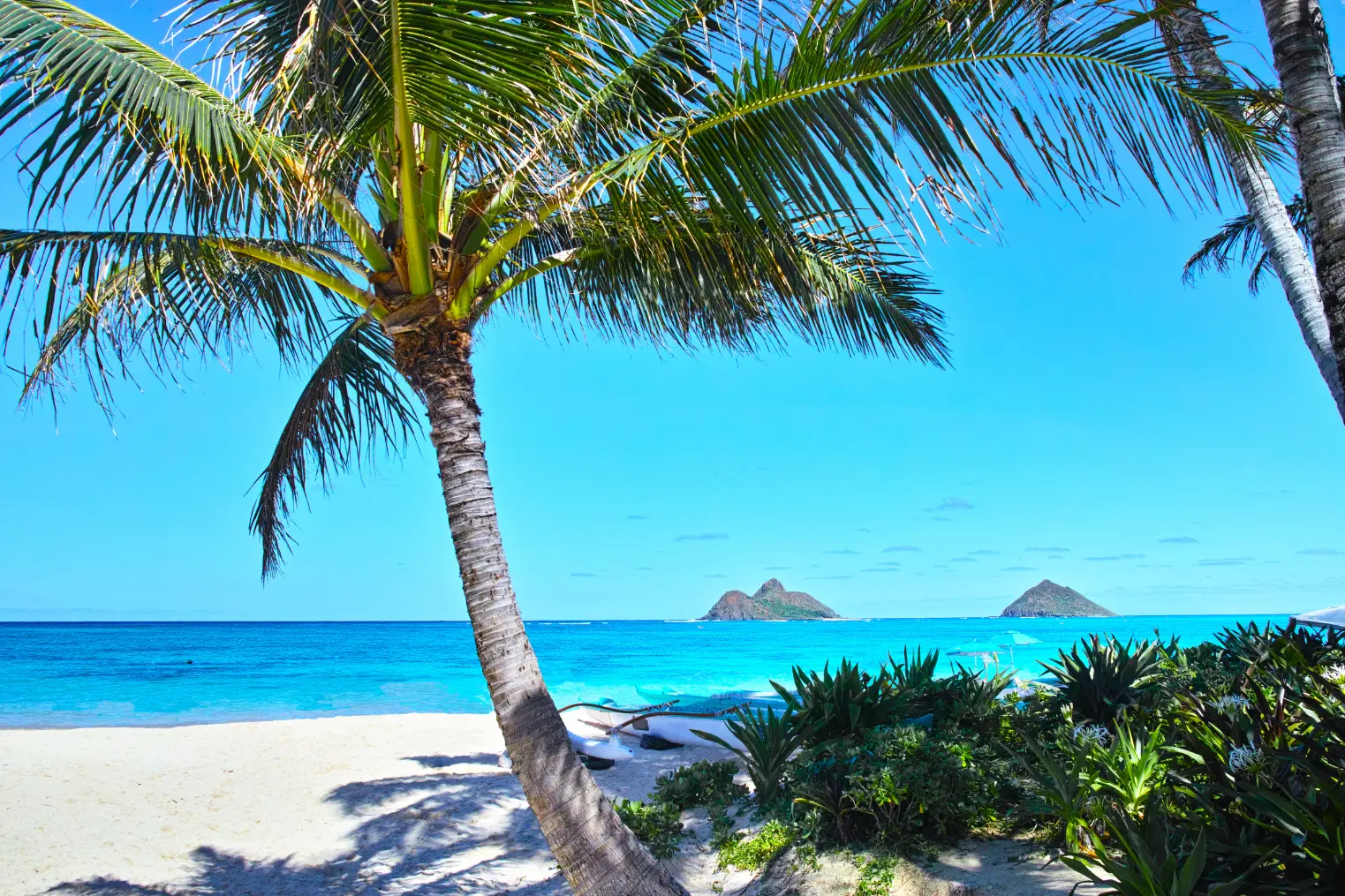
Most travelers find that Lanikai Beach feels at its best in the early morning, just after sunrise, when the water lies flat and the sand is nearly empty.
You beat the heat, score parking along the residential streets, and grab photos before the trade winds pick up.
Early mornings also sidestep tour bus traffic from Kailua.
For fewer crowds and cheaper rooms, aim for spring or late fall, when offseason deals pop up in nearby Kailua and Honolulu.
You still get warm water, quick showers, and lower car rental rates.
Bring water, reef-safe sunscreen, and skip weekends when possible.
If you’re planning to combine Lanikai with hikes around Honolulu, late spring and early fall typically offer the most reliable hiking weather.
Why Lanikai Beach Is So Special
You come to Lanikai for the almost surreal turquoise water, which looks filtered even on a cloudy day and stays calm enough for easy swimming or paddling. At sunrise you can watch the sky light up over the twin Mokulua Islands, so it’s worth setting an early alarm and packing coffee, reef-safe sunscreen, and a light towel. Unlike Waikiki, this is a quiet neighborhood beach, so you get soft sand, local joggers, limited parking, and no facilities, which makes it feel special but means you should skip big coolers and come prepared. If you’re looking for more calm, low-key stretches of sand, Lanikai is one of several quiet Oahu beach towns away from Waikiki that offer a slower, more local feel.
Iconic Turquoise Waters
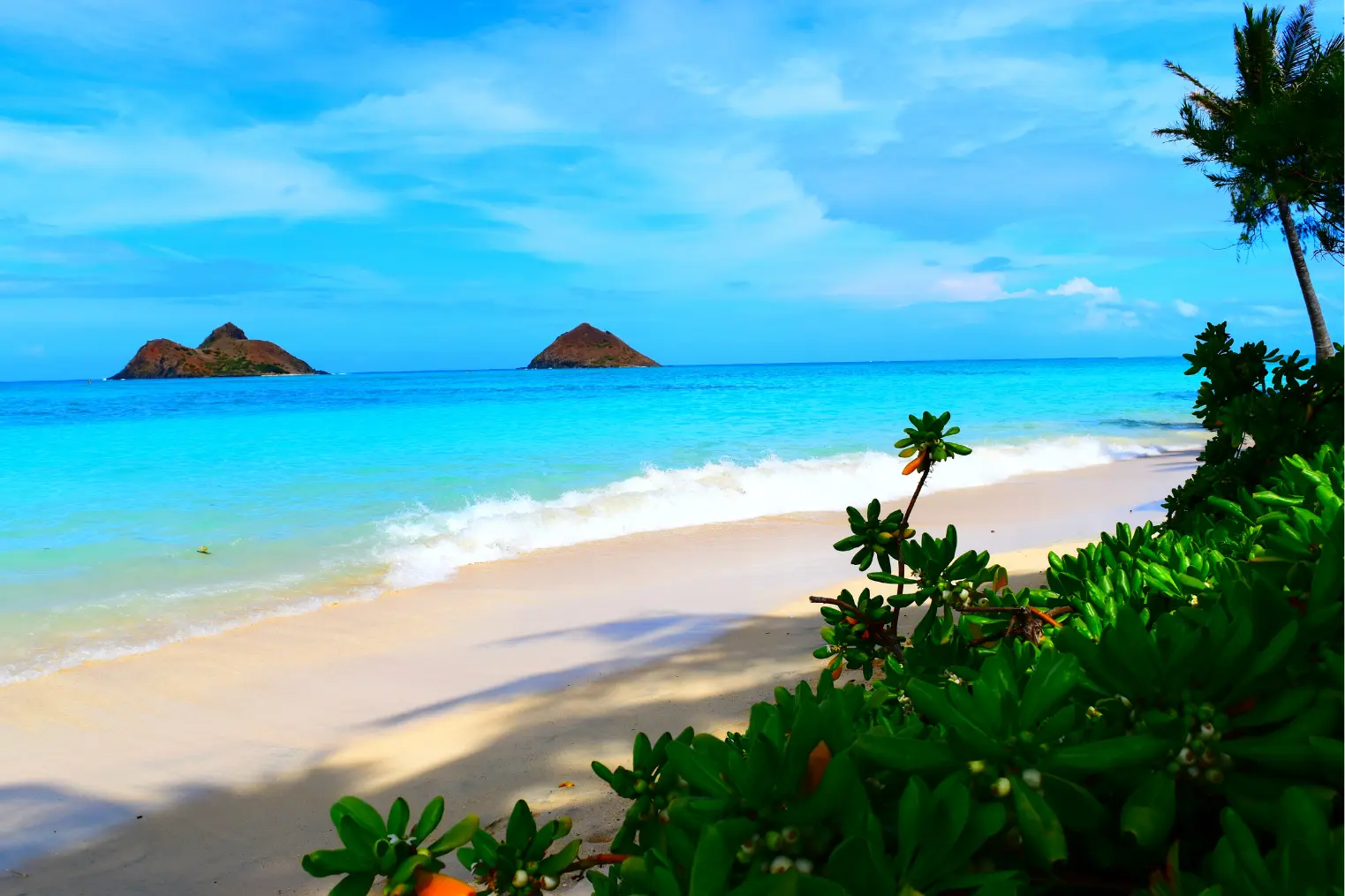
Often the first thing you notice at Lanikai is the color of the water, a sharp, clear turquoise that looks almost edited in real life.
You can usually see straight to the bottom, where pale sand reflects light and makes the lagoon glow.
Close to shore, you might spot bits of sea glass and tiny shells, not much coral.
That clarity suits casual swimmers and nervous snorkelers.
Marine life is gentle here: small reef fish, curious crabs, the odd sea turtle.
Bring a mask, cheap float, reef safe sunscreen.
Skip fins; the water stays shallow and calm all year.
If you’re interested in exploring more underwater scenery on Oʻahu, the Sharks Cove area within the Pūpūkea Marine Life Conservation District offers shallow lava tubes, ledges, and arches that are popular with snorkelers and divers when summer conditions are calm.
Sunrise And Island Views
While the water steals the show by day, sunrise is when Lanikai feels unreal. You walk onto the sand in the dark and watch the horizon slowly pick up an ocean glow.
The Mokulua islets turn into perfect silhouette islands, then sharpen as the sky runs through pink and gold. If you’re building an Oahu itinerary, you can pair sunrise here with a mid-morning visit to the nearby Kaneohe Sandbar tour for shallow turquoise water and a hidden-lagoon feel in the middle of the bay.
To make the most of it:
- Arrive by 5:45 a.m. for easy parking and softer crowds.
- Bring a light jacket, tripod, and reef-safe sunscreen.
- Skip drones, locals dislike the buzz.
- Consider a Viator kayak tour with verified reviews to reach the islets after first light.
Quiet Neighborhood Beach Vibe
Locals quietly treat Lanikai less like a famous beach and more like a front yard, and that’s exactly what makes it feel so special.
You walk in from narrow streets, passing pastel homes and plumeria trees, and the quiet charm sneaks up on you. Skip speakers and big coolers; residents value low-key visits. Arrive before 9 a.m. to find respectful parking, then continue on foot. Enjoy slow neighborhood strolls, soft sand, and clear water. If you’re planning a broader Oahu trip, consider pairing Lanikai’s calm with Honolulu’s shoulder season weekdays to enjoy fewer crowds overall.
Pack reef-safe sunscreen, water, and a small towel. Leave tents, drones, and loud gear at your hotel; they feel out of place here for everyone.
Lanikai Beach Weather and Seasonal Conditions
You’ll notice that Lanikai’s weather changes just enough by season to affect what you pack, when you swim, and how long you stay on the sand.
In summer, the ocean usually feels calm and clear, while in winter the cooler air, stronger trade winds, and occasional swells can bring choppier surf and quick rain showers.
It helps to know when the trades pick up, how the surf shifts, and what that means for comfort, safety, and your photos of those pale turquoise shallows. For comparison, the North Shore surf season on Oʻahu’s opposite side runs November to March and brings much larger winter waves that are best suited for watching rather than swimming.
Typical Weather By Season
Although Lanikai Beach feels like an endless summer, the weather does shift just enough each season to change how your day plays out. Subtle microclimate shifts affect cloud cover, heat, and seasonal rainfall, so you’ll plan outfits and timing a bit differently.
- Winter (Dec–Feb): Warm, around mid 70s°F. Occasional showers. Pack a light rain jacket.
- Spring (Mar–May): Drier, bright mornings. Good for sunrise photos, fewer crowds.
- Summer (Jun–Aug): Hottest, near mid 80s°F. Strong sun, budget for shade rentals.
- Fall (Sep–Nov): Mixed skies, muggy afternoons. Bring extra water, skip heavy clothes and bulky beach gear altogether. During the generally drier stretch from late spring through early fall, you’ll usually find calmer ocean conditions and fewer rain interruptions for your Lanikai beach days.
Trade Winds And Surf
Trade winds shape almost everything about a day at Lanikai, from how the palms rustle to how calm the water feels under your feet. Most days you’ll feel steady onshore breezes that keep the lagoon ruffled yet swimmable. Check local surf forecasting if you plan to paddle to the Mokulua Islands or book a kayak tour. Winter trades can kick up choppy chop and rare wind swell. Watch for any small craftadine alerts before renting boards. In winter, these same trades can be interrupted by kona weather, bringing stickier conditions and occasional stormier stretches that may change how the water feels and whether it’s a good paddling day. Bring polarized sunglasses, a strap for your hat, and a light sarong to shield from wind driven sand along the narrow dune behind.
Getting to Lanikai Beach + Parking Tips
Getting to Lanikai Beach takes a bit of planning, and that’s part of why it still feels like a neighborhood secret. From Waikiki, drive or take TheBus to Kailua in 45 minutes, then continue by car, bike, or rideshare. Since Kailua is one of Oahu’s best areas to stay, many visitors base here and make Lanikai a quick side trip instead of a full-day mission from Waikiki. Streets are narrow, residents guard peace, and tickets come, so think about parking strategies, shuttle options, street permits, and bike storage.
Reaching Lanikai takes forethought, narrow streets, limited parking, and locals fiercely protect the calm.
- Park in Kailua lots and walk or rideshare in.
- Use only posted legal street spaces; never block driveways.
- Lock bikes at official racks near trailheads, not railings.
- Consider prebooked shuttles on busy weekends and holidays.
Beach Access, Facilities, and What to Bring
From the moment you step into Lanikai’s sandy side streets, you’ll notice something missing: big public facilities. There’s no parking lot, restroom, or rental hut, so you bring what you need and carry it in. Pack water, snacks, reef safe sunscreen, and a light beach chair. To experience a wilder side of Oʻahu’s shoreline, consider visiting Kaʻena Point State Park another day, where remote coastal trails, marine wildlife viewing, and strict conservation rules create a very different beach experience.
| Essentials | Skip |
|---|---|
| Small cooler | Huge umbrellas |
| Mask, fins, snorkel rentals | Glass bottles |
| Quick dry towel | Loud speakers |
Arrive early if you want space for volleyball nets or quiet beachside yoga,shoreline picnics,snorkel rentals. Late morning crowds tighten, and shade disappears fast. Bring cash for nearby snacks, but you’ll find no boardwalk shops cluttering the view today.
Lanikai Beach Etiquette: How to Respect Locals
You’ve packed your own gear and snacks because Lanikai doesn’t have big facilities, and that same low-key setup shapes how you should behave on the beach. Treat this as a neighborhood, not a resort. Keep your group small, speak softly, and leave space for sunrise regulars.
- Learn local customs: greet with a smile, avoid blocking beach access paths, and skip loud speakers.
- Respect footwear rules: never step on private lawns; use sandy public paths.
- Park legally, even if it means a longer walk.
- Pack out every scrap of trash, including cigarette butts, broken toys, and bottle caps you see.
If you plan to hike nearby, stick to official trails and practice “Hike Pono” so your beach day doesn’t contribute to erosion, invasive species, or unsafe rescues.
Staying Safe and Protecting Lanikai’s Reef
Although Lanikai looks calm and dreamy, the ocean and reef here demand a bit of respect and planning.
Rip currents can form quickly, so you should check forecasts and watch locals before heading out.
For snorkel safety, stay close to shore, use a buddy, and avoid cheap masks that leak.
Skip fins if you’re not confident, since they can kick coral.
For reef conservation, never stand on rocks or coral, even when waves feel.
Wear a long-sleeve rash guard instead of sunscreen; if you need lotion, choose reef-safe, brands.
Take water, a first-aid kit, and exit before dusk.
Respecting the reef also helps protect Hawaiʻi’s sea turtles, which are legally protected and can be harmed by pollution, marine debris, and people standing or walking on coral.
Things to Do at Lanikai Beach (Swim, Paddle, Relax)
Swimming in Lanikai’s pale turquoise water feels almost unreal, but the beach is more than just a pretty backdrop.
The ocean is calm in the morning, so swim laps close to shore and watch safety flags.
Pack reef safe sunscreen, a mask, and water, because there are no facilities.
For paddling, book kayak tours on Viator with hotel pickup, verified reviews, free cancellation, and reserve now pay later.
- Stay within sight of the sand while swimming.
- Try coral snorkeling, never standing on reef.
- Bring shade and extra snacks.
- Stretch out, read, and listen to wind.
For any ocean time at Lanikai, check daily surf and safety resources and ask lifeguards about conditions, since swells and currents can change even when the water looks calm.
Lanikai Sunrise, Photo Spots, and Mokulua Trips
Before the crowds and heat roll in, Lanikai at sunrise feels like a private show of pastel light, soft surf, and quiet palms. Arrive by 5:30 am, park in the neighborhood respectfully, and walk to the sand with a flashlight. Photographers favor the curve near the mid beach entrance for clean Mokulua views. For a similar low-stress East Oahu morning, many pair Lanikai sunrise with a later walk on the paved Makapuu Lighthouse Trail after the park opens at 7:00 am. Use this rough guide when planning your shots and Mokulua trips:
| Time | What you see | Tip |
|---|---|---|
| Sunrise | Pink sky over Mokulua | Try sunrise yoga near the shore |
| Mid morning | Clear water, crowds | Book kayak rentals early |
| Afternoon | Strong sun, choppy water | Skip crossings if winds rise |
Frequently Asked Questions
Are There Nearby Restaurants or Cafes Within Walking Distance of Lanikai Beach?
You won’t find many full-service restaurants right on Lanikai Beach, but you can walk to Kailua’s nearby spots, grab coffee carts or plate lunches, then return and enjoy relaxed seaside picnics on the sand there.
What Accommodations or Rentals Are Available Close to Lanikai Beach?
You’ll find mostly vacation rentals near Lanikai, including beach cottages, ohana units, and upscale homes on residential streets. Book early, since there aren’t hotels and listings sell out quickly, especially for holidays and school breaks.
Can I Bring My Dog to Lanikai Beach, and Are There Leash Rules?
You can bring your dog to Lanikai Beach, but you must follow dog regulations and keep it leashed on the access paths. Once on the sand, off-leash play’s allowed, yet leash enforcement staff monitor behavior.
Is Lanikai Beach Wheelchair Accessible or Friendly for Strollers?
It’s somewhat stroller‑friendly but not fully wheelchair accessible; you’ll find limited board access near the beach entry, then mostly soft, uneven sandy terrain, so you should expect challenging conditions and consider beach wheels or assistance.
Are There Public Restrooms or Showers Near Lanikai Beach?
You won’t find public restrooms or outdoor showers directly on Lanikai Beach, so you should use facilities at nearby Kailua Beach Park before visiting and plan ahead with water, wipes, and a change of clothes.
Conclusion
Now you know when to slip into that glassy water, where to park without drama, and what to pack so you’re not baking on the sand. You can time sunrise, dodge the worst crowds, and decide if a Mokulua paddle or a beach nap fits your day. So you’ve got the plan, the gear, and the timing. The only thing left is that first step onto the sand… and what you’ll find waiting.