
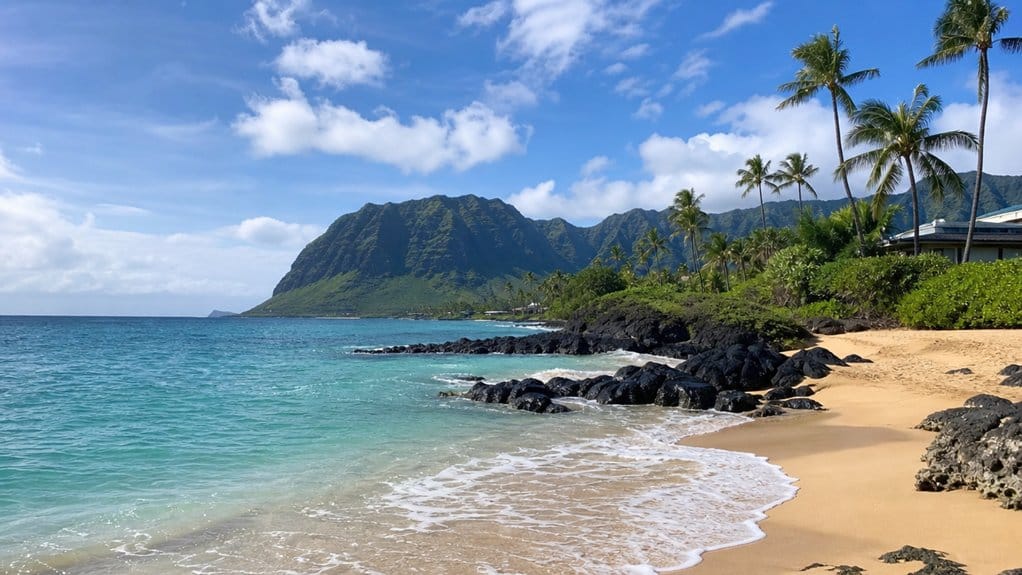
Funny enough, you can land in Honolulu, see Waikiki’s bright hotels and busy surf, and still be nowhere near the Big Island. Oahu isn’t the Big Island. Hawaiʻi Island is. You might mix them up because Oahu gets the spotlight and the flight deals. But once you compare Oahu’s city beaches with the Big Island’s black lava fields, steaming volcanoes, and long drives, the difference gets hard to miss.
Key Takeaways
- No, Oʻahu is not the Big Island; the “Big Island” is Hawaiʻi Island, the largest island in the state.
- The nickname “Big Island” helps distinguish Hawaiʻi Island from the State of Hawaiʻi.
- Oʻahu is the third-largest Hawaiian island at about 597 square miles, far smaller than Hawaiʻi Island’s roughly 4,028 square miles.
- Oʻahu lies northwest of the Big Island and includes Honolulu, Waikīkī, Pearl Harbor, and Diamond Head.
- Confusion happens because Honolulu and Oʻahu are the state’s main travel and population hub, making them seem like the main island.

Oahu: Full or Half Day Grand Circle Island Tour
Choose from two exciting ways to experience Oahu's top attractions, scenic beauty, and local culture.Option 1: Dole Plantation & Haleiwa Town (6.5 H...

Oahu Grand Circle Island Experience from Waikiki
Enjoy Grand Circle Island experience tour with breathtaking views of Amelia Earhart Lookout on Diamond Head, admire...
Oahu Circle Island Snorkeling Tour: Dole, Pali Lookout & More
Looking for the BEST VALUE & MOST COMPLETE Circle Island Snorkeling Tour? Join us for the ultimate full-day, action-...

Oahu: Roundtrip Shuttle From Waikiki to Dole Plantation & Haleiwa
Skip Circle Island and visit two of the most popular places to visit here on the Island of Oahu. Experience a unique...
What Does “Big Island” Mean?
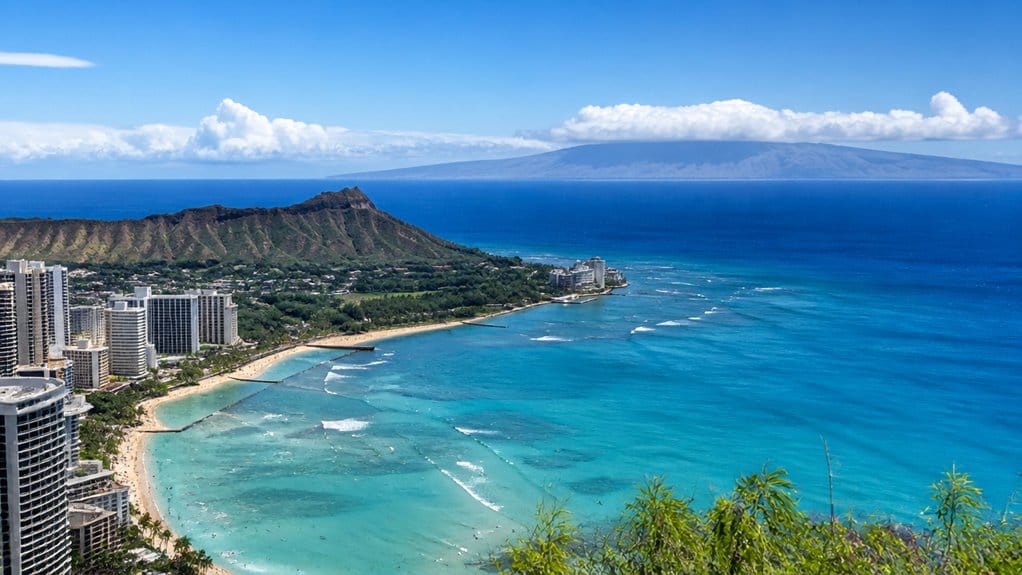
Names can be tricky in Hawaiʻi, and “Big Island” is the handy nickname people use for Hawaiʻi Island, the largest island in the chain at about 4,028 square miles.
When you hear Big Island, you’re hearing a practical label that helps you separate Hawaiʻi Island from the State of Hawaiʻi. It’s simple, memorable, and everywhere in daily speech, maps, and travel talk. Across the Hawaiian Islands, locals and visitors use it because it clears up confusion fast.
The name also fits the place. You’ll find black lava fields, steaming craters, and the raw energy of active volcanoes in Hawaiʻi Volcanoes National Park. Those sights give the largest island a bold identity you can feel under your shoes. Official listings may vary, but if you ask for the Big Island, everyone knows exactly where you mean. By comparison, Oahu’s area in square miles helps show why it is not the Big Island.
Is Oahu the Big Island?
If you’re wondering whether Oʻahu is the Big Island, the answer is no. You’ll spot the difference fast when you compare Oʻahu’s busy streets, surf breaks, and Honolulu skyline with Hawaiʻi Island’s huge landmass, active volcanoes, and long drives between towns. Oʻahu feels big because so much happens there, but it isn’t the largest island. It is, however, the island that hosts Honolulu.
Oahu Vs. Big Island
Picture two very different Hawaiian experiences: Oʻahu and the Big Island aren’t the same place at all. When you land on Oʻahu, you step into Honolulu’s buzz, Waikīkī surf, and easy access through HNL. On the Big Island, you spread out fast. You get lava fields, cooler uplands, dark skies, and Hawaiʻi Volcanoes National Park.
| Oʻahu | Big Island |
|---|---|
| City lights, crowds, quick energy | Wide roads, quiet space, raw power |
| Diamond Head and Pearl Harbor | Volcanoes, stargazing, dramatic climate shifts |
Size tells the story too. Oʻahu covers about 597 square miles. The Big Island stretches across about 4,028. Oʻahu feels connected and lively. The Big Island feels huge, elemental, and a little humbling. You don’t choose between better and worse. You choose your mood. On Oʻahu, popular bases include Waikiki, Kailua, Ko Olina, and the North Shore, each giving the island a different feel.
Why Oahu Isn’t Largest
Clarity helps here: Oʻahu isn’t the Big Island, and it isn’t the largest island in Hawaiʻi. If you compare the numbers, the difference is huge. Oʻahu covers about 596.7 square miles, while Hawaiʻi Island spreads across roughly 4,028 square miles. That’s why the nickname Big Island belongs only to Hawaiʻi Island.
You might think Oʻahu feels like the main island because so many people live there and visit it. Honolulu buzzes with traffic, surfboards, and government offices, so the island seems central. But size tells a different story. Oʻahu rose from the older Waiʻanae and Koʻolau volcanoes, with Mt. Kaʻala topping out a little above 4,000 feet. Its landscape is defined by the Koʻolau and Waiʻanae mountain ranges, the remnants of those ancient volcanoes. Hawaiʻi Island is far more massive, shaped by giants like Maunakea and Mauna Loa. Travel talk blurs names, but geography doesn’t.

Oahu: Grand Tour Around Island with Snorkeling
Come join on a circle island adventure led by some of Hawaii’s most knowledgeable local guides and experience brea...

Pearl Harbor USS Arizona Memorial & Battleship Missouri
Visit USS Arizona and Battleship Missouri, as they represent both the beginning and the end of World War II. The acc...

Honolulu: Three Star Deluxe Sunset Dinner Cruise and Show
As the sun sets over the Pacific, enjoy a luxurious Honolulu dinner cruise along the scenic coastline near Diamond H...
Why People Confuse Oahu and Hawaii Island
You can see why the mix-up happens: you hear “Hawaii” for the state, then land on busy Oʻahu with Honolulu’s packed airport, surf noise, and crowds, so it feels like the main island. You might also assume Oʻahu is the biggest because most visitors pass through it and so much of the state’s life hums there. But the “Big Island” is Hawaiʻi Island, and that name sticks because it’s truly huge while Oʻahu just gets the loudest introduction. Oʻahu is also home to the Punchbowl in central Honolulu, the National Memorial Cemetery of the Pacific set inside an extinct volcanic crater.
Name Confusion
Names do a lot of the mischief here. You hear Hawaii and have to guess whether someone means the state or Hawaiʻi Island. To dodge that tangle, many people say Big Island. Oʻahu keeps its own strong label, yet it also steals attention because Honolulu, Waikīkī, and HNL feel like the front door to Hawaiʻi.
That front door effect shapes what you assume. When your flight lands beside reef-blue water and busy runways, Oʻahu can seem like the island everyone means. Travel ads, hotel districts, and city lights push that idea further. Since most residents live around Honolulu, you may also treat Oʻahu as the main island by default. Then the names blur together, and suddenly Big Island, Hawaiʻi Island, and Oʻahu sound like interchangeable postcards. Easy mistake, honestly, for many first time visitors.
Size Misconceptions
Plenty of travelers assume Oʻahu must be the Big Island because it feels like the center of everything. You land in Honolulu, see Waikīkī sparkle, hear surf and traffic, and figure the busiest island must be the biggest. But Oʻahu covers about 597 square miles. Hawaiʻi Island, the true Big Island, spans roughly 4,028 square miles. Oʻahu’s compact island landscape makes its famous beaches, city neighborhoods, and volcanic landmarks feel surprisingly close together.
- You arrive on Oʻahu first, so it feels like the obvious main stage.
- You spot Pearl Harbor and Diamond Head, and your brain says bigger must mean more famous.
- You hear Honolulu is the capital, which makes Oʻahu seem like the heavyweight.
- You learn the Big Island nickname exists to separate Hawaiʻi Island from Hawaiʻi the state, and suddenly the map clicks.
That surprise can feel humbling, and honestly, a little funny too.
Oahu vs Big Island at a Glance
Although people sometimes mix them up, Oʻahu and the Big Island are completely different places. If you’re comparing islands in Hawaiʻi, start with scale. Oʻahu covers about 597 square miles, while the Big Island sprawls across roughly 4,028. That’s not a close contest. Oʻahu’s length in miles and kilometers is another useful way to understand its smaller scale compared with the Big Island.
You’ll feel the difference fast. Oʻahu is busy, urban, and packed with people, especially around Honolulu. It’s the state’s political center and tourism engine, with Waikīkī surf, Pearl Harbor history, and constant flight options through HNL. The Big Island feels broader and quieter. You go there for lava landscapes, black sand, ranch country, misty valleys, and famously dark skies for stargazing. Most travelers arrive through Kona or Hilo. One island gathers the crowd. The other gives you room to hear the wind.
Where Oahu Is in Hawaii
In the Hawaiian chain, Oʻahu sits near the middle of the island group in the central Pacific, about 2,400 miles west of California. You’ll find Oʻahu at about 21°30′N, 158°00′W, with Honolulu as your main gateway through HNL. It’s the third-largest Hawaiian island, ringed by about 227 miles of coastline.
- You land in Honolulu and feel the warm trade winds right away.
- You trace beaches and cliffs around Oʻahu and sense how compact adventure can be.
- You look inland to Mt. Kaʻala and picture the old volcanoes beneath the ridges.
- You realize this isn’t the island of Hawaii, even if first-time visitors sometimes mix them up.
Oʻahu sits about 3,850 miles east of Japan, so you really do feel wonderfully out in the blue. Honolulu is a city on Oʻahu, so understanding Oahu vs Honolulu helps you separate the island from its main urban hub.
Where the Big Island Is in Hawaii
Now shift your map southeast of Oʻahu and you’ll find the Big Island, officially Hawaiʻi Island, spread wide across about 4,028 square miles. From Honolulu, you can hop a short flight to Kona or Hilo in about 45 to 75 minutes. If you are also comparing island hops, Honolulu to Kauai flights are another quick option to understand before booking. You’ll notice the mood change fast.
| Place | Direction | Feeling |
|---|---|---|
| Big Island | Southeast of Oʻahu | Wider horizons |
| Oʻahu | Northwest of Big Island | Familiar bustle |
| Honolulu | On Oʻahu | Quick launching point |
| Hilo | Big Island east side | Rainy, green calm |
On the Big Island, you trade Waikīkī’s city pulse for lava fields, Hawaiʻi Volcanoes National Park, and the huge silhouettes of Maunakea and Mauna Loa. People say Big Island so you won’t mix Hawaiʻi Island up with the state. It’s simple, useful, and saves awkward airport small talk too.
Oahu vs Big Island Size
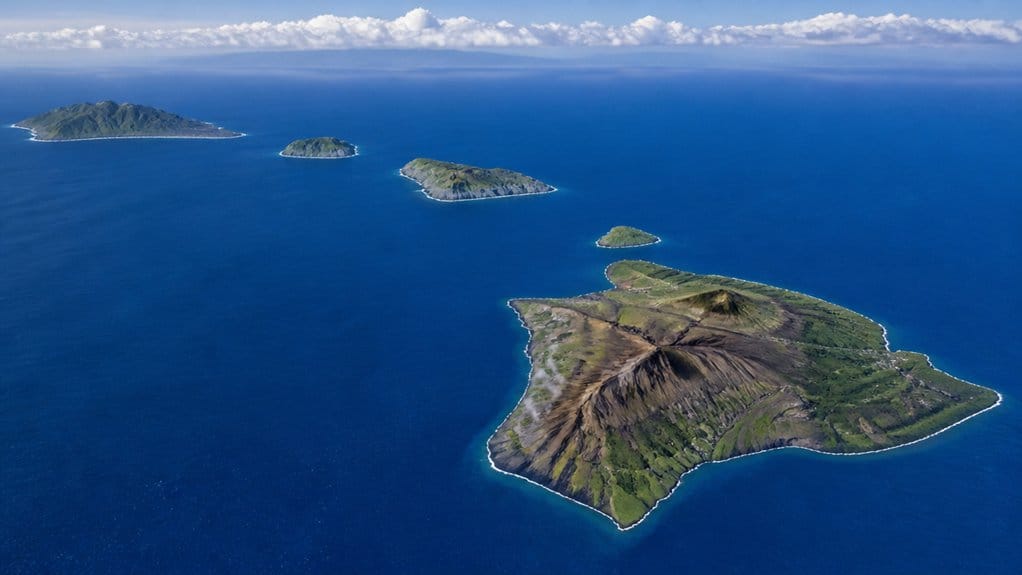
If you’re wondering whether Oʻahu is the Big Island, the size chart settles it fast: Oʻahu ranks third at about 597 square miles, while Hawaiʻi Island holds the top spot at about 4,028 square miles. You can feel that gap on the map and on the road, since Oʻahu stretches about 44 miles across while the Big Island spreads more than 93 miles wide at its broadest points. The confusion makes sense, though, because you’ll find nearly 1 million people packed onto busy Oʻahu while the much larger Big Island feels quieter, roomier, and a little less elbow-to-elbow. An Oahu map also helps show how its regions, beaches, and scenic driving routes fit into a much smaller island footprint.
Oahu Vs Big Island
Picture a map of Hawaii and the size gap jumps out right away: Oʻahu is not the Big Island. Oʻahu covers about 597 square miles. The Big Island (Hawaiʻi Island) spreads across roughly 4,028, nearly seven times larger. You feel that difference fast, from quick city hops on Oʻahu to long scenic drives on the Big Island.
- On Oʻahu, population density surrounds you. Honolulu hums, traffic builds, beaches buzz.
- On the Big Island, space opens up. Towns feel farther apart, and silence settles in.
- Oʻahu rises to Mount Kaʻala at about 4,025 feet. The Big Island towers with Mauna Kea at 13,796 feet.
- When you plan flights, sightseeing, and road time, the contrast becomes real. One island feels compact. The other feels epic and untamed, almost cinematic.
Understanding Oahu size also helps explain why the island’s shape and scale feel so different from Hawaiʻi Island when you explore them in person.

Oahu Shark Dive on the North Shore
Book the Oahu Shark Dive for a thrilling shark encounter off the North Shore. You’ll travel by boat from Haleiwa H...

Waikiki Glass Bottom Boat Cruise
Experience the beauty of Oʻahu South Shore as we sail toward Lēʻahi (Diamond Head) aboard the spacious Haleiwa Qu...

Honolulu: Pacific Star Sunset Dinner Cruise and Show
Indulge in the original Pacific Rim cuisine, where each dish serves as a gateway to the rich flavors of the region...
Island Size Rankings
The size gap looks even sharper when you rank the islands. You’ll find Oʻahu in third place by island size, with about 597 square miles. The Big Island (Hawaiʻi Island) sits firmly in first, stretching across about 4,028 square miles. That means the Big Island is roughly 6.75 times larger, which feels huge when you picture the map.
Oʻahu’s length and width also help explain its compact feel, measuring roughly 44 miles long and 30 miles wide. You can see that difference in the landscape too. Oʻahu packs beaches, ridges, and Honolulu into a tighter footprint, with about 227 miles of coastline and Mount Kaʻala rising to 4,025 feet. On the Big Island (Hawaiʻi Island), the roads run longer, the lava fields seem to keep going, and volcanic summits like Maunakea tower far above the clouds. More people fit on smaller Oʻahu, which is a neat Hawaii twist.
Why The Confusion
Why do so many people mix up Oʻahu and the Big Island? You probably hear more about Oʻahu because Honolulu, Waikīkī, Pearl Harbor, and Diamond Head steal the spotlight. With millions of visitors, busy roads, and nonstop hotel energy, Oʻahu feels like the center of everything. Honolulu is also Hawaii’s capital, which makes Oʻahu seem even more central. But size tells a different story. Oʻahu covers about 597 square miles. Hawaiʻi Island, the Big Island, spreads across roughly 4,028.
- You see crowds on Oʻahu and assume bigger means busier.
- You hear “Big Island” and wonder why people don’t just say Hawaiʻi Island.
- You picture Waikīkī first because tourism puts it everywhere.
- You forget volcano power matters, and Hawaiʻi Island has giants like Mauna Loa and Mauna Kea.
That mix of fame, naming, and first impressions fools plenty of smart travelers.
What Oahu Is Known For
Often, Oʻahu stands out as the Hawaiian island most people picture first because it blends city energy with iconic beaches and deep history in one compact place. On this Island, you get Honolulu, the busiest hub in Hawaiʻi and the center of life in the United States’ 50th state.
You can step onto Waikīkī’s busy shoreline, watch surfers trace clean lines, then head to Pearl Harbor and feel history turn quiet and heavy. Diamond Head, Hanauma Bay, Kāneʻohe Bay, and Waimea Bay show you how varied one island can feel in a single day. You’ll find coral water, crater views, and winter waves that sound like freight trains. Waikīkī is an iconic beach neighborhood in Honolulu known for its shoreline, surf culture, and visitor energy. For culture, you can tour ʻIolani Palace, explore Bishop Museum, or visit Kualoa Ranch, where Hawaiian history and movie scenery share the spotlight with ease.
What the Big Island Is Known For
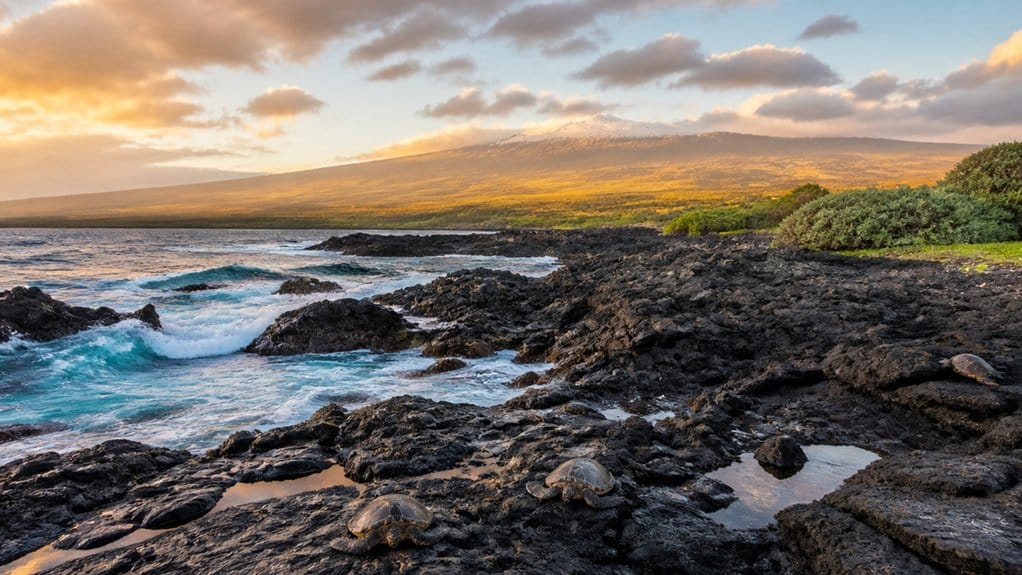
Few places in Hawaiʻi feel as raw and wide-open as the Big Island, where active volcanoes, snowy summits, and black-sand beaches can all fit into one trip. You come here for scale. At 4,028 square miles, it dwarfs Oʻahu, far beyond Diamond Head or Pearl Harbor, and even Kealakekua Bay feels like one vivid stop in a much bigger story.
If you’re coming from Honolulu, quick Big Island flights make it easy to trade Oʻahu’s city buzz for Hawaiʻi Island’s vast landscapes.
- You watch lava-shaped ground near Kīlauea and feel the island still breathing.
- You sip Kona coffee with salty air nearby and slow down fast.
- You stand under Mauna Kea’s cold night sky and feel wonderfully small.
- You reach South Point, hear the wind, and know you’ve hit the edge of the United States.
Between manta rays, Punaluʻu’s dark sand, and Hāmākua’s green roads, the island keeps surprising you daily.
Oahu vs Big Island for Nature
If nature leads your trip, Oʻahu and the Big Island give you two very different versions of Hawaiʻi. You’ll feel that contrast fast. Oʻahu, the more populated island, packs steep green ridges, dramatic valleys, and easy windward hikes into a smaller space. It’s a bit like comparing New York to a wide open frontier. Oʻahu is the island, while Waikiki is a famous beachfront neighborhood within Honolulu on Oʻahu’s south shore.
The Big Island feels bigger in every direction because it is. At about 4,028 square miles, it dwarfs Oʻahu’s 597. You can drive from black lava fields to misty rainforest, then up toward Mauna Kea’s stark, high summit. Hawaiʻi Volcanoes National Park adds active geology you can actually see and sense. Oʻahu gives you extinct volcanic landscapes, local viewpoints, and quick nature access. The Big Island gives you scale, variety, and that thrilling edge of the earth feeling.
Oahu vs Big Island for Wildlife
If you want the widest range of native wildlife, you’ll find more on the Big Island, where wet forests, lava fields, and high slopes shelter honeycreepers and rare plants that Oʻahu can’t match. On Oʻahu, you’re more likely to spot reef fish, seabirds, monk seals, and maybe a sea turtle at easy-access beaches and bays near town. The Big Island shifts the marine scene too, with Kona and Kealakekua offering frequent turtle and spinner dolphin sightings plus those famous manta ray night swims.
Native Wildlife Encounters
Spotting wildlife feels different on each island, and that contrast shapes the whole trip. On Oʻahu, you can slip away from Honolulu and reach easy coastal encounters fast. A short drive may bring monk seals, turtles, or dolphins into view, which feels almost unfairly convenient.
On the Big Island, you work harder, and the payoff feels wilder. Longer drives lead you into Volcanoes National Park or high slopes where forest birds flash red and yellow through ʻōhiʻa trees. You might also notice endemic arthropods in lava-framed habitats that Oʻahu rarely matches. If you encounter a Hawaiian monk seal on either island, keep at least 50 ft away so it can rest undisturbed.
- On Oʻahu, you feel delight quickly.
- On the Big Island, you earn awe slowly.
- Oʻahu feels accessible and familiar.
- The Big Island feels bigger, quieter, and gloriously untamed.
Even the silence seems more alive there.
Marine Life Differences
That contrast keeps going once you look below the surface. If you snorkel Oʻahu, you’ll notice reef diversity shaped by busier shores. Near Waikīkī, surgeonfish and wrasse often thrive beside warmer, cloudier water and higher algae. On the Big Island, especially around Kona and Hilo, you’re more likely to spot native fish like kole and the humuhumunukunukuāpuaʻa on less developed reefs.
You’ll also find different headline acts. Kona is famous for manta encounters, with night dives where rays glide through dark water like silent kites. Oʻahu gives you better odds for dolphin sightings off the North Shore and leeward coast. For turtle foraging, both islands deliver. Oʻahu’s greens gather at Laniākea and Turtle Bay, while the Big Island adds nesting beaches like Punaluʻu and richer monk seal habitat nearby too. For beginners and experienced swimmers alike, Oʻahu’s snorkeling spots range from calm protected coves to more advanced reef areas.

Parasailing Experience in Waikiki, HI
Experience the thrill of Oahu parasailing on this unforgettable 1-hour adventure from Waikiki. Soar up to 1,000 feet...

Oahu: Submarine Scooter Adventure
Dive into an unforgettable underwater adventure on Oahu’s beautiful Maunalua Bay. Cruise past the iconic Diamond H...

Oahu: North Shore Shark Cage Diving
Discover the open-ocean world of sharks on this unforgettable Oahu shark cage diving tour. More than just an adventu...
Oahu vs Big Island for Beaches
Usually, the beach choice comes down to what kind of day you want by the water. On Oʻahu, you get sandy icons like Waikīkī and Lanikai, plus strong coastal accessibility, lifeguards, food, and nightlife. If you want convenience and classic surf energy, Oʻahu delivers. The Big Island feels wilder. You can chase white, green, and black sand, find hidden coves, and poke around tidal pools between quieter swims.
- Choose Oʻahu for easy parking, beginner breaks, and that buzzy shorefront hum.
- Choose the Big Island for volcanic drama and black sand at Punaluʻu.
- Pick Oʻahu if you want famous North Shore waves or a smooth beach day.
- Pick the Big Island if fewer crowds and varied coastlines make your heart race.
Oʻahu’s North Shore also makes it easy to pair big-wave beaches with casual food stops and quick roadside sights.
Neither choice is wrong. Your flip-flops win either way.
Oahu vs Big Island for First-Time Visitors
Beyond the beach, your first trip often comes down to ease versus scope. If you want Hawaii’s greatest-hits version, Oahu makes things simple. You get more direct flights, compact sightseeing, and straightforward transit options around Honolulu, Waikiki, Pearl Harbor, Diamond Head, and Hanauma Bay. The Honolulu meaning comes from Hawaiian roots, adding cultural context to Oahu’s role as a first-time visitor hub. It suits a short stay when you’d rather spend less time planning and more time doing.
If you crave lava fields, black-sand beaches, and quieter wildlife encounters, the Big Island feels bigger in every sense. You’ll drive more, but you’ll see volcanoes, Kona coffee farms, starry skies, and habitats stretching from warm shorelines to cool high slopes. For first timers, your choice depends on pace. Oahu wins for convenience. The Big Island wins for immersion. Keep budget tips and cultural etiquette in mind on either island.
Why Choose Oahu
Convenience is Oʻahu’s superpower, and you feel it the moment you land. You’re close to Honolulu, Waikīkī, Pearl Harbor, Diamond Head, and Hanauma Bay, so your days fill quickly without long drives. The weather stays friendly year-round, and the mix of dry coasts and greener windward views keeps every outing fresh.
- You can wake up for Neighborhood hikes and still make the beach by lunch.
- You get Urban dining at night, from noodle shops to polished oceanfront tables.
- You stumble into Local festivals with music, food, and that happy crowd energy.
- You can chase surf on the North Shore, then return to city comforts before you’re sunburned and slightly sandy.
Oʻahu also makes it easy to pick neighborhoods by vibe, whether you want Waikīkī energy, North Shore surf culture, or a quieter windward stay.
If you want variety, easy logistics, and constant motion, Oʻahu makes saying yes effortless.
Why Choose the Big Island
The Big Island opens up in a way that feels almost cinematic. You get room to roam across 4,028 square miles, from wet rainforests to stark lava fields, without feeling boxed in by crowds. At Hawaii Volcanoes National Park, you can watch Kīlauea and Mauna Loa shape the land, then call it volcano wellness if molten earth oddly relaxes you.
You also get black sand at Punaluʻu, manta ray night dives off Kona, and native forests alive with birdsong. coffee tours add a grounded pleasure between big adventures, with farm visits and fresh cups that taste like place. After dark, Maunakea and Maunaloa deliver unforgettable skies, and stargazing etiquette matters because silence, warm layers, and respect make the view better for everyone. Fewer traffic headaches help, too. Unlike Oahu’s older, dormant volcanic landscapes, the Big Island is where visitors can safely experience active volcanoes through designated park areas and current safety guidance.

Waikiki 2-Hour Sunset Sailing Catamaran – Swim & Sail Adventure
There’s no better place to take a dip than the crystal-clear waters of Waikiki—and no better way to experience a...

Oahu Beachfront ATV Adventure and Farm Tour
Aloha, welina mai, ‘ano ‘ai. Greetings, and welcome, from Hawai’i! Located on the famous North Shore beachfron...

Waikiki: 2 hours - Friday Night Fireworks Catamaran Cruise
Enjoy the spectacular FRIDAY NIGHT FIREWORKS show along the beautiful coastline of Waikiki while we get up close and...
Frequently Asked Questions
Can You Visit Oahu and the Big Island in One Trip?
Yes, you can visit Oʻahu and the Big Island in one trip. Island hopping’s easy with short flights, though Day trips feel rushed. You’ll enjoy Combined itineraries most if you allow several days on each island.
Which Island Is More Expensive for Hotels and Food?
Oʻahu’s usually pricier, hotel costs in Honolulu/Waikīkī often run 20–40% higher than comparable Big Island areas. You’ll also face steeper dining prices there, so in budget comparisons, the Big Island usually gives you better overall value.
Do Oahu and the Big Island Have Different Weather Year-Round?
Yes, you’ll experience different year-round weather on Oʻahu and the Big Island because microclimate variations, trade wind effects, and altitude differences shape each island differently. You’ll find Oʻahu steadier, while the Big Island shifts dramatically.
Which Island Is Easier to Get Around Without a Car?
Like a breeze at your back, you’ll find Oʻahu easier without a car: public transit shines, walkable neighborhoods cluster around Honolulu, and bike rentals help. On the Big Island, you’ll usually need wheels for longer distances.
How Long Is the Flight Between Oahu and the Big Island?
You’ll spend about 45–55 minutes in the air on Inter island flights between Oʻahu and the Big Island. Your Flight duration varies by airport, and Airport procedures mean you should budget roughly 2–3 hours total.
Conclusion
Now you know: Oʻahu isn’t the Big Island. If you want city buzz, easy drives, and Waikiki sunsets, you’ll lean toward Oʻahu. If you want black lava, wider roads, and the hush near volcanoes, you’ll head to Hawaiʻi Island. You choose surf or stargazing. You choose food trucks or farm stands. You choose short hops or long scenic drives. Either way, you’ll land in Hawaiʻi with salt on your skin and a good excuse to come back.
Oahu: Full or Half Day Grand Circle Island Tour
Choose from two exciting ways to experience Oahu's top attractions, scenic beauty, and local culture.Option 1: Dole Plantation & Haleiwa Town (6.5 H...

Oahu: 60 Min Royal Crown Helicopter Tour - Doors Off or On
See every stunning sight on Oahu from the white sands of Waikiki to the epic big waves of Norh Shore on our incredib...

Toa Luau at Waimea Valley, Oahu
Toa Luau invites you to immerse yourself in the beauty and excitement of Polynesia on Oahu’s historic North Shore!...
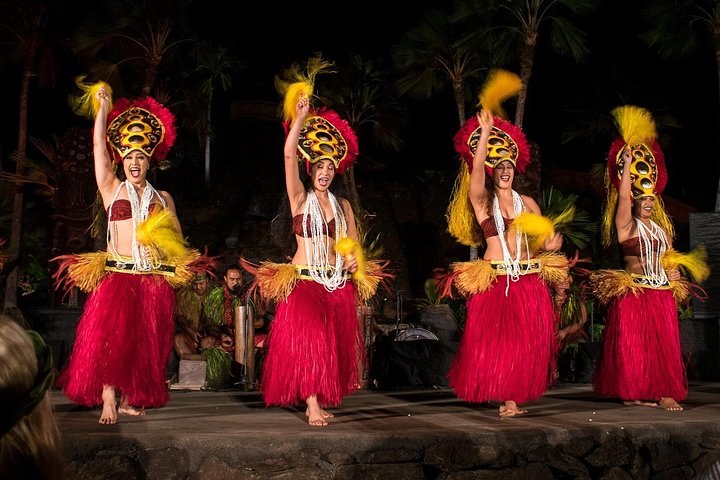
Oahu: Chief's Luau Admission
Attend a luau on Oahu produced by the Original World Fire Knife Dance Champion, Chief Sielu. During this 3 to 3.5-...


